
Antioxidation is one of the most important protective processes in the skin. Its task is to neutralize free radicals, which are responsible for oxidative stress, accelerated aging, and weakening of the skin's protective barrier.
Modern cosmetology is increasingly turning to adaptogens, because adaptogen-based antioxidation works not only immediately, but long-term, strengthening the skin's natural defense mechanisms.
Oxidative stress - what it is, how it affects our skin and our body?
What is skin antioxidation?
Antioxidation is a process that inhibits and neutralizes reactive oxygen species (free radicals). Free radicals are formed, among other things, as a result of:
- UV radiation,
- smog and pollution,
- psychological stress,
- lack of sleep,
- unhealthy diet.
If antioxidation in the skin is insufficient, the following occurs:
- degradation of collagen and elastin,
- loss of firmness,
- increased inflammation,
- faster formation of wrinkles and discoloration.

Why is antioxidation crucial in modern skincare?
The skin has its own antioxidant mechanisms, but with age and under the influence of environmental factors, their effectiveness decreases. Therefore, external antioxidation, provided in cosmetics, becomes an essential element of daily skincare.
Effective antioxidation:
- protects skin cells from damage,
- slows down the aging process,
- supports regeneration,
- improves the skin's resistance to environmental stress.
Antioxidation and adaptogens - intelligent skin protection
Unlike classic antioxidants, adaptogens support antioxidation in a regulating way, not just neutralizing free radicals. This means that they:
- strengthen the skin's natural antioxidant enzymes,
- support cellular balance,
- reduce chronic micro-inflammations,
- improve the skin's ability to adapt to stress.
Therefore, adaptogen-based antioxidation is considered one of the most advanced skin protection strategies.

Antioxidation - 6 adaptogens with strong protective effects
1. Ashwagandha
Ashwagandha supports skin antioxidation by reducing oxidative stress and protecting cells from damage. It helps slow down aging processes and improves regeneration.
2. Reishi
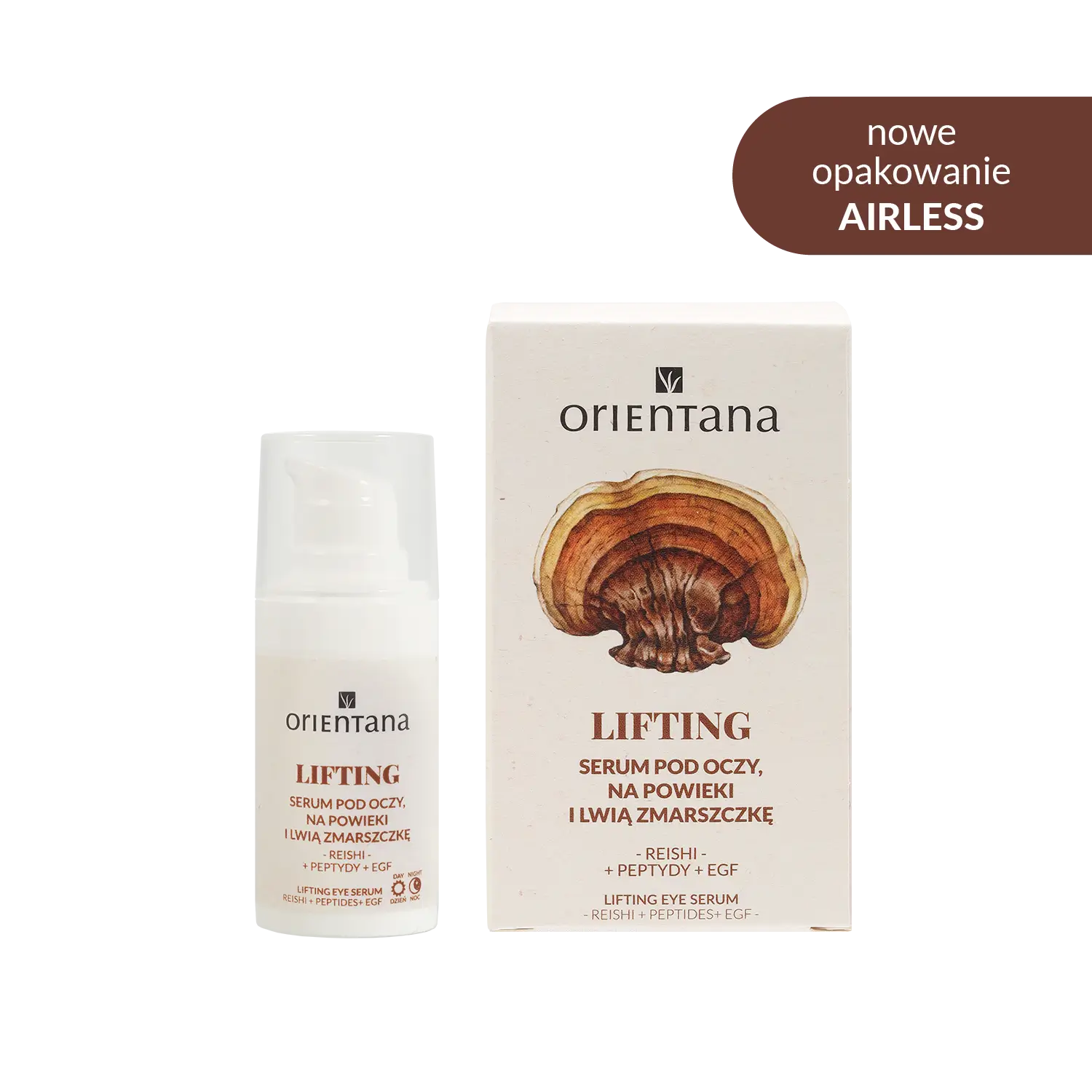
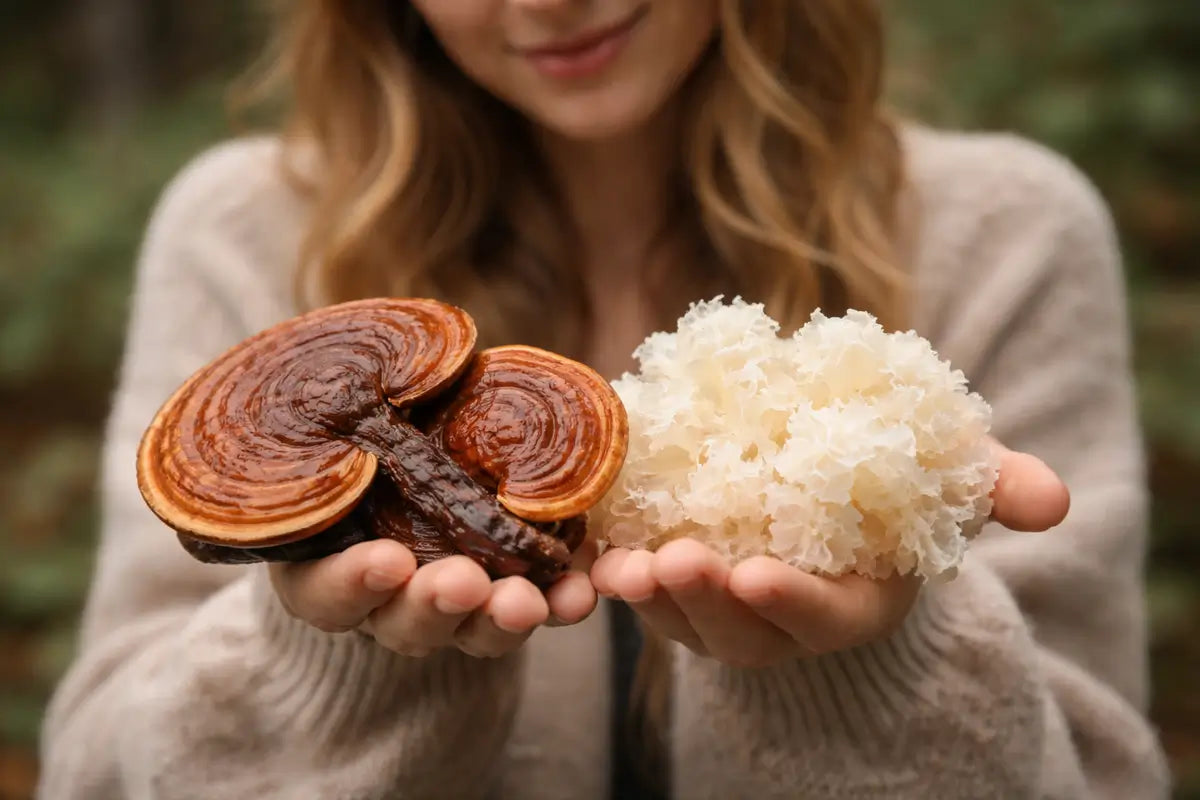
Reishi is an adaptogen with exceptionally strong antioxidant potential. It supports antioxidation by neutralizing free radicals and strengthening the skin's biological immunity.
3. Tremella
Tremella supports antioxidation and simultaneously protects the hydrolipidic barrier. It helps the skin maintain elasticity and resistance to environmental stress.
4. Ginseng
Ginseng activates antioxidant processes in the skin, improves microcirculation, and supports natural repair mechanisms.
5. Centella Asiatica (Gotu Kola, Cica)
Centella Asiatica supports antioxidation by reducing oxidative stress and stimulating collagen synthesis, which translates into better skin elasticity.
6. Rhodiola Rosea
Rhodiola Rosea strengthens skin antioxidation, increasing its resistance to stress and environmental factors.

Why does adaptogen-based antioxidation work long-term?
Adaptogen-based antioxidation:
- does not only act superficially,
- strengthens cellular mitochondria,
- regulates inflammatory responses,
- improves the skin's ability to self-regenerate.
Thanks to this, antioxidation is not a one-time action, but a process of building skin resilience.
For whom is antioxidation particularly important?
Antioxidation should be a priority in the skincare of people:
- living under stress,
- exposed to smog and UV,
- with sensitive skin,
- with the first signs of aging,
- seeking effective, natural skin protection.
Antioxidation - the foundation of modern skincare
Modern skin needs intelligent protection. Adaptogen-based antioxidation allows not only to neutralize the effects of oxidative stress, but also to strengthen the skin's natural defense mechanisms.
That is why antioxidation is increasingly becoming the basis of modern anti-aging cosmetics.
Questions
What is antioxidation?
Antioxidation is the process of neutralizing free radicals that damage skin cells and accelerate their aging. It protects the skin from oxidative stress and loss of biological balance.
Why is antioxidation so important for the skin?
Antioxidation prevents the degradation of collagen and elastin and reduces inflammation. Thanks to it, the skin ages slower and copes better with environmental factors.
What is oxidative stress and how does it affect the skin?
Oxidative stress occurs when free radicals exceed the skin's defense capabilities. It leads to wrinkles, discoloration, loss of firmness, and weakening of the protective barrier.
What factors weaken the skin's natural antioxidation?
Natural antioxidation is weakened by UV radiation, smog, chronic stress, lack of sleep, and environmental pollution. With age, the skin's antioxidant mechanisms also weaken.
How to support skin antioxidation in skincare?
Antioxidation is supported by using cosmetics with antioxidants, sun protection, and regular, long-term care that strengthens the skin barrier.
Does antioxidation have an anti-aging effect?
Yes. Antioxidation slows down the aging processes by protecting skin cells from oxidative damage, which is one of the main causes of wrinkles and loss of firmness.
Is antioxidation necessary for young skin?
Yes. Antioxidation acts preventatively and helps prevent premature skin aging, even if its signs are not yet visible.
Antioxidation and cosmetics - does it make sense?
Yes. Antioxidant cosmetics complement the skin's natural defense mechanisms, which over time become insufficient.
Should antioxidation be used daily?
Yes. Antioxidation is a continuous process, as the skin is exposed to free radicals every day.
Antioxidation - trend or basis of skincare?
Antioxidation is not a trend, but the foundation of modern skincare based on prevention and biological protection.
Summary
Antioxidation is a key protective process for the skin. Combined with adaptogens, it becomes an effective, long-term strategy to combat aging and skin weakening.
That is why antioxidation is increasingly becoming the basis of modern anti-aging cosmetics.