Inspirations

Antioxidants - What Are They and How Do They Work for Your Skin? The Complete Guide
Antioxidants - what are they? Antioxidants are substances that neutralize free radicals , reactive oxygen molecules that damage skin cells. This slows down the aging process , protects cellular DNA, and supports the skin's natural regeneration mechanisms. This is why antioxidants are today one of the most important pillars of modern care - both natural and advanced dermocosmetologically. Antioxidation - 6 adaptogens that support the skin's natural protection What are free radicals and why are they a problem for the skin? Free radicals are formed: under the influence of UV radiation , air pollution (smog, heavy metals), stress, lack of sleep, inflammation, natural metabolic processes in cells. Their excess leads to oxidative stress , which: damages collagen and elastin, accelerates the formation of wrinkles, promotes discoloration, weakens the hydrolipid barrier, increases skin sensitivity and inflammation. 👉 Antioxidants are the skin's natural "protective shield" against these processes. Functional Mushrooms in Skincare - How Reishi Transforms Your Daily Skincare Routine Antioxidants and antioxidation - are they the same? This is a common question (and a common mistake). Antioxidants → specific substances (e.g. vitamin C, polyphenols, flavonoids, adaptogens). Antioxidation → the process of neutralizing free radicals occurring in the skin. 👉 Simply put: Antioxidants CAUSE antioxidation. Tremella - what is it and why does it moisturize the skin more effectively than hyaluronic acid? How do antioxidants work on the skin? The mechanism of action of antioxidants involves several levels: 1. Neutralization of free radicals The antioxidant "donates" an electron to the free radical, stopping the chain reaction of damage . 2. Protection of collagen and elastin Reduction in the degradation of skin support proteins = fewer wrinkles and better firmness . 3. Support for cell regeneration The skin regenerates faster and responds better to active ingredients. 4. Strengthening the hydrolipid barrier Antioxidants indirectly improve skin hydration and immunity. The skin's hydrolipid barrier - how does it work and how to rebuild it? Antioxidants in cosmetics - why are they crucial? Antioxidants in skin care: protect against photoaging , enhance the effect of SPF filters, reduce the effects of exposure to UV and smog, improve skin tone, have a preventive effect (anti-aging). Therefore, cosmetics with antioxidants should be used every day , not only for anti-wrinkle purposes, but also for protection. Natural and synthetic antioxidants - the differences In cosmetics we find both types: Natural antioxidants: plant polyphenols, flavonoids, carotenoids, extracts of adaptogens and functional mushrooms, vitamins of natural origin. Advantages: ✔ multidirectional action ✔ better biocompatibility with the skin ✔ additional anti-inflammatory and regenerative properties Synthetic antioxidants: stable forms of vitamins, protective compounds formulas. Advantages: ✔ high stability ✔ predictable operation In practice, the best results are achieved by combining both , with the predominance of strong antioxidants of natural origin. Vitamin C and its effects on the skin The strongest antioxidants used in cosmetics The best-researched and most effective include: Vitamin C – brightens, stimulates collagen, protects against UV Vitamin E – strengthens the skin barrier and has a protective effect Coenzyme Q10 – supports cellular mitochondria Plant polyphenols – strong anti-inflammatory effect Flavonoids – protection of vessels and cell DNA Adaptogens and functional mushrooms are also playing an increasingly important role, combining antioxidant activity with regulating the skin's response to stress. Oxidative stress – what is it and how does it affect the skin and our body? Antioxidants and adaptogens - a modern approach to care Adaptogens are plants and fungi that: increase cell resistance to stress, normalize skin reactions, have strong antioxidant properties. In adaptogenic cosmetics, antioxidants: it is not a one-time "quenching" of free radicals, but long-term skin strengthening . This approach fits perfectly into the slow aging philosophy. Antioxidants and skin type - who needs them most? Any skin , but especially: urban leather, mature skin, skin with discoloration, sensitive and reactive skin, skin exposed to oxidative stress (UV, smog, climate). Antioxidants are not an “option” – they are the basis of protective care . How to use cosmetics with antioxidants? In the morning - protection against UV and pollution In the evening - regeneration and support of repair processes Preferably in the form of serums, boosters, creams and essences Regularity > concentration Antioxidants in anti-aging care More than 80% of skin aging is external in nature, related to oxidative stress. Therefore, antioxidants: slow down the appearance of wrinkles, improve skin density, protect against photoaging, support the action of other active ingredients. Summary: antioxidants - why are they the foundation of care? neutralize free radicals protect the skin against oxidative stress slow down aging strengthen the skin barrier they act preventively and remedially Without antioxidants, there is no modern, effective skin care. Questions about antioxidants What are antioxidants? Antioxidants are substances that neutralize free radicals that damage skin cells and accelerate aging. Antioxidants - what does it mean in cosmetics? This means that the cosmetic protects the skin against oxidative stress, UV and pollution. Do antioxidants have an anti-wrinkle effect? Yes, because they limit the degradation of collagen and elastin. Do young skin need antioxidants? Yes – they have a preventive effect and protect the skin against premature aging. Antioxidants in the morning or evening? Preferably both times , but they are especially important in the morning, under SPF. Do antioxidants brighten skin? Indirectly, yes, they reduce oxidative stress that promotes discoloration. Are antioxidants safe for sensitive skin? Yes, especially those of natural and adaptogenic origin. Antioxidants and antioxidation - what's the difference? Antioxidants are substances, antioxidation is the process of their action. Is one antioxidant enough? The best results are achieved with a complex of antioxidants that work synergistically. How long do you need to use antioxidants to see results? The first protective effects appear quickly, but anti-aging action requires regularity. Do all skin types need antioxidants? Yes. All skin is exposed to oxidative stress, regardless of age. Do natural cosmetics have strong enough antioxidants? Yes, if they are based on adaptogens and highly active plant extracts. Do antioxidants help with discoloration? Yes, they limit the formation of new discolorations and support the evenness of the skin tone. Are antioxidants good for sensitive skin? Yes, especially those of plant origin. Do antioxidants really delay skin aging? Yes. Regular use of antioxidants slows down photoaging, limits collagen degradation, and reduces the appearance of fine lines. Why does skin lose firmness faster without antioxidants? Because free radicals accelerate the breakdown of the skin's supporting fibers, antioxidants act as a protective shield against this process. Do young skin need antioxidants? Yes. Antioxidant prevention is more effective than correcting the signs of aging later. Do antioxidants help skin exposed to smog and pollution? Yes. This is one of their key uses – they protect the skin from environmental stress and so-called "urban aging." Can antioxidants be used daily? Yes. Antioxidants are safe for daily, long-term use. Can antioxidants replace sunscreen? No. Antioxidants supplement UV protection but do not replace sunscreen. Why are antioxidants so important in modern cosmetology? Because skin aging is largely an oxidative process. Why are adaptogens considered powerful antioxidants? Because they not only neutralize free radicals, but also increase the skin's resistance to biological and environmental stress. Why does skin look tired without antioxidants? Because oxidative stress disturbs microcirculation and skin cell metabolism. How long do you need to use antioxidants to see results? The first effects (better skin tone, greater skin comfort) appear after 2–4 weeks, and the anti-aging effect increases with regular use. How long can you use cosmetics with antioxidants without interruption? Without restrictions, antioxidants are intended for long-term care. What happens if your skin doesn't get antioxidants? Wrinkles, discoloration and loss of firmness appear faster. What happens if antioxidants are used irregularly? Skin protection is incomplete and the effects are weaker and less lasting.
Learn more
Oxidative stress – what is it and how does it affect the skin and our body?
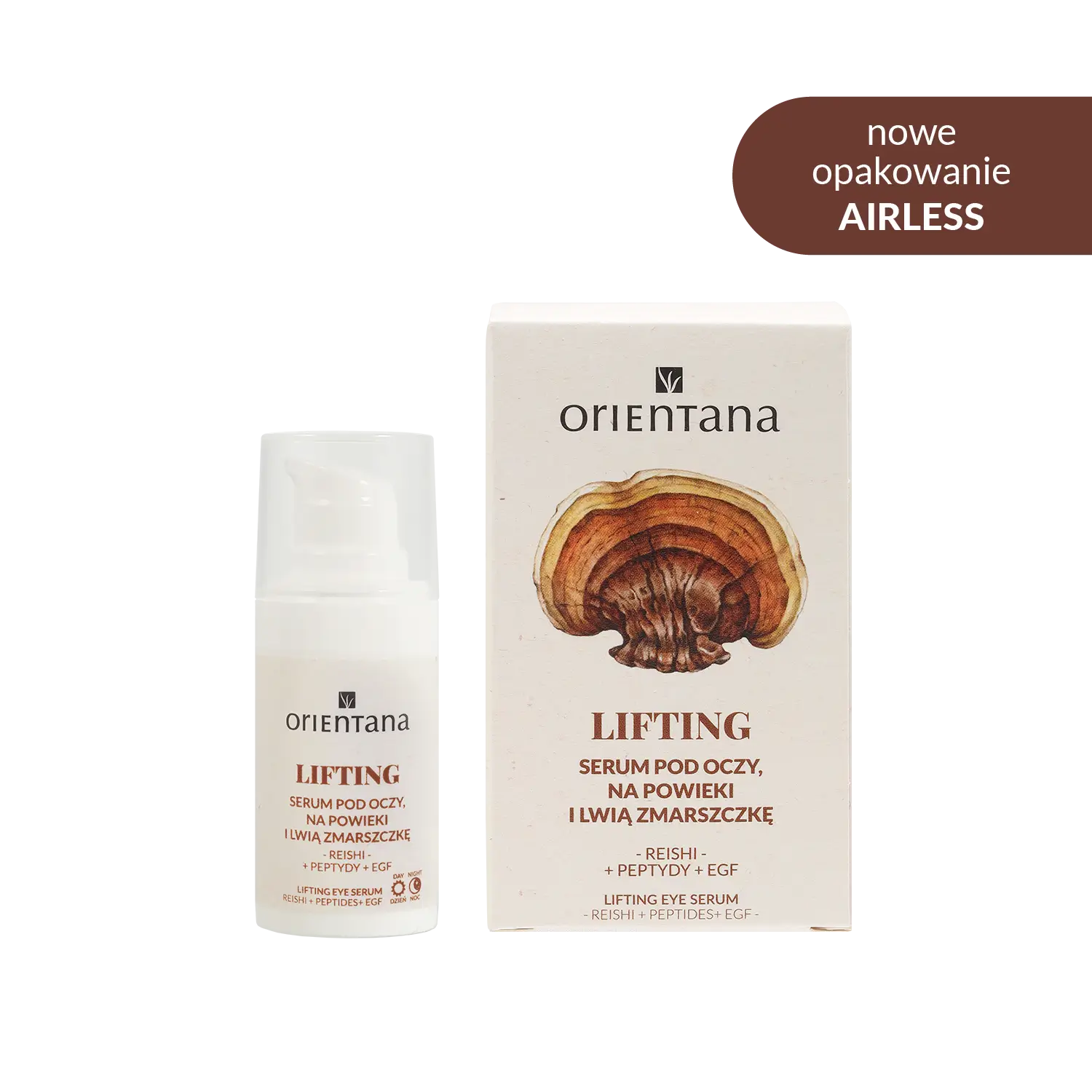
Oxidative stress is a state of imbalance between the production of reactive oxygen species (ROS) and the body's ability to neutralize them with antioxidants. Under physiological conditions, ROS perform important regulatory and signaling functions in the body, but their excess leads to damage to biomolecules, which can result in serious health consequences . Modern research indicates the key role of oxidative stress in the pathogenesis of many chronic diseases , including atherosclerosis, neurodegenerative diseases, type 2 diabetes and cancer (Liguori et al., 2018). What is Oxidative Stress? – Explained in the Context of Skin Care Oxidative stress is a condition in which too many free radicals – oxygen molecules with unpaired electrons – are produced in the body (or specifically in the skin) and the body is unable to effectively neutralize them with antioxidants. Under normal conditions, free radicals are involved in important biological processes, but when there are too many of them (e.g. under the influence of UV radiation, pollution, stress, cigarette smoke), they begin to damage cells , including: collagen and elastin, cell membranes, Skin cell DNA. Oxidative stress and the skin – how does it affect its condition? The skin is the human body's largest organ and its first line of defense against harmful external factors. It is particularly vulnerable to oxidative stress caused by UV radiation, air pollution, cigarette smoke, and psychological stress. An excess of reactive oxygen species leads to numerous adverse effects: Photoaging of the skin – free radicals destroy collagen and elastin, resulting in wrinkles, loss of firmness and elasticity. Discoloration and uneven skin tone – ROS disrupt the function of melanocytes, which can lead to hyperpigmentation. Dehydration and roughness of the skin – oxidative stress weakens the hydrolipid barrier. Exacerbation of inflammatory conditions – such as acne, atopic dermatitis or psoriasis, because ROS activate inflammatory cytokines. Disorders of epidermal regeneration – the skin regenerates more slowly and becomes more susceptible to irritation and damage. That is why modern care places increasing emphasis on antioxidant and adaptogenic ingredients that support the skin in the fight against free radicals. Adaptogens in skin care – how do they support the fight against oxidative stress? Adaptogens are biologically active plant substances that increase the body's resistance (including the skin's) to stress—both oxidative and environmental. They have the ability to restore homeostasis, or internal balance, making them ideal ingredients in protective and anti-aging cosmetics. How do adaptogens work on the skin? They neutralize free radicals – thanks to the presence of polyphenols, flavonoids and terpenes with antioxidant properties. They reduce inflammation – they reduce the secretion of inflammatory cytokines in response to environmental stress. They strengthen the skin's protective barrier – supporting the production of ceramides and lipids. They improve microcirculation and oxygenation of the skin , which accelerates its regeneration. They protect the DNA of skin cells – preventing mutations and premature aging. Orientana cosmetics with adaptogens – effective antioxidant protection 1. Ashwagandha Antioxidant Serum Withania somnifera (ashwagandha) – acts as a natural neurocosmetic, reduces the effects of stress and strengthens the skin's defense mechanisms. CICA (Centella asiatica) – Centella asiatica supports regeneration, soothes and strengthens blood vessels. Schisandra chinensis - supports the protective function of the skin by limiting TEWL (transepidermal water loss), stimulates microcirculation and oxygenates skin cells, which translates into a fresh, radiant appearance. This light serum is perfect for daily urban care, especially for skin exposed to smog and UV radiation. The Antioxidation Serum is the strongest serum for oxidative stress, and the other serums in the ampoule also have antioxidant properties and are aimed at various skin problems (dehydration, discoloration, wrinkles). 2. Facial cosmetics with Reishi (Ganoderma lucidum) Reishi, known as the "mushroom of immortality," is one of the most powerful adaptogens with documented antioxidant properties. Reishi in Orientana cosmetics: improves the skin's ability to regenerate, reduces signs of fatigue and stress, has anti-wrinkle properties. Reishi products are especially recommended for the care of mature and stressed skin. 3. Cosmetics with Rhodiola rosea Rhodiola rosea is an adaptogenic Arctic-mountain plant widely used in natural medicine and modern phytocosmetology. It is gaining recognition in skincare for its antioxidant, anti-aging, and protective properties, especially in the context of "stressed skin." You will find this ingredient in: Brightening Booster Orientana also uses other adaptogens. Read about them in the post Antioxidation - 6 Adaptogens. Causes of oxidative stress External factors Oxidative stress can be caused by numerous environmental factors that increase ROS production. The most important include: • Air pollution – exposure to heavy metals (e.g. lead, cadmium) and smog particles may induce the formation of free radicals (Valavanidis et al., 2013). • UV radiation – intense exposure to ultraviolet radiation leads to the formation of ROS in the skin, which may contribute to photoaging and skin cancer (Wang et al., 2017). • Smoking – tobacco smoke contains over 4,000 chemicals, many of which have pro-oxidant properties, leading to chronic oxidative stress (Pryor & Stone, 1993). Internal factors • Unhealthy lifestyle – inappropriate diet low in antioxidants, lack of physical activity and chronic psychological stress may increase oxidative stress (Furukawa et al., 2017). • Chronic diseases – diabetes, hypertension and obesity lead to increased production of ROS, which may further exacerbate the course of these diseases (Rani et al., 2016). Symptoms and effects of oxidative stress Long-term oxidative stress leads to cumulative damage to biomolecules, which increases the risk of chronic diseases. Cellular damage • Proteins – oxidation of proteins causes them to misfold and lose function, which can lead to neurodegeneration (Butterfield & Halliwell, 2019). • Lipids – lipid peroxidation of cell membranes leads to their destabilization and cell death (Ayala et al., 2014). • DNA – mutations induced by ROS are associated with carcinogenesis and aging processes (Cooke et al., 2003). Diseases related to oxidative stress Research indicates that oxidative stress plays a key role in the pathogenesis of numerous diseases, such as: • Atherosclerosis – oxidation of LDL lipoproteins contributes to the formation of atherosclerotic plaque (Stocker & Keaney, 2004). • Neurodegenerative diseases – excessive production of ROS in the brain is associated with Parkinson's and Alzheimer's disease (Barnham et al., 2004). • Cancer – chronic oxidative stress promotes mutations and neoplastic transformation (Reuter et al., 2010). Mechanisms of protection against oxidative stress The body has natural mechanisms to neutralize excess ROS. Enzymatic antioxidants Superoxide dismutase (SOD) – catalyzes the conversion of superoxide anion into the less reactive hydrogen peroxide. Catalase (CAT) – breaks down hydrogen peroxide into water and oxygen. Glutathione peroxidase (GPx) – reduces hydrogen peroxide and lipid peroxides (Halliwell & Gutteridge, 2015). Non-enzymatic antioxidants • Vitamins C and E – neutralize free radicals, protecting lipids and proteins against oxidation. • Glutathione – the main intracellular antioxidant, playing a key role in detoxification (Lu, 2013). Prevention and treatment of oxidative stress A diet rich in antioxidants Eating foods rich in polyphenols , vitamins , and minerals can reduce oxidative stress. Some of the best sources of antioxidants include: • Berries, grapes, green tea (flavonoids) • Leafy vegetables (carotenoids) • Nuts and seeds (vitamin E) Antioxidant supplementation In case of antioxidant deficiencies, supplementation with vitamin C, E, coenzyme Q10 or resveratrol may be indicated (Lobo et al., 2010). Lifestyle changes • Regular physical activity of moderate intensity reduces the level of oxidative stress (Radak et al., 2013). • Avoiding smoking and exposure to air pollution reduces the production of ROS. Oxidative stress is one of the main factors accelerating the aging process of the body, including the skin. Free radicals, produced by external and internal factors, damage DNA, proteins, and lipids, leading to wrinkles, discoloration, inflammation, and decreased skin elasticity. Therefore, it's crucial to use appropriate antioxidants—both in your diet and in your daily skincare routine. Modern cosmetology utilizes adaptogens such as ashwagandha, reishi, and rhodiola rosea, which exhibit strong antioxidant, anti-inflammatory, and protective properties. Orientana cosmetics with these ingredients effectively support the skin in its fight against oxidative stress, restoring its healthy, radiant appearance and supporting regeneration processes. It is worth remembering that preventing oxidative stress is not only about care, but also about lifestyle – a balanced diet, physical activity and avoiding pollution can actually prolong the youthfulness of your skin.
Learn more