
Oxidative stress is a state of imbalance between the production of reactive oxygen species (ROS) and the body's ability to neutralize them with antioxidants. Under physiological conditions, ROS perform important regulatory and signaling functions in the body, but their excess leads to damage to biomolecules, which can result in serious health consequences .
Modern research indicates the key role of oxidative stress in the pathogenesis of many chronic diseases , including atherosclerosis, neurodegenerative diseases, type 2 diabetes and cancer (Liguori et al., 2018).
What is Oxidative Stress? – Explained in the Context of Skin Care
Oxidative stress is a condition in which too many free radicals – oxygen molecules with unpaired electrons – are produced in the body (or specifically in the skin) and the body is unable to effectively neutralize them with antioxidants.
Under normal conditions, free radicals are involved in important biological processes, but when there are too many of them (e.g. under the influence of UV radiation, pollution, stress, cigarette smoke), they begin to damage cells , including:
- collagen and elastin,
- cell membranes,
- Skin cell DNA.
Oxidative stress and the skin – how does it affect its condition?
The skin is the human body's largest organ and its first line of defense against harmful external factors. It is particularly vulnerable to oxidative stress caused by UV radiation, air pollution, cigarette smoke, and psychological stress. An excess of reactive oxygen species leads to numerous adverse effects:
- Photoaging of the skin – free radicals destroy collagen and elastin, resulting in wrinkles, loss of firmness and elasticity.
- Discoloration and uneven skin tone – ROS disrupt the function of melanocytes, which can lead to hyperpigmentation.
- Dehydration and roughness of the skin – oxidative stress weakens the hydrolipid barrier.
- Exacerbation of inflammatory conditions – such as acne, atopic dermatitis or psoriasis, because ROS activate inflammatory cytokines.
- Disorders of epidermal regeneration – the skin regenerates more slowly and becomes more susceptible to irritation and damage.
That is why modern care places increasing emphasis on antioxidant and adaptogenic ingredients that support the skin in the fight against free radicals.
Adaptogens in skin care – how do they support the fight against oxidative stress?
Adaptogens are biologically active plant substances that increase the body's resistance (including the skin's) to stress—both oxidative and environmental. They have the ability to restore homeostasis, or internal balance, making them ideal ingredients in protective and anti-aging cosmetics.
How do adaptogens work on the skin?
- They neutralize free radicals – thanks to the presence of polyphenols, flavonoids and terpenes with antioxidant properties.
- They reduce inflammation – they reduce the secretion of inflammatory cytokines in response to environmental stress.
- They strengthen the skin's protective barrier – supporting the production of ceramides and lipids.
- They improve microcirculation and oxygenation of the skin , which accelerates its regeneration.
- They protect the DNA of skin cells – preventing mutations and premature aging.
Orientana cosmetics with adaptogens – effective antioxidant protection
1. Ashwagandha Antioxidant Serum

- Withania somnifera (ashwagandha) – acts as a natural neurocosmetic, reduces the effects of stress and strengthens the skin's defense mechanisms.
- CICA (Centella asiatica) – Centella asiatica supports regeneration, soothes and strengthens blood vessels.
- Schisandra chinensis - supports the protective function of the skin by limiting TEWL (transepidermal water loss), stimulates microcirculation and oxygenates skin cells, which translates into a fresh, radiant appearance.
This light serum is perfect for daily urban care, especially for skin exposed to smog and UV radiation.
The Antioxidation Serum is the strongest serum for oxidative stress, and the other serums in the ampoule also have antioxidant properties and are aimed at various skin problems (dehydration, discoloration, wrinkles).

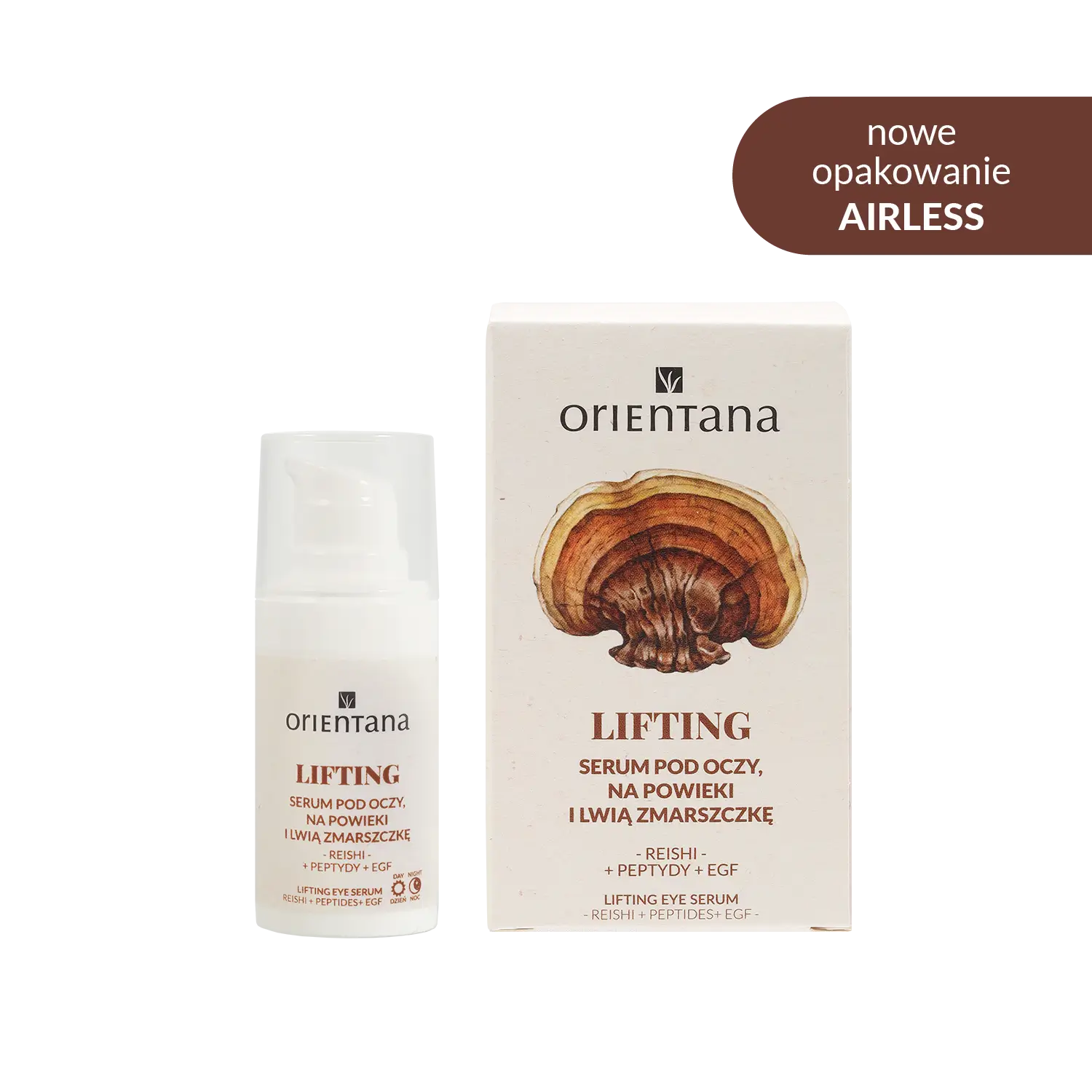
2. Facial cosmetics with Reishi (Ganoderma lucidum)
Reishi, known as the "mushroom of immortality," is one of the most powerful adaptogens with documented antioxidant properties. Reishi in Orientana cosmetics:
- improves the skin's ability to regenerate,
- reduces signs of fatigue and stress,
- has anti-wrinkle properties.

Reishi products are especially recommended for the care of mature and stressed skin.
3. Cosmetics with Rhodiola rosea
Rhodiola rosea is an adaptogenic Arctic-mountain plant widely used in natural medicine and modern phytocosmetology. It is gaining recognition in skincare for its antioxidant, anti-aging, and protective properties, especially in the context of "stressed skin."
You will find this ingredient in: Brightening Booster
Orientana also uses other adaptogens. Read about them in the post Antioxidation - 6 Adaptogens.
Causes of oxidative stress
External factors
Oxidative stress can be caused by numerous environmental factors that increase ROS production. The most important include:
• Air pollution – exposure to heavy metals (e.g. lead, cadmium) and smog particles may induce the formation of free radicals (Valavanidis et al., 2013).
• UV radiation – intense exposure to ultraviolet radiation leads to the formation of ROS in the skin, which may contribute to photoaging and skin cancer (Wang et al., 2017).
• Smoking – tobacco smoke contains over 4,000 chemicals, many of which have pro-oxidant properties, leading to chronic oxidative stress (Pryor & Stone, 1993).
Internal factors
• Unhealthy lifestyle – inappropriate diet low in antioxidants, lack of physical activity and chronic psychological stress may increase oxidative stress (Furukawa et al., 2017).
• Chronic diseases – diabetes, hypertension and obesity lead to increased production of ROS, which may further exacerbate the course of these diseases (Rani et al., 2016).
Symptoms and effects of oxidative stress
Long-term oxidative stress leads to cumulative damage to biomolecules, which increases the risk of chronic diseases.
Cellular damage
• Proteins – oxidation of proteins causes them to misfold and lose function, which can lead to neurodegeneration (Butterfield & Halliwell, 2019).
• Lipids – lipid peroxidation of cell membranes leads to their destabilization and cell death (Ayala et al., 2014).
• DNA – mutations induced by ROS are associated with carcinogenesis and aging processes (Cooke et al., 2003).
Diseases related to oxidative stress
Research indicates that oxidative stress plays a key role in the pathogenesis of numerous diseases, such as:
• Atherosclerosis – oxidation of LDL lipoproteins contributes to the formation of atherosclerotic plaque (Stocker & Keaney, 2004).
• Neurodegenerative diseases – excessive production of ROS in the brain is associated with Parkinson's and Alzheimer's disease (Barnham et al., 2004).
• Cancer – chronic oxidative stress promotes mutations and neoplastic transformation (Reuter et al., 2010).
Mechanisms of protection against oxidative stress
The body has natural mechanisms to neutralize excess ROS.
Enzymatic antioxidants
Superoxide dismutase (SOD) – catalyzes the conversion of superoxide anion into the less reactive hydrogen peroxide.
- Catalase (CAT) – breaks down hydrogen peroxide into water and oxygen.
- Glutathione peroxidase (GPx) – reduces hydrogen peroxide and lipid peroxides (Halliwell & Gutteridge, 2015).
Non-enzymatic antioxidants
• Vitamins C and E – neutralize free radicals, protecting lipids and proteins against oxidation.
• Glutathione – the main intracellular antioxidant, playing a key role in detoxification (Lu, 2013).
Prevention and treatment of oxidative stress
A diet rich in antioxidants
Eating foods rich in polyphenols , vitamins , and minerals can reduce oxidative stress. Some of the best sources of antioxidants include:
• Berries, grapes, green tea (flavonoids)
• Leafy vegetables (carotenoids)
• Nuts and seeds (vitamin E)
Antioxidant supplementation
In case of antioxidant deficiencies, supplementation with vitamin C, E, coenzyme Q10 or resveratrol may be indicated (Lobo et al., 2010).
Lifestyle changes
• Regular physical activity of moderate intensity reduces the level of oxidative stress (Radak et al., 2013).
• Avoiding smoking and exposure to air pollution reduces the production of ROS.
Oxidative stress is one of the main factors accelerating the aging process of the body, including the skin. Free radicals, produced by external and internal factors, damage DNA, proteins, and lipids, leading to wrinkles, discoloration, inflammation, and decreased skin elasticity. Therefore, it's crucial to use appropriate antioxidants—both in your diet and in your daily skincare routine.
Modern cosmetology utilizes adaptogens such as ashwagandha, reishi, and rhodiola rosea, which exhibit strong antioxidant, anti-inflammatory, and protective properties. Orientana cosmetics with these ingredients effectively support the skin in its fight against oxidative stress, restoring its healthy, radiant appearance and supporting regeneration processes.
It is worth remembering that preventing oxidative stress is not only about care, but also about lifestyle – a balanced diet, physical activity and avoiding pollution can actually prolong the youthfulness of your skin.