Inspirations

VARSHA RITU - Ayurvedic care for July and August
Varsha Ritu is the Indian monsoon season, usually lasting from July to September. It is a time of intense rainfall, increased humidity, and energetic instability of the body. In traditional Ayurveda, Varsha Ritu is of great importance – not only for nature, but also for the body, mind, and daily health routine. It is a time when Vata and Pitta dosha imbalances are most visible and require special care. The Vata dosha is responsible for movement, air, and ether, and individuals with a dominant Vata often have a specific skin type—delicate, sensitive, and prone to dryness. The Pitta dosha symbolizes fire and water, and its main function in the body is transformation—both metabolic and emotional. The skin of individuals with dominant Pitta reflects these characteristics: it is sensitive, warm, and prone to inflammatory reactions. In Poland, summer means an increased period of humidity, especially after storms and rainfall. High temperatures combined with evaporating water from soil and vegetation create a feeling of "suffocation"—a typical effect of high humidity. Relative humidity often exceeds 80–90% at night and in the morning. Regions with elevated humidity throughout the year include river valleys (e.g., Vistula, Biebrza valleys), lake districts and coastal areas (Pomerania, Masuria), and forest and mountain areas (Bieszczady, Sudetes – especially in spring and autumn). High humidity is not just numbers, but also how we feel it – if the temperature exceeds 25°C and humidity is above 60–70%, we feel stifled, our skin feels sticky, and sweat does not evaporate properly. Characteristics of Varsha Ritu In a season characterized by high humidity, frequent rains, cloudy skies, and fluctuating temperatures, nature thrives—greenery is lush, and the earth prepares for sowing and rebirth. From an Ayurvedic perspective, this is a period of increased accumulation of ama, which are toxins formed from undigested food residues, resulting from the weakening of Agni – the digestive fire. The weather also favors Vata dosha irregularities, which can lead to fluctuating moods, digestive problems, and a feeling of instability in both body and mind. In Ayurveda, it is believed that during Varsha Ritu, the body is more susceptible to diseases – the digestive system weakens, and excess moisture promotes the proliferation of bacteria and parasites. Therefore, this season requires a special dietary and skincare regimen. Which doshas are imbalanced during the rainy season? Vata dosha During the rainy season, Vata dosha becomes particularly susceptible to imbalances. This is contributed to by factors such as irregular weather, sudden temperature changes, cold, and humidity. Vata, which is naturally light, dry, and mobile, is disrupted by excess moisture and cold—which can lead to symptoms such as bloating, indigestion, joint pain, insomnia, anxiety, or difficulty concentrating. This is a time when the body needs more warmth, stability, and regularity. Pitta dosha Although Pitta usually remains balanced at the beginning of the rainy season, in the later phase of the monsoons – when temperature and humidity rise – it can lead to an excess. Pitta, whose nature is hot and sharp, reacts particularly strongly to hot and humid conditions, which can manifest as skin irritations, acne, reflux, feelings of anger or frustration, and also a weakening of the digestive fire (Agni). Therefore, in this phase, it is advisable to maintain a cooling diet and avoid excess heat – both in food and emotions. Ayurvedic recommendations for Varsha Ritu During the rainy season — or Varsha Ritu — Ayurveda pays special attention to protecting the body from the effects of humidity, weakening of digestive fire (Agni), accumulation of ama (toxins), and imbalance of doshas, especially Vata and Pitta. This is a time when the body needs warmth, lightness, and stability. Diet During Varsha Ritu, it is crucial to support digestion and avoid foods that can increase the accumulation of ama (undigested residues and toxins). Digestive difficulties, bloating, or a feeling of heaviness are common problems during this time of year. Avoid: Too many raw vegetables – they are hard to digest and can worsen Agni. Very cold meals and drinks, including ice cream and chilled beverages – they weaken digestion. Heavy, fatty dishes – such as fried foods or meats in heavy sauces. Choose: Warm, cooked, and easily digestible dishes – vegetable soups, rice dishes. Cooked vegetables – especially pumpkin, carrots, zucchini, squash. Supportive spices and herbs: Ginger – fresh or dried, warms and stimulates Agni. Turmeric – has anti-inflammatory and cleansing properties. Black pepper – improves metabolism. Cumin – relieves digestive ailments, has a toning effect. Routine and Lifestyle During the rainy season, it is recommended to simplify the day, avoid excessive physical activity, and maintain a daily routine that helps stabilize irregular and agitated Vata. Oil massage (Abhyanga): Daily oiling of the body with warm oil, preferably sesame oil, has a grounding, moisturizing, and calming effect on the nervous system. It also helps protect the skin from dryness and cracking. Dry bath (ubtan): Instead of shower gels, it's worth using a powdered mixture of chickpea flour, turmeric, and plant milk or water once every few days. Such a "bath" cleanses the skin, removes excess sebum and moisture, and improves microcirculation. Hygiene and protection: Drink only boiled water – minimizes the risk of intestinal infections. Avoid street food – especially in humid climates, it can be a source of parasites and bacteria. Take care of parasite prevention, e.g., by drinking water with added turmeric, eating cloves, garlic, or neem. Clothing and makeup: Wear cotton, breathable fabrics that allow the skin to breathe. Avoid synthetics and overly tight clothing – they can trap moisture and promote skin fungal infections, rashes, and chafing. Avoid excessive makeup – opt for a natural, breathable look. After bathing, thoroughly dry the skin (especially in folds) and use talc or Ayurvedic powders (e.g., sandalwood) if you are prone to heat rash. Regularity, warmth, and lightness are the three pillars that will help you get through Varsha Ritu in good health – both physical and emotional. If you wish, I can also prepare an Ayurvedic meal plan or a skincare ritual for this period. Body and Skin Care during Varsha Ritu During the Ayurvedic Varsha Ritu — when the air is humid and the skin is exposed to water, mud, and temperature changes — skincare must be particularly careful and adapted to the skin's reactivity. At this time, the skin becomes more susceptible to fungal infections, rashes, itching, or inflammation, so soothing, cleansing, and light products are crucial. Skin problems during this period: fungal and skin infections (especially in folds, between toes, under the bust) rashes, redness, pimples feeling of moisture and stickiness of the skin weakened hydrolipid barrier – the skin becomes reactive and sensitive Daily facial and body care – Ayurvedic recommendations 1. Skin Toning Toners play a significant role in soothing inflammation, regulating pH, and protecting against excessive moisture. reach for Orientana Rose Toner – it has soothing, anti-inflammatory, and antibacterial properties, and gently refreshes the skin without drying it out. Ideal for sensitive and reactive skin. 2. Herbal cleansing baths During the rainy season, baths with antiseptic herbs are exceptionally helpful in preventing skin infections. Recommended bath additives: Neem Oil – strong antifungal and cleansing properties Turmeric – has anti-inflammatory and detoxifying effects Sandalwood – soothes itching, cools, and improves skin tone You can prepare an infusion of these herbs, strain it, and add it to bathwater or use it as a final rinse after bathing. 3. Appropriate selection of moisturizing cosmetics Moisture in the air does not mean that the skin does not need hydration — quite the opposite. However, heavy, greasy creams can clog pores and worsen inflammation. During Varsha Ritu, it's worth opting for lightweight formulas with regulating and soothing effects. Recommended Orientana products: Tremella sebum-regulating cream – ideal for combination and oily skin in humid climates; contains tremella (plant-based hyaluronic acid), which intensely moisturizes without burdening the skin, while also supporting the skin's microbiome balance. Orientana serum-ampoules – lightweight, fast-absorbing formulas with active ingredients like ashwagandha, vitamin C, peptides, trehalose – chosen according to skin needs (e.g., anti-aging, brightening, regeneration). Vitamin C creams from the Hello Papaya series – natural, energizing, and exfoliating creams based on papaya and stable forms of vitamin C, which support regeneration, even out skin tone, and protect against oxidative stress. During Varsha Ritu, skincare should primarily be preventive, purifying, and soothing. This is a time when it is worth letting the skin breathe, not overloading it with cosmetics, but also not leaving it unprotected. What happens to our skin during Varsha Ritu? During periods of high humidity and elevated temperatures, such as the rainy season or hot summer, the body struggles to maintain the skin's hydro-lipid balance. External conditions disrupt natural regulatory mechanisms, leading to numerous skin problems. The skin then becomes more reactive – it responds faster to external stimuli, and its protective functions weaken. Excessive oiliness appears, but at the same time, dehydration can occur. This seemingly contradictory phenomenon makes the skin look shiny, yet it can be tight, rough, and irritated. In such conditions, the susceptibility to inflammatory changes significantly increases, especially: pimples and blackheads, folliculitis (e.g., on thighs, buttocks, or arms), sweat acne – appearing mainly on the back and décolleté, and post-inflammatory hyperpigmentation, which remains after inflammation and deepens under the influence of the sun. Therefore, skincare during such a time should be light, balancing, and soothing – so that it simultaneously cleanses, moisturizes, and soothes inflammation, without burdening the delicate hydro-lipid barrier. How to care for your skin according to Ayurveda and Varsha Ritu? 1. Cleanse gently, but effectively During the humid season, it's not advisable to reach for strong detergents – they can disrupt the hydrolipid barrier and worsen the problem. Recommendation:Orientana Golden Orange Facial Cleansing Foam – cleanses, has antibacterial properties, soothes and calms. 2. Strengthen skin protection against inflammation The time of storms and heat is a test for problematic skin – Pitta dosha overheats the skin, which manifests as irritation, redness, and inflammation. Recommendation:Antioxidant Ashwagandha Cica Niacinamide Serum-ampoule – has anti-inflammatory effects, strengthens capillaries, regulates sebum, and protects against oxidative stress. 3. Avoid greasy, heavy creams Instead of thick consistencies, opt for light gels, essences, and watery serums – your skin will breathe, won't become oily, but will be hydrated. Recommendation:Orientana Tremella Cream – a natural alternative to hyaluronic acid, lightweight formula, does not clog pores. 4. Tone and refresh Changing weather can increase skin reactivity – it's worth supporting it daily with a toner or natural mist. Recommendation:Japanese Sakura Face and Hair Mist – soothes, refreshes, moisturizes Spiritual and Emotional Significance of Varsha Ritu Varsha Ritu in Ayurveda is not only a season in the physical sense but also a time of inner purification, stillness, and reflection. The rains wash away dust from leaves and the earth, but symbolically they also wash away accumulated emotions, tensions, and everything that does not serve our balance. Water — the dominant element during this period — brings with it both solace and confrontation with what is difficult. Slowing down and stopping In the natural cycle of life, this is a moment when the world slows down, and we – in tune with the rhythm of nature – have the opportunity to do the same. Constant activity, intense stimuli, and an excess of plans contribute to Vata imbalances, which is why during Varsha Ritu, Ayurveda recommends limiting excessive activities, travel, screen time, and haste. It is a good time to consciously embrace routine, simplify the day, and care for inner balance. Symbolism of water – cleansing and emotions In Ayurveda, water symbolizes cleansing, nourishment, softness, but also emotional depth. During the rainy season, hidden emotions, often long suppressed – fear, sadness, a sense of being lost – may become active. This is natural and necessary. Varsha Ritu encourages us not to push away these states, but to notice them, feel them, and give them space for transformation. Just as the earth soaks up water, we too can "soak up" gentleness towards ourselves. Time for introspection and meditation Ayurveda emphasizes that the rainy season is an ideal time for spiritual practices – especially those that lead to turning attention inward. Meditation, pranayama (breathing exercises), prayer, journaling, or contemplation in silence help strengthen the Agni of the mind – the ability for discernment and clarity. In this way, we cleanse not only the body of toxins but also the mind of chaos and distraction. Internal dialogue and balance This is a time to ask yourself questions:– What truly nourishes me?– What do I need less of, and what more of?– How can I restore harmony between body, emotions, and spirit? Instead of seeking external stimuli, Varsha Ritu encourages us to look within ourselves — with gentleness, acceptance, and readiness for change. Inner cleansing, like those in nature, leads to rebirth. Remember that Varsha Ritu is a season that brings rain, abundance, but also health challenges. In the Ayurvedic approach, it is crucial to adapt daily habits – from diet, through skincare, to lifestyle – to the changing conditions of nature. Proper balancing of doshas during this time can prevent many diseases and ensure well-being until the end of the season. In Ayurveda, everything is a cycle – skincare should also change with the seasons. Varsha Ritu is a time for cleansing, protection, and strengthening – both internally and externally. Natural cosmetics based on Asian plants, like those from Orientana, support the skin in regaining balance and beauty – even when the rain outside doesn't let you forget about it.
Learn more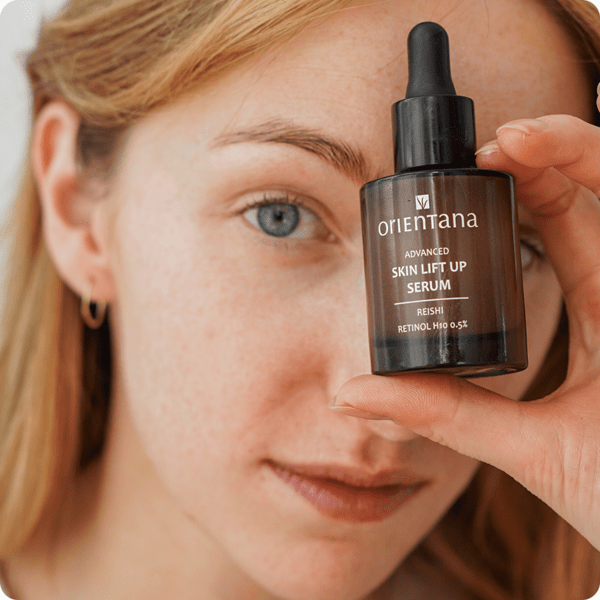
Retinol H10 – an innovation in skincare. See how Orientana's Reishi and Retinol H10 serum works.
Retinol has long been considered the gold standard in anti-aging care, but it was Retinol H10 that took its effectiveness to the next level. It's a stable, hydrogenated form of retinol that minimizes the risk of irritation while maintaining its full potency. In cosmetics such as Advanced Skin Lift Up Serum Reishi and Retinol H10 0.5% from Orientana , this ingredient is combined with the adaptogen Reishi, creating a duo that supports regeneration, hydration and even skin tone. Below you will find frequently asked questions and answers that will help you understand how Retinol H10 works, how to use it and why it can become your cosmetic ally. 25 Questions and Answers about Retinol H10 1. What is Retinol H10? Retinol H10 is a hydrogenated, stable form of retinol (vitamin A) that maintains its effectiveness while being gentler on the skin. 2. How is Retinol H10 different from classic retinol? Thanks to the hydrogenation process, Retinol H10 is more stable, less susceptible to oxidation and causes less irritation. 3. How does Retinol H10 work on the skin? It stimulates the production of collagen, elastin and hyaluronic acid, supports cell renewal and evens out skin tone. 4. Why is it worth choosing the Retinol H10 serum from Orientana? Advanced Skin Lift Up Serum Reishi and Retinol H10 0.5% combines the action of retinol with the adaptogen Reishi, which enhances the anti-aging and regenerative effects. 5. Is Retinol H10 suitable for sensitive skin? Yes, but it should be introduced gradually so that the skin can get used to it. 6. How often should I use Retinol H10? Initially, 1-2 times a week, gradually increasing the frequency to daily use in the evening. 7. When can the first effects be noticed? Typically, after 6–8 weeks of regular use, you will see improved firmness, smoother skin, and reduced wrinkles. 8. Does Retinol H10 help with discoloration? Yes, it normalizes melanin production, lightening existing discolorations. 9. Can Retinol H10 be used in summer? Yes, but only in the evening and with mandatory use of SPF filters during the day. 10. Does Retinol H10 cause skin peeling? May cause slight exfoliation in the initial phase of use – this is a natural renewal process. 11. How to combine Retinol H10 with other active ingredients? It can be used with niacinamide, hyaluronic acid or peptides; simultaneous use with AHA/BHA acids should be avoided. 12. Is Retinol H10 suitable for oily skin? Yes, it regulates the function of the sebaceous glands and helps reduce the visibility of pores. 13. Does Retinol H10 work on acne? Yes, it supports the treatment of acne by normalizing keratinization and reducing inflammation. 14. How to prepare the skin for Retinol H10 treatment? Take care of its hydration and hydrolipid barrier by introducing gentle cleansing products and regenerating creams. 15. Is Retinol H10 safe during pregnancy? No – retinoids, including Retinol H10, are not used during pregnancy and breastfeeding. 16. How to store cosmetics with Retinol H10? In a cool, shaded place, preferably in the original packaging with a pump or dark glass. 17. Does Retinol H10 work on the neck and décolleté? Yes, it can be used in these areas as well, but with caution. 18. Can Retinol H10 be used under the eyes? Yes, but only in specially developed formulas for under the eyes or in a minimal amount for the outer corners. 19. Why does Retinol H10 work better when combined with Reishi? Reishi mushroom is an adaptogen with strong antioxidant and anti-inflammatory properties, supporting skin regeneration. 20. What concentration of Retinol H10 is best to start with? 0.3–0.5% is the optimal acceptable level for most skin types. 21. Can Retinol H10 be used with vitamin C? Yes, but preferably at different times of the day – vitamin C in the morning, Retinol H10 in the evening. 22. Is Retinol H10 vegan? Yes, it is an ingredient synthesized in an environmentally friendly way. 23. Does Retinol H10 smooth out expression wrinkles? Yes, by stimulating collagen and elastin it reduces their depth. 24. Can Retinol H10 be used all year round? Yes, as long as you use SPF protection during the day. 25. What are the additional benefits of using Orientana Retinol H10 serum? In addition to smoothing wrinkles and brightening discolorations, Advanced Skin Lift Up Serum Reishi and Retinol H10 intensely moisturizes, strengthens the skin barrier and improves its elasticity. Retinol H10 is a true breakthrough in anti-aging care – effective, yet more gentle than traditional retinol. Combined with the adaptogen Reishi, as in Advanced Skin Lift Up Reishi Serum and Retinol H10 0.5% by Orientana , it creates a formula that addresses the needs of skin in need of regeneration, hydration, and rejuvenation. If you dream of smooth, firm and radiant skin, it's time to introduce Retinol H10 into your routine.
Learn more
What to put under face SPF in the summer? A cosmetologist advises on which serum to choose and how to prepare your skin for the sun.
Summer is a time of intense sun, high temperatures, and… frequent skincare mistakes. Most people know that sunscreen is an essential part of their routine, but still few of us consider what should be applied under facial SPF. Yet, a well-chosen base layer can determine the effectiveness of sun protection, the comfort of wearing the filter, and even the skin’s condition after a full day of UV exposure. As a cosmetologist, I often hear questions like: Is it enough to just apply sunscreen? Can I use a vitamin C serum under SPF? What about hydration? The answer isn't straightforward – it all depends on the skin's needs, the type of sunscreen product, and the conditions we're in. Facial SPF is just one piece of the puzzle; what's underneath it is equally important. In this article, I explain: why it's worth applying skincare under sunscreen, which ingredients work best in summer, which formulas work with SPF and which can weaken its effect, and what an ideal morning routine looks like in the sunny season. Let's start with the basics: why even bother applying anything under facial SPF? Why apply anything under facial SPF? Sunscreen is one of the most important skincare products – it protects the skin from the harmful effects of UV radiation, preventing photoaging and hyperpigmentation. However, for facial SPF to work effectively and not burden the skin, it should be part of a well-planned morning routine. Sunscreen alone is not enough – it’s worth preparing the skin for its application using appropriate base cosmetics. Better adhesion and effectiveness of the filter Well-hydrated and smooth skin is an ideal base for any sunscreen. Facial SPF spreads better and doesn't pill if you apply a light serum or moisturizing cream beforehand. This ensures that the filter will work evenly and effectively. Enhanced antioxidant protection UV radiation not only damages skin cell DNA but also generates what is known as oxidative stress, which accelerates the aging process. This is why cosmetologists recommend using vitamin C serum or other antioxidants under facial SPF – it's an effective shield against free radicals. Research shows that combining vitamin C and sunscreens significantly increases photoprotection. Hydration and skin barrier protection High temperatures, sun, and air conditioning can lead to epidermal dehydration. Sunscreen alone is often not enough, especially if it contains alcohol or mattifying ingredients. Therefore, it's worth applying a product with hyaluronic acid, trehalose, or squalane under facial SPF to ensure proper hydration and prevent a tight skin feeling. Comfortable wear all day long Properly chosen skincare under SPF ensures that the skin looks fresh, doesn't get excessively shiny, and the filter doesn't "cake" or separate. This is especially important when you wear makeup – a skincare base under the filter improves its longevity and appearance on the face. So, if you want facial SPF to fulfill its function not just on paper, but in reality, don't skip the foundational skincare step. Lightweight, hydrating, and antioxidant formulas will help your skin better withstand sun exposure and provide comfort throughout the day. Characteristics of ideal cosmetics under facial SPF in summer In summer, skincare must be light, effective, and well-thought-out. High temperatures, air humidity, sweat, and excess sebum mean that every extra layer on the face can affect the comfort of the entire day. Therefore, if you reach for facial SPF, also consider what cosmetics to apply under the filter so as not to overload the skin and not weaken the protective action. Light, fast-absorbing formulas Under facial SPF, gel, water, or water-emulsion consistency products work best. They should absorb quickly and not leave a greasy film. Serums and essences are well-tolerated, as they do not negatively affect the durability of filters or cause them to pill. Examples of ideal consistencies: Ashwagandha ampoule serum Tremella elixir serum. Smoothing and soothing serum Anti-wrinkle serum Non-comedogenic and oil-free formulas During the summer, many people struggle with excessive skin shine and clogged pores. Therefore, it is advisable to use non-comedogenic cosmetics free of heavy oils or waxes under facial SPF. Such formulas not only prevent imperfections but also work better with chemical and mineral filters. Active ingredients supporting UV protection Some substances not only "get along" well with SPF but even enhance its effects. These include: vitamins C and E - powerful antioxidants that increase the effectiveness of sun protection, ashwagandha - a powerful antioxidant, scavenging free radicals produced by radiation niacinamide - regulates sebum, has anti-inflammatory and brightening effects, hyaluronic acid - binds water and protects the skin from dehydration, CICA (Centella Asiatica) - soothes, regenerates, and protects capillaries Check out our ashwagandha cosmetics. Minimalist and compatible compositions Cosmetics under SPF should be well thought out – the fewer irritating ingredients, the better. Avoid overly intense AHA/BHA acids, retinoids, and exfoliating products in the morning. Ideal care under facial SPF is one that supports the epidermal barrier, does not interact with the filter, and does not cause irritation. Cosmetologist's tipRemember, not every cosmetic will work well with sunscreen. If your facial SPF pills, shines, or "cakes," it's worth looking at the previous layers of skincare. Sometimes, simply switching to a lighter serum or omitting a cream can significantly improve the longevity of sun protection. Properly selected active ingredients not only do not interfere with sunscreens but can genuinely enhance the effect of facial SPF, support the skin in fighting free radicals, and prevent the formation of hyperpigmentation. Below is a list of substances worth using in a serum or light cream under SPF in the summer – also in the context of daily antioxidant care. Best active ingredients under facial SPF Properly selected active ingredients not only do not interfere with sunscreens but can genuinely enhance the effect of facial SPF, support the skin in fighting free radicals, and prevent the formation of hyperpigmentation. Below I discuss a list of substances that are worth using in a serum or light cream under SPF in the summer – also in the context of daily antioxidant care. Vitamin C (ascorbic acid and derivatives) In summer skincare, vitamin C plays a key role, being one of the best-researched and most effective antioxidants. In the form of ascorbic acid or its stable derivatives like ethylated vitamin C, it neutralizes free radicals generated by UV radiation, thereby genuinely supporting the action of sunscreens. Regular use of vitamin C serum in the morning, under facial SPF, not only strengthens the skin's antioxidant protection but also prevents the formation of hyperpigmentation and evens out skin tone. It is an excellent choice for those with dull, tired skin prone to uneven pigmentation, and it makes an ideal base under a filter because modern vitamin C formulas are light, watery, and absorb well. Niacinamide The second ingredient worth incorporating into your morning routine before applying facial SPF is niacinamide, also known as vitamin B3. This substance is renowned for its versatility and excellent skin tolerance. It has anti-inflammatory properties, regulates sebum secretion, strengthens the epidermal barrier, and exhibits depigmenting effects, which is why it is particularly recommended for individuals struggling with post-sun or post-acne hyperpigmentation. Niacinamide also works wonderfully for oily and combination skin, as it has mattifying and soothing properties, helping to maintain comfort even on hot days. In combination with sunscreens, it forms a cohesive duo, protecting the skin from photodamage while supporting its natural defense mechanisms. Hyaluronic acid (in various forms) We cannot forget about the ingredient that ensures the comfort of wearing SPF even on the hottest days – hyaluronic acid. This physiological humectant, naturally occurring in our skin, has the ability to bind water in the epidermis and maintain proper hydration levels. Thanks to its lightness and compatibility with other ingredients, it is perfect for use under facial SPF – it does not burden the skin, does not interfere with filters, and provides comfort throughout the day. Hyaluronic acid in various molecular forms (high and low molecular weight) effectively improves skin elasticity, reduces the feeling of tightness after filter application, and facilitates the spreading of protective cosmetics. It is an inconspicuous but extremely important ingredient in summer care for all skin types – including dry, reactive, and mature skin. Plant antioxidants - natural shield for skiny Schizandra Chinensis (Chinese magnolia vine) - antioxidant shield Schizandra extract is a source of lignans and flavonoids – compounds with strong antioxidant effects. It protects the skin from environmental damage, improves its resistance to stress, and also has soothing and anti-inflammatory properties. It is an excellent ingredient to use under facial SPF in summer, especially in conditions of urban smog and strong sunlight. Rhodiola Rosea (Rhodiola rosea) - adaptogen protecting against cellular stress An adaptogenic root that acts as a biological shield - it helps the skin adapt to difficult environmental conditions, such as UV radiation, pollution, and extreme temperatures. It has antioxidant and anti-inflammatory properties, supports regeneration, and slows down aging processes. Withania Somnifera (ashwagandha) - Ayurvedic antioxidant and soothing adaptogen Ashwagandha, known from Ayurveda, has a calming effect on skin stressed by sun and external factors. The withanolides contained in the root have anti-inflammatory, antioxidant, and protective properties. It's a great choice under facial SPF, especially for dry, reactive, and dehydrated skin. Centella Asiatica (Centella asiatica) - soothing and regeneration Centella asiatica has soothing, regenerating, and strengthening properties. Madecassoside and asiaticoside support epidermal reconstruction processes, protect against oxidative stress, and strengthen capillaries. An ingredient recommended under SPF, especially in the care of couperose and sensitive skin. Formulas to avoid under facial SPF Choosing the right skincare under sunscreen is crucial not only for the comfort of wearing the product but, more importantly, for the effectiveness of UV protection. Although facial SPF is a cornerstone of summer routine, not every product we apply under the filter works in its favor. Some ingredients or formulas can reduce its stability, cause pilling on the skin, or exacerbate imperfections and shine. It's important to know what to avoid, especially on hot, humid days when the skin reacts more quickly to overload. The first category of ingredients to avoid under SPF are heavy emollients, i.e., fatty oils, butters, and waxes, especially in high concentrations. While they can be helpful for nighttime regeneration, their application in the morning, under sunscreen, often results in excessive shine, a sticky feeling, or even clogged pores. A heavy lipid layer can also interfere with the adhesion and spreading of the filter, leading to its uneven distribution and reduced effectiveness of sun protection. As a result, facial SPF does not work as it should, and wearing comfort drastically decreases. A second mistake is reaching for active exfoliating or irritating cosmetics in the morning, especially those containing high concentrations of AHA and BHA acids, retinol, or retinoids. Although these ingredients work great in evening care, in the morning they can increase skin sensitivity to UV radiation and raise the risk of hyperpigmentation. Moreover, applying such preparations under facial SPF in mid-summer, without precise knowledge of their phototoxicity, can lead to micro-irritations, dryness, and skin hyperreactivity. Another problem can be excessive layering of skincare, meaning too many products before applying the filter. Although many people like comprehensive routines, applying several layers of serums, creams, oils, and boosters can lead to SPF "pilling," meaning it rubs off unattractively during the day. Additionally, this increases the risk of ingredient interaction and destabilization of sun protection. In summer, it's worth adopting the "less is more" principle – one well-chosen active product and a light moisturizing cream are definitely sufficient under facial SPF. Products with unpredictable compatibility with filters should also be avoided, especially strongly silicone-based, heavily pigmented, or those with a noticeable lifting effect (e.g., with a high content of film formers). Although they often provide an "instant smoothing effect," they can cause facial SPF to pill or combine poorly with makeup. Cosmetologist's tip:If your sunscreen doesn't spread well, separates, or leaves streaks, the problem might not be with the SPF itself, but with the skincare you applied beforehand. Sometimes, simply reducing the number of layers or changing the cream formula to a lighter one can make a huge difference in comfort and effectiveness of protection. How to apply skincare under SPF step by step? For facial SPF to work effectively and provide the declared sun protection, not only its quality but also its application method and skin preparation are crucial. The daily morning skincare routine should be well-thought-out, light, and adapted to the current needs of the skin. An excess of products, poorly chosen formulas, or incorrect order can lead to even the best sunscreen not fulfilling its function. Here's how to properly apply skincare under facial SPF – step by step. Start with a thorough but gentle cleansing of the skin. In summer, when sweating and sebum production increase, it's worth using foaming cleansers or gels without SLS, which effectively remove nighttime skincare residues without disrupting the hydrolipid barrier. Clean skin absorbs active ingredients better and allows the filter to spread evenly. The next step is toning, which means restoring the skin's natural pH after washing and gently moisturizing it. Choose toners or watery essences with gentle humectants, such as glycerin or aloe, which will prepare the skin to receive the serum. This step is often skipped, which is a shame – toning improves the absorption of subsequent cosmetics and minimizes the feeling of dryness after SPF, especially if you use mattifying filters. Next comes the serum – this is where you incorporate active ingredients that support sun protection, such as vitamin C, niacinamide, schizandra, ashwagandha, or rhodiola rosea. Choose a serum with a light, water-gel formula – it will absorb quickly, won't weigh down the skin, and will form an active base under facial SPF. The serum should be tailored to your skin type and needs: antioxidant for mature skin, mattifying for oily, regenerating for sensitive. Check out our face serums. Next step – moisturizer, though not always necessary. If your SPF contains moisturizing ingredients and has a comfortable consistency, you can use it without a prior cream. But if you have dry, dehydrated skin or use a filter prone to drying, a light moisturizer (e.g., with hyaluronic acid, trehalose, or algae) will be a great support. Just be careful not to overdo the layers – too rich a cream can cause facial SPF to pill. Finally, apply sunscreen, preferably SPF 30 or SPF 50, selected for your skin type (mineral or chemical, light fluid, cream-gel, or emulsion). Apply it generously – your face needs about half a teaspoon of cream to achieve the level of protection declared by the manufacturer. Allow the SPF to absorb well before moving on to makeup or subsequent steps. Cosmetologist's tip:Remember, proper SPF application is not just about choosing a good product, but also about consciously preparing the skin. Thanks to light, well-chosen active cosmetics and the correct order of steps, facial SPF will work effectively all day long, and you will avoid irritation, shine, and hyperpigmentation. FAQ - most common patient questions in the cosmetology office The selection and proper use of facial SPF is one of the most frequently discussed topics during cosmetology consultations, especially in the spring and summer. Below you will find answers to questions that my patients regularly ask, which may also clear up your doubts. Can facial SPF replace moisturizer? Yes, but not always. Many modern sunscreens contain moisturizing ingredients, but they are usually not sufficient in summer. It is worth applying a water serum beforehand (for example, one of the SPF serum ampoules) or a light moisturizing cream (for example, a vitamin C cream or a tremella cream). Should I use serum or cream under SPF? It depends on the needs of your skin. If the filter itself is comfortable, a serum will suffice. For dry or irritated skin, it's worth adding a moisturizing cream. The most important thing is not to overload the skin with too many layers – the priority is that facial SPF spreads well and doesn't pill. My patients praise serum ampoules under SPF. Can I use retinol in summer under SPF? Retinol itself is not photosensitizing, but it increases the skin's sensitivity to UV radiation, so its use in summer requires great caution. If you continue the treatment, ensure regeneration, strong hydration, and daily, high facial SPF 50 protection. However, it is safest to limit retinoids to evening care, take a break during the summer season, or choose Retinol H10 (hydrogenated), which is non-irritating. Can I apply SPF directly to cleansed skin? Theoretically yes, but it is not an optimal solution. Skin deprived of a moisturizing layer loses water faster, which can affect the comfort of wearing the filter. Even a thin layer of toner and a light serum can significantly improve the longevity and quality of facial SPF application. Why does SPF pill or rub off? The most common reason is incompatibility with previous skincare – too greasy a cream, too many silicones, or layering too many products. It's worth testing different configurations and opting for minimalist, light formulas under the filter. Do I need to reapply SPF throughout the day if I'm not at the beach? Yes, if you are exposed to daylight for many hours – even in the city. Facial SPF loses effectiveness after a few hours, especially with sweating, touching your face, or wearing makeup. Does SPF clog pores? Not all of them. Modern SPF formulas are increasingly lighter, non-comedogenic, and adapted to various skin types. When choosing a facial SPF, pay attention to its ingredients – avoid heavy oils, waxes, and comedogenic filters if you are prone to imperfections. However, always wash off SPF in the evening. The best solution to guarantee no clogged pores is a two-step cleansing. First, cleansing oil, then foam or gel. How to combine SPF with makeup? After applying sunscreen, wait a few minutes for the product to absorb well. Avoid rubbing and apply makeup gently, preferably with a sponge or fingers. Facial SPF in a light emulsion or cream-gel works well with mineral foundations and light BB creams. My Summary - take care of skincare under SPF, and your skin will thank you Proper sun protection is more than just choosing a good filter. For facial SPF to work effectively, it should be applied to properly prepared skin – moisturized, strengthened, and protected from oxidative stress. It is worth opting for light formulas, active antioxidant ingredients, and avoiding cosmetics that may interfere with its action. As a cosmetologist, I see how much daily routine impacts skin condition, especially in summer. Proper care under facial SPF not only increases the effectiveness of sun protection but also reduces the formation of hyperpigmentation, wrinkles, and dryness. The key is a conscious, consistent approach and avoiding random layers that do not cooperate with the skin or the filter. If you want to choose the right products under SPF or need a light, effective antioxidant serum for the day, reach for proven solutions with natural ingredients and a light, gel base. In summer, your skin truly needs less, but wisely chosen. Check out Orientana's range of serums and creams under SPF – based on plant adaptogens and antioxidants, ideal for summer. Żaneta Pasierkiewicz - Orientana Cosmetologist
Learn more
Natural cosmetics in summer - how to care for skin and hair in harmony with nature
Summer is a time when our skin and hair are particularly exposed to the sun, wind, salt water, and high temperatures. While warm days encourage outdoor activities and improve mood, they can also lead to skin dehydration, irritation, and even accelerated skin aging. That's why it's worth paying special attention to daily care during the summer. Reach for natural cosmetics in summer as they are gentle, effective, and pleasant even for the skin. Natural cosmetics are distinguished by their simple, clean composition based on plant extracts, oils, and hydrolates. They do not contain additives such as parabens or aggressive sulfates like SL, which can be irritating, especially with frequent exposure to UV radiation. Moreover, in summer, the skin tends to be more reactive – this is precisely why it is worth opting for care that supports its natural functions and does not disrupt the hydrolipid balance. In this article, you will find a comprehensive guide on how to use natural cosmetics in summer, what to look for when choosing them, and how to prepare simple, homemade recipes ideal for the summer months. You will also learn which ingredients will work best for face, body, and hair care when temperatures rise. Why choose natural cosmetics in summer? Summer is a special time for our skin – on the one hand, sun rays improve well-being and support vitamin D synthesis, but on the other hand, they can lead to dryness, discoloration, and excessive sensitivity. That's why during the vacation period, it's worth opting for gentle cosmetics for summer that do not burden the skin and at the same time effectively care for it. More and more people are reaching for natural ingredients in cosmetics that support skin health and do not contain unnecessary additives. In summer, we eagerly enjoy the charms of nature: mountain hikes, swimming in the sea, trips to the lake, or moments spent by the hotel pool are an integral part of summer relaxation. However, despite the joy these activities bring, skin and hair are then exposed to serious damage. Natural cosmetics in summer play a key role here – they not only nourish but also truly protect against the effects of exposure to sun, wind, salt, and chlorine. How and where the sun affects us Mountains – sun, wind, and intense UV radiation In higher mountain regions, UV radiation is much stronger than in lowlands. Even if you use sunscreen, strong wind and sweat can weaken its effect. Additionally, facial skin and lips often become dry and chapped. Natural cosmetics in summer, such as cosmetics with vitamin C, provide an essential protective barrier under sunscreens. It is worth choosing products that not only protect against the sun but also support their action. Sea – salt, sun, and skin dehydration Seawater is a natural exfoliant, but with prolonged contact, it can lead to intense skin dehydration and brittle hair. Salt weakens the natural hydrolipid barrier and can contribute to itching, flaking of the epidermis, and fading hair color. Natural hair cosmetics in summer, such as hair oils and natural regenerating masks, help rebuild hair structure and retain moisture. For the skin, it is worth ensuring regular hydration with body butters. Pool – chlorine and the skin's protective barrier Swimming in the pool, although pleasant, carries the risk of skin and hair contact with chlorine – a substance that strongly dries and irritates. The skin can become rough, tight, and hair dull and coarse to the touch. Natural cosmetics in summer, such as gentle SLS-free shampoos and conditioners with plant proteins, help restore balance. Hair oils applied before swimming are also effective – they create a protective layer, minimizing the effect of chemicals. Sun penetrating SPF – a hidden threat Although sunscreens are an absolute must for summer care, it's worth remembering that no protection is complete. Sweat, contact with water, and lack of reapplication mean that UV radiation can still damage the skin. Therefore, UV filter should be supplemented during our sun exposure. After a whole day in the sun, it's worth reaching for regenerating cosmetics with a light consistency such as serum ampoules or body oils. Plant-derived ingredients – gentleness and effectiveness Natural cosmetics in summer are based on plant extracts, oils, and hydrolates that perfectly moisturize, nourish, and regenerate the skin. Ingredients such as aloe are soothing and moisturizing. Thanks to them, natural ingredients in cosmetics effectively support the skin's natural defense mechanisms without disturbing its balance. Importantly, these are biocompatible substances – more easily absorbed by the skin and better tolerated than synthetic counterparts. Avoiding highly active ingredients when exposed to the sun High temperatures and UV rays can react with chemical cosmetic ingredients, such as acids or retinol, sometimes leading to irritation, photosensitivity, and even skin allergies. By choosing gentle cosmetics for summer based on natural ingredients, we reduce the risk of such reactions. The lack of aggressive ingredients is a big advantage, especially in hot climates, when the skin reacts more quickly to all external stimuli. Better tolerance for sensitive and dry skin Summer can severely strain the skin's hydrolipid barrier – especially with frequent sunbathing, swimming in salt water, or using air conditioning. In such conditions, the skin becomes sensitive, dry, and red. Natural cosmetics in summer are an ideal solution for people with delicate and irritation-prone skin. Their light formula soothes, regenerates, and restores comfort without a "mask" effect or greasiness. An example is the Moisturizing Serum Ampoule. Natural cosmetics in summer - face care In summer, facial skin requires special attention. Frequent exposure to the sun, sweat, dust, and higher temperatures can lead to overload, dehydration, and loss of radiance. Therefore, it is worth opting for natural cosmetics that will provide effective yet gentle support. Natural formulas can cleanse, moisturize, and protect the skin without disrupting its natural balance. Cleansing without irritation – natural and SLS-free The first step in summer facial care is thorough but gentle cleansing. It's worth reaching for natural SLS-free face washes or natural foams that do not damage the skin's protective barrier. Instead of strong detergents, such products are based on plant-based cleansing agents, such as coconut glucosides or soapwort extracts. Thanks to this, they cleanse the skin of sweat, sebum, and impurities without causing dryness or a feeling of tightness – which is especially important on hot days. It's worth trying the Demake-up Foam with Japanese Kantola. Intensive hydration – trehalose, tremella, hyaluronic acid In summer, the skin easily loses moisture, so hydration is a key element of care. Modern, plant-based humectants are increasingly appearing in natural cosmetics – such as trehalose (a plant sugar that protects cells from dehydration) or Tremella mushroom extract, which acts as a natural alternative to hyaluronic acid. Thanks to them, natural summer creams not only moisturize the skin but also create a delicate protective film on its surface, protecting against water loss. This is an ideal solution for combination and dry skin during hot weather. Try the Hydro Tremella series. Natural sun protection – mineral filters The last but crucial element of the summer routine is sun protection. It is worth choosing a natural UV filter based on zinc oxide or titanium dioxide – these are mineral ingredients that act like a mirror, reflecting UV rays from the skin's surface. Unlike chemical filters, they do not penetrate deep into the epidermis, making them safe even for sensitive and allergic skin. Natural creams with SPF 30 or 50 are a must-have every day – not just on the beach, but also in the city. But what under sunscreen if cream is a bit too much? Choose one of the four serum ampoules. Used under SPF, they will prevent the SPF cream from pilling. Natural body care in summer Summer is the time of year when the skin of the entire body needs special attention. UV radiation, swimming in salt water, and air conditioning can result in dryness, loss of elasticity, and hypersensitivity. By using natural cosmetics in summer, we can effectively take care of its condition without burdening it with chemical additives. Natural body care is not just a pleasure – it's an investment in skin health. Sugar and salt scrubs – home SPA with plant oils Regular exfoliation of dead skin cells is an absolute must for summer care. You can easily prepare a homemade scrub by combining sugar or salt with a natural plant oil – e.g., coconut, almond, or olive oil. Such self-made products not only remove dead cells but also nourish and moisturize the skin. Using them twice a week makes the skin smooth, radiant, and better able to absorb active ingredients from lotions or oils. Body butters – rich care from Orientana After exfoliation, it's time for intensive hydration and nourishment. In summer, body butters containing shea butter, coconut oil, or apricot kernel oil work perfectly. A great example are products from the Orientana brand – natural body lotions, which contain only natural ingredients, without parabens or artificial preservatives. Their rich yet well-absorbing formulas are ideal for summer, especially after sunbathing, when the skin needs soothing and regeneration. After-sun oil – regeneration and relaxation with jasmine After an intense day in the sun, a natural oil that restores skin balance and hydration is essential. An excellent choice will be Orientana Jasmine Oil, which contains, among others, sesame, rice, and sunflower oil. Such a composition has a regenerating effect, soothes irritation after sunbathing, and leaves the skin soft and subtly fragrant. Natural oils are also a great alternative to traditional lotions – especially in the evening, after bathing. Orientana Jasmine Oil smells beautiful and is worth using as an aromatherapy calming for the skin after a hot day. Daily moisturizing is key to healthy skin in summer High temperatures, wind, and air conditioning lead to rapid water loss from the skin. Therefore, daily moisturizing is a necessity, regardless of skin type. By using natural cosmetics in summer, such as Orientana butters and oils, you provide your skin with everything it needs: hydration, regeneration, and protection. Regular application after a shower or bath makes the body supple, smooth, and resistant to dryness. Natural cosmetics in summer - hair care In summer, hair is exposed to many harmful factors – UV rays, sea and chlorinated water, high temperatures, and wind can cause dryness, brittleness, and loss of shine. To maintain a healthy-looking hairstyle, it is worth opting for natural hair cosmetics in summer, which care without unnecessary chemicals, strengthen the hair structure, and provide adequate protection. Protection against sun and sea salt – hair oiling Hair oiling is one of the most effective ways to protect it in summer. Natural plant oils create a protective layer on the hair that protects it from drying out, the effects of sea salt, or chlorine from the pool. Orientana offers a wide range of hair oils, which are based on Ayurvedic recipes and ingredients such as amla, neem, bhringraj, or jasmine oil. Regular oiling (e.g., 1–2 times a week) strengthens hair from the roots, prevents frizz, and makes it more resistant to damage. It's worth rubbing oil into your hair before going to the beach. Natural SLS-free shampoos and conditioners – Trycho Liczi series In daily summer care, it is worth avoiding aggressive detergents such as SLS, which can further dry out the scalp and hair. Natural SLS-free shampoos and conditioners gently cleanse without disturbing the scalp's hydrolipid barrier. An excellent choice is the Trycho Liczi series, which includes shampoo, conditioner, and mask – products created for sensitive scalp and weakened hair. Lychee extract, adaptogens, and natural proteins strengthen hair follicles, accelerate regeneration, and prevent hair loss. Homemade masks – the power of nature from the kitchen In summer, it is also worth reaching for simple, homemade masks based on natural ingredients. A mixture of castor oil, natural yogurt, and honey perfectly moisturizes and nourishes hair, restoring its softness and shine. Such treatments should be used once a week – especially after intense sun exposure or swimming in the sea. Homemade masks not only regenerate but also strengthen hair follicles and stimulate hair growth, which is important for seasonal hair loss. Regular, natural care is the key to beautiful and healthy hair throughout the summer. By choosing natural hair cosmetics in summer, you not only protect them from the harmful effects of external factors but also support their natural beauty without compromise. Of course! Below you will find an expanded section "DIY Natural Cosmetics for Summer", divided into paragraphs and using SEO phrases: homemade natural cosmetics, DIY natural cosmetics summer. Natural cosmetics in summer - DIY You don't have to spend a fortune to take care of your skin and hair in summer in a natural way. Many effective skin care ingredients can be found in your own kitchen. DIY natural cosmetics for summer are not only a way to save money, but also a guarantee of freshness and full control over the composition. Preparing cosmetics yourself is also a great form of relaxation and contact with nature – in line with the slow beauty idea. Refreshing mist with cucumber and aloe On hot days, nothing is as soothing as a light mist that moisturizes and refreshes the skin. To prepare it, simply combine: 3 tablespoons of freshly grated cucumber juice, 2 tablespoons of aloe vera gel, 100 ml of boiled or distilled water. Pour the mixture into a spray bottle and store it in the refrigerator. Such a homemade mist works great for the face and body, and its light scent has a calming effect. This is one of the simplest and most effective homemade natural cosmetics for summer. After-sun balm with yogurt and honey After sun exposure, the skin needs intensive hydration and regeneration. A simple balm made from natural ingredients will be a good solution: 2 tablespoons of natural yogurt, 1 teaspoon of honey, a few drops of coconut oil or olive oil. Apply the mixture to the body after sunbathing and leave for 10–15 minutes, then rinse with lukewarm water. Honey has antibacterial and anti-inflammatory properties, yogurt cools and regenerates, and oil moisturizes. This is a perfect example of how you can create DIY natural cosmetics for summer from simple ingredients. Oatmeal and aloe hair mask In summer, hair quickly loses moisture and elasticity. A nourishing mask from the kitchen shelves is an excellent rescue: 2 tablespoons of ground oatmeal (soaked in warm water), 2 tablespoons of aloe vera gel, 1 tablespoon of castor oil. Apply to damp hair, wrap in a towel, and leave for 30 minutes. This mask moisturizes, smooths, and strengthens hair – without the use of any synthetic additives. This is a great example of how homemade natural cosmetics can be effective and safe, even for sensitive scalp. By using natural cosmetics in summer, you gain confidence that your care is free from unnecessary chemicals, and at the same time effective and environmentally friendly. This is a simple step towards a more conscious, healthy skin care routine. In summer, choose light cosmetics without aggressive ingredients. Remember that in summer, SPF cream alone is not enough. We also need to properly care for our skin and hair because despite protection, they are exposed to many negative factors.
Learn more
Ayurveda - Not only medicine but also rituals of BEAUTY
Ayurveda is more than just a method of treatment – it is a philosophy of life full of balance and natural self-care. Imagine your morning starting with a cup of warm water with ginger and lemon, a moment of meditation and a few deep breaths before you set off on your daily duties. Sounds soothing? This is the quintessence of Ayurveda, an ancient Indian art of living that is increasingly making its way under our western roofs. Just a few years ago, the word Ayurveda seemed exotic and a bit mysterious to me – today, it is associated with inner harmony, natural care and small rituals that can make your day more pleasant. In this post, I will take you on a journey through the world of Ayurveda: you will learn what it really is, how you can draw from its wisdom every day, and especially – how to use its secrets in beauty care. I will also tell you about my favorite cosmetics inspired by Ayurveda. Sit comfortably with a cup of your favorite tea and immerse yourself with me in this oriental, herbal-scented world. What is Ayurveda? Ayurveda (from Sanskrit ayur – life, veda – knowledge) is literally “knowledge of life” – a system of natural medicine originating in India, over 5,000 years old. It is often called the mother of medicine , because many modern methods of treatment draw on its assumptions. Although it was born in ancient India, today Ayurveda is practiced in many Asian countries, and thanks to official recognition by the World Health Organization, its popularity is also growing in Europe, including Poland. Unlike Western medicine focused on the symptoms of diseases, Ayurveda treats man holistically – as a unity of body, mind and spirit, living in an inseparable relationship with the surrounding nature. The central concept of Ayurveda is balance. According to this philosophy, each of us has a unique combination of three life energies, called doshas : Vata (related to the elements of air and space), Pitta (fire and water) and Kapha (water and earth). They determine our predispositions - both in terms of health, character traits and appearance. When the doshas are in harmony, we feel good and radiate health; when one dominates or is weakened, ailments appear. Ayurveda therefore strives to restore this natural balance through appropriate diet, herbal medicine, yoga, massages and a range of daily practices. Philosophy of body and soul balance In Ayurveda, taking care of health is not about immediate symptom treatment, but a lifestyle based on prevention and harmony. The ancient masters of Ayurveda already claimed that prevention is better than cure , and our skin, mood and energy every day are a reflection of the internal state of the entire organism. Therefore, the Ayurvedic daily routine - called dinacharya - includes simple rituals that support balance. These include: getting up early with the sun, drinking warm herbal water to start the day, practicing yoga or stretching, breathing techniques, meditation and Abhyanga – self-massage with warm oil. Such a full-body massage with nourishing sesame or almond oil is not only a way to moisturize the skin, but also to soothe the nervous system. I try to do a quick face massage with oil every evening – thanks to this, I feel that the stress of the whole day literally flows away with the oil, and the skin looks more rested in the morning. Ayurveda also teaches us to be mindful of what we eat and how we digest our emotions. According to this teaching, digestion (metabolism, called agni ) is the sacred fire of life – our immunity, energy level and skin condition depend on it. That is why it is so important to eat meals adapted to our dosha and the season, use healing spices (turmeric, ginger, cardamom) and celebrate food in peace. I have noticed that since I introduced several Ayurvedic dietary recommendations – for example, I limited very cold drinks and tried to eat regularly at fixed times – my digestive system works better and my skin rebels less against surprises. It is amazing how everything in our body is connected! Ayurveda in daily care The philosophy of "life in balance" also translates into the approach to beauty care. According to Ayurveda, external beauty is a reflection of our internal health and well-being. Radiant skin begins on a plate and in a calm mind - a healthy diet, adequate sleep and reduced stress are the foundation for skin to look young and fresh. However, Ayurveda also offers a treasure trove of natural methods of direct body care. For thousands of years, Hindu women have used the wealth of herbs and oils in their beautifying rituals. Traditionally, ubtans are used to cleanse the face – pastes made of chickpea flour, milk and herbs that gently wash and exfoliate the epidermis. Turmeric and honey masks that brighten the complexion are popular, as are baths with the addition of rose petals and milk to make the skin soft as silk. Oils play a huge role in Ayurveda: coconut, sesame and almond oil are used for hair and body to nourish and strengthen. To this day, women in India rub warm oil into their hair a few hours before washing – this is the secret to their shiny, thick tresses. I myself adopted this custom and created hair oils based on Ayurvedic formulas. An important element of Ayurvedic care is also panchakarma – a comprehensive body cleansing, which includes, among others, cleansing the entire body, massages with oils and herbal steam sessions, aimed at removing toxins from the body. Of course, full, traditional panchakarma is something that is best experienced under the supervision of specialists in Ayurvedic spas, but we can introduce some of its elements ourselves at home – for example, regular use of the sauna or steam baths for the skin. Natural cosmetics inspired by Ayurveda More and more people around the world are convinced of what has been known for centuries: nature really knows how to take care of our beauty. It is no wonder that cosmetics inspired by Ayurveda are gaining popularity - they combine the wisdom of tradition with a modern approach to care. Such products are based on plant ingredients, herbal extracts and oils, which Ayurveda has long valued for their effectiveness and safety. The quality of these ingredients is key: ideally, they should come from clean, organic crops, be harvested at the right time and processed to retain maximum properties. In the recipes of Ayurvedic creams or oils, we will not find additives considered harmful - silicones, parabens, artificial dyes or aggressive detergents. Thanks to this, the skin receives the best of what nature has to offer, without unnecessary chemicals. What is so special about Ayurvedic beauty elixirs? First of all, the wealth of herbs and plants with proven cosmetic effects. For example, turmeric – the golden queen of spices – is a strong antioxidant and has anti-inflammatory effects. No wonder it is added to anti-imperfection creams. Scientists confirm that applying turmeric to the skin helps reduce acne and other dermatological problems. Studies have also shown that turmeric applied topically fights inflammation and bacteria, which explains its effectiveness in irritations or pimples. Another Ayurvedic treasure is neem – it has strong antibacterial and antifungal properties, which is why it is used in India as a remedy for skin problems, from acne to dandruff. In creams and toners, it acts as a natural cleanser and soothing agent. Amla (Indian gooseberry) is rich in vitamin C – so it is a great anti-aging ingredient, supports collagen production and adds radiance to the skin. Gotu kola (Asian pennywort), in turn, is famous for accelerating regeneration – the extract from this plant firms the skin, helps heal minor changes and improves its elasticity. Ayurveda also uses the benefits of plants such as sandalwood (it has antiseptic and soothing properties, while giving cosmetics a beautiful, relaxing aroma) or saffron (the most expensive spice in the world, valued for its skin brightening and skin tone evening properties). By using cosmetics based on these ingredients, we gain not only specific care effects, but also the pleasure of using them. Natural aromas of herbs and oils can have an aromatherapeutic effect - turning an ordinary shower or evening cream application into a small spa ritual. Anyone who has ever tried massaging a few drops of fragrant sandalwood oil into the skin of the face knows how wonderfully calming this moment is. And best of all, knowing that the recipes of these cosmetics are based on centuries of experience, we can have confidence in them. Orientana – a Polish brand with an Ayurvedic soul When we talk about Ayurveda in cosmetics, it is impossible not to mention my brand, which pioneered this philosophy on the Polish market. Orientana is a domestic company that has been creating natural cosmetics inspired by Asian recipes for years. I don't know if you know, but I am its founder. I fell in love with India and its culture while traveling, deciding to share this wealth with Polish clients. Ayurveda accompanies me in life and work. Today, we produce Orientana products mainly in Poland, and some in a small factory in India. Interestingly, the factory surrounded by small plantations grows plants used for the production of cosmetics. Fresh leaves, flowers and fruits go straight to extraction, thanks to which the obtained active substances retain their maximum strength. The entire process is supervised by an Ayurvedic doctor who uses old, proven recipes used in India for hundreds of years, and our technologist, together with me, sometimes modernizes some of the recipes. Each Orientana cream or oil is therefore the result of combining modern laboratories with the wisdom of tradition - such an alchemy of the East and the West enclosed in a jar. From the beginning, I have focused on the purity of formulas. Some of the cosmetics are 100% natural, and all of them have a high concentration of natural ingredients. They have never been tested on animals, and the compositions do not contain any controversial additives. Instead – high-quality cold-pressed oils, extracts from exotic herbs and fruits, and natural butters. Thanks to this, care with these products is gentle, yet effective and in line with the spirit of Ayurveda. I felt the difference myself when 14 years ago I replaced a drugstore balm full of chemicals with Orientana body butter with shea butter and herbs: my skin "breathed" and regained softness, and I fell in love with this oriental scent that envelops me with every use. Which Orientana cosmetics are worth paying special attention to? My absolute love is facial oils – especially the one with sandalwood and turmeric. This is a real beauty serum in a bottle – perfectly moisturizes, nourishes the skin and soothes irritations. Turmeric in the composition helps fight imperfections, and sandalwood calms the senses with its warm aroma. Applying it in the evening, to slightly damp skin of the face, has become my favorite ritual - in the morning the complexion is rested and radiant, as after a good night's sleep. Orientana also offers a face oil with Japanese rose and saffron - ideal for dry and dull skin, because saffron beautifully brightens, and rose oil deeply moisturizes and regenerates. These two oils are real gems, which I can boldly call elixirs of youth. When it comes to hair care , Ayurveda is our guide. Our famous Ayurvedic Amla and Bhringraj hair oil contains, among others, amla extract, centella asiatica (gotu kola) and neem - herbs that have been used in India for centuries to grow and strengthen hair. Combined with coconut and sesame oil, they create a nourishing bomb for the scalp. I use this oil as a mask before washing - I rub it into the scalp and spread the residue along the length of the hair, leave it for an hour or two, and then wash it with a gentle shampoo. The effect? The hair is shiny, elastic, falls out less and smells wonderfully of herbs. It's like a hair spa in the comfort of your home. We have also become famous for our innovative formulas, such as breast oil (a great alternative to balms and creams, natural and effective) or high-quality hair henna . You can feel passion and authenticity in each of these products – this is not another mass “natural” brand, but the result of true love for oriental care. Ayurveda taught me that taking care of yourself is a beautiful journey, not a chore to check off. By introducing small rituals and reaching for the treasures of nature, we can feel the difference not only in the appearance of our skin or hair, but above all in our well-being. A morning cup of herbal tea, an evening face massage with aromatic oil, oiling the scalp once a week - these small pleasures make us stop for a moment in the daily rush and do something good for ourselves. And our body repays us with a healthy glow. I hope this post has inspired you to delve into the secrets of Ayurveda and perhaps try Ayurvedic methods in your routine. Whether you treat yourself to a fragrant massage oil, start drinking golden milk with turmeric at bedtime, or simply smile wider when looking in the mirror – remember that the key is balance and living in harmony with yourself. Ayurveda is harmony, naturalness and mindfulness of yourself. Try it and you will see that ancient wisdom can fit perfectly into your modern lifestyle. Anna Wasilewska - creator of the Orientana brand
Learn more
What is my skin type?
Each of us can answer the question of what skin type we have. But are we sure? This article will tell you how individual skin types are defined and how to determine which one you have. What are the skin types? Basic skin types are divided into four main categories, plus additional types related to specific skin problems or aging processes. What skin type do I have? Discover the basic types Normal skinCharacterized by even hydration, elasticity, and no visible imperfections. Pores are small, and the skin reacts well to most cosmetics. Dry skinThin, prone to dryness, with a feeling of tightness and flaking. Requires intensive moisturizing and protection from external factors. Oily skinExcessive sebum production causes shine, enlarged pores, and a tendency to breakouts. Requires sebum regulation. Combination skinA combination of dry skin characteristics (e.g., cheeks) and oily skin (T-zone: forehead, nose, chin). Requires varied care. Additional skin types Sensitive skin – reacts with redness, itching, or burning to cosmetics or environmental factors.Capillary skin – visible dilated blood vessels, prone to irritation.Acne-prone skin – characterized by pimples, blackheads, and excessive sebum production, often requires dermatological consultation.Mature skin – manifests as wrinkles, loss of firmness, and an irregular facial oval, associated with age. In practice, a skin type can combine features of a basic type with additional problems (e.g., oily skin with capillary elements). The key is to adapt skincare to the individual needs of the skin, but do I already know what skin type I have? No skin type is given once and for all. It is often genetically determined but can change with age. Skin type also depends on how it is cared for, diet, hormone levels, and lifestyle. What skin type do I have? Tests To determine your skin type, you can use online tests or analyze the symptoms yourself. Here are key methods: Tests with a dermoconsultant A dermoconsultant asks a series of questions and observes the client's skin to select appropriate skincare. How does a dermoconsultant recognize your skin type? During the consultation, they ask a few simple questions that help assess the condition and type of skin. The key is how your skin reacts to daily factors—such as cleansing, weather changes, or natural physiological processes. Based on this, appropriate skincare can be accurately selected. The first signal a dermoconsultant pays attention to is the skin's reaction after washing. If you feel severe tightness, dryness, or burning after cleansing, it may indicate dry or sensitive skin that requires gentle, moisturizing formulas and protection from external factors. On the other hand, if your skin quickly starts to shine and you feel no discomfort, you likely have oily or combination skin—one that produces excess sebum and needs sebum regulation. The next step is to observe pore visibility and a tendency to imperfections. If you notice enlarged pores, especially in the T-zone (i.e., on the forehead, nose, and chin), and breakouts appear regularly, this may indicate oily or acne-prone skin. It is also worth noting whether skin lesions intensify cyclically, for example, before menstruation—this may indicate hormonal acne. However, skin without visible pores, with a smooth texture and no tendency to breakouts, often turns out to be dry or normal skin. The skin's behavior in various weather conditions is also evaluated. If your skin reacts with irritation, redness, or burning to frost, wind, or sudden temperature changes, you most likely have sensitive or capillary skin. Such skin needs soothing cosmetics that strengthen the protective barrier and seal blood vessels. On the other hand, if your skin shines intensely in a humid environment, it indicates overactivity of the sebaceous glands, i.e., oily or combination skin. Thanks to these simple questions and observations, a dermoconsultant can determine not only the basic skin type—dry, oily, combination, or normal—but also its needs and tendencies, such as sensitivity, dehydration tendency, acne, or hyperactive blood vessels. This is the first step towards conscious and effective skincare and finding out what skin type I have. What skin type do I have? - Self-analysis Self-determining your skin type is a crucial step in proper skin care. Observing the skin's reaction to various factors, such as washing or using cosmetics, allows for precise selection of appropriate skincare products. Skin observation after washing One of the simplest ways to analyze your skin is to observe its reaction after washing your face with a gentle cleanser, without using creams or toners. After about 30 minutes, you can assess how your skin reacts to cleansing: Dry skin – after washing, there is a feeling of tightness, tension, and discomfort. The skin is often matte, rough, and may flake. The lack of natural hydration makes it look tired and prone to irritation. Oily skin – quickly starts to shine, especially in the T-zone (forehead, nose, chin). Pores are clearly visible, and the skin may feel like a thicker, oilier film on the surface. It is often accompanied by blackheads and a tendency to imperfections. Combination skin – characterized by different areas with varying properties. The T-zone quickly becomes oily, while the cheeks may be dry and tight. It requires balanced care, adapted to different parts of the face. Normal skin – shows no signs of discomfort. The skin is smooth, elastic, and naturally hydrated. The lack of dryness and excessive shine makes it look healthy and radiant. Skin reaction to cosmetics The next step in skin analysis is to observe the skin's reaction to various cosmetics, especially those containing active ingredients. Some skin types may require more delicate care, while others will tolerate stronger ingredients. Sensitive/capillary skin – reacts with redness, burning, and even itching to aggressive substances such as alcohol, retinoids, or certain preservatives. It may have a tendency to broken capillaries, which manifests as visible "spider veins" on the cheeks and nose. Requires the use of gentle, hypoallergenic cosmetics. The Kali Musli series is excellent here. Acne-prone skin – shows a tendency to frequent breakouts, blackheads, and inflammation. It can be oily, but also dry due to the use of aggressive anti-acne products. It requires careful care, regulating sebum secretion and supporting skin regeneration. What skin type do I have? Blotting paper test At home, you can perform a simple test to find out what skin type you have. All you need are facial cleansers and a thin cosmetic blotting paper or a tissue divided into layers. Here are five steps to help define your facial skin type: Thoroughly cleanse your face of makeup residue and wash with a gentle cosmetic. We recommend makeup remover oil and face cleansing foam. Gently pat your face dry with a clean towel, without rubbing. Do not apply any cosmetics to your face and wait 30 minutes. During this time, do not engage in strenuous exercise or go outside. Let your skin breathe 😉 After 30 minutes, gently place the blotting paper or one layer of tissue on your face. Lightly pat the blotting paper onto your skin and wait a minute. Remove the blotting paper and examine it under light. You will see where on your face the most sebum has formed. If there are no traces of sebum on the blotting paper – you have dry or normal skin. If the traces of sebum form a visible letter T – your skin is combination. If the blotting paper is covered with sebum in many places or over its entire surface, you have oily skin. Pay attention to seasonal changes as combination skin can become dry in winter or oily in summer. Regular skin observation allows for a better understanding of its needs and the selection of appropriate cosmetics, which translates into a healthy appearance and daily comfort. What skin type do I have? - additional tips Mature skin is a skin type that usually appears after the age of 35, although its characteristics may appear earlier, depending on lifestyle, exposure to UV radiation, oxidative stress, or hormonal balance. Characteristic symptoms include wrinkles, both mimic and deeper ones, which first appear around the eyes, mouth, and forehead. The skin loses firmness, elasticity, and density, which can lead to an irregular facial oval. This is often accompanied by loss of radiance, dryness, roughness, and uneven skin tone. Capillary skin, on the other hand, is characterized by the presence of dilated blood vessels, most often on the cheeks, nose, and chin. The skin is sensitive, prone to redness, which may appear due to temperature changes, emotions, spicy foods, or the use of inappropriate cosmetics. In advanced stages, persistent erythema and a tendency to form telangiectasias (so-called spider veins) may occur. Capillary skin requires gentle care that strengthens the walls of blood vessels and protects against irritating factors. If the results are inconclusive, it is worth consulting a dermatologist or cosmetologist. It is also always necessary to consider the age of the person whose skin type is being diagnosed. Oily skin will behave differently in a teenager than in a mature woman. Natural cosmetics for different skin types Natural cosmetics, based on plant extracts, oils, and mineral-derived ingredients, are increasingly chosen due to their gentleness, high skin tolerance, and multi-directional action. Properly selected natural ingredients can effectively support the needs of every skin type, improving its condition, balance, and appearance. For dry skin, highly moisturizing and emollient ingredients work best, helping to rebuild the skin's hydrolipidic barrier. Among them, shea butter (Butyrospermum Parkii Butter), avocado oil, argan oil, and almond oil are worth highlighting – rich in unsaturated fatty acids, vitamins A and E, they perfectly soften the skin and protect it from moisture loss. Plant-derived hyaluronic acid and aloe vera further intensify hydration and soothe the feeling of tightness. Oily and acne-prone skin requires ingredients that regulate sebum secretion, have anti-inflammatory and antibacterial properties. Tea tree oil, niacinamide (vitamin B3), and green tea extract work perfectly here. These substances help cleanse pores, reduce imperfections, and soothe inflammation without disrupting the skin's natural protective barrier. Sensitive and capillary skin requires soothing ingredients that strengthen blood vessels and reduce redness. In this group, kali musli extract, as well as rosehip oil and panthenol, are most commonly used. These are ingredients with soothing, anti-inflammatory properties that support microcirculation, improving skin comfort and reducing hyperreactivity. For mature skin, ingredients with regenerative, firming, and antioxidant properties will be ideal. Pomegranate oil, snail mucus, coenzyme Q10, vitamin C, and adaptogen extracts such as Reishi or Rhodiola rosea help smooth wrinkles, improve skin elasticity, and protect it from free radicals. Natural care allows for safe and effective addressing of the needs of various skin types. The key to success is the conscious selection of active ingredients that correspond to specific skin problems, while supporting its natural defensive and regenerative functions. Once you determine your skin type, it's worth focusing on choosing cosmetics. Remember about cleansing and toning products. From experience, we know that these steps are often omitted. Choose the right serum and cream. Enjoy conscious skincare.
Learn more
AYURVEDIC HERBS FOR BEAUTIFUL HAIR
Ayurvedic herbs for hair care are widely used thanks to Ayurveda - the ancient Indian science of health and care. These natural ingredients are valued for their strengthening, anti-dandruff, anti-inflammatory and hair growth stimulating properties. Below are the most important Ayurvedic herbs used in hair care. In their daily care, Indians use a variety of methods using Ayurvedic herbs in the form of oils, rubs, rinses and natural shampoos. AYURVEDIC HERBS IN COSMETICS Have you ever wondered how important it is to have the right and fully natural composition of the cosmetics you choose for your scalp and hair care? Knowing what plant ingredients help rebuild damaged hair follicles, how they protect them and nourish the scalp and hair will help you choose the best natural hair cosmetics for everyday care. Thanks to them, you will avoid many skin problems, and your hair will be properly nourished, light and simply healthy. How to care for your hair to keep it healthy, shiny and beautiful, and not burdened with too many cosmetics? This is a question you have probably asked yourself many times. Choose hair care cosmetics with natural, preferably plant-based ingredients. Why? Botanical ingredients are excellent plant ingredients that will help you take proper care of your hair. They do not damage, weigh it down or weaken it. This is all due to the fully natural origin of plants that you will find in Orientana shampoos , oils and lotions . AYURVEDIC HERBS IN ORIENTANA NATURAL SHAMPOOS Reetha Nuts – did you know that reetha nut extract in your natural shampoo will allow you to get rid of the problem of tangled and difficult to comb hair once and for all? Reetha nuts are a 100% natural ingredient that facilitates daily hair care. Reetha nuts grow on Sapindus Mukorossi trees in India and Nepal. The active ingredient is saponins, which when combined with water create an odorless and fully natural cleansing substance, which is an ingredient in our natural hair shampoos and will help you take care of your hair in the right way. An interesting fact is that saponins are regularly used in Indian medicine to treat skin problems and are even used as a natural laundry detergent, which is very eco-friendly! Did you know that the water after washing with this detergent is safe enough to be used for watering plants? And the shells of reetha nuts are an excellent fertilizer? Ayurvedic natural hair shampoo with jasmine and almond tree contains reetha nuts. Our shampoo lathers great, gently cares for and nourishes the hair and does not contain substances such as SLES/SLS. AYURVEDIC HERBS FOR HAIR OILING Hair oiling (Ayurvedic Hair Oiling) is the most important hair care ritual in India, performed at least once a week. Oils are macerated with herbs that strengthen and nourish the hair. The most commonly used oils are Bhringraj Oil ( Eclipta alba ). Applied at night to strengthen hair follicles, prevent hair loss and premature graying. Amla Oil ( Emblica ) is also used in India. Enriched with vitamin C, it supports healthy hair growth and adds shine. Neem Oil ( Azadirachta indica ) is used to treat dandruff and skin problems. The base oil is sesame and coconut oil. Herbs are macerated in them, and these oils strengthen and protect hair from damage. You will find these oils in Amla Hair Oil and Asian Pennywort Hair Therapy. These oils are massaged into the scalp in gentle, circular motions for 5-10 minutes to improve blood circulation. The remaining oil is distributed along the length of the hair, especially the ends. It is left for at least 1-2 hours or overnight, and washed off with a mild, herbal shampoo. If you do not have the possibility to use these ingredients and prepare your own oil mixtures, choose ready-made ones, e.g. Ayurvedic Amla oil or Ayurvedic Centella Asiatica therapy . Fun fact: In some regions of India, children are taught from a very young age to massage their scalp for healthy and strong hair. Washing your hair with herbal powders (Herbal Powder Cleansing) Instead of synthetic shampoos, herbal powders are traditionally used in India, which contain natural saponins and act as mild cleansing agents. Popular Ayurvedic herbs for washing hair: Shikakai ( Acacia concinna ): A natural foaming agent that gently cleanses hair without stripping natural oils. Reetha ( Sapindus mukorossi ): Soap nuts that create lather and cleanse the scalp of excess sebum. Amla ( Phyllanthus emblica ): Strengthens hair and adds shine. You can make this mixture yourself: Mix 1-2 tablespoons of herbal powder with warm water to make a paste. Apply the paste to wet hair and scalp. Massage for a few minutes, focusing on the scalp. Rinse thoroughly with water. Such 3-in-1 mixtures (Amla, Reetha, Shikakai) are very popular in India. They combine cleansing and care properties, constituting a complete alternative to shampoo. Herbal Hair Rinses Herbal rinses are used after washing the hair to strengthen hair follicles, add shine and prevent dandruff. Most popular herbs for rinses: Hibiscus ( Hibiscus rosa-sinensis ): Adds shine and moisturizes hair. Tulsi ( Ocimum sanctum ): Anti-inflammatory and cleansing action, ideal for problem skin. Neem ( Azadirachta indica ): Treats dandruff and scalp infections. Preparing and using such rinses is trivially simple. Brew 2-3 tablespoons of dried herbs in 500 ml of boiling water. Leave the infusion to cool, then strain. Use the infusion as a final rinse after washing your hair. Do not rinse - leave the herbal active substances on your hair. HERBAL HAIR GROWTH RUBBER (Herbal Hair Tonics) In India, herbal tonics based on water are popular. The most commonly used tonics are those with Bhringraj, which supports hair growth and prevents hair loss. The second most popular ingredient is amla. Amla is used to make a tonic with vitamin C, which strengthens hair follicles and improves the condition of the scalp. It is worth reaching for the ready-made Orientana lotion , which is convenient to use and gives very good results. It strengthens hair, prevents hair loss, stimulates hair growth, intensively nourishes and regenerates dry scalp. It has an antibacterial effect on the scalp and reduces oiliness of the scalp. Internal Use of Ayurvedic Herbs (Supplementation) Ayurveda treats hair as a reflection of the overall health of the body, which is why India also uses herbal supplements to strengthen hair from the inside. The most popular herbal supplement for beautiful hair is Brahmi. It improves blood circulation and supports a healthy scalp. Another herb is Ashwagandha ( Withania somnifera ). It is an adaptogen that helps reduce stress, which is one of the main causes of hair loss. A mixture of amla, haritaki and bibhitaki, called Triphala, supports detoxification of the body and skin health. AYURVEDIC HERBS IN ORIENTANA At Orientana, we use the highest quality herbs in our Ayurvedic cosmetics. Below we present those that we use in hair cosmetics. Gotu Kola – a plant used in cosmetics for thousands of years, which grows in Indian wetlands. Also known as CICA, and scientifically – Asian pennywort is an ingredient in hair growth oils and rubs. Are you curious about how Gotu Kola works on hair? It has a nourishing effect on hair and scalp. It strengthens the scalp and hair follicles, thereby stimulating them to grow. Additionally, this ingredient constantly stimulates hair growth and effectively protects it from falling out. Lodhra – is one of the most important and fully natural herbs used in Ayurvedic medicine. In this respect, it has very valuable properties and has a beneficial effect on hair, nourishing it. Its main task is to protect the scalp from various diseases. Lodhra, or Symplocos Racemosa, is used not only in cosmetology, but also in dentistry and gynecology. It prevents skin diseases and protects the skin very well. It is an ingredient of Orientana shampoos. Amla – Emblica officinalis is also known as Indian gooseberry, which strengthens, nourishes and protects hair. It effectively prevents split ends. In Ayurvedic medicine, it is an ingredient known for its skin rejuvenating properties. Amla is an ingredient in many Orientana hair care products. It also prevents hair loss, so if you are struggling with this problem, it is worth using natural hair care cosmetics that contain amla, such as the Ayurvedic natural hair shampoo with neem and green tea, which is ideal for everyday hair care for women and men. This is an excellent product that helps fight dandruff and effectively prevents hair from becoming greasy. The natural hair shampoo nourishes the scalp and foams perfectly in a natural way, making it easier to care for the scalp and hair every day. This is due to the previously mentioned reetha nuts, which, in combination with amla, thoroughly cleanse the scalp. Shikakai ( Acacia concinna ) is one of the most commonly used herbs in Ayurvedic hair care, valued for its gentle cleansing and conditioning properties. Known as the “natural shampoo of India,” shikakai contains saponins, natural surfactants that effectively cleanse the hair and scalp without damaging its natural lipid barrier. This leaves the hair clean but not dry, making shikakai ideal for those with dry and sensitive scalps. You’ll find it in Orientana shampoos. Tulsi ( Ocimum sanctum ), also known as holy basil , is an herb with exceptional care properties, widely used in Ayurvedic hair care. Thanks to its richness in bioactive ingredients such as eugenol , flavonoids , vitamin C , and tannins , tulsi has a multifaceted effect on the scalp and hair, supporting their health and appearance. This herb can be found in Neem and Green Tea shampoo. WHAT INGREDIENTS IN SHAMPOOS ARE REPLACED BY AYURVEDIC HERBS? Did you know that hair shampoos that you can find in popular drugstores contain cleansing ingredients such as SLS, SLES or ALS? SLS – Sodium Lauryl Sulfate is a highly irritating detergent that can be found in many drugstore skin care products: shower gels, shampoos, hair care products, and even hair dyes! It is a very strong cleaning agent that is an ingredient in many products used in the industrial and automotive industries. Think for a moment: would you like to wash your hair with a product containing SLS, which is also used, for example, to clean floors in garages, ships, and which is used to degrease industrial machines?! According to medical studies, even a small amount of SLS (0.5%) in shampoos and skin care products causes skin irritation! Did you know that studies confirm that skin irritation caused by SLS can last up to three weeks?! SLES – This is Sodium Laureth Sulfate, a cleansing substance, but less irritating to the skin than SLS. It can act on the scalp in such a way that it dries it out and deprives it of basic protection, which causes troublesome irritation and ultimately weakens the condition of the hair. With prolonged contact with the skin and in combination with water, a foamy substance is created, which has an adverse effect on the scalp, which is why it is not worth weighing down your hair with the cheapest popular shampoos from the drugstore and care cosmetics with SLES. Propylene glycol – a substance obtained from petroleum, which weakens the natural protective barrier of the scalp. Due to its properties, the scalp does not always tolerate this substance, which has a rather oily consistency. If you have a sensitive scalp, prone to irritation, it is definitely worth avoiding cosmetics with propylene glycol. Silicones – these are nothing more than synthetic substances that have no care properties. Silicones only create an artificial coating on the skin and hair, which does not allow them to “breathe”. The use of shampoos and cosmetics containing silicones weakens the natural layer of the skin and disrupts its proper functioning, e.g. the decomposition of fats and fatty acids. In India, hair care using Ayurvedic herbs is a comprehensive ritual , including oiling , washing with herbal powders , rinses , masks and tonics . Popular herbs such as bhringraj , amla , shikakai and neem not only strengthen hair, but also improve the condition of the scalp, counteract dandruff and stimulate hair growth. Traditional methods combine care with a holistic approach to health, emphasizing the importance of both external and internal actions to maintain beautiful and healthy hair. Want to know more, e.g. what substances we avoid in our cosmetics? Also read the article about unwanted substances in cosmetics .
Learn more
How to get rid of blackheads? An effective skincare plan with Orientana cosmetics
Blackheads are one of the most common skin problems, affecting both teenagers and adults. Many people ask themselves: how to get rid of blackheads effectively and safely? The key is to understand where they come from and choose the right skincare routine – preferably based on natural ingredients that regulate sebum production, cleanse pores, and simultaneously care for the skin's protective barrier. In this guide, I will present a step-by-step approach to fighting blackheads, answer the most frequently asked questions, and suggest which Orientana cosmetics will help you achieve smooth, clear skin. What are blackheads and why do they form? Blackheads form when the openings of the sebaceous glands become blocked by excess sebum, dead skin cells, and impurities. Open blackheads have a dark spot on the skin's surface – this is oxidized sebum. Closed blackheads (whiteheads) are white or flesh-colored bumps under the skin, without an opening to the outside. Their formation is contributed to by, among other things: overproduction of sebum, improper cleansing, lack of regular exfoliation, use of comedogenic cosmetics, and hormonal imbalances. How to get rid of blackheads at home – step by step Gentle but effective cleansing Daily face washing is fundamental. Choose products that remove excess sebum, impurities, and makeup residue without drying out the skin.💚 Recommended product: Orientana Gentle Facial Cleansing Gel – contains date extract and gluconolactone, which cleanses and soothes irritation. 💚 Recommended product: Kantola Facial Cleansing Foam - a delicate foam that not only cleanses the skin but also calms and moisturizes it. Regular exfoliation Exfoliation removes dead skin cells that can clog pores. For skin prone to blackheads, enzyme or acid peels work best.💚 Recommended product: Orientana Kali Musli Enzyme Peel – gently exfoliates and brightens the complexion while moisturizing. Pore cleansing with masks Masks with clay, activated charcoal, or plant extracts act like a magnet for impurities.💚 Recommended product: Tremella Tamanu Oil Azelaic Acid Face Blemish Mask - absorbs sebum and cleanses pores, while providing minerals to the skin. Moisturizing without weighing down Proper hydration regulates sebum secretion and prevents skin dehydration.💚 Recommended product: Orientana Ashwagandha + CICA + Niacinamide Ampoule Serum – strengthens the skin barrier, reduces inflammation, and minimizes pore visibility. Sun protection UV radiation thickens the stratum corneum, which promotes blackhead formation. Use a UV filter cream tailored to your skin type daily. Frequently Asked Questions about Blackheads What are blackheads and why do they form?Blackheads are blocked pores filled with sebum, dead skin cells, and impurities. They can be open (black) or closed (white). What types of blackheads are there and how to recognize them?Open ones have a black dot, closed ones look like small white bumps under the skin. How to quickly get rid of blackheads at home?Use daily cleansing, exfoliation 1–2 times a week, cleansing masks, and light hydration. Which active ingredients work best on blackheads?Niacinamide, salicylic acid (BHA), clays, gluconolactone, centella asiatica extract. Can you squeeze blackheads at home?It is not recommended – it can lead to inflammation and scars. It's better to remove them with skincare and possibly cosmetic treatments. How often should you exfoliate to reduce blackheads?1–2 times a week, preferably with gentle PHA acids or enzymes. Does diet affect blackhead formation?Yes – a diet rich in simple sugars and dairy can exacerbate skin problems. Which Orientana cosmetics help in the fight against blackheads?Gentle Facial Cleansing Gel, Revitalizing Toning Lotion, Bamboo Charcoal Bio Mask-Essence, Ashwagandha + CICA + Niacinamide Cream. Can blackheads be removed without cosmetic treatments?Yes, but it requires regular and comprehensive skincare. How to maintain results after blackhead removal?Continue cleansing, exfoliating, moisturizing, and using SPF. Is it worth using professional treatments? Yes. Treatments such as manual cleansing, cavitation, microdermabrasion, or chemical peels can accelerate blackhead reduction. The best results are achieved by combining them with systematic home care. Summary To get rid of blackheads, you need regular cleansing, exfoliation, moisturizing, and sun protection.Orientana products, such as Gentle Facial Cleansing Gel, Revitalizing Toning Lotion, Bamboo Charcoal Bio Mask-Essence, and Ashwagandha + CICA + Niacinamide Cream, will help you cleanse pores and keep your skin in good condition. 👉 Check out the full range of Orientana cleansing cosmetics and start your natural fight against blackheads today. 👉 Discover cosmetics for combination skin - and choose them for your facial care. Blackheads will be a thing of the past :)
Learn more
Cosmetics for the summer - what to pack in your holiday cosmetic bag (guide)
Summer is a time when we particularly care for our skin and body. Warm days, intense sun, swimming in the sea or pool – all of this means that our skin and hair need slightly different care than in winter or autumn. We change our wardrobe to lighter clothes, spend more time outdoors, and expose our bodies to the sun more often, which is why the cosmetics we use in summer should be light, effective, and well-suited to seasonal needs. How to choose cosmetics for summer? First and foremost, pay attention to their moisturizing and protective properties. In summer, it's worth opting for products that don't weigh down the skin, absorb quickly, and support its regeneration after sun exposure. Sun protection is also important, as is proper hair care, as hair is also exposed to UV rays, chlorine, and salt water. In this post, we'll advise you on how to create the perfect summer cosmetic bag, what it shouldn't lack, and how to avoid the most common skincare mistakes during the summer. How to care for your skin in summer? In summer, skin requires special attention – it is intensely exposed to sunlight, high temperatures, and frequent changes in humidity. All of this can lead to dryness, irritation, and even premature aging. Therefore, it is worth taking comprehensive care of it – both internally and externally. Hydration is key! Proper hydration of the body is one of the most important elements of summer skin care. Drinking water supports regenerative processes, improves skin elasticity, and protects it from excessive dryness. On hot days, it's worth drinking even more than the recommended 2 liters daily – the body loses fluids faster, and this directly affects the condition of the complexion. Equally important is the use of cosmetics with a light, moisturizing formula that do not weigh down the skin but effectively provide it with moisture. Creams, serums, mists, or gels based on aloe vera, hyaluronic acid, or hydrolats are an excellent choice for summer – they bring relief and protect against dryness caused by sun or air conditioning. Rules for safe tanning The summer sun can be deceptive, so it's important to follow basic sun protection rules. Avoid sun exposure during peak hours, i.e., between 11:00 AM and 3:00 PM, when UV radiation is strongest. When leaving home, wear a wide-brimmed hat and sunglasses with a UV filter, which protect not only your eyes but also the delicate skin around them. Don't forget about sunscreen with SPF 20+ or higher – this is an absolute must-have for any summer skincare routine. The cream should be applied about 20 minutes before going out in the sun, and then reapplied every 2-3 hours and after every swim. Regular application is key to effective protection and avoiding sunburn, discoloration, or premature skin aging. Diet matters In summer, it is also worth paying attention to a healthy, light, and antioxidant-rich diet that supports the skin from within. Products rich in vitamin C, E, beta-carotene, and zinc support natural sun protection and improve skin regeneration. Reach for fresh fruits and vegetables (e.g., carrots, tomatoes, strawberries, watermelon), nuts, seeds, and fish. Limiting alcohol and sugar intake is also important – these ingredients can lead to dehydration and worsen the appearance of the skin. A balanced diet and adequate hydration work synergistically with cosmetics, giving the skin a healthy, summer glow. Face cosmetics for summer – what to have? In summer, facial skin particularly feels the effects of sun, wind, and high temperatures. It needs light, yet effective care: hydration, soothing, and protection. Below you will find proven cosmetic suggestions worth incorporating into your daily routine. Light texture and strong hydration In summer, it is definitely worth avoiding heavy, greasy formulas that can clog pores and intensify the feeling of staleness on the face. Light, water-based cosmetics that absorb quickly and do not pill under SPF sunscreen work best. Orientana serum ampoules – light formula, powerful action Natural serum ampoules from Orientana are four concentrated formulas addressing the most common skin needs: hydration, hyperpigmentation, skin regeneration, and prevention of elasticity loss. Each has a light, water-based consistency, making it perfect under SPF sunscreen – it doesn't pill, doesn't clog pores, and effectively cares for the skin. A true hydration bomb is the Serum Ampoule with Trehalose and Hyaluronic Acid (HA) – ideal for hot weather when the skin needs deep hydration and refreshment. Snail Slime Essence – evening regeneration Snail Slime Facial Essence is a product that perfectly complements the summer skincare routine – especially in the evening. It has soothing, calming, regenerating, and firming properties. Snail slime is a well-known ingredient in Asian skincare, valued for its ability to accelerate epidermal renewal and deeply moisturize. It works best when applied at night, when the skin intensely regenerates. Hello Papaya Cream – light and energizing Energizing Hello Papaya Face Cream with Vitamin C is an ideal proposition for daytime use. Its light consistency absorbs quickly, leaves no greasy residue, and works perfectly with UV filter cream. Vitamin C brightens, adds radiance, and supports sun protection, while papaya gently exfoliates and smoothes. Focus on Vitamin C Vitamin C is an ingredient that should definitely be in your skincare routine in summer. First, it enhances the effect of SPF filters by neutralizing free radicals formed under the influence of UV rays. This means an additional protective shield against photoaging and loss of elasticity. Secondly, vitamin C has brightening and illuminating properties – it evens out skin tone, reduces the visibility of discoloration, and gives the complexion a healthy glow, which is particularly desirable in summer. Orientana offers an entire line of cosmetics with Vitamin C that are perfect for summer. This includes not only Hello Papaya cream but also other products from the same line – all with light formulas and effective antioxidant action. Here is the blog section as per your plan: Beautiful body in summer – what to use? In summer, we gladly reveal more of our bodies, so it's worth making sure the skin is not only smooth and soft, but also well-nourished, moisturized, and glowing. Sun rays, sea salt, or chlorinated water can lead to dryness and roughness, so summer body care should focus on regeneration and protection. One of the best ways to provide skin comfort is with properly selected body oils and butters. Body oils and butters In summer, it is worth choosing body care cosmetics rich in natural vegetable oils, butters, and extracts that provide the skin with valuable nutrients, support its protective barrier, and prevent excessive water loss. Body oils have a light, pleasant consistency and absorb quickly, leaving the skin soft and elastic, without a sticky feeling. Enriched with vitamins and antioxidants, they have moisturizing, regenerating, and soothing effects, and their subtle scent also has a relaxing effect – ideal after a sunny day. Body butters, although thicker, are perfect after sunbathing or in the evening, when the skin needs intensive nourishment. It is especially worth paying attention to shea, cocoa, or mango butter – they are extremely rich in lipids, vitamins, and antioxidants that effectively soothe irritations, aid healing, and restore skin softness. Such products are ideal after sunbathing – they help regenerate the skin, alleviate any irritations, and maintain a tan for longer. It is worth applying them to slightly damp skin after bathing – they will absorb better and retain moisture in the epidermis. Here is the blog section as per your plan: Hair care in summer – how to protect it from sun and water? In summer, hair is exposed to many harmful factors – intense UV radiation, sea salt, chlorinated water, as well as more frequent washing and dryness caused by high temperatures. All of this makes them brittle, dull, frizzy, and lose their shine. However, proper care can effectively prevent this. Protection and regeneration with oils One of the simplest and most effective ways to protect hair in summer is oiling. Orientana Ayurvedic hair oils are particularly well-suited for this purpose, as they are based on traditional Indian recipes rich in plant extracts and natural oils. Oil acts as a protective barrier – it creates a thin layer around the hair, which protects it from moisture loss, sun damage, and harmful substances contained in sea and pool water. Interestingly, studies show that coconut oil and other saturated oils can penetrate the hair shaft, strengthening its structure from within and reducing the risk of mechanical damage and protein loss. How to use oil in summer? It is best to apply a few drops of oil to the length of the hair before going to the beach or pool – it will not only protect the hair but also give it a healthy appearance. In the evening, it is worth performing a more intensive treatment – apply oil to the hair for 1-2 hours (or overnight), then wash it with a delicate shampoo. Conditioners and masks – regeneration after sun exposure After a day in the sun, hair needs regeneration. Masks and conditioners rich in emollients, proteins, and humectants work great here, restoring hair elasticity and preventing brittleness. Orientana Trycho Regeneration Conditioner-Mask contains a rich formula with lychee extract, camellia oil (tsubaki), safflower oil, mango butter, and pracaxi oil, as well as the FiberHance™ BM Solution complex and extracts of eclipta prostrata and ginger. This composition provides comprehensive action: Silk proteins and keratin strengthen the hair structure and rebuild disulfide bonds. Humectants (e.g., glycerin, panthenol) retain moisture and prevent dryness. Emollients smooth the hair cuticles, facilitate detangling, and protect against harmful factors, including UV and high styling temperatures. Lychee and ginger extracts have regenerating effects and stimulate circulation in the scalp. In summer, it is worth using it 2-3 times a week as a mask (for 15-20 minutes) or daily as a conditioner (1-2 minutes) – hair becomes soft, shiny, and stronger. Of course – here is the blog section as outlined: Alcohol-free mists – protection and refreshment In summer, when the temperature rises and skin and hair dry out faster, it's good to always have something on hand that brings immediate relief and refreshment. Alcohol-free mists are one of the simplest, yet most versatile summer cosmetics – ideal for both hair and body. Mists refresh, moisturize, bring relief, and have an aromatherapy effect – they improve mood and relax. They are especially useful when traveling, at the beach, at work, or after a workout. Thanks to their light formula, they can be used several times a day, including on facial skin. Why choose alcohol-free mists? Unlike many classic products, Orientana mists do not contain alcohol, which could dry out the skin and hair. Instead, they contain moisturizing ingredients that nourish the skin and hair even on the hottest days. Mists have subtle, natural scents that not only refresh but also improve mood, providing a feeling of freshness and lightness throughout the day. For body and hair – multifunctional care You can use mists: on the body – to quickly refresh, moisturize the skin, and enjoy a pleasant scent, on the hair – to give it softness, protect it from drying out, and neutralize the smell of chlorine or sea salt, See all available versions on the Orientana hair and body mists website – you will find a variety of scents and functional options, perfect for your handbag, beach bag, or carry-on luggage. What mistakes to avoid in summer? Summer is a time for relaxation, vacation trips, and outdoor activities. Unfortunately, it's also a time when it's easy to make skincare and health mistakes that can affect the condition of your skin, hair, and well-being. Here are the most common pitfalls to avoid so you can truly enjoy summer – healthily and consciously. Cosmetic and health traps Lack of sun protection One of the biggest mistakes is neglecting to use SPF sunscreens. Skin exposed to UV radiation without protection not only burns more easily but also ages faster. This can lead to discoloration, loss of firmness, and the formation of wrinkles. Remember to apply SPF 20 or higher every day – not just at the beach! Excessive sun exposure While tanned skin looks attractive, spending too much time in the sun – especially between 11:00 AM and 3:00 PM – is a simple recipe for dehydration, overheating, and even heatstroke. Try to stay in the shade, wear light, long-sleeved clothing, and don't forget headwear, such as a hat or scarf. Not enough water On hot days, the body loses water much faster, which is why regular drinking is so important. Dehydration affects not only overall well-being but also the appearance of the skin – it becomes dull, dry, and less elastic. Water is the simplest and most effective cosmetic from within! Too heavy cosmetics In summer, skin needs lightness – thick, greasy creams can clog pores and worsen the problem of oily skin. It is worth choosing cosmetics with a gel, water, or emulsion consistency that absorb quickly and allow the skin to breathe. Skipping post-sun care Many people focus solely on sun protection, forgetting that the skin also needs regeneration. After a day at the beach or a walk in the sun, it's worth reaching for moisturizing after-sun products, hair masks, and oils that will soothe the effects of UV radiation and restore balance. In summary: conscious summer care is not just a matter of beauty, but of health. Avoiding these mistakes allows you to enjoy your vacation better and take care of yourself without unpleasant surprises. Summer cosmetics are a must-have in every cosmetic bag – especially when we want to feel good in our skin and enjoy our vacation without unpleasant surprises. Light, effective, and multi-purpose formulas not only protect skin and hair from sun, wind, and water but also make daily care simpler, faster, and more comfortable – even when traveling. By choosing products based on natural ingredients, you take conscious and skin-friendly care of yourself. Check out Orientana's offer – you'll find cosmetics created with summer needs in mind that will take care of your skin, hair, and well-being throughout your vacation.
Learn more