Inspirations

Exosomes in cosmetics - the future of skin regeneration and anti-aging.
Cosmetics with exosomes are becoming increasingly popular. Last year, Orientana also introduced a facial serum with exosomes from the Hydrotremella series. Find out if you are familiar with this ingredient. Table of Contents Why exosomes are a breakthrough in skin care What are exosomes – definition and structure How exosomes work at the cellular level Exosomes and the skin aging process Exosomes vs. retinol, peptides, and acids Effects of exosome use – what science says Where do exosomes in cosmetics come from? Application of exosomes in skin care Who are cosmetics with exosomes for? How to use exosomes effectively Exosomes and longevity and skin minimalism trends How to identify exosomes in INCI FAQ Why exosomes are a breakthrough in skin care For years, cosmetology developed around a single scheme: providing the skin with active ingredients to moisturize, exfoliate, or stimulate regeneration. Exosomes change this model. This is the first time that skin care begins to work not only at the biochemical level, but also at the communication level. Instead of "adding something to the skin," exosomes:🌱 transmit information 🌱 activate repair processes 🌱 restore the skin's ability to self-regenerate This is why they are increasingly referred to as a pillar of: regenerative cosmetology next-generation aesthetic medicine the concept of skin longevity Exosomes in Skin Rejuvenation: Systematic Review of Anti-Aging Effects and Clinical Applications What are exosomes - definition and structure Exosomes are nanoscale vesicles (30–150 nm) that are naturally produced by cells. They are formed in so-called multivesicular bodies and are released outside the cell, where they act as carriers of biological information. Their structure includes: lipid bilayer - protecting the contents surface proteins - enabling "recognition" of the target cell biological cargo, which includes: microRNA cytokines growth factors enzymes This means exosomes can influence the behavior of other cells. How exosomes work at the cellular level Exosomes work by: 1. Fusion with the target cell They deliver their "cargo" directly into the cell. 2. Regulation of gene expression Thanks to microRNA, they can influence the activity of genes responsible for: collagen production inflammatory response regeneration 3. Fibroblast activation Fibroblasts begin to produce more intensely: collagen elastin hyaluronic acid 4. Reduction of oxidative stress They inhibit the action of free radicals. Exosomes and the skin aging process Skin aging is not just about wrinkles. It involves: decreased intercellular communication slower regeneration chronic inflammation (inflammaging) Exosomes work precisely where the problem begins: 🌱 restore communication🌱 shorten regeneration time🌱 reduce inflammation This is why they are so effective in the concept of pro-aging / longevity, and not just classic anti-aging. Exosomes vs. retinol, peptides, and acids - key differences Retinol→ accelerates cell renewal→ can irritate Acids (AHA, PHA)→ exfoliate→ improve texture Peptides→ signal collagen production Exosomes→ manage the entire skin environment They are more like the "operating system of the skin" than a single ingredient. Effects of exosome use - what science says In vitro and in vivo studies indicate that exosomes can: increase collagen synthesis reduce wrinkles (up to ~38%) increase hydration (up to ~70%) accelerate epidermal regeneration improve skin elasticity But the most important effect is: 🌱 improving skin quality, not just its appearance Where do exosomes in cosmetics come from? In cosmetics, mainly the following are used: Plant exosomes (biotechnological) Obtained from plant cell cultures (e.g., calendula). Advantages: stability safety no ethical controversies in line with the vegan beauty trend Application of exosomes in skin care Exosomes are particularly effective for: dehydrated skin stress-fatigued skin first signs of aging discoloration acne scars regeneration after treatments Example: exosome serum as a new generation of skincare Exosome serum is one of the most advanced skincare products today. Formulations often combine exosomes with: humectants antioxidants barrier-restoring ingredients Result:🌱 immediate comfort🌱 long-term regeneration How to use exosomes for real results apply to cleansed skin apply before cream use regularly (minimum 3–4 weeks) combine with ceramides and moisturizers Exosomes and trends: longevity and skin minimalism Exosomes fit into two key trends: Longevity skin→ long-term skin health Skin minimalism→ fewer products, but more advanced How to identify exosomes in INCI Look for names of plant cell cultures This is the most common form in cosmetics. Examples: Calendula Officinalis Meristem Cell Culture Centella Asiatica Cell Culture Extract Plant Cell Culture Extract 🌱 It is from such cultures that exosomes (or complexes containing them) are obtained. This is an important signal. E.g.: Stem Cell Conditioned Media Callus Culture Extract 🌱 this means we are dealing with a "culture medium" that contains cell secretions — including exosomes. Exosomes DO NOT appear as a separate INCI name You typically won't see:🚩 "Exosomes"🚩 "Plant Exosomes" Why? Because: INCI classifies the raw material as an extract / cell culture exosomes are part of this complex, not a separate ingredient Beware of marketing Often:🌱 "exosomes" = marketing ingredient🌱 INCI = general name of the extract Therefore, always: check the raw material supplier look for information on whether exosomes are standardized / confirmed How to distinguish "real" exosomes from marketing? Ask yourself 3 questions: 1. Does the ingredient come from a cell culture?→ if yes, that's a good sign 2. Does the brand provide the source (e.g., meristem, callus)?→ increases credibility 3. Is there data on its effects / research?→ crucial for advanced ingredients If you see in INCI: 🌱 "[plant name] + Meristem Cell Culture"🌱 "Callus Culture Extract" it is very likely that:➡️ the product contains exosomes (or a complex with them) FAQ Basics What are exosomes in cosmetics?Microvesicles that transmit biological information between cells. Are exosomes natural?Yes – they are naturally produced by cells. Are exosomes stem cells?No – they are products secreted by cells. Do exosomes contain DNA?They do not contain a cell nucleus. Are they safe?Yes – especially in biotechnological form. Action How do exosomes work on the skin?They activate regeneration and collagen production. Do they have anti-wrinkle effects?Yes – by improving skin structure. Do they moisturize the skin?Indirectly – they strengthen the skin barrier. Do they reduce hyperpigmentation?Yes – they support regeneration and evening out skin tone. Do they have anti-inflammatory effects?Yes – they reduce inflammation. Usage How often should exosomes be used?Daily, morning and evening. When are effects visible?After a few days – superficial, after a few weeks – deeper. Can they be used in summer?Yes. Can they be combined with retinol?Yes, but with caution. Can they be combined with vitamin C?Yes. For Whom Are they for sensitive skin?Yes. Are they for acne-prone skin?Yes – they support regeneration. Are they for mature skin?Yes – they improve firmness. Are they for 20+?Yes – preventatively. Are they for 30+?Ideal. Effects Do they smooth the skin?Yes. Do they improve skin tone?Yes. Do they reduce pores?Indirectly. Do they firm the skin?Yes. Do they work quickly?First effects – yes. Cosmetics In what form do they appear?Most often in serums. Are they in creams?Yes, but less frequently. Are they expensive?It's a premium ingredient. Are they vegan?Yes – in plant-based versions. Are they tested on animals?No – in modern cosmetics. Advanced Do exosomes affect genes?They regulate their activity, but do not change DNA. Can they replace treatments?No – but they support them. Do they work deeply?Yes – at the cellular level. Are they better than retinol?Different, more comprehensive. Can they be used daily?Yes. Trends Are exosomes the future of cosmetology?Yes – one of the most important directions. Is this a trend or a lasting change?Rather a lasting change. Will they be in every cosmetic?No – it's a premium ingredient. Are they popular in Korea?Yes – very much so. Is it worth using them?Yes, if you care about real skin regeneration. Summary - is it worth using exosomes? Exosomes are one of the few ingredients that genuinely change how cosmetics work. They don't work superficially.They don't work aggressively. They work intelligently. And that's why they are the future of skincare: ✅ less fighting with the skin✅ more collaboration with the skin
Learn more
Combination skin and hydration without clogging. How does Tremella work in practice?
Combination skin is one of the most demanding skin types. On one hand, there's shine in the T-zone, and on the other, a feeling of tightness, roughness, and dry patches on the cheeks. Many people try to cope with this by reaching for stronger and stronger mattifying cosmetics. Paradoxically, this very often leads to a worsening of the skin's condition. Why? Because the root of the problem isn't "too much sebum," but rather a lack of water in the epidermis. Therefore, the key to improving the condition of combination skin is not aggressive degreasing, but hydration that doesn't burden or clog pores. And this is where formulas based on Tremella particularly excel – an ingredient that acts like a light hydrating layer and supports the skin's barrier. See cosmetics with Tremella: Why is combination skin so often dehydrated? Skin produces sebum to limit water loss. When the hydrolipid barrier is weakened, water quickly escapes from the epidermis, and the sebaceous glands receive a signal: "produce more sebum." As a result: the skin becomes shiny, pores become more visible, at the same time, a feeling of tightness and dryness appears. This is a classic skin defense mechanism that can easily be mistaken for "oily skin." Symptoms of dehydrated combination skin If you notice several of the following points, your skin probably needs hydration above all: shine in the T-zone, but tightness after washing, dry patches despite using cream, makeup emphasizes skin texture, after a few hours of skincare, the skin feels "thirsty" again, pores are more visible after aggressive gels and toners. Why does classic mattifying often worsen the situation? Strong degreasing products: remove protective lipids, weaken the skin barrier, accelerate water loss. The skin starts producing even more sebum to save itself. It's a vicious cycle. A much better solution is to provide water with a "place" where it can stay, meaning using light humectants. How was the Tremella Orientana series created? Behind the scenes of formulating hydrating products What role does Tremella play in combination skin care? Tremella in cosmetics primarily acts as a light humectant, an ingredient that binds water and keeps it in the epidermis. It creates a delicate, breathable film on the skin's surface, which: reduces transepidermal water loss, improves skin comfort, doesn't feel heavy or greasy. This makes it ideal for daily care of combination skin. Hydration vs. clogging - what's the difference? Many people equate hydration with greasy creams. Meanwhile: hydration = delivering and binding water, moisturizing = creating a protective layer with lipids. Combination skin most often needs hydration first, and only then a very light "sealing" with cream. Why is Tremella called the plant equivalent of hyaluronic acid? How to incorporate Tremella into your daily routine? Morning – for under makeup Gentle cleansing Tremella serum as a hydrating layer Light cream thinly (or only on cheeks) Effect: skin is hydrated, calm, and less shiny throughout the day. Evening – regenerating version Cleansing Serum Cream thinly If skin is very tight, you can add a second thin layer of cream only to dry areas. After acids or retinoids Very gentle cleansing Serum Barrier cream-mask For a few days, it's worth limiting other active ingredients. Serum, cream, or mask - what to choose for combination skin? Product form When best How to use Serum when you want light hydration as the first layer Cream when you feel tightness thinly or locally Mask for severe dehydration 1–2 times a week When does hydration increase sebum shine? Most often when: the cream is too heavy, you apply too thick a layer, you skip the light hydration step and immediately apply cream. Solution: less product and lighter textures. Tremella and other ingredients for combination skin Tremella works well with: niacinamide (sebum regulation), azelaic acid (imperfections), ceramides (barrier), aloe (soothing). How long to wait for results? First feeling of comfort - often immediately.Improved skin balance - usually after 2–4 weeks of regular use. Common mistakes in combination skin care washing until "squeaky clean", skipping hydration, too heavy creams, too many active ingredients at once. Who is Tremella particularly suitable for? people with combination and dehydrated skin, people who shine but feel tightness, people over 30–40 years old, people using acids or retinoids. FAQ Is Tremella suitable for combination skin?Yes, because it hydrates without being heavy. Does Tremella clog pores?Usually not. Is Tremella good under makeup?Yes. Should I choose a Tremella serum or cream?Most often serum as the first layer. Can Tremella replace hyaluronic acid?In many routines, yes. Does combination skin always mean excess sebum?No, very often it means dehydration combined with compensatory sebum production. Can skin be oily and dehydrated at the same time?Yes, this is one of the most common scenarios for combination skin. Can hydration reduce skin shine?Yes, if it improves the hydration level of the epidermis. Is Tremella suitable for blemish-prone skin?Yes, because it moisturizes without clogging pores. Does Tremella have soothing effects?Yes, it supports skin comfort and reduces feelings of irritation. Is Tremella good after acids and retinoids?Yes, it helps restore skin comfort. Can Tremella be used daily?Yes, morning and evening. Can Tremella be used in summer?Yes, it has a light texture and does not burden the skin. Is Tremella suitable in winter?Yes, especially for dry skin. Is Tremella suitable for sensitive skin?Yes, it is well tolerated. Can Tremella be used under SPF?Yes. Does Tremella have anti-aging properties?Indirectly yes, through hydration and antioxidant protection. Does Tremella help with dry patches?Yes. Can Tremella be combined with niacinamide?Yes. Can Tremella be combined with azelaic acid?Yes. Can Tremella be combined with ceramides?Yes. Can Tremella be used for acne?Yes, as part of hydration. Does Tremella clog pores?Usually not. Does Tremella improve skin elasticity?Yes, by maintaining proper hydration levels. Can Tremella replace hyaluronic acid in a routine?In many cases, yes. Is Tremella suitable under makeup?Yes, it improves skin smoothness. Does Tremella work immediately?The first feeling of comfort appears quickly. Is Tremella good for skin over 40?Yes. Is Tremella suitable for thin skin?Yes. Can Tremella reduce the feeling of skin tightness?Yes. Is Tremella suitable for men?Yes. Summary Combination skin primarily needs water and calm, not aggressive mattifying. Tremella helps restore balance, providing hydration without clogging or a heavy feeling. Check out the Tremella series
Learn more
Cosmetics with snail slime - how, when, and for whom?
Snail mucus has been one of the most sought-after ingredients in skincare for several years. Its unique regenerating, smoothing, and anti-aging properties make cosmetics with this ingredient extremely popular in both Korea and Europe. In this article, I have gathered the most frequently asked questions about snail mucus on the internet and answered them, based on the properties of Orientana's natural cosmetics. Table of Contents What does snail mucus help with in cosmetics? Does snail mucus work on wrinkles? What effect do cosmetics with snail mucus have on the skin? Does snail mucus help with scars and discolorations? Is snail mucus suitable for sensitive skin? How often should cosmetics with snail mucus be used? Can snail mucus be combined with other active ingredients? Which Orientana facial cosmetic with snail mucus should I choose? Does snail mucus have a scent? Are cosmetics with snail mucus suitable for summer? Can snail mucus irritate the skin? Can a cosmetic contain 90% snail mucus? What does snail mucus help with in cosmetics? Snail mucus supports skin regeneration, improves hydration, smooths wrinkles, brightens discolorations, and soothes inflammation. Snail mucus contains, among others, allantoin, collagen, elastin, glycolic acid, proteins, and vitamins, which support natural skin renewal processes. Thanks to this, it has: anti-wrinkle, moisturizing, smoothing, brightening for discolorations, soothing for inflammation. In Orientana, you will find, among others, a facial cream with snail mucus, which intensely regenerates and improves skin firmness. Does snail mucus work on wrinkles? Yes, snail mucus supports skin elasticity and helps smooth fine lines and wrinkles. Thanks to the presence of allantoin, collagen, and elastin, this ingredient supports the reconstruction of the skin's structure and improves its tension. Regular use of Orientana eye cream with snail mucus can visibly reduce the depth of wrinkles. What effect do cosmetics with snail mucus have on the skin? Cosmetics with snail mucus have regenerating, moisturizing, smoothing, and soothing effects. Intensive skin regeneration Snail mucus accelerates cell renewal and aids in healing micro-damages and acne scars. Deep hydration Mucopolysaccharides bind water in the skin, preventing its loss and improving elasticity. Wrinkle reduction Regular use helps smooth fine lines and expression wrinkles. Brightening discolorations Glycolic acid supports gentle exfoliation and evens out skin tone. Soothing inflammation The ingredient helps reduce redness and irritation. Strengthening the skin's protective barrier Improves the structure of the hydrolipid barrier, protecting the skin from external factors. Does snail mucus help with scars and discolorations? Yes, it supports epidermal renewal and the gradual lightening of discolorations and acne scars. Is snail mucus suitable for sensitive skin? It can be used for sensitive skin, but it is recommended to perform a patch test. How often should cosmetics with snail mucus be used? Cosmetics with snail mucus can be used daily – morning and evening. It is best to apply them to cleansed skin, before cream or as a standalone moisturizing and regenerating product. Check out the article - What snail mucus helps with Can snail mucus be combined with other active ingredients? Yes, it works well with vitamin C, niacinamide, and hyaluronic acid. However, caution should be exercised when combining it with strong AHA/BHA acids or retinol. Which Orientana facial cosmetic with snail mucus should I choose? The choice depends on the skin's needs - hydration, regeneration, or eye area care. Facial cream with snail mucus – for skin requiring regeneration and smoothing Eye cream with snail mucus – for anti-wrinkle action and reduction of dark circles Snail mucus essence – quick hydration and smoothing effect Does snail mucus have a scent? No, in Orientana cosmetics, the scent of snail mucus is undetectable. Are cosmetics with snail mucus suitable for summer? Yes, they support skin regeneration after sun exposure and intensely moisturize it. Can snail mucus irritate the skin? Rarely, however, reactions may occur in hypersensitive individuals. In case of redness, burning, or itching, discontinue use of the product, cleanse the skin, and apply a soothing cream with panthenol, allantoin, or ceramides. Before first use, it is advisable to perform an allergy test. Can a cosmetic contain 90% snail mucus? Most often, this means 90% solution of snail mucus filtrate, not pure mucus. Pure mucus is very thick, which is why its purified filtrate dissolved in the aqueous phase is used in cosmetics. It is worth paying attention to the full INCI composition and the brand's credibility. See the full offer of Orientana cosmetics with snail mucus and choose the product tailored to your skin's needs. Frequently asked questions about snail mucus
Learn more
How to care for the skin around the eyes – effective care with natural Orientana cosmetics
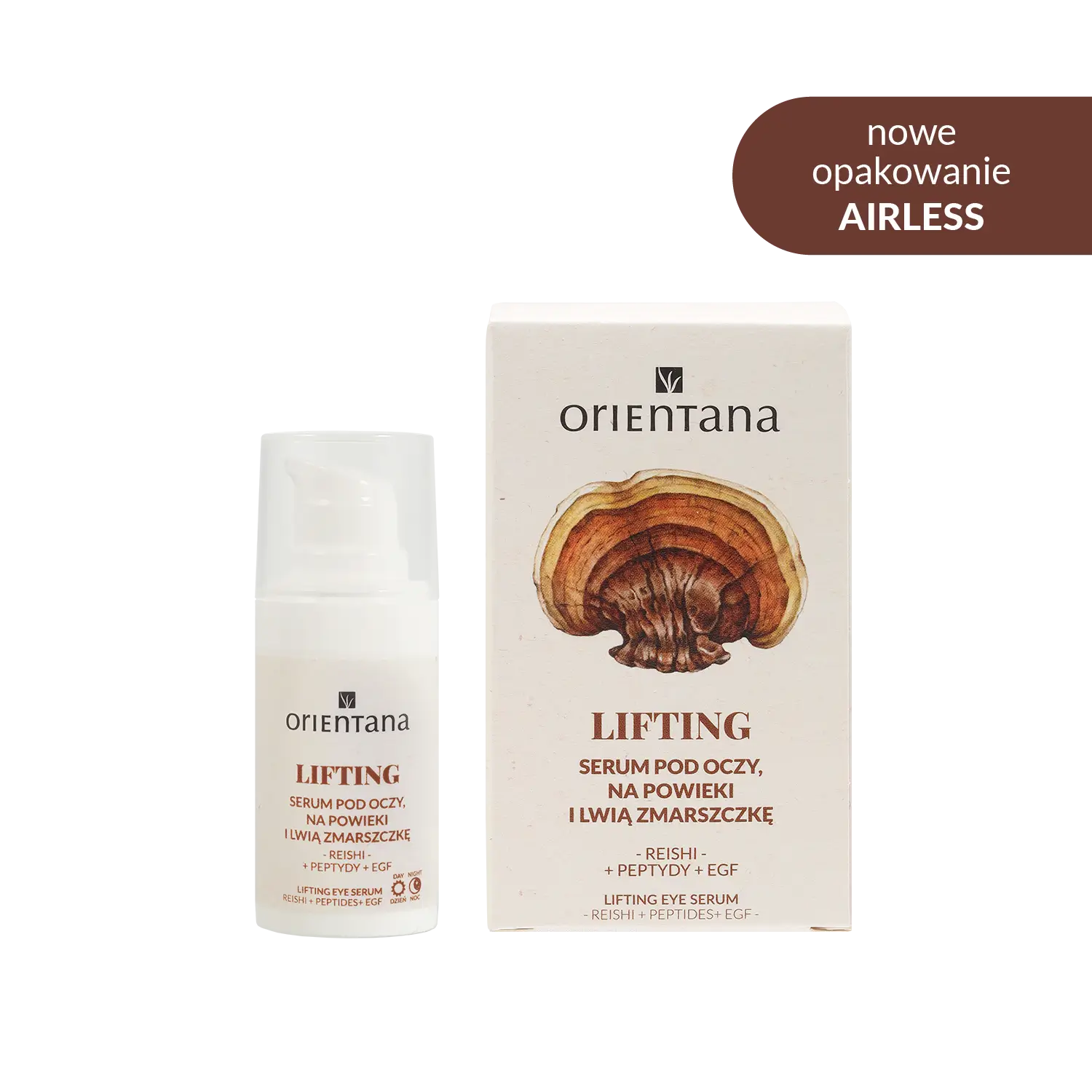
The skin around the eyes is up to five times thinner than the rest of the face, measuring only 0.3-0.5 mm thick. This is why the first signs of aging—fine wrinkles, crow's feet, and loss of firmness—appear around the age of 25. Furthermore, there are fewer sebaceous glands in this area, which weakens the hydrolipid barrier and causes the skin to lose moisture more quickly. Dermatological studies show that as many as 78% of women over 30 notice dark circles or puffiness under their eyes, and 62% notice wrinkles in this area earlier than in other areas of the face. The condition of this delicate area is affected not only by the aging process but also by stress, lack of sleep, UV radiation, diet, and exposure to pollution. To maintain a fresh and youthful appearance for longer, care tailored to the specific needs of the skin around the eyes is essential. Lightweight formulas rich in active ingredients with moisturizing, antioxidant, and anti-puffiness properties are ideal. A good example are Orientana's natural eye care products, which combine the effectiveness of plant extracts with gentleness suitable for this sensitive area. Why does the skin around the eyes require special care? The skin around the eyes is unique in its structure and function. It's an area where even the smallest imperfections become more visible than elsewhere on the face. Thinner and more delicate structure The thickness of the skin is on average 0.3–0.5 mm , while on the cheeks it can reach up to 2 mm. This thin layer of epidermis and dermis makes the blood vessels beneath the skin easily visible, which contributes to the formation of dark circles under the eyes. Fewer sebaceous glands There are significantly fewer sebaceous glands around the eyes than in other parts of the face. This means weaker natural lipid protection, which leads to faster water loss from the epidermis ( TEWL – Transepidermal Water Loss ). Constant work of facial muscles We blink up to 10,000–15,000 times a day. The orbicularis oculi muscle is in constant motion, which, combined with the delicate skin, contributes to the formation of fine facial wrinkles. Susceptibility to external factors UV radiation, free radicals, air pollution and oxidative stress affect this zone particularly quickly. The skin around the eyes ages on average 40% faster than the rest of the face. Therefore, care for this area should be gentle yet effective – rich in moisturizing, antioxidant, and microcirculation-improving ingredients. Orientana eye cosmetics offer precisely this effect, based on plant extracts that support the skin's natural regeneration without weighing it down. The most common skin problems around the eyes While each of us ages at an individual pace, there are a few common issues that most often appear in this sensitive area. Their severity depends on genetics, lifestyle, and skincare routine. Facial wrinkles and crow's feet The first fine lines may become visible around the age of 25 . They are caused by the daily work of facial muscles (smiling, squinting, blinking) and the loss of collagen and elastin. UV radiation accelerates their appearance by up to 30% . How to prevent: use nourishing and highly moisturizing products, e.g. with tremella and ceramides, such as Hydro Tremella Nourishing Eye Cream. Dark circles under the eyes It is estimated that every second woman over the age of 30 notices dark circles in this area. They may be the result of genetic pigmentation, slowed microcirculation, sleep deprivation or chronic stress. A diet low in iron and dehydration also increase their visibility. How to reduce: use preparations that stimulate circulation and brighten, e.g. Orientana eye cream with snail slime , which has an anti-swelling effect. Swelling and bags under the eyes They most often appear in the morning – they are related to the accumulation of lymph and water retention. Allergies, excess salt in the diet and sleeping in the wrong position exacerbate the problem. Studies show that 64% of people over 35 experience swelling regularly. How to reduce: cold compresses, lymphatic massage with an ice cube which reduces swelling and adds energy to the look. Dryness and irritation Caused by low lipid content in this part of the skin and insufficient hydration. It may be the result of using makeup removers that are too strong or from contact with allergens. How to prevent: choose gentle cleansing products and creams with moisturizing properties and those that rebuild the hydrolipid barrier. All of these problems can be alleviated by implementing a proper skincare routine and choosing products specifically designed for this area – ideally those based on natural ingredients and free from irritating additives. Orientana eye cosmetics address each of these concerns, offering research-proven effectiveness while remaining gentle on sensitive skin. How to care for the skin around your eyes – daily routine Effective eye care requires a combination of gentleness and consistency. It's important to choose cosmetics tailored to this area and apply them in the correct order. Cleaning Why it's important: Removing makeup and impurities is the first step to maintaining healthy skin. Any remaining makeup, dirt, or sebum can irritate and accelerate aging. How to do it properly: Use gentle eye makeup removal oils, without strong detergents, e.g. Orientana Makeup Remover Oil . Avoid rubbing – instead, apply a soaked cotton pad for a few seconds to dissolve the makeup. Wash off the oil with a gentle Orientana facial cleansing gel with date extract and gluconolactone - it is also gentle on the eye area, without damaging the hydrolipid barrier. Moisturizing and nourishing Why it's important: The skin in this area loses water faster than the rest of the face, so it requires cosmetics rich in humectants (e.g. hyaluronic acid, glycerin) and nutrients (e.g. vegetable oils, vitamins). How to use: Apply a small amount of the preparation with your ring finger, gently tapping into the skin. Use morning and evening. Recommended Orientana products: Reishi Peptides Eye and Eyelid Serum – reduces swelling, soothes and refreshes the look. Eye cream – nourishes, moisturizes, brightens and has anti-wrinkle properties. Apply the Serum under your eyes and on your eyelids Why it's important: Eye serums are concentrated cosmetics with a higher concentration of active ingredients than creams or gels. This allows them to work faster and more intensively on specific skin concerns, such as wrinkles, loss of firmness, dark circles, or puffiness. Advantages of use: A lighter consistency that absorbs easily and does not burden thin skin. Can also be applied to the movable eyelid (if the manufacturer allows it). Targeted action – e.g. lifting, brightening or deep hydration. How to use: Apply 1–2 drops of serum under the eyes and on the eyelids, tapping gently with your fingertip. Use under cream to lock the active ingredients into the skin. Recommended product Orientana Sun protection Why it's important: UV radiation is one of the main factors causing photoaging. In this area, it can accelerate the loss of elasticity by up to 40% . How to use: Apply SPF cream every day, even on cloudy days. Choose lightweight formulas that do not migrate into the eye. Stimulation of microcirculation Why it's important: Improving blood and lymph flow helps reduce dark circles and puffiness. How to use: Perform a short massage around the eyes (e.g. with a jade roller or your fingertips). Use products with caffeine or plant extracts that improve circulation. Recommended product Orientana Night regeneration Why it's important: Skin's repair processes are most intense at night. This is the best time for higher concentrations of active ingredients to work. How to use: Choose richer eye cream formulas that support the rebuilding of collagen and elastin. Recommended product Orientana Orientana natural eye cosmetics Orientana offers cosmetics designed specifically for the delicate skin around the eyes – rich in active ingredients with proven effectiveness, free from unnecessary synthetic fillers and animal testing. Below is a summary: Eye cream with ceramides Action: Intensively regenerates the hydrolipid barrier, smoothes fine wrinkles and protects against moisture loss. Key ingredients: Ceramides – rebuild the structure of the epidermis and strengthen its tightness. Trehalose – a strong antioxidant and humectant that protects cells against oxidative stress. Avocado oil - nourishes and regenerates the skin under the eyes Shea butter – nourishes and softens the skin. For whom: For people with dry, sensitive and mature skin around the eyes, requiring reconstruction and smoothing. Moisturizing eye cream with snail slime Action: Deeply moisturizes, accelerates regeneration and helps reduce dark circles and fine lines. Key ingredients: Snail slime – rich in collagen, elastin, hyaluronic acid and allantoin, has a strong regenerating effect. Caffeine - reduces puffiness under the eyes Hyaluronic acid - binds water in the epidermis and ensures firmness. Stoechiol Complex - brightens and strengthens delicate skin For whom: Perfect for tired skin, with signs of aging, requiring intensive regeneration. Reishi Eye and Eyelid Serum Action: Lifts, smoothes and reduces the visibility of dark circles, improves skin firmness on the eyelids. Key ingredients: Reishi (lingzhi mushroom) – an adaptogen with antioxidant and anti-wrinkle properties. Oligopeptide-1 - reduces fine lines and improves skin elasticity. Centella asiatica - strengthens blood vessels, soothes, and has anti-edema properties. It has a targeted anti-aging and lifting effect. Caffeine - reduces puffiness under the eyes For whom: For people looking for an intensive, multi-directional anti-aging and lifting effect. Hello Daktyl Comfort Nourishing Cream (face and eye area) Action: Nourishes, moisturizes and protects against loss of elasticity, suitable for use on both the face and the eye area. Key ingredients: Date extract – a strong antioxidant and source of vitamins, improves skin firmness. Mango butter – protects and softens the epidermis. Panthenol (provitamin B5) – intensively moisturizes, soothes irritations and supports skin healing. For whom: For dry and normal skin that needs comprehensive nourishment during the day and night. Tip: For best results, combine the Reishi serum with one of the eye creams – apply the serum first and the cream second to enhance the lifting, moisturizing and regenerating effect. Home remedies to support eye area care While professional cosmetics are the foundation of effective skincare, proper habits and simple home remedies can enhance their effectiveness. Techniques that improve microcirculation, reduce puffiness, and support regeneration work best for the skin around the eyes. Cool compresses Why they work: Low temperature constricts blood and lymphatic vessels, which reduces swelling and dark circles. How to use: Place refrigerated teaspoons, cotton pads with chamomile infusion or gel compresses on your eyelids for a few minutes. How to combine with Orientana cosmetics: After removing the compress, apply Eye Cream with Ceramides to maintain the smoothing and moisturizing effect. Lymphatic massage of the eye area Why it works: Stimulates blood and lymph circulation, which aids detoxification and reduces swelling. How to use: Use your fingertips or a jade roller. Massage gently, starting from the inner corner of the eye towards the temple. How to combine with Orientana cosmetics: Perform a massage using the Reishi Eye and Eyelid Serum , which will additionally firm and nourish the skin. Herbal infusion compresses Why they work: Herbs like chamomile, eyebright, and green tea have soothing, anti-inflammatory, and antioxidant properties. How to use: Brew some tea or herbs, let the infusion cool, then soak cotton pads in it and place them on your eyelids for 10 minutes. How to combine with Orientana cosmetics: After removing the compresses, use the Moisturizing Eye Cream with Snail Slime to support regeneration and hydration. Healthy diet and hydration Why it works: Vitamin deficiency (especially A, C, E) and dehydration intensify dark circles and wrinkles. How to use: Drink at least 1.5–2 liters of water daily. Include foods rich in antioxidants, omega-3 fatty acids and protein in your diet. How to combine with Orientana cosmetics: Complete your care with the Hello Daktyl Comfort Nourishing Cream , which will provide the skin with antioxidants and nourishing oils. Proper sleep hygiene Why it works: Lack of sleep and sleeping in an incorrect position intensify dark circles and puffiness. How to use: Sleep 7–8 hours, preferably on your back, with your head slightly raised. Avoid screens right before bed to reduce tension in the muscles around your eyes. How to combine with Orientana cosmetics: In the evening, apply a richer eye cream, e.g. Cream with ceramides , to support night-time skin regeneration. By combining home methods with the systematic use of Orientana eye cosmetics, you can notice an improvement in the condition of your skin after just a few weeks – it will be better moisturized, smoother, and brighter. The most common mistakes in eye care Even the best cosmetics won't deliver the desired results if we make mistakes in our daily care routine. When it comes to the skin around the eyes, poor habits can accelerate the aging process, exacerbate dark circles and puffiness. Using face creams instead of eye creams Why it's a mistake: Face creams often have too heavy a consistency or too high a concentration of ingredients that can irritate the thin skin of the eyelids. Solution: Use cosmetics designed specifically for this area, such as Eye Cream with Ceramides or Moisturizing Eye Cream with Snail Slime . Rubbing too hard when removing makeup Why it's a mistake: Excessive friction stretches the skin, damaging its structure and accelerating wrinkle formation. Solution: Use gentle cleansing products, e.g. Orientana gentle facial cleansing oil, and remove makeup using the "apply, wait, wipe" method. Skipping sunscreen Why it's a mistake: UV radiation is one of the main factors of photoaging and wrinkle deepening. Solution: After applying eye cream, use an SPF designed for the face or sensitive eye area. Applying too much cosmetics Why it's a mistake: Too much cream or serum can weigh down thin skin and even cause swelling. Solution: A rice-sized amount per eye is enough, gently patted in with your ring finger. Lack of systematic care Why this is a mistake: The skin around the eyes reacts to regularity – occasional use of cosmetics does not bring long-term results. Solution: Use your chosen product every morning and evening. You can combine the Reishi eye serum and eyelid cream with the serum to increase the effectiveness of the treatment. It's worth remembering: The skin around the eyes "remembers" both good and bad habits. Gentle touch, sun protection, and appropriate cosmetics, such as those from Orientan, are an investment in a younger look for years to come. Caring for the skin around the eyes requires special attention – this is where signs of fatigue, stress, and aging are most visible. Its thin structure, fewer sebaceous glands, and constant activity of facial muscles mean that without proper support, it loses firmness and radiance up to 40% faster than the rest of the face. The key to maintaining a youthful look is systematic, gentle and multi-stage care : Gentle cleansing without rubbing. Daily moisturizing and regeneration with cosmetics created specifically for this zone. Sun protection and microcirculation support. Regular use of serum or cream, preferably in combination with home methods. Orientana natural cosmetics, such as Eye Cream with Ceramides , Moisturizing Eye Cream with Snail Slime , Reishi Eye and Eyelid Serum or the Comfortable Nourishing Hello Dakty Cream combine the effectiveness of plant ingredients with the safety of use even on sensitive skin. Create a look that delights every day. Check out the full range of Orientana eye cosmetics and choose the formula tailored to your needs.
Learn more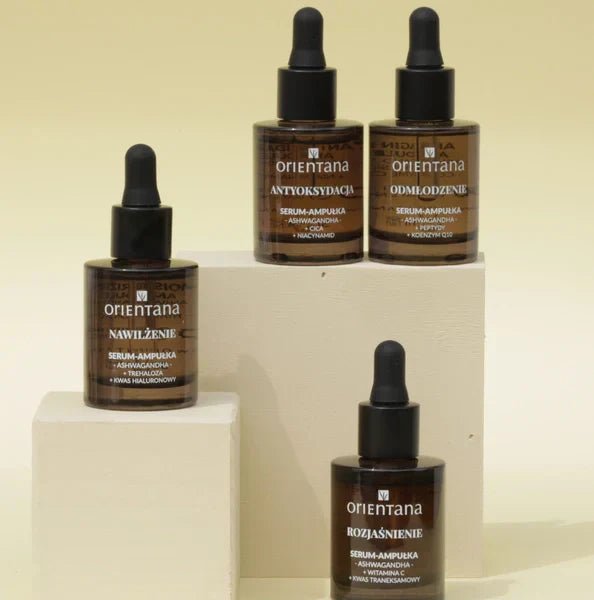
Anti-wrinkle serum – how to choose the best one and effectively rejuvenate your skin?
Have you ever wondered why it's worth using an anti-wrinkle serum ? Wrinkles are a natural part of the skin aging process, but modern skincare can significantly slow their formation and reduce already visible lines . One of the most effective cosmetics in the fight against the signs of aging is an anti-wrinkle serum – a concentrated product rich in active ingredients that works deeper than a regular cream. Unlike creams, serums have a lighter consistency and contain a higher concentration of active ingredients , such as vitamin C, hyaluronic acid, and plant adaptogens. These ingredients intensively support skin regeneration processes, improve firmness, and reduce wrinkles. In this post, you'll learn how anti-wrinkle serums work, which ingredients are truly effective, and I'll present some suggestions from the Orientana brand. We offer several types. serums based on the power of plants, as well as with active ingredients straight from the laboratory. How does anti-wrinkle serum work on the skin? The anti-wrinkle serum works on several levels: It stimulates the production of collagen and elastin , thanks to which the skin regains its firmness and wrinkles are smoothed. Protects against oxidative stress – antioxidants neutralize free radicals that accelerate the aging process. Improves hydration and the hydrolipid barrier – humectant ingredients, such as hyaluronic acid and phytomucin from the Tremella fungus, retain water in the skin. Strengthens and regenerates – adaptogens, such as ashwagandha and reishi, support the skin’s natural defense mechanisms. The effects of using a good anti-wrinkle serum can be seen after just a few weeks – the skin becomes smoother, firmer and more radiant. Key ingredients in anti-wrinkle serum The effectiveness of a serum depends primarily on the quality and synergy of its active ingredients. In anti-aging formulas, it's worth looking for: Retinoids and plant-based retinol equivalents – e.g. bakuchiol, Pistacia lentiscus resin extract (NovoRetin™) – have a strong rejuvenating and smoothing effect. Vitamin C in a stable form (3-O-Ethyl Ascorbic Acid) – brightens discolorations, stimulates collagen synthesis and has an antioxidant effect. Hyaluronic acid and Tremella fuciformis – intense hydration, improved skin elasticity. Niacinamide – improves elasticity, reduces unevenness and fine lines. Adaptogens – ashwagandha, reishi, schizandra – strengthen the skin and improve its resistance to environmental stress. Natural oils and butters – mango, shea, jojoba – nourishment and protection against moisture loss. Orientana Natural Anti-Wrinkle Serum – the Power of Plants and Adaptogens For years, the Orientana brand has specialized in creating natural cosmetics inspired by Asian recipes. These anti-wrinkle serums combine plant power, adaptogens , and modern formulas. These plant-based formulas are enriched with laboratory-proven ingredients in safe concentrations , ensuring they are effective but non-irritating. The offer includes the following anti-wrinkle serums : Ashwagandha + CICA + Niacinamide Antioxidant Serum A good starter in the fight against wrinkles. Start using it after the age of 25. It regenerates, soothes, and smooths wrinkles, and is also ideal for sensitive skin. Serum Ampoule Ashwagandha + peptides + coenzyme Q10 xx Reishi Serum + Retinol – a strong antioxidant, supports skin density and firmness. Tremella Serum with Exosomes – moisturizes, improves elasticity and reduces fine lines. Ashwagandha Serum with Vitamin C and Tranexamic Acid Thanks to natural ingredients and high concentrations of active substances, Orientana serums support both the reduction of signs of aging and anti-aging prevention. How to choose an anti-wrinkle serum for your skin type and age Dry and mature skin – choose a serum rich in peptides, retinol, hyaluronic acid, and adaptogens Combination and oily skin – choose light formulas with niacinamide, exosomes and tremella. Sensitive skin – avoid intense retinoids, choose gentler, plant-based formulas such as Ashwagandha + CICA serum, or ethylated vitamin C serum. Prevention – after the age of 25, it is worth using an anti-wrinkle serum to delay the formation of wrinkles. How to use anti-wrinkle serum to make it work effectively Cleansing – apply the serum to clean, dry skin of the face and neck. Order – apply the serum before the cream so that the active ingredients can penetrate deeper. Frequency – usually 1–2 times a day, depending on the manufacturer’s recommendations. UV protection – when using vitamin C, retinol or its substitutes, be sure to use SPF. Myths about anti-wrinkle serums “The serum only works on deep wrinkles” – in fact, it also works preventively and on fine lines. “I don’t need a serum before I’m 40.” – anti-aging prevention should start much earlier. “Natural serums are less effective” – carefully selected plant ingredients, such as those in the Orientana serum, are as effective as synthetic formulas. Anti-wrinkle serums are not only cosmetics that reduce existing wrinkles, but also an effective tool in preventing skin aging. By choosing natural formulas rich in adaptogens and vitamin C, like those found in Orientana serums, you're investing in healthy, younger-looking skin for years to come. Check out the full range of Orientana Natural Serums and find the perfect formula for your skin.
Learn more
July cosmetics set - 5 most frequently chosen Orientana products
Summer is a time when skin and hair especially need light, effective, and moisturizing care. High temperatures, sun, air conditioning, and swimming in the sea and pool mean that summer cosmetics should not only nourish but also protect and regenerate. That's why we've prepared a set of July cosmetics - the 5 most frequently chosen Orientana products that will help you take care of your complexion, hair and the skin of your entire body during the holiday season. July cosmetics set - what do you choose most often? Our July collection was created based on our customers' most frequent choices. These products combine: light formulas, effective natural ingredients, versatile action tailored to summer needs. TOP 5 cosmetics of July Orientana 1. Cream for combination skin – sebum regulation and hydration This cream for combination skin is a must-have for those who struggle with excessive shine in the summer but don't want to dry out their skin. Its light texture moisturizes while regulating sebum, leaving skin looking fresh and healthy. FAQ about the cream: Is the cream suitable under makeup and SPF? Yes, it has a light consistency and absorbs quickly. Does it dry out the dry areas of the face? No – it balances sebum and moisture levels. Ashwagandha + Trehalose Moisturizing Serum - Moisturizing and soothing This serum combines the adaptogen ashwagandha and trehalose. It has antioxidant properties, protects against environmental stress, and intensely moisturizes. Perfect under sunscreen and for hot days. FAQ about the serum: Isn't the serum too heavy for summer? No, it has a watery, light consistency. Can it be combined with vitamin C? Yes, it's a great addition to your daily routine. 3. Reishi Eye and Eyelid Serum – Regeneration and Rejuvenation The eye area is particularly susceptible to dryness and fatigue in the summer. This serum with Reishi mushroom regenerates, reduces dark circles and puffiness, and strengthens the skin around the eyes and on the eyelids. FAQ about Reishi Serum: Can I also apply the serum to my eyelids? Yes, it's intended for that purpose. How quickly will I notice results? The first results—brightening and smoothing—may be visible after just a few days. 4. Japanese Sakura Mist – refreshing for body and hair This alcohol-free mist with sakura extract instantly refreshes, moisturizes, and relaxes. It can be used on both body and hair—perfect for your purse, the beach, or when traveling. FAQ about the mist: Does it contain alcohol? No, it's 100% alcohol-free. How long does the fragrance last? Several hours, with reapplication possible throughout the day. 5. Moisturizing shampoo – healthy and shiny hair Hair requires special protection in the summer. Orientana Moisturizing Shampoo, based on a gentle SLS/SLES-free cleansing base and enriched with plant extracts, cares for the hair and scalp, preventing dryness and leaving it soft. FAQ about shampoo: Is it suitable for everyday use? Yes, it is gentle and safe. Can I use it on color-treated hair? Yes, it doesn't wash out the color and actually protects it from fading. Why is it worth having this Orientana cosmetics set? Consistent care = better results. Natural ingredients, no animal testing. Products tailored to the summer needs of skin and hair. Frequently asked questions about the July cosmetics set 1. Can I use all facial products together? Yes, the cosmetics are complementary to each other – they create a complete care routine from face to hair. 2. Will the set be suitable for a holiday trip? Yes – the products have lightweight formulas, and the mist comes in a handy 50 ml container, perfect for carry-on luggage. You can also transfer the shampoo to a smaller container. 3. How long does this cosmetic set last? With daily use, it will last on average 1–2 months, depending on the frequency of use. 4. Is this cosmetics set suitable for sensitive skin? Yes – all products are based on natural ingredients, without alcohol and aggressive detergents. 5. Can I buy the products separately or only as a set? Each cosmetic is only available separately, but together they create a perfectly matched care routine. 5. Can the cosmetics from the set be used during pregnancy? Each of the cosmetics described above can be used during pregnancy and breastfeeding. The July Orientana cosmetics set includes 5 skincare hits that our customers love. They'll help you care for your face, eye area, body, and hair—naturally, effectively, and without weighing you down. Check out all Orientana products and create your own summer cosmetics set : see the entire offer.
Learn more
Clay masks – a natural way to cleansed and radiant skin
Clay masks have been used in skincare for centuries thanks to their cleansing, detoxifying, and mineralizing properties. Their secret lies in their natural composition – clays are rich in micro- and macronutrients that support skin regeneration, remove excess sebum, and leave the complexion smooth and refreshed. Today I'll tell you about the types of clays, how to choose a mask for your skin type, and when it's worth reaching for a cream alternative. Why are clay masks so effective? Deep cleansing – clay absorbs impurities and excess sebum. Exfoliation of dead skin – gently smoothes the skin surface. Providing minerals – magnesium, silicon, calcium and zinc – support the healthy appearance of the skin. Anti-inflammatory effect – soothes irritations and supports regeneration processes. Mattifying the skin – the perfect solution for combination and oily skin. Types of clays and their effects 1. White clay (kaolin) The most gentle, recommended for dry and sensitive skin. Brightens, soothes, and improves elasticity. 2. Green clay It cleanses strongly, has antibacterial properties and regulates sebum secretion – ideal for oily and acne-prone skin. 3. Red clay Improves microcirculation, strengthens blood vessels, ideal for vascular skin. 4. Pink clay It combines the properties of white and red clay, has a soothing and refreshing effect. 5. Yellow clay Gently exfoliates, improves skin tone, and accelerates regeneration. How to use clay masks? Apply a thin layer of the mask to cleansed skin. Avoid drying out completely – spray with water or hydrolate. Wash off after 10–15 minutes with lukewarm water. Apply a moisturizer to replenish the hydrolipid layer. Disadvantages of clay masks that are worth knowing about They can dry out your skin if you leave them to dry completely. Some people experience skin tightening after washing it off. They require additional moisturization after application. An alternative to clay masks – Orientana cream masks If your skin is sensitive, dehydrated, or needs nourishment without drying out, cream masks are worth considering. They are rich in active ingredients that intensively regenerate, moisturize, and smooth the skin. I especially recommend: Hello Daktyl – a nourishing mask with date extract, rich in antioxidants, supporting skin regeneration. Hello Papaja – a brightening papaya mask that smoothes and evens out skin tone. Tremella – an intensely moisturizing mask with snow mushroom, a natural source of plant hyaluronic acid. These cream masks from Orientana are perfect both as an alternative to clays and as a complement to skincare – especially when your skin needs an extra dose of hydration and comfort. Frequently asked questions about clay masks 1. What are clay masks? These are cosmetics based on natural mineral clays that cleanse, refresh and provide the skin with valuable minerals. 2. How do clay masks work? They absorb excess sebum, remove impurities and gently exfoliate dead skin. 3. Are clay masks good for all skin types? Yes, but the choice of clay should be tailored to the needs of the skin – e.g. white for sensitive skin, green for oily skin. 4. How often can clay masks be used? Most often 1-2 times a week, depending on the needs of the skin. 5. Do clay masks dry out the skin? They can if allowed to dry completely; it's a good idea to wash them off while they're still slightly damp. 6. How to prepare a clay powder mask? Mix the powder with water, hydrolate or yogurt to form a paste. 7. Can you add oils to a clay mask? Yes, adding a few drops of vegetable oil will increase its nutritional properties. 8. Do clay masks help with acne? Yes, green and bentonite clay in particular have antibacterial and anti-inflammatory effects. 9. Can clay masks be used overnight? Not recommended – best to wash off after a maximum of 15–20 minutes. 10. What minerals are found in clay masks? Including silicon, magnesium, calcium, iron, and zinc, which support the healthy appearance of the skin. 11. Are clay masks good for mature skin? Yes, especially when combined with moisturizing products, they improve skin firmness and tone. 12. How to use clay masks in summer? Same as in other seasons, but remember to use SPF protection, as skin is more sensitive after cleansing. 13. What is the difference between clay masks and cream masks? Clay ones mainly cleanse, while creamy ones intensively moisturize and nourish. 14. Can clay and cream masks be used in the same treatment? Yes, for example, alternately – once a cleansing clay, once a nourishing cream mask. 15. What cream masks should you choose after clay treatment? I recommend Orientana cream masks – Hello Daktyl , Hello Papaja and Tremella , which will nourish and moisturize the skin after cleansing. Clay masks are an excellent choice for cleansing your skin, reducing the appearance of pores, and improving its texture. Just remember to moisturize after use—or opt for cream masks like Hello Daktyl , Hello Papaja , or Tremella by Orientana, which combine care with comfort.
Learn more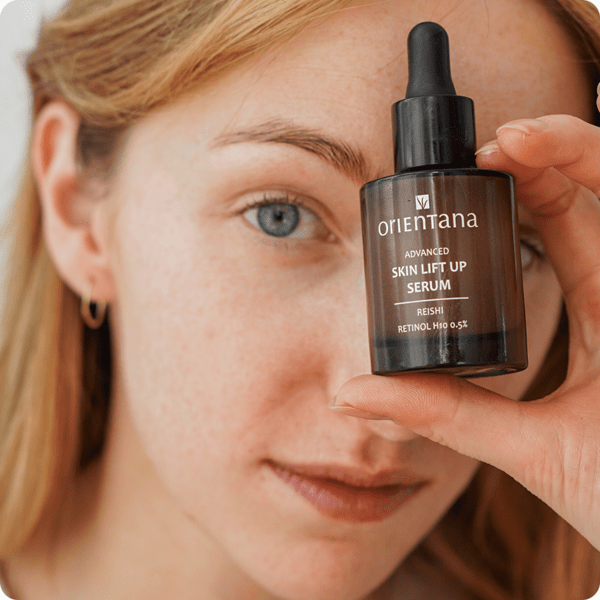
Retinol H10 – an innovation in skincare. See how Orientana's Reishi and Retinol H10 serum works.
Retinol has long been considered the gold standard in anti-aging care, but it was Retinol H10 that took its effectiveness to the next level. It's a stable, hydrogenated form of retinol that minimizes the risk of irritation while maintaining its full potency. In cosmetics such as Advanced Skin Lift Up Serum Reishi and Retinol H10 0.5% from Orientana , this ingredient is combined with the adaptogen Reishi, creating a duo that supports regeneration, hydration and even skin tone. Below you will find frequently asked questions and answers that will help you understand how Retinol H10 works, how to use it and why it can become your cosmetic ally. 25 Questions and Answers about Retinol H10 1. What is Retinol H10? Retinol H10 is a hydrogenated, stable form of retinol (vitamin A) that maintains its effectiveness while being gentler on the skin. 2. How is Retinol H10 different from classic retinol? Thanks to the hydrogenation process, Retinol H10 is more stable, less susceptible to oxidation and causes less irritation. 3. How does Retinol H10 work on the skin? It stimulates the production of collagen, elastin and hyaluronic acid, supports cell renewal and evens out skin tone. 4. Why is it worth choosing the Retinol H10 serum from Orientana? Advanced Skin Lift Up Serum Reishi and Retinol H10 0.5% combines the action of retinol with the adaptogen Reishi, which enhances the anti-aging and regenerative effects. 5. Is Retinol H10 suitable for sensitive skin? Yes, but it should be introduced gradually so that the skin can get used to it. 6. How often should I use Retinol H10? Initially, 1-2 times a week, gradually increasing the frequency to daily use in the evening. 7. When can the first effects be noticed? Typically, after 6–8 weeks of regular use, you will see improved firmness, smoother skin, and reduced wrinkles. 8. Does Retinol H10 help with discoloration? Yes, it normalizes melanin production, lightening existing discolorations. 9. Can Retinol H10 be used in summer? Yes, but only in the evening and with mandatory use of SPF filters during the day. 10. Does Retinol H10 cause skin peeling? May cause slight exfoliation in the initial phase of use – this is a natural renewal process. 11. How to combine Retinol H10 with other active ingredients? It can be used with niacinamide, hyaluronic acid or peptides; simultaneous use with AHA/BHA acids should be avoided. 12. Is Retinol H10 suitable for oily skin? Yes, it regulates the function of the sebaceous glands and helps reduce the visibility of pores. 13. Does Retinol H10 work on acne? Yes, it supports the treatment of acne by normalizing keratinization and reducing inflammation. 14. How to prepare the skin for Retinol H10 treatment? Take care of its hydration and hydrolipid barrier by introducing gentle cleansing products and regenerating creams. 15. Is Retinol H10 safe during pregnancy? No – retinoids, including Retinol H10, are not used during pregnancy and breastfeeding. 16. How to store cosmetics with Retinol H10? In a cool, shaded place, preferably in the original packaging with a pump or dark glass. 17. Does Retinol H10 work on the neck and décolleté? Yes, it can be used in these areas as well, but with caution. 18. Can Retinol H10 be used under the eyes? Yes, but only in specially developed formulas for under the eyes or in a minimal amount for the outer corners. 19. Why does Retinol H10 work better when combined with Reishi? Reishi mushroom is an adaptogen with strong antioxidant and anti-inflammatory properties, supporting skin regeneration. 20. What concentration of Retinol H10 is best to start with? 0.3–0.5% is the optimal acceptable level for most skin types. 21. Can Retinol H10 be used with vitamin C? Yes, but preferably at different times of the day – vitamin C in the morning, Retinol H10 in the evening. 22. Is Retinol H10 vegan? Yes, it is an ingredient synthesized in an environmentally friendly way. 23. Does Retinol H10 smooth out expression wrinkles? Yes, by stimulating collagen and elastin it reduces their depth. 24. Can Retinol H10 be used all year round? Yes, as long as you use SPF protection during the day. 25. What are the additional benefits of using Orientana Retinol H10 serum? In addition to smoothing wrinkles and brightening discolorations, Advanced Skin Lift Up Serum Reishi and Retinol H10 intensely moisturizes, strengthens the skin barrier and improves its elasticity. Retinol H10 is a true breakthrough in anti-aging care – effective, yet more gentle than traditional retinol. Combined with the adaptogen Reishi, as in Advanced Skin Lift Up Reishi Serum and Retinol H10 0.5% by Orientana , it creates a formula that addresses the needs of skin in need of regeneration, hydration, and rejuvenation. If you dream of smooth, firm and radiant skin, it's time to introduce Retinol H10 into your routine.
Learn more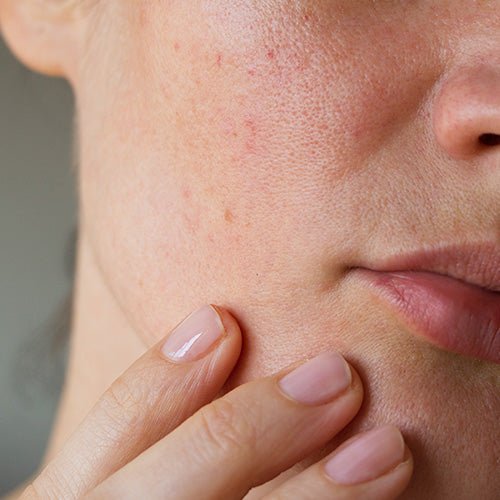
What is my skin type?
Each of us can answer the question of what skin type we have. But are we sure? This article will tell you how individual skin types are defined and how to determine which one you have. What are the skin types? Basic skin types are divided into four main categories, plus additional types related to specific skin problems or aging processes. What skin type do I have? Discover the basic types Normal skinCharacterized by even hydration, elasticity, and no visible imperfections. Pores are small, and the skin reacts well to most cosmetics. Dry skinThin, prone to dryness, with a feeling of tightness and flaking. Requires intensive moisturizing and protection from external factors. Oily skinExcessive sebum production causes shine, enlarged pores, and a tendency to breakouts. Requires sebum regulation. Combination skinA combination of dry skin characteristics (e.g., cheeks) and oily skin (T-zone: forehead, nose, chin). Requires varied care. Additional skin types Sensitive skin – reacts with redness, itching, or burning to cosmetics or environmental factors.Capillary skin – visible dilated blood vessels, prone to irritation.Acne-prone skin – characterized by pimples, blackheads, and excessive sebum production, often requires dermatological consultation.Mature skin – manifests as wrinkles, loss of firmness, and an irregular facial oval, associated with age. In practice, a skin type can combine features of a basic type with additional problems (e.g., oily skin with capillary elements). The key is to adapt skincare to the individual needs of the skin, but do I already know what skin type I have? No skin type is given once and for all. It is often genetically determined but can change with age. Skin type also depends on how it is cared for, diet, hormone levels, and lifestyle. What skin type do I have? Tests To determine your skin type, you can use online tests or analyze the symptoms yourself. Here are key methods: Tests with a dermoconsultant A dermoconsultant asks a series of questions and observes the client's skin to select appropriate skincare. How does a dermoconsultant recognize your skin type? During the consultation, they ask a few simple questions that help assess the condition and type of skin. The key is how your skin reacts to daily factors—such as cleansing, weather changes, or natural physiological processes. Based on this, appropriate skincare can be accurately selected. The first signal a dermoconsultant pays attention to is the skin's reaction after washing. If you feel severe tightness, dryness, or burning after cleansing, it may indicate dry or sensitive skin that requires gentle, moisturizing formulas and protection from external factors. On the other hand, if your skin quickly starts to shine and you feel no discomfort, you likely have oily or combination skin—one that produces excess sebum and needs sebum regulation. The next step is to observe pore visibility and a tendency to imperfections. If you notice enlarged pores, especially in the T-zone (i.e., on the forehead, nose, and chin), and breakouts appear regularly, this may indicate oily or acne-prone skin. It is also worth noting whether skin lesions intensify cyclically, for example, before menstruation—this may indicate hormonal acne. However, skin without visible pores, with a smooth texture and no tendency to breakouts, often turns out to be dry or normal skin. The skin's behavior in various weather conditions is also evaluated. If your skin reacts with irritation, redness, or burning to frost, wind, or sudden temperature changes, you most likely have sensitive or capillary skin. Such skin needs soothing cosmetics that strengthen the protective barrier and seal blood vessels. On the other hand, if your skin shines intensely in a humid environment, it indicates overactivity of the sebaceous glands, i.e., oily or combination skin. Thanks to these simple questions and observations, a dermoconsultant can determine not only the basic skin type—dry, oily, combination, or normal—but also its needs and tendencies, such as sensitivity, dehydration tendency, acne, or hyperactive blood vessels. This is the first step towards conscious and effective skincare and finding out what skin type I have. What skin type do I have? - Self-analysis Self-determining your skin type is a crucial step in proper skin care. Observing the skin's reaction to various factors, such as washing or using cosmetics, allows for precise selection of appropriate skincare products. Skin observation after washing One of the simplest ways to analyze your skin is to observe its reaction after washing your face with a gentle cleanser, without using creams or toners. After about 30 minutes, you can assess how your skin reacts to cleansing: Dry skin – after washing, there is a feeling of tightness, tension, and discomfort. The skin is often matte, rough, and may flake. The lack of natural hydration makes it look tired and prone to irritation. Oily skin – quickly starts to shine, especially in the T-zone (forehead, nose, chin). Pores are clearly visible, and the skin may feel like a thicker, oilier film on the surface. It is often accompanied by blackheads and a tendency to imperfections. Combination skin – characterized by different areas with varying properties. The T-zone quickly becomes oily, while the cheeks may be dry and tight. It requires balanced care, adapted to different parts of the face. Normal skin – shows no signs of discomfort. The skin is smooth, elastic, and naturally hydrated. The lack of dryness and excessive shine makes it look healthy and radiant. Skin reaction to cosmetics The next step in skin analysis is to observe the skin's reaction to various cosmetics, especially those containing active ingredients. Some skin types may require more delicate care, while others will tolerate stronger ingredients. Sensitive/capillary skin – reacts with redness, burning, and even itching to aggressive substances such as alcohol, retinoids, or certain preservatives. It may have a tendency to broken capillaries, which manifests as visible "spider veins" on the cheeks and nose. Requires the use of gentle, hypoallergenic cosmetics. The Kali Musli series is excellent here. Acne-prone skin – shows a tendency to frequent breakouts, blackheads, and inflammation. It can be oily, but also dry due to the use of aggressive anti-acne products. It requires careful care, regulating sebum secretion and supporting skin regeneration. What skin type do I have? Blotting paper test At home, you can perform a simple test to find out what skin type you have. All you need are facial cleansers and a thin cosmetic blotting paper or a tissue divided into layers. Here are five steps to help define your facial skin type: Thoroughly cleanse your face of makeup residue and wash with a gentle cosmetic. We recommend makeup remover oil and face cleansing foam. Gently pat your face dry with a clean towel, without rubbing. Do not apply any cosmetics to your face and wait 30 minutes. During this time, do not engage in strenuous exercise or go outside. Let your skin breathe 😉 After 30 minutes, gently place the blotting paper or one layer of tissue on your face. Lightly pat the blotting paper onto your skin and wait a minute. Remove the blotting paper and examine it under light. You will see where on your face the most sebum has formed. If there are no traces of sebum on the blotting paper – you have dry or normal skin. If the traces of sebum form a visible letter T – your skin is combination. If the blotting paper is covered with sebum in many places or over its entire surface, you have oily skin. Pay attention to seasonal changes as combination skin can become dry in winter or oily in summer. Regular skin observation allows for a better understanding of its needs and the selection of appropriate cosmetics, which translates into a healthy appearance and daily comfort. What skin type do I have? - additional tips Mature skin is a skin type that usually appears after the age of 35, although its characteristics may appear earlier, depending on lifestyle, exposure to UV radiation, oxidative stress, or hormonal balance. Characteristic symptoms include wrinkles, both mimic and deeper ones, which first appear around the eyes, mouth, and forehead. The skin loses firmness, elasticity, and density, which can lead to an irregular facial oval. This is often accompanied by loss of radiance, dryness, roughness, and uneven skin tone. Capillary skin, on the other hand, is characterized by the presence of dilated blood vessels, most often on the cheeks, nose, and chin. The skin is sensitive, prone to redness, which may appear due to temperature changes, emotions, spicy foods, or the use of inappropriate cosmetics. In advanced stages, persistent erythema and a tendency to form telangiectasias (so-called spider veins) may occur. Capillary skin requires gentle care that strengthens the walls of blood vessels and protects against irritating factors. If the results are inconclusive, it is worth consulting a dermatologist or cosmetologist. It is also always necessary to consider the age of the person whose skin type is being diagnosed. Oily skin will behave differently in a teenager than in a mature woman. Natural cosmetics for different skin types Natural cosmetics, based on plant extracts, oils, and mineral-derived ingredients, are increasingly chosen due to their gentleness, high skin tolerance, and multi-directional action. Properly selected natural ingredients can effectively support the needs of every skin type, improving its condition, balance, and appearance. For dry skin, highly moisturizing and emollient ingredients work best, helping to rebuild the skin's hydrolipidic barrier. Among them, shea butter (Butyrospermum Parkii Butter), avocado oil, argan oil, and almond oil are worth highlighting – rich in unsaturated fatty acids, vitamins A and E, they perfectly soften the skin and protect it from moisture loss. Plant-derived hyaluronic acid and aloe vera further intensify hydration and soothe the feeling of tightness. Oily and acne-prone skin requires ingredients that regulate sebum secretion, have anti-inflammatory and antibacterial properties. Tea tree oil, niacinamide (vitamin B3), and green tea extract work perfectly here. These substances help cleanse pores, reduce imperfections, and soothe inflammation without disrupting the skin's natural protective barrier. Sensitive and capillary skin requires soothing ingredients that strengthen blood vessels and reduce redness. In this group, kali musli extract, as well as rosehip oil and panthenol, are most commonly used. These are ingredients with soothing, anti-inflammatory properties that support microcirculation, improving skin comfort and reducing hyperreactivity. For mature skin, ingredients with regenerative, firming, and antioxidant properties will be ideal. Pomegranate oil, snail mucus, coenzyme Q10, vitamin C, and adaptogen extracts such as Reishi or Rhodiola rosea help smooth wrinkles, improve skin elasticity, and protect it from free radicals. Natural care allows for safe and effective addressing of the needs of various skin types. The key to success is the conscious selection of active ingredients that correspond to specific skin problems, while supporting its natural defensive and regenerative functions. Once you determine your skin type, it's worth focusing on choosing cosmetics. Remember about cleansing and toning products. From experience, we know that these steps are often omitted. Choose the right serum and cream. Enjoy conscious skincare.
Learn more