
Saffron is considered a luxurious ingredient in cosmetics with brightening and anti-aging properties. However, modern cosmetology offers more effective alternatives, such as adaptogens and biotechnological ingredients. Find out if saffron is worth using and which ingredients work best for your skin.

What is saffron and why is it so expensive?
Saffron (Crocus sativus) is one of the most expensive natural substances in the world. It is obtained from the red stigmas of the flower, of which there are only three in each flower.
To obtain 1 kg of saffron:
- approximately 150,000 flowers are needed
- the harvest is done manually
- the process is time-consuming and demanding
This means that it is rarely found in cosmetics and usually in low concentrations.
Saffron in cosmetics - effects on the skin
Saffron is credited with:
- antioxidant effect (neutralization of free radicals)
- lightening discolorations
- anti-inflammatory effect
- support for mature skin
It sounds promising - but these are exactly the same effects that modern active ingredients achieve, often more effectively.
Is saffron really effective?
Saffron works, but:
- its effectiveness depends on the concentration (often very low)
- is not the first choice ingredient in modern cosmetology
- its action can be easily replaced by other ingredients
Therefore, in practice it is rarely a “game-changer” in care.
Natural alternatives to saffron in Orientana cosmetics
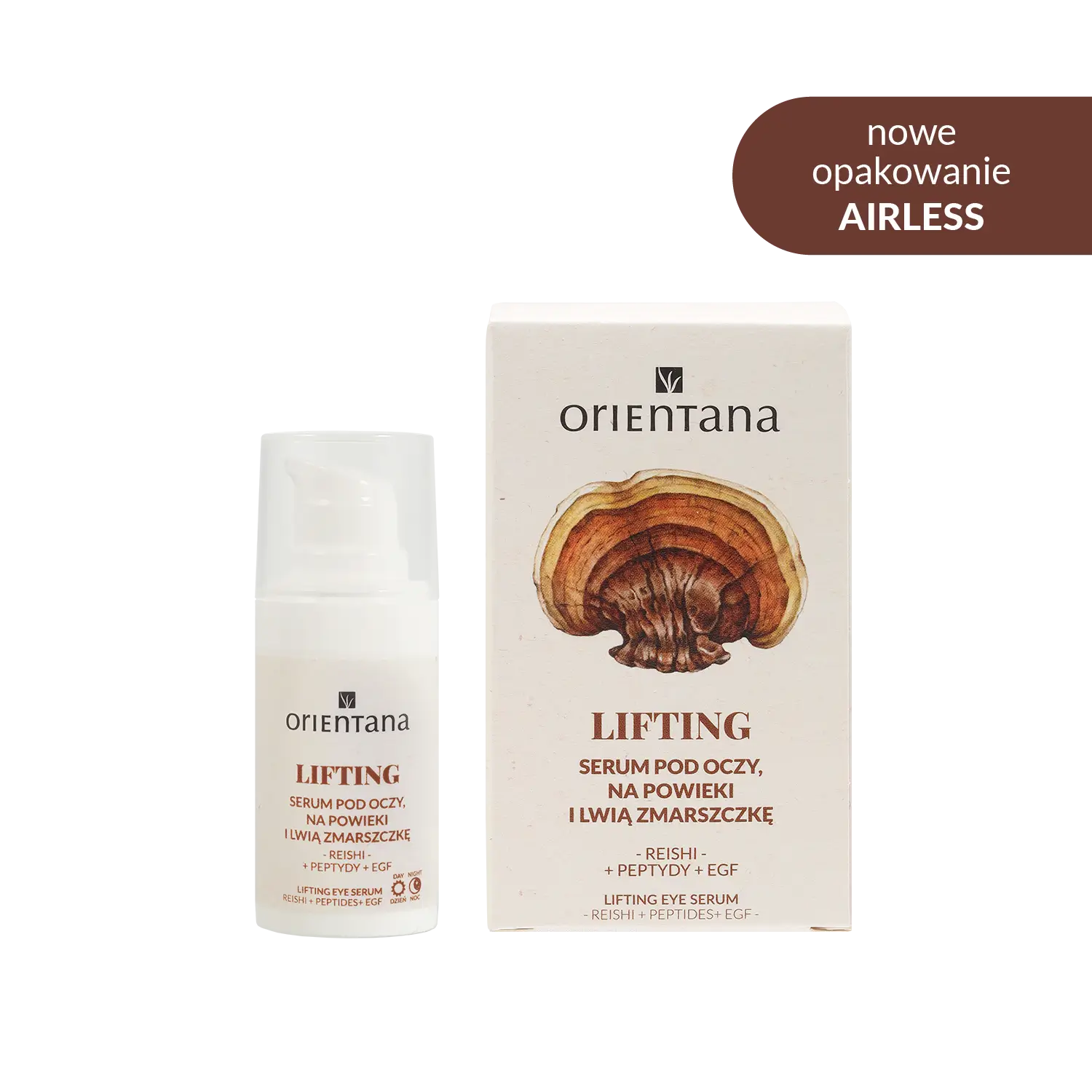
Reishi - a stronger antioxidant than saffron

Reishi works:
- stronger antioxidant
- supports skin regeneration
- improves firmness
Tremella - intense hydration and glow effect
Tremella:
- binds water more effectively than hyaluronic acid
- smoothes and brightens the skin
- strengthens the hydrolipid barrier
Check out the tremella series

Ashwagandha - an adaptogen against skin stress

Ashwagandha:
- reduces oxidative stress
- supports regeneration
- has anti-inflammatory properties
See cosmetics with ashwagandha
Modern active ingredients in your products
- niacinamide → evens out skin tone
- caffeine → improvement of microcirculation
- phytoretinol → firming
This is real action, not just "ingredient marketing"
If you are interested in conscious care based on natural ingredients, you will find practical tips and inspiration tailored to various skin needs in our natural cosmetics section.
Saffron vs modern ingredients - what to choose?
Saffron is:
- tradition
- luxury
- premium marketing
Modern care is:
- effectiveness confirmed by research
- multidirectional action
- better accessibility
That is why conscious care is moving away from “exotic curiosities” in favor of effectiveness.
Summary
Saffron is an interesting ingredient, but:
👉 not essential for effective skin care
You will achieve much better results thanks to:
- adaptogens
- biotechnological ingredients
- modern formulas
FAQ
1. Does saffron have any effect on the skin?
Yes, it has antioxidant and brightening properties, but its effectiveness depends on the concentration and formula of the cosmetic.
2. Does saffron lighten discolorations?
It may support skin brightening, but is not as effective as niacinamide or acids.
3. Is it worth buying cosmetics with saffron?
This is not necessary - there are more effective and cheaper alternatives.
4. Is saffron good for mature skin?
Yes, it has antioxidant properties, but it will not replace collagen-stimulating ingredients.
5. Does saffron have anti-wrinkle properties?
Indirectly - through antioxidant action.
6. Is saffron natural?
Yes, it is a natural plant ingredient.
7. Why is saffron expensive?
It requires hand harvesting and a huge number of flowers.
8. Is saffron better than vitamin C?
No - vitamin C has a stronger and better-studied effect.
9. Does saffron moisturize the skin?
Not directly - it has a protective effect.
10. Does saffron work for acne?
May support the reduction of inflammation.
11. Is saffron safe for skin?
Yes, but rarely used in high concentrations.
12. Can saffron be used daily?
Yes, if it is in a cosmetic.
13. Does saffron help with dark circles under the eyes?
No strong evidence.
14. Does saffron improve skin tone?
Yes, but gently.
15. Does saffron work on hormonal discoloration?
Not a first choice ingredient.
16. What works better than saffron?
Reishi, niacinamide, vitamin C.
17. Are adaptogens better than saffron?
Yes - they work broader and deeper.
18. Is Tremella better than saffron?
In the context of hydration – definitely yes.
19. Does ashwagandha work on the skin?
Yes - it reduces oxidative stress.
20. Is saffron in natural cosmetics?
Yes, but rarely.
21. Does saffron work on redness?
It may soothe, but there are better ingredients.
22. Does saffron have anti-inflammatory properties?
Yes, but in moderation.
23. Is it worth looking for saffron in INCI?
It is not a key ingredient.
24. Is saffron fashionable in cosmetics?
Yes, but more marketing-wise.
25. Does saffron work like retinol?
NO.
26. Is saffron good for sensitive skin?
It can be, but ashwagandha is better, for example.
27. Does saffron help with skin firmness?
Indirectly.
28. Is saffron a premium ingredient?
Yes - mainly because of the price.
29. Can saffron be substituted?
Yes - many more effective ingredients.
30. What ingredients should I choose instead of saffron?
Reishi, Tremella, niacinamide, adaptogens.