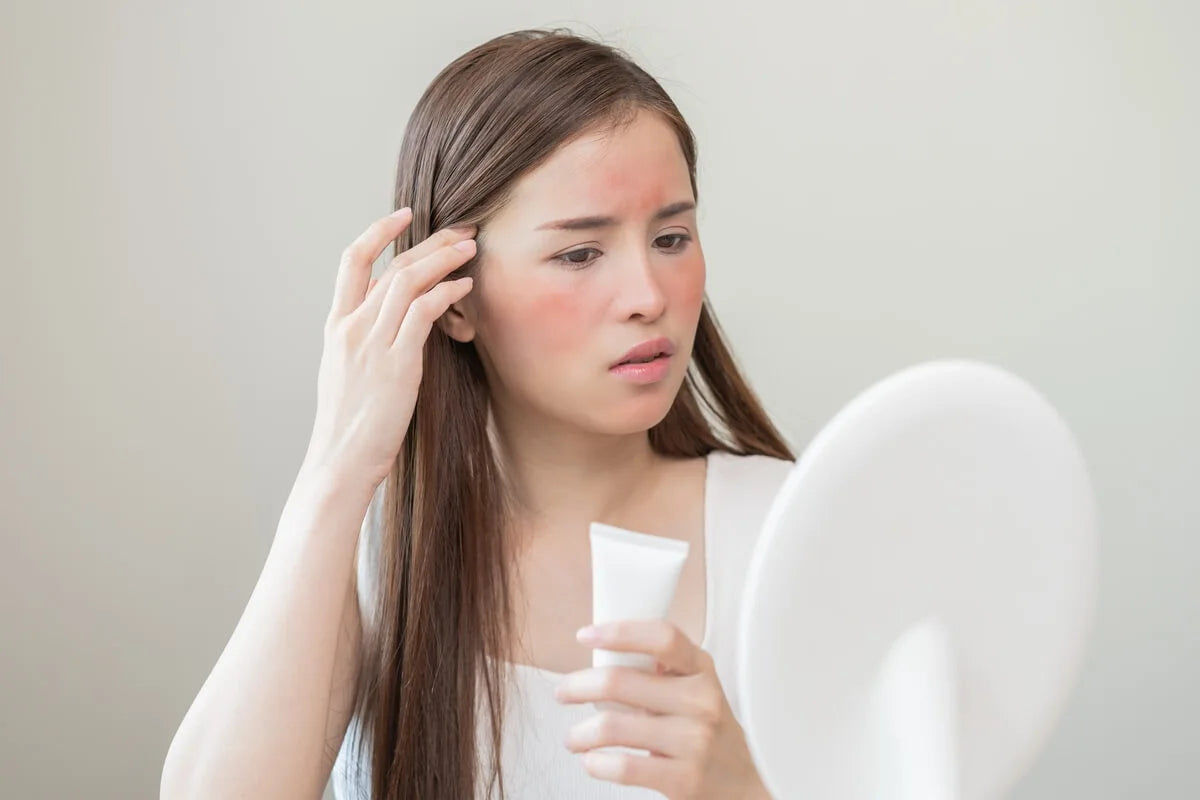
Redness after acid treatment is one of the most common skin reactions after using chemical peels and cosmetics containing AHA, BHA, or PHA acids. For many people, redness is a cause for concern, raising questions: is this normal, how long will it last, and does it indicate skin damage? The answer depends on the type of acid, its concentration, frequency of use, and the condition of the hydrolipid barrier.
In most cases, a red face after acids is a temporary reaction , but it can also be a sign of skin overload or improper post-exfoliation care.
Why does acid make my face red?
Acids work through controlled exfoliation , lowering the skin's pH and accelerating cell renewal. This process causes blood vessels to dilate and temporarily weakens the skin's protective barrier, resulting in redness, a burning sensation, or a feeling of warmth.
A red face after acid use most often appears when:
- acids are used too often or in too high a concentration,
- the skin is sensitive, vascular or dehydrated,
- there is a lack of adequate hydration and regeneration after the treatment,
- at the same time, retinoids or strong active substances are used.
How long does a red face last after acids?
With proper care, redness should subside within a few hours, or a maximum of 2–3 days . If your face remains red after using acids, it's a sign that your skin needs regeneration, not further stimulation.
Prolonged redness may indicate:
- disruption of the hydrolipid barrier,
- inflammation,
- skin hyperreactivity.
Red face after acids - what NOT to do?
To avoid worsening irritation, avoid:
- further peels and acids "for improvement",
- retinol and vitamin C in high concentrations,
- hot water, sauna and intense exercise,
- alcohol in cosmetics,
- sun exposure without high SPF protection.
How to soothe a red face after acids? The key role of regenerative skincare.
The most important step is restoring skin comfort, hydration, and rebuilding its protective barrier . This is the point where skincare should be minimalistic, yet rich in soothing and regenerating ingredients.
Moisturizing and regeneration after acids – Orientana
Orientana cosmetics based on adaptogens and biomimetic ingredients are perfect for caring for skin irritated by acids:

Tremella Moisturizing Serum + Exosomes
This is an ideal choice when redness after acid treatments stems from dehydration and a weakened barrier. Tremella fuciformis has a more potent moisturizing effect than hyaluronic acid, while exosomes support skin's regenerative processes, reducing burning and tightness.

Yuzu Ceramide Cream Mask
After acid treatments, skin often needs intensive support to rebuild its hydrolipid barrier. Orientana's Ceramide Cream-Mask supports epidermal regeneration, reduces burning and tightness, and helps restore skin comfort. Thanks to the presence of ceramides, this product strengthens the protective barrier, which is crucial when the redness of the skin after acid treatments persists for more than a few hours.

Ashwagandha Cream Nourishment
During the recovery period after acid treatments, it's worth reaching for adaptogenic cosmetics. Orientana ashwagandha cream helps the skin regain balance, supports its natural defenses, and reduces the appearance of redness. It's also suitable for combination and reactive skin, which may react with redness to acids despite no significant irritation.

Smoothing and soothing serum with mucin
When acid-induced redness is associated with a burning sensation, tightness, or micro-damage to the epidermis, rapid relief and support for regenerative processes are crucial. This smoothing and soothing serum with plant mucin acts as a "biological dressing"—it smooths the skin, reduces the appearance of redness, and helps restore comfort after exfoliation.
Aloe mucin supports epidermal regeneration, improves skin elasticity, and reduces hyperreactivity, which is especially important when redness persists after acid treatments or recurs with subsequent acid applications. The serum can be used both immediately after acid treatments (during recovery days) and as a preventative measure for sensitive skin.
Does a red face after eating acids mean an allergy?
Not always. A red face after acid use is most often an irritant reaction, not an allergic one . An allergy can be considered when severe itching, swelling, hives, or symptoms persist after discontinuing acid use occur. In such cases, a dermatologist consultation is necessary.
How to prevent red face after acids in the future?
To avoid relapses:
- introduce acids gradually,
- use them a maximum of 1–2 times a week (unless the manufacturer recommends otherwise),
- always combine exfoliation with intensive moisturizing,
- strengthen the skin barrier with Orientana regenerating cosmetics,
- Use SPF cream every day.
Red face after acid - summary
A red face after acid use is a common, but not always alarming, symptom. It's crucial to recognize whether it's a temporary reaction or a sign of skin overload . Proper regenerative care, based on hydration, adaptogens, and barrier repair, can quickly restore comfort and a healthy complexion.
Orientana cosmetics, thanks to natural ingredients and modern formulas, perfectly meet the needs of the skin after exfoliation – helping to calm redness, moisturize and rebuild the skin without the risk of further irritation.
Questions
Is a red face after acids normal?
Yes, a red face after acid exposure is often a physiological reaction . Acids lower the skin's pH and stimulate microcirculation, leading to temporary redness. If the redness is not painful and gradually subsides, it usually doesn't indicate skin damage.
How long does a red face last after acids?
Most often, it lasts from a few hours to 48–72 hours . In people with sensitive or vascular skin, redness may persist for a bit longer. If the redness of your face after acids doesn't subside after a few days, it's worth stopping exfoliation and focusing on regeneration.
Does a red face after acid treatment mean a burn?
Not always. A chemical burn manifests itself as severe pain, blisters, scabs, or an intensifying burning sensation. In most cases, a red face after acid exposure is merely an irritant reaction resulting from a weakening of the hydrolipid barrier.
What to do if your face is red and burning after using acids?
In such a situation, you should:
- stop eating acids for a few days,
- focus on intensive hydration and regeneration,
- avoid irritating active ingredients,
- use cosmetics that soothe and rebuild the skin barrier.
A good solution is the Tremella Moisturizing Serum + Orientana Exosomes , which deeply moisturizes and supports the skin's repair processes after acids.
Can you use acid cream if your face is red?
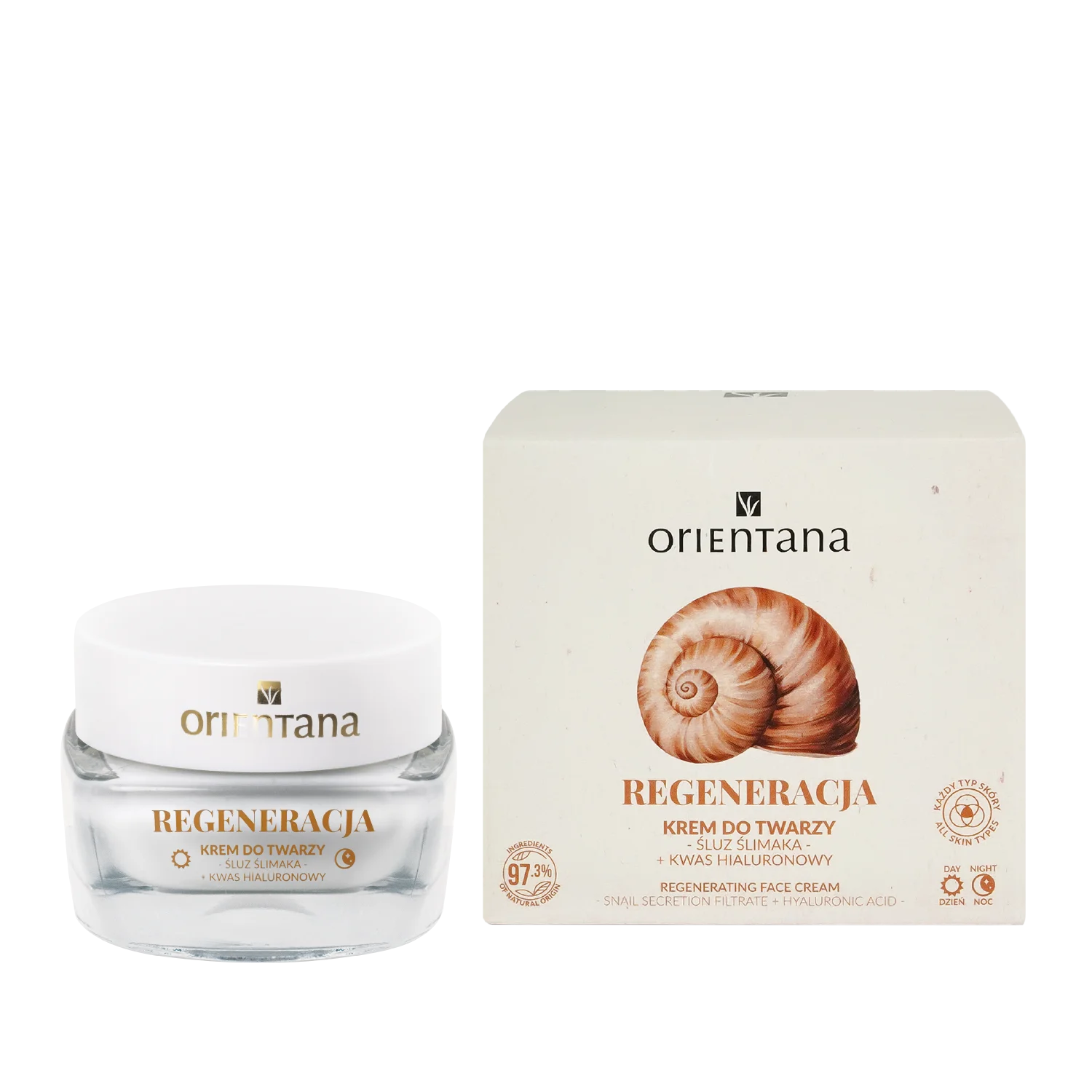
Yes, in fact, it's necessary . After acids, the skin requires a cream that strengthens the protective barrier without weighing it down.
Orientana sebum-regulating cream for combination skin is also effective after exfoliation, as it helps restore skin balance without the risk of clogging pores.
Can a red face after using acids get worse with subsequent applications?
Yes. If the skin barrier doesn't rebuild itself, each subsequent application of acids can deepen redness . This is a signal that the skin needs a break and regenerative care, not further stimulation.
How to care for your skin the day after acids?
The day after exfoliation, it is worth focusing on:
- gentle cleansing,
- intense hydration,
- calming and regenerating cosmetics,
- mandatory SPF protection.
For skin prone to inflammation, the Orientana Facial Mask for Imperfections may be helpful, as it supports regeneration and helps calm the skin after acids.
Can you go out in the sun after using acids if your face is red?
This isn't recommended without proper protection. A red face after acids is more susceptible to discoloration and irritation , so SPF 30-50 is essential, even in winter.
When should a red face after taking acids be a cause for concern?
If the following appear:
- severe swelling,
- increasing pain,
- blisters,
- itching persisting despite discontinuation of acids,
You should consult a dermatologist. These may be signs of an allergic reaction or skin damage.