Just a few years ago, skincare focused mainly on hydration, exfoliation, and delivering active ingredients. Today, we know that's not enough. The key to healthy, resilient, and stable skin is the microbiome and the hydrolipid barrier. These are what determine how skin reacts to cosmetics, stress, pollution, and hormonal changes.
More and more research confirms that cosmetics and the skin microbiome have an inseparable relationship. Poorly chosen skincare can disrupt the microbiome, while consciously designed formulas can genuinely support it. So, how can you tell if a cosmetic is truly "probiotic" and not just making promises?

What is the skin microbiome and why is it so important?
The skin microbiome is an ecosystem of billions of microorganisms – mainly bacteria – that naturally reside on its surface. Contrary to popular belief, they are not enemies. Quite the opposite - they protect the skin, regulate inflammatory processes, and support its natural immunity.
A properly functioning microbiome:
- limits the growth of pathogenic bacteria,
- supports skin regeneration,
- influences hydration levels,
- reduces the tendency for irritation and inflammation.
When the microbiome is disrupted (e.g., by aggressive cleansing, alcohol, strong detergents), the skin loses its ability to self-regulate.
Importantly: the microbiome and hydrolipid barrier act as an interconnected system. A damaged barrier weakens the microbiome, and a disrupted microbiome hinders barrier reconstruction.
Microbiome and cosmetics - when does skincare truly work?
Not every "gentle" cosmetic actually supports the microbiome. In microbiome skincare, the formula strategy matters, not a single ingredient.
Well-designed microbiome cosmetics:
- do not destroy the skin's natural flora,
- support good bacteria,
- strengthen the hydrolipid barrier instead of replacing it.
Daily microbiome care - step by step
1. Cleansing - the foundation of skincare
Gentle cleansing without disturbing the barrier is the first step in microbiome care.
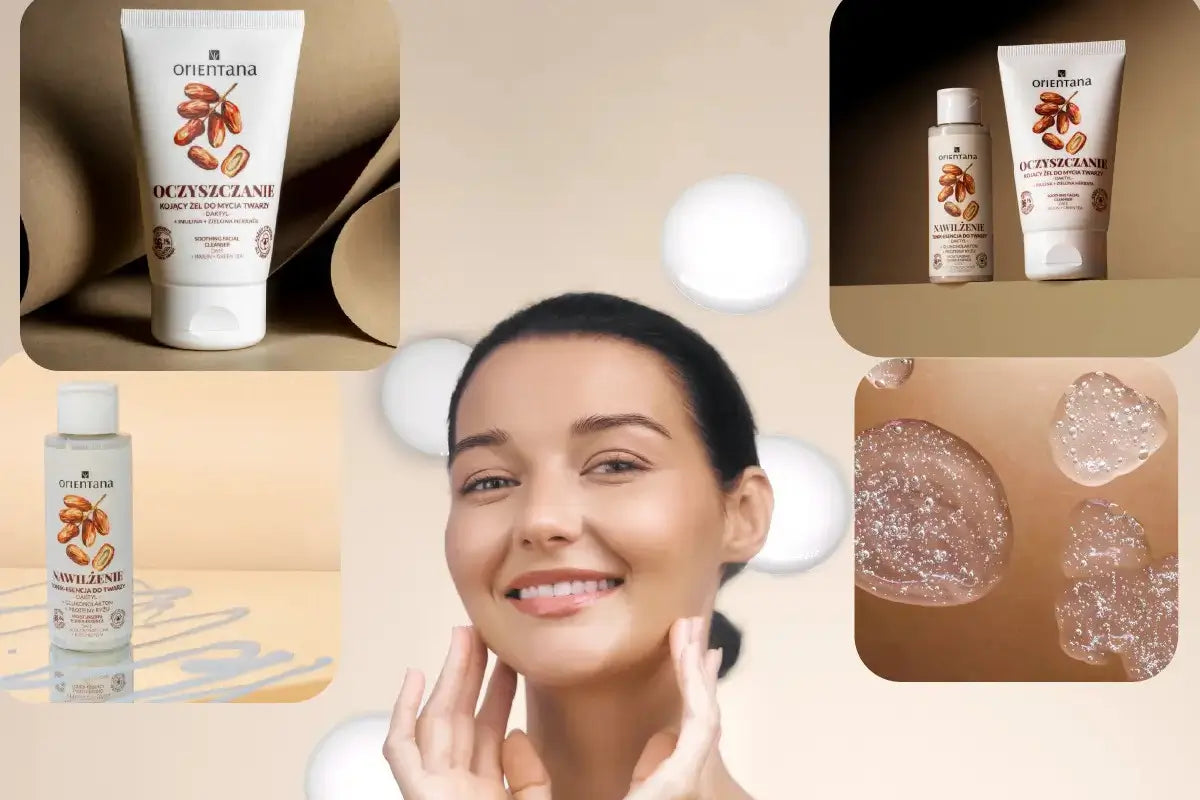
Orientana Soothing Facial Wash Gel with Inulin - a gentle gel that removes impurities and excess sebum, while strengthening the hydrolipid barrier and supporting the microbiome thanks to inulin - a prebiotic substance that nourishes good skin bacteria.
Cleansing with the right product helps prevent excessive dryness and pH imbalances, which can lead to irritation and reactivity.
2. Hydration and toning - restoring balance
After cleansing, the skin needs ingredients that:
- replenish moisture,
- strengthen the barrier,
- create an environment conducive to the microbiome.

Orientana Hydro Hydration Hydrating Tremella Elixir Serum - serum with Tremella extract and lactic acid, which deeply moisturizes, improves skin elasticity, and supports the natural microbiome environment.
Orientana Hydrating Toner-Essence with Gluconolactone - a combination of toner and essence that restores skin pH, deeply moisturizes, and rebuilds the hydrolipid barrier.

3. Strengthening and protection - active care
Subsequent steps in skincare involve products that not only maintain balance but also actively strengthen the barrier and regulate the skin's response to stress.
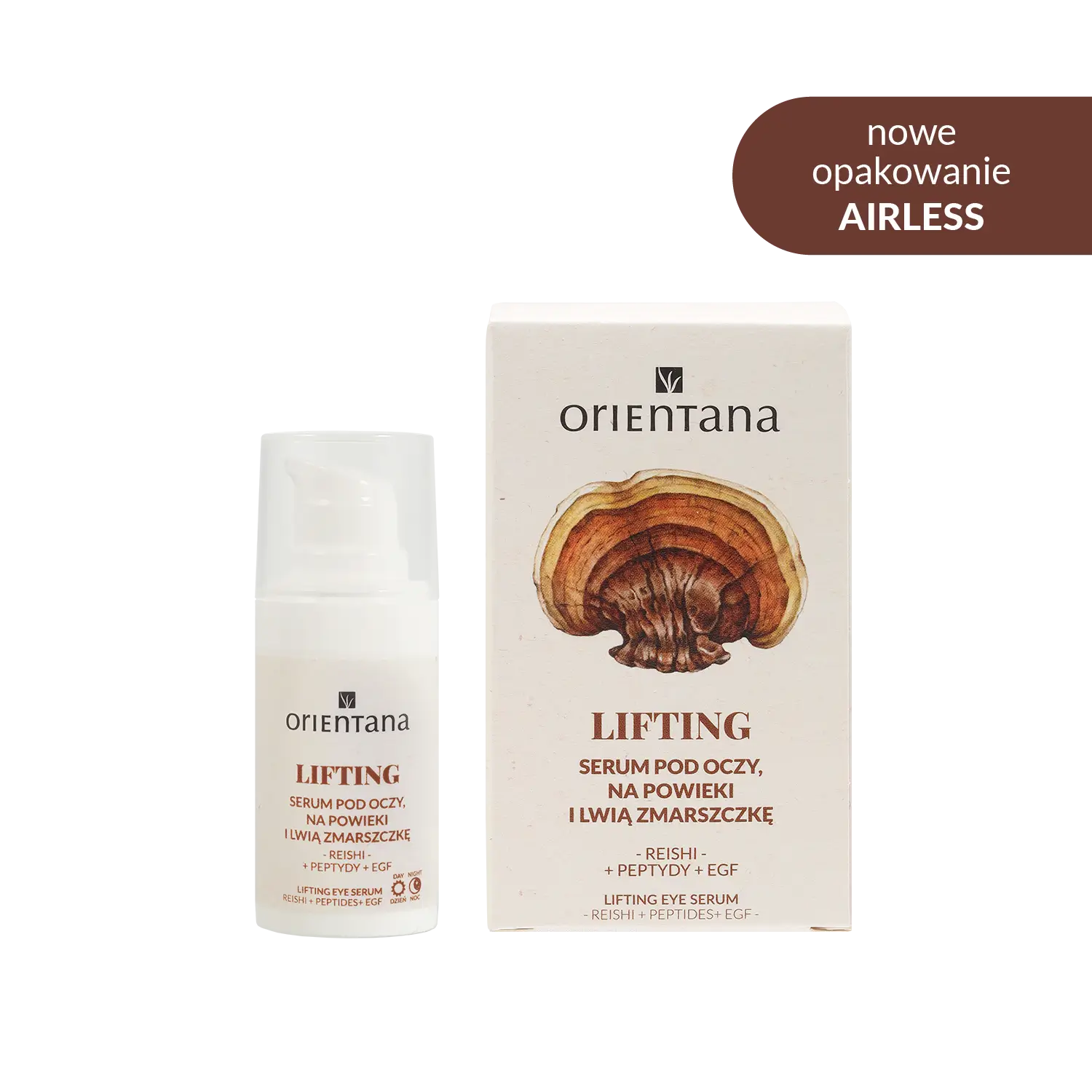
Orientana Advanced Skin Repair Serum Reishi Cerafluid 5% - serum with adaptogenic Reishi, which supports the skin microbiome and has anti-inflammatory and regenerating effects.
Orientana Reishi and Purple Rice Regenerating Booster for Night - a night booster that supports skin regeneration and the barrier throughout the night.
Orientana Rejuvenating Ashwagandha Peptides Coenzyme Q10 Serum - serum with adaptogens that protects against oxidative stress and helps the skin maintain biological balance.

4. Comprehensive replenishment - creams and masks
Products that complete the routine are crucial for maintaining an optimal skin environment.
Orientana Ceramides Rebuilding Cream-Mask - a cream-mask with ceramides that intensely rebuilds the hydrolipid barrier.
Orientana Natural Face Cream with SNAIL SLIME - a cream with snail slime that soothes, regenerates, and supports the skin's natural balance.
Why are Orientana cosmetics "microbiome-friendly"?
Products in the microbiome-supporting line are designed with:
- gentle formulas without aggressive detergents,
- maintaining the physiological pH of the skin,
- prebiotic, adaptogenic, and regenerating ingredients that support the skin's natural flora.
This approach minimizes the risk of irritation and hyperreactivity — especially for sensitive skin.
Signs that a cosmetic supports the skin microbiome
Skin becomes calmer
The feeling of burning, itching, and "random" reactions decreases. Skin does not overreact to temperature changes or stress.
Fewer inflammations and imperfections
Fewer small pimples, bumps, and micro-inflammatory changes appear, which previously occurred without obvious reason.
Better tolerance of active ingredients
Retinoids, acids, or vitamin C are better tolerated, without burning and redness. This is a sign that the microbiome regulates the skin's inflammatory response.
Natural, healthy appearance
Skin doesn't have to be "shiny," but it looks rested, even, and stable.
Signs that a cosmetic rebuilds the hydrolipid barrier
No feeling of tightness after washing
This is one of the first signs that the barrier is not being damaged by cleansing.
Long-lasting hydration
Skin loses water more slowly, is more elastic and comfortable throughout the day.
Reduced reactivity
Skin rarely reddens, regenerates faster, and tolerates external factors better.
What ingredients to look for in microbiome-supporting cosmetics?
Microbiome cosmetics do not act "aggressively." Their role is to support the skin's natural processes, not to force them.
The most common groups of ingredients are:
- prebiotics, which provide nourishment for good bacteria,
- fermented and biotechnological ingredients,
- gentle humectants and barrier substances,
- plant adaptogens supporting skin's resistance to stress.
In Orientana's philosophy, the key is to combine nature, Ayurveda, and modern biotechnology, which perfectly aligns with the current approach to microbiome care.
What to avoid if you care about your skin's microbiome?
Not every "wow effect" is beneficial in the long run. The microbiome is not served by:
- aggressive detergents,
- excess alcohol in formulas,
- frequent, strong exfoliation,
- cosmetics that provide temporary smoothness at the expense of the barrier.
If your skin looks good only for a moment after a cosmetic, and then requires "rescue," that's a warning sign.
Summary
Microbiome and cosmetics is one of the most important directions in modern skincare. Well-chosen cosmetics:
- strengthen the hydrolipid barrier,
- stabilize the microbiome,
- reduce skin reactivity,
- improve its immunity and long-term appearance.
Healthy skin is not one that reacts "strongly," but one that acts calmly and predictably.
Questions about the microbiome and cosmetics
What is the skin microbiome?
It is the natural flora of microorganisms that protects the skin and supports its immunity.
How do cosmetics affect the microbiome?
They can support or disrupt it – it all depends on the formula and ingredients.
Do natural cosmetics always support the microbiome?
No. Naturalness does not guarantee microbiome balance – the entire formulation matters.
How to recognize microbiome cosmetics?
By their gentle action, lack of irritation, and improved skin stability over time.
Does the microbiome affect acne?
Yes. Microbiome imbalances contribute to inflammation and imperfections.
Are the hydrolipid barrier and the microbiome the same thing?
No, but they are closely related and mutually supportive.
How long does it take to rebuild the skin microbiome?
The first effects can be visible after several weeks of regular, gentle care.
Can you "overdo" microbiome care?
Yes, too many products and actives can disrupt the skin's balance.