Anyone who has ever left their lip balm at home knows how annoying it is – especially in winter, in a dry climate, or during a flight. Often, we reach for... whatever we have on hand. It turns out that the delicate skin around the lips and under the eyes shares many common needs.
Thanks to this, a good eye cream (provided it contains the right ingredients) can act as a lip balm in emergency situations. In this article, I'll show you when this works, what to watch out for, and recommend a specific cream that can be a great lip balm substitute.

What is the difference between lip balm and eye cream?
Comparison of lip balm and eye cream
Although these two cosmetics have different purposes, their functions often complement each other. Both lip balm and eye cream care for thin, delicate skin – which requires regeneration, hydration, and protection against water loss (TEWL). Below you will find a detailed descriptive comparison.
Purpose
Lip balm is designed to protect lips from dryness, cracking, and frost. It creates a protective layer that shields against external factors. Eye cream, on the other hand, focuses on hydration, reducing dark circles and wrinkles, and improving skin elasticity.
Conclusion: Both cosmetics support the hydrolipidic barrier and regenerate thin skin – which is why eye cream can partially replace lip balm.
Formula type
Balms have an occlusive formula – they are greasy, thick, and often water-free. Eye creams are usually light water-lipid emulsions that absorb faster.
Conclusion: if eye cream contains enough lipids (oils, butters, ceramides), it can act as a nourishing balm.
Key ingredients
Lip balms are based on shea butter, beeswax, natural oils, and vitamin E. Eye creams contain ceramides, peptides, oils, hyaluronic acid, and antioxidants.
Conclusion: many ingredients are common – both cosmetics regenerate and protect against moisture loss.
Fragrance content
In balms, fragrances are often natural, subtle, and edible. Eye creams have minimal fragrance or are completely neutral.
Conclusion: delicate cream formulas will not irritate the lips, so they can be used in emergencies.
Content of active ingredients
Balms usually do not contain strong active ingredients, such as acids or retinol. Eye creams can be richer in active substances – peptides, retinols, or antioxidants.
Conclusion: not every eye cream will be suitable for lips. Those with retinol or acids, which could irritate the mucous membrane, should be avoided.
Grease level
Lip balm has a high level of greasiness – providing strong occlusion that protects against frost and wind. Eye cream has a medium lipid level – it feels light and absorbs quickly.
Conclusion: in the case of slightly dry lips, eye cream with ceramides may be sufficient as a temporary substitute.
Safety of contact with lips
Balms are designed for direct contact with the mucous membrane, so they are completely safe. Eye creams also have a high level of safety because they are intended for very sensitive skin.
Conclusion: a fragrance-free, dermatologically tested eye cream can be safely used on the lips.
Effect after application
After applying balm, lips become soft, shiny, and elastic. Eye cream gives the effect of smoothing and tightening the skin.
Conclusion: the perceptible effect is similar – protection, smoothing, and regeneration.
Practical application
Lip balm is an everyday companion for winter skincare and protection against external factors. Eye cream provides protective and regenerating action around the eyes – day and night.
Conclusion: in emergency situations or before bed, eye cream can safely be used as a lip balm.
What does this mean?
From a cosmetic chemistry perspective, the difference between a lip balm and an eye cream primarily lies in the proportions of ingredients.
Balms have more fats and waxes, which create a thicker occlusive layer. Eye creams are more "intelligent": in addition to emollients, they contain active ingredients that support regeneration, elasticity, and hydration. Therefore, a good eye cream with ceramides and oils can briefly replace a lip balm – protecting them from dryness, improving elasticity, and smoothing the epidermis.
So, the rule is this: an eye cream can act as a lip balm if its formula is sufficiently gentle, free of irritating ingredients, and rich in lipids and humectants.
Not every eye cream will be suitable. If your cream contains retinol, AHA/BHA acids, caffeine, or intense fragrances – do not use it on your lips.
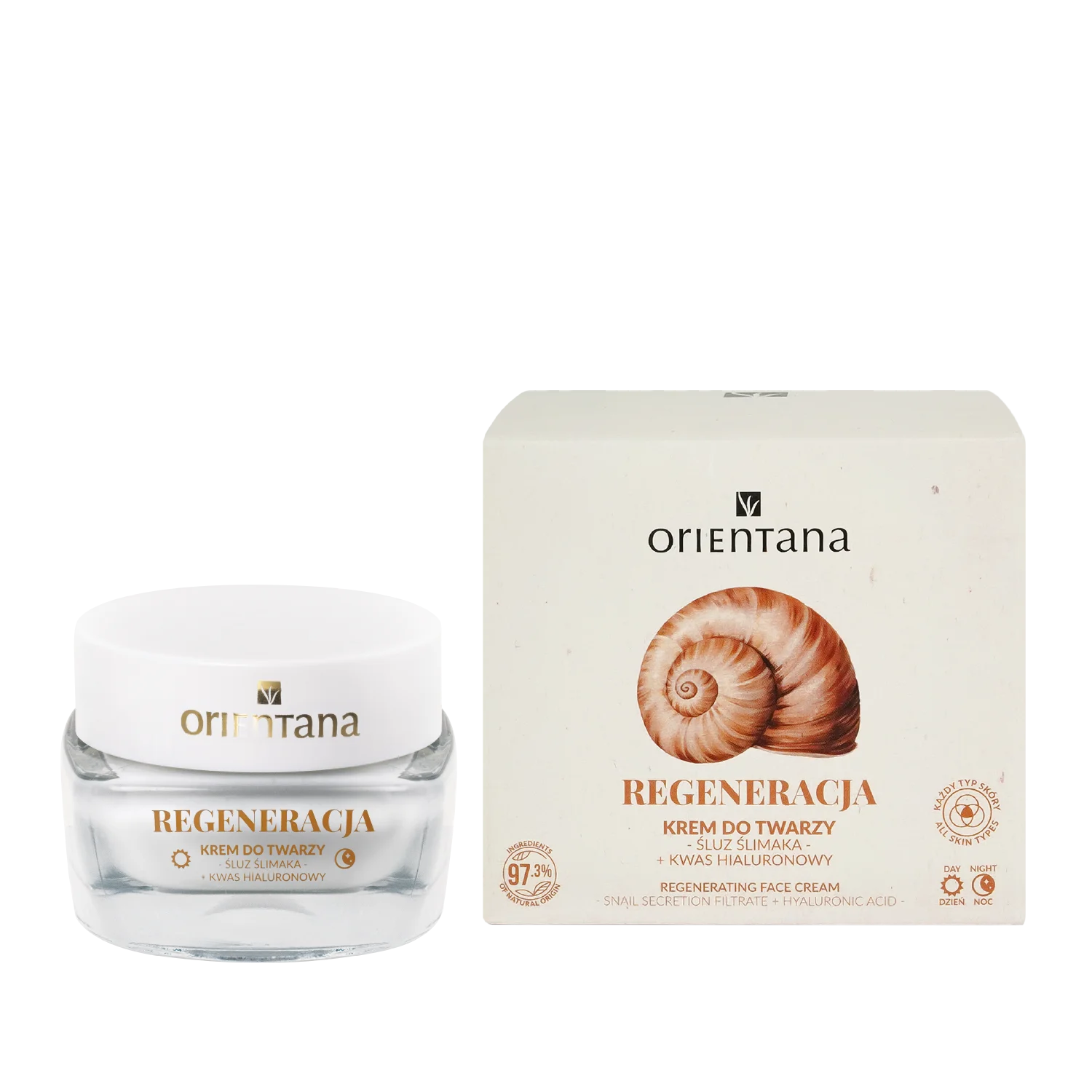
Regenerating and lipid-rich products, such as the Hydro Tremella ceramide cream, are ideal.
Why can ceramide eye cream replace lip balm?
Common needs of lip and eye area skin
- Lip skin lacks sebaceous glands – just like the eye area, which is why it easily loses moisture.
- This area requires support for its hydrolipidic barrier – i.e., lipids and ceramides, to prevent transepidermal water loss (TEWL).
- In situations of stress, wind, cold, or dry air – a formula that protects and nourishes is needed.
Key ingredients that enable substitution
For an eye cream to act as a lip balm, it should contain:
- Ceramides – rebuild the skin barrier and protect against moisture loss
- Humectants (e.g., hyaluronic acid, trehalose) – attract water
- Butters and oils (e.g., mango butter, shea butter, avocado oil) – provide emollient and occlusive action
- Soothing ingredients and antioxidants (vitamin E, plant oils) – to avoid irritation
The formula should be gentle, without high concentrations of acids, retinol, or strong fragrances – which is rare in traditional lip balms. The nourishing eye cream with ceramides, Tremella, and avocado oil has many characteristics that make it a good candidate for a lip balm substitute:
Why this cream is suitable:
- Contains Ceramide 3, which supports the skin's protective barrier and reduces water loss.
Orientana - Contains Tremella (snow mushroom), a natural humectant that binds moisture and has a soothing effect.
- Contains avocado oil, mango butter, shea butter, apricot kernel oil, and almond oil – nourishing and emollient ingredients that can help regenerate dry lips.
- The formula is described as gentle, for all skin types, suggesting moderate tolerance even for thin skin.
- The cream also offers hydration, smoothing, and soothing – features that can also be beneficial for chapped lips.
How to use as a "lip balm":
Apply a very thin layer of cream (spread with a finger) to the dry surface of the lips. At night, you can create a "protective layer" - cream + a thin layer of butter (e.g., shea) or oil (e.g., almond) on top. Use regularly, but observe the reaction - if stinging or tingling occurs, discontinue application.
It's best to use in situations where a classic balm is not at hand - not as a permanent substitute.
In the case of cracked, very damaged lips - the cream formula may be insufficient; stronger occlusion (e.g., shea butter, petroleum jelly) may be needed.
Do not use during a cold sore outbreak without consultation - the area of damaged skin may react differently.
When to use eye cream as lip balm - scenarios and practice
Scenarios when it will work:
- Plane travel: dry air, traditional balm ran out.
- Winter walk, when wind and frost cause chapping.
- When you don't have a classic lip product on hand.
When it's better not to risk it:
- With very severely chapped lips or wounds.
- When the eye cream contains aggressive ingredients (retinol, strong acids, high concentrations of caffeine).
- Sensitivity to fragrances or preservatives.
Other natural alternatives to support the effect
To enhance the purely "balm-like" effect, you can combine eye cream with:
- Shea butter - even a thin layer on top acts occlusively
- Light oils (e.g., jojoba, almond) - to supplement lipids
- A thin layer of wax (e.g., from olive oil + beeswax or vegetable wax) - to create a protective barrier
This combination can create a more comprehensive balm substitute.
Frequently asked questions
Can any eye cream be used on the lips?
No. Only delicate formulas, without strongly irritating ingredients and rich in lipids and humectants, have a chance to serve as a substitute.
Can this solution be used all the time?
It's better to treat this as a Plan B, an emergency method. Lip skin has specific requirements (lack of sebaceous glands, frequent contact with external factors), so a dedicated balm is more optimal for daily use.
How often should I apply it?
Several times a day, especially when you feel dryness. If the cream re-absorbs or disappears, apply another thin layer.
Can it be used during pregnancy or with cold sores?
During pregnancy, it's better to avoid cosmetics containing retinol, strong active ingredients. In the case of cold sores - any application to irritated skin requires caution and ideally dermatological consultation.
Although lip balm remains the safest choice for lip care, a well-chosen eye cream – especially one that contains ceramides, oils, and humectants – can serve its purpose in an emergency.