Introduction – why lactic acid is one of the most important ingredients in cosmetology today
When I started working with clients as a cosmetologist, one approach dominated: the stronger the exfoliation, the better the results. Intense peels, aggressive treatments, and quick "wow effects" were popular.
Today, we know much more.
Skin doesn't need aggression. It needs intelligent support.
And that's why lactic acid has returned to favor—but no longer as a "milder substitute," but as a conscious choice in modern skin care.
It's an ingredient that:
- works on multiple levels
- supports the skin's natural processes
- improves condition without damaging the barrier
In practice, this means one thing:
the skin looks better not because it has been "scrubbed," but because it begins to function properly.
What exactly is lactic acid and where does it come from?
Lactic acid (INCI: Lactic Acid) belongs to the group of AHA (alpha-hydroxy acids), or fruit acids.
It naturally occurs:
-
in fermented milk
-
in sugar fermentation products
-
in our skin as part of NMF (Natural Moisturizing Factor)
The latter is crucial.
Lactic acid is not an "alien ingredient" to the skin.
It is part of it.
👉 If you want to see a more detailed description of the ingredient, you can check here:
https://orientana.pl/pages/kwas-mlekowy
Lactic acid as a component of Natural Moisturizing Factor (NMF)
This is one of the most important aspects that distinguishes it from other acids.
NMF, or the skin's natural moisturizing factor, is a mixture of substances responsible for maintaining the proper hydration level of the epidermis.
Its composition includes, among others:
-
amino acids
-
urea
-
lactic acid
-
mineral salts
Why is this so important?
Because it means that by using lactic acid, you:
-
not only exfoliate the skin
-
but also rebuild its natural moisturizing mechanisms
This is an absolutely unique combination.
Mechanism of action of lactic acid – what happens in the skin?
From a cosmetology perspective, lactic acid acts on several levels simultaneously.
And that's why it's so effective.
1. Loosening connections between epidermal cells
The stratum corneum consists of dead cells (corneocytes) that are connected to each other.
Lactic acid:
-
lowers pH
-
weakens intercellular bonds
-
facilitates natural exfoliation
Effect:
-
skin becomes smoother
-
roughness disappears
-
texture improves
But—importantly—this process occurs gradually, without violently damaging the skin.
2. Increasing skin hydration levels
This mechanism distinguishes lactic acid from other acids.
It acts as a humectant, meaning it:
-
attracts water
-
binds it in the epidermis
-
prevents its loss
In practice, this means that the skin:
-
is more elastic
-
flakes less
-
looks "fuller"
3. Regulation of the keratinization process
Keratinization disorders are one of the most common skin problems:
-
blackheads
-
uneven texture
-
roughness
Lactic acid helps to:
-
normalize the exfoliation process
-
prevent pore clogging
-
improve the quality of the epidermis
4. Impact on the skin microbiome
This is a topic that has become absolutely crucial in recent years.
Lactic acid:
-
supports the skin's natural pH
-
creates an environment conducive to "good" bacteria
-
limits the growth of pathogens
This is especially important for skin that is:
-
sensitive
-
reactive
-
prone to inflammation
5. Stimulation of cell renewal
Regular use of lactic acid:
-
accelerates the skin's renewal cycle
-
improves its structure
-
increases its optical density
The effect?
Skin looks younger, but in a very natural way—without an "overworked" look.
Why is lactic acid gentler than other AHA acids?
This question comes up very often—and rightly so.
The answer lies in chemistry.
Lactic acid has:
-
a larger molecule than, for example, glycolic acid
-
slower penetration
-
a more controlled action
This means:
-
lower risk of irritation
-
more predictable results
-
greater safety in home care
That's why I so often recommend it to people who:
-
are starting their acid journey
-
have sensitive skin
-
have been "burned" by strong treatments before
Lactic acid and skin pH – why it's crucial
Healthy skin has a slightly acidic pH (approx. 4.5–5.5).
This environment:
-
protects against bacteria
-
supports skin enzymes
-
maintains balance
Lactic acid:
-
helps restore the correct pH
-
stabilizes the skin environment
-
supports its protective functions
Therefore, its action is much broader than just "peeling."
Differences between lactic acid and other acids
In clinical practice, I often explain this to clients very graphically:
Glycolic acid
→ acts quickly, deeply, intensely
Salicylic acid
→ acts in pores, anti-inflammatory
Lactic acid
→ acts "harmonizingly"
It doesn't "attack" the skin—it just regulates it.
Why lactic acid fits perfectly into the "skin barrier first" trend?
Modern cosmetology is increasingly based on one assumption:
👉 healthy barrier = healthy skin
Lactic acid:
-
does not destroy the barrier
-
supports its reconstruction
-
improves protective functions
That's why it's so popular today in:
-
natural cosmetics
-
sensitive skin care
-
the "slow skincare" trend
My experience as a cosmetologist (EEAT – authenticity)
In my work, I see a very clear pattern.
People who:
-
used aggressive acids
-
had irritation
-
struggled with dryness
…after switching to lactic acid:
-
regain skin comfort
-
improve its appearance
-
stabilize its condition
This is not a spectacular "overnight" change.
It is a real improvement in skin quality.
And that's why this ingredient defends itself so well—not with marketing, but with results.
Excellent—this will be a very strong EEAT section (real experience + scenarios), which also "carries" SEO well (long tail + user intent).
I'm writing as a cosmetologist, with a clinic narrative.
Why case studies are so important in skin care?
In theory, everything looks simple: ingredient → action → effect.
In practice, every skin reacts differently.
Therefore, in the work of a cosmetologist, the most important things are not only research and ingredients, but above all, observing real effects in specific people.
Below I show three of the most common problems I encounter in the clinic—and how lactic acid works in each of them.
CASE 1: PARCHMENT SKIN (THIN, DRY, SENSITIVE)
Skin profile
-
very thin
-
dehydrated
-
visible fine lines
-
feeling of tightness
-
often reacts to cosmetics
This is a type of skin that is very easy to "damage" with overly aggressive care.
Problem
Many people with this skin type avoid acids—rightly so, if we're talking about strong AHAs.
But completely giving up exfoliation deepens the problem:
-
dead skin cells accumulate
-
skin becomes rough
-
hydration doesn't work (because there's no penetration)
Why lactic acid works perfectly here
Lactic acid:
-
gently exfoliates without compromising the barrier
-
increases hydration (NMF!)
-
improves skin elasticity
It is the only acid that, in this skin group, often acts more like a conditioning ingredient than an exfoliating one.
Skincare regimen (practice)
-
1–2 times a week a product with a low concentration of lactic acid
-
after that: regenerating ingredients (ceramides, plant oils)
-
daily: strong hydration + SPF
Effects after 3–4 weeks
-
skin becomes softer
-
feeling of tightness decreases
-
complexion improves
-
wrinkles are less visible
My cosmetological comment
This is one of the most "rewarding" cases.
If parchment skin reacts well—the effects are visible very quickly.
CASE 2: ACNE-PRONE SKIN (BUT SENSITIVE)
Skin profile
-
blackheads
-
minor inflammation
-
hyperreactivity
-
often a damaged barrier
This is a very difficult type—because the skin needs exfoliation, but does not tolerate aggression.
Problem
Clients often use:
-
strong acids
-
retinol
-
mechanical peels
Effect:
-
worsening of skin condition
-
increased redness
-
more inflammation
Role of lactic acid
Lactic acid acts "indirectly" here:
-
regulates keratinization
-
reduces pore clogging
-
supports the microbiome
-
soothes skin reactions
It is not a typical anti-acne ingredient like salicylic acid—
but it often works better in the long run.
Skincare regimen
-
every 2–3 days a gentle product with lactic acid
-
alternating with: soothing ingredients (e.g., niacinamide)
-
avoid "overloading" with active ingredients
Effects after 4–6 weeks
-
fewer blackheads
-
smoother skin
-
reduced reactivity
-
better healing of lesions
My comment
This is a case where lactic acid:
👉 does not give a spectacular effect after a week
👉 but gives stable improvement after a month
And that's a huge difference.
CASE 3: HYPERPIGMENTATION AND UNEVEN SKIN TONE
Skin profile
-
sun spots
-
acne marks
-
uneven skin tone
-
often accompanied by dryness
Problem
The most common mistake:
👉 trying to "whiten" skin with aggressive methods
Effect:
-
irritation
-
even more hyperpigmentation (PIH)
-
worsening of skin condition
How lactic acid works
-
gently exfoliates the epidermis
-
accelerates cell renewal
-
gradually brightens skin tone
-
improves penetration of other ingredients
Key strategy
Lactic acid does not work "alone."
It gives the best results when combined with:
-
antioxidants
-
brightening ingredients
-
SPF protection
Effects after 6–8 weeks
-
skin brightening
-
more even skin tone
-
"luminous" skin
-
healthier appearance
My comment
This is a perfect example of "slow but effective" skincare.
No risk, no taking a step back due to irritation.
CASE 4: TIRED, "DULL," LACKLUSTER SKIN
Skin profile
-
lack of radiance
-
grayish tone
-
uneven texture
-
often stress + lack of sleep
Why lactic acid works quickly
This is one of the few cases where the effect is visible very quickly:
-
removes the "dead layer"
-
reflects light better
-
improves hydration
Effects
-
glow after a few uses
-
smoother skin
-
fresh look
Case studies summary
Practice clearly shows:
👉 lactic acid is not the "strongest"
👉 but it is one of the most intelligent skincare ingredients
It works where:
-
skin is tired
-
overloaded
-
mistreated
How to use lactic acid – a cosmetologist's regimen (step by step)
In theory, everything is simple: apply and it works.
In practice, it is precisely the method of application that determines whether:
👉 the skin will improve
👉 or worsen
Therefore, below is the regimen I use with my clients.
Basic regimen (for beginners)
Evening:
-
gentle cleansing (without disturbing the barrier)
-
application of a product with lactic acid
-
after 10–20 minutes (or immediately – depending on the formula): moisturizing cream
Frequency:
-
1–2 times a week for the first 2 weeks
-
then every 2–3 days
Extended regimen (for accustomed skin)
Evening:
-
cleansing
-
lactic acid
-
hydrating serum (e.g., with hyaluronic acid)
-
regenerating cream
Additionally:
-
1 day break between applications
-
skin observation
"Skin barrier repair" regimen (for sensitive skin)
This is a very important regimen—especially today, when many people have a damaged barrier.
Model:
-
day 1: lactic acid
-
day 2: regeneration only
-
day 3: regeneration only
-
day 4: lactic acid
How quickly are effects visible?
This is one of the most common questions—and a very good one.
After a few days:
-
smoothing
-
better hydration
After 3–4 weeks:
-
improved skin structure
-
even skin tone
After 6–8 weeks:
-
stabilization of effects
-
healthier skin appearance
What to combine lactic acid with (and how to do it smartly)
This is a crucial chapter—here, the success or failure of skincare is often decided.
Lactic acid + niacinamide
This is one of the best combinations.
Why?
-
lactic acid exfoliates
-
niacinamide strengthens the barrier
-
together they stabilize the skin
👉 ideal for skin:
-
combination
-
sensitive
-
with imperfections
Lactic acid + hyaluronic acid
This is a premium moisturizing duo.
-
lactic acid increases penetration
-
hyaluronic acid binds water
Effect:
maximum hydration + smoothing
Lactic acid + adaptogens (very important for your brand)
This combination has huge marketing potential and real action.
Adaptogens (e.g., reishi, ashwagandha):
-
reduce oxidative stress
-
strengthen the skin
-
have anti-aging effects
👉 together with lactic acid, they create skincare for:
"renewal + protection"
Lactic acid + retinol (use cautiously)
This is a common mistake.
At first:
❌ do not use together
❌ do not apply one after the other
Instead:
-
lactic acid → one day
-
retinol → another day
Lactic acid + vitamin C
Possible, but:
-
not for sensitive skin
-
best to use separately (e.g., C in the morning, acid in the evening)
Common mistakes when using lactic acid
This section ranks very well—and at the same time builds trust.
Mistake 1: too frequent use
More ≠ better
Effect:
-
dryness
-
irritation
-
worsening of skin
Mistake 2: lack of SPF
This is an absolute must-have.
Without SPF:
-
greater risk of hyperpigmentation
-
weakened effects
Mistake 3: combining everything at once
Acid + retinol + vitamin C + peel = disaster
Skin needs simplicity.
Mistake 4: lack of hydration
Lactic acid works best when:
👉 skin is well hydrated
Without it, the effects will be weaker.
Mistake 5: too high a concentration to start
This is a very common problem.
Rule:
👉 start gently
👉 increase gradually
Can lactic acid be used in summer?
Yes—and this is its huge advantage.
But:
-
SPF 50 is mandatory
-
avoid unprotected exposure
-
observe your skin
In practice:
👉 it is one of the safest acids for year-round use
Lactic acid in natural skincare and modern cosmetology
It's an ingredient that connects two worlds:
naturalness:
-
fermentation
-
skin compatibility
-
biodegradability
science:
-
documented action
-
predictable effects
-
wide application
Why more and more brands (and cosmetologists) are returning to lactic acid
Because:
-
it works effectively
-
it is safe
-
it fits the "skin minimalism" trend
Excellent—now we're doing the most important sales part, but in a way that matches your style:
👉 expert, natural, without a "commercial tone"
👉 firmly grounded in cosmetologist knowledge
👉 with real conversion
LACTIC ACID IN PRACTICE – WHICH COSMETICS TO CHOOSE
Why the ingredient itself is not enough (cosmetologist's perspective)
What I often tell clients:
👉 not every product with lactic acid works the same way
What matters is:
-
the entire formula environment
-
the combination of ingredients
-
the skincare context
Lactic acid can:
-
act only superficially
-
or genuinely change skin condition
And that's why the choice of cosmetic matters.
How I view formulas with lactic acid
I always look for 3 things:
1. Is there a balance between exfoliation and regeneration
2. Does the formula support the hydrolipid barrier
3. Do the ingredients cooperate, not compete
And it is precisely on this principle that skincare should be built.
Facial care with lactic acid – products that work "intelligently"
1. Hydrating serum + lactic acid = the best start
One of the safest and most effective ways to introduce lactic acid is in a serum formula.
Example:
👉 Hydrating serum with tremella, exosomes, and lactic acid
Why does it work so well?
-
lactic acid gently exfoliates
-
tremella acts like a "plant-based hyaluronic acid"
-
exosomes support regeneration
Effect:
-
smoothing without irritation
-
improved hydration
-
skin radiance
Importantly—such a formula:
👉 does not "overload" the skin, but rebuilds it
Additionally:
-
reduces the appearance of pores
-
regulates sebum
-
improves skin texture (Apteka Zawiszy)
Who is this an ideal solution for?
-
dehydrated skin
-
sensitive skin
-
"tired" skin
-
first signs of aging
This is exactly the type of product I recommend to people who:
👉 are "afraid of acids"
👉 but want results
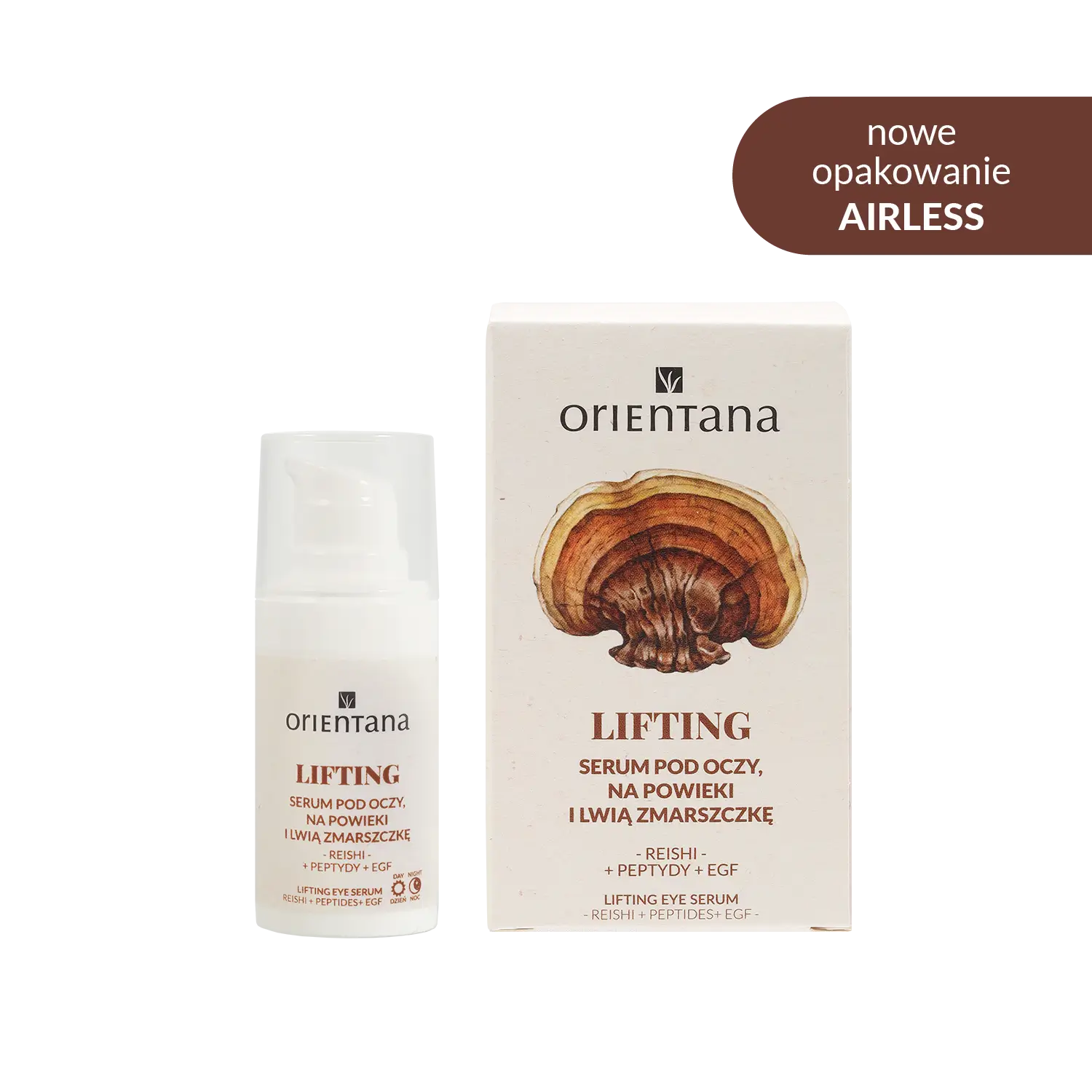
2. Lactic acid + adaptogens = next-generation anti-aging care
This is a very important direction—and a huge potential for your brand.
Example:
👉 serum with adaptogens (e.g., reishi) + lactic acid
Why does it work so well?
-
lactic acid improves skin texture
-
adaptogens reduce oxidative stress
-
regenerating ingredients rebuild the barrier
In practice:
👉 you get simultaneous action:
-
smoothing
-
anti-aging
-
protective
Lactic acid in such formulas:
-
softens the epidermis
-
improves hydration
-
reduces the appearance of pores
For which skin type is this the best choice?
-
mature skin
-
stressed skin (oxidative stress!)
-
skin with first wrinkles
-
"life-worn" skin
3. Lactic acid in "glow" care – quick effect
If someone comes and says:
👉 "my skin looks dull, lifeless"
This is where lactic acid works fastest.
In products such as:
-
serum
-
toner-essence
-
light treatments
it gives:
-
immediate smoothing
-
light reflection
-
a "fresh skin" effect
Not just the face – lactic acid in hair care
Lactic acid for hair – what does it do?
-
closes hair cuticles
-
smooths hair structure
-
increases shine
-
improves hydration
Example: trichological serum with lactic acid
👉 smoothing serum with lychee, gluconolactone, and lactic acid
It works on several levels:
-
regenerates hair
-
reduces frizz
-
improves elasticity
Effect:
-
hair is smooth
-
more manageable
-
easier to style
Interestingly—application studies show:
-
improved hydration
-
smoothing
-
increased hair shine (Orientana)
How to build a complete routine with lactic acid (Orientana flow)
Morning
-
gentle cleansing
-
hydrating serum (e.g., tremella + lactic acid)
-
cream
-
SPF
Evening
-
cleansing
-
lactic acid product (2–3 times a week)
-
regenerating serum (e.g., adaptogens)
-
cream
Hair (optional)
-
lactic acid serum on lengths
Effect after 4–6 weeks
-
skin smoothing
-
improved hydration
-
glow
-
healthier hair appearance
From a cosmetologist's perspective:
👉 lactic acid is not a "trendy ingredient"
👉 it's one of the most underrated foundations of skincare
But only when:
-
it is well formulated
-
applied consciously
-
combined with appropriate ingredients
Therefore, instead of looking for the "strongest acid":
👉 it's worth looking for the best-designed skincare
Summary
Lactic acid:
-
exfoliates
-
hydrates
-
regenerates
-
supports the microbiome
It is one of the few ingredients that:
👉 works both gently and effectively
And that's precisely why:
👉 it works well in problematic skincare
👉 and in daily, conscious routines
Excellent—this will be a section that really "does the job" for AI Overview and featured snippets.
I write so that the answers are short, precise, unambiguous (ideal for Google).
FAQ: LACTIC ACID
Is lactic acid safe for the skin?
Yes, it is one of the mildest AHAs and is well tolerated by most skin types.
What is lactic acid used for in cosmetics?
It exfoliates dead skin cells, moisturizes the skin, and improves its texture.
Is lactic acid an AHA?
Yes, it belongs to the group of alpha-hydroxy acids (AHAs).
Is lactic acid natural?
Yes, it is produced by sugar fermentation and naturally occurs in the skin.
How does lactic acid work on the skin?
It gently exfoliates, increases hydration, and supports the hydrolipid barrier.
Does lactic acid moisturize the skin?
Yes, it is an NMF component and binds water in the epidermis.
Does lactic acid smooth the skin?
Yes, it removes dead cells and improves skin texture.
Does lactic acid have anti-wrinkle effects?
Yes, it improves elasticity and smooths fine lines.
Does lactic acid lighten hyperpigmentation?
Yes, with regular use, it evens out skin tone.
Does lactic acid reduce pores?
Indirectly, yes—it smooths the skin and reduces their visibility.
What skin type is lactic acid for?
For dry, sensitive, mature, and combination skin.
Is lactic acid good for sensitive skin?
Yes, it is one of the best tolerated acids.
Is lactic acid suitable for acne-prone skin?
Yes, it helps regulate keratinization and reduces blackheads.
Is lactic acid good for dry skin?
Yes, it exfoliates and moisturizes simultaneously.
Can lactic acid be used for rosacea-prone skin?
Yes, but in low concentrations and with caution.
How to use lactic acid on the face?
On cleansed skin, preferably in the evening, 1–3 times a week.
Should lactic acid be used in the morning or evening?
Most often in the evening.
How often should lactic acid be used?
Initially 1–2 times a week, then every 2–3 days.
Does lactic acid need to be rinsed off?
It depends on the formula—serums and toners usually do not require rinsing.
Can lactic acid be used daily?
At low concentrations, yes, but not every skin needs it.
Does lactic acid cause allergies?
Rarely, but it can cause slight stinging.
Can lactic acid cause irritation?
Yes, with too high a concentration or frequent use.
Is SPF required when using lactic acid?
Yes, sun protection is essential.
Can lactic acid be used in summer?
Yes, but always with SPF.
Can lactic acid be used during pregnancy?
Yes, it is considered safe.
Can lactic acid be combined with retinol?
Yes, but not simultaneously—it is best to use them alternately.
Can lactic acid be combined with niacinamide?
Yes, it is a very good and safe combination.
Can lactic acid be combined with vitamin C?
Yes, but it's best to use them at different times of the day.
Can lactic acid be combined with hyaluronic acid?
Yes, it is an ideal hydrating combination.
How long does it take for lactic acid to work?
First effects are visible after a few days, full effects after a few weeks.
Does lactic acid work immediately?
It provides quick smoothing, but deeper effects require time.
Does lactic acid improve skin tone?
Yes, it evens out and brightens the skin.
Lactic acid vs. glycolic acid – which is better?
Lactic acid is milder and more hydrating.
Is lactic acid weaker than glycolic acid?
Yes, but better tolerated.
Lactic acid vs. salicylic acid – what to choose?
Lactic acid for hydration and smoothing, salicylic acid for acne.
Can lactic acid be used on the body?
Yes, it smooths the skin and helps with roughness.
Does lactic acid work on skin keratosis?
Yes, it normalizes the exfoliation process.
Can lactic acid be used on hair?
Yes, it smooths and closes the hair cuticles.
Does lactic acid help with dry hands?
Yes, it improves hydration and smooths the skin.
Can you overdo it with lactic acid?
Yes, too frequent use can weaken the skin barrier.
Does lactic acid cause skin peeling?
It can, but usually very gently.
Does lactic acid clog pores?
No, it helps to unclog them.
Is lactic acid good for starting with acids?
Yes, it is the best choice for beginners.
Is lactic acid good for parchment skin?
Yes, it improves the hydration and elasticity of thin skin.
Does lactic acid help with dull complexion?
Yes, it brightens and restores radiance to the skin.
Can lactic acid be used for hyperpigmentation?
Yes, it supports their gradual lightening.
Lactic acid is a gentle AHA acid that exfoliates, moisturizes, and strengthens the skin simultaneously. It is suitable for most skin types, especially sensitive and dry, and with regular use, it improves skin texture, tone, and overall condition.