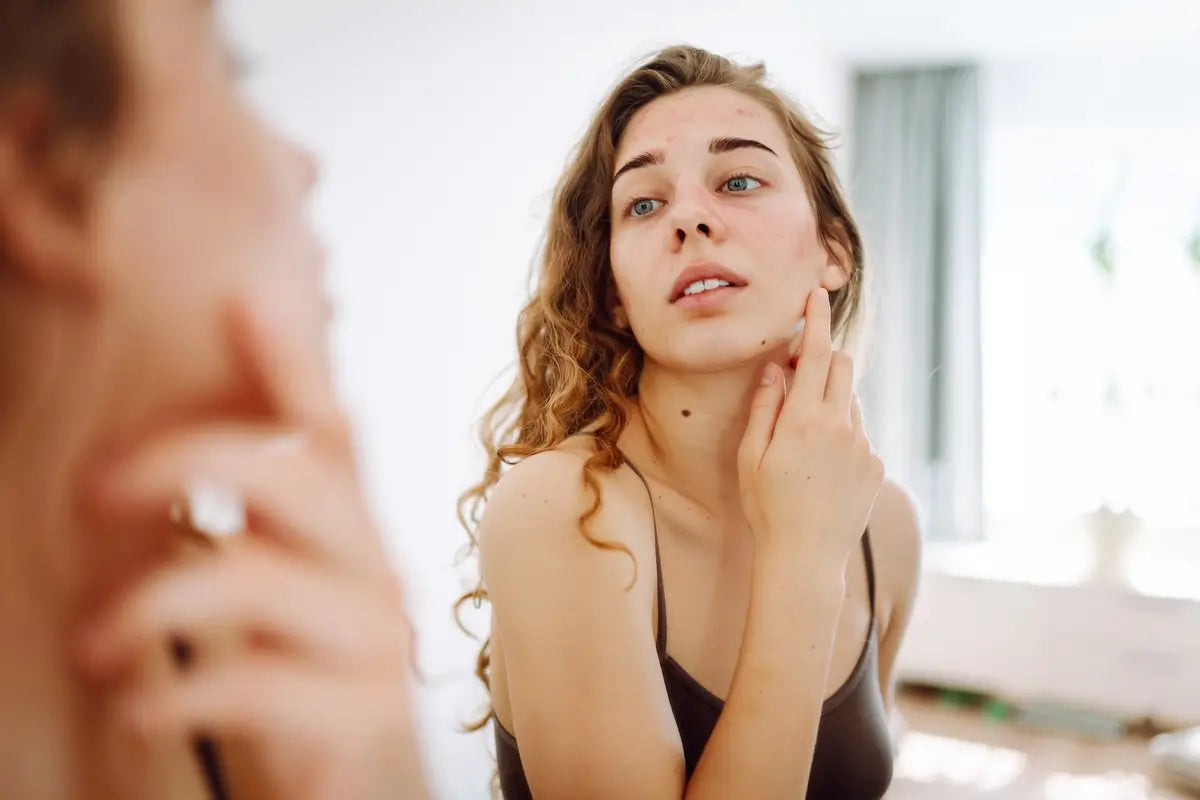
Atopic skin is one of the most challenging skin types encountered by dermatologists and cosmetologists. It is characterized by excessive dryness, itching, a tendency to irritation, and allergic reactions.
From the perspective of skin physiology, it is a chronic impairment of the hydrolipid barrier, which causes the epidermis to lose water, and microorganisms to penetrate more easily into its deeper layers.
In this post, I explain exactly what atopic skin (AD) is, where it comes from, and how to care for it to reduce feelings of tightness, dryness, and inflammation.
What is atopic skin?
Atopic skin is a characteristic feature of people with atopic dermatitis (AD) - a chronic, recurrent inflammatory disease with a strong genetic and immunological basis.
It is not temporary dryness, but a permanent tendency of the skin to overreactivity.
Physiologically, atopic skin has:
- a weakened hydrolipid barrier,
- a deficiency of ceramides, cholesterol, and fatty acids,
- a disturbed skin microflora (microbiome),
- increased transepidermal water loss (TEWL).
These factors cause the epidermis to be unable to maintain balance and react excessively even to mild stimuli.
Symptoms of atopic skin
Atopic skin can look different depending on age and severity, but typical symptoms include:
- chronic dryness and flaking,
- itching that intensifies after bathing or at night,
- redness and microcracks,
- periodic exacerbations and remission phases,
- in more severe cases, bacterial or fungal superinfections occur.
In children, changes often appear on the cheeks and elbow creases, and in adults - on the neck, hands, and around the eyelids.
Causes of atopic skin
Atopic skin is not a result of poor care, but rather multifactorial biological disorders.
Genetic factors
Mutations in the filaggrin gene (FLG) cause a deficit of the protein responsible for binding water and forming a proper protective skin layer.
Immunological factors
The immune system of people with AD overreacts to allergens and microorganisms, causing Th2-type inflammation, i.e., the so-called allergic epidermal reaction.
Environmental factors
Contact with detergents, air pollution, dust, and even hard water can exacerbate symptoms. Stress and temperature changes, which intensify itching, are equally important.
Diet and gut microbiota
More and more research confirms that the state of the gut microbiome affects skin reactions. In people with AD, disturbances in gut flora and omega-3 deficiencies are often observed.
Atopic skin care step by step
The basis of care is the reconstruction of the hydrolipid barrier and maintaining an adequate level of hydration.
Cleansing
Use gentle products without SLS, alcohol, and strong preservatives. Emollient gels and syndets with a neutral pH work best.
Moisturizing
Daily - preferably twice a day - use creams and balms with:
- ceramides and fatty acids – rebuild the lipid mantle,
- trehalose and glycerin – retain water in the epidermis,
- panthenol and allantoin – soothe irritations,
- beta-glucan or oat extract – have anti-inflammatory effects and reduce itching.

Skin protection
Avoid hot water, wool clothing, and harsh detergents. Use sunscreens and ensure adequate indoor humidity.
Regenerating baths
Short baths (5–10 minutes) in lukewarm water with the addition of oil or oat flakes help to soothe itching and reduce skin tension.
Atopic skin microbiome
In recent years, there has been increasing talk about the skin microbiome, which is a collection of beneficial microorganisms protecting it from pathogenic microbes.
In people with AD, the microbiome is poor and unstable - Staphylococcus aureus bacteria dominate, which deepen the inflammatory state.
Therefore, it is increasingly recommended to use cosmetics with prebiotics and postbiotics, which help rebuild the natural skin flora and strengthen its immunity.

Lifestyle and prevention
- Maintain an anti-inflammatory diet – rich in omega-3 fatty acids, vitamin D, zinc, and probiotics.
- Avoid stress – cortisol intensifies inflammatory reactions.
- Wear breathable, cotton clothing.
- Maintain constant indoor humidity (40–60%).
- Avoid overheating – sweat and high temperatures intensify itching.
Treatment of atopic skin
In severe cases, dermatological consultation is necessary. The doctor may prescribe:
- ointments with glucocorticosteroids during exacerbation,
- calcineurin inhibitors (tacrolimus, pimecrolimus),
- UVB phototherapy or modern biological therapies (e.g., dupilumab).
It is worth remembering that the goal of therapy is not to "cure" AD, but to maintain long-term remission and improve the patient's quality of life.
How does Ayurveda deal with atopic skin?
Ayurveda approaches atopic skin (atopic dermatitis) through the lens of dosha imbalance, primarily Pitta and Vata.
Ayurvedic understanding of atopic skin
According to Ayurveda, atopic skin is a manifestation of:
- Excess Pitta (fire element) - causing inflammation, redness, itching, burning sensation
- Disturbed Vata - leading to skin dryness, cracks, uneven texture
- Accumulation of toxins (ama) in the body
Ayurvedic recommendations
Diet:
- Avoid spicy, sour, salty foods (irritate Pitta)
- Limit fermented products, hot spices, alcohol, coffee
- Prefer cooling foods: coconut, cucumber, coriander, mint
- Consume ghee (clarified butter) - soothes inflammation
- Avoid allergy-triggering foods
Herbs and supplements:
- Neem - purifies blood, has anti-inflammatory properties
- Turmeric - strong anti-inflammatory properties
- Aloe vera - soothes and moisturizes skin
- Manjishtha - cleanses the lymphatic system
- Triphala - supports detoxification
External care:
- Oils: coconut, sesame (cooled), ghee
- Avoid hot baths - prefer lukewarm water
- Natural, mild soaps
Lifestyle:
- Stress reduction (meditation, yoga)
- Regular daily habits
- Avoid excessive physical exertion in the heat
Ayurveda treats atopic skin holistically - as a symptom of a deeper imbalance requiring a comprehensive approach, not just symptomatic treatment.
Most common patient questions about atopic skin
Can atopic skin disappear with age?
Yes, for many children, symptoms ease after puberty, but the skin remains sensitive throughout life.
Does diet matter in AD?
Yes, a diet rich in omega-3 fatty acids, probiotics, and antioxidants reduces inflammation. It is advisable to limit sugar, dairy, and processed foods.
Can you play sports with AD?
Yes, but avoid overheating and sweat on the skin – after training, shower immediately and apply lotion.
Can stress worsen symptoms?
Yes. High cortisol levels increase skin permeability and intensify itching.
Is atopic skin an allergy?
Not always. AD has an allergic component, but it is not a typical allergy; it is an immune and skin barrier disorder.
Atopic skin is a demanding skin type that requires constant, gentle, and thoughtful care. Key aspects include moisturizing, avoiding irritants, and supporting the lipid barrier.
Modern dermatology increasingly understands that atopic skin is not just an external problem, but also an immunological and microbiome issue – therefore, effective therapy must be comprehensive, encompassing both the body and lifestyle.