Inspirations

INCI - what is it and how to read cosmetic ingredients? A practical guide for cosmetologists
INCI is one of the most important elements on cosmetic packaging – and at the same time the most incomprehensible for consumers. For some, it's a string of unfamiliar chemical names, for others, the only reliable source of information about product quality. As a cosmetologist and formulator, I know one thing: if you learn to read INCI, you will stop buying cosmetics "on promises" and start choosing them consciously – according to your skin's real needs. In this article, I explain: what exactly INCI is, how to read the ingredients list step by step, what to look for in INCI and what not to demonize, how to distinguish a marketing ingredient list from an effective one, and what a well-structured INCI looks like using Orientana cosmetics as an example. What is INCI? INCI (International Nomenclature of Cosmetic Ingredients) is the international naming system for cosmetic ingredients, mandatory in the European Union and many countries worldwide. Every cosmetic approved for sale must have: a full INCI list, written according to specific rules, identical regardless of the country of sale. INCI is not a marketing description. It is an objective list of raw materials that were actually included in the product. Why is INCI more important than the description on the front of the packaging? Phrases like: "natural", "eco", "bio", "clean beauty" are not legally regulated to the same extent as INCI. It is in the ingredient list that: you can check whether the cosmetic actually contains the declared active ingredients, you will see their real concentration (by order), you can assess whether the formula makes technological sense. Therefore, in expert brands such as Orientana, INCI is a starting point, not an addition to marketing. How to read INCI? The most important rule of order Ingredients in INCI are listed from the highest to the lowest concentration - down to 0.01%. This means that: the first 3-5 ingredients form the base of the cosmetic, active ingredients in the middle of the list have real significance, everything at the end is present in small quantities Why is the order in INCI crucial? If you see: a plant extract in 18th place, and marketing screams that it is the "main ingredient", then... you have every right to be skeptical. Does the first ingredient in INCI always have to be water? Most often, yes - Aqua is the base of most cosmetics. But pay attention:in modern formulas, more and more often: part of the water is replaced by hydrolates, plant juices, bioferments. For example, in Orientana cosmetics, the base is often functional, not "empty": aloe, ferments, adaptogenic extracts,which genuinely support the skin, rather than just "diluting" the formula. How to distinguish an active ingredient from a base in INCI? An active ingredient is one that: has confirmed biological activity, affects the skin (hydration, regeneration, barrier, anti-aging), is present in an effective concentration. Examples of active INCI ingredients: adaptogens (ashwagandha, reishi, tremella), vitamins (C, E, niacinamide), ceramides, acids, peptides. Practical example In the Orientana line serum: Reishi is not a marketing additive, but one of the key ingredients in the formula, supporting skin immunity and reducing oxidative stress. This is precisely what you should be able to spot in INCI. Do Latin names in INCI mean chemistry? No. This is one of the biggest myths. Plants in INCI are recorded: in Latin, according to pharmacopoeia, in a standardized form. Chamomilla Recutita Flower Extract is simply chamomile.Curcuma Longa Root Extract is turmeric.Withania Somnifera Root Extract is ashwagandha. Latin does not mean synthetic, it means precision. INCI and natural cosmetics - can they be reconciled? Yes, provided that: the brand doesn't engage in "greenwashing",and formulas are created by technologists, not just marketers. Natural cosmetics must also have INCI, also use preservatives (safety!), also benefit from modern biotechnological solutions. Orientana is a good example of a brand that: combines Ayurvedic plants, with modern cosmetic technology, without pretending that the cosmetic is a "herbal infusion." Is a short INCI list always better? Not always. A short ingredient list: can be an advantage for very sensitive skin, but does not guarantee effectiveness. A well-structured INCI: has a logical structure, a clearly defined function for each ingredient, a balance between the base, actives, and formula stability. In cosmetology, the sense of the composition matters, not its length. What not to demonize in INCI? Google and social media have harmed many ingredients. Not every: alcohol, preservative, emulsifier is bad. For example: Cetyl Alcohol is an emollient - found, for example, in moisturizing cosmetics preservatives protect the skin from bacteria, emulsifiers determine the stability and comfort of the product. In Orientana cosmetics, auxiliary ingredients are: selected for sensitive skin, compliant with EU standards, and used in safe concentrations. Most frequent questions about INCI Does INCI tell you everything about a cosmetic? No, it tells you about the ingredients, but not about the quality of raw materials, technology, and formula stability. Can the order of ingredients be manipulated? No, it is legally regulated. Does INCI reveal concentrations? Indirectly, through the order. Do two cosmetics with similar INCI work the same way? No, the quality of raw materials and the technological process matter. Does the INCI of a natural cosmetic look "scarier"? Often, yes – because it contains more extracts and ferments. Is it worth learning to read INCI? Definitely yes – it's the best investment in conscious skincare. INCI as a tool for conscious skincare INCI is not an enemy.It is the language of cosmetology, which – once understood – gives a huge advantage. Thanks to it:– you don't buy cosmetics "on promises",– you choose products suited to your skin,– you understand why a given cosmetic works. If you want to reach for formulas where INCI makes technological and skincare sense, it's worth paying attention to expert brands – such as Orientana, which build their compositions based on knowledge, not TikTok trends.
Learn more
Matcha - what is it and why has it become one of the healthiest drinks in the world?
Matcha - what is it? This is one of the most frequently asked questions today by people who don't follow trends. Although it looks unassuming, like an intensely green powder, matcha is one of the most concentrated plant-based food products that humans have been drinking for hundreds of years. Matcha is not an Instagram fad. It is a traditional Japanese tea that for centuries was consumed by Zen monks, samurai, and aristocracy. Today it returns in a new form: as an alternative to coffee, an element of functional diet, a concentration aid, and a natural source of antioxidants. As the owner of a brand that draws from Asian traditions, I will try to explain what matcha actually is. In this article, I explain in detail: what matcha is, how it's made, how it affects the body, how to drink it, how much matcha can be consumed daily, whether matcha is healthy and for whom, and why it differs from every other tea. Matcha - what exactly does it mean? Matcha is powdered green tea, made from the leaves of the Camellia sinensis tea plant. The key difference is that you don't brew the leaves and discard them; instead, you consume them whole. This is a fundamental difference that makes: matcha have a significantly higher content of bioactive compounds, it act differently than regular tea, it provide more antioxidants, amino acids, and caffeine. The word "matcha" in Japanese literally means "powdered tea". Where does matcha come from? Although the tea plant originates from China, matcha in the form we know today is a Japanese product. History of matcha: 12th century - Buddhist monks bring powdered tea from China to Japan, Japan develops its own cultivation and grinding methods, matcha becomes part of the chanoyu tea ceremony, for centuries, it is considered an elite and ritual drink. To this day, the best matcha comes from Japan, especially from the regions of: Uji (near Kyoto), Nishio, Shizuoka, Kagoshima. How is matcha made? Why is its production so unique? If you're wondering what matcha is and why it's expensive, the answer lies in the production process. Shading of the bushes Approximately 3-4 weeks before harvest, tea bushes are shaded. Limiting light: increases chlorophyll content, raises L-theanine levels, reduces bitterness, gives an intense green color. Hand picking Only the youngest, most delicate leaves are used for matcha production. Steaming and drying The leaves are briefly steamed to stop oxidation, then dried. Tencha Stems and veins are removed from the leaves - creating what is called tencha. Grinding Tencha is ground in stone mills. This is a very slow process – tens of grams of matcha are produced in as little as an hour. Matcha vs. green tea - are they the same? This is one of the most common questions. No. Matcha and green tea are not the same. Differences: matcha = whole powdered leaves, green tea = an infusion of leaves, matcha has more antioxidants, matcha contains more L-theanine, matcha works longer and more steadily. In practice:one serving of matcha can be equivalent to several cups of classic green tea in terms of active substance content. What properties does matcha have? Matcha - nutritional properties Matcha is naturally rich in: catechins (including EGCG), chlorophyll, L-theanine, caffeine, vitamins (A, C, E), minerals (iron, potassium). Is matcha an antioxidant? Yes. Matcha is one of the most powerful natural sources of antioxidants in the diet. Matcha and caffeine - does matcha stimulate? Yes, matcha contains caffeine, but its effect differs from coffee. In matcha: caffeine binds with L-theanine, it is released more slowly, it acts more gently, it does not cause a sudden "crash". That's why many people describe matcha as: "clear focus", "calm energy", "no jitters or nervousness". Is matcha healthier than coffee? It depends on individual needs, but: matcha is less taxing on the nervous system, it does not cause sharp energy spikes, it supports concentration for several hours, it is gentler on the stomach. For many people, matcha becomes an alternative to coffee, not a 1:1 substitute. What does matcha taste like? The taste of matcha can be a surprise. Good matcha tastes: creamy, subtly sweet, vegetal, with a hint of umami. Poor matcha tastes: bitter, astringent, earthy. The taste depends on quality, origin, and freshness. Types of matcha - what matcha for what? The most common classification: Ceremonial matcha for drinking with water, highest quality, delicate and sweet. Premium matcha for daily drinking, good balance of price and quality. Culinary matcha for baking and cooking, more intense in flavor. How to drink matcha? How to prepare matcha classically? 1–2 g of matcha, 60–80 ml of water, temperature 70–80°C, vigorous whisking. Can matcha be drunk cold? Yes. Matcha is excellent as a cold beverage. Can matcha be drunk with milk? Yes – both with cow's milk and plant-based milk. How much matcha can you drink daily? The most commonly recommended amount is 1–2 servings per day, which is about 1–4 g of powder. Can matcha be drunk daily? Yes, provided it is in moderation. Can matcha be drunk several times a day? Yes, but caffeine content should be taken into account. When is the best time to drink matcha? Best time: morning, before noon, before mental exertion. It is not recommended to drink matcha late in the evening. How long does matcha last? Matcha effects: appear after 20–40 minutes, last 4–6 hours, are stable and gradual. Does matcha help with concentration? Yes. The combination of caffeine and L-theanine: supports focus, improves clarity of thought, reduces distraction. That is why matcha was the drink of Zen monks during meditation. Does matcha boost metabolism? Studies indicate that catechins in matcha: support thermogenesis, may aid metabolism, are an element of weight loss diets. Is matcha good on an empty stomach? For some people, yes, for others it can irritate the stomach.It is best to observe your body's reaction. Is matcha safe? For most people - yes. Caution should be exercised by: people very sensitive to caffeine, pregnant women (consultation), people with anemia (tannins). Matcha - what is it and why is it worth drinking? Matcha is not just tea.It is: a concentrated source of bioactive compounds, a drink that supports mind and body, an element of tradition and modern lifestyle. Read also: Lychee - an exotic fruit in hair and scalp care Turmeric - what does it help with? Health and cosmetic properties of the gold of Ayurveda
Learn more
Why it's worth using natural cosmetics. A guide to benefits and skincare inspiration.
Why is the question about natural cosmetics so important today? Just a dozen or so years ago, when we started, the question "why is it worth using natural cosmetics?" was the domain of a small group of people interested in ecology. Today, it's one of the most frequently asked questions in beauty salons and search engines. Why? Because we increasingly understand that skin is not an impermeable barrier , and what we apply to our face, body, and hair has a real impact on its functioning, microbiome, regeneration, and aging processes. Natural cosmetics are no longer a niche alternative. They have become a conscious skincare choice that combines: warehouse safety, the effectiveness of plant and biotechnological active substances, respect for the environment, production ethics. The Orientana brand has been proving for years that natural cosmetics can be modern, effective and advanced , and not an "inferior version" of conventional cosmetics. What are natural cosmetics and what are they NOT? Natural cosmetics are products whose formulas are based mainly on raw materials of plant, mineral or biotechnological origin , while excluding many controversial synthetic substances. Natural cosmetics: are based on oils, butters, plant extracts, use adaptogens (e.g. reishi, ashwagandha), support the natural mechanisms of the skin, are gentle on the hydrolipid barrier. Natural cosmetics are NOT: they do not mask problems with a silicone film, they do not rely solely on cheap fillers, do not disturb the skin microbiome in the long term. Orientana cosmetics are an example of a modern approach to natural care: they combine plant ingredients from Asia with modern cosmetology . Why is it worth using natural cosmetics? The most important reasons Because they support the skin's hydrolipid barrier One of the biggest problems facing modern skin is a weakened hydrolipid barrier . Overly aggressive detergents, alcohol, silicones, and an excess of synthetics can lead to: dryness, hyperreactivity, erythema, accelerated aging. Natural cosmetics - e.g. Orientana gentle facial cleansing gels and foams - cleanse the skin without disturbing its natural balance . Because they work in accordance with the physiology of the skin The skin "understands" ingredients that are biologically close to it. Plant oils, ceramides, polysaccharides, phytosterols, and adaptogens: they do not act aggressively, support regeneration processes, improve skin elasticity and resistance. An example is Orientana cosmetics with adaptogens , such as: serum with ashwagandha and CICA, Reishi line, products with tremella (a plant-based alternative to hyaluronic acid). Because they are better tolerated by sensitive and problematic skin. Sensitive, vascular, mature, or post-treatment skin responds much better to natural care . Fewer synthetic fragrances and harsh preservatives means: lower risk of irritation, lower risk of allergies, greater comfort of use. Because natural cosmetics work long-term, not "for effect" Conventional cosmetics often provide a quick, visual smoothing effect that disappears after discontinuing the product. Natural cosmetics: strengthen the skin from the inside, improve its functioning, they produce an effect that grows over time. This is why Orientana care is often recommended to people who want to actually improve the condition of their skin , and not just "beautify" it. Natural ingredients that really work Adaptogens - the skin's intelligent response to stress Adaptogens are plants that help the skin adapt to environmental stress , pollution and hormonal changes. Orientana cosmetics include, among others: reishi - strengthens the skin barrier and has antioxidant properties, ashwagandha - supports regeneration and slows down the aging process, tremella - intensively moisturizes and improves elasticity. Vegetable oils and butters - natural emollients Unlike silicones: vegetable oils nourish the skin, provide essential fatty acids, strengthen the intercellular cement. Orientana body cosmetics, such as Indian Jasmine oil or body butters , are an example of care that nourishes, not just smoothes . Natural humectants and biopolymers Tremella, aloe, inulin or gluconolactone: bind water in the epidermis, improve hydration, support the microbiome. This is the foundation of modern Orientan formulas, e.g. in tonics and toning lotions. Why is it worth choosing Orientana natural cosmetics? 1. Transparency of composition Orientana clearly communicates what is in the INCI , without greenwashing. 2. Inspired by Ayurveda and Asia The brand has been using plants known in Ayurvedic and Asian medicine for years. 3. Modern cosmetology Adaptogens, ceramides, biotechnology - these are not "old recipes", but modern natural formulas . 4. Comprehensive care At orientana.pl you will find: facial cosmetics, body cosmetics, hair cosmetics, products tailored to specific skin problems. How to switch to natural cosmetics - practically and without mistakes? The most common mistake is changing your entire routine at once . It's better to: Start with cleansing . Add natural tonic . Gradually introduce serums and creams . Observe skin for 2-4 weeks. SUMMARY: why is it worth using natural cosmetics? Because: are consistent with the physiology of the skin, support its natural defense mechanisms, they work long-term, are better tolerated, are more ethical and ecological. Orientana natural cosmetics are an example of care that combines nature, science and effectiveness . Questions and Answers Do natural cosmetics really work? Yes. Their effectiveness stems from the biological similarity of their ingredients to skin structures. Why are natural cosmetics better for sensitive skin? Because they contain fewer potential irritants and strengthen the hydrolipid barrier. Are natural cosmetics suitable for mature skin? Yes, especially those with adaptogens, antioxidants and ceramides, as offered by Orientana. How long do you need to use natural cosmetics to see the effects? The first effects of comfort are quick, and real improvement in skin condition is visible after 3–6 weeks. Can natural cosmetics clog pores? Poorly selected – yes. Well-formulated, like Orientana cosmetics – no. Are natural cosmetics suitable for acne-prone skin? Yes, as long as they are light, sebum-regulating and without aggressive detergents. Why are natural cosmetics more expensive? Because they contain high-quality plant raw materials and extracts, not cheap fillers. Are natural cosmetics safe during pregnancy? In most cases, yes, but it is always worth checking the ingredients and manufacturer's recommendations. Are natural cosmetics dermatologically tested? All cosmetics introduced to the Polish market must be dermatologically tested. Orientana natural cosmetics are. Can natural cosmetics be combined with dermatological treatment? Yes, they are often a great complement to therapy. Are natural cosmetics suitable for men? Of course, men's skin also benefits from natural ingredients. Are natural cosmetics suitable for winter care? Yes, especially those rich in oils, butters and ceramides. Why does the skin microbiome like natural cosmetics? Because they do not destroy the natural bacterial flora of the skin. Are natural cosmetics ecological? Often yes, both in terms of composition and packaging. How to recognize good natural cosmetics? After a transparent composition, information on the percentage of ingredients of natural origin - as in the case of Orientan.
Learn more
Mineral oil - why doesn't Orientana use it in natural cosmetics?
Mineral oil is one of the most frequently discussed ingredients in cosmetics. For some, it is a "safe emollient," for others, a symbol of cheap, outdated skincare that does not support skin biology. At Orientana, we consciously do not use mineral oil, and this decision has solid cosmetic, dermatological, and philosophical foundations. In this article, I explain: what mineral oil is, why it still appears in cosmetics, how it affects the skin short-term and long-term, and what natural alternatives we use in Orientana cosmetics. What is mineral oil in cosmetics? Mineral oil (Mineral Oil, Paraffinum Liquidum, Petrolatum) is a raw material obtained from crude oil through the refining process. It is chemically inert, devoid of vitamins, antioxidants, and biologically active substances. In cosmetics, its main functions are: a protective occlusive film, reducing transepidermal water loss (TEWL), providing the effect of "soft," smoothed skin. However, this action is purely physical, not biological. Why is mineral oil so often used? Mineral oil is popular because: it is very cheap to produce, it has a long shelf life, it does not go rancid, it gives an immediate feeling of smoothness, it is easy to formulate. From the perspective of a mass producer, it's a "convenient" ingredient.From the skin's perspective, it's a skincare dead end. How does mineral oil affect the skin? Short-term The skin becomes: smooth, soft to the touch, visually hydrated. This is the effect of an occlusive film, not actual regeneration. Long-term With regular use of mineral oil: the skin learns "passive hydration", its ability to self-regulate decreases, the natural hydrolipid barrier is disrupted, active ingredients penetrate the epidermis less effectively, after discontinuing the cosmetic, a feeling of dryness and tightness appears. The skin is smoothed "from the outside," but biologically uncared for. Does mineral oil clog pores? This is one of the most frequently asked questions on Google and AI Answers. Mineral oil: is not comedogenic on its own, but forms a tight occlusive layer, can promote the retention of sebum, sweat, and impurities. Therefore, in people with: oily skin, acne-prone skin, skin prone to blackheads, mature skin with a compromised barrier it can indirectly worsen the skin condition. Why does Orientana not use mineral oil? At Orientana, we create cosmetics that: support the skin's natural functions, nourish it biologically, work long-term, not just for immediate effect. Mineral oil: does not provide the skin with any nutrients, does not support the microbiome, does not regenerate the lipid barrier, does not align with the philosophy of Ayurveda and phytocosmetology. Therefore, we consciously do not use it, even where it would be technologically easier. Natural alternatives to mineral oil in Orientana cosmetics Cold-pressed plant oils In Orientana cosmetics, we use oils that: are skin-friendly, contain unsaturated fatty acids, vitamin E, phytosterols, and antioxidants. Examples: sesame oil - a classic of Ayurveda, strengthens the skin barrier, rice oil - light, smoothing, ideal for sensitive skin, jojoba oil - regulates sebum secretion, amla oil - highly nourishing and antioxidant. You can find them, among others, in body oils and Ayurvedic formulas from Orientana. You can find plant oils here, for example: Plant butters instead of paraffin Instead of paraffin, we use:shea butter – regenerates and protects the hydrolipid barrier,cocoa butter – smooths and improves skin elasticity. You can find plant butter, for example, here: New generation emollients In modern Orientana formulas, you will find: plant squalanes, sugar esters, light, fast-absorbing oils, plant ceramides. You can find squalane instead of mineral oil here, for example: Plant silicones - natural smoothing without paraffin So-called plant silicones are a common name for modern plant-derived emollients that: smooth the skin like classic silicones, improve the glide of the cosmetic, do not create a tight, impermeable layer. They are most often derived from sugar cane, olives, or corn. Humectants and biopolymers - hydrating instead of "sealing" the skin Mineral oil only limits water evaporation. Humectants work differently – they actively bind water in the epidermis. In modern natural formulas, the following are used: hyaluronic acid, urea, polysaccharides and algae extracts, tremella (snow mushroom). Their action: hydrates deep layers of the epidermis, improves skin elasticity, supports regeneration, works long-term, not just superficially. Plant esters - light protection instead of heavy occlusion Plant esters are modern emollients derived from: plant fatty acids, plant alcohols, shea butter or plant oils. Their purpose is to: mimic the skin's natural lipids, smooth and soften the epidermis, improve skin comfort without weighing it down. Esters: absorb quickly, do not leave a greasy residue, do not disrupt skin respiration. In Orientana cosmetics, ester emollients support the action of plant oils and ceramides, providing comfort comparable to paraffin – but without its drawbacks. Mineral oil and natural cosmetics - are they mutually exclusive? Yes.Mineral oil is not a natural ingredient, even if it is "purified" and approved for use in the EU. Natural cosmetics: are based on plant and mineral raw materials of natural origin, act in accordance with skin physiology, do not rely on cheap petroleum-derived substitutes. Therefore, at Orientana, we prioritize biological quality, not technological convenience. Most common questions about mineral oil Is mineral oil safe for skin? Yes, it is considered safe, but that doesn't mean it's beneficial long-term. Does mineral oil moisturize skin? It does not moisturize – it only limits water loss, without providing the skin with active ingredients. Does mineral oil clog pores? It can indirectly contribute to skin problems, especially for oily and acne-prone skin. Why do natural cosmetics not contain mineral oil? Because it does not support skin biology and does not fit into the idea of conscious skincare. What can replace mineral oil in skincare? Sesame oil, plant squalane, shea butter, adaptogens, and ceramides – just like in Orientana cosmetics. Is mineral oil harmful to skin? Mineral oil is not considered a toxic or irritating ingredient, however, it does not support the biological functions of the skin. It acts solely on the surface, creating an occlusive layer that does not provide the skin with any nutrients, vitamins, or structural lipids. Why doesn't mineral oil regenerate skin? Because: it does not contain essential fatty acids (EFAs), it does not participate in the reconstruction of the hydrolipid barrier, it does not support ceramide synthesis, it does not affect the skin microbiome. Skin regeneration requires active plant lipids, ceramides, and antioxidants, which is why Orientana cosmetics use plant oils, butters, and adaptogens, rather than mineral oil. Does mineral oil moisturize skin? No. Mineral oil does not moisturize, but merely limits water loss from the epidermis. Hydration is a biological process that requires humectants, biocompatible lipids, and active ingredients such as tremella, aloe, or ceramides, which are present in Orientana cosmetics. How long can cosmetics with mineral oil be used? Short-term use is not a threat, however, long-term use of cosmetics based mainly on mineral oil can lead to: weakening of the skin barrier, a feeling of skin "addiction" to occlusion, worsening of skin condition after discontinuing the product. Does mineral oil clog pores? It is not classified as comedogenic itself, but: it forms a tight layer on the skin, it can hinder natural exfoliation processes, it promotes the retention of sebum and impurities. For oily, acne-prone, and mature skin with a compromised barrier, it can indirectly worsen skin condition. Is mineral oil good for mature skin? It is not an optimal choice. Mature skin needs: structural lipids, antioxidants, ingredients that support regeneration and the epidermal barrier. Mineral oil only smooths the surface, while Orientana cosmetics with adaptogens (e.g., reishi, ashwagandha) have regenerative and anti-aging effects. Why do natural cosmetics not contain mineral oil? Because mineral oil: is a petroleum derivative, is not biocompatible with the skin, does not align with the idea of skincare based on skin physiology. Natural cosmetics, such as Orientana, are based on plant oils, butters, ceramides, and adaptogens that actively support the skin, rather than just "coating" it. How does mineral oil differ from plant oils? Mineral oil: does not contain active ingredients, acts only on the surface, is not biologically absorbed. Plant oils: contain EFAs, vitamins, and phytosterols, support the hydrolipid barrier, genuinely improve skin condition. That's why Orientana cosmetics use sesame oil, rice oil, and jojoba oil, among others. Is mineral oil better for sensitive skin? It is sometimes used in dermatology as a protective ingredient, but it does not address the root cause of skin sensitivity. Sensitive skin needs barrier restoration and microbiome support, which ceramides, aloe, tremella, and adaptogens present in Orientana cosmetics provide. What to choose instead of mineral oil for daily skincare? The best alternatives are: cold-pressed plant oils, plant butters, plant squalane, ceramides, adaptogens. This approach can be found in Orientana face and body care. Are cosmetics without mineral oil effective? Yes, provided they are well-formulated. Orientana cosmetics do not rely on cheap occlusion, but on actively supporting the skin, which yields results visible not only immediately but, more importantly, in the long term. Is it worth avoiding mineral oil in daily skincare? If you care about: a healthy skin barrier, long-term regeneration, conscious skincare, cosmetics that align with skin physiology - it's worth choosing cosmetics without mineral oil, such as Orientana. Summary - conscious skincare without mineral oil Mineral oil is an ingredient that: gives a quick effect, but does not address the skin's real needs. At Orientana, we choose a more challenging path: natural oils, plant biotechnology, formulas that teach the skin self-regulation. Because true skincare is not about "here and now" effects, but healthy skin for years to come. Worth reading: The best natural cosmetics of 2025 - expert's choice
Learn more
Alopecia areata - a professional trichologist's guide
Alopecia areata is an autoimmune disease in which the immune system "mistakes" and attacks hair follicle structures, leading to sudden, patchy hair loss – most commonly on the scalp, but also in eyebrows, beard, and eyelashes. The good news: follicles usually aren't permanently destroyed (it's not scarring alopecia), so regrowth is often possible – though the course is unpredictable, and in some people, the disease recurs or spreads. Recent years have also seen a real therapeutic breakthrough thanks to immunologically targeted drugs (including JAK inhibitors). Practical note: as a trichologist, I assist with scalp assessment, trichoscopy, choosing proper care, and supporting the treatment process, but decisions regarding pharmacotherapy (steroids, contact immunotherapy, JAK inhibitors, etc.) belong to a dermatologist. Table of Contents What is alopecia areata and what does it look like Why it occurs: autoimmune mechanism and "triggering factors" How a trichologist and dermatologist make a diagnosis Trichoscopy: what is seen in alopecia areata Prognosis: will hair regrow and what increases the risk of recurrence Treatment: what works for focal forms and what for severe forms Care and therapy support: what you can do at home Common mistakes and myths Questions about alopecia areata Bibliography What is alopecia areata and what it looks like The most typical presentation is the sudden appearance of smooth, sharply demarcated patches without hair. The skin within the patch is usually "normal" (no scales, no scarring); sometimes, in the active phase, short, broken hairs are visible at the periphery of the lesion. The disease can vary in extent: from single patches to extensive loss. Clinical guidelines emphasize that this condition is inflammatory-autoimmune in nature, not "mechanical hair loss." Epidemiology depends on research methodology and population, but large analyses show that alopecia areata is not uncommon in dermatological practice. Why it occurs: autoimmune mechanism and "triggering factors" In simplified terms: the hair follicle in the growth phase has a physiological "privileged" immune protection. In alopecia areata, this protection is disrupted, and lymphocytes and cytokines (inflammatory pathways) begin to inhibit hair growth and cause dystrophy within the follicle. This line of thinking also underpins the effectiveness of therapies modulating the immune response (e.g., JAK inhibitors). What often "triggers" exacerbations? Patients frequently point to stress, infections, periods of significant hormonal changes, or psychosomatic burdens – but it's important: this is not a simple cause-and-effect relationship. The disease has an immunological and genetic basis, and environmental factors can only modulate its course. How a trichologist and dermatologist make a diagnosis In the clinic, key elements are: Medical history: sudden hair loss, recurrences, autoimmune diseases in the family, atopy, other skin complaints. Examination of skin and hair: localization, activity of changes at the edge of the patch, assessment of eyebrows/eyelashes/nails. Trichoscopy (hair dermoscopy): a quick, painless method with high diagnostic value. Sometimes a dermatologist orders tests if the clinical picture suggests the co-existence of other problems (e.g., thyroid diseases), and in ambiguous cases, considers a skin biopsy. Trichoscopy: what is seen in alopecia areata (and why it's important) Systematic reviews of trichoscopy describe the most typical features that help to: confirm the diagnosis, assess the activity of the disease, monitor treatment response. Classic markers include yellow dots, black dots, "exclamation mark hairs", broken hairs, vellus hairs (downy) in the regrowth phase. A systematic review emphasized that some features are more "sensitive" and others more "specific" for AA, which has practical diagnostic significance. Prognosis: will hair regrow and what increases the risk of recurrence The prognosis is variable. In some people, spontaneous regrowth occurs; in others, the disease recurs in waves. From a clinical practice perspective, more important than "promising regrowth" is: rapid confirmation of diagnosis, assessment of activity (trichoscopy), implementation of adequate treatment (especially for extensive forms), addressing aggravating factors (sleep, stress, inflammatory skin conditions, irritations). Guidelines and recommendations from scientific societies emphasize the need for individualized management depending on the extent and age of the patient. Treatment of alopecia areata: what is actually supported by research Focal form (single/limited patches) Local or intralesional treatment within the patch is most frequently considered. In clinical practice, intralesional steroid injections (e.g., triamcinolone) are commonly used – and meta-analyses and reviews indicate that this is one of the primary options for limited forms (with caveats regarding technique, concentration, and risk of side effects like skin atrophy). Link to research. Extensive / severe forms For significant hair loss, a doctor may consider immunomodulatory therapies. The biggest change in recent years has been JAK inhibitors. Phase III trials have shown the efficacy of, among others, baricitinib in severe AA over 52 weeks of observation, along with an assessment of the safety profile in these populations. There is also strong clinical data for ritlecitinib (phase 2b/3 study involving adults and adolescents), showing significant improvement in some patients, confirming the direction of "targeted" inhibition of inflammatory pathways in AA. Contact immunotherapy (e.g., DPCP) In resistant or extensive cases, contact immunotherapy (e.g., diphenylcyclopropenone/DPCP) may be used. Reviews indicate moderate average response rates, but this method requires experience from the center and acceptance of side effects (contact dermatitis, itching, hyperpigmentation). Care and therapy support at home: the role of a trichologist (without promising a "cosmetic cure") Skincare does not replace immunological treatment but can realistically improve scalp comfort and limit factors aggravating inflammation/irritation. What I usually recommend to AA patients: very gentle washing (no aggressive "degreasing" or scratching), avoiding intensive mechanical exfoliants and "forceful rubbing" into active patches, scalp protection from UV and cold (hat/sunscreen), minimizing friction and tension (tight hairstyles, vigorous brushing), if you use dermo-cosmetics for rubbing: in the active phase, less is more – tolerance and consistency matter, not "strength." If you wish, I can suggest a skincare routine and (optionally) Orientana cosmetics solely to support the skin barrier and comfort – without suggesting that cosmetics "cure" alopecia areata. (Just send me: if the changes are active, if the skin is itchy/burning, and if you have dandruff/seborrheic dermatitis). Common mistakes and myths I see in practice Myth: "It's definitely a deficiency, and a supplement is enough."Deficiencies can worsen overall hair condition, but AA is primarily an autoimmune process. In practice, diagnosis and treatment should run parallel with an assessment of general health. Myth: "If I apply oil/warming rub, I'll stimulate the follicles."In the active phase of AA, "stimulating" by irritation often has the opposite effect: burning, redness, skin hypersensitivity. Mistake: delaying dermatological consultation when changes are rapidly expanding.In severe forms, time is crucial for choosing effective therapy. Questions about alopecia areata Is alopecia areata contagious?No. It's an autoimmune disease, not an infection. Will hair always regrow in alopecia areata?Not always. Some people experience complete regrowth, others have recurrences or a chronic course. Prognosis depends, among other things, on the extent and activity of changes assessed clinically and trichoscopically. How to distinguish alopecia areata from scalp ringworm?In ringworm, scales, inflammation, hair brittleness, and positive mycological tests are more common; in AA, the skin may be smooth, and trichoscopy shows typical markers (e.g., yellow and black dots, "exclamation marks"). What are "exclamation mark hairs"?These are short hairs that narrow at the base, considered a classic sign of active AA in trichoscopy. Does stress cause alopecia areata?Stress is not the sole cause, but it can exacerbate the course and recurrences in some individuals. AA has an immunological basis. Does alopecia areata hurt or itch?Some patients report itching, burning, or tenderness in the active phase, but it can also be completely asymptomatic. Is it possible to stop alopecia areata in the initial phase?In many people with the limited form, local or intralesional treatment can suppress activity and promote regrowth; therefore, early diagnosis is important. What treatment is most commonly used for single patches?In practice, intralesional steroid injections are often used; there are also various topical treatment strategies depending on location and age. What is contact immunotherapy (DPCP)?This involves controlled induction of a contact reaction on the scalp to "redirect" the immune response. The method has documented effectiveness in some patients but requires specialized management. What are JAK inhibitors and why are they a breakthrough in AA?These are drugs that inhibit selected inflammatory pathways. Clinical trials have shown a significant response rate in patients with severe AA (e.g., baricitinib, ritlecitinib), confirming the immunological mechanism of the disease. Are JAK inhibitors "safe"?Like any systemic therapy, they require qualification and monitoring; publications describe both efficacy and safety profiles in studies and long-term analyses. Can I dye my hair or get keratin treatment with alopecia areata?In the active phase, it's better to limit irritating procedures and anything that might irritate the scalp (strong chemicals, high temperature, friction). It's safer to return to treatments after the activity has subsided. Will diet "cure" alopecia areata?Diet is not a causal treatment for AA, but it supports overall health and can reduce inflammatory burdens. Immunological treatment is chosen by a doctor. When should I urgently consult a dermatologist?When patches are rapidly enlarging, eyebrows/eyelashes are affected, diffuse hair loss occurs, nail changes appear, or severe inflammatory symptoms on the scalp are present. Is a trichologist the right specialist for alopecia areata?A trichologist excellently supports diagnostic imaging (trichoscopy), hair care, monitoring, and scalp comfort, but pharmacological treatment is managed by a dermatologist. Read also: How fast hair grows - a trichologist's perspective Natural hair cosmetics - a trichologist advises on how to care for hair and scalp Bibliography Ohyama, M., et al. (2025). Japanese Dermatological Association’s Clinical Practice Guidelines for Alopecia Areata 2024: A complete English translated version. The Journal of Dermatology. Kwon, O., et al. (2023). Efficacy and safety of baricitinib in patients with severe alopecia areata over 52 weeks of continuous therapy in two phase III trials (BRAVE-AA1 and BRAVE-AA2). Senna, M., et al. (2024). Long-term efficacy and safety of baricitinib in patients with severe alopecia areata: integrated BRAVE-AA data. Journal of the European Academy of Dermatology and Venereology. King, B., et al. (2023). Efficacy and safety of ritlecitinib in adults and adolescents with alopecia areata: a randomised, double-blind, multicentre, phase 2b–3 trial. The Lancet. Hordinsky, M., et al. (2023). Efficacy and safety of ritlecitinib in adolescents with alopecia areata: ALLEGRO phase 2b/3 trial results. Al-Dhubaibi, M. S., et al. (2023). Trichoscopy pattern in alopecia areata: a systematic review. Rakowska, A., et al. (2023/2024). Alopecia areata: Diagnostic and therapeutic recommendations of the Polish Society of Dermatology (część rekomendacji). Jeon, J. J., et al. (2024). Global, regional and national epidemiology of alopecia areata (analiza epidemiologiczna). Yee, B. E., et al. (2020). Efficacy of different concentrations of intralesional triamcinolone acetonide for alopecia areata: systematic review and meta-analysis. JAAD. Jang, Y. H., et al. (2017). Systematic review and quality analysis of studies on diphenylcyclopropenone (DPCP) in alopecia areata. JAAD. Sriphojanart, T., et al. (2017). Retrospective comparative study on DPCP in recalcitrant alopecia areata. Müller Ramos, P., et al. (2025). II Consensus of the Brazilian Society of Dermatology for alopecia areata – updated guidance.
Learn more
Retinol under the eyes - is it safe? A cosmetologist explains and suggests a better alternative.
Retinol under the eyes is one of the most frequently searched topics in anti-aging care. It's no wonder – the eye area ages the fastest, and wrinkles are the first to appear there. The problem is that classic retinol is not always the best choice for under-eye care , and in many cases it can even worsen the condition of the skin. From a cosmetologist's perspective, it's worth making this clear: retinol under the eyes can be risky . Fortunately, there's a solution – plant-based retinol (bioretinol) , which has anti-wrinkle properties without irritation. Why is the skin under the eyes extremely sensitive? The skin around the eyes is significantly different from the rest of the face: it is up to 5 times thinner contains fewer sebaceous glands loses water faster has a weaker hydrolipid barrier This makes active substances – especially strong ones such as retinol – work more intensively, but also cause adverse reactions more easily . Retinol under the eyes - why can it be problematic? Classic retinol (retinoid) is an effective ingredient, but: may cause burning and stinging often causes flaking and dryness may intensify dark circles and puffiness increases eye hypersensitivity not recommended for sensitive or vascular skin, or during dermatological treatments In cosmetology practice, it is very often observed that retinol under the eyes, instead of smoothing, weakens the skin barrier , leading to the deterioration of its appearance. Can anyone use retinol under the eyes? No. Retinol under the eyes is not a universal solution . Particular caution should be exercised by people who: with sensitive and reactive skin with a tendency to atopy with rosacea after aesthetic treatments in the autumn-winter period (risk of drying out) In these cases, plant-based retinol for under-eye care is a much better choice. Plant-based retinol under the eyes - what is bioretinol? Bioretinol is a natural, plant-based alternative to classic retinol. It is not a retinoid, but it works on similar skin mechanisms : stimulates collagen synthesis smoothes out fine wrinkles improves flexibility brightens and refreshes the look Most importantly: it does not cause the typical side effects of retinol . Why is bioretinol safer under the eyes? Plant-based retinol: does not irritate the thin skin of the eye does not cause flaking does not cause sun sensitivity can be used in the morning and evening it is suitable even for sensitive skin it can be used by pregnant women and breastfeeding mothers That is why in modern cosmetology, bioretinol under the eyes is considered the gold standard of anti-aging care in this area. Which plant-based retinol eye cream should I choose? A good example of safe and effective care is Anti-wrinkle eye cream Bioretinol + Caffeine + Moringa This formula is designed especially for the delicate skin around the eyes , combining: bioretinol – smoothing and anti-aging effect caffeine – reduction of dark circles and puffiness moringa – strong antioxidant and protective effect Effect: smoothed wrinkles without the risk of irritation . Retinol or bioretinol under the eyes - what does the cosmetologist choose? If the goal is: wrinkle reduction improvement of firmness skin safety comfort of use bioretinol under the eyes wins over classic retinol . Classic retinol has its place in facial care, but the eye area requires a much more gentle approach . How to use plant-based retinol under the eyes? Bioretinol is easy to use: apply a small amount gently pat in with your ring finger use in the morning and/or evening does not require an adaptation period This is a huge advantage over classic retinol. Questions about retinol under the eyes Is retinol under the eyes safe? Not always. Classic retinol can irritate the thin skin around the eyes and cause dryness. Why can retinol under the eyes sting? Because the skin in this area is thin and has a weaker protective barrier. How to replace retinol under the eyes? The best alternative is plant-based retinol, or bioretinol. Does bioretinol work like retinol? Yes, it smoothes wrinkles and improves skin elasticity, but without irritation. Can bioretinol under the eyes be used daily? Yes, even twice a day. Does bioretinol cause allergies? It is much better tolerated than classic retinol, even by sensitive skin. Is bioretinol cream suitable under makeup? Yes, it does not cause peeling or rolling. Can bioretinol be used in summer? Yes, it does not make the skin sensitive to the sun. Does plant retinol have anti-wrinkle properties? Yes, it stimulates the skin to regenerate and smooth. Is bioretinol under the eyes suitable after the age of 40? Definitely one of the best anti-aging ingredients around. Is retinol under the eyes safe? Retinol under the eyes isn't always safe , as the skin in this area is very thin and prone to irritation. Regular retinol can cause burning, dryness, flaking, and worsen dark circles and puffiness. Why does the skin under the eyes react badly to retinol? The skin under the eyes has a weaker hydrolipid barrier, fewer sebaceous glands, and loses water more quickly. Retinol accelerates cell renewal, which in this area often leads to irritation rather than improvement. Can retinol under the eyes make wrinkles worse? Yes. In some people, retinol under the eyes can exacerbate dryness and make wrinkles more visible instead of smoothing them out. Is burning sensation normal after using retinol under the eyes? Burning, stinging, and tightness are common symptoms of retinol intolerance around the eyes. They shouldn't be ignored—they signal a weakened skin barrier. When not to use retinol under the eyes? Retinol under the eyes is not recommended for sensitive skin, skin with vascular problems, rosacea, after cosmetic procedures, or during periods of increased skin dryness. Chemical retinol should not be used during pregnancy or breastfeeding. What is plant-based retinol under the eyes? Plant-based retinol, called bioretinol, is a naturally derived ingredient that mimics the effects of retinol , but is not a retinoid and does not cause typical side effects. Does bioretinol work the same as retinol? Bioretinol works similarly – it smoothes wrinkles, improves firmness and supports skin regeneration, but without exfoliation, burning or hypersensitivity . Why is bioretinol better for under the eyes than retinol? Because it does not damage the skin's protective barrier, it does not dry out or cause irritation, which is crucial in the delicate eye area. Can plant-based retinol be used under the eyes every day? Yes. Bioretinol can be used daily, even twice a day, without an adaptation period. Is bioretinol under the eyes suitable for sensitive skin? Yes. Bioretinol is recommended specifically for sensitive and reactive skin that cannot tolerate traditional retinol. Does retinol under the eyes reduce dark circles? Not always. In some people, retinol can exacerbate skin dryness, which can visually deepen dark circles under the eyes. What works better for dark circles under the eyes than retinol? Ingredients such as caffeine, antioxidants and bioretinol , which improve microcirculation and do not irritate the skin. Can retinol increase under-eye puffiness? Yes. Irritated and weakened skin can react by retaining water and swelling. How to smooth out wrinkles under the eyes without retinol? The safest solution is an eye cream with bioretinol, antioxidants and ingredients that strengthen the skin barrier. Which plant-based retinol eye cream should I choose? Formulas combining bioretinol with caffeine and plant ingredients, such as the Orientana Eye Cream from the Phyto Technology series, provide anti-wrinkle benefits while remaining safe for the eyes. Can bioretinol be used in the morning? Yes. Bioretinol does not cause skin sensitivity to the sun, so it is suitable for use in the morning and under makeup. Retinol under the eyes can be effective, but it carries a risk of irritation. In modern, conscious care, a better choice is bioretinol , which has an anti-wrinkle effect and at the same time respects the delicate structure of the skin around the eyes. If you are looking for a safe, effective eye cream with plant-based retinol , it is worth reaching for proven solutions – such as Orientana cream with bioretinol, caffeine and moringa. You might be interested in: Eye peptides. How do they work and why are they worth using in eye care? Do you really need eye patches? Effective, eco-friendly alternatives.
Learn more
Natural ingredients in cosmetics - how to read and understand INCI lists
Reading cosmetic ingredients has ceased to be a niche skill. Today, it is a real tool for skin care, health, and effective skincare. More and more people are reaching for natural cosmetics, but at the same time, the question arises more and more often: do I really understand what's in this cosmetic? Because "natural" on the front of the packaging does not always mean the same thing as natural cosmetic ingredients in INCI. This article explains: how to read cosmetic ingredients step by step, how to recognize valuable natural ingredients, how not to fall for greenwashing, and how to analyze ingredients using real examples of Orientana cosmetics. What are natural cosmetic ingredients - a definition worth knowing Natural cosmetic ingredients are raw materials: of plant, mineral, or microbiological origin, obtained without aggressive interference in the chemical structure, often subjected to gentle extraction, fermentation, or biotechnology processes. Naturalness does not mean primitiveness.In modern natural cosmetics, we find: adaptogens, bio-ferments, plant polysaccharides, plant-derived ceramides, standardized extracts. This is exactly the direction that the Orientana brand has been developing for years: the combination of nature and modern cosmetic technology. What is INCI and why is it key to conscious skincare? INCI (International Nomenclature of Cosmetic Ingredients) is the only objective description of cosmetic composition. Not: a marketing name, not slogans on the front, not the color of the packaging. Only INCI shows: what's actually inside, in what order, and according to what logic the formula is built. Why are natural ingredients written in Latin? Because: Latin eliminates linguistic ambiguities, the same plant has one name worldwide, a consumer in Poland and a cosmetologist in Japan read exactly the same ingredients. Example: Curcuma Longa Root Extract - turmeric extract Withania Somnifera Root Extract - ashwagandha extract It's not chemistry. It's botany. How to read natural cosmetic ingredients - step by step 1. Always start with the first 5-7 ingredients It is assumed that these build the "backbone" of the cosmetic. If natural ingredients: are high in the list of ingredients → they actually work, are at the end → they serve a supporting or marketing function. However, this is not entirely true, as sometimes a very small amount of an ingredient is enough to be effective, and sometimes a higher content is even undesirable. 2. Pay attention to the form of the ingredient, not just its name The same ingredient can appear as: aqueous extract, glycerin extract, oil, ferment. The form affects: bioavailability, tolerance, efficacy. Why is this important?Because, for example, turmeric in cosmetics is not a spice, but a standardized extract with a specific action profile. Natural cosmetic ingredients - key groups and how to recognize them Plant extracts – the heart of natural cosmetics Extracts are carriers of: antioxidants, polyphenols, flavonoids, soothing substances. They act as: anti-inflammatory, regenerative, protective against oxidative stress. Orientana ExampleIn the Ashwagandha – Nourishing cream, Withania Somnifera Root Extract plays a key role – an adaptogen supporting the skin in conditions of stress, fatigue, and impaired hydrolipidic barrier. This is an excellent example of how a natural ingredient can have a "smart skincare" effect. Vegetable oils - how to distinguish valuable from average? Look for names like: Seed Oil, Kernel Oil, Fruit Oil. Oils: rebuild the epidermal barrier, reduce TEWL, improve skin elasticity. In a well-designed formula: oil does not "clog" pores, is chosen for the skin type, works in harmony with humectants. Natural humectants - hydration without silicones Natural moisturizing substances include: aloe, betaine, trehalose, plant polysaccharides, gluconolactone (a derivative of natural sugar acids). Orientana ExampleIn the delicate facial cleansing gel with date and inulin, hydration is not based on aggressive detergents, but on plant humectants and prebiotics, which do not disrupt the skin's barrier. Are natural cosmetic ingredients always better? This is one of the most frequently asked questions and one of the most important. Not every natural ingredient is automatically ideal for every skin. What matters is: concentration, form, the context of the entire formula, skin needs. Therefore, professional natural brands: do not demonize technology, combine nature with biotechnology, ensure stability and safety. This is exactly the philosophy that Orientana has been implementing for years. Natural cosmetic ingredients and greenwashing - how not to be fooled? Ask yourself these questions: Is the plant ingredient high up in the INCI list? Does the brand clearly communicate the origin of raw materials? Does the formula make functional sense, or is it just marketing? If the "plant extract" is: at the end of the ingredient list, without specifying the plant part, without the context of its action, then we are often dealing with greenwashing, not real naturalness. How to read cosmetic ingredients for specific skin needs? Sensitive skin Look for: aloe, adaptogens, soothing ingredients, a short, clear INCI. Dry and dehydrated skin Pay attention to: natural humectants, vegetable oils, plant-derived ceramides. Tired, stressed skin Ideal will be: adaptogens (ashwagandha, reishi), antioxidants, ingredients supporting regeneration. Natural cosmetic ingredients - questions How to read natural cosmetic ingredients?Starting from the first items in the INCI and analyzing the actual concentration of plant ingredients. Do Latin names mean chemicals?No. It's an international standard – the more natural the ingredient, the more often it's written in Latin. Can a natural cosmetic contain synthetic ingredients?Yes. Their safety and technological role are key, not just their origin. How to recognize greenwashing?By the low position of plant ingredients and lack of transparent communication. Can natural ingredients irritate?Yes. Naturalness does not automatically mean gentleness – the form and dosage matter. Do adaptogens in cosmetics really work?Yes, if used in the appropriate form and concentration, as exemplified by Orientana cosmetics with ashwagandha or reishi. Summary – reading ingredients is a real skincare skill Natural cosmetic ingredients are not a fad, but a conscious choice.The ability to read INCI allows you to: better choose your skincare, avoid irritation, invest in cosmetics that truly work. You don't have to be a chemist or a cosmetologist. You just need to: know where to look, understand basic concepts, and choose brands that prioritize transparency – just like Orientana.
Learn more
Biomimetic peptides - how do they work and why are they a breakthrough in modern cosmetology?
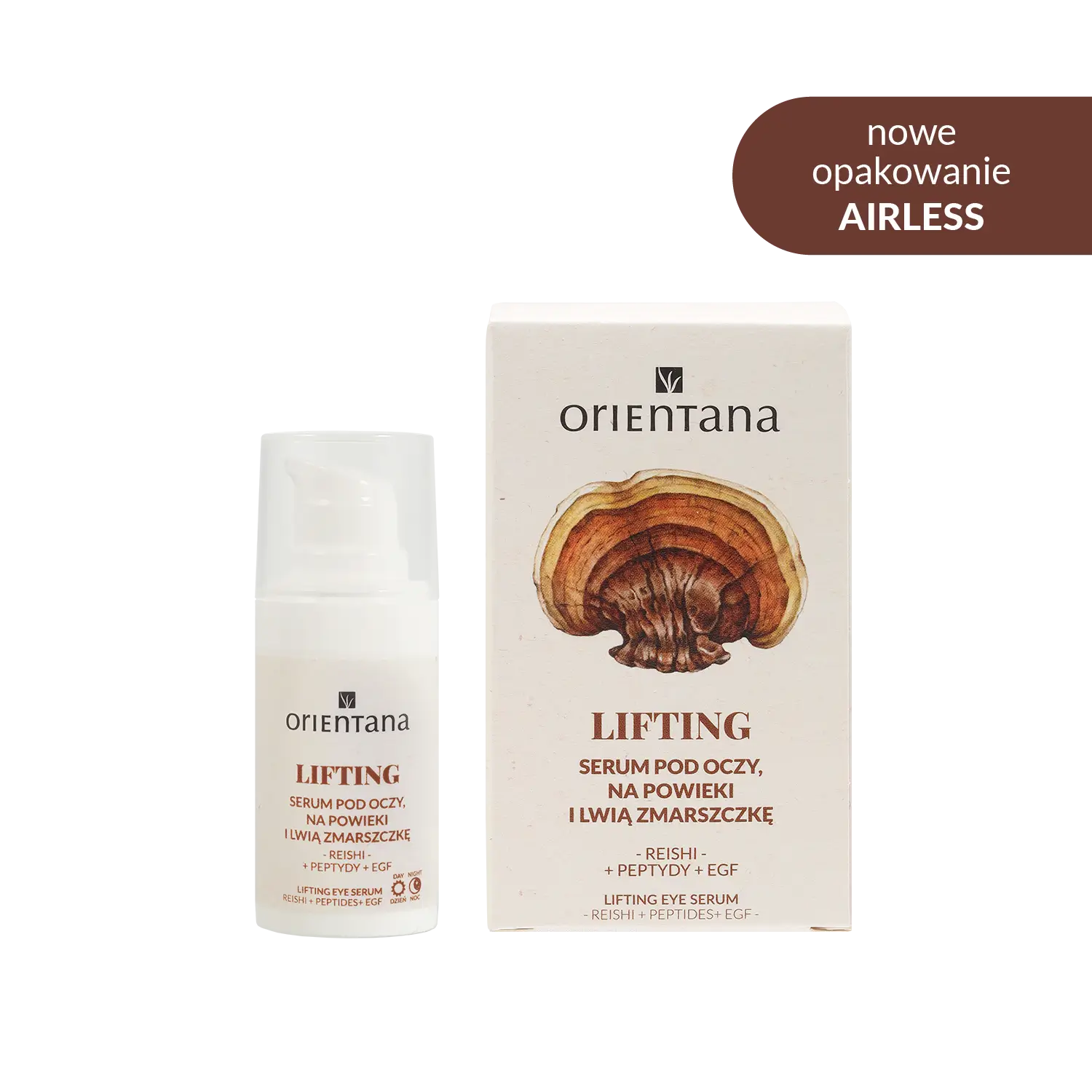
What are biomimetic peptides? Biomimetic peptides are short chains of amino acids that mimic natural biological signals found in human skin. Their task is not to "act superficially" but to communicate with skin cells - exactly as the body does in regeneration, healing, and remodeling processes. In cosmetology, biomimetic peptides are often referred to as "intelligent active ingredients" because they do not act randomly - they send specific signals to fibroblasts, keratinocytes, and extracellular matrix cells. Why are biomimetic peptides a breakthrough in skincare? Classic anti-aging ingredients like collagen or elastin cannot penetrate deep into the skin in their unchanged form. Biomimetic peptides solve this problem because: they are small and biocompatible with the skin, they act signaling, not structurally, they trigger the skin's own repair processes. This is why biomimetic peptides are now the foundation of regenerative cosmetology, anti-aging, and longevity skin care. If you want to learn more about the full guide to the action of peptides in skincare, see: Peptides in cosmetics - how they work and how to choose the right care How do biomimetic peptides work on the skin? The mechanism of action of biomimetic peptides can be compared to instructions sent to skin cells. After applying the cosmetic, the peptide: Is recognized by cell receptors Activates a specific biological pathway Stimulates the skin to produce its own structural proteins Depending on the type of peptide, the effect may include: increased synthesis of type I and III collagen, improved intercellular communication, reduction of muscle micro-tensions, acceleration of epidermal barrier regeneration. Mechanism of action of biomimetic peptides in the skin Biomimetic peptides are recognized by skin cell receptors as "known signals." After applying the cosmetic, specific metabolic pathways are activated, stimulating regeneration and tissue remodeling processes. The skin begins to function more effectively: its density increases, firmness and elasticity improve, and the epidermal structure is strengthened. This action is utilized by Orientana lifting cream with microalgae collagen, biomimetic peptides, and caffeine, in which peptides act as signaling agents, supporting the natural production of collagen in the skin. Collagen from microalgae provides additional support for skin hydration and comfort, while caffeine improves microcirculation and visual firmness, resulting in a firmer, more rested complexion. Types of biomimetic peptides used in cosmetics Signaling peptides Stimulate fibroblasts to produce collagen, elastin, and hyaluronic acid. They are crucial in the care of mature skin and skin with signs of photoaging. Neuroactive peptides Act on neuromuscular junctions, gently relaxing skin micro-contractions. Often compared to "cosmetic Botox," although they act much more subtly and without a mask-like effect. Regenerative peptides Support repair processes, healing of micro-damages, and restoration of the hydrolipid barrier. Particularly valuable in the care of sensitive skin and after treatments. Biomimetic peptides vs. collagen - what's the difference? This is one of the most frequently asked questions in cosmetology salons. Collagen in cosmetics: mainly acts moisturizingly and protectively on the skin surface, does not directly stimulate fibroblasts. Biomimetic peptides: instruct the skin to produce collagen itself, act at the cellular communication level, result in a long-term improvement in skin structure. Biomimetic Peptides and Collagen - Different Roles, Common Goal Topically applied collagen does not penetrate into the deeper layers of the skin in an unchanged form. Its role in cosmetics is mainly moisturizing and protective. Biomimetic peptides work completely differently; they are information for the skin to initiate its own collagen synthesis mechanisms. For this reason, modern anti-aging formulas increasingly combine plant-based or biotechnological collagen with biomimetic peptides. This strategy simultaneously improves skin comfort and supports its internal structural reconstruction. Who are cosmetics with biomimetic peptides best for? Biomimetic peptides are physiological and well-tolerated ingredients, making them suitable for most skin types, especially when: first mimic wrinkles appear, skin loses firmness and elasticity, there is a tired, "flat" appearance of the skin, the hydrolipid barrier is weakened, skin requires regeneration after stress, sun exposure, or treatments. Biomimetic peptides in the care of stressed and mature skin One of the greatest advantages of biomimetic peptides is their high biological tolerance. They are non-irritating, non-exfoliating, and do not disrupt the hydrolipid barrier. Thanks to this, they are excellent for the care of sensitive, reactive, and mature skin. In cosmetological practice, they are often combined with adaptogens and antioxidants to simultaneously support skin regeneration and its resistance to oxidative stress. An example of this approach is Orientana Ashwagandha + biomimetic peptides + coenzyme Q10 serum, where peptides activate repair processes, ashwagandha strengthens the skin's resistance to environmental stress, and coenzyme Q10 protects cells from free radicals and supports their energy metabolism. The action of biomimetic peptides in the delicate eye area The skin around the eyes is particularly susceptible to collagen loss, dehydration, and muscle micro-tensions. Biomimetic peptides are extremely valuable in this area because they have a strengthening and regenerating effect, without the risk of irritation. In eye area care, they are often combined with mushroom adaptogens, which support skin regeneration and balance. This philosophy is represented by Orientana Reishi eye and eyelid serum, in which biomimetic peptides support the reconstruction of thin skin structure, and reishi has a soothing and protective effect, improving the elasticity and appearance of the tired eye area. Biomimetic Peptides - Intelligent Ingredients for Modern Skincare Biomimetic peptides are among the most important active ingredients in modern regenerative and anti-aging cosmetology. These are short amino acid chains designed to mimic natural biological signals present in human skin. Their task is not superficial action, but communication with skin cells and triggering repair processes. Unlike many classic anti-aging ingredients, biomimetic peptides do not mask the signs of aging. They work at the root, activating fibroblasts responsible for the synthesis of collagen, elastin, and other components of the extracellular matrix. Thanks to this, the improvement in skin quality is gradual, biological, and long-term. Are biomimetic peptides safe? Yes. Biomimetic peptides are among the best-researched active ingredients in modern cosmetology. Their safety stems from the fact that: they are biocompatible with the skin, they do not cause irritation, they do not cause photosensitization, they can be used year-round. Therefore, they are increasingly appearing in cosmetics for sensitive and mature skin. Biomimetic peptides in Orientana cosmetics – the philosophy of action In modern Orientana formulas, biomimetic peptides are combined with active plant ingredients, adaptogens, and extracts that support the skin's microbiome. This synergy allows to: strengthen natural regeneration processes, act anti-aging without aggressive stimulation, support the skin long-term, not just as a temporary measure. This approach aligns with the trend of skin longevity, where skincare aims to support the skin in maintaining its natural biological functions. Most frequent questions about biomimetic peptides Do biomimetic peptides really work?Yes, their effectiveness has been confirmed in numerous in vitro and in vivo studies, particularly in stimulating collagen and improving skin firmness. How long does it take to see results from using biomimetic peptides?Initial smoothing effects may appear after a few weeks, but skin remodeling is a long-term process – usually 8–12 weeks of regular use. Can biomimetic peptides replace retinol?They do not work in the same way. Biomimetic peptides do not exfoliate or irritate the skin, making them a good alternative for those who cannot tolerate retinoids. Can biomimetic peptides be combined with vitamin C?Yes, this is one of the most recommended combinations in anti-aging skincare. Are biomimetic peptides suitable for sensitive skin?Yes, they are among the best-tolerated active ingredients in cosmetology. Do biomimetic peptides work on mimic wrinkles?Some neuroactive peptides can reduce the appearance of mimic wrinkles by limiting muscle micro-contractions. Why are biomimetic peptides considered "intelligent" cosmetic ingredients? Because they do not act mechanically or superficially, but biologically. Biomimetic peptides are designed to mimic natural amino acid sequences present in the skin, which are responsible for regeneration, collagen synthesis, and intercellular communication. From the skin's perspective, they are not a "foreign body," but a clear biological signal: "initiate the repair process" or "strengthen skin structure". How exactly do biomimetic peptides work at the cellular level? After application to the skin, biomimetic peptides: bind to receptors on the cell surface, activate fibroblasts responsible for collagen and elastin production, affect the extracellular matrix, improve skin density and elasticity. Therefore, the effect of their use is not just temporary smoothing, but gradual improvement in skin quality. Do biomimetic peptides really stimulate collagen? Yes, but understanding how is key. Biomimetic peptides are not collagen, but a signal for the skin to produce it itself. This is a fundamental difference compared to cosmetics containing collagen, which primarily acts as a moisturizer on the epidermis surface. In practice, this means that cosmetics with biomimetic peptides - such asOrientana lifting cream with microalgae collagen, biomimetic peptides, and caffeine - support internal skin remodeling, not just its temporary smoothing. Why are biomimetic peptides a better choice for mature skin than collagen alone? Mature skin does not need more collagen on the surface, but a biological impulse for its synthesis. Biomimetic peptides: activate fibroblasts, support skin density, improve firmness and tone. Therefore, in anti-aging care, formulas that combine biomimetic peptides with other active ingredients – such as in lifting creams or regenerating serums – are more frequently used. Can biomimetic peptides have anti-wrinkle effects without irritation? Yes, and that's one of their greatest advantages. Biomimetic peptides do not exfoliate the skin, do not aggressively accelerate its renewal, and do not disrupt the hydrolipid barrier. Thanks to this: they are well tolerated by sensitive skin, they can be used year-round, they are also effective for reactive complexions. Therefore, they are often combined with adaptogens, e.g., in Orientana Ashwagandha + biomimetic peptides + coenzyme Q10 serum, where in addition to anti-aging effects, there is also support for skin's resistance to oxidative stress. How do biomimetic peptides affect mimic wrinkles? Some biomimetic peptides have a neuroactive character – they act on neuromuscular transmission in the skin. As a result, they can: reduce muscle micro-tensions, gently smooth mimic wrinkles, improve skin appearance without a "frozen" effect. This action is particularly desirable in the care of the eye area, where the skin is thin and very reactive. Why does the eye area respond so well to biomimetic peptides? Because the skin around the eyes: has fewer sebaceous glands, loses collagen faster, is susceptible to oxidative stress and micro-tensions. Biomimetic peptides in this area act as signaling and regenerating agents, which is why they are often combined with adaptogens and soothing ingredients. An example is Orientana Reishi eye and eyelid serum, which supports: regeneration of thin skin, reduction of signs of fatigue, improvement of eyelid elasticity. Do biomimetic peptides work immediately? Not in a biological sense. Initial effects, such as smoothing or improved skin tone, may be noticeable relatively quickly, but true skin remodeling takes time. Biomimetic peptides work: gradually, cumulatively, long-term. These are ingredients for people who think about skincare in terms of skin longevity, not immediate effects. Can biomimetic peptides be combined with other active ingredients? Yes, and it's even recommended. Biomimetic peptides work very well with: antioxidants (e.g., coenzyme Q10), plant adaptogens, ingredients that support the skin barrier. Such combinations enhance the regenerative and anti-aging effect without the risk of overloading the skin. Who should use cosmetics with biomimetic peptides? Cosmetics with biomimetic peptides are especially recommended for people who: notice the first signs of aging, have skin tired from stress and environmental factors, do not tolerate retinol or acids, are looking for effective yet gentle anti-aging care. Biomimetic peptides are advanced active ingredients that mimic the skin's natural biological signals, supporting its regeneration, firmness, and long-term quality. They work without irritation, are biocompatible, and perfectly fit into a modern approach to anti-aging care. Why are biomimetic peptides worth reaching for? Biomimetic peptides are one of the most important directions in the development of modern cosmetology. They do not mask skin problems, but activate its natural regenerative abilities, thanks to which: they improve skin quality at its foundation, they act long-term and safely, they align with the trend of conscious, intelligent skincare. This is why they are now the foundation of advanced anti-aging and skin longevity formulas. Bibliography Schagen, S. K. (2017).Topical peptide treatments with effective anti-aging results.Cosmetics, 4(2), 16.→ a review confirming that biomimetic peptides act as biological signals, stimulating fibroblasts and improving skin firmness. Katayama, K. et al. (1993).A pentapeptide from type I procollagen promotes extracellular matrix production.Journal of Biological Chemistry, 268(14), 9941–9944.→ a fundamental study showing that a short peptide can stimulate the skin to produce its own collagen (biological basis of biomimetic peptides).
Learn more
Sesame oil - properties and applications in modern skin and hair care
For thousands of years, sesame oil has been recognized as one of the most valuable plant-based oils in skincare. In Ayurveda, it serves as a base oil—protective, regenerating, and strengthening the skin's natural barrier. Today, its unique properties are also utilized in modern natural cosmetics, combining traditional herbal knowledge with current cosmetology. What are the most important properties of sesame oil, why is it so effective in facial, body, and hair care, and in which cosmetics should you look for it? If you are interested in conscious skincare based on natural ingredients, in our natural cosmetics section, you will find practical tips and inspirations tailored to various skin needs. Sesame Oil - Properties Confirmed in Skincare Strengthening the Hydrolipidic Barrier One of the key properties of sesame oil is its ability to support the skin's hydrolipidic barrier. Thanks to its high content of unsaturated fatty acids, it: reduces transepidermal water loss, protects the skin from dryness, improves skin elasticity and softness. This is why sesame oil is one of the foundations of Orientana's Ayurvedic cosmetic recipes, especially in products designed for daily care of skin requiring protection and balance. Strong Antioxidant Properties Sesame oil contains unique lignans - sesamol and sesamin, which exhibit strong antioxidant activity. This means it: neutralizes free radicals, protects the skin from oxidative stress, supports the prevention of premature aging. In Orientana cosmetics, sesame oil is often combined with other plant ingredients and adaptogens, which enhances its protective and regenerative effects. Sesame Oil - Properties in Facial Care Why is Sesame Oil Good for Facial Skin? In facial care, sesame oil is particularly effective for people with: dry skin, normal skin, mature skin, skin weakened by external factors. It acts as a natural emollient that softens the skin, smooths it, and improves comfort, without a feeling of tightness. In Orientana cosmetics, sesame oil is used not as a "pure oil" but as an element of a well-balanced formula, thus not weighing down the skin and supporting its natural regenerative mechanisms. Sesame Oil and Sensitive and Reactive Skin Thanks to its soothing and protective properties, sesame oil is often used in the care of sensitive skin. It helps to: reduce feelings of discomfort, strengthen the skin's resistance to external factors, improve the overall condition of the epidermis. This is particularly important during periods such as winter, intense heating, or exposure to wind. Sesame Oil - Properties in Body Care Ayurvedic Body Oiling Ritual In Ayurveda, sesame oil is the basis of the abhyanga ritual, which is an oil massage of the body. Its properties make it: spread perfectly on the skin, create a protective layer, support skin regeneration and elasticity. Orientana cosmetics with sesame oil refer to this tradition, offering products that can be used for daily care as well as relaxing beauty rituals at home. Sesame Oil for Dry and Rough Skin One of the most valued properties of sesame oil is its effectiveness in caring for very dry skin. Regular use of cosmetics with this oil: reduces skin roughness, improves its smoothness, protects against excessive dryness. Therefore, sesame oil often appears in Orientana's Ayurvedic body cosmetics, intended for the care of demanding skin. Sesame Oil - Properties for Hair Hair Protection and Smoothing In hair care, sesame oil exhibits properties that are: smoothing, protective, safeguarding against moisture loss. Used in hair cosmetics, it helps to improve hair condition, especially when it is dry, dull, or weakened by external factors. Sesame Oil and Scalp In properly formulated recipes, sesame oil also supports scalp comfort, especially when accompanied by a feeling of dryness or tension. Its action is based on supporting the natural balance of the skin, rather than weighing it down. Sesame Oil in Orientana Cosmetics - A Combination of Ayurveda and Modern Cosmetology Orientana cosmetics with sesame oil are based on an Ayurvedic approach to care, but are developed in accordance with modern cosmetology standards. Sesame oil: serves as a carrier for plant extracts, supports the action of other active ingredients, improves the skin's tolerance to cosmetics. As a result, products from this line are suitable for regular use and meet the real needs of the skin. Questions about Sesame Oil and its Properties What properties does sesame oil have in cosmetics?Sesame oil has moisturizing, regenerating, antioxidant, and skin barrier protective effects. Is sesame oil suitable for facial care?Yes, especially in the form of cosmetics with a well-balanced composition. Is sesame oil good for dry skin?Yes, it is one of the oils most often recommended for dry and dehydrated skin. Does sesame oil have anti-aging effects?Thanks to lignans, it supports skin protection against oxidative stress. Can sesame oil be used in winter?Yes, its protective properties are particularly valuable in low temperatures. Why is sesame oil important in Ayurveda?It is considered a strengthening, protective oil that supports skin balance. Summary Sesame oil - its properties make it one of the most versatile plant ingredients in skincare. It protects the skin barrier, supports regeneration, and has antioxidant effects. In Orientana cosmetics, it forms the foundation of Ayurvedic recipes, combining traditional knowledge with modern cosmetology. Read also: Massage oils - the effectiveness of Ayurveda
Learn more