
The skin around the eyes is the most delicate and demanding area on the face. It's here that signs of aging first appear: fine lines, crow's feet, puffiness, and dark circles. The thin, sebaceous-free skin in this area requires special care and active ingredients that will work precisely and effectively.
Eye peptides are one of the most groundbreaking discoveries in cosmetic dermatology in recent years. These tiny molecules can penetrate deep into the skin's structures, stimulating natural regeneration and rejuvenation processes. Unlike many other active ingredients, peptides are gentle, non-irritating to the sensitive eye area, yet deliver tangible results comparable to aesthetic treatments.
In this article, you will learn everything about peptides in eye care – how they work, which peptides are most effective, how to use them, and what to pay attention to when choosing a cosmetic.
Learn more about peptides in cosmetics and their effectiveness.
How do peptides work on the skin under the eyes?
Peptides are short chains of amino acids that are the building blocks of proteins in our skin. They consist of 2 to 50 amino acids linked by peptide bonds. Although they are relatively small molecules, they have an extraordinary power to influence processes occurring in the skin.
In the context of eye care, peptides act as signaling molecules. They act as messengers , communicating with skin cells and instructing them to produce more collagen, elastin, and hyaluronic acid. This is especially important around the eyes, where production of these substances dramatically declines with age.
The skin around the eyes is up to ten times thinner than the skin on the rest of the face. It lacks sebaceous glands, loses moisture more quickly, and is more vulnerable to external factors. Furthermore, it's an area of intense facial expression—we blink about 10,000 times a day, which contributes to the formation of dynamic wrinkles.
Eye peptides address these issues on multiple levels. Their small molecule size allows them to penetrate the epidermal barrier and reach deeper layers of the skin, where they stimulate fibroblasts to produce new collagen. Some peptides act as natural alternatives to Botox, relaxing muscle tension and reducing expression lines.
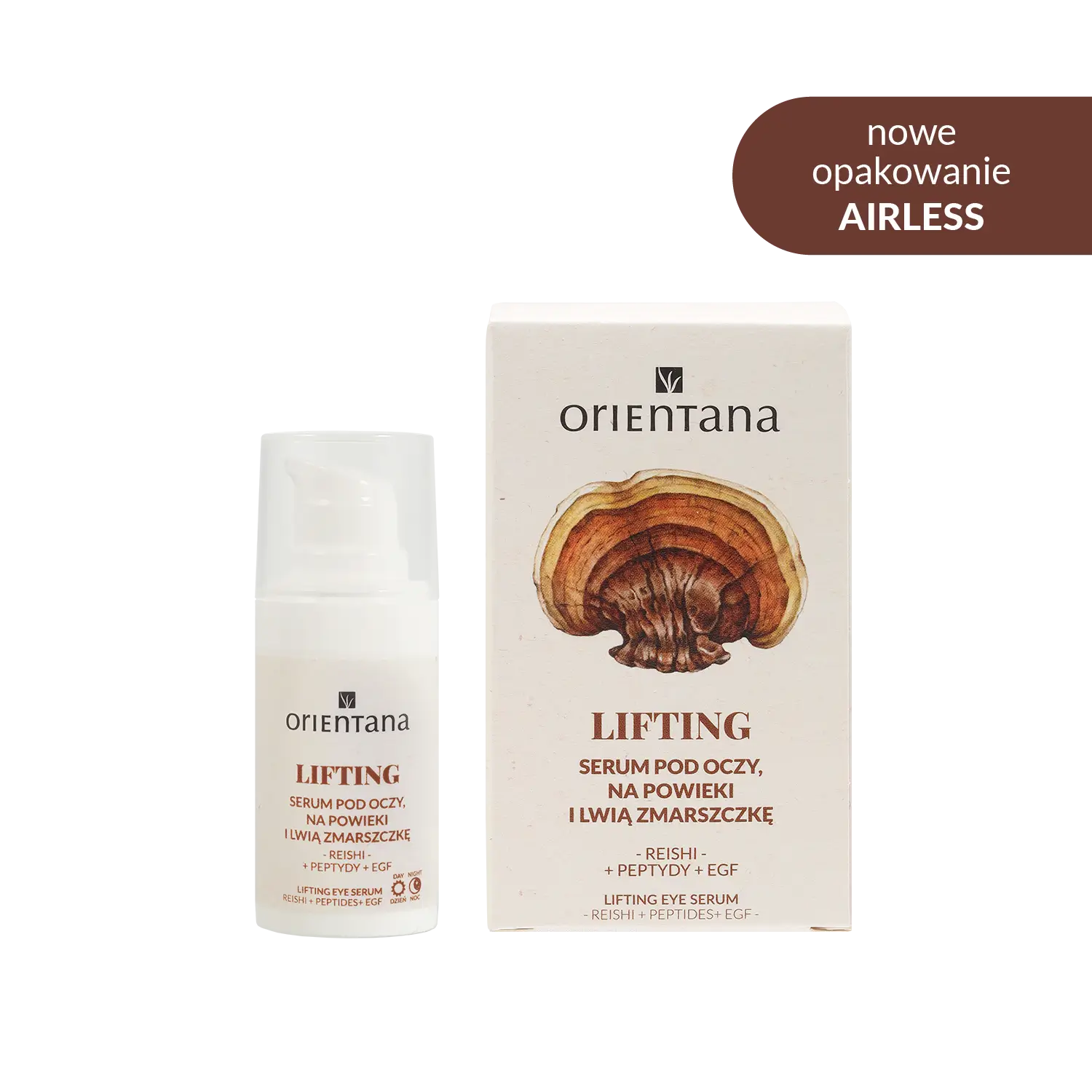
Reishi series with serum for under eyes, eyelids and lion's wrinkle:

Benefits of using peptides under the eyes
Reduction of facial wrinkles
Eye peptides are particularly effective in combating dynamic wrinkles—those resulting from repetitive muscle movements. Crow's feet, eyelid wrinkles , and frown lines are typical areas where peptides are most effective.
Firming and lifting effect
With age, skin loses elasticity, and eyelids begin to sag. Peptides that stimulate collagen and elastin synthesis help restore skin firmness and elasticity. Peptide complexes increase the production of six types of collagen and fibronectin, a protein responsible for skin structure.
The firming effect is particularly visible on the upper eyelids , where skin tends to sag. Regular use of peptides under the eyes helps rebuild the skin's structure from within, resulting in a more rested and youthful appearance.
Reduction of dark circles and puffiness
Dark circles and puffiness under the eyes are a problem that many people struggle with. Peptides that improve microcirculation help reduce lymphatic congestion and strengthen blood vessel walls. Improved circulation means faster toxin removal and a reduction in the appearance of dark circles.
Some peptides also have brightening properties, inhibiting the production of melanin, which causes discoloration. This comprehensive approach leaves the eyes feeling fresher and more awake.
Intensive hydration and regeneration
Eye peptides often work synergistically with other moisturizing ingredients, such as hyaluronic acid or caffeine. Signal peptides stimulate the production of natural moisturizing factors in the skin, resulting in long-lasting hydration and a better protective barrier.
The regenerative properties of peptides help the skin renew damaged cells faster and better cope with oxidative stress. This is especially important around the eyes, where the skin is exposed to UV radiation and pollution.
Check if you really need eye patches .
What peptides are effective under the eyes?
Modern cosmetics often contain complexes of several different peptides that work synergistically. Low-molecular-weight oligopeptides easily penetrate the skin and can mimic the effects of natural signaling peptides in the body.
0ligopeptide-1
Oligopeptide-1 , also known as EGF ( Epidermal Growth Factor ), is a biomimetic signaling peptide that mimics the action of a natural growth factor found in the skin. Its primary role is to stimulate fibroblasts to produce collagen, elastin, and glycosaminoglycans, thereby supporting regenerative processes, accelerating the healing of microdamages, and improving skin density.
EGF acts as a "repair manual," signaling cells to accelerate their renewal, which translates into smoothing wrinkles, improving elasticity, and evening out skin texture. This peptide is particularly valued in anti-aging skincare and in products designed to rebuild the hydrolipid barrier after cosmetic treatments.
How to use peptide eye serum?
When to use a product with peptides?
It's best to use this peptide eye serum twice a day—morning and evening . Morning application prepares the skin for external factors and provides an excellent base for makeup. Evening use supports the natural regeneration processes that occur during sleep.
If you're new to peptides, you can start with one application per day (in the evening) and observe how your skin reacts. Most people don't experience irritation, but it's always a good idea to introduce new ingredients gradually.
Application technique
Correct application of peptide serum is crucial to achieving optimal results:
1. Start by thoroughly cleansing your face and drying your skin.
2. Apply a small amount of serum (the size of a grain of rice) to the tip of your ring finger - this is the most delicate finger that applies the least pressure.
3. Gently blend the product around the eyes, starting from the inner corner and moving along the orbital bone.
4. Pat the serum in with gentle movements, never rubbing or pulling the skin.
5. Remember about the upper eyelid and the area between the eyebrows (lion's wrinkle) if you have wrinkles there.
6. Wait about 2-3 minutes for the serum to absorb before applying further products.
How long to wait for results?
Eye peptides don't work immediately; they're not a magic wand, but an active ingredient that works at the cellular level. You may notice the first effects, such as improved hydration and radiance, after just one week of use.
Visible wrinkle reduction and skin firming typically occur after 4-8 weeks of regular use. Full anti-aging effects develop after 12 weeks, once the skin has had time to produce new collagen and renew its structure.
The key to success is consistency . Peptides must be supplied regularly to maintain stimulation of regenerative processes.
What to combine peptides with?
Eye peptides work perfectly with many other active ingredients:
- Hyaluronic acid - intensely moisturizes and enhances the smoothing effect of peptides
- Vitamin C - brightens dark circles under the eyes and protects against oxidative stress
- Niacinamide - strengthens the skin's protective barrier and lightens discolorations
- Caffeine - reduces swelling and improves microcirculation
- Arnica extract - soothes irritations and reduces bruising
Be careful combining peptides with strong retinoids in the same routine, as they can be too irritating for the delicate eye area. If you use retinol, it's best to use it on different areas of your face or at different times of day.
Common mistakes when using peptides
Avoid these pitfalls to maximize the effectiveness of peptides:
- Using too much product - more is not better, excess may run into the eyes and cause irritation
Rubbing instead of patting - this can damage delicate skin - Applying too close to the lash line - leave a 0.5 cm margin to avoid contact with the eyes
- Lack of patience - discontinuing use after 2 weeks will not allow you to achieve results
What should you pay attention to when choosing an eye peptide serum?
Supportive active ingredients
The best peptide eye serum is a formula that combines the power of peptides with other active ingredients:
Caffeine - reduces swelling and improves circulation
Centella asiatica extract - a strong antioxidant that protects against aging
Adaptogens - strengthen the skin's protective barrier
Vitamin E - nourishes and protects against free radicals
An example of a product combining the effectiveness of peptides with natural ingredients is the Orientana Eye and Eyelid Serum with Reishi and Peptides . The formula contains Oligopeptide-1 EGF , which is highly effective in anti-aging care. It also includes caffeine, pennywort, ginkgo biloba, and reishi mushroom – adaptogens with proven anti-wrinkle and antioxidant properties.

What makes this serum stand out? It works comprehensively on the entire eye area: reducing under-eye wrinkles and crow's feet, firming the eyelids, lifting the upper eyelid, and smoothing the frown line between the eyebrows. The lightweight formula absorbs quickly without weighing down delicate skin. It's a perfect example of the synergy between modern peptide science and the philosophy of natural skincare.
Consistency and texture
Eye creams should have a light, easily absorbed texture: Avoid heavy, greasy creams, which can cause puffiness in the morning. On the other hand, formulas that are too light may not provide sufficient hydration for dry skin.
Orientana peptide eye serum has a light but emulsion formula, contains mica and also has a brightening effect.
Packaging that protects the active ingredients
Peptides are relatively stable ingredients, but they can degrade when exposed to light and air. Dark glass or opaque plastic are best. Avoid products in jars, which expose the peptides to oxidation each time they are opened.
Eye peptides - for whom?
Age and the first signs of aging
Many people wonder when to start using peptides under their eyes. The truth is, it's never too early for prevention:
20-25 years old - if you have expressive facial expressions or the first crow's feet, a gentle serum with peptides can help prevent wrinkles from getting deeper
25-35 years - the optimal time to start regular peptide care as a preventive measure
35-45 years - peptides become an essential element of anti-wrinkle care
45+ years - Intensive peptide complexes help correct advanced signs of aging
Specific skin problems
Eye peptides are especially recommended if you struggle with:
- Mimic wrinkles (crow's feet, lion's wrinkle)
- Drooping eyelids
- Loss of firmness and elasticity
- Dark circles under the eyes caused by poor microcirculation
- Swelling and bags under the eyes
- An overall tired appearance around the eyes
Peptides vs. Other Anti-Wrinkle Ingredients
Peptides vs retinol
Retinol (vitamin A) is the gold standard in anti-aging care, but it has its limitations:
Retinol
- Very effective, but may irritate sensitive skin around the eyes.
- Requires caution - photosensitivity, possible irritation
- Not recommended during pregnancy and breastfeeding
- Effects visible after 12+ weeks
Peptides
- Gentle for the sensitive eye area
- Safe for most people, including pregnant women
- They do not cause photosensitivity
- They work synergistically with other ingredients
Verdict: Peptides are an excellent alternative for those who don't tolerate retinol around the eyes. You can also combine both ingredients—retinol for the face and peptides for the eye area.
Another alternative is plant-based retinol - it can be used during pregnancy, does not irritate, and does not cause photosensitivity.
Peptides vs Vitamin C
Vitamin C is a powerful antioxidant, but it has a different mechanism of action:
Vitamin C
- Brightens discolorations and dark circles
- Protects against free radicals
- Stimulates collagen production, but less than peptides
- May be irritating in high concentrations.
Vitamin C and peptides complement each other perfectly. The ideal combination is vitamin C in the morning (protection) and peptides in the evening (regeneration).
Peptides vs hyaluronic acid
Hyaluronic acid is the king of hydration, but it works differently than peptides:
Hyaluronic acid
- Intensively moisturizes
- Fills wrinkles from the inside
- Immediate smoothing effect
- Does not stimulate collagen production
This is the perfect pair of ingredients that should work together. Hyaluronic acid provides immediate hydration, while peptides work for the future.
When to combine ingredients?
You can confidently combine peptides with:
- Hyaluronic acid (in the same product)
- Niacinamide (strengthens the barrier)
- Vitamin C (peptides in the morning, vitamin C in the evening or vice versa)
- Ceramides (complement each other)
Combine carefully with:
- Retinoids around the eyes (risk of irritation)
- Strong AHA/BHA acids (may weaken the effect of peptides)
Frequently asked questions about eye peptides
Are eye peptides safe?
Yes, peptides are among the safest active ingredients in cosmetics. They are natural compounds found in the body, so the skin recognizes and tolerates them perfectly. Unlike retinol or acids, peptides do not cause irritation, redness, or flaking.
They can be used by people with sensitive skin, pregnant women, and breastfeeding mothers. Allergic reactions are very rare, but it's always worth testing on a small area of skin before first use.
How fast do eye peptides work?
Peptides don't work immediately like Botox, but their effects are long-lasting and natural. You may notice the first changes, such as improved hydration and radiance, after just one week. Wrinkle reduction and skin firming are noticeable after 4-8 weeks of regular use.
The full effects develop after 8-12 weeks, once the skin has had time to produce new collagen. The key to success is consistency – peptides must be applied regularly, twice daily.
Can peptides be used during pregnancy and breastfeeding?
Yes, peptides are safe during pregnancy and breastfeeding. They're one of the few active ingredients with proven anti-wrinkle effectiveness that you can safely use during this period.
Unlike retinoids, which are contraindicated during pregnancy, peptides pose no risk to the fetus. They are an excellent alternative for women who want to continue effective anti-aging skincare during pregnancy.
Can peptides cause irritation?
Peptides are among the gentlest active ingredients and rarely cause irritation. They are suitable for even the most sensitive skin around the eyes. Unlike retinol or acids, they do not cause redness, itching, or flaking.
However, if you notice any discomfort after using a peptide serum, it may be due to other ingredients in the formula, such as fragrances or preservatives. In this case, discontinue use and look for a product with simpler ingredients.
Remember
Eye peptides are a true revolution in anti-aging care. These small but powerful molecules can:
- Effectively reduce facial wrinkles, including crow's feet and frown lines
- Firm and lift drooping eyelids
- Reduce dark circles and puffiness under the eyes
- Stimulate the production of collagen and elastin
- Intensively moisturize and regenerate delicate skin
Unlike many other active ingredients, peptides work gently and safely, making them an ideal solution for the sensitive eye area. They can be used at any age – both preventatively and for corrective purposes.
The key to success is choosing a product with proven ingredients, regular use, and patience. Peptides work at the cellular level, rebuilding the skin's structure from within, so the results develop gradually, but are long-lasting and natural.
If you're looking for an effective alternative to invasive aesthetic treatments, a peptide eye serum is a worthwhile option. Your skin will be strengthened, rejuvenated, and truly nourished—from the inside out.
Other Orientana cosmetics with peptides. Check them out: