Tea tree oil is one of the most well-known natural ingredients with antibacterial and anti-inflammatory properties. It is used in acne-prone skin care, aromatherapy, and even scalp care. Although it is a natural raw material, this does not mean that it can be used without restrictions - quite the opposite.
The European Union strictly regulates the use of tea tree oil in cosmetics, as it contains compounds that can be irritating or sensitizing if used improperly. Therefore, it is important to know the rules of safe use and understand what a compliant product should look like.
What is tea tree oil?
Tea tree oil (Melaleuca Alternifolia Leaf Oil) is an essence distilled from the leaves of the Australian tea tree. Its potency results from a high content of terpenes, including terpinen-4-ol – a key ingredient with antibacterial and anti-inflammatory properties.
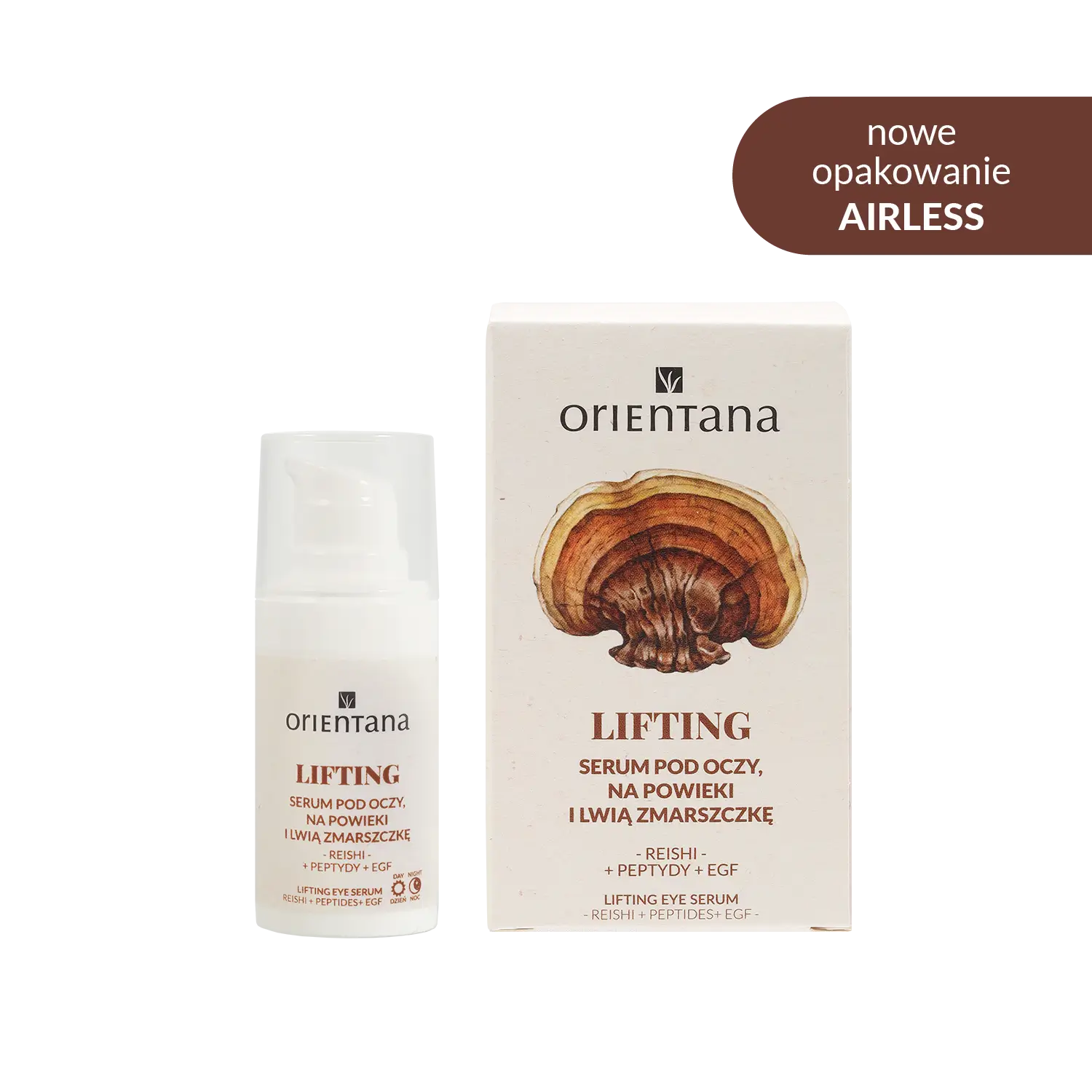
Alternative to tea tree oil:

Why does the European Union regulate tea tree oil?
This is the most important element that many articles do not mention.
Tea tree oil is regulated by the EU because:
- it contains natural allergens (e.g., limonene, linalool), which must be listed on the label,
- it can be irritating in high concentrations,
- it can oxidize, which increases the risk of irritation,
- it requires specific concentration limits depending on the cosmetic category,
- it must meet purity standards in accordance with IFRA regulations and Regulation 1223/2009.
The EU also imposes the obligation to apply appropriate warnings, e.g.,
- that the oil should not be used undiluted on the skin,
- that it should be protected from light and air.
Thanks to this, "natural" does not mean "without restrictions" - safety always depends on the concentration, quality of the raw material, and the method of its introduction to the market.
Tea tree oil and European Union regulations - latest findings and possible restrictions
Tea tree oil is not currently banned in the European Union, but it is under strict observation by regulators and may be subject to additional restrictions. This is due to the fact that the Risk Assessment Committee (RAC) has classified it as a substance with potential reproductive toxicity (Repr. 2). This decision may initiate changes in cosmetic law and in the permissible concentrations at which the oil may be used in products available on the market.
What is currently happening?
Hazard classification
In 2023, the European agency ECHA classified tea tree oil as a potentially harmful ingredient for reproduction. This does not mean an automatic ban on use, but it triggers a process that may lead to the introduction of regulations under CLP and Regulation 1223/2009 concerning cosmetics.
Current legal status
At the moment, there is no ban, but there is a real possibility that the oil will be added to the list of restricted substances. This would mean the need to comply with strict limits on its use in cosmetics.
SCCS Opinion
The Scientific Committee on Consumer Safety (SCCS) has issued an opinion on the safe concentrations of tea tree oil in cosmetics. According to it:
- up to 2% in rinse-off products,
- up to 1% in gels,
- up to 0.1% in creams
the oil can be used safely, provided that its chemical composition is controlled for quality and stability.
This is important because the oil oxidizes easily, and oxidized products can be more irritating, which is why purity standards are crucial.
What might happen in the future?
If restrictions are formally introduced, cosmetic manufacturers will have a specified time to adapt:
- reformulate recipes,
- reduce the concentration of the oil,
- withdraw non-compliant products.
However, this does not mean the complete disappearance of tea tree oil from the market. Regulations aim to ensure its safe use, not to eliminate the ingredient.
How does tea tree oil work?
Antibacterial action
It inhibits the growth of bacteria, including Cutibacterium acnes, which is why it is often used in anti-acne products.
Anti-inflammatory action
Reduces redness and soothes inflammatory lesions.
Antifungal action
It is used in scalp preparations, e.g., for dandruff and yeast-like lesions.
Cleansing and refreshing skin
Used in toners, facial cleansers, and spot treatments for imperfections.
Alternative to tea tree oil:

Application of tea tree oil
- acne-prone skin care,
- spot treatment for imperfections,
- scalp care (especially oily and problematic),
- natural air fresheners,
-
foot hygiene support.
Safety - how to use tea tree oil in accordance with EU recommendations?
The oil must always be properly diluted
"Pure 100% oil" products should not be applied directly to the skin.
Proper storage
After oxidation, the oil becomes more irritating – therefore, it should be kept sealed and away from light.
Allergen information on the label
By law, the manufacturer must list natural allergens present in the oil.
Appropriate concentrations
Lower concentrations are used in leave-on products than in rinse-off products – in accordance with IFRA regulations and EU regulations.
Avoid use during pregnancy or in children without consultation
This also stems from safety restrictions.
Most frequent questions about tea tree oil
Can tea tree oil be applied directly to the skin?
No. The EU advises against using undiluted oil due to the risk of irritation.
Is tea tree oil natural?
Yes, but "natural" does not mean "arbitrary" – the ingredient is subject to IFRA standards and EU regulations.
Why are there warnings on the label?
Because the oil contains allergens and substances that can be irritating in too high a concentration.
Does tea tree oil work for acne?
Yes, its antibacterial properties make it one of the most commonly used ingredients in problematic skin care.
Is it a vegan ingredient?
Yes, it comes from plants.
Remember
Tea tree oil is a powerful natural ingredient with wide application, especially in acne-prone and oily skin care. However, its potency goes hand in hand with the need for caution, which is why it is strictly regulated by the European Union. This means the obligation to use appropriate concentrations, allergen labeling, and adherence to safety rules.
Awareness of these regulations helps in choosing cosmetics that are not only effective but, above all, safe and compliant with the law.
Although tea tree oil has not yet been banned, processes are underway in the EU that may lead to restrictions on its concentrations in cosmetics. Current opinions from ECHA, RAC, and SCCS suggest the need for caution, quality control, and the use of the oil only within safe limits. It is worth monitoring the situation, as regulatory decisions may affect the production and formulation of cosmetics in the near future.