Inspirations

Fragrance mist - what is it, how does it differ from perfume and how does it affect emotions?
Fragrance mist is more than just a light fragrance. It's a form of subtle perfume that combines aromatic function with daily body and hair care. In recent years, fragrance mists have gained immense popularity, especially among those seeking a more delicate alternative to heavy, intense perfumes. But does fragrance mist work the same way as perfume? Does scent really affect emotions and well-being? And does choosing a natural mist matter for your skin? This article is a comprehensive treatment of the topic - from the neurobiology of smell to practical tips on choosing a mist. What is fragrance mist? Fragrance mist is a light, perfumed cosmetic with a lower concentration of fragrance than traditional perfume. It typically contains 1-5% fragrance, while eau de parfum contains 10-20%. Characteristic features of the fragrance mist: a more delicate aroma, shorter durability (2-4 hours), possibility of multiple applications during the day, often lower alcohol content or no alcohol at all, can be used on hair and clothes. The fragrance mist is therefore more "everyday" - less binding, fresher and easier to use. Fragrance mist and perfume - the most important differences Odor concentration Perfumes contain the highest concentration of fragrance oils. Fragrance mist – definitely less. This translates to: subtlety, shorter projection, less risk of overwhelming the environment. Durability The perfume lasts for 6-12 hours. Fragrance mists - usually 2-4 hours. But this is not a disadvantage - it is an advantage for people who like to change their scent throughout the day. -Alcohol content Many mists contain less alcohol than perfumes, and some—like Orientana mists —may be alcohol-free. This is important when applying to hair or sensitive skin. -How to use Perfume is applied topically. The mist can be sprayed freely - on the body, hair, clothes. Arabic perfumes and Ayurvedic aromas - the magic of the Orient enclosed in a scent Does scent affect emotions? Yes, and very strongly. The sense of smell is directly connected to the limbic system , the brain structure responsible for emotions, memory, and stress responses. It is the only sense that does not pass through the thalamus – the olfactory signal reaches the emotional centers almost immediately. This is why: the scent evokes memories, can instantly change your mood, affects stress levels. Research indicates that aromatherapy can lower cortisol (the stress hormone) levels, and the scent of jasmine can increase alertness and concentration. Smell works faster than sight or sound – that is why its impact on emotions is so intense. You can read more here: Smell and the limbic system - how do aromas affect emotions, memory and decisions? How does smell affect the brain? (neurobiological explanation) Fragrance molecules: they go into the nasal cavity, bind to receptors in the olfactory epithelium, the nerve impulse reaches the olfactory bulb, the signal then goes directly to the amygdala and hippocampus. The amygdala is responsible for emotional responses. Hippocampus - for memory. This is why one scent can: recall a childhood memory, evoke a feeling of security, improve concentration. Can a fragrance mist improve your mood? Yes, as long as the scent is pleasant to you. Floral scents Rose, jasmine, cherry - have a calming and relaxing effect. Woody scents Sandalwood - associated with meditation, tension reduction. Citrus scents They stimulate, increase energy and concentration. Fragrance mist can therefore have an aromatherapeutic function, especially if used consciously. aromatherapy in care How to choose a fragrance mist to suit your mood? Ask yourself: Do I need to relax? Do I want to get excited? Do I care about subtlety? Am I looking for a fragrance for the evening? For example: Japanese Sakura – subtle, floral, promotes calm. Indian jasmine – more intense, adds energy and self-confidence. Sandalwood – deep, oriental, reduces tension. the effect of the scent of sandalwood Is fragrance mist safe for hair? Yes – provided it has a gentle formula and does not contain a high concentration of alcohol. Unlike perfumes, mists: dry hair less often, can be used as a subtle "hair mist", release fragrance with every movement. How to extend the durability of fragrance mist? Apply after showering – to slightly damp skin. Apply to pulsating areas (wrists, neck). Spray on clothes as well. You can combine it with a balm with a neutral scent. Why are fragrance mists gaining popularity? The market for light fragrances is growing faster than classic perfumes. Grounds: lifestyle change (hybrid work, activity during the day), the need for freshness without being overwhelming, greater awareness of ingredients, growing interest in aromatherapy. The fragrance mist is part of the "soft fragrance" trend – a scent close to the skin. Natural fragrance mist – does it matter? More and more people pay attention to: origin of ingredients, presence of alcohol, safe for sensitive skin, can be used on hair. Natural mists inspired by Asian rituals combine fragrance with a care philosophy – it is not just a fragrance, but an element of a daily ritual. Frequently asked questions Is fragrance mist more long-lasting than perfume? No. It lasts less long, but can be applied multiple times a day. Can the mist be used in summer? Yes. The lightweight formula is especially effective in the warmer months. Does fragrance mist dry out the skin? Usually less than perfume – especially if it contains less alcohol. Can mist replace perfume? For many people, yes – especially in everyday use. Fragrance mist as part of the ritual The smell can become: morning energy signal, the evening signal of calm, an element of building self-confidence. It is a subtle tool for influencing emotions – available every day. Summary Fragrance mist is a light alternative to perfume that: works subtly, can affect mood, is safer for hair, allows you to change the scent throughout the day. If you are looking for an aroma that is not overwhelming but accompanies you naturally, a fragrance mist may be the perfect choice.
Learn more
What is a hair growth lotion? A comprehensive trichologist's guide.
As a trichologist, I frequently encounter patients struggling with excessive hair loss, weakened hair, or lack of visible hair growth. Regardless of the cause—whether it's stress, hormonal imbalances, deficiencies, or improper care—one solution recurs most frequently in treatment: a hair growth lotion . This isn't a passing trend. It's one of the most effective and safest ways to truly support your scalp and hair follicles. What is a scalp lotion? The lotion is a light, concentrated preparation applied directly to the scalp - where hair growth begins. Its task is to: stimulation of hair follicles, improvement of microcirculation, nourishing the bulbs, scalp regulation, stopping hair loss and stimulating new hair growth. Unlike masks or conditioners that work mainly on the length of the hair, a hair conditioner works at the source of the problem . hair loss - causes and stages How does hair growth lotion work? The mechanism of action of the lotion is multi-level and covers both the scalp and the hair follicle itself. 1. Stimulation of microcirculation Massage during application and ingredients such as caffeine and arginine: increase blood flow, improve oxygenation of hair bulbs, accelerate cellular metabolism. Studies show that caffeine can extend the anagen phase and limit the effects of DHT (Fischer et al., 2007). 2. Nourishment of hair follicles Lotions deliver directly to the skin: vitamins (e.g. biotin), amino acids (arginine), minerals, antioxidants. This is why the bulbs have the “material” to produce strong hair. 3. Inhibition of hair loss and miniaturization Modern lotions also work at the hormonal and cellular levels: limit the impact of DHT, activate hair follicle stem cells, extend the hair growth phase (anagen). 4. Scalp regulation Lotion: normalizes sebum secretion, reduces inflammation, supports the scalp microbiome, improves the hydrolipid barrier. 5. Moisturizing and soothing Ingredients such as: panthenol, allantoin, sodium lactate, aloe soothe irritations and improve skin comfort. Active ingredients that really work As a trichologist, I always emphasize: the composition determines the effectiveness . Growth-stimulating ingredients: Caffeine - stimulates hair follicles and blocks DHT Quinine - a strong growth stimulant Arginine - improves blood circulation in the skin Rosemary - a natural growth activator Study: Rosemary oil performed similarly to minoxidil (Panahi et al., 2015) Ingredients that strengthen hair bulbs: Biotin Fenugreek Field horsetail Amla Adaptogens and Ayurvedic ingredients: Bhringraj - "king of hair" Neem - has anti-inflammatory properties Gotu kola - improves regeneration Tulsi, Brahmi - support skin balance Moisturizing and regenerating ingredients: Panthenol Aloe Sodium lactate Probiotics / postbiotics Herbs for hair loss - a natural ritual for a healthy scalp and strong hair Ayurvedic Lotion - A Tradition That Works Ayurvedic-inspired lotions are becoming more and more popular. Their advantage: they work comprehensively, are gentle on the skin, they often do not contain alcohol, support the microbiome. Research: Bhringraj has an effect similar to minoxidil (Roy et al., 2008) Trichological lotion vs Ayurvedic - what to choose? From my experience: Trichological lotion (e.g. Orientana Tricho Lychee) Best for: oily scalp, intense hair loss, thinnings. Action: strong stimulation, sebum regulation, activation of hair follicles. Tests: +18% hair density +46% growth dynamics Ayurvedic amla lotion Best for: weakened hair, seasonal hair loss, regeneration. Action: nutrition, reinforcement, natural stimulation. How to choose a scalp lotion? This is a key element of effectiveness. Oily skin → neem, rosemary, nettle Dry skin → aloe, panthenol, fenugreek Sensitive skin → alcohol-free formulas Dandruff → neem, tea tree, black cumin How to use the lotion to make it work? This is the most common problem in the office. Rules: use at least 3-4 times a week (preferably daily) apply to the scalp, not the hair perform massages for 2-3 minutes do not rinse Frequency: light lotions → daily intensive → every other day Treatment time: minimum: 12 weeks optimal: 4–6 months How long does it take to see the effects? Realistically: 2-4 weeks → less hair loss 6-8 weeks → baby hair 12 weeks → greater density 6 months → real hair restoration Effects of using the lotion Regular use gives: acceleration of hair growth stopping hair loss greater density better blood supply to the skin dandruff reduction improvement in volume The most common mistakes As a trichologist, I see them every day: lack of systematicity too short treatment application to hair instead of skin no massage use on dirty skin poorly selected lotion Does the lotion work for dandruff and oily hair? Yes - and that's very good. Lotions: regulate sebum have anti-inflammatory properties support the microbiome limit the development of yeast Is lotion for you? If: hair falls out, they grow slowly, are thin and weakened, the scalp is problematic, lotion is the basis of trichological care . Trichologist recommendation You will achieve the best results by combining: lotion, gentle shampoo, a diet rich in protein and microelements, stress reduction. Summary Hair growth lotion is not a "trial" cosmetic - it is a therapeutic tool. Works: at the source of the problem, at the level of the skin and follicles, in a multidirectional way. When used regularly it can: stop hair loss, stimulate growth, really thicken your hair. Trichologist's advice at the end Don't look for a "miracle in a week." The lotion works if you give it time and be systematic. This is one of the few methods that can truly change the condition of your hair - from the roots. FAQ 1) What is a hair growth lotion? A scalp treatment is a cosmetic applied directly to the scalp. It's designed to stimulate hair follicles, improve microcirculation, reduce hair loss, and support new hair regrowth. It works at the root, making it more effective than products applied solely to the hair shaft. 2) Does the lotion really accelerate hair growth? It can accelerate hair growth if the problem stems from weakened follicles, poor scalp blood flow, inflammation, or scalp imbalance. The key factors are regularity, proper application technique, selected ingredients, and a treatment duration of at least 8-12 weeks. 3) How long does it take to see the effects of the lotion? Typically, hair loss decreases after 2–4 weeks, baby hairs appear after 6–8 weeks, and a more noticeable improvement in density is visible after 12 weeks. More complete results (thicker regrowth and stabilization) are seen after 4–6 months of regular use. 4) How often should I use hair growth lotion? Typically, 3–4 times a week or daily, depending on the formula. Gentle lotions (often alcohol-free) tolerate frequent applications well. Consistency is key in hair loss treatment: infrequent use usually doesn't produce visible results. 5) Does the lotion need to be washed off? Usually not—most scalp lotions are "leave-on," meaning they remain on the scalp to allow the ingredients to work. The exceptions are oil-based lotions or those with rinse-off instructions. It's best to follow the manufacturer's recommendations and observe your scalp. 6) How to apply the lotion correctly? Apply the lotion evenly to the scalp (not the hair) in partings. Then, massage for 2-3 minutes using your fingertips. This technique improves microcirculation and increases the absorption of active ingredients around the hair follicles. 7) Does scalp massage increase the effectiveness of the lotion? Yes, because massage improves blood circulation in the skin and facilitates the penetration of ingredients into the follicles. It also has a relaxing effect and reduces tension in the scalp, which can indirectly support the hair growth cycle for some people, especially during periods of stress. 8) Does the lotion weigh down the hair? A well-chosen conditioner shouldn't weigh your hair down because you apply it to the scalp, not the lengths. If your hair is flat, it's usually due to too much product, applying it to the hair shaft, or a formula with heavier ingredients that's not suited to your skin type. 9) Does lotion help with hair loss? It can be significantly helpful, especially with telogen effluvium, seasonal effluvium, stress-related effluvium, or weakened scalp. In androgenetic alopecia, the lotion can be supportive, but usually requires combination therapy. Diagnosing the cause of the hair loss is crucial. 10) Does the lotion work for androgenic alopecia? It can support therapy by improving microcirculation, reducing inflammation, and supporting hair follicles, but it's often not enough on its own, as AGA has a hormonal and genetic basis. In practice, lotions are combined with treatments or procedures recommended by a specialist. 11) What ingredients in the lotion are the most effective? Most commonly: caffeine, arginine, stimulating extracts (e.g., quinine), plant complexes that support hair follicles, as well as soothing ingredients (panthenol, allantoin) and moisturizing ingredients (sodium lactate). Effectiveness depends on the quality of the formula and its compatibility with the scalp. 12) Does caffeine in lotion work? Caffeine may support hair growth by improving microcirculation and beneficially affecting hair follicles, and some studies have linked it to extending the growth phase. In practice, it works best when used systematically, combined with massage and appropriate scalp care. 13) Does arginine help with hair growth? Arginine supports microcirculation and nourishment of hair follicles by promoting better blood flow to the skin. This allows hair follicles to receive more oxygen and nutrients. It makes the greatest difference when used as part of a comprehensive formula, rather than as the sole ingredient. 14) Does biotin in lotion make sense? Yes, as an ingredient supporting the health of the skin and follicles, but it doesn't replace supplementation in cases of significant deficiencies. Biotin in cosmetics works locally, supporting the skin's barrier function and metabolism. The best results are achieved when the lotion combines several mechanisms of action. 15) Which is better: water or oil based rub? Water-based shampoos are lighter, easier to use daily, and typically better for oily skin. Oil-based shampoos can alleviate dryness and irritation, but they weigh hair down more easily and can be more difficult to apply. The choice depends on your scalp type and goals. 16) Does the lotion help with oily scalp? Yes, if it contains ingredients that regulate sebum and support the microbiome and hydrolipid barrier. Oily skin is often associated with irritation, inflammation, or inadequate cleansing. A regulating lotion can reduce sebum production and improve skin comfort between washes. 17) Does the lotion work against dandruff? It can help if it supports the microbiome, soothes inflammation, and doesn't irritate the skin. Proper washing (sometimes with an anti-dandruff shampoo) and avoiding harsh products are also important for dandruff. A scalp conditioner can be a complement to, but not always a replacement for, underlying therapy. 18) Can the lotion irritate the scalp? Yes—especially if it contains alcohol, menthol, or a lot of essential oils, or if it's used too often and in excess. Irritation manifests itself as burning, itching, and redness. In such cases, it's worth reducing the frequency of use, checking the ingredients, and choosing a soothing formula. 19) Is natural lotion effective? It can be very effective if it contains carefully selected extracts and works multifaceted: stimulating, regulating, soothing, and supporting the skin's barrier. "Natural" doesn't always mean gentle—what matters is the quality of the formula, its concentration, and its suitability for the scalp's needs. 20) What is the difference between trichological lotion and regular one? Trichological treatments usually have a more focused formula: follicle stimulation, sebum regulation, microbiome support, and often confirmation of instrumental or application tests. Regular lotions can be simpler (e.g., herbal-only), good for a start, but not always sufficient. 21) How to choose a lotion for oily skin? Look for lotions with a light base and regulating ingredients (e.g., microbiome-supporting ingredients, plant extracts, sometimes caffeine, quinine). Avoid heavy oils on the scalp. Balance is the priority: regulating sebum without drying or irritating the skin. 22) How to choose a lotion for dry and sensitive skin? Choose formulas without alcohol or strong fragrances, with panthenol, allantoin, humectants (e.g., sodium lactate), and soothing ingredients. Stimulation is important, but it shouldn't come at the expense of the skin's barrier, as irritation can exacerbate hair loss. 23) Does the lotion work after pregnancy? Postpartum hair loss is often telogen effluvium and resolves over time, but a hair conditioner can support faster follicle "return" to the growth phase, improve scalp condition, and reduce breakage. For best results, combine it with a healthy diet, regeneration, and gentle care. 24) Does lotion help with seasonal hair loss? Yes, because seasonal hair loss is often caused by follicles shifting to the telogen phase and weakened scalp. This treatment can stimulate microcirculation and support anagen, while also improving skin balance. The key is to use the treatment for at least 8–12 weeks. 25) Can I use two lotions at once? Yes, but use wisely. You can alternate between using it (e.g., regulating and strengthening) or on different days of the week. However, avoid applying multiple stimulants at once, as this increases the risk of irritation. Pay attention to your skin: comfort and itch-free skin are priorities. 26) Can the lotion be used every day? Often, yes—especially if the formula is gentle and alcohol-free. For sensitive skin, it's best to start with 3–4 applications per week and increase the frequency if irritation doesn't occur. The most important thing is that the lotion doesn't cause itching or burning. 27) Does the lotion work if I don't exfoliate my scalp? It can work, but exfoliation often enhances its effectiveness by removing dead skin and residual cosmetics. This allows active ingredients to reach the skin more easily. Exfoliation once a week is usually sufficient—it's important to be gentle and well-balanced. 28) What scalp exfoliation should I use for lotions? Choose a gentle exfoliator: enzymatic or fine-grained, without aggressive rubbing. Enzymatic exfoliators are better for sensitive skin. The goal is to improve follicle cleanliness and comfort, not to "strip" the skin. After exfoliation, a rub often provides better sensations and results. 29) Can lotion increase hair loss in the beginning? Sometimes it does—especially if the lotion accelerates the "replacement" of telogen hairs or if the skin is irritated and reacts with inflammation. If hair loss increases significantly and is accompanied by burning, itching, or flaking, discontinue use and switch to a gentler formula. 30) Does lotion help with baby hair? Yes, this is one of the most commonly observed effects after 6–8 weeks of regular use. Baby hair means that some of the hair follicles have returned to the growth phase. For baby hair to become full-fledged hair, treatment needs to be continued for a few more months. 31) Is lotion good for thin hair? Yes, because a hair conditioner doesn't affect the hair shaft, only the scalp and follicles, so it shouldn't weigh down fine hair. It's important that it's lightweight and absorbs quickly. Hair conditioners can improve lift at the roots and visually thicken hair by encouraging new hair growth. 32) Will the lotion help if I have iron or zinc deficiency? It can support the scalp, but if hair loss is caused by deficiencies, supplementation (after testing) is crucial. A hair lotion will not replace the underlying cause. The best approach is to simultaneously care for the scalp and work on the foundation: diet, exercise, and supplementation. 33) Does the lotion make sense for stress and nervous breakdowns? Yes, because stress often exacerbates inflammation and disrupts the hair cycle. A scalp treatment can improve microcirculation, soothe the skin, and support hair follicles, but it's best to work on two fronts: sleep, regeneration, stress reduction, and diet. Scalp massage while using a scalp treatment also has a relaxing effect. 34) Can a lotion help with an itchy scalp? It depends on the cause. If the itching is due to dryness or irritation, a scalp conditioner with panthenol, allantoin, and microbiome-supporting ingredients may help. If it's fungal dandruff, treatment with an anti-dandruff shampoo may be necessary. Itching after using a scalp conditioner indicates an intolerance. 35) Is the lotion safe for sensitive scalp? Yes, if you choose a formula without alcohol, without intense essential oils, and with soothing ingredients. Sensitive scalp requires barrier support, not "strong stimulation." Always do a patch test and observe your reaction for the first 2-3 applications. 36) How can you tell if the lotion is working? Most common: fewer hairs on the brush, fewer hairs during washing, improved skin comfort, longer-lasting freshness, lift at the roots, and the appearance of baby hairs around the forehead and in thinning areas. The most reliable assessment is after 12 weeks. 37) Can the lotion be used on wet scalp? It's fine if your skin is towel-dried and not dripping wet. It's best to apply it to clean skin after washing, as this allows the ingredients to more easily access it. If you're applying the conditioner between washes, remember that excess sebum and styling agents can limit its effectiveness. 38) Is lotion better in the morning or in the evening? The time of day is less important than consistency. It's easier to massage the lotion in in the evening and let it work without styling. In the morning, a lightweight formula that dries quickly will work best. If you're on an intensive treatment, you can alternate the lotion depending on your skin's needs. 39) Can I use the lotion in summer and winter? Yes—it's even worth it, because seasonal hair loss and changes in the scalp's barrier are exacerbated by changes in temperature and humidity. In winter, you're more likely to need soothing and hydration, while in summer, you need sebum regulation. Choosing a formula that's right for the season can increase the effectiveness and comfort of your treatment. 40) When to go to a trichologist instead of testing lotions? When hair loss is sudden and extensive, with visible hair loss, itching, scalp pain, scabbing, or alopecia areata, or when the problem persists for more than three months despite treatment, diagnostics (interview, trichoscopy, tests) are necessary, as the treatment alone may not be sufficient. Discover natural hair cosmetics
Learn more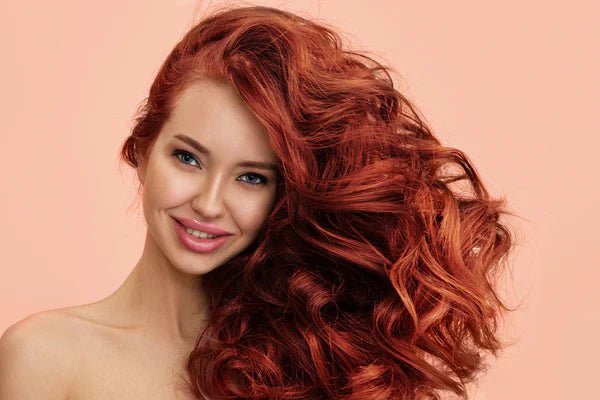
How to care for dyed hair – 7 rules that will save your color and shine
Dyed hair means not only a new color and a fresh look – it also means new care needs. Coloring, especially chemical coloring, weakens the hair structure, exposing it to dryness, loss of shine, and brittleness. If you want to enjoy a beautiful color for as long as possible, it's worth taking care of your hair consciously and comprehensively. In this post, we will tell you how to effectively care for dyed strands with the help of natural, trichological cosmetics from the Lychee series by Orientana. You only need four cosmetics! Dyed hair requires gentle cleansing Shampoo really matters. After coloring, hair often becomes more sensitive, loses its natural resistance, and can be prone to dryness. This is why choosing the right shampoo becomes crucial in daily care. Ordinary, strong cleansing products can act too aggressively on delicate strands and wash out the pigment from the hair. Therefore, it is worth reaching for a shampoo that not only effectively cleanses but also acts gently on the scalp and the hair itself. Lychee moisturizing trichological shampoo from Orientana is based on natural ingredients such as ectoine, enzymes, and prebiotics. Thanks to them, it not only cleanses the hair of excess sebum and impurities but also soothes the scalp and protects the freshly applied color. Its moisturizing action helps maintain an optimal moisture level in the hair structure, which is especially important for strands exposed to chemical treatments. Washing hair does not have to be done daily. For dyed strands, this can be done every 2-3 days to avoid excessive dryness. Additionally, it is worth avoiding vigorous rubbing with a towel – instead, it is better to gently squeeze out water with a soft microfiber towel. Deep hydration and regeneration – Your care base After coloring, hair quickly loses its elasticity and resilience. With the loss of natural lipids, its structure becomes porous, and thus more susceptible to breakage and frizz. This is why the use of regenerating conditioners and masks is an essential part of hair care. Lychee trichological conditioner-mask from Orientana is a cosmetic that, thanks to the presence of the advanced FiberHance™ bm solution complex, effectively rebuilds the internal structure of the hair. Additionally, tsubaki oil gives the strands softness and shine, while pracaxi oil has a nourishing and smoothing effect. Regular use of this mask, not only as a weekly treatment but also as a conditioner after each wash, significantly improves hair condition. Hair becomes soft and shiny after just 60 seconds of application. Hair becomes elastic, smoother, and more resistant to breakage. Thanks to intense hydration, the strands regain a healthy appearance, detangle more easily, and style beautifully. Strengthening and stimulating growth – because healthy follicles = strong hair Coloring affects not only the hair shaft but also the scalp and follicles. A well-nourished scalp is the foundation for healthy and strong hair. For this purpose, it is worth incorporating a hair tonic into your care routine, which stimulates microcirculation and supports the growth of new, strong strands. Lychee trichological hair tonic from Orientana is a cosmetic that works comprehensively – thanks to its content of arginine, quinine, Baicapil™ complex, and sodium lactate, it supports blood circulation in the scalp, which in turn stimulates hair follicles to work. Hair follicles become better nourished, and thus healthier and more active. The result? Less hair loss and faster growth. It is best to apply the tonic in the evening – after washing or to a dry scalp – and perform a few minutes of finger massage. This will not only improve the absorption of active ingredients but also relax and stimulate the skin for regeneration. Protection against external factors – sun, wind, and styling Colored hair is particularly vulnerable to UV radiation, wind, urban pollution, and daily mechanical damage. To maintain color intensity and healthy hair appearance, adequate protection is essential. The Lychee smoothing serum from Orientana is a product that creates an invisible, light protective layer on the hair surface. Gluconolactone and lactic acid smooth the hair structure, facilitate detangling, and reduce the risk of breakage. Importantly, the serum can be used on damp hair after washing, as well as on dry hair – as the final step in styling. The Procondition 22 complex with smoothing and antistatic properties is considered a gentler, more natural alternative to classic silicones and synthetic conditioning agents. Regular use of protective cosmetics helps not only preserve color but also limit the impact of harmful external factors, keeping hair healthy and shiny for longer. Limit high temperatures – heat = color loss Hair dryer, straightener, curling iron – all these devices emit high temperatures that can be deadly for dyed hair. High temperature opens the hair cuticles, causing the pigment to wash out faster, and the hair itself becomes dry and dull. Therefore, it is worth limiting hot styling to a minimum. Instead of hot air, choose cool or lukewarm air, which will also dry your hair well without damaging its structure. If you use a straightener or curling iron, remember thermal protection – Lychee serum will be perfect for this role. It's also worth trying alternatives: rollers, braids overnight, or styling with a headband will allow you to achieve beautiful waves without heat. Your hair will certainly appreciate it – it will be more elastic, less brittle, and retain its color longer. Care for your color – pigment protection every day Hair color doesn't just fade from the sun. Daily habits also affect it: too hot water during washing, chlorine from the pool, air pollution, or using overly strong shampoos. All of this leads to a gradual loss of color intensity. To prevent this, it's worth washing your hair in lukewarm water and – if possible – using boiled or filtered water for the final rinse. Products from the Lychee series are free of SLS and SLES, non-aggressive, so they do not wash out color while effectively caring for it. In summer, it's good to have a hat or scarf with you – they not only protect your head from overheating but also act as a barrier against UV rays, which are an enemy of lasting color. Unfortunately, there are no hair cosmetics with a proven sun-protective filter. So, it's best to cover your hair on very sunny days. Regular trimming and professional support Dyed hair, especially at the ends, tends to be dry and split. Even the best cared-for strands will not avoid the need for regular trimming. By trimming the ends every 6–8 weeks, you not only maintain the aesthetic of your hairstyle but also prevent further damage to the hair structure. Don't be afraid to visit a hair salon – professional regenerating treatments, such as keratin reconstructions, nourishing ampoules, or steam saunas, can significantly improve the condition of your hair without affecting the color. Combining conscious home care with occasional support from a hairdresser is a recipe for lasting color and healthy, shiny strands. Dyed hair - natural care is the best investment Daily care for dyed hair requires attention and conscious choices. Instead of experimenting with random products, it is worth trusting proven solutions – such as the Trycho Lychee series from Orientana. Thanks to natural ingredients, effective formulas, and gentle action, these cosmetics not only help maintain color durability but, above all, rebuild the hair structure and support a healthy scalp. Well-chosen care is not a luxury – it is daily care that pays off with healthy, beautiful, and shiny hair. If you love your color, let it stay with you as long as possible – with the help of Orientana.
Learn more
Ayurvedic cosmetics: How do they work and how to choose the best ones?
Ayurvedic cosmetics are gaining increasing popularity among those seeking natural and holistic skincare methods. Their effects are based on ancient Indian knowledge about health and harmony of body, mind, and spirit . In this post, you'll learn what Ayurvedic cosmetics are, how they work, and how to incorporate them into your daily routine. Discover the world of Orientana – the first brand in Poland to combine Ayurveda with modern cosmetology. What are Ayurvedic cosmetics? Ayurvedic cosmetics are skincare products based on the principles of Ayurveda , an ancient Indian medical system . Their formulas draw on natural plant extracts, oils, herbs, and minerals tailored to the needs of a specific constitution (dosha): Vata, Pitta, or Kapha . In Ayurveda, the skin is a reflection of the overall health of the body —therefore, cosmetics should not only act on the surface but also balance the body's energy. Ayurveda is an ancient Indian healing art based on natural medicine utilizing the wealth of valuable plant ingredients found in Indian herbs. While its origins date back to ancient times, its principles are still used today to treat numerous physical and spiritual ailments. Ayurvedic cosmetics are highly popular because they provide multifaceted care, gently yet effectively affecting both body and mind. However, the cosmetics market began to appreciate the beneficial properties of Ayurvedic cosmetics relatively recently, only in the last century. Key features of Ayurvedic cosmetics Ayurvedic cosmetics are distinguished not only by their natural ingredients but also by their holistic approach to skincare – combining tradition, science, and the philosophy of living in harmony with nature. Below, we present the key features that define authentic Ayurvedic cosmetics – as offered by Orientana. Formulas inspired by recipes from thousands of years ago Ayurveda is the oldest medical system in the world, dating back as far as 5,000 years. Hundreds of healing and beauty recipes are recorded in ancient texts such as the Charaka Samhita and Sushruta Samhita. Many Ayurvedic recipes are based on synergy : for example, sesame oil + ashwagandha + turmeric – a combination used for centuries for rejuvenating massage. Modern brands, such as Orientana, draw on these formulas, updating them in line with the requirements of modern cosmetology (stability, microbiology, effectiveness testing). In India, there are over 8,000 registered plants producing cosmetics in accordance with the principles of Ayurveda. Did you know that Ayurveda considers the skin to be a reflection of the overall health of the body? Therefore, Ayurvedic cosmetics treat it not as a "surface to be moisturized," but as an energetic and physiological system requiring balance. No artificial additives, parabens or silicones You won't find the synthetic ingredients found in conventional drugstore products in Ayurvedic cosmetics. Why? Because they contradict the idea of "clean skincare." Parabens : preservatives considered by Ayurveda to potentially disrupt endocrine systems. Ayurvedic cosmetics are typically preserved naturally, using ingredients approved for food preservation or of natural origin, such as essential oils, vitamin E, plant ferments, sodium benzoate, and potassium sorbate. Silicones : They create an artificial smoothing layer but have no nourishing properties. Instead, they are replaced by natural emollients such as rice oil, shea butter, or isoamyl laurate (a plant-based alternative). Artificial colors: are replaced with plant extracts, e.g. turmeric (yellow shade), hibiscus (pink), tamanu oil (greenish). Today we know that natural ingredients have a much higher bioavailability rate – they are recognized by the skin as "our own", which increases their effectiveness. Holistic action – physical and energetic Ayurvedic care treats the skin as an element linked to the nervous system, emotions and energy of the body. Facial massage with Ayurvedic oil (e.g. turmeric) not only firms the skin, but also stimulates the marma points – the equivalent of acupressure – which affects well-being and regeneration. Ayurvedic cosmetics contain ingredients with neurocosmetic properties, e.g. sandalwood, which, through its scent, affects the limbic system and stress levels. Holistic action also affects sleep, calmness, and hormonal balance – for example, jasmine oil applied to the body after bathing improves the quality of sleep according to research published in the Journal of Health Research (2018) . Did you know that in Ayurveda, there are 108 marma points —22 of which are located on the face? Stimulating them through appropriate massage with Ayurvedic oils can support detoxification, improved circulation, and lymphatic drainage. The use of adaptogens and plants with synergistic effects Adaptogens are plants that help the body adapt to stress—both psychological and environmental. They have been present in Ayurveda for thousands of years, before the Western world discovered their potential. Ashwagandha, tulsi, brahmi, am la – these are four frequently used adaptogens in Orientana cosmetics. They act at the cellular level: they reduce the effects of oxidative stress, support regeneration and slow down the aging process (anti-aging effect). The plants are combined so that their effects are enhanced – for example, the combination of gotu kola and amla is more potent than each ingredient alone. According to data from the Ayurvedic Pharmacopoeia of India , as many as 78% of classical Ayurvedic preparations contain more than one adaptogen. Adaptogens, such as Withania somnifera (ashwagandha), influence cortisol levels and may support neurotransmitter balance, including β-endorphins . This translates to reduced oxidative stress, improved skin regeneration, and reduced inflammation—as confirmed by studies published in the Journal of Ethnopharmacology and Ayu in 2012, among others. The most valuable Ayurvedic plants in skin care Ayurveda is based on the power of herbs and plant extracts, which have been supporting health and beauty for thousands of years. Below, we present the five most important ingredients that form the heart of many Orientana cosmetics. Ashwagandha – an adaptogen for stressed skin INCI: Withania Somnifera Root Extract Ashwagandha, also known as Indian ginseng, is one of the most powerful adaptogens known to Ayurveda. Its effects focus on reducing oxidative stress, supporting regeneration, and improving skin's resistance to external factors. Care properties: It has an antioxidant effect, neutralizing free radicals. Increases ATP levels in skin cells – improving their metabolism . Improves elasticity and smoothes wrinkles. Reduces the symptoms of skin fatigue : gray tone, tension, dryness. It has a calming effect and also affects the level of cortisol in the body. In in vitro studies, ashwagandha extract increased fibroblast proliferation and type I collagen production (J. Ethnopharmacol., 2012). Application in Orientana: Turmeric – a plant-based antioxidant and skin brightener INCI: Curcuma Longa Root Extract Turmeric is the "golden herb" of Ayurveda, valued in both medicine and skincare. It contains curcumin, a powerful antioxidant with anti-inflammatory, brightening, and antibacterial properties. Care properties: Evens out skin tone, reducing discoloration and pigmentation spots . Soothes inflammation – ideal for skin with acne, atopic dermatitis or eczema. Supports healing and regeneration of micro-damages. Reduces redness and irritation. Curcumin has more than 5x stronger antioxidant activity than vitamin C in laboratory conditions (study published in Antioxidants , 2021). Application in Orientana: Neem – a natural detoxifier and guardian of skin purity INCI: Melia Azadirachta Leaf Extract/Oil Neem is the Ayurvedic "pharmacy in a leaf"—known for its antibacterial , antifungal , and cleansing properties. Considered one of the most important herbs in the treatment of problematic skin. Care properties: Effectively fights the bacteria responsible for acne. Regulates sebum secretion and tightens pores. Reduces inflammation and skin eruptions. It acts as a natural " detox " for the skin. According to phytochemical studies, neem contains over 140 active compounds, including limonoids, flavonoids and fatty acids, which are responsible for its unique effects. Application in Orientana: Amla – vitamin C straight from nature INCI: Phyllanthus Emblica Fruit Extract Amla, or Indian gooseberry, is one of the richest natural sources of vitamin C—containing up to 20 times more than oranges. In Ayurveda, it's used as a rasayana— a rejuvenating elixir of life . Amla is often used to strengthen hair, soothe the scalp, and stimulate hair growth. Care properties: Strong antioxidant effect – inhibits photoaging, including hair Improves the radiance of skin and hair Strengthens blood vessels – reduces redness and spider veins. Stimulates the production of collagen and elastin. In tests on skin, amla extract showed an inhibitory effect on the activity of the tyrosinase enzyme – responsible for discoloration (Int. J. Cosmet. Sci., 2013). Application in Orientana: Gotu Kola – a plant of youth and regeneration INCI: Centella Asiatica Extract Gotu Kola, also known as Asian pennywort, is one of the most effective ingredients used in anti-aging cosmetology and dermocosmetics. In Ayurveda, it is considered a remedy for wound healing, improved circulation, and skin rejuvenation. Care properties: Stimulates fibroblasts to produce collagen and elastin. Strengthens the skin structure and reduces fine wrinkles. Supports scalp regeneration Accelerates hair growth and stops hair loss. Centella asiatica lotion – clinical result: 41% less hair loss. Already at a concentration of 500 µg/ml, the induction of VEGF (vascular growth factor) gene expression was recorded at a level of 37.3 ± 9.47, which was even higher than the effect of minoxidil (1.99 ± 0.07). Application in Orientana: What are the benefits of Ayurvedic cosmetics? Ayurvedic cosmetics are more than just a natural alternative to traditional skincare. Their strength lies in their holistic approach – they simultaneously address the body, mind, and emotions, delivering multifaceted results. Unlike many conventional products, they don't mask symptoms but act at the source of the problem, supporting the skin's natural regenerative processes. Regular use of Ayurvedic cosmetics can significantly improve the condition of your skin—both visually and biologically. Below, we present the key benefits of using them . Reduction of oxidative stress and wrinkles One of the key causes of premature skin aging is oxidative stress, caused by free radicals—unstable molecules that damage cellular DNA. Ayurvedic cosmetics are rich in natural antioxidants, such as curcumin (from turmeric), vitamin C (from amla), and flavonoids (from neem), which neutralize the effects of free radicals. Effects visible on the skin: Slowing down the process of wrinkle formation. Improving skin elasticity. Reduction of symptoms of fatigue and so-called "skin stress". Smoothing the structure of the epidermis. Studies show that withanolidine contained in ashwagandha can reduce the activity of collagenolytic enzymes by up to 37%, protecting collagen fibers from degradation (Journal of Cosmetic Dermatology, 2018). Improved circulation and skin detoxification In Ayurveda, great importance is placed on proper blood and lymph circulation, which directly impacts skin tone, cell oxygenation, and the skin's ability to regenerate itself. Ayurvedic cosmetics—especially massage oils—are often used in conjunction with facial or body self-massage, which stimulates microcirculation and aids in the removal of toxins. Detoxifying effect: Cleansing pores of excess sebum and impurities. Strengthening blood vessels. Reduction of swelling and lymphatic congestion (especially around the eyes and jaw). Reduction of the symptoms of "gray, tired skin". Facial massage with Ayurvedic oil (e.g. sandalwood) every morning for 3–5 minutes improves microcirculation by up to 40% (according to data from the Ayurvedic Institute of India). Natural brightening and firming of the skin The ingredients used in Ayurvedic cosmetics have a natural ability to restore skin's radiance and firmness—without the use of silicones or optical highlighters. Their effect is not to mask, but to stimulate physiological processes occurring in the skin. How it works: Amla and gotu kola stimulate fibroblasts to produce collagen and elastin. Turmeric and tulsi reduce minor discolorations, improving skin tone uniformity. Vegetable oils (e.g. almond or sesame) increase skin elasticity and prevent water loss. Cleansing and balancing oily and acne-prone skin Ayurvedic cosmetics don't dry out the skin, as conventional acne products often do. Instead, they work to balance the skin, regulating sebaceous glands and supporting the skin's natural microbiome. Perfect for oily and combination skin: Neem and turmeric have antibacterial and antifungal properties. Tulsi (Indian basil) regulates sebum secretion and accelerates the healing of lesions. Plant extracts cleanse pores and reduce their visibility. In classical Ayurvedic writings, oily skin is a symptom of Kapha dosha disorder – that is why bitter, light and cleansing ingredients such as neem, tulsi or sandalwood are used. Calming sensitive and reactive skin Ayurvedic cosmetics, thanks to their natural composition without irritating additives, are an excellent choice for delicate, sensitive and allergy-prone skin. Soothing and calming effect: Reduces irritation and tightness. Strengthening the hydrolipid barrier thanks to plant emollients. Reducing skin reactivity to external factors (temperature changes, stress, synthetic cosmetics). Ashwagandha and jasmine oil have neurocosmetic effects – they stimulate opiate receptors in the skin, which reduces the subjective feeling of discomfort (source: International Journal of Cosmetic Science, 2019). Regularity is the key to success In Ayurveda, beauty is the result of daily rituals, not ad hoc interventions. Ayurvedic cosmetics are most effective when used systematically and in accordance with the daily rhythm and doshas. Principles of effective action: In the morning – cleansing, stimulating oils, light serums and creams. In the evening – deep cleansing, nourishing creams, massage ritual, regeneration. Minimum 4–6 weeks of regular use to see the full effects at the cellular level. Beautiful skin is not the result of a magical ingredient – it is the result of harmony, mindfulness and a conscious approach to care. Ayurvedic cosmetics in practice – how to choose them for your skin? In Ayurveda, skin is considered a reflection of the balance (or imbalance) between the three doshas: Vata, Pitta, and Kapha. Each dosha carries specific physical and emotional characteristics, which are also reflected in the condition of the skin. Therefore, at Orientana, we combine the wisdom of Ayurvedic traditions with the real needs of modern consumers – ensuring effective, holistic care tailored to the individual needs of the skin. Dry and mature skin – VATA type People with a dominant Vata dosha often struggle with dryness, tightness, fine wrinkles, and thin, delicate skin. This skin type primarily needs: intense hydration elasticity and regeneration protection against transepidermal water loss Recommended Ayurvedic ingredients: Ashwagandha – strongly nourishes and has adaptogenic properties Almond oil – lubricates and strengthens the hydrolipid barrier Shea butter – regenerates and soothes irritations I recommend: Rose body butter Serum Ampoule Moisturizing Sensitive and vascular skin – PITTA type Pitta skin is warmer and prone to redness, irritation, and inflammation. It requires gentle treatment, heat balancing, and reduction of excess sebum. Pitta skin needs: Soothing and soothing Inflammation regulation Strengthening blood vessels Recommended Ayurvedic ingredients: Rose – has a calming effect Amla – a natural antioxidant rich in vitamin C Turmeric – soothes inflammation and evens out skin tone Look: Rose tonic Oily and acne-prone skin – KAPHA type Kapha skin has denser skin, often with excess sebum production, enlarged pores, and a tendency to blemishes. It requires regular cleansing and detoxification to restore freshness and balance. Kapha skin needs: Deep cleansing Anti-inflammatory and detoxifying effect Regulation of the function of the sebaceous glands Recommended Ayurvedic ingredients: Sandalwood – cools, cleanses and has antibacterial properties Neem – fights the bacteria responsible for acne Tulsi – holy basil with strong cleansing properties Learn about: Facial cleansing foam Ayurvedic care is not only about selecting the right ingredients, but also about mindfulness, ritual, and harmony with nature. At Orientana, we believe that natural cosmetics can support both the skin and inner balance – every day. Discover the entire range of Ayurvedic beauty rituals: Orientana Ayurveda Have any questions? Contact us – we'd be happy to help you choose the right products!
Learn more