Inspirations

How to care for dyed hair – 7 rules that will save your color and shine
Dyed hair means not only a new color and a fresh look – it also means new care needs. Coloring, especially chemical coloring, weakens the hair structure, exposing it to dryness, loss of shine, and brittleness. If you want to enjoy a beautiful color for as long as possible, it's worth taking care of your hair consciously and comprehensively. In this post, we will tell you how to effectively care for dyed strands with the help of natural, trichological cosmetics from the Lychee series by Orientana. You only need four cosmetics! Dyed hair requires gentle cleansing Shampoo really matters. After coloring, hair often becomes more sensitive, loses its natural resistance, and can be prone to dryness. This is why choosing the right shampoo becomes crucial in daily care. Ordinary, strong cleansing products can act too aggressively on delicate strands and wash out the pigment from the hair. Therefore, it is worth reaching for a shampoo that not only effectively cleanses but also acts gently on the scalp and the hair itself. Lychee moisturizing trichological shampoo from Orientana is based on natural ingredients such as ectoine, enzymes, and prebiotics. Thanks to them, it not only cleanses the hair of excess sebum and impurities but also soothes the scalp and protects the freshly applied color. Its moisturizing action helps maintain an optimal moisture level in the hair structure, which is especially important for strands exposed to chemical treatments. Washing hair does not have to be done daily. For dyed strands, this can be done every 2-3 days to avoid excessive dryness. Additionally, it is worth avoiding vigorous rubbing with a towel – instead, it is better to gently squeeze out water with a soft microfiber towel. Deep hydration and regeneration – Your care base After coloring, hair quickly loses its elasticity and resilience. With the loss of natural lipids, its structure becomes porous, and thus more susceptible to breakage and frizz. This is why the use of regenerating conditioners and masks is an essential part of hair care. Lychee trichological conditioner-mask from Orientana is a cosmetic that, thanks to the presence of the advanced FiberHance™ bm solution complex, effectively rebuilds the internal structure of the hair. Additionally, tsubaki oil gives the strands softness and shine, while pracaxi oil has a nourishing and smoothing effect. Regular use of this mask, not only as a weekly treatment but also as a conditioner after each wash, significantly improves hair condition. Hair becomes soft and shiny after just 60 seconds of application. Hair becomes elastic, smoother, and more resistant to breakage. Thanks to intense hydration, the strands regain a healthy appearance, detangle more easily, and style beautifully. Strengthening and stimulating growth – because healthy follicles = strong hair Coloring affects not only the hair shaft but also the scalp and follicles. A well-nourished scalp is the foundation for healthy and strong hair. For this purpose, it is worth incorporating a hair tonic into your care routine, which stimulates microcirculation and supports the growth of new, strong strands. Lychee trichological hair tonic from Orientana is a cosmetic that works comprehensively – thanks to its content of arginine, quinine, Baicapil™ complex, and sodium lactate, it supports blood circulation in the scalp, which in turn stimulates hair follicles to work. Hair follicles become better nourished, and thus healthier and more active. The result? Less hair loss and faster growth. It is best to apply the tonic in the evening – after washing or to a dry scalp – and perform a few minutes of finger massage. This will not only improve the absorption of active ingredients but also relax and stimulate the skin for regeneration. Protection against external factors – sun, wind, and styling Colored hair is particularly vulnerable to UV radiation, wind, urban pollution, and daily mechanical damage. To maintain color intensity and healthy hair appearance, adequate protection is essential. The Lychee smoothing serum from Orientana is a product that creates an invisible, light protective layer on the hair surface. Gluconolactone and lactic acid smooth the hair structure, facilitate detangling, and reduce the risk of breakage. Importantly, the serum can be used on damp hair after washing, as well as on dry hair – as the final step in styling. The Procondition 22 complex with smoothing and antistatic properties is considered a gentler, more natural alternative to classic silicones and synthetic conditioning agents. Regular use of protective cosmetics helps not only preserve color but also limit the impact of harmful external factors, keeping hair healthy and shiny for longer. Limit high temperatures – heat = color loss Hair dryer, straightener, curling iron – all these devices emit high temperatures that can be deadly for dyed hair. High temperature opens the hair cuticles, causing the pigment to wash out faster, and the hair itself becomes dry and dull. Therefore, it is worth limiting hot styling to a minimum. Instead of hot air, choose cool or lukewarm air, which will also dry your hair well without damaging its structure. If you use a straightener or curling iron, remember thermal protection – Lychee serum will be perfect for this role. It's also worth trying alternatives: rollers, braids overnight, or styling with a headband will allow you to achieve beautiful waves without heat. Your hair will certainly appreciate it – it will be more elastic, less brittle, and retain its color longer. Care for your color – pigment protection every day Hair color doesn't just fade from the sun. Daily habits also affect it: too hot water during washing, chlorine from the pool, air pollution, or using overly strong shampoos. All of this leads to a gradual loss of color intensity. To prevent this, it's worth washing your hair in lukewarm water and – if possible – using boiled or filtered water for the final rinse. Products from the Lychee series are free of SLS and SLES, non-aggressive, so they do not wash out color while effectively caring for it. In summer, it's good to have a hat or scarf with you – they not only protect your head from overheating but also act as a barrier against UV rays, which are an enemy of lasting color. Unfortunately, there are no hair cosmetics with a proven sun-protective filter. So, it's best to cover your hair on very sunny days. Regular trimming and professional support Dyed hair, especially at the ends, tends to be dry and split. Even the best cared-for strands will not avoid the need for regular trimming. By trimming the ends every 6–8 weeks, you not only maintain the aesthetic of your hairstyle but also prevent further damage to the hair structure. Don't be afraid to visit a hair salon – professional regenerating treatments, such as keratin reconstructions, nourishing ampoules, or steam saunas, can significantly improve the condition of your hair without affecting the color. Combining conscious home care with occasional support from a hairdresser is a recipe for lasting color and healthy, shiny strands. Dyed hair - natural care is the best investment Daily care for dyed hair requires attention and conscious choices. Instead of experimenting with random products, it is worth trusting proven solutions – such as the Trycho Lychee series from Orientana. Thanks to natural ingredients, effective formulas, and gentle action, these cosmetics not only help maintain color durability but, above all, rebuild the hair structure and support a healthy scalp. Well-chosen care is not a luxury – it is daily care that pays off with healthy, beautiful, and shiny hair. If you love your color, let it stay with you as long as possible – with the help of Orientana.
Learn more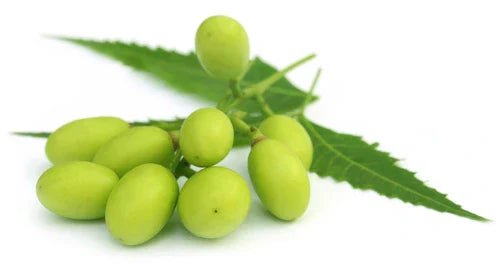
Orientana cosmetics with neem - for whom?
What is neem? Neem, also known as Indian neem ( Azadirachta indica ), is a tree native to India and Southeast Asia that has been used for centuries in Ayurveda , the traditional Indian medicine. All parts of this remarkable plant— leaves, bark, flowers, fruit, and seeds —exhibit a broad spectrum of biological and therapeutic properties. This has earned neem a reputation as one of the most valuable natural raw materials used in cosmetology, healthcare, and agriculture. Neem oil – properties and use in cosmetics From the seeds of the neem tree, the characteristic, intensely fragrant neem oil ( Azadirachta Indica Seed Oil ) is pressed, which contains: unsaturated fatty acids (oleic, linoleic, palmitic), vitamin E , bioactive substances such as azadirachtin , nimbin , salannin . These compounds give it strong antibacterial, antifungal, antiviral, and anti-inflammatory properties. Neem oil is used in cosmetics: for acne and imperfections, for the care of seborrheic and problematic skin, in anti-dandruff shampoos and products for scalps prone to irritation, in body lotions and ointments for eczema, psoriasis or itching. Neem properties – how does neem work? All parts of the neem tree are used for their multifaceted therapeutic effects : Neem leaves – have cleansing, toning, and astringent properties. They help fight acne and skin infections. Neem bark – has antiseptic properties, supports the care of gums and oral cavity. Neem flowers – gently tone and soothe the skin. Neem seeds – contain the most active ingredients, it is from them that neem oil is obtained. Neem fruit – used in traditional recipes, also in Ayurvedic supplements (outside the EU). Neem properties : has a holistic effect on the skin and body – cleanses, regenerates, helps fight bacteria, fungi and parasites. What parts of the neem tree are used in cosmetics? Seeds (grains) – the source of neem oil INCI: Azadirachta Indica Seed Oil The most commonly used cosmetic raw material. Properties : Strong antibacterial , antifungal , antiviral effects Supports the fight against acne , dandruff , eczema , and psoriasis Repels parasites and insects (e.g. lice, mosquitoes) Application : Creams and ointments for skin lesions Anti-dandruff shampoos Anti-acne and antibacterial preparations Protective cosmetics for the scalp and body Neem leaves INCI: Azadirachta Indica Leaf Extract/Powder Often used in the form of powder or water/glycerin extract . Properties : Cleansing , astringent , anti-inflammatory They reduce inflammation and soothe irritations They have a slightly exfoliating effect Application : Masks for acne and oily skin Antibacterial soaps Shampoos and lotions for the scalp Bark INCI: Azadirachta Indica Bark Extract Less common in cosmetics, but used locally, especially in India. Properties : Strongly antiseptic and astringent Helps with skin infections and inflammation of the oral cavity Application : Toothpastes Mouthwashes Foot care products Flowers INCI: Azadirachta Indica Flower Extract (rare) Properties : More delicate than leaves and seeds Soothing and slightly toning Application : Sensitive skin care Creams and emulsions with a balancing effect Fruits (not very common in cosmetics) INCI: Azadirachta Indica Fruit Extract/Oil They contain ingredients similar to seeds Mainly used in Ayurvedic medicine as extracts for skin treatments. Orientana cosmetics with neem Neem is an ingredient in many of our skin and hair care products. Neem in Orientana hair care products, combined with other ingredients, creates a synergistic effect of nature. Neem hair shampoo – cleansing and balancing the scalp This neem shampoo is based on an Ayurvedic formula that harnesses the cleansing and anti-inflammatory properties of this plant. Thanks to the presence of neem leaf extract, it has strong antibacterial and antifungal properties, effectively eliminating dandruff and soothing itchy scalp. It also regulates sebum secretion and restores microbiome balance, making it ideal for those with problematic, oily scalps. Henna for hair with neem – coloring and care in one Orientana Henna with neem combines natural hair coloring with nourishing properties. Neem strengthens hair follicles and has an anti-inflammatory effect on the scalp, counteracting irritation that can occur during the coloring process. Additionally, its presence helps combat dandruff and gives hair a healthy appearance without drying or weighing it down. Ayurvedic hair therapy with gotu kola and neem – nourishment and regeneration Orientana also offers an intensive strengthening therapy with gotu kola, neem, and other Ayurvedic ingredients. The neem in this formula acts as a detoxifier and sebaceous gland regulator, supporting the treatment of scalp inflammation. Combined with gotu kola, which stimulates collagen synthesis and supports microcirculation, neem strengthens hair follicles, prevents hair loss, and accelerates hair growth. Amla-Bhringraj hair oil with nee m – treatment for damaged hair In Amla-Bhringraj oil, neem plays a protective and balancing role. It has antioxidant and regenerative properties for the scalp and supports the regeneration of damaged hair follicles. Combined with amla (a source of vitamin C) and bhringraj (a traditional hair-strengthening herb), neem improves hair elasticity and resistance to breakage, and prevents excessive hair loss. Gotu Kola and Neem Hair Lotion – Stimulation and Soothing of the Scalp Gotu kola and neem hair lotion is a product that activates hair growth through its anti-inflammatory, antibacterial, and microcirculation-stimulating properties. Neem cleanses the scalp and eliminates factors that can block hair follicles, while gotu kola improves blood circulation and promotes cell division in the hair matrix. Regular use of this hair lotion yields noticeable results in thicker hair and reduced hair loss. How does neem affect the skin? Phytochemical composition and biological activity Neem contains numerous bioactive compounds, such as azadirachtin, nimbin, nimbidol, salicylic acid, flavonoids, triterpenoids, and fatty acids. These substances are responsible for neem's broad spectrum of effects at the cellular and tissue levels. Their synergistic effects influence the skin barrier function, lipid metabolism, and the skin's immune response. Antibacterial and anti-inflammatory effects Neem extract exhibits strong antibacterial properties against Gram-positive and Gram-negative bacteria, including Propionibacterium acnes – the pathogen responsible for acne lesions. Additionally, the triterpenoids and flavonoids contained in neem modulate the expression of proinflammatory cytokines (including IL-6 and TNF-α), resulting in reduced skin inflammation and a reduction in papulopustular lesions. Regulating sebum secretion and cleansing the skin Neem exhibits sebostatic properties, helping regulate excessive sebum production, making it a particularly desirable ingredient in the care of oily and combination skin. It has a keratolytic effect, helping to exfoliate dead skin cells and unclog sebaceous glands, reducing the risk of blackheads. Antioxidant and regenerative effect The phenolic compounds in neem, including flavonoids and vitamin E, neutralize free radicals, delaying the skin's photoaging process. Neem also supports epidermal regeneration and increases the skin's ability to retain water, strengthening the hydrolipid barrier. Support for the treatment of skin inflammation Studies show that neem can support the treatment of inflammatory and autoimmune dermatological conditions such as eczema, psoriasis, and atopic dermatitis. It soothes irritations, reduces itching, and accelerates skin repair processes. How neem works on hair and scalp Neem leaves and seeds contain a number of phytochemicals and fatty acids, including oleic, stearic, and linoleic acids. These substances possess antibacterial, antifungal, and anti-inflammatory properties, making neem particularly useful for treating scalps prone to inflammation, infection, and dandruff. Antifungal and anti-dandruff effect Neem effectively combats Malassezia fungi, one of the main causes of dandruff. Azadirachtin and other limonoids present in neem inhibit the growth of yeast-like fungi while reducing inflammation and itching. Regular use of neem products (e.g., in shampoo or toner) helps cleanse the scalp and restore its microbial balance. Sebum regulation and scalp detoxification Thanks to its astringent and cleansing properties, neem helps regulate the activity of the sebaceous glands. Reducing excessive sebum production reduces the risk of oily hair and inflammation around the hair follicles. Neem also helps remove toxins and impurities from the scalp, improving its condition and potentially preventing hair loss. Strengthening hair follicles and stimulating growth Neem extract stimulates scalp microcirculation, which improves hair follicle nutrition and may influence the anagen (growth) phase of the hair's life cycle. Additionally, the antioxidants in neem protect hair follicles from oxidative stress, one of the factors that accelerate follicle miniaturization and hair loss. Treatment of inflammation and eczema Neem helps alleviate the symptoms of dermatological conditions affecting the scalp, such as seborrheic dermatitis, eczema, and psoriasis. Thanks to its immunomodulatory and regenerative properties, neem supports epidermal repair processes, reduces redness and itching, and limits the development of secondary bacterial infections. The use of neem in other areas of life Agriculture and horticulture Neem is known as a natural pesticide and repellent – used especially in organic farming. Applications: Natural insecticide (biopesticide) – contains azadirachtin , which is toxic to insects but does not harm humans or animals. Plant protection – neem protects against aphids, spider mites, thrips, mosquito larvae and nematodes. Organic fertilizer – neem pomace (leftovers from oil pressing) enriches the soil and protects the roots against fungal diseases. Ayurvedic traditional medicine Neem is one of the most important plants in the Ayurvedic system, valued for its strong antibacterial, antiviral, antifungal and anti-inflammatory effects. Forms of application: Tinctures, capsules, powders – used for infections, skin diseases, parasites and digestive problems. Mouthwashes – neem has antibacterial and anti-inflammatory properties, supports the treatment of gum disease. Preparations for diabetes – in India and Bangladesh, neem is used as a means of supporting the regulation of glucose levels. Insecticide and antiparasitic agent for humans and animals Neem oil is used to produce sprays that repel mosquitoes, ticks and lice. Veterinary shampoos containing neem are used to treat fleas, scabies and other parasites in dogs and cats. Environmental protection Neem is used in projects to reclaim degraded lands and combat desertification: Phytoremediation plant – cleanses the soil of toxins. Anti-erosion barrier – the neem root system stabilizes the soil. Food industry (niche) Neem honey – honey obtained from neem flowers, with antibacterial properties. Neem tea – a bitter infusion with detoxifying properties. A bitter addition made from neem leaves – in traditional Indian cuisine, sometimes used to cleanse the body. Other industrial applications Cleaning products – neem is a component of natural detergents and disinfecting soaps. Paper and organic cosmetics – neem extracts can be used as a natural preservative. Neem oil - food use in Europe In the European Union , neem oil (Azadirachta indica seed oil) cannot be legally consumed as a food or supplement because it has not been approved as a Novel Food . Novel Food Regulations (EU Regulation 2015/2283) Azadirachta indica , including neem oil, has been classified as a novel food , as it was not consumed significantly in the EU before 15 May 1997. Any product seeking to be approved as a novel food must undergo an authorization process, including a comprehensive safety assessment. There is currently no approval for neem oil as a food ingredient in the EU. Security notifications The RASFF system has reported cases of unauthorized products containing Azadirachta indica in supplements imported into the EU Why is neem oil consumption dangerous? The oil contains azadirachtin , nimbin , and other bioactive compounds that have insecticidal, antibacterial, and potentially toxic effects upon ingestion . Cases of serious poisoning have been reported, including in infants: encephalopathy, renal failure, metabolic acidosis, and seizures . Oral use is not approved—in EU countries, neem oil is classified solely as a cosmetic or plant protection product, not a food product or supplement. Legal form of use in the EU Neem oil is permitted as a biopesticide in organic farming (as a plant protection product), but not as a food ingredient . As a cosmetic , the oil can be used—but only externally , taking into account toxicity and concentration assessments (e.g., azadirachtin). However, ingestion is absolutely prohibited . Who are neem cosmetics for? Neem cosmetics—products containing extracts or oil from the neem tree ( Azadirachta indica )—are a treasure trove of support for those struggling with chronic skin problems and overactive complexions. Thanks to its natural anti-inflammatory, antifungal, and antibacterial properties, neem has been used in Ayurveda for centuries to restore balance to the skin and scalp. For people with acne Neem is especially recommended for people struggling with: teenage and adult acne (acne vulgaris), inflammatory pimples and purulent conditions, blackheads and excessive sebum secretion. Cosmetics with neem – such as facial wash gels, masks, toners and spot treatments – effectively cleanse pores , soothe inflammation and limit the growth of Cutibacterium acnes bacteria, which are responsible for the formation of skin lesions. For sensitive skin and eczema Neem also soothes: eczema (AZS, atopic dermatitis) , psoriasis , itching, burning and irritation . Thanks to the content of bioactive compounds such as nimbin and azadirachtin, neem cosmetics strengthen the skin's protective barrier, accelerate epidermal regeneration and bring immediate relief. For scalp with dandruff and seborrhea Neem is also an ally of people struggling with: dry and oily dandruff , seborrheic dermatitis of the scalp , itching and greasy hair . Neem shampoos regulate the function of the sebaceous glands, have an antifungal effect (e.g. against Malassezia yeasts) and help restore the microbiological balance of the scalp without disturbing its natural protective barrier. For those looking for natural protection people living in large cities , exposed to smog and pollution, physically active people who experience rapid multiplication of bacteria and fungi on their skin (e.g. on the back, arms, scalp), people looking for natural methods of protecting their skin against external factors without the use of strong preservatives or detergents. Thanks to its antiseptic properties, neem cosmetics are also perfect for: For oily hair prone to falling out. Neem also improves hair condition: strengthens the bulbs, prevents excessive oiliness, helps reduce hair loss caused by inflammation of the scalp. When combined with Ayurvedic oils (e.g. bhringraj, amla), neem oil in oiling treatments can effectively support the process of rebuilding and cleansing the scalp and contribute to improving the density and health of hair. Summary Neem cosmetics are an excellent choice for: people with skin problems : acne, eczema, psoriasis, people with overactive scalp : dandruff, itching, excess sebum, those who value natural, plant-based ingredients with broad cleansing, strengthening and regenerating properties. Neem – or Indian lily – not only soothes and regenerates, but above all restores balance to both the skin and hair.
Learn more