Inspirations

Hair after 50 - how to care for hair during menopause?
After the age of 50, many women notice their hair changes—it becomes thinner, drier, and more prone to hair loss. This is a natural process related to hormonal changes, particularly menopause. Fortunately, proper care and conscious cosmetic choices can help mature hair continue to look healthy, thick, and shiny. In this post, I explain how to care for hair after 50 and which products can help. Why does hair after 50 require special care? The changes that occur in a woman's body after the age of 50—particularly during menopause—have a direct impact on the condition of her hair and scalp. Dermatological studies indicate that this process is noticeable both microscopically (hair thickness and structure) and clinically (density, shine, brittleness). Change in hair structure Hair diameter decreases on average by 10–15% after menopause compared to premenopause. Hair loses elasticity – studies show a decrease in hair elasticity by up to 20–25% . Thinner hair becomes more susceptible to mechanical damage and loss of volume. Dry scalp Sebum production decreases by about 40% between the ages of 45 and 55 , leading to dry scalp. Insufficient hydration results in the loss of natural shine - trichological studies show that as many as 70% of women over 50 notice a noticeable dullness of their hair. Slower growth The rate of hair growth decreases from approximately 1.2 cm/month in youth to 0.8–0.9 cm/month after the age of 50 . This is due to the weakening of the hair bulbs and the shortening of the anagen phase (active hair growth). It is estimated that the anagen phase may shorten by up to 20–30% after menopause. Greater brittleness A deficiency of keratin and lipids in the hair cortex causes hair to become brittle – studies show an increase in brittleness by as much as 30–35% in perimenopausal women. Split ends affect up to 60% of women over 50 , especially those who frequently dye and heat style their hair. Menopause and hair condition – what changes? Menopause is a period of intense hormonal changes that not only impact well-being and skin but also significantly affect the condition of the hair. A key factor is the decline in estrogen and progesterone levels, coupled with a relative increase in androgens. This hormonal imbalance translates into weakened hair follicles, decreased scalp hydration, and reduced hair density. Reduced hair density Dermatological studies indicate that women may lose an average of 15–20% of their hair density during menopause. The most vulnerable areas are the parting and the top of the head – this is a typical symptom of so-called androgenetic alopecia in women . It is estimated that as many as 50–60% of women over the age of 50 notice significant hair thinning. Excessive hair loss Hair loss becomes more severe – the daily norm (approx. 50–100 hairs) may increase to as much as 150–200 hairs per day . Research shows that this problem affects approximately 40% of women in the first 5 years after menopause . The culprits include, among others, the shortening of the anagen phase (hair growth) and the lengthening of the telogen phase (hair resting and shedding). Change in hair thickness and quality Hair becomes thinner – the average diameter of a single hair decreases from 80–90 μm to approximately 60–70 μm after menopause. Less keratin and lipids means greater porosity and difficulty in maintaining smoothness. Even with proper care, hair loses its elasticity and volume more quickly. Dry scalp and loss of shine The level of sebum produced by the sebaceous glands decreases by 30–40% during the postmenopausal period. This leads to dry scalp, itching and dull hair. According to research, 7 out of 10 postmenopausal women notice that their hair is less shiny than before. Greater sensitivity to external factors Weakened hair is less responsive to dyeing, heat styling and sun exposure. Compared to the hair of women under 40, post-menopausal hair is up to 25% more susceptible to mechanical damage . What does this mean in practice? Menopause accelerates the aging process of hair, making it thinner, weaker, and more brittle. However, these changes are not irreversible. With proper trichological care (shampoos with gentle formulas, hair follicle-stimulating lotions, serums that increase hair's durability, and regenerative masks), you can strengthen your hair, slow down the thinning process, and restore its healthy appearance. How to care for your hair after 50? – my practical tips After the age of 50, hair requires regular and comprehensive care that addresses both the scalp and the hair itself. Implementing a few key habits can significantly improve its condition, as confirmed by trichological and dermatological studies. 1. Gentle cleansing of the scalp Avoid strong detergents (SLS, SLES), which can further dry out the scalp. Drugstore shampoos often contain strong detergents, but at this stage of hair deterioration, they should be avoided. If you see sodium lauryl sulfate, sodium laureth sulfate , or ammonium lauryl sulfate in the ingredients, skip the shampoo and replace it with a milder, yet equally effective cleanser. Trichology shampoos with mild cleansing substances allow for effective removal of sebum and impurities without irritation. Studies show that regular cleansing of the scalp increases the effectiveness of trichological treatments by up to 25–30% by improving the absorption of active ingredients. Washing your hair twice in a row will cleanse the scalp sufficiently. 2. Moisturizing and regenerating hair After menopause, the lipid levels in the hair cortex drop by about 20% , which causes dryness and roughness. Choose moisturizing shampoos with good ingredients to wash your hair. Use conditioners and masks rich in proteins and emollients to rebuild hair structure and reduce breakage. Apply conditioner or mask to the hair itself, avoiding the scalp. According to clinical studies, using the regenerating mask 2-3 times a week reduces hair breakage by 35% within 8 weeks . 3. Hair follicle strengthening treatments Regularly use trichological lotions and tonics that stimulate microcirculation and prolong the anagen phase (hair growth). Studies confirm that using a hair lotion containing active ingredients that stimulate hair growth can increase hair density by up to 12–15% after three months of regular use. For even better results, use Orientana Tricho Lychee Hair Lotion , which increases hair density by 18%. It is best to use the lotion every day or every other day, massaging it into the scalp. 4. Hair strengthening serums and treatments Trichology serum provides concentrated ingredients that inhibit hair breakage, making hair strong, healthy and more difficult to damage. The key is regular use – for at least 3–6 months to achieve visible results. 5. Protection against external factors Hair after 50 is 25% more susceptible to mechanical damage (combing, styling, UV radiation). Limiting hot air drying and high heat styling can reduce hair breakage by 20-25% . It's time to change your styling habits. 6. Diet and lifestyle A diet rich in protein, iron, zinc and omega-3 fatty acids supports hair health from the inside. Studies show that biotin supplementation (approx. 2.5 mg/day) can improve hair quality in women with deficiencies within 90 days . Regular physical activity improves microcirculation and oxygenation of the scalp, supporting hair follicles. In summary, hair care after 50 should be based on scalp cleansing, intensive moisturizing, stimulating lotions, and serum treatments , complemented by a healthy diet and protection from external factors. This will help hair regain volume, shine, and density despite the changes associated with menopause. Orientana TrychoLiczi cosmetics – natural help for hair after 50 The Orientana TrychoLiczi series is a line of natural trichological cosmetics created specifically for those struggling with weakened, thinning, and falling hair. Its formulas are based on a combination of lychee extract, amino acids, probiotics, and modern complexes that strengthen hair follicles, support hair growth, and improve hair density. This solution is especially recommended for women over 50, when hair loses volume, elasticity and shine. Why is TrichoLitchi effective? Application studies confirm that regular use of cosmetics from this series reduces hair loss by up to 35% after 8 weeks , People who used the entire treatment (shampoo + tonic + serum + mask) saw an average 20% increase in hair volume within 3 months, As many as 90% of women over 50 stated that their hair became stronger and less brittle after regular use of the TrychoLiczi series. What do I recommend for hair over 50? Products from the Orientana TrychoLiczi series. TrychoLitchi Shampoo Gently cleanses the scalp without drying it out. It prepares hair follicles for better absorption of active ingredients from lotions and serums. Based on the studies conducted, it was found that the product, when used as intended, is very well tolerated in people who have no contraindications to its use. Effectiveness confirmed by research 100% of respondents confirmed that the shampoo effectively and noticeably cleanses the hair, leaving it fresh and light. 100% of people rated the product as gentle to the scalp and did not cause irritation. 95% of users noticed visible hair hydration and a reduction in the feeling of dry scalp. 100% of respondents confirmed that after washing the hair became softer and noticeably smoother. 95% of people found that the shampoo reduced frizz and prevented static electricity. Effects of regular use Hair becomes visibly more flexible (95% of respondents) and more susceptible to styling. The product improves the condition of the hair and scalp – 95–100% of people said that their hair was better nourished, shinier and looked healthier. The shampoo does not tangle the hair and makes it easier to comb (95% positive responses). 100% of users noticed that their hair regained visible smoothness and the feeling of dryness and itching of the scalp was visibly reduced. Additional benefits appropriate scent and pleasant consistency, high quality of the application and functionality of the product, no irritation even with regular use. TrychoLychee Lotion A scalp lotion that intensively stimulates microcirculation, stimulates hair follicles to work - to produce new hair and reduces hair loss. TrychoLiczi lotion has shown high effectiveness confirmed by the TrichoScan HD 4.0 method : increased hair density by 18% , extended the anagen phase by almost 20 percentage points , reduced the telogen phase by almost 20 percentage points , accelerated hair growth by 46% , increased the number of hairs in the tested zone by 10% . A study of the use of the lotion for 3 months clearly proves that the TrychoLiczi lotion actually strengthens hair follicles, reduces hair loss and stimulates the growth of new hair. TrychoLychee Serum This is a concentrated treatment for the entire hair, designed to help style and tame menopausal hair without weighing it down. Reduced hair loss and breakage – 85% of respondents noticed that using the serum reduced the amount of hair lost during brushing. Hair becomes visibly stronger and less susceptible to mechanical damage. A noticeable improvement in appearance – 95% of users confirmed that hair became smoother, shinier, and more manageable after applying the serum. The product restores softness and elasticity to hair, even if it was previously dull. Intensive hydration - according to 95% of people, the hair becomes better moisturized, and 85% of respondents noticed that regular use also reduces static electricity. Easier styling – after just one use , 95% of study participants found their hair much easier to comb. Additionally, 75–85% of participants confirmed that their hair was more manageable and frizz-free. The serum acts as a lightweight protective cosmetic, increasing the comfort of daily styling. TrychoLychee Conditioner-Mask The TrychoLitchi Conditioner-Mask is a trichological product that works comprehensively: it moisturizes, smooths, regenerates, and protects hair. Its effectiveness has been confirmed by application studies involving people struggling with dry, weakened, and damaged hair. Intense hydration and smoothness – all study participants agreed that the conditioner visibly moisturized hair. Each participant also noted that strands became soft, smooth, shiny, and healthy-looking. Easy detangling and taming – 100% of participants agreed that the conditioner made detangling and combing easier. Each participant also noted that the product effectively reduced frizz and static. Greater volume and elasticity – 85% of people noticed that their hair gained volume, and 95% of respondents confirmed that after use, it became light, soft and more elastic. Rebuilding and protecting weakened hair – according to all respondents, the conditioner strengthens damaged and color-treated hair. Eighty-five percent of users noted protection against damage caused by heat styling, and 80% emphasized that the product also protects hair from the harmful effects of weather conditions, such as wind, rain, and sun. Effects visible in just one minute – 95% of test participants indicated that hair looked healthier and more beautiful after just 60 seconds of use. The product doesn't weigh hair down (95% agree), giving it a natural, lightweight look. Why is Trycho Lychee a good choice after the age of 50? works in three stages – on the scalp, hair bulbs and hair structure, based on natural ingredients, without silicones and heavy substances, addresses the main problems of women during menopause: hair loss, thinning, dryness and brittleness. I believe that thanks to the systematic use of TrychoLiczi cosmetics , hair after 50 can regain density, volume and shine, despite the natural hormonal changes occurring in the body. Questions about hair after 50 - what my clients ask Does hair grow slower after 50? Yes. Growth rate slows on average from about 1.2 cm to 0.8–0.9 cm per month. This is due to the shortening of the anagen (hair growth) phase and weakening of the hair follicles. Why does hair become thinner after menopause? Declining estrogen levels cause hair follicles to weaken and hair diameter to decrease. After menopause, average hair thickness can decrease by 10–20%. Can you dye your hair after the age of 50? Yes, but it's worth choosing gentle dyes without ammonia and PPD, which are less damaging to the hair structure. Regular use of conditioners and regenerating masks reduces the risk of breakage and dryness. You can also start dyeing your hair with natural henna. The chosen color will cover gray hair if you use a two-step dyeing process. How often can you dye grey hair after 50? Ideally, no more than every 4–6 weeks. Too frequent coloring can worsen hair dryness and brittleness. It's a good idea to use protective products on the lengths before coloring. How to care for gray hair? Gray hair is drier and stiffer, requiring intensive moisturizing. Masks with proteins and emollients can help. Additionally, you can use shampoos that neutralize yellow tones. Is a hairdryer harmful to mature hair? Yes, hot air increases breakage. After the age of 50, it's best to use a hairdryer with a cool setting and avoid straightening or curling your hair daily. What hairstyles work best after 50? Medium-length or short haircuts add volume and make maintenance easier. Layered haircuts make hair appear fuller. Can you thicken your hair after 50? Yes. In addition to trichological cosmetics, you can also use professional treatments, such as scalp mesotherapy. Regular use of scalp lotions increases hair density by up to 10–15% within 3 months. Does diet affect hair during menopause? Huge. Deficiencies in protein, zinc, iron, and biotin exacerbate hair loss. A diet rich in fish, nuts, legumes, and whole grains supports hair follicles. Do supplements help strengthen hair after 50? Yes, if they're selected correctly. Research shows that supplementing with biotin, zinc, and vitamin D can improve hair condition within 2–3 months. How to reduce hair loss after 50? Trichological lotions and serums are key, as they stimulate microcirculation and prolong the hair growth phase. Studies show that these treatments can reduce hair loss by up to 35–40% after three months. Is it worth using natural oils for hair after 50? Yes, natural hair oils help rebuild hair lipids and protect against dryness. It's a good idea to apply them to the ends 1-2 times a week. Does hair get greasy faster after 50? No, it's usually the other way around. Sebum production decreases by about 30-40%, which causes hair to become drier and duller. How to care for the ends of mature hair? Use regenerating conditioners and masks, and protect your ends with oils. Regular trims every 6–8 weeks reduce the risk of split ends. Is heat styling your hair safe after 50? You can use a straightener or curling iron, but at lower temperatures (150–170°C) and always with heat-protective cosmetics. What cosmetics work best after 50? Trichological cosmetics include cleansing shampoos, stimulating lotions, and hair-strengthening serums. It's also worth reaching for regenerating masks rich in proteins and emollients, such as those from the Orientana TrychoLiczi series. Is grey hair stronger than pigmented hair? No. In reality, gray hair is more brittle, dry, and porous, so it breaks more quickly and requires more frequent moisturizing. Can you restore volume to your hair after 50? Yes. In addition to proper cutting and styling, it's worth using hair follicle-stimulating lotions. Studies show that trichological treatments can improve hair volume by 15–20% within a few months. Does hair after 50 require a special shampoo? Yes. The best shampoos are gentle, strengthening hair follicles and improving scalp microcirculation, such as trichological shampoos from the Orientana TrychoLiczi series. Trichologist's advice Hair after the age of 50 requires special care – hormonal changes associated with menopause cause it to become thinner, more brittle, and prone to hair loss. However, this doesn't mean it has to lose its volume and shine. With conscious care based on gentle scalp cleansing, intensive moisturizing, and trichological treatments, you can significantly improve its condition. Natural trichological cosmetics from the Orientana TrychoLiczi series address the needs of mature hair: they strengthen hair follicles, reduce hair loss, regenerate hair length, and restore a healthy appearance. Regular use of the entire line is an effective way to stop hair weakening and restore its full vitality. Take natural care of your hair after 50. Check out the TrychoLiczi series and discover care that works from root to tip.
Learn more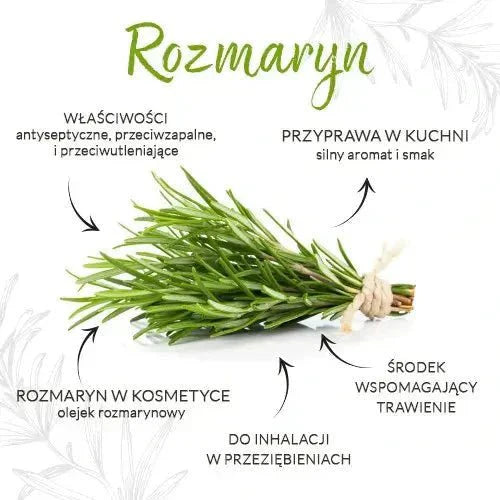
Rosemary for Hair - a natural way to strong and healthy strands
Why has rosemary for hair become so popular? In recent years, rosemary for hair has become one of the most frequently searched terms in natural hair care. Rosemary extract and oil (Rosmarinus officinalis) have been used for centuries in natural medicine and cosmetology as a strengthening agent, improving scalp circulation, and stimulating hair growth. Modern scientific research confirms these observations – rosemary can not only strengthen hair follicles but also delay hair loss and improve hair density. Rosemary contains a number of bioactive substances, including rosmarinic acid, carnosol, flavonoids, and essential oils. These have antioxidant, anti-inflammatory, and antibacterial properties, supporting scalp health and hair condition. That is why today, rosemary for hair is considered one of the most effective natural ingredients in the fight for beautiful, thick, and strong strands. How does rosemary work on hair? Does rosemary accelerate hair growth? Clinical studies suggest that regular use of rosemary on the scalp improves microcirculation, which increases oxygenation of hair follicles. Better nourishment of the hair bulbs translates into healthier growth and greater resistance of hair to falling out. Does rosemary prevent hair loss? Yes. Rosemary extracts have proven antioxidant and anti-inflammatory effects. They protect hair follicles from oxidative stress – one of the main factors leading to hair weakening and loss. How does rosemary affect the scalp? Rosemary has antiseptic properties and regulates sebum secretion. It can soothe inflammation, limit the development of bacteria and fungi on the scalp, making it effective for problems with dandruff and excessive oiliness of hair. Rosemary for hair and Orientana cosmetics Although Orientana does not offer products with pure rosemary, our Ayurvedic formulas combine ingredients with similar effects – strengthening hair follicles, stimulating growth, and regulating scalp function. You can therefore treat rosemary as an inspiration for natural care, and ready-made Orientana cosmetics will provide a similar effect in your daily routine. Neem Shampoo – cleansing and scalp balance Ayurvedic Neem Shampoo is a product that effectively cleanses the scalp and regulates sebum secretion. Like rosemary, neem has antibacterial and anti-inflammatory properties. Regular use of the shampoo keeps the scalp healthy, and hair follicles are less exposed to inflammation. Amla Tonic – hair growth stimulation Ayurvedic Amla Tonic is a cosmetic that can be compared to traditional rosemary rinses. It contains plant extracts that stimulate scalp microcirculation and hair follicles for growth. Regular application of the tonic strengthens hair, reduces hair loss, and improves hair density – just like using rosemary. Amla and Bhringraj Hair Oil – regeneration and nourishment Ayurvedic Amla and Bhringraj Oil is an intensive treatment that nourishes hair follicles, improves hair elasticity, and prevents weakening. The oil can be used as an oil mask before washing – similar to traditionally used rosemary macerate. Additionally, amla and bhringraj are some of the most valuable plants in Ayurveda, known for their action against hair loss and premature graying. DIY homemade rosemary hair cosmetics Although ready-made Ayurvedic Orientana cosmetics provide the best results due to their rich formulas, it's worth knowing how to use rosemary in DIY home care. These are simple methods that can be used at home, especially as a supplement to your daily routine. Rosemary hair rinse Pour a glass of boiling water over 2-3 tablespoons of dried rosemary. Let stand for 30 minutes, strain, and cool. Use as a final rinse after washing your hair.Effect: hair is shiny, scalp is stimulated, and hair follicles are better oxygenated. DIY rosemary scalp treatment Add 2-3 drops of rosemary essential oil to 100 ml of water. Pour into a spray bottle and apply to the scalp several times a week.Effect: improved microcirculation, reduced hair loss. Rosemary oil (macerate) Place a few sprigs of fresh rosemary into a small bottle with a carrier oil (e.g., jojoba, grapeseed). Store in a dark place for 2 weeks. Use as a hair oiling treatment before washing.Effect: nourished hair, increased elasticity and shine. And if you don't have time for homemade concoctions, reach for ready-made, refined Orientana formulas: Neem Shampoo – cleanses and has antibacterial properties, Amla Tonic – stimulates growth and strengthens hair follicles, Amla and Bhringraj Oil – acts as a natural regenerating mask. FAQ – Rosemary for hair Does rosemary really work for hair growth?Yes. Studies confirm that rosemary improves scalp microcirculation and stimulates hair follicles to grow. How often can rosemary be used on hair?Rinses and scalp treatments are best used 2-3 times a week. For daily care, ready-made cosmetics, such as Orientana Neem Shampoo, will be better. Can rosemary essential oil be massaged directly into the scalp?No. Rosemary essential oil is very concentrated and can be irritating. It should always be diluted in water or a carrier oil. Does rosemary help with dandruff?Yes. It has antibacterial and antifungal properties. For care, you can use homemade rinses or reach for Orientana Neem Shampoo, which works similarly. Can rosemary darken hair?Rosemary does not dye hair like henna, but when used regularly, it can enhance the natural color of dark hair, giving it a deeper, cooler shade. Is rosemary good for oily hair?Yes. Rosemary regulates sebum secretion and refreshes the scalp. For the same purpose, Orientana Amla Tonic will also work perfectly. What's better – DIY rosemary or ready-made cosmetics?Homemade rinses are a great supplement, but ready-made formulas, e.g., Orientana Amla and Bhringraj Oil, work multi-directionally – strengthening, nourishing, and protecting hair from falling out. Can Orientana rosemary hair cosmetics be used during pregnancy and breastfeeding? Yes, they can and should be used, as they strengthen hair which often weakens during pregnancy and breastfeeding.
Learn more
How to Wash Oil Out of Hair? Effective Methods for Cleansing the Scalp and Strands
As a trichologist, I often emphasize that oiling your hair is only half the battle – the proper way to wash the oil from your scalp and strands is equally important. Oiling is a popular hair care method, especially among those concerned about natural shine, elasticity, and resistance to damage. However, if the oil isn't removed thoroughly, it can cause more harm than good. Why is proper washing of oil from hair so important? Remains of an oily film on the hair and scalp can lead to: load on the strands and loss of volume, accelerated oiliness of the scalp , clogging of hair follicles , which in the long run may even increase hair loss, weakening the effect of subsequent care treatments, because hair covered with oil absorbs nutrients less well. Therefore, knowing effective methods for removing oil—without excessive drying or irritation—is crucial to maintaining healthy hair. In this article, I'll show you how to gently yet effectively remove oil from your hair , based on trichological knowledge and professional practice. How does oil work on hair and scalp? Hair oiling is a treatment that coats the hair shaft with a protective lipid film , preventing excessive water loss (TEWL – transepidermal water loss). Depending on the type of oil, we can achieve different results: Light oils (e.g. jojoba, grape seed) smooth the hair surface and add shine without weighing down the strands. Medium and heavy oils (e.g. coconut, castor) penetrate deeply into the hair structure, filling in gaps and increasing its resistance to mechanical damage. At the scalp level, oils: provide fatty acids and fat-soluble vitamins, may have anti-inflammatory properties (e.g. neem oil, black cumin oil), support the regeneration of the hydrolipid barrier. However, from a trichologist's perspective, it's important to remember that oil is a hydrophobic substance —it doesn't dissolve in water. This means that simply rinsing your hair in the shower won't be enough to remove it completely. Unwashed oil can "seal" the surface of the hair and skin, blocking the absorption of nutrients and making your hair feel heavy. Therefore, in the next part of the article I will describe which washing methods and products are best for washing off oil – so as to retain its caring benefits but avoid the negative effects of excess oil. The most common mistakes when washing off oil In my trichology practice, I see that many people oil their hair correctly but lose the benefits by improperly washing out the oil . This results in weighing down their hair, irritating the scalp, or even worsening its condition. These are the most common mistakes I see in my patients. Washing with just water or too mild a detergent Oil is hydrophobic – it doesn't mix with water. Rinsing your hair with water alone, even very warm water, won't completely remove it. A shampoo that's too gentle (e.g., a "low poo" type) may also struggle to remove heavy oils like castor or coconut oil, especially if they've been left in your hair for many hours. Using too strong a shampoo Strong detergents (SLS, SLES in high concentrations) will wash away the oil, but they may: excessively degrease and dry out the scalp, open the hair cuticles, which increases the risk of frizz and breakage, irritate the scalp, especially if you have sensitive or dry skin. This is the most common reason why hair may look worse, not better, after oiling. No emulsification step Emulsification is a crucial step for gentle yet effective oil removal. It involves applying a conditioner or mask to your hair before shampooing , which binds the oil with water and makes it easier to rinse out. Skipping this step means using more shampoo, which can increase the risk of dryness. Uneven washing of the scalp Patients often focus on the length of their hair, forgetting about the scalp. However, this is where oil accumulates, mixed with sebum, dirt, and cosmetic residue. An uncleaned scalp can cause itching, dandruff, and weakened hair follicles. Wash only once In case of heavy oils or long periods of time on the hair, it may be necessary to wash it twice : first – removes most of the oil and dirt, secondly – it removes the residues and restores freshness to the scalp. Trichologist's advice: For best results, follow oiling with an emulsifying conditioner, followed by a gentle but effective shampoo . This will remove excess oil while preserving its nourishing benefits. Methods for effectively washing oil from hair Properly washing oil from hair is key to ensuring maximum results from oiling. As a trichologist, I recommend methods that remove excess oil without damaging the scalp's hydrolipid barrier. Here are some proven methods. OMO method (conditioner – wash – conditioner) This is one of the most effective and safest techniques, especially for dry, damaged or chemically treated hair. How to do it step by step: O – Conditioner – Apply an emollient conditioner (silicone-free) to dry or slightly damp, oiled hair. Distribute evenly from roots to ends. Choose: Wait 5–10 minutes – the conditioner emulsifies the oil, breaking down the fat molecules. M – Wash – Rinse the conditioner with warm water and then wash your hair with a gentle shampoo (without strong, high-concentration sulfates). Choose: O – Conditioner – Apply conditioner again, this time concentrated on the lengths and ends of your hair. This effectively removes oil without drying it out. Emulsifying oil with a conditioner or mask This method can also be used on its own if the hair does not require additional strong cleansing. Why does it work? Conditioners contain emollients and mild surfactants that bind fat with water, making it easier to rinse off. How to do it: Apply a generous amount of conditioner or mask (preferably silicone-free, with vegetable oils and humectants) to dry, oiled hair. Massage the product into the length of the hair and scalp. Wait 5–15 minutes, then rinse with warm water. If necessary, wash your hair with a mild or medium strength shampoo. Washing with shampoo – gentle or stronger Gentle shampoo (e.g. with glucosides, betaine) – for thin, dry hair and for frequent oiling. Medium strength shampoo (e.g. with cocamidopropyl betaine + mild anionic surfactants) – for oils that are more difficult to wash off. Strong shampoo (with SLS/SLES) – only occasionally, e.g. after using castor oil, which is extremely thick and sticky. Check out the shampoos: Ayurvedic hair shampoo JASMINE and ALMOND Ayurvedic GINGER and LEMONGRASS hair shampoo Ayurvedic NEEM and GREEN TEA Hair Shampoo Two-step hair washing Recommended for heavy oils or when leaving the oil on the hair for a long time (e.g. overnight). Stages: First wash – a gentle shampoo removes most of the oil. Second wash – the same or a milder shampoo removes residue and leaves the skin clean, but not dry. Trichologist's advice: For best results, combine emulsifying with conditioner and gently washing with shampoo. This will maintain the protective oil film where it's needed (along the length of the hair) while simultaneously cleansing the scalp of excess oil and impurities. How to choose the right oil removal method for your hair type? As a trichologist, I know that there's no one-size-fits-all method. How you wash oil from your hair depends on its porosity, condition, type of oil, and scalp condition . Below are some recommendations to help you choose the best cleansing method to leave your hair feeling light, shiny, and nourished after oiling. Thin and oily hair Goal: Thoroughly remove oil without weighing down the strands. Method: emulsification with a light conditioner + medium strength shampoo (e.g. with cocamidopropyl betaine and glucosides). Avoid: heavy emollient masks when emulsifying – they may cause hair to become flat. Trichologist tip: reduce the time you leave the oil on to 30–60 minutes to make it easier to wash off. Dry, brittle and highly porous hair Goal: to preserve some of the lipids from the oil to rebuild the hair structure. Method: full OMO (conditioner – wash – conditioner) or emulsification with a conditioner/mask with a large amount of emollients. Avoid: strong detergents (SLS/SLES) which can wash out too much oil and further dry out the hair. Trichologist's tip: you can keep the oil in longer (even 2-3 hours), but always emulsify before shampooing. Hair after coloring or chemical treatments Purpose: protection of hair color and structure. Method: gentle shampoo (sulfate-free) + emulsification with low pH conditioner to close the hair cuticles. Avoid: too hot water – it accelerates the washing out of pigment. Trichologist's tip: choose mild oils (e.g. almond, marula, jojoba) that are easy to wash off. Curly and wavy hair Goal: to maintain the elasticity of the curl and avoid frizz. Method: OMO or co-wash with oil emulsification. Avoid: excessive rubbing of hair when rinsing – it may break the curl. Trichologist's tip: after washing off the oil, apply a moisturizing conditioner with humectants (e.g. glycerin, aloe vera) and secure the curl with silicone-vegetable oil. Trichologist's advice: The choice of washing method should be paired with the type of oil. Heavier oils (castor, coconut) require more thorough cleansing or a two-step wash, while lighter oils (jojoba, grapeseed) come off more easily after emulsifying alone. The role of the scalp in the oil washing process When it comes to hair care, many people focus primarily on the hair shaft itself, forgetting that the scalp environment is crucial for hair health and growth . As a trichologist, I emphasize that if we want to effectively and safely remove oil from hair , we must first cleanse the scalp. Why does the scalp require special attention? The scalp, like facial skin, secretes sebum and collects impurities – dust, sweat, and cosmetic residue. Adding oil to this mix creates a lipid-impurity mixture on its surface, which: may block the openings of hair follicles, limits the supply of oxygen and nutrients to the bulbs, promotes the growth of microorganisms (e.g. Malassezia), which may intensify dandruff and irritation. How to properly cleanse the scalp after oiling? Massage while washing – gentle, circular movements with your fingertips stimulate microcirculation and help separate oil from the skin. Emulsifying the conditioner also on the scalp – it allows for the initial dissolution of oil mixed with sebum. A shampoo adapted to the needs of the scalp – e.g., gentle for a sensitive scalp or medium strength for a tendency to oiliness. Rinse thoroughly – rinsing too quickly is one of the most common mistakes that causes some of the oil to remain on the scalp. The importance of hydrolipid balance The goal of cleansing after oiling isn't to completely degrease the scalp, but to restore its natural balance —removing excess oil while maintaining its protective layer. Overly aggressive cleansing can dry out the scalp, which paradoxically increases sebum production and causes hair to become oily more quickly. Trichologist's advice: If you struggle with irritation or oily scalp after oiling, consider using a toning or soothing lotion after shampooing. This will soothe your scalp, restore comfort, and maintain the oiling results without any negative side effects. The most common questions patients ask about washing oil from hair During trichology consultations, I regularly hear the same questions about oiling and cleansing hair after treatment. I answer them to dispel myths and help you choose the right method. Can you leave the oil on your hair overnight? Yes, but only if: choose a light oil that will not weigh down your hair (e.g. jojoba, grape seed, marula), you are not prone to scalp irritation, protect the pillow, because the oil may penetrate the bedding. With heavy oils (e.g. castor oil), it is better to shorten the exposure time to 1–3 hours to make it easier to wash off. How often can you oil your hair? Dry, damaged hair: up to 2–3 times a week. Normal hair: once a week. Fine and oily hair: every 10–14 days. The frequency should be adjusted to the condition of the hair and the type of oil used. Can you wash oil out of your hair with just conditioner? Yes, if you're using light oils and your hair isn't weighed down. For thicker oils or long-lasting hold times, it's better to emulsify with conditioner and a gentle shampoo . Does warm water help wash off the oil? Yes, but in moderation. Warm water loosens sebum and facilitates oil removal, but too hot water can dry out the scalp and hair. It's best to finish washing with lukewarm water to seal the hair cuticles. Why does my hair feel flat after oiling even though I wash the oil off? The most common causes are: using too much oil, insufficient washing (e.g. too short massage during washing), using a conditioner or mask with a large amount of silicones when emulsifying, which can additionally weigh down the hair. Trichologist's advice: When planning your oiling treatment, remember that its effects depend not only on the oil you choose, but also on proper washing . This step determines whether your hair will be light, shiny, and bouncy after drying, or heavy and lacking volume. Products recommended by a trichologist for removing oil Choosing the right hair oil remover is crucial to removing excess oil without damaging the scalp's hydrolipid barrier . A good product should effectively cleanse while also moisturizing and smoothing the hair. Orientana Regenerating Conditioner-Mask with FiberHance™, Tsubaki and Pracaxi This conditioner-mask is an excellent choice for emulsifying oil —the first step in washing it off. Thanks to its rich formula, it not only dissolves oil but also intensively regenerates hair after oiling. Why I recommend oil washing: Emollients and vegetable oils (tsubaki, pracaxi) effectively bind to the oil on the hair, making it easier to remove. FiberHance™ BM Solution rebuilds the hair structure from the inside, which is especially valuable after regenerative oiling treatments. Provides smoothness, shine and softness to strands after the first use. Additional advantages: Facilitates combing and prevents frizz. Protects against high temperatures (styling, drying). Visible regeneration effect after just 60 seconds. Trichologist's tip : You can use this mask as the first step in the OMO method – apply it to oiled hair, wait 5-10 minutes, rinse and wash your hair with a mild shampoo. Shampoos for the second stage of washing After rinsing off the conditioner or mask, it is worth using a mild shampoo from Orientana, e.g.: Neem shampoo – strengthens hair follicles, regulates oiliness. Ginger shampoo – stimulates microcirculation, adds energy to hair. Trycho Lychee Shampoo – soothes irritations, supports scalp regeneration. Thanks to this, after oiling the hair is thoroughly cleansed, light, but not too dry . Trichologist's advice: The Orientana regenerating conditioner-mask + Orientana gentle shampoo combination is a perfect duo that effectively removes oil, preserving its nourishing properties and supporting the health of hair and scalp. Properly washing out oil from your hair is just as important as the oiling itself. This step determines whether your strands will be light, bouncy, and shiny after the treatment, or, on the contrary, weighed down, limp, and lacking volume. The key is choosing the right method (OMO, emulsifying with conditioner, two-step washing) and selected products that will effectively remove excess oil while nourishing the hair and scalp. In everyday trichological practice, I recommend combining: Orientana regenerating conditioner-mask with FiberHance™, Tsubaki and Pracaxi – to emulsify oil and nourish hair already in the first stage of washing. Orientana mild shampoo – for washing the scalp and strands without drying them out. This combination allows you to retain all the benefits of oiling, while at the same time ensuring cleanliness and lightness of the hairstyle . Finally, a trichologist's advice: Treat oiling and proper removal as a care ritual – repeated regularly, using the right products. After just a few weeks, you'll notice your hair becoming softer, smoother, and more resistant to damage. Start your hair care routine today – choose the Orientana conditioner and shampoo suited to your hair type and discover how easy it can be to oil and wash off the oil in a professional, trichological way. Check out the oils I recommend for oiling Check out Orientana's range of hair products
Learn more
Trichological shampoo - how is it different from drugstore shampoo and when is it worth choosing it?
Why is shampoo choice important? In daily hair care, shampoo is the product we reach for most often. Although its main purpose is to cleanse the scalp and hair of sebum, impurities, and styling residue, the health of the entire scalp can depend on choosing the right product. More and more people are discovering that standard cosmetics from the drugstore do not always meet their needs – especially when problems such as excessive oiliness, hair loss, dandruff or irritation occur. In such situations, it's worth considering a trichological shampoo – a product designed with scalp health in mind, often utilizing expert knowledge and proven active ingredients. In this article, I'll explain how it differs from popular drugstore shampoos, when it's worth using, and how to recognize a formula tailored to your needs. What is trichological shampoo? Trichological shampoo is a product designed for the sensitive scalp , often used as part of or as a complement to trichological therapy. Its formula is based on gentle cleansing agents that effectively remove impurities without damaging the hydrolipid barrier. The key difference compared to mass cosmetics is the high content of active ingredients with the following effects: moisturizing and regenerating – e.g. hyaluronic acid, panthenol, betaine, Ectoin, hydrolyzed proteins that support the reconstruction and retention of moisture, soothing and calming – plant extracts (e.g. Centella asiatica), probiotic ferments, allantoin, which reduce irritation, strengthening hair bulbs – ingredients that improve microcirculation, such as caffeine and plant adaptogens, regulating the function of the sebaceous glands – acids (e.g. lactic acid, gluconolactone), which gently exfoliate and normalize sebum secretion. Trichological shampoo is typically free from harsh detergents like SLS/SLES, irritating dyes , and excessive fragrances . It's used not only for visible problems but also as a preventative measure to maintain the health of the scalp and prevent recurrence. What is drugstore shampoo? Drugstore shampoo is a widely available product, designed for a wide audience and with a quick, noticeable visual effect on hair . Its main purpose is to effectively cleanse and improve the appearance of hair after just one use – most often by smoothing, increasing volume, and adding shine. Drugstore shampoo formulas are often based on strong detergents (e.g. Sodium Laureth Sulfate), which effectively remove sebum and impurities, but can also dry out the scalp or disrupt its natural protective barrier . Their composition often includes: Silicones (e.g. Dimethicone, Amodimethicone) – provide smoothness and shine, but do not nourish the scalp, Dyes (e.g. CI 60730) – give the product an attractive color, Fragrance compositions (Parfum, Limonene) – improve sensory experience, but may be irritating to sensitive people, A small amount of care ingredients – e.g. hyaluronic acid or salicylic acid in lower concentrations, which do not provide an intensive therapeutic effect. Drugstore shampoo may work well for people with completely healthy scalp, used occasionally or alternately with a more gentle product, but it will not be the best choice for problems requiring specialized care. Comparison of ingredients – drugstore shampoo vs. Orientana trichological shampoo A good way to understand the differences between trichological and drugstore shampoos is to analyze their INCI compositions. Let's look at two examples: the popular drugstore shampoo X and the trichological shampoo Orientana. The ingredients of the popular drugstore shampoo X INCI: Aqua/Water, Sodium Laureth Sulfate, Glycol Distearate, Sodium Chloride, Cocamidopropyl Betaine, Dimethicone, CI 60730/Ext. Violet 2, Guar Hydroxypropyltrimonium Chloride, Cocamide MEA, Coco-Betaine, Sodium Benzoate, Sodium Hydroxide, Sodium Hyaluronate, Steareth-6, Phenoxyethanol, Acetic Acid, PEG-100 Stearate, Trideceth-10, Trideceth-3, Salicylic Acid, Limonene, Fumaric Acid, Amodimethicone, Carbomer, Citric Acid, Hexylene Glycol, Parfum / Fragrance. Composition analysis: Washing base: Sodium Laureth Sulfate (SLES) – a strong detergent, effective, but may damage the skin’s protective barrier and cause dryness or irritation. Excipients: Sodium Chloride (salt) – thickens the formula, but in excess it may have a drying effect. Silicones: Dimethicone, Amodimethicone – smooth hair, but weigh it down and do not nourish the scalp. Dyes and fragrances: CI 60730, Parfum, Limonene – improve aesthetics and fragrance, but may cause allergic reactions. Active ingredients: Sodium Hyaluronate, Salicylic Acid – present in small amounts, rather as a marketing additive than real support for scalp therapy. The composition of Orientana trichological shampoo INCI: Aqua, Sodium Cocoamphoacetate, Disodium Cocoyl Glutamate, Lactic Acid, Betaine, Sodium Cocoyl Glutamate, Litchi Chinensis Fruit Extract, Lactobacillus/Soymilk Ferment Filtrate, Hydrolyzed Rice Protein, Panthenol, Centella Asiatica Extract, Gluconolactone, Sorbitol, Hydrolyzed Glycosaminoglycans, Hyaluronic Acid, Coco-Betaine, Cocodimonium Hydroxypropyl Hydrolyzed Wheat Protein, Lactobacillus/Pumpkin Fruit Ferment Filtrate, Leuconostoc/Radish Root Ferment Filtrate, Propanediol, Caprylyl/Capryl Glucoside, Ectoin, Tetrasodium Glutamate Diacetate, Glycerin, Pentylene Glycol, Potassium Sorbate, Sodium Benzoate, Parfum. Composition analysis: Washing base: Sodium Cocoamphoacetate, Disodium Cocoyl Glutamate – mild, plant-based detergents without SLS/SLES that cleanse without damaging the hydrolipid barrier. Moisturizers and humectants: Betaine, Sorbitol, Glycerin, Hyaluronic acid – retain water in the epidermis and hair. Active ingredients: Lychee extract – a source of antioxidants and moisturizing sugars, Probiotic ferments (Lactobacillus/Soymilk, Pumpkin, Leuconostoc/Radish) – support the skin microbiome, Centella asiatica – soothes, supports regeneration, Panthenol – soothes irritations, strengthens hair, Ectoin – a powerful anti-aging and antioxidant ingredient. Soothing additives: Lactic acid and gluconolactone – gently exfoliate and support scalp balance. Preservatives: Mild, free of formaldehyde and strong donors. Summary of differences in compositions Characteristic Drugstore shampoo Orientana Trichology Shampoo Washing base Strong detergents (SLES) Mild, plant-based detergents Silicones Present (Dimethicone, Amodimethicone) Lack Dyes Yes (CI 60730) No artificial colors Smells Intense, with potential allergens Delicate Active ingredients Small amounts High concentration, multi-directional action Effect on the scalp May irritate or dry out Supports hydration, regeneration, and microbiome Conclusion: A trichology shampoo, such as Orientana, is formulated with scalp health in mind—it gently cleanses, provides nourishing ingredients, and minimizes the risk of irritation. Drugstore shampoos focus primarily on visual appeal, which can be insufficient and, in some cases, even harmful to sensitive skin. How to use trichological shampoo correctly? Even the best trichological shampoo won't deliver its full benefits if used incorrectly. Proper shampooing technique, the amount of time the product remains in contact with the skin, and the frequency of use are crucial factors in scalp care. Focus on your scalp, not just your hair Trichology shampoo is formulated to act directly on the scalp – this is where the hair follicles are located and they need support. When washing, focus on massaging your scalp , gently spreading the product with your fingertips. Do not rub the lengths of your hair vigorously – the foam that flows down will be enough to clean it. Wash twice The first wash removes excess sebum, sweat and remnants of styling cosmetics. The second wash allows the active ingredients to penetrate and act in the deeper layers of the epidermis. Leave the product on the skin for 2-3 minutes This is especially important if the composition contains active ingredients such as panthenol, lactic acid, ectoin, probiotic ferments , or plant extracts (e.g., Centella asiatica). Rinsing them off too quickly limits their effectiveness. Appropriate washing frequency Every day or every other day – in case of intense oiliness, seborrhea or dandruff. 2–3 times a week – for dry or sensitive scalp. Trichological shampoo can be used permanently or in temporary treatments (e.g. 4–6 weeks). Combining with other trichological products The best results are achieved when using the shampoo in combination with a trichological lotion , serum , or conditioner , tailored to the needs of the scalp. This allows the treatment to work multi-faceted – cleansing, nourishing, strengthening, and regulating the function of the sebaceous glands. Trichologist's tip: Always rinse your hair with lukewarm water, not hot water. Too high a temperature can exacerbate dryness, irritation, and stimulate excessive sebum production. Summary and recommendation of a trichologist The difference between a trichologist's shampoo and a drugstore shampoo isn't limited to price or purchase location. It's primarily a matter of care philosophy – drugstore formulas focus on quick visual results, while trichologists focus on the long-term health of the scalp and hair follicles. Thanks to mild cleansing agents, high content of active ingredients and the absence of aggressive additives, trichological shampoo: supports the reconstruction of the hydrolipid barrier, soothes irritations and moisturizes, strengthens hair bulbs and improves the condition of hair from the roots, It can be used both in the treatment of scalp problems and as a preventive measure. Trichologist recommendation: If you struggle with irritation, dandruff, excessive oiliness or hair loss, include a trichological shampoo in your routine as a basic cleansing product. For a healthy scalp, alternate it with a gentle daily shampoo to maintain balance and prevent future problems. Remember that even the best shampoo is only one element of a comprehensive care plan. For chronic conditions, it's worth consulting a trichologist, who will select a personalized treatment tailored to your needs.
Learn more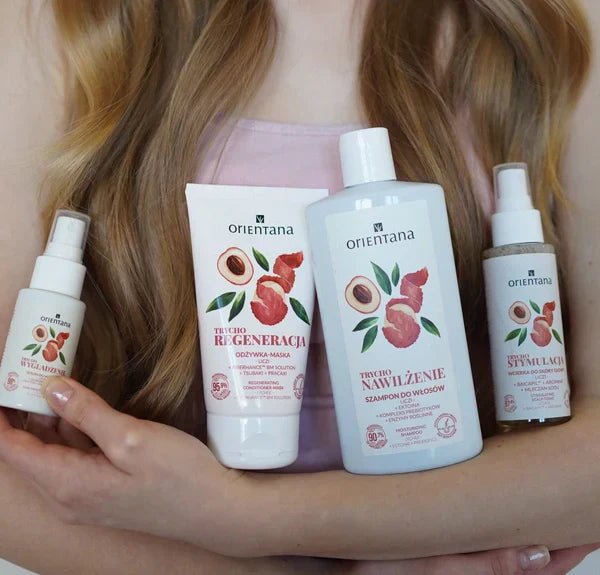
Pimples on the head – causes, treatment and effective scalp care
Pimples on the scalp are a rarely discussed problem, even though they affect many people – both women and men, and even children. They can appear suddenly or recur over time, causing discomfort, pain, and sometimes even hair loss in the affected areas. For many patients, they are a source of complexes because when combing or pinning hair, small, red or purulent lesions become visible. As a trichologist, I often emphasize that pimples on the scalp aren't just an aesthetic defect , but a signal that processes within the body or skin itself require intervention. The causes can be diverse—from improper care, to bacterial and fungal infections, to hormonal imbalances or chronic stress. In this post, I will present the most common causes of pimples on the head, how to recognize them, and how to effectively support the health of the scalp by combining trichological knowledge with proper care. I will also discuss how products from the Trycho Lychee series by Orientana can be part of a professional hair care routine and in what situations Orientana hair oils will be useful. What are pimples on the head? Scalp pustules are inflammatory lesions of the scalp that can take the form of papules, purulent pustules, or subcutaneous nodules. Their location can be random, but they often appear in areas of increased sebaceous gland activity—around the back of the head, temples, forehead, or behind the ears. From a dermatological perspective, they can have various causes: from inflammation of the hair follicles ( folliculitis ), through allergic reactions, to symptoms of chronic skin diseases such as seborrheic dermatitis (PsA) or acne inversa. Typical symptoms include: redness of the skin around the lesion, soreness or tenderness to the touch, presence of a purulent plug, itching or burning, in some cases – leakage of serous or purulent fluid. Why shouldn't they be ignored? Any inflammatory change on the scalp affects the hair follicle . If the inflammatory process is severe and chronic, it can lead to permanent damage, leading to localized hair loss (scarring alopecia). Therefore, it is essential to quickly identify the cause and select appropriate treatment. The most common causes of pimples on the head Pimples on the scalp can have multiple causes . Below, I discuss the most common causes I see in my trichologist's office, along with the mechanism of their formation. Improper hygiene and scalp care Both infrequent and overly aggressive cleansing of the scalp can lead to problems. The accumulation of sebum, sweat, dead skin, and cosmetic residue creates an environment conducive to the growth of bacteria and yeast, which can cause inflammation of the hair follicles. On the other hand, daily washing with strong detergents (e.g. SLS/SLES) leads to dryness and weakening of the hydrolipid barrier, which also increases the skin's susceptibility to irritation and infections. This is why gentle trichological shampoos are crucial. A good example is the Trycho Lychee Orientana Shampoo , which cleanses without damaging the natural protective barrier and supports the skin's microbiome thanks to the presence of lychee extract and panthenol. Seborrheic dermatitis (PsA) Psoriatic arthritis is one of the most common causes of pimples on the scalp. It's a chronic inflammatory condition associated with excessive sebum production and the overgrowth of Malassezia yeasts. It can cause the appearance of oily, yellowish scales, redness, and itchy bumps. The cause isn't sebum itself, but the body's inflammatory response to the presence of microorganisms. Treatment requires not only cleansing but also regulating sebum secretion and soothing inflammation. Trycho Lychee Orientana Lotion is a product worth considering in this context – it improves microcirculation, relieves itching and supports the natural regeneration processes of the scalp, and its ingredients (niacinamide, lychee extract) have an anti-inflammatory effect. Acne of the scalp (folliculitis) It is caused by bacteria, most commonly Staphylococcus aureus . It manifests as pus-filled bumps that can be painful to the touch and can lead to mini-scarring on the scalp. Infection often occurs as a result of micro-injuries – e.g. intense scratching of the skin or the use of sharp combing accessories . Contact allergies and irritations Some people experience allergic reactions to preservatives, dyes, or fragrances in cosmetics. These reactions manifest as redness , itching , small blisters, and sometimes even pustules. For sensitive skin, it's recommended to avoid high concentrations of essential oils in products left on the scalp, as well as the use of chemical hair dyes. Hormonal changes and stress Hormones—especially androgens—increase sebum production, which can contribute to the formation of pimples. Cortisol, secreted during chronic stress, increases inflammation and disrupts skin regeneration. Headgear and airflow restriction Prolonged wearing of tight hats , helmets , or headbands increases skin temperature and moisture, which promotes bacterial growth. This can worsen acne in people with oily scalps. How to properly diagnose pimples on the head? Effective treatment for pimples on the scalp begins with a thorough diagnosis . Many patients attempt to treat the problem themselves, resorting to random cosmetics or home remedies, which often leads to a worsening of the condition. Determining the cause, however, requires a specialized approach, preferably in a trichologist's or dermatologist's office. Trichological consultation During the first visit, the trichologist conducts a detailed interview, including: duration of the problem, relapse rate, cosmetics and medicines used so far, diet and possible deficiencies, chronic diseases, hormonal disorders, stress levels. Next, the surgeon examines the scalp using a microcamera at magnifications ranging from 60x to as much as 200x. This allows for the assessment of: condition of hair follicles, degree of skin irritation, presence of pus plugs, scales, excess sebum, whether the pimples are bacterial, fungal or inflammatory in nature without infection. Dermatological diagnostics If an infection is suspected , a bacteriological or mycological culture is performed, which indicates which pathogen is responsible for the changes and to what substances it is sensitive. Blood tests are sometimes necessary, especially if the spots tend to recur: morphology (assessment of inflammation), vitamin D level , ferritin (iron storage), thyroid hormones , sex hormones (testosterone, DHEA-S, estradiol). The role of daily observation The patient can support the diagnostic process by keeping a care and observation journal – recording which products or factors worsen the symptoms. It is worth noting, among other things: reactions after using a new shampoo, conditioner, oil, the influence of diet (e.g. dairy, sugar, alcohol), periods of increased stress or wearing headgear. How to care for scalp with pimples? Treatment for pimples on the scalp must be targeted, gentle, and regular . The goal is to simultaneously: alleviation of inflammation, limiting the multiplication of microorganisms, reconstruction of the skin's hydrolipid barrier , ensuring an appropriate scalp microbiome . Gentle cleansing – the basis of therapy The scalp should be washed with a mild trichological shampoo , adapted to its condition. Strong detergents can intensify irritation, while insufficient cleansing causes sebum and cosmetic residue to accumulate, creating conditions for bacterial growth. Recommendation: Trycho Lychee Orientana Shampoo – cleanses effectively yet gently; contains lychee extract, which supports the natural microbiome, and panthenol, which soothes the skin. Suitable for both sensitive and oily skin. How to use: wash your scalp 2-3 times a week or more often if it is oily, lather the shampoo in your hands, massage it into your skin, leave it for 2-3 minutes, rinse with lukewarm water (not hot, so as not to increase sebum production). Also check out other natural Orientana shampoos with a gentle action. Trichological lotions – support for regeneration and sebum regulation Lotions deliver active ingredients directly to the scalp, which helps to quickly alleviate inflammation and improve the condition of hair follicles. Recommendation: Trycho Lychee Orientana Lotion – Contains niacinamide (anti-inflammatory), lychee extract (antioxidant and soothing), panthenol, and natural humectants. It improves microcirculation, which promotes better skin regeneration, while also helping regulate sebum production. How to use: apply to clean scalp (after washing or dry), perform a gentle massage with your fingertips, Do not rinse – the lotion should work for several hours or overnight. Moisturizing and protecting the scalp barrier Even with acne, the scalp needs adequate hydration. A lack of lipids in the protective layer promotes irritation and the recurrence of pimples. Oil recommendation: Ayurvedic therapy – a light oil for use on the scalp and lengths of hair. Perform a gentle scalp massage during periods without active inflammation. Contains natural plant oils that improve skin elasticity and support the hydrolipid barrier. Oil massage stimulates circulation and can aid regeneration, but it should only be performed when the pimples are in the healing phase and not in the purulent stage . Scalp peeling – once every 1–2 weeks Exfoliation removes excess sebum, dead skin cells, and cosmetic residue, improving oxygenation of hair follicles. For acne, it's best to use an enzymatic or mechanical exfoliator with very fine particles . This minimizes the risk of irritation and allows the active ingredients in the lotion to be better absorbed. Proper drying and styling avoid hot air from the hairdryer – lukewarm or cool air is better, do not wear a hat on wet hair, Limit the use of heavy hairsprays, mousses and dry shampoos, which can clog hair follicles. Home remedies to help treat pimples on the head Treatment for pimples on the scalp should be based on specialist recommendations, but can be supplemented with appropriate home remedies. It's important to use only those that are gentle, safe, and compatible with the skin's physiology . Herbal rinses Neem – has anti-inflammatory properties, soothes itching and irritation. Calendula – supports the regeneration of the epidermis, has antiseptic properties. Horsetail – strengthens the skin and hair, provides silicon. How to use: brew 1–2 tablespoons of herbs in 500 ml of water, cool, strain and use as the last rinse after washing. Anti-inflammatory diet The condition of the scalp reflects the condition of the entire body. A diet rich in anti-inflammatory foods can reduce the recurrence of acne. It's worth including: oily sea fish (salmon, mackerel) – a source of omega-3 fatty acids, walnuts, linseeds, chia seeds – additional sources of omega-3, fresh vegetables and fruits – rich in antioxidants, fermented products – support the microbiome and immunity (kefir, natural yogurt, pickles). About limiting sugar and dairy For some people, a high glycemic index diet or excessive dairy consumption can exacerbate acne, including on the scalp. It's worth monitoring your body's response after reducing these changes. Scalp massage during remission A gentle massage improves blood circulation, oxygenates hair follicles and supports regeneration. Amla hair oil is perfect for massage after active pimples have completely healed – it will nourish the skin and improve hair elasticity. What to avoid when you have pimples on your head? Even the best care will not bring results if we expose our scalp to factors that exacerbate the problem every day. Scratching and squeezing the lesions It can lead to bacterial superinfections, worsening inflammation and scarring. As a result, hair loss is possible in places where wounds are healing. Using essential oils in their pure form They may irritate the skin and intensify redness. If you want to benefit from their properties, choose ready-made cosmetics with appropriate concentration, as in the case of Orientana oils. Heavy leave-in cosmetics Silicone masks and creamy conditioners applied directly to the scalp may clog the hair follicles. It is better to use light trichological lotions, e.g. Orientana Tricho Lychee Lotion , which does not burden the skin. Tight hairstyles and lack of airflow Constant pressure and lack of air supply favor the growth of bacteria and yeast. If you must wear a helmet or hat, wash your scalp more often and choose breathable materials. How to prevent the recurrence of pimples on the head? Prevention is a process that requires regularity, patience and a comprehensive approach . Regular washing and cleaning Wash your scalp as often as its condition requires – sometimes every 2 days, sometimes every day. In your daily routine, use Orientana Trycho Lychee Shampoo , which keeps your skin clean while soothing it. Preventive use of lotions Even if the pimple problem disappears, the lotion can prevent them from returning. Trycho Lychee lotion regulates sebum secretion and supports the skin's natural immunity. Periodic use of scalp oiling Once a month, during the remission phase, you can perform a scalp massage using hair oil to improve microcirculation and skin elasticity. Hygiene of accessories and textiles Disinfect combs, brushes and hair ties regularly. Change your pillowcases at least once a week , and during periods of exacerbation – every 2–3 days. Support from within Maintain a diet rich in antioxidants and omega-3 fatty acids. Drink adequate amounts of water to support skin hydration. Pimples on the scalp are a common yet often overlooked problem, with numerous possible causes, from improper skincare to infections and even hormonal imbalances. The key to resolving this problem is a proper diagnosis and a combination of specialized treatment and appropriate care. In your daily routine, it's worth reaching for gentle yet effective cosmetics that simultaneously cleanse and soothe the skin. The Trycho Lychee Orientana series is designed for a healthy scalp – the shampoo cleanses without irritation, while the conditioner regulates sebum production and supports regeneration. During the remission phase, Orientana oils help maintain the elasticity and condition of the skin and hair. Remember that pimples on the head do not have to be a chronic problem - proper care, hygiene of accessories and a healthy lifestyle can significantly reduce the risk of recurrence. Take care of your scalp today! Check out the Trycho Lychee Orientana Series Complete your care with Hair Oils
Learn more
How to care for dyed hair – 7 rules that will save your color and shine
Dyed hair means not only a new color and a fresh look – it also means new care needs. Coloring, especially chemical coloring, weakens the hair structure, exposing it to dryness, loss of shine, and brittleness. If you want to enjoy a beautiful color for as long as possible, it's worth taking care of your hair consciously and comprehensively. In this post, we will tell you how to effectively care for dyed strands with the help of natural, trichological cosmetics from the Lychee series by Orientana. You only need four cosmetics! Dyed hair requires gentle cleansing Shampoo really matters. After coloring, hair often becomes more sensitive, loses its natural resistance, and can be prone to dryness. This is why choosing the right shampoo becomes crucial in daily care. Ordinary, strong cleansing products can act too aggressively on delicate strands and wash out the pigment from the hair. Therefore, it is worth reaching for a shampoo that not only effectively cleanses but also acts gently on the scalp and the hair itself. Lychee moisturizing trichological shampoo from Orientana is based on natural ingredients such as ectoine, enzymes, and prebiotics. Thanks to them, it not only cleanses the hair of excess sebum and impurities but also soothes the scalp and protects the freshly applied color. Its moisturizing action helps maintain an optimal moisture level in the hair structure, which is especially important for strands exposed to chemical treatments. Washing hair does not have to be done daily. For dyed strands, this can be done every 2-3 days to avoid excessive dryness. Additionally, it is worth avoiding vigorous rubbing with a towel – instead, it is better to gently squeeze out water with a soft microfiber towel. Deep hydration and regeneration – Your care base After coloring, hair quickly loses its elasticity and resilience. With the loss of natural lipids, its structure becomes porous, and thus more susceptible to breakage and frizz. This is why the use of regenerating conditioners and masks is an essential part of hair care. Lychee trichological conditioner-mask from Orientana is a cosmetic that, thanks to the presence of the advanced FiberHance™ bm solution complex, effectively rebuilds the internal structure of the hair. Additionally, tsubaki oil gives the strands softness and shine, while pracaxi oil has a nourishing and smoothing effect. Regular use of this mask, not only as a weekly treatment but also as a conditioner after each wash, significantly improves hair condition. Hair becomes soft and shiny after just 60 seconds of application. Hair becomes elastic, smoother, and more resistant to breakage. Thanks to intense hydration, the strands regain a healthy appearance, detangle more easily, and style beautifully. Strengthening and stimulating growth – because healthy follicles = strong hair Coloring affects not only the hair shaft but also the scalp and follicles. A well-nourished scalp is the foundation for healthy and strong hair. For this purpose, it is worth incorporating a hair tonic into your care routine, which stimulates microcirculation and supports the growth of new, strong strands. Lychee trichological hair tonic from Orientana is a cosmetic that works comprehensively – thanks to its content of arginine, quinine, Baicapil™ complex, and sodium lactate, it supports blood circulation in the scalp, which in turn stimulates hair follicles to work. Hair follicles become better nourished, and thus healthier and more active. The result? Less hair loss and faster growth. It is best to apply the tonic in the evening – after washing or to a dry scalp – and perform a few minutes of finger massage. This will not only improve the absorption of active ingredients but also relax and stimulate the skin for regeneration. Protection against external factors – sun, wind, and styling Colored hair is particularly vulnerable to UV radiation, wind, urban pollution, and daily mechanical damage. To maintain color intensity and healthy hair appearance, adequate protection is essential. The Lychee smoothing serum from Orientana is a product that creates an invisible, light protective layer on the hair surface. Gluconolactone and lactic acid smooth the hair structure, facilitate detangling, and reduce the risk of breakage. Importantly, the serum can be used on damp hair after washing, as well as on dry hair – as the final step in styling. The Procondition 22 complex with smoothing and antistatic properties is considered a gentler, more natural alternative to classic silicones and synthetic conditioning agents. Regular use of protective cosmetics helps not only preserve color but also limit the impact of harmful external factors, keeping hair healthy and shiny for longer. Limit high temperatures – heat = color loss Hair dryer, straightener, curling iron – all these devices emit high temperatures that can be deadly for dyed hair. High temperature opens the hair cuticles, causing the pigment to wash out faster, and the hair itself becomes dry and dull. Therefore, it is worth limiting hot styling to a minimum. Instead of hot air, choose cool or lukewarm air, which will also dry your hair well without damaging its structure. If you use a straightener or curling iron, remember thermal protection – Lychee serum will be perfect for this role. It's also worth trying alternatives: rollers, braids overnight, or styling with a headband will allow you to achieve beautiful waves without heat. Your hair will certainly appreciate it – it will be more elastic, less brittle, and retain its color longer. Care for your color – pigment protection every day Hair color doesn't just fade from the sun. Daily habits also affect it: too hot water during washing, chlorine from the pool, air pollution, or using overly strong shampoos. All of this leads to a gradual loss of color intensity. To prevent this, it's worth washing your hair in lukewarm water and – if possible – using boiled or filtered water for the final rinse. Products from the Lychee series are free of SLS and SLES, non-aggressive, so they do not wash out color while effectively caring for it. In summer, it's good to have a hat or scarf with you – they not only protect your head from overheating but also act as a barrier against UV rays, which are an enemy of lasting color. Unfortunately, there are no hair cosmetics with a proven sun-protective filter. So, it's best to cover your hair on very sunny days. Regular trimming and professional support Dyed hair, especially at the ends, tends to be dry and split. Even the best cared-for strands will not avoid the need for regular trimming. By trimming the ends every 6–8 weeks, you not only maintain the aesthetic of your hairstyle but also prevent further damage to the hair structure. Don't be afraid to visit a hair salon – professional regenerating treatments, such as keratin reconstructions, nourishing ampoules, or steam saunas, can significantly improve the condition of your hair without affecting the color. Combining conscious home care with occasional support from a hairdresser is a recipe for lasting color and healthy, shiny strands. Dyed hair - natural care is the best investment Daily care for dyed hair requires attention and conscious choices. Instead of experimenting with random products, it is worth trusting proven solutions – such as the Trycho Lychee series from Orientana. Thanks to natural ingredients, effective formulas, and gentle action, these cosmetics not only help maintain color durability but, above all, rebuild the hair structure and support a healthy scalp. Well-chosen care is not a luxury – it is daily care that pays off with healthy, beautiful, and shiny hair. If you love your color, let it stay with you as long as possible – with the help of Orientana.
Learn more
Orientana cosmetics with neem - for whom?
What is neem? Neem, also known as Indian neem ( Azadirachta indica ), is a tree native to India and Southeast Asia that has been used for centuries in Ayurveda , the traditional Indian medicine. All parts of this remarkable plant— leaves, bark, flowers, fruit, and seeds —exhibit a broad spectrum of biological and therapeutic properties. This has earned neem a reputation as one of the most valuable natural raw materials used in cosmetology, healthcare, and agriculture. Neem oil – properties and use in cosmetics From the seeds of the neem tree, the characteristic, intensely fragrant neem oil ( Azadirachta Indica Seed Oil ) is pressed, which contains: unsaturated fatty acids (oleic, linoleic, palmitic), vitamin E , bioactive substances such as azadirachtin , nimbin , salannin . These compounds give it strong antibacterial, antifungal, antiviral, and anti-inflammatory properties. Neem oil is used in cosmetics: for acne and imperfections, for the care of seborrheic and problematic skin, in anti-dandruff shampoos and products for scalps prone to irritation, in body lotions and ointments for eczema, psoriasis or itching. Neem properties – how does neem work? All parts of the neem tree are used for their multifaceted therapeutic effects : Neem leaves – have cleansing, toning, and astringent properties. They help fight acne and skin infections. Neem bark – has antiseptic properties, supports the care of gums and oral cavity. Neem flowers – gently tone and soothe the skin. Neem seeds – contain the most active ingredients, it is from them that neem oil is obtained. Neem fruit – used in traditional recipes, also in Ayurvedic supplements (outside the EU). Neem properties : has a holistic effect on the skin and body – cleanses, regenerates, helps fight bacteria, fungi and parasites. What parts of the neem tree are used in cosmetics? Seeds (grains) – the source of neem oil INCI: Azadirachta Indica Seed Oil The most commonly used cosmetic raw material. Properties : Strong antibacterial , antifungal , antiviral effects Supports the fight against acne , dandruff , eczema , and psoriasis Repels parasites and insects (e.g. lice, mosquitoes) Application : Creams and ointments for skin lesions Anti-dandruff shampoos Anti-acne and antibacterial preparations Protective cosmetics for the scalp and body Neem leaves INCI: Azadirachta Indica Leaf Extract/Powder Often used in the form of powder or water/glycerin extract . Properties : Cleansing , astringent , anti-inflammatory They reduce inflammation and soothe irritations They have a slightly exfoliating effect Application : Masks for acne and oily skin Antibacterial soaps Shampoos and lotions for the scalp Bark INCI: Azadirachta Indica Bark Extract Less common in cosmetics, but used locally, especially in India. Properties : Strongly antiseptic and astringent Helps with skin infections and inflammation of the oral cavity Application : Toothpastes Mouthwashes Foot care products Flowers INCI: Azadirachta Indica Flower Extract (rare) Properties : More delicate than leaves and seeds Soothing and slightly toning Application : Sensitive skin care Creams and emulsions with a balancing effect Fruits (not very common in cosmetics) INCI: Azadirachta Indica Fruit Extract/Oil They contain ingredients similar to seeds Mainly used in Ayurvedic medicine as extracts for skin treatments. Orientana cosmetics with neem Neem is an ingredient in many of our skin and hair care products. Neem in Orientana hair care products, combined with other ingredients, creates a synergistic effect of nature. Neem hair shampoo – cleansing and balancing the scalp This neem shampoo is based on an Ayurvedic formula that harnesses the cleansing and anti-inflammatory properties of this plant. Thanks to the presence of neem leaf extract, it has strong antibacterial and antifungal properties, effectively eliminating dandruff and soothing itchy scalp. It also regulates sebum secretion and restores microbiome balance, making it ideal for those with problematic, oily scalps. Henna for hair with neem – coloring and care in one Orientana Henna with neem combines natural hair coloring with nourishing properties. Neem strengthens hair follicles and has an anti-inflammatory effect on the scalp, counteracting irritation that can occur during the coloring process. Additionally, its presence helps combat dandruff and gives hair a healthy appearance without drying or weighing it down. Ayurvedic hair therapy with gotu kola and neem – nourishment and regeneration Orientana also offers an intensive strengthening therapy with gotu kola, neem, and other Ayurvedic ingredients. The neem in this formula acts as a detoxifier and sebaceous gland regulator, supporting the treatment of scalp inflammation. Combined with gotu kola, which stimulates collagen synthesis and supports microcirculation, neem strengthens hair follicles, prevents hair loss, and accelerates hair growth. Amla-Bhringraj hair oil with nee m – treatment for damaged hair In Amla-Bhringraj oil, neem plays a protective and balancing role. It has antioxidant and regenerative properties for the scalp and supports the regeneration of damaged hair follicles. Combined with amla (a source of vitamin C) and bhringraj (a traditional hair-strengthening herb), neem improves hair elasticity and resistance to breakage, and prevents excessive hair loss. Gotu Kola and Neem Hair Lotion – Stimulation and Soothing of the Scalp Gotu kola and neem hair lotion is a product that activates hair growth through its anti-inflammatory, antibacterial, and microcirculation-stimulating properties. Neem cleanses the scalp and eliminates factors that can block hair follicles, while gotu kola improves blood circulation and promotes cell division in the hair matrix. Regular use of this hair lotion yields noticeable results in thicker hair and reduced hair loss. How does neem affect the skin? Phytochemical composition and biological activity Neem contains numerous bioactive compounds, such as azadirachtin, nimbin, nimbidol, salicylic acid, flavonoids, triterpenoids, and fatty acids. These substances are responsible for neem's broad spectrum of effects at the cellular and tissue levels. Their synergistic effects influence the skin barrier function, lipid metabolism, and the skin's immune response. Antibacterial and anti-inflammatory effects Neem extract exhibits strong antibacterial properties against Gram-positive and Gram-negative bacteria, including Propionibacterium acnes – the pathogen responsible for acne lesions. Additionally, the triterpenoids and flavonoids contained in neem modulate the expression of proinflammatory cytokines (including IL-6 and TNF-α), resulting in reduced skin inflammation and a reduction in papulopustular lesions. Regulating sebum secretion and cleansing the skin Neem exhibits sebostatic properties, helping regulate excessive sebum production, making it a particularly desirable ingredient in the care of oily and combination skin. It has a keratolytic effect, helping to exfoliate dead skin cells and unclog sebaceous glands, reducing the risk of blackheads. Antioxidant and regenerative effect The phenolic compounds in neem, including flavonoids and vitamin E, neutralize free radicals, delaying the skin's photoaging process. Neem also supports epidermal regeneration and increases the skin's ability to retain water, strengthening the hydrolipid barrier. Support for the treatment of skin inflammation Studies show that neem can support the treatment of inflammatory and autoimmune dermatological conditions such as eczema, psoriasis, and atopic dermatitis. It soothes irritations, reduces itching, and accelerates skin repair processes. How neem works on hair and scalp Neem leaves and seeds contain a number of phytochemicals and fatty acids, including oleic, stearic, and linoleic acids. These substances possess antibacterial, antifungal, and anti-inflammatory properties, making neem particularly useful for treating scalps prone to inflammation, infection, and dandruff. Antifungal and anti-dandruff effect Neem effectively combats Malassezia fungi, one of the main causes of dandruff. Azadirachtin and other limonoids present in neem inhibit the growth of yeast-like fungi while reducing inflammation and itching. Regular use of neem products (e.g., in shampoo or toner) helps cleanse the scalp and restore its microbial balance. Sebum regulation and scalp detoxification Thanks to its astringent and cleansing properties, neem helps regulate the activity of the sebaceous glands. Reducing excessive sebum production reduces the risk of oily hair and inflammation around the hair follicles. Neem also helps remove toxins and impurities from the scalp, improving its condition and potentially preventing hair loss. Strengthening hair follicles and stimulating growth Neem extract stimulates scalp microcirculation, which improves hair follicle nutrition and may influence the anagen (growth) phase of the hair's life cycle. Additionally, the antioxidants in neem protect hair follicles from oxidative stress, one of the factors that accelerate follicle miniaturization and hair loss. Treatment of inflammation and eczema Neem helps alleviate the symptoms of dermatological conditions affecting the scalp, such as seborrheic dermatitis, eczema, and psoriasis. Thanks to its immunomodulatory and regenerative properties, neem supports epidermal repair processes, reduces redness and itching, and limits the development of secondary bacterial infections. The use of neem in other areas of life Agriculture and horticulture Neem is known as a natural pesticide and repellent – used especially in organic farming. Applications: Natural insecticide (biopesticide) – contains azadirachtin , which is toxic to insects but does not harm humans or animals. Plant protection – neem protects against aphids, spider mites, thrips, mosquito larvae and nematodes. Organic fertilizer – neem pomace (leftovers from oil pressing) enriches the soil and protects the roots against fungal diseases. Ayurvedic traditional medicine Neem is one of the most important plants in the Ayurvedic system, valued for its strong antibacterial, antiviral, antifungal and anti-inflammatory effects. Forms of application: Tinctures, capsules, powders – used for infections, skin diseases, parasites and digestive problems. Mouthwashes – neem has antibacterial and anti-inflammatory properties, supports the treatment of gum disease. Preparations for diabetes – in India and Bangladesh, neem is used as a means of supporting the regulation of glucose levels. Insecticide and antiparasitic agent for humans and animals Neem oil is used to produce sprays that repel mosquitoes, ticks and lice. Veterinary shampoos containing neem are used to treat fleas, scabies and other parasites in dogs and cats. Environmental protection Neem is used in projects to reclaim degraded lands and combat desertification: Phytoremediation plant – cleanses the soil of toxins. Anti-erosion barrier – the neem root system stabilizes the soil. Food industry (niche) Neem honey – honey obtained from neem flowers, with antibacterial properties. Neem tea – a bitter infusion with detoxifying properties. A bitter addition made from neem leaves – in traditional Indian cuisine, sometimes used to cleanse the body. Other industrial applications Cleaning products – neem is a component of natural detergents and disinfecting soaps. Paper and organic cosmetics – neem extracts can be used as a natural preservative. Neem oil - food use in Europe In the European Union , neem oil (Azadirachta indica seed oil) cannot be legally consumed as a food or supplement because it has not been approved as a Novel Food . Novel Food Regulations (EU Regulation 2015/2283) Azadirachta indica , including neem oil, has been classified as a novel food , as it was not consumed significantly in the EU before 15 May 1997. Any product seeking to be approved as a novel food must undergo an authorization process, including a comprehensive safety assessment. There is currently no approval for neem oil as a food ingredient in the EU. Security notifications The RASFF system has reported cases of unauthorized products containing Azadirachta indica in supplements imported into the EU Why is neem oil consumption dangerous? The oil contains azadirachtin , nimbin , and other bioactive compounds that have insecticidal, antibacterial, and potentially toxic effects upon ingestion . Cases of serious poisoning have been reported, including in infants: encephalopathy, renal failure, metabolic acidosis, and seizures . Oral use is not approved—in EU countries, neem oil is classified solely as a cosmetic or plant protection product, not a food product or supplement. Legal form of use in the EU Neem oil is permitted as a biopesticide in organic farming (as a plant protection product), but not as a food ingredient . As a cosmetic , the oil can be used—but only externally , taking into account toxicity and concentration assessments (e.g., azadirachtin). However, ingestion is absolutely prohibited . Who are neem cosmetics for? Neem cosmetics—products containing extracts or oil from the neem tree ( Azadirachta indica )—are a treasure trove of support for those struggling with chronic skin problems and overactive complexions. Thanks to its natural anti-inflammatory, antifungal, and antibacterial properties, neem has been used in Ayurveda for centuries to restore balance to the skin and scalp. For people with acne Neem is especially recommended for people struggling with: teenage and adult acne (acne vulgaris), inflammatory pimples and purulent conditions, blackheads and excessive sebum secretion. Cosmetics with neem – such as facial wash gels, masks, toners and spot treatments – effectively cleanse pores , soothe inflammation and limit the growth of Cutibacterium acnes bacteria, which are responsible for the formation of skin lesions. For sensitive skin and eczema Neem also soothes: eczema (AZS, atopic dermatitis) , psoriasis , itching, burning and irritation . Thanks to the content of bioactive compounds such as nimbin and azadirachtin, neem cosmetics strengthen the skin's protective barrier, accelerate epidermal regeneration and bring immediate relief. For scalp with dandruff and seborrhea Neem is also an ally of people struggling with: dry and oily dandruff , seborrheic dermatitis of the scalp , itching and greasy hair . Neem shampoos regulate the function of the sebaceous glands, have an antifungal effect (e.g. against Malassezia yeasts) and help restore the microbiological balance of the scalp without disturbing its natural protective barrier. For those looking for natural protection people living in large cities , exposed to smog and pollution, physically active people who experience rapid multiplication of bacteria and fungi on their skin (e.g. on the back, arms, scalp), people looking for natural methods of protecting their skin against external factors without the use of strong preservatives or detergents. Thanks to its antiseptic properties, neem cosmetics are also perfect for: For oily hair prone to falling out. Neem also improves hair condition: strengthens the bulbs, prevents excessive oiliness, helps reduce hair loss caused by inflammation of the scalp. When combined with Ayurvedic oils (e.g. bhringraj, amla), neem oil in oiling treatments can effectively support the process of rebuilding and cleansing the scalp and contribute to improving the density and health of hair. Summary Neem cosmetics are an excellent choice for: people with skin problems : acne, eczema, psoriasis, people with overactive scalp : dandruff, itching, excess sebum, those who value natural, plant-based ingredients with broad cleansing, strengthening and regenerating properties. Neem – or Indian lily – not only soothes and regenerates, but above all restores balance to both the skin and hair.
Learn more