Inspirations

Natural cosmetics and allergies – causes, symptoms and safe care
Natural cosmetics have gained enormous popularity in recent years – more and more people are choosing formulas based on plant extracts, oils, and butters, believing that this is the safest choice for their skin. However, the term "natural" does not automatically mean "hypoallergenic ." Natural ingredients, just like synthetic ones, can cause allergic reactions or irritations, especially in people with sensitive skin. In this article, I will explain why natural cosmetics sometimes cause allergic reactions, what the most common allergens are in these types of products, and how to consciously choose skincare to minimize the risk of adverse reactions. I will also show you the difference between potential natural and synthetic allergens to help you make informed purchasing decisions. Can natural cosmetics cause allergies? Yes. Although natural cosmetics are associated with gentleness and safety, some of the ingredients they contain have the potential to cause allergies. This is because many natural substances are rich in chemical compounds with strong biological effects—these are what give plants their specific skincare benefits. However, these same substances can cause allergic reactions or irritation in some people. The most common natural allergens include: Essential oils (e.g. lavender, tea tree, citrus) – may cause irritation and photosensitivity. Plant extracts (e.g. chamomile, calendula, aloe) – contain bioactive compounds that sensitive skin may treat as “intruders”. Natural preservatives (e.g. benzyl alcohol, benzoic acid) – although of plant origin, may be irritating. It is worth remembering that allergic reactions to natural cosmetics are relatively rare compared to the total number of users, but for people with predispositions (e.g. atopic dermatitis, reactive skin) it is crucial to consciously read the ingredients and test new products spot-by-spot before full application. Natural vs. Synthetic Allergens in Cosmetics Although this article focuses on natural cosmetics, it's important to be clear: synthetic ingredients can also cause allergies . A skin allergy doesn't depend on the source of the substance, but on the individual's reactivity and the concentration of the substance in the cosmetic. Natural allergens Essential oils – may cause redness, burning, itching, and citrus oils may also cause photosensitivity. Plant extracts – e.g. arnica, calendula, aloe, green tea – contain numerous polyphenols, which may cause a rash or itching in sensitive skin. Natural preservatives – e.g. sorbic acid, benzyl alcohol – cause redness and irritation in some people. Synthetic allergens Artificial fragrances and dyes – marked in the INCI as “Parfum”, “Fragrance” or CI + pigment number, often cause contact reactions. Formaldehyde releasers – preservatives that slowly release formaldehyde (e.g. DMDM Hydantoin, Imidazolidinyl Urea) – may cause severe contact allergies. Methylisothiazolinone (MIT) and Methylchloroisothiazolinone (CMIT) – preservatives that have been the cause of many allergic reactions in recent years, especially in rinse-off cosmetics. Strong detergents – e.g. Sodium Lauryl Sulfate (SLS) – remove the natural lipid barrier, which increases the skin’s susceptibility to irritation and secondary allergies. Conclusion: Natural ingredients can be just as allergenic as synthetic ones. The difference lies primarily in the type of substance, not its origin. Therefore, for sensitive skin, it's worth choosing cosmetics (both natural and conventional) with short ingredient lists, low concentrations of potential allergens, and a "for sensitive skin" or "hypoallergenic" label. The most common symptoms of allergy to cosmetics An allergic reaction to a natural cosmetic can occur immediately after application or only after several hours or even days. Sensitive skin can react to a single ingredient or a combination of ingredients, especially if the product contains essential oils, strongly aromatic plant extracts, or natural preservatives. Skin symptoms Redness – localized or diffuse, often accompanied by a feeling of warmth. Pruritus – persistent itching at the application site. Burning or tingling – a signal that the skin is reacting with irritation. Rash or lumps – small skin lesions, sometimes accompanied by peeling. Swelling – most often around the eyes or mouth, but can also occur on other areas of the skin. General symptoms (less common but possible) Watery and burning eyes – in case of contact of the cosmetic with the eye area or if it contains intense essential oils. Headaches or dizziness – may occur in people sensitive to strong odors. Immediate vs. delayed reactions Immediate – appear within minutes to an hour after application, often after the first contact with a strong allergen. Delayed – develop after 24–72 hours, usually as a result of prolonged exposure to an irritating or allergenic ingredient. How to diagnose a cosmetic allergy? Recognizing that a cosmetic product has caused an allergic reaction isn't always easy. Symptoms may not appear for several days or may be the result of several different products acting on you at the same time. Therefore, it's important to approach the issue methodically to find the culprit and avoid further reactions. Patch test with a dermatologist or allergist The most accurate method to confirm contact allergy. It involves applying small amounts of various allergens to the skin of the back in special chambers and observing the reaction after 48–72 hours. It allows you to clearly determine which ingredients your skin reacts to. At-home spot test Before introducing a new cosmetic, apply it to a small area of skin (e.g. the inside of the forearm or behind the ear). Monitor the reaction for 24–48 hours. If redness, burning, rash or itching occurs, it is better to postpone the product. Elimination method If you use several cosmetics and experience an allergic reaction, discontinue all products and gradually reintroduce them, monitoring your skin. Introduce a maximum of one new cosmetic every 3–5 days to be sure which ingredient caused the reaction. INCI composition analysis Check if the cosmetic contains ingredients that are often considered allergenic (both natural and synthetic). Online applications and databases are helpful (e.g. INCI Decoder), but it is also worth learning to recognize the names of essential oils, preservatives and dyes. How to choose natural cosmetics to minimize the risk of allergies? Choosing natural cosmetics should be conscious and based on knowledge of your skin's needs and the product's ingredients. For sensitive skin prone to allergic reactions, it's worth following a few rules: Choose short, clear lineups The fewer ingredients, the lower the risk of allergies. Avoid cosmetics with large amounts of intense essential oils and high concentrations of potential fragrance allergens. Choose formulas that soothe and strengthen the skin barrier Ingredients such as shea butter, almond oil, adaptogenic plant extracts and aloe vera support skin regeneration and soothe irritation. Recommended Orientana products: Sandalwood and Turmeric Face Cream – a natural formula with soothing and antioxidant properties, ideal for sensitive and redness-prone skin. Nourishing Face Cream with Ashwagandha – rich in adaptogens, intensively nourishes, reduces skin stress and strengthens its protective barrier. Kali Musli Day Cream – ultra-gentle, created for overactive skin, calms inflammation and soothes irritations. Remember to cleanse gently Too aggressive detergents may damage the hydrolipid layer of the skin and increase the risk of allergies. Choose cleaning products based on mild surfactants, without SLS/SLES and without strong fragrances. Recommended Orientana products: Natural facial cleansing foam – a light formula with mild detergents, removes impurities without drying the skin. A delicate facial cleansing gel with date extract – cleanses and nourishes at the same time, leaving the skin soft and moisturized. Spot test new cosmetics Even the best composition does not guarantee no reaction – before introducing a new product, test it on a small patch of skin. Although natural cosmetics are associated with gentleness and safety, they can also cause allergic reactions – just like products containing synthetic ingredients. The key to avoiding irritation is carefully reading ingredient lists , choosing formulas tailored to your skin's needs, and testing new products before fully incorporating them into your routine. For sensitive and allergy-prone skin , gentle formulas based on ingredients that soothe, regenerate, and strengthen the protective barrier work best. Regular, multi-step care—cleansing, moisturizing, and protecting—minimizes the risk of allergies while supporting a healthy and radiant skin appearance. Orientana offers a wide selection of cosmetics designed for hyperactive skin—from gentle cleansing gels and foams, through nourishing creams with adaptogens, to soothing masks and enzymatic peels. Thanks to them, you can enjoy natural skincare without compromising on effectiveness or safety. Take care of your skin with Orientana – choose natural formulas that combine the effectiveness of plant extracts with gentleness for sensitive skin. Check out the full range in our online store and find the perfect cosmetics for you.
Learn more
Clay masks – a natural way to cleansed and radiant skin
Clay masks have been used in skincare for centuries thanks to their cleansing, detoxifying, and mineralizing properties. Their secret lies in their natural composition – clays are rich in micro- and macronutrients that support skin regeneration, remove excess sebum, and leave the complexion smooth and refreshed. Today I'll tell you about the types of clays, how to choose a mask for your skin type, and when it's worth reaching for a cream alternative. Why are clay masks so effective? Deep cleansing – clay absorbs impurities and excess sebum. Exfoliation of dead skin – gently smoothes the skin surface. Providing minerals – magnesium, silicon, calcium and zinc – support the healthy appearance of the skin. Anti-inflammatory effect – soothes irritations and supports regeneration processes. Mattifying the skin – the perfect solution for combination and oily skin. Types of clays and their effects 1. White clay (kaolin) The most gentle, recommended for dry and sensitive skin. Brightens, soothes, and improves elasticity. 2. Green clay It cleanses strongly, has antibacterial properties and regulates sebum secretion – ideal for oily and acne-prone skin. 3. Red clay Improves microcirculation, strengthens blood vessels, ideal for vascular skin. 4. Pink clay It combines the properties of white and red clay, has a soothing and refreshing effect. 5. Yellow clay Gently exfoliates, improves skin tone, and accelerates regeneration. How to use clay masks? Apply a thin layer of the mask to cleansed skin. Avoid drying out completely – spray with water or hydrolate. Wash off after 10–15 minutes with lukewarm water. Apply a moisturizer to replenish the hydrolipid layer. Disadvantages of clay masks that are worth knowing about They can dry out your skin if you leave them to dry completely. Some people experience skin tightening after washing it off. They require additional moisturization after application. An alternative to clay masks – Orientana cream masks If your skin is sensitive, dehydrated, or needs nourishment without drying out, cream masks are worth considering. They are rich in active ingredients that intensively regenerate, moisturize, and smooth the skin. I especially recommend: Hello Daktyl – a nourishing mask with date extract, rich in antioxidants, supporting skin regeneration. Hello Papaja – a brightening papaya mask that smoothes and evens out skin tone. Tremella – an intensely moisturizing mask with snow mushroom, a natural source of plant hyaluronic acid. These cream masks from Orientana are perfect both as an alternative to clays and as a complement to skincare – especially when your skin needs an extra dose of hydration and comfort. Frequently asked questions about clay masks 1. What are clay masks? These are cosmetics based on natural mineral clays that cleanse, refresh and provide the skin with valuable minerals. 2. How do clay masks work? They absorb excess sebum, remove impurities and gently exfoliate dead skin. 3. Are clay masks good for all skin types? Yes, but the choice of clay should be tailored to the needs of the skin – e.g. white for sensitive skin, green for oily skin. 4. How often can clay masks be used? Most often 1-2 times a week, depending on the needs of the skin. 5. Do clay masks dry out the skin? They can if allowed to dry completely; it's a good idea to wash them off while they're still slightly damp. 6. How to prepare a clay powder mask? Mix the powder with water, hydrolate or yogurt to form a paste. 7. Can you add oils to a clay mask? Yes, adding a few drops of vegetable oil will increase its nutritional properties. 8. Do clay masks help with acne? Yes, green and bentonite clay in particular have antibacterial and anti-inflammatory effects. 9. Can clay masks be used overnight? Not recommended – best to wash off after a maximum of 15–20 minutes. 10. What minerals are found in clay masks? Including silicon, magnesium, calcium, iron, and zinc, which support the healthy appearance of the skin. 11. Are clay masks good for mature skin? Yes, especially when combined with moisturizing products, they improve skin firmness and tone. 12. How to use clay masks in summer? Same as in other seasons, but remember to use SPF protection, as skin is more sensitive after cleansing. 13. What is the difference between clay masks and cream masks? Clay ones mainly cleanse, while creamy ones intensively moisturize and nourish. 14. Can clay and cream masks be used in the same treatment? Yes, for example, alternately – once a cleansing clay, once a nourishing cream mask. 15. What cream masks should you choose after clay treatment? I recommend Orientana cream masks – Hello Daktyl , Hello Papaja and Tremella , which will nourish and moisturize the skin after cleansing. Clay masks are an excellent choice for cleansing your skin, reducing the appearance of pores, and improving its texture. Just remember to moisturize after use—or opt for cream masks like Hello Daktyl , Hello Papaja , or Tremella by Orientana, which combine care with comfort.
Learn more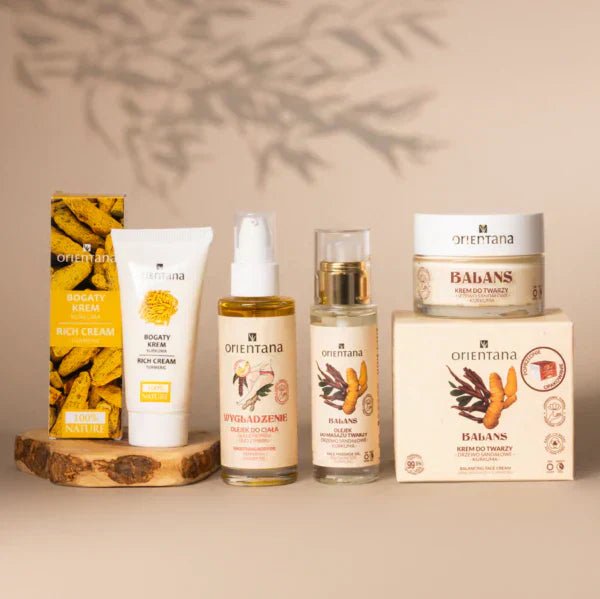
Can creams be stored in the refrigerator? Orientana Cosmetics Care Guide
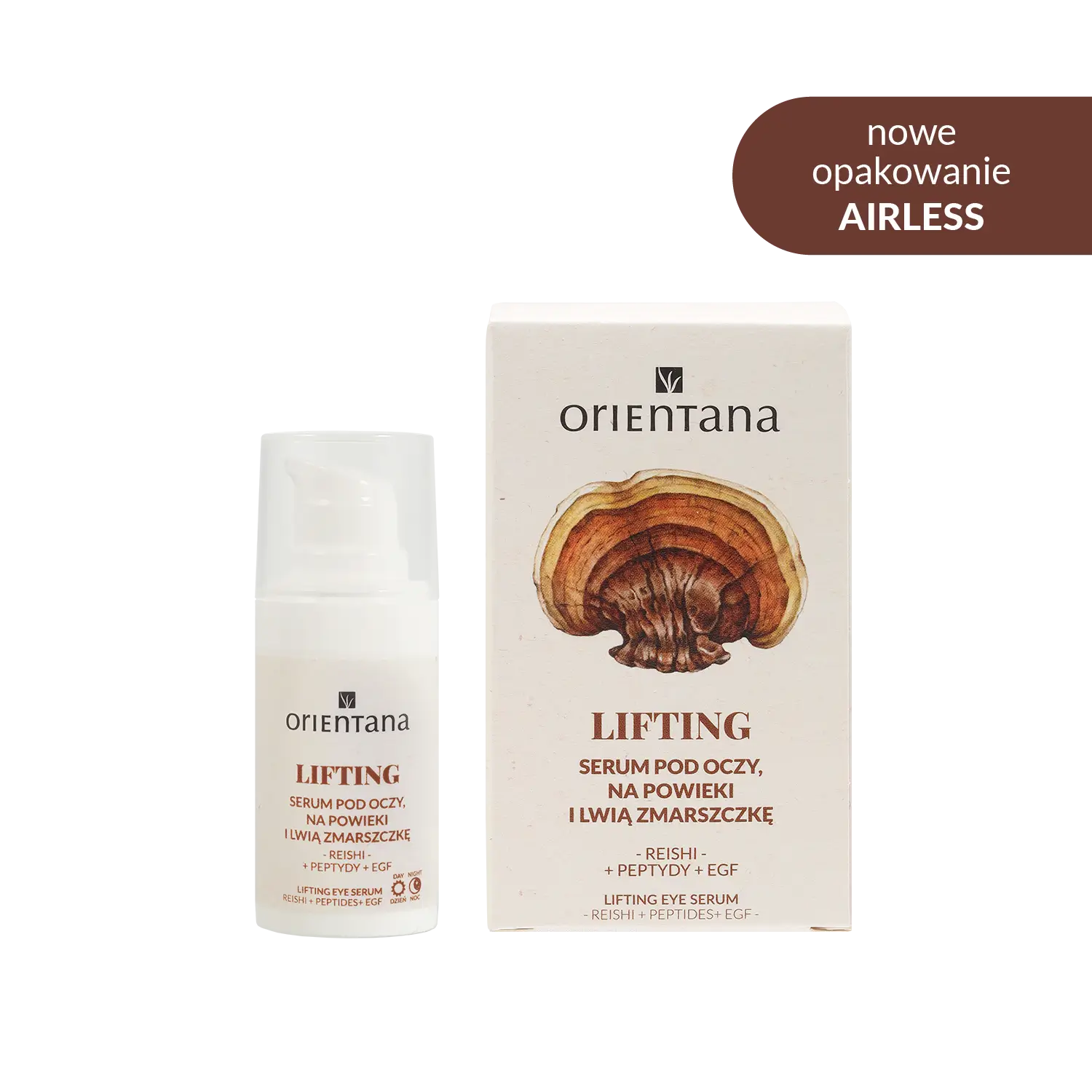
Many people wonder whether creams can be stored in the refrigerator . This question is especially relevant for natural cosmetics that don't contain strong preservatives and contain plant extracts, oils, or bioferments. In this article, we explain when storing creams in the refrigerator makes sense and when it's better to avoid it. We'll also show you how to gain the additional benefits of refrigeration by using Orientana cosmetics . Can face creams be kept in the fridge? Yes, but not all. Refrigeration is recommended for natural cosmetics without synthetic preservatives, which may be more sensitive to temperature changes. Cold storage prolongs freshness. Low temperatures limit the growth of microorganisms and slow the oxidation of natural oils. Cool cream acts as a compress. Applying the cooled product to the skin provides an additional soothing effect, reducing swelling and redness. Which Orientana cosmetics are worth keeping in the fridge? Orientana offers many natural cosmetics that can gain additional care properties if you use them chilled: 1. Reishi Eye and Eyelid Serum Stored in the refrigerator, it has a pleasant cooling effect that reduces puffiness and dark circles under the eyes . It's a great way to quickly refresh your eyes in the morning. 2. Moisturizing eye cream with snail slime The low temperature enhances its soothing and smoothing effects. Chilled eye cream acts as a natural "cold pack"—perfect after a sleepless night. 3. Tremella Eye Cream This lightweight, moisturizing cream with Tremella mushroom and ceramides is perfect for storing in the refrigerator. Cool application enhances the refreshing effect and helps reduce puffiness around the eyes. 4. Snail Slime Essence When kept in the refrigerator, it gains additional soothing power – upon application, it soothes the skin, reduces redness and gives a feeling of immediate comfort. 6. Moisturizing Tonic-Essence Cool tonic essence enhances the toning effect, restores skin comfort and additionally reduces redness . FAQ – Can creams be stored in the fridge? What creams should be kept in the fridge? It's not necessary to store all creams in the refrigerator. Natural cosmetics benefit most from refrigeration, as they have shorter ingredient lists and gentle preservatives. It's also worth keeping eye creams in the refrigerator – the cold reduces puffiness and dark circles. Can all Orientana creams be stored in the refrigerator? No. Products based on oils and butters (e.g., Rose Body Butter or Ginger and Lemongrass Butter) are best stored at room temperature, as cold weather alters their consistency. However, the following products do best in the refrigerator: Reishi Eye and Eyelid Serum Tremella Eye Cream Moisturizing eye cream with snail slime Snail slime essence Revitalizing toning lotion (toner essence) Does refrigeration extend the shelf life of the cream? Yes, but only to a limited extent. Low temperatures slow down the oxidation of ingredients and the growth of microorganisms, so natural creams can stay fresh for a bit longer. However, this does not replace the expiration date printed on the packaging. Is a cosmetics fridge a good idea? Yes, especially if you use several cosmetics that require refrigeration. A cosmetics fridge maintains a constant, optimal temperature and prevents the buildup of moisture that can occur in a traditional kitchen fridge. Is it better to keep the serum in the fridge or in the bathroom? Serums rich in vitamins (e.g., C, E), bioferments, or plant extracts should be stored refrigerated – this allows the active ingredients to be more stable. Orientana serums, such as the Snail Slime Essence, can be used chilled for an additional soothing effect. Does cold cream work better on the skin? It doesn't always have a stronger effect, but the effect is noticeable – the cool cream soothes, refreshes, and reduces puffiness. This is especially useful when used with eye care products like Tremella eye cream or Reishi serum. Can I put both open and closed cream in the fridge? Yes, both open and closed packages can be stored in the refrigerator. However, it's important to avoid frequent removal and re-insertion, which causes temperature fluctuations and can accelerate product spoilage.
Learn more
Henna step by step – how to dye your hair with Orientana Henna
More and more people are giving up chemical dyes in favor of natural coloring. Henna for hair is a solution that not only gives a beautiful, deep color, but also strengthens and nourishes the strands. The result is healthy, shiny, soft and thicker hair, which with each subsequent henna application gains a more saturated shade. If you want to know how to properly apply henna – this guide is for you. Before you start reading - check here what henna colors we have. How to dye hair with Orientana Henna – step-by-step instructions Preparing Bio Henna Open the Orientana Henna package – inside you will find powdered herbs in a sachet, protective gloves, and a cap. Pour the herbs into a glass or ceramic bowl. Add warm water at approx. 50°C – just enough to create a thick paste. Stir until the mixture is uniform and lump-free. Set aside for a moment to cool. Preparing your hair Wash your hair with a shampoo without SLS/SLES/ALS, so that the henna binds properly with the hair's keratin. Towel-dry your hair, but do not blow-dry it. Applying henna Put on the gloves included in the set. Spread the paste evenly along the entire length of your hair – you can do this with your fingers. Put on a cap and protect your hair from heat loss (hat, towel, or heating with a hairdryer). Processing time Leave the henna on your hair for a minimum of 2 hours (the longer, the more intense and lasting the color). You can experiment with the processing time to achieve the desired effect. 5Rinsing off henna Rinse off the henna with warm water without using shampoo or conditioners. For the next 48 hours, do not use any cleansing products – during this time, the color will set. Important tips for henna hair coloring You will achieve the final shade two days after dyeing. With each subsequent henna application, hair becomes stronger, thicker, and shinier. Henna acts as a natural conditioner, improving the condition of hair and scalp. Why choose Orientana Bio Henna? 100% natural composition – no chemical dyes or preservatives. Contains only the highest quality powdered herbs. Safe for the scalp, also suitable for people with sensitive skin. Available in many shades – from warm reds to cool browns. Q&A – frequently asked questions about henna hair coloring 1. Does henna dry out hair?No. Orientana Bio Henna additionally nourishes the hair, giving it smoothness and shine. 2. How long does the color last after henna application?Typically 4–6 weeks, depending on care and hair type. 3. Can I use henna during pregnancy?Yes, Orientana Bio Henna is completely natural and safe. 4. Can Bio Henna shades be mixed?Yes, mixing colors allows you to achieve a unique, personalized effect. 5. What does Bio Henna Colorless Conditioner do?The colorless version of henna strengthens hair, improves its thickness, and adds shine without changing the color. 💡 Curiosity: If you have gray hair and want to dye it with henna, check out the article - Is there henna for gray hair
Learn more