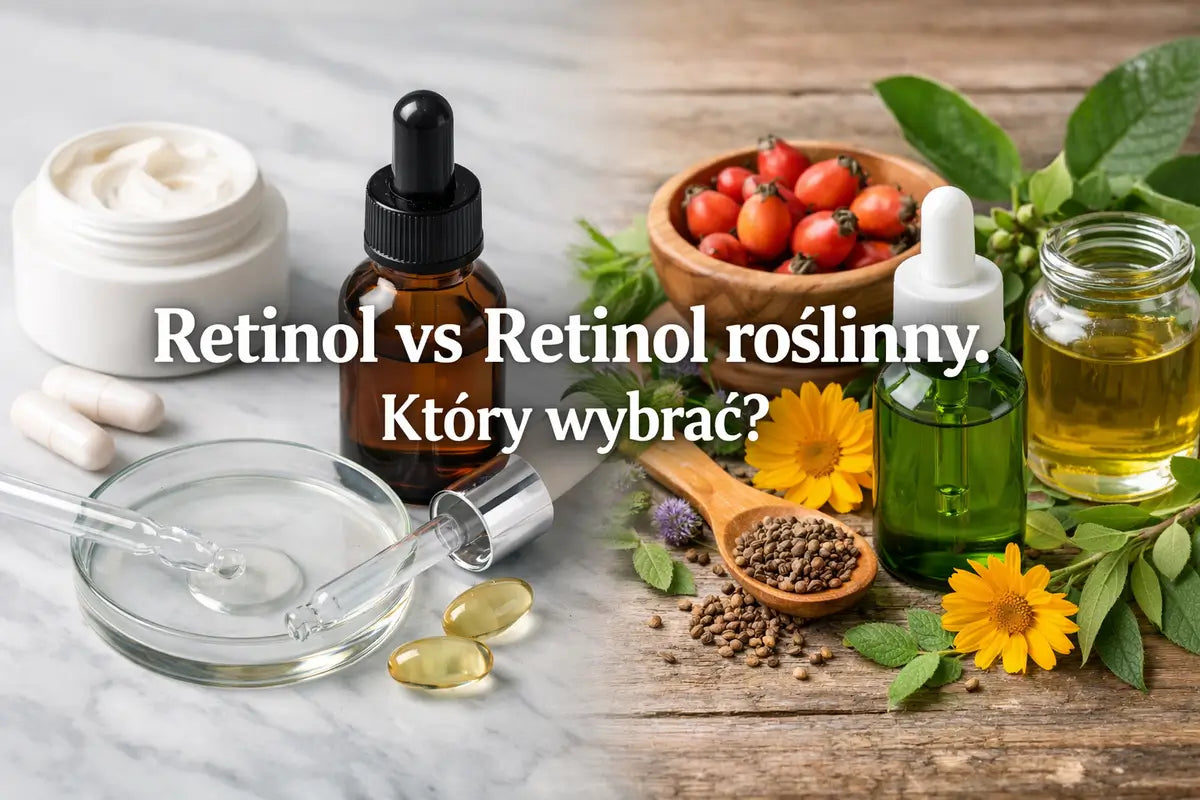
Retinol is an ingredient familiar to anyone interested in anti-aging. Its "plant-based sibling," plant retinol (bakuchiol and other extracts), is increasingly appearing in cosmetics labeled "gentler" or "natural." Which one really works and how to choose safely? In this article, we explain the differences, benefits, potential risks, and suggest when to choose which ingredient.
Contents
- What is retinol?
- What is plant-based retinol?
- Comparison Chart: Retinol vs. Plant-Based Retinol
- How do they affect the skin?
- Who should choose which?
- Frequently Asked Questions (AFQ)
- How to safely introduce retinol into your skincare routine?
- Summary
What is retinol?
Retinol is a derivative of vitamin A and one of the most researched anti-aging ingredients. It works at the cellular level: it increases collagen production, accelerates cell renewal, and reduces the appearance of wrinkles and discoloration. Numerous dermatological studies confirm its effectiveness in visibly improving skin texture.
Key effects of retinol:
- reduction of wrinkles and facial lines
- improving skin texture
- lightening discolorations
- regulation of sebum secretion
What is “plant-based retinol”?
The term plant retinol does not refer to a single molecule, as retinol does, but to a group of plant ingredients that have a retinol-like effect, i.e. they influence cell renewal and the overall condition of the skin, but the mechanism of action and the intensity of the effects are different .
The most commonly used substances known as plant retinol are:
- Bakuchiol - the most common "plant-based retinol"
- NovoRetin - a more unique "plant retinol" created biotechnologically.

Comparison Chart: Retinol vs. Plant-Based Retinol
| Feature / parameter | Retinol | Plant-based retinol |
|---|---|---|
| Source | Synthetic/Vitamin A derivative | Plant extracts or biotechnological ingredients |
| Intensity of action | Very strong | Moderate |
| Visibility of effects | Fast | Slower, gentler |
| Potential for irritation | Higher (dry/sensitive skin) | Lower |
| Safety during pregnancy | Inadvisable | Safer (permitted) |
| Photoprotection | Necessary | Not required |
| Anti-inflammatory effect | Yes | Yes (often strong) |
How do they affect the skin?
Retinol
Retinol is converted in the skin into retinoic acid, which is responsible for its anti-aging effects. However, intensifying cell renewal carries the risk of dryness and irritation, especially at higher concentrations.
Plant-based retinol
Ingredients like bakuchiol act on skin receptors differently than retinol, but their broad spectrum of action mimics some of the benefits of retinol, such as improved firmness and even skin tone, while lowering the risk of irritation .
Retinol Rash - How to Deal with It? Guide and Recommended Products
Who should choose which?
- Retinol - great for people 30+ who have experience with acids/retinol and want strong anti-aging and discoloration effects.
- Plant-based retinol - ideal for sensitive, dry, younger skin or those just starting their anti-aging adventure.
How to safely introduce retinol into your skincare routine?
- Start with a low concentration and use 2-3 times a week.
- Use only in the evening.
- After retinol, use a cream with a rich consistency (hydrolipid barrier).
- Always SPF 30+ in the morning.
An example of a cosmetic with retinol
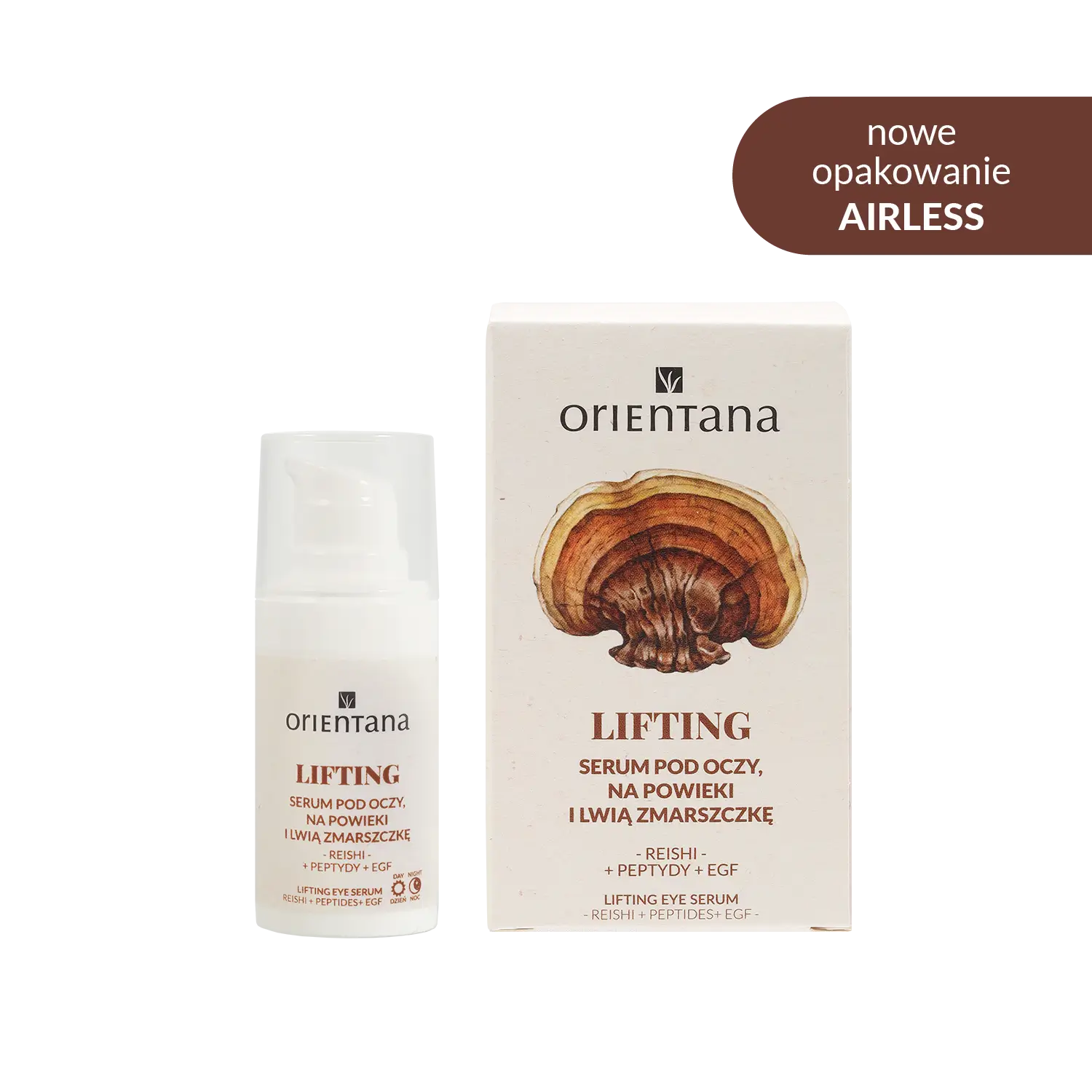
If you're looking for gentler, daily anti-wrinkle support for the eye area, try:
👉 Bioretinol + Caffeine + Moringa Anti-Wrinkle Eye Cream 15 ml – contains bioretinol, which works like retinol, but is formulated to limit potential irritation around the eyes while reducing wrinkles and dark circles.
Frequently asked questions
Is plant-based retinol as effective as retinol?
It is not as strong as classic retinol, but for many skin types the results can be very satisfying with a lower risk of irritation.
Can I use retinol in the evening every day?
At the beginning, it is better to do it every second or third evening, and then – depending on your skin’s tolerance.
Can retinol be used in summer?
Retinol increases sensitivity to the sun – in the summer it is worth using it carefully and always with a cream with SPF.
Can plant retinol be combined with retinol?
Yes, but if your skin is sensitive, it is worth consulting a beautician.
Is plant retinol the same as retinol?
No. Retinol is a derivative of vitamin A with proven, strong biological effects. Plant-based retinol (e.g., bakuchiol) is not vitamin A, but an ingredient that exhibits retinol-like effects , but through a different mechanism and with a lower risk of irritation.
Is plant-based retinol less effective than classic retinol?
Yes, its action is gentler and slower, but for many people it's sufficient – especially with regular use. In return, it offers better skin tolerance , which is crucial for sensitive skin.
Does retinol always irritate the skin?
Not always, but very often – especially at the beginning of use. Typical symptoms include dryness, flaking, redness, or a burning sensation. Therefore, retinol requires gradual introduction and support of the hydrolipid barrier.
Does plant-based retinol cause skin flaking?
Typically not. Ingredients known as plant retinols do not accelerate exfoliation to the same extent as retinol, so they are better tolerated and can be used even in delicate areas, such as under the eyes.
Can retinol be used under the eyes?
Yes, but only in cosmetics designed for the eye area , with appropriate concentration and formula. An alternative is bioretinol creams, which have anti-wrinkle properties but without the typical side effects of retinol.
Can plant-based retinol be used daily?
In most cases, yes. Thanks to its gentler action, plant-based retinol is often suitable for daily skincare, even for beginners.
Do retinol and plant retinol have anti-wrinkle properties?
Yes. Retinol works more powerfully and faster because it directly influences cell renewal and collagen synthesis. Plant-based retinol promotes skin firmness, elasticity, and smoothness more gradually.
Is plant-based retinol safe for sensitive skin?
Yes, it's much better tolerated than classic retinol. That's why it's often recommended for people with sensitive, reactive, couperose-prone, or irritation-prone skin.
Can retinol be used in summer?
It's possible, but with extreme caution and the use of high SPF protection is essential. Retinol increases skin's sensitivity to UV radiation. Plant-based retinol is safer in this regard.
Is plant-based retinol suitable for pregnant women?
Classic retinol is not recommended during pregnancy. Plant-based retinol is not a derivative of vitamin A and is often considered a safer alternative, but it's always worth consulting your doctor before using it.
Can you combine retinol with other active ingredients?
Yes, but not all combinations are beneficial. Retinol should not be combined with strong acids or high concentrations of vitamin C. Plant-based retinol offers much greater flexibility in combining with other ingredients.
Is plant-based retinol a marketing gimmick?
No, but it's worth reading the ingredients. High-quality plant-based retinol (e.g., bakuchiol, bioretinol) has proven skincare benefits. While it won't completely replace retinol, it's a viable alternative for those who can't tolerate traditional forms of vitamin A.
When is it better to choose plant-based retinol instead of classic retinol?
When the skin is:
- sensitive or thin
- susceptible to irritation
- around the eyes
- at the beginning of the anti-aging adventure
- in summer or with intense exposure to the sun
Does an eye cream with bioretinol make sense?
Yes. This is one of the best uses of plant-based retinol – it provides anti-wrinkle benefits in the delicate eye area, without the risk of dryness or burning.
Summary
Retinol and plant-based retinol are valuable ingredients in anti-aging skincare, but they are not the same . Retinol offers stronger results but carries a higher risk of irritation, while plant-based retinol offers a good balance between effectiveness and tolerability. Choosing the best solution for you depends on your skin's needs, sensitivity, and skincare goals .