Retinol is one of the most effective anti-aging ingredients in cosmetics, but its use is often associated with unpleasant side effects. Retinol irritation affects many people, especially at the beginning of therapy. Redness, burning, peeling, or a tight feeling are the most common symptoms and can discourage continued use. Fortunately, there are proven methods to help alleviate discomfort and prepare the skin for this powerful ingredient.

Why Does Retinol Cause Irritation?
Retinol works by accelerating cell renewal and stimulating collagen production. This intensive process can be challenging for skin, especially if it has not been exposed to retinoids before. Retinol-induced irritation stems from several factors:
Exfoliating the outer layer of the epidermis too quickly leaves fresh, delicate skin exposed to external factors. At the same time, retinol can temporarily weaken the skin's protective barrier, increasing water loss and susceptibility to irritation. Furthermore, high retinol concentrations or excessive use can exacerbate these effects, especially in those with sensitive skin.
The Most Common Symptoms of Retinol Irritation
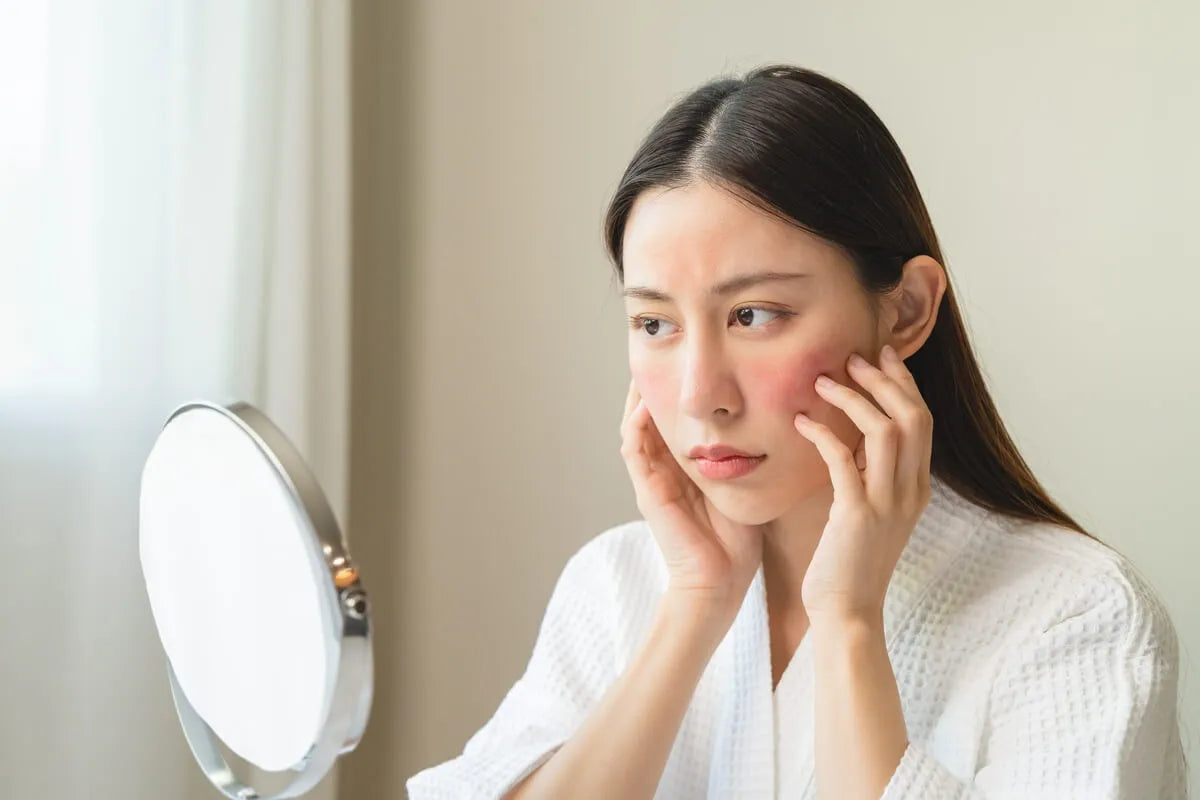
Typical retinol irritation includes a range of symptoms that can appear after just a few applications. The most common include:
Redness and flushing, primarily on the cheeks, forehead, and chin, can also occur. Skin may also be dry and flaky, especially around the nose and mouth. Many people experience a burning or tingling sensation immediately after applying the product, as well as a tight feeling. In some cases, increased sensitivity to sunlight may occur, making sun protection absolutely crucial during retinol therapy.
These symptoms are usually temporary and disappear as the skin adapts to retinol, but require appropriate supportive care.
How to Soothe Retinol Irritation - 6 Effective Ways
When retinol irritation becomes a problem, it's worth implementing a few proven soothing strategies:
First, limit your use. Instead of daily use, apply retinol every 2-3 days, gradually increasing the frequency as your skin adapts. Second, use the sandwich method—apply moisturizer, then retinol, and finally another layer of moisturizer. This will minimize contact with the skin and reduce irritation.
Third, use soothing ingredients like niacinamide, panthenol, and certain plant extracts. Fourth, avoid other active ingredients for the first few weeks of retinol therapy—forgo AHA/BHA acids and vitamin C in the same routine. Fifth, intensely moisturize your skin with products containing hyaluronic acid, ceramides, and squalane. Finally, always use high-performance SPF 50 sun protection, as retinol increases skin's photosensitivity.
Bioretinol - A Gentle Alternative for Sensitive Skin
If retinol irritation is intolerable or you have very sensitive skin, you might want to consider using bioretinol. It's a natural alternative to traditional retinol that offers similar anti-aging benefits with significantly better tolerability.
Bioretinol is a combination of plant ingredients with retinol-like properties that stimulate cell renewal and collagen production without being aggressive. It can be found in products containing bakuchiol extract, natural vitamins, and plant peptides, among others.
A perfect example of such a product is
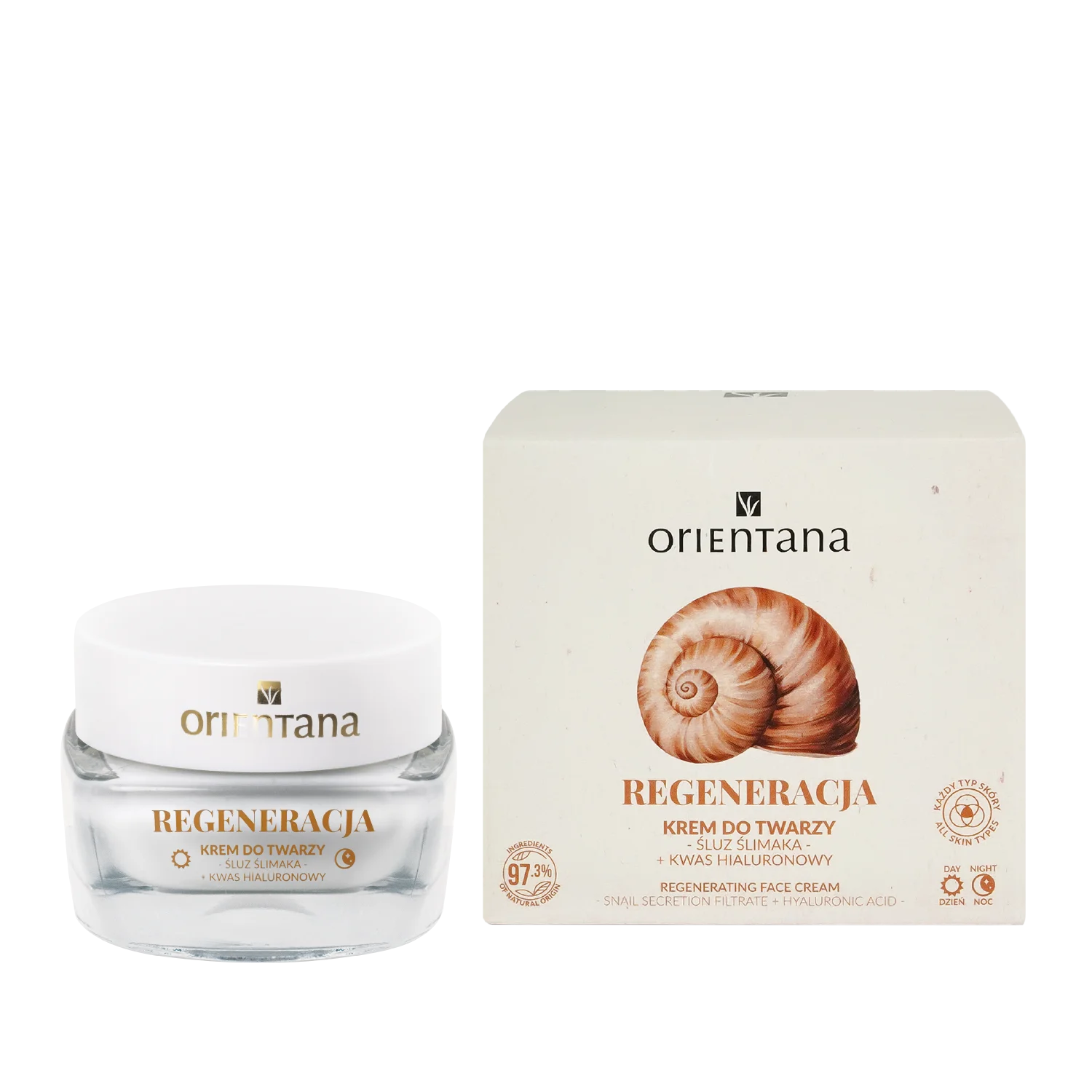
Anti-Wrinkle Eye Cream with Bioretinol, Caffeine and Moringa by Orientana

This gentle cream was created for the sensitive skin around the eyes and contains bioretinol, which provides anti-wrinkle benefits without the risk of irritation. Caffeine also reduces puffiness and dark circles under the eyes, while moringa strengthens the skin's protective barrier. It's the perfect solution for those who have experienced irritation from traditional retinol and are looking for a gentler, yet equally effective alternative.
When to Consult a Dermatologist?
While mild irritation from retinol is normal, some situations require consultation with a specialist. See a dermatologist if redness and burning persist for more than two weeks despite reducing the frequency of use, painful eruptions or blisters appear, skin becomes extremely dry and cracked, or if symptoms worsen instead of improving.
A dermatologist may suggest a milder form of retinol, prescribe a prescription controlled-release retinoid, or recommend a complete skincare regimen tailored to your skin's needs.
Prevention - How to Avoid Irritation?
The best strategy is to prevent irritation before it occurs. Avoid using products with a concentration above 0.3 percent, which is the legal maximum. Introduce retinol gradually, starting once a week and observing your skin's reaction. Prepare your skin by strengthening its protective barrier with moisturizing products a few weeks before starting treatment.
Only apply retinol in the evening to dry skin, as wet skin increases the ingredient's penetration and the risk of irritation. Avoid the sensitive areas around the eyes, mouth, and nose unless you're using a product specifically designed for these areas. Also, remember to use sun protection regularly every day, regardless of the weather.
Summary
Retinol irritation is a common but temporary phenomenon that shouldn't prevent you from reaping the benefits of this ingredient. The key to success is patience, gradual introduction, and proper skin support with moisturizing and soothing products. If your skin is particularly sensitive, consider gentler alternatives like bioretinol, which will provide anti-aging benefits without discomfort.
Remember that every skin type is different and requires an individual approach. What works for others may not necessarily work for you – listen to your skin and tailor your care to its needs.
Frequently Asked Questions
1. How long does retinol irritation last?
Retinol irritation typically lasts from a few days to a few weeks. For most people, symptoms subside after 2-4 weeks of regular use as skin becomes accustomed to the ingredient. If irritation persists, it's worth reducing the frequency of application or consulting a dermatologist.
2. Can I use retinol if I have very sensitive skin?
Yes, but special caution is required. People with sensitive skin should choose products with low retinol concentrations (up to 0.3 percent) or reach for alternatives like bioretinol. The key is to gradually introduce the product and combine it with an intensely moisturizing skincare routine.
3. What to do if the irritation is very severe?
Discontinue retinol use for a few days and focus on skin regeneration with soothing and moisturizing products containing panthenol, niacinamide, or ceramides. Once symptoms subside, you can return to retinol, but less frequently and in lower concentrations. If the problem persists, consult a dermatologist.
4. Can I combine retinol with other active ingredients?
Not during the initial phase of use. For the first 4-6 weeks, avoid combining retinol with AHA/BHA acids, vitamin C, or other potent ingredients. Once your skin has adjusted, you can carefully introduce other active ingredients, ideally applying them at different times of the day, for example, vitamin C in the morning and retinol in the evening.
5. Does irritation mean retinol is working?
No! This is a common myth. Irritation is a side effect, not evidence of effectiveness. Retinol can work just as effectively without causing discomfort when dosed and applied properly. Mild peeling can be normal, but severe redness and burning are not necessary to achieve results.
6. What is the difference between retinols and bioretinols?
Classic retinol is a synthetic chemical ingredient that is very potent but often causes irritation. Bioretinol is a natural, plant-based alternative (e.g., bakuchiol) that mimics the effects of retinol without the harsh effects on the skin. Bioretinol is ideal for those with sensitive skin or those who cannot tolerate traditional retinoids.
7. Can retinol be used under the eyes?
The eye area requires specialized, more gentle products. Classic retinol can be too aggressive for the delicate skin around the eyes. A better choice are dedicated eye creams with bioretinol or low retinol concentrations, formulated with this sensitive area in mind.
8. Do I need to use SPF when using retinol?
Absolutely! Retinol increases skin's photosensitivity, making it more susceptible to UV damage. Lack of sunscreen can lead to discoloration, sunburn, and skin deterioration. Use a sunscreen with at least SPF 30, preferably SPF 50, every day.