Petroleum jelly (petrolatum) is one of the most well-known ingredients used in cosmetics and protective products. Although its occlusive properties have been appreciated for decades, increasing attention is being paid to its petrochemical origin and negative environmental impact. Environmentally conscious consumers are increasingly opting out of petroleum jelly in favor of plant-based ingredients – and there are several important reasons for this.
What is petroleum jelly?
Petroleum jelly is a byproduct of crude oil distillation. For it to be used in cosmetics, it undergoes a strong refining process. In its cosmetic version, it is colorless, odorless, and forms a tight occlusive layer on the skin that prevents water loss.
However, in terms of moisturizing action, it is not an active ingredient – it does not deliver moisture to the skin, but merely "seals" it, blocking water evaporation from the epidermis.
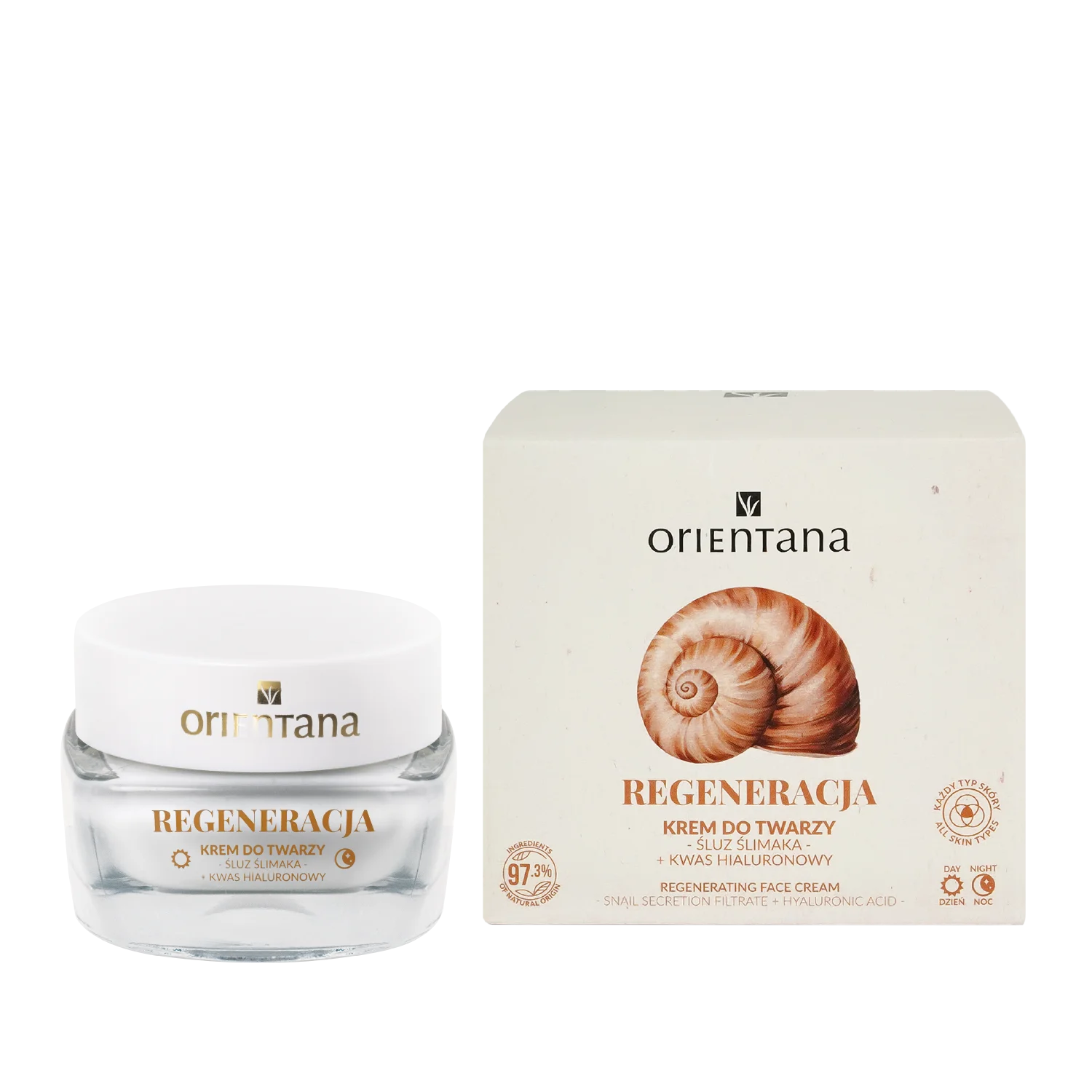
Orientana cream without petroleum jelly:

Why is petroleum jelly environmentally controversial?
Origin from crude oil
This is the most important environmental argument.
Petroleum jelly is not made from plants, not from biotechnological fermentation, but from a non-renewable raw material – crude oil.
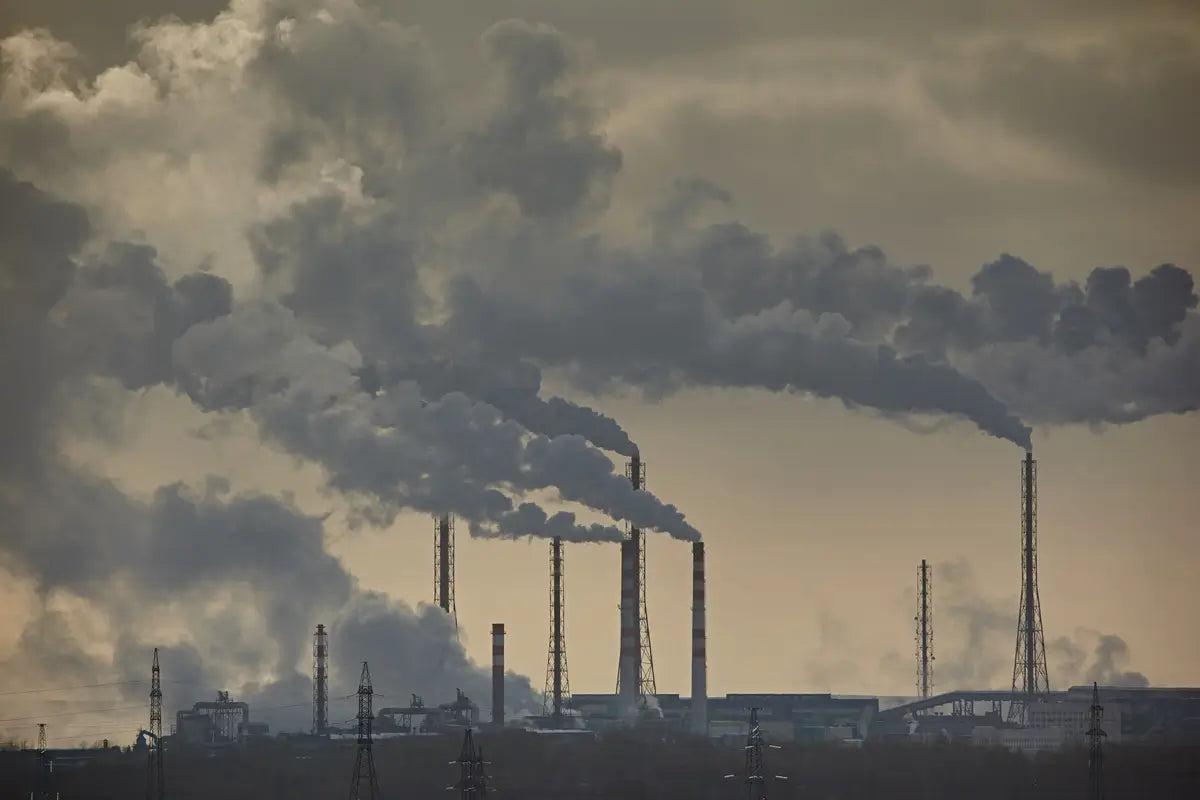
Every gram of petroleum jelly is thus part of a larger petrochemical industry chain, which involves:
- CO₂ emissions,
- the risk of oil spills,
- degradation of marine ecosystems,
- disruption of climate balance.
In times of growing climate awareness, the fact that petroleum jelly is a waste product of the fuel industry is sufficient reason for many consumers to forgo it.
Petroleum jelly is not biodegradable
Unlike natural ingredients, cosmetic petroleum jelly is not biodegradable. This means that after rinsing off or disposal, it can remain in the environment for a very long time – just like other petrochemical substances.
Production requires a lot of energy
The oil refining process that produces petroleum jelly is energy-intensive and generates emissions that increase the product's carbon footprint.
Although petroleum jelly in cosmetics is a "byproduct" of this process, the production of the basic raw material – oil – is one of the most environmentally burdensome stages in the entire energy sector.
Petroleum jelly does not support the skin microbiome
This is more a functional than an environmental aspect, but it influences consumer choices.
Petroleum jelly forms an impermeable barrier that can:
- disrupt the skin's natural gas exchange,
- overburden oily and acne-prone skin,
- disrupt the microbiome balance.
Compared to modern plant-based emollients (e.g., sugarcane squalane, cold-pressed oils, fermented lipids), petroleum jelly is a passive, non-nutritive, biologically inactive ingredient.
Orientana cream without petroleum jelly

Is petroleum jelly safe?
Yes - cosmetic petroleum jelly is considered a safe ingredient for the skin, provided it meets purification standards (so-called "white petrolatum").
However, safety for the skin does not mean safety for the Planet.
More and more brands, especially natural ones, are abandoning petroleum jelly not because it harms the skin, but because its environmental footprint is difficult to accept in the context of sustainable production.
What are the alternatives to petroleum jelly?
If you want to avoid petrochemical ingredients, consider these substitutes:
- Plant-based squalane (sugarcane squalane) - light, stable, well-tolerated, biocompatible.
- Shea, cocoa, mango butter - natural occlusion + nourishing phytosterols.
- Plant waxes (candelilla, carnauba, sunflower wax) – a great alternative for a "balm-like" consistency.
- Cold-pressed vegetable oils - provide fatty acids that support the hydrolipid barrier.
These alternatives are biodegradable and renewable, and many of them support local raw material producers.
Orientana balm without petroleum jelly:

Most frequent questions about petroleum jelly
Is petroleum jelly natural?
No. It is a petrochemical product, obtained from crude oil.
Is petroleum jelly harmful to the environment?
Yes, due to its origin, lack of biodegradability, and production carbon footprint.
Does petroleum jelly clog pores?
It can, especially for people with oily and acne-prone skin. It forms a thick occlusive layer.
Is petroleum jelly vegan?
Formally yes (it doesn't come from animals), but many people avoid it for ecological reasons.
Is petroleum jelly good for chapped lips?
It can provide quick protection, but it does not regenerate, nor does it provide lipids or vitamins.
Remember
Petroleum jelly is an effective occlusive ingredient, but it is outdated when viewed through the prism of ecology and conscious skincare.
Because it is a byproduct of crude oil, it is not a renewable resource, is not biodegradable, and contributes to climate burden. That is why it is increasingly being replaced by modern plant-based alternatives, which are lighter, more biocompatible, and decidedly more planet-friendly.