Cracked heels are a problem I encounter almost daily in my salon. Although it may seem trivial, for many of my clients it is a source of not only physical discomfort but also complexes. Rough, cracked heels can hurt, bleed, and in advanced cases, significantly hinder normal functioning. As a cosmetologist with many years of experience, I can assure you that this is a condition that can be effectively managed – however, it requires understanding the causes and consistent action.
In this article, I will share my knowledge and proven methods that I use in my work with clients. I will show you how to comprehensively care for the skin on your feet so that the problem of cracked heels becomes a thing of the past.
Why do heels crack? Causes of the problem
In my professional practice, I have noticed that cracked heels rarely have one simple cause. It is usually the result of several factors that weaken the skin's natural protective barrier.
Lack of systematic care
is the main problem I encounter. The skin of the feet, especially the heels, is naturally thicker and more prone to losing elasticity. Without regular moisturizing and exfoliation, dead skin cells build up, creating a stiff layer that simply cracks under pressure.
Improper hydration
applies not only to the use of cosmetics but primarily to drinking an adequate amount of water. Dehydrated skin loses elasticity and is more easily damaged. In the salon, I always ask clients about their eating habits – it often turns out that they drink too little liquid.
Footwear is of great importance
flat-soled sandals, flip-flops, or walking barefoot cause excessive pressure on the heels. On the other hand, too tight shoes squeeze the feet and impair circulation. I recommend shoes with good cushioning and proper arch support to my clients.
Nutritional deficiencies
especially vitamins A, E, and omega-3 and omega-6 fatty acids, directly affect the condition of the skin. I often suggest consulting a dietitian when I see that the problem is deeper than just superficial care.
Systemic diseases
such as diabetes, thyroid diseases, or psoriasis can manifest through foot problems. In such cases, I always refer to a doctor – cosmetology is supportive, but it cannot replace the treatment of the underlying disease.
Environmental factors
working in high temperatures, contact with chemicals, walking barefoot on hot surfaces, or dry indoor air – all of this weakens the skin on the heels.

Symptoms not to ignore
As a cosmetologist, I have learned to recognize when a problem requires my intervention and when a visit to a doctor is necessary.
In the initial stage, cracked heels manifest as dryness and roughness. The skin becomes hard to the touch and loses elasticity. This is the moment when action is most effective.
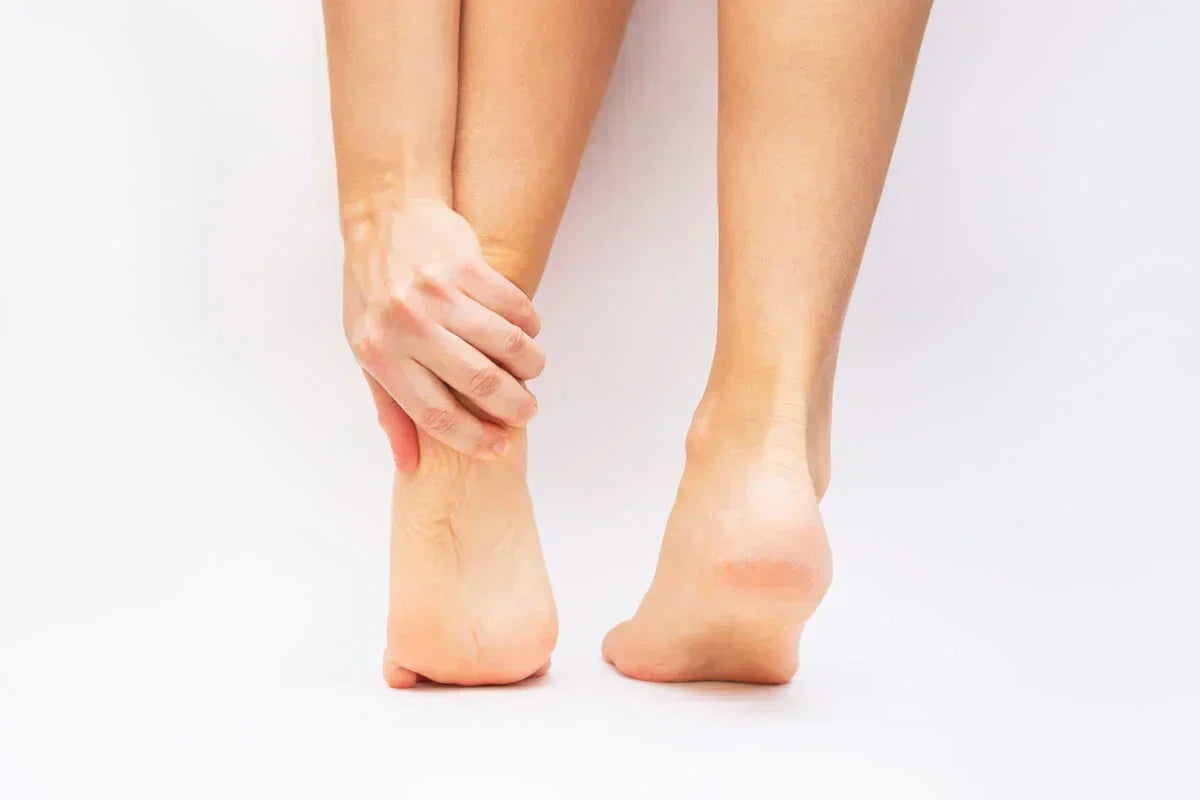
As the problem deepens, visible cracks appear – from fine lines to deep fissures in the epidermis. The skin may have a yellowish tint and resemble wrinkled parchment.
Pain and discomfort when walking are a sign that the problem is already advanced. Clients often describe it as burning or a sensation of the skin being stretched.
In extreme cases, I observe bleeding from cracks. This is a condition that requires immediate action – open wounds on the feet are a gateway for infections, especially in people with diabetes or weakened immunity.

Home remedies for cracked heels
I always tell my clients that the salon is only the beginning - the real work happens at home, systematically and patiently.
Regular exfoliation
This is the foundation of heel care. I recommend using a pumice stone on damp skin during a bath - gentle, circular motions, without excessive pressure. Pumice mechanically removes calloused skin, preparing the skin to absorb active ingredients.
Foot files are effective for people with very thick calluses, but I warn against metal files – overly aggressive action can paradoxically stimulate the skin to even more intense cornification. I prefer those with fine-grit sandpaper.
The key is frequency - 2-3 times a week is optimal. Daily, aggressive exfoliation is a mistake I see too often.
Softening baths
Before exfoliation, I always recommend a 15-minute bath to soften the epidermis and facilitate its removal.
Baking soda (2-3 tablespoons per bowl of warm water) acts mildly alkaline, softening hardened skin. It also has antifungal properties.
Apple cider vinegar (half a cup per liter of water) helps restore the skin's natural pH and has antiseptic properties. I especially recommend it to people with excessive foot sweating.
Essential oils - I add a few drops of lavender oil (relaxing) or tea tree oil (antibacterial). This is not just aromatherapy, but real support for the skin.

Intensive hydration
After exfoliation comes the most important step – hydration. The skin is then as absorbent as a sponge and will maximally utilize active ingredients.
Natural oils are my favorite recommendation for overnight use. Coconut, almond, or argan oil create an occlusive layer that prevents water loss. I apply generously, massage until absorbed, and leave the rest on the surface. When I don't have time to do it myself, I choose natural Orientana oil.
Overnight moisturizing masks I make from a mixture of oil, honey, and a few drops of vitamin E. I apply a thick layer to the heels, put on cotton socks, and leave it overnight. I often reach for Orientana body butters. The result? Soft, smooth feet after just a few applications.
Cotton socks are a must-have – they protect bedding, but most importantly, they create a compression and warmth effect that enhances the absorption of active ingredients.
Professional care for cracked heels
Although home care is fundamental, in the salon I have tools and cosmetics with much higher concentrations of active ingredients.
Active ingredients to look for in cosmetics
After years of work, I know which substances truly work for cracked heels.
Urea in concentrations of 10-40% is the gold standard. It has a keratolytic effect, meaning it dissolves the connections between dead skin cells, while intensely moisturizing the deep layers of the skin. For home preparations, look for a concentration of 10-15%; higher concentrations are reserved for professional treatments.
Glycerin is a humectant that attracts and retains water in the skin. In combination with occlusive substances, it forms an ideal moisturizing duo.
Vitamin E and panthenol support regeneration, soothing irritation and accelerating the healing of micro-cracks.
Snail mucus is an ingredient that has gained immense popularity in recent years – and rightly so. It contains natural allantoin, collagen, elastin, glycolic acid, and vitamins. In my practice, I observe that cosmetics with snail mucus significantly accelerate the regeneration of even very damaged skin.

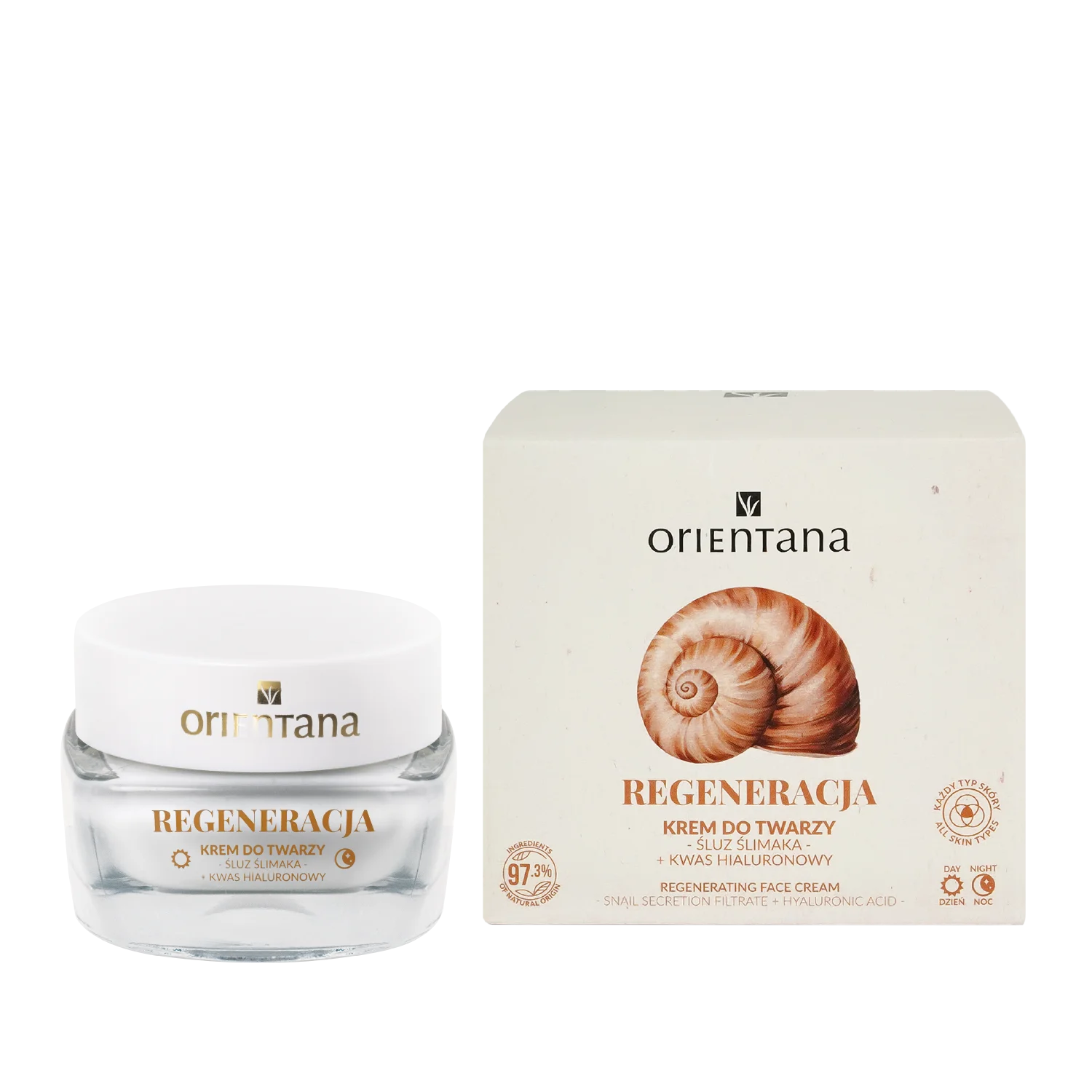
Orientana Hand Cream with Snail Mucus - unusual application
Allow me to share a professional secret I discovered a few years ago and successfully use with my clients. Orientana Hand Cream with snail mucus, although created with hands in mind, has proven to be extremely effective in caring for cracked heels.
Why exactly can a hand cream work on feet? The answer is simple - the skin on hands and feet has similar needs. Both body parts are heavily used, exposed to external factors, and prone to dryness. What's more, hand cream usually has a richer, more nourishing consistency than standard body lotions, which perfectly suits the needs of heel skin.
The snail mucus contained in Orientana cream is a real treasure for damaged skin. Its regenerating properties have been known for centuries, but only modern cosmetology has been able to fully utilize them. Snail mucus stimulates the production of collagen and elastin, so the skin regains elasticity and firmness. It contains natural enzymes that gently exfoliate dead skin cells, accelerating cell renewal.
The Orientana cream contains not only snail mucus but also a rich moisturizing and nourishing complex that perfectly complements the needs of dry heel skin. This combination works on many levels – it moisturizes, regenerates, soothes, and protects.
How to apply the cream to cracked heels? My proven method is:
1. In the evening, after bathing and gentle exfoliation, thoroughly dry your feet.
2. Apply a really thick layer of cream to clean heels; don't be sparing, the skin must literally be covered with it.
3. Perform a light massage with circular movements, stimulating absorption.
4. Put on cotton socks and leave them on all night.
5. In the morning, the heels are soft, moisturized, and smooth.
The effects of regular use are noticeable after just 2-4 days - the skin becomes significantly more elastic, small cracks heal, and the rough surface smooths out. After a month of consistent care, most of my clients achieve spectacular results - their heels resemble those from years ago, when the problem did not yet exist.
Importantly, snail mucus cream also works preventively - used regularly, it prevents recurrence of the problem, maintaining the skin in excellent condition.
Prevention – how to prevent cracked heels
I always tell my clients: it’s easier to prevent than to treat. Preventing cracked heels is a set of simple habits that should become part of your daily routine.
Daily care doesn't have to be complicated. All you need to do is apply a rich moisturizing cream to still damp skin after every bath. That’s literally 30 seconds that can save you months of battling the problem.
Proper hydration of the body is the foundation of beautiful skin – not just on your face, but also on your feet. A minimum of 1.5-2 liters of water per day is an absolute must.
A diet rich in vitamins A, E, and omega acids affects the condition of the skin from within. I recommend nuts, avocados, fatty fish, carrots, spinach – these are natural sources of nutrients for the skin.
Choosing appropriate footwear is a topic I could talk about for hours. Choose shoes made of natural materials, with good ventilation and cushioning. Avoid flat soles and constantly wearing flip-flops in the summer season.
Do not walk barefoot on hard, rough surfaces – this is the fastest way to thicken and crack the epidermis.
When to see a specialist?
As a cosmetologist, I know the limits of my competence and always refer clients to a doctor when I see alarming symptoms.
- Chronic problems that do not subside for several weeks despite systematic care require medical consultation. This may be a symptom of a systemic disease.
- Infections - redness, swelling, throbbing pain, purulent discharge - these are alarming signs. Open wounds on the feet, especially in diabetics, can lead to serious complications.
- Deep, painful cracks that bleed or cause difficulty walking should be evaluated by a doctor or podiatrist.
A podiatrist is a foot care specialist who also deals with medical problems such as calluses, corns, or ingrown toenails. A dermatologist, on the other hand, will assess whether the problem does not result from a skin disease requiring pharmacological treatment.
Cracked heels are a problem that can be effectively combated, but it requires understanding the causes, consistency, and appropriately selected care methods. Remember the golden rule: exfoliation + hydration + protection – these three pillars are the foundation of healthy, smooth feet.
Don't be afraid to experiment with unusual uses for cosmetics - like Orientana hand cream with snail mucus, which in my practice has proven to be a bull's-eye for cracked heels. Sometimes the best solutions are right under your nose, you just need to open yourself up to new possibilities.
Most importantly, however, do not ignore the problem. Cracked heels are not just a matter of aesthetics – they are a sign that your skin needs your attention. Start acting today, and the results will come faster than you expect. Believe me – as a cosmetologist, I have seen hundreds of transformations that began with one conscious decision to change.
Take care of your feet – they deserve the same as your face!