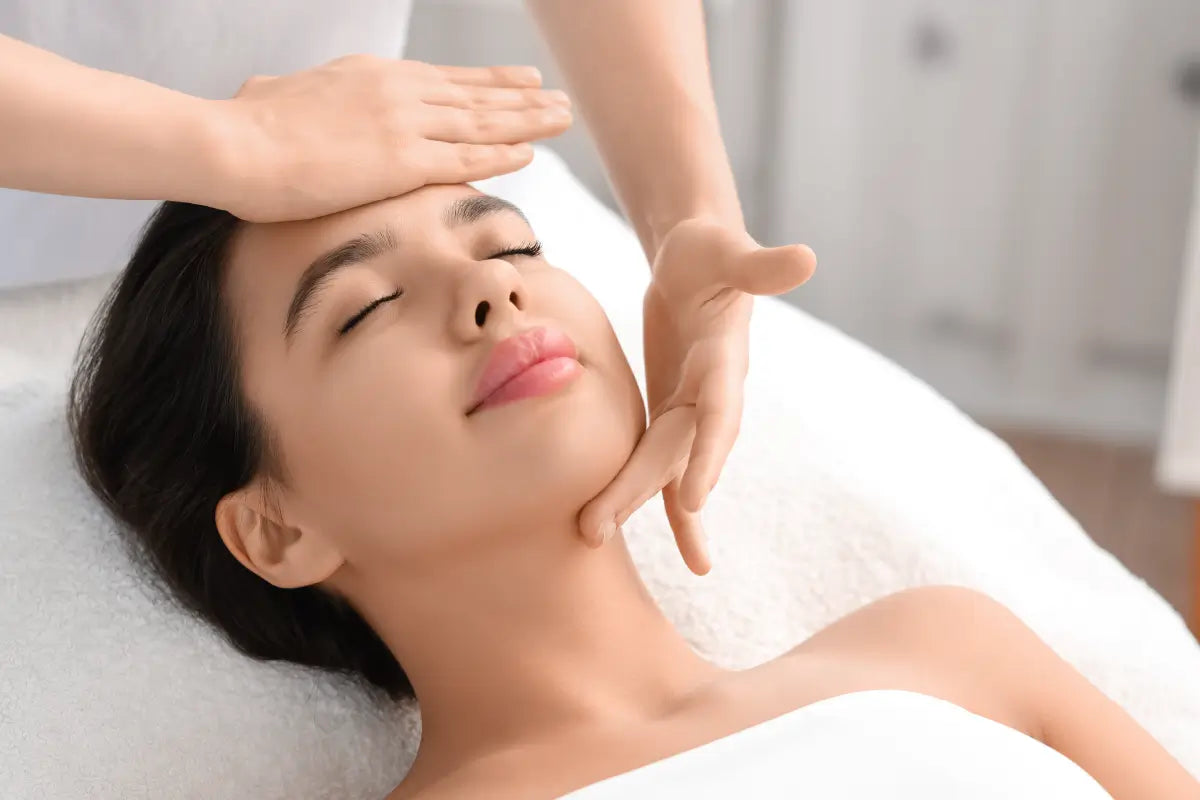
Kobido facial massage has become one of the most frequently chosen treatments in cosmetology clinics in recent years. More and more people treat it not only as a way to improve skin appearance but also as a ritual of deep relaxation and harmony. It is a technique that combines elements of ancient tradition, knowledge of acupressure, and modern knowledge of facial muscle anatomy. The effects are often compared to a surgical facelift – with the difference that Kobido works completely naturally, without a scalpel and without invasive methods.
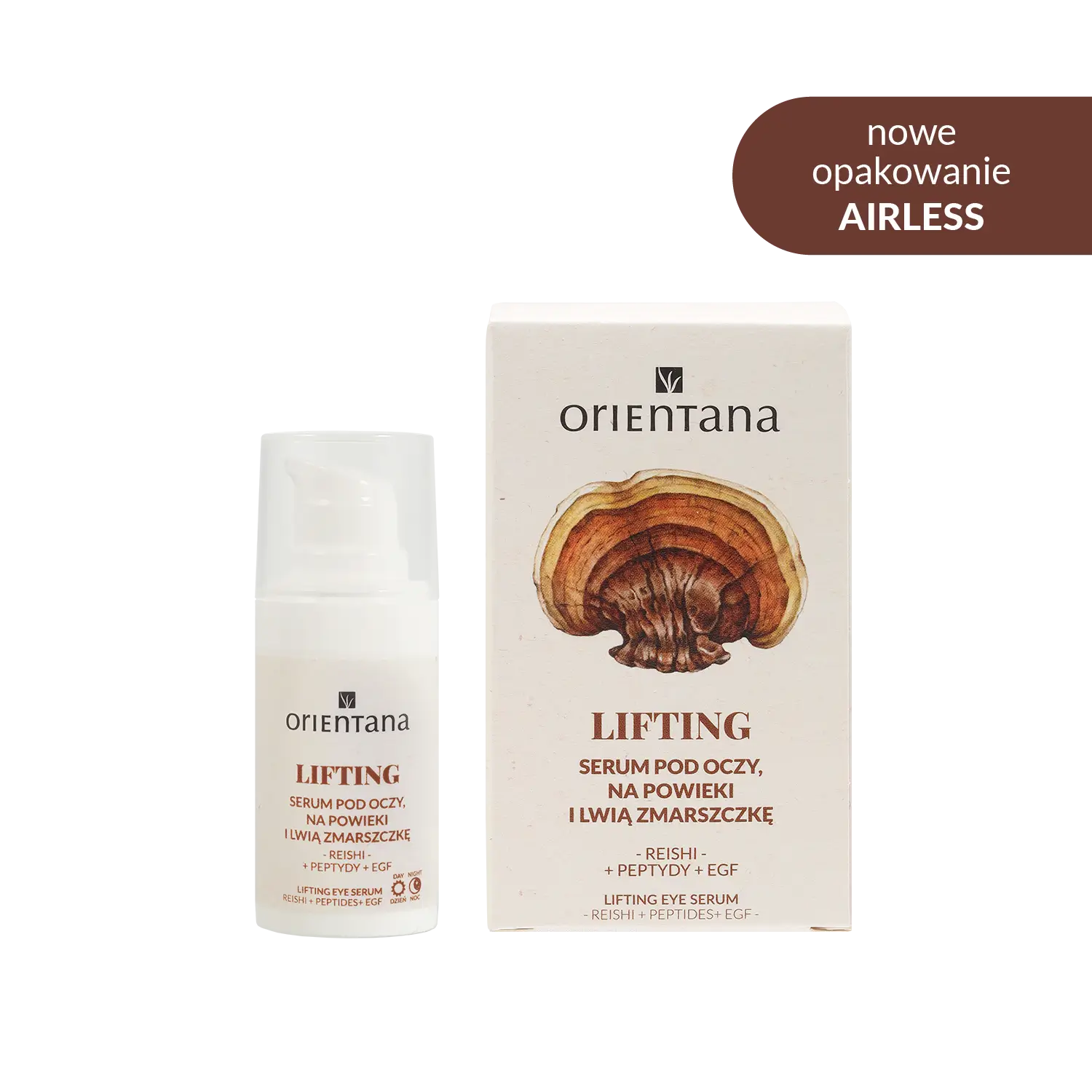
For the massage to be effective, proper glide and care that supports skin regeneration are needed. Orientana facial massage oils, created from natural plant oils, which not only facilitate the performance of the Kobido technique but also enhance its moisturizing, nourishing, and firming effects, will work perfectly here.
What is Kobido massage?
Kobido is an advanced massage technique that includes not only the face but also the neck, décolletage, and nape. This is important because muscle tension accumulates throughout the entire upper body – and its reduction results in a rejuvenating and relaxing effect on facial features.
Kobido massage is characterized by high dynamism – the therapist interweaves very delicate stroking movements with intense kneading, rubbing, and pinching of the muscles. Thanks to this, the skin is not only stimulated but also nourished and oxygenated. Kobido stimulates fibroblasts to produce collagen and elastin, which translates into natural skin tension and smoothness.

History and philosophy of Kobido
Kobido originated in Japan in the 15th century. Legend has it that it was created as a combination of several massage techniques practiced by medics and monks. Over time, it became one of the favorite rituals at the imperial court – women used it to maintain youth and skin vitality.
The philosophy of Kobido stems from Eastern medicine, which treats the body as a whole. Facial massage is not only a way to reduce wrinkles but also a method to restore energetic balance, improve circulation, and overall well-being. Kobido affects not only the skin but also the nervous system – it lowers stress levels, improves sleep quality, and contributes to overall relaxation.
How does Kobido work on facial skin?

The effects of Kobido massage are multidimensional. This is why it has earned the name "non-surgical facelift":
• Muscle stimulation – intensive movements stimulate the deep parts of facial muscles, which gives a lifting effect.
• Collagen and elastin production – regular massage supports skin regeneration processes and firmness.
• Oxygenation and nourishment – improved blood circulation makes the skin brighter and healthier.
• Lymphatic drainage – removes toxins and reduces swelling, especially around the eyes.
• Relaxation – reduces tension in the jaw, neck, and shoulders, which is often a result of stress.
After just one treatment, the skin looks fresher and more radiant, but the greatest effects are visible after a series of massages.
Orientana facial massage oil – a natural ally of Kobido
During the massage, an appropriate product that provides glide and simultaneously has a nurturing effect is extremely important. Orientana facial massage oil is a blend of natural oils, such as:
• sesame oil – rich in vitamin E and fatty acids, has an anti-aging effect,
• jojoba oil – regulates sebum secretion and protects the skin from dehydration,
• sweet almond oil – intensely moisturizes and smooths,
• natural plant extracts – support regeneration and give the skin a healthy glow.
Orientana facial massage oil is light, absorbs well, and at the same time creates an appropriate protective film, making Kobido massage more pleasant and effective. It is a vegan product and safe even for sensitive skin.
What does the Kobido treatment look like step by step?
Relaxation stage
Kobido massage begins with gentle strokes and rubs, which gradually lead to a state of relaxation. The goal of this stage is to calm the nervous system and prepare the skin and facial muscles for further, more intensive techniques.
Deep muscle massage stage
Then, dynamic movements stimulating facial muscles are used. This stage acts as a natural workout for the skin – it improves its tension, firms, and stimulates deeper tissue layers, making the face more elastic.
Lymphatic drainage stage
Special massage techniques support the removal of excess lymph and toxins. Regular lymphatic drainage improves circulation, reduces swelling, and makes the skin look fresh and radiant.
Acupressure stage
In the next stage, the masseuse applies pressure to specific energy points on the face. This technique improves the body's balance, has a relaxing and harmonizing effect, and at the same time supports the natural regenerative processes of the skin.
End of massage
The entire treatment ends with gentle relaxation movements combined with the application of natural Orientana facial massage oil. The oil additionally nourishes and cares for the skin, leaving it soft, smooth, and full of radiance.
Effects of regular Kobido massage
Kobido massage brings not only aesthetic but also health benefits:
• reduction of wrinkles and improvement of facial oval,
• brightening and evening of skin tone,
• reduction of swelling and dark circles under the eyes,
• reduction of muscle tension,
• improvement of sleep quality and stress reduction.
Regularity is key – a series of 5–6 massages performed once a week gives lasting results, which can be maintained every 2–3 weeks.
Frequently Asked Questions (FAQ)
Is Kobido massage painful?
No – although it can be intense, it should be pleasant. Slight muscle discomfort is a natural effect of their stimulation.
How often should Kobido massage be performed?
Initially, it is recommended once a week for several weeks, and then once every 2–3 weeks to maintain the effects.
Can I do Kobido at home?
Yes, you can learn simpler techniques and perform the massage yourself, preferably using a natural oil, e.g., Orientana facial massage oil. However, a professional treatment by a specialist will give deeper effects.
Who is Kobido massage for?
For people with signs of aging, but also for those who struggle with facial muscle tension, stress, bruxism, or migraines.
Are there any contraindications for Kobido?
Yes – it should not be performed with active skin inflammation, fresh scars, infections, severe acne, or after surgical or aesthetic medicine treatments.
Is oil necessary during Kobido?
Yes – oil provides proper glide and protects the skin from irritation. Natural Orientana facial massage oil additionally moisturizes and regenerates the complexion.
Does Kobido replace aesthetic medicine treatments?
It can be a natural alternative or complement to them. Regular massage improves skin tension, but it will not replace, for example, the effects of hyaluronic acid. However, it is a great way to achieve a natural, long-term effect.
Does Kobido massage help with headaches?
Yes – by working on the muscles of the neck, jaw, and face, Kobido reduces tensions that are often the cause of migraines and tension headaches.
Can Kobido be combined with other treatments?
Yes – it can be combined, for example, with algae masks, regenerating face masks, or anti-aging cosmetics, which penetrate deeper due to improved microcirculation.
Can men benefit from Kobido?
Of course – the massage is universal and works equally well for men. More and more men are using Kobido to improve skin appearance and reduce muscle tension.
Kobido massage is a unique technique that combines natural lifting, deep regeneration, and relaxation. It acts not only on the facial skin but also on the entire body – it reduces stress, improves circulation, and contributes to overall harmony.
For the massage to be effective and comfortable, it is worth using Orientana facial massage oils, which, thanks to their natural oil content, support skin hydration, nourishment, and elasticity. This is an ideal combination of tradition with modern, conscious care.