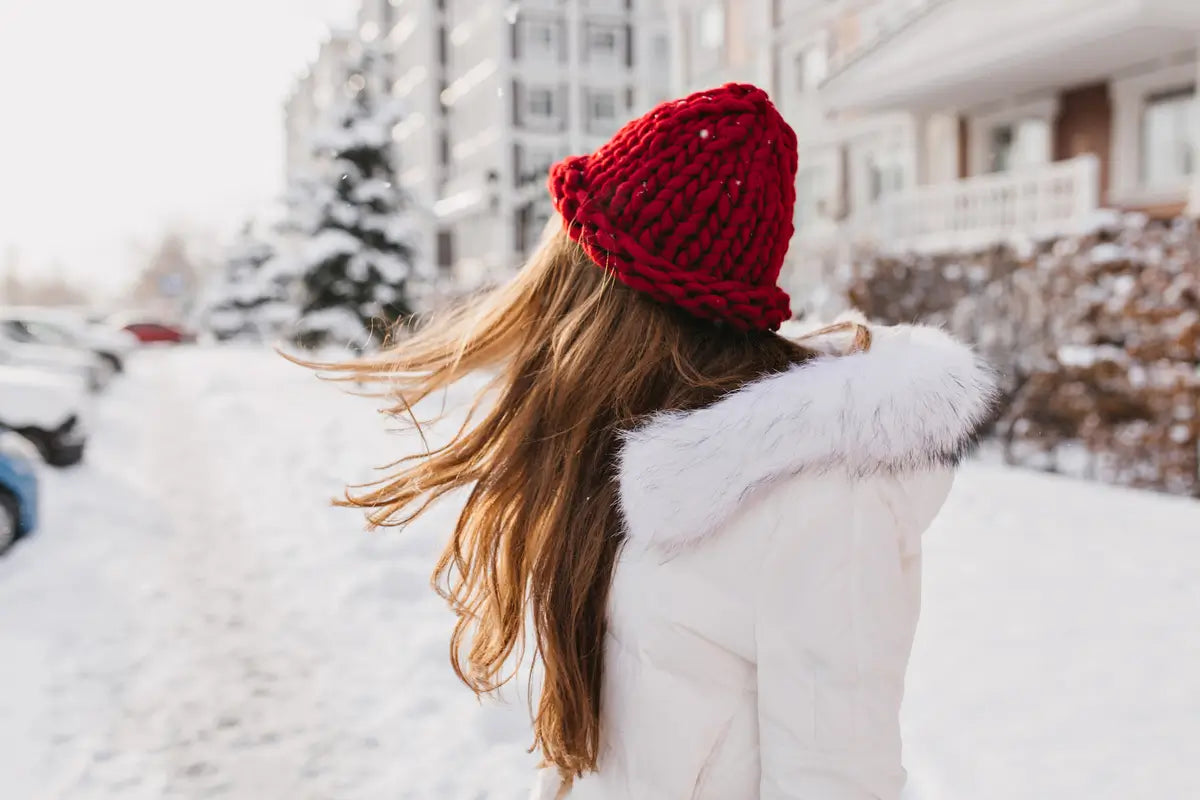
Winter is a particularly challenging time for our hair. As a trichologist with many years of experience, I observe that the highest number of patients with hair problems come to my office during the winter months. Winter hair can become dry, brittle, and dull – but does it have to be this way? Today, I'll share with you professional knowledge on how to protect your hair during the coldest season.
Why does hair suffer in winter?
Winter weather poses a real challenge to hair structure. Low outdoor temperatures cause hair cuticles to narrow, hindering the penetration of nutrients. Dry, heated indoor air further dehydrates both the hair and scalp. This drastic environmental change, which we often don't realize, can lead to a number of problems.
The most common winter hair ailments include:
- Increased electrification of hair caused by low air humidity
- Brittleness and split ends resulting from weakening of the hair structure
- Dry scalp, often accompanied by itching
- Loss of natural shine and elasticity
- Slowing down of hair growth due to poorer blood supply to the scalp
Professional hair care in winter
Proper cleansing
In winter, it's especially important not to overload your hair with frequent washing. If you don't have a problem with oily hair, I recommend washing your hair no more than 2-3 times a week, using gentle, natural shampoos. It's worth choosing products with gentle cleansing ingredients that gently cleanse without damaging the scalp's natural protective barrier. For example, try the Trycho Lychee shampoo.

Deep hydration and nourishment
This is an absolute staple in winter care. Hair needs intensive support now in the form of masks and conditioners rich in natural oils and plant extracts. I especially recommend products containing squalane , which penetrates deep into the hair structure, and products like mango butter, which creates a protective layer on the hair's surface without weighing it down.

Natural cosmetics inspired by traditional Ayurvedic medicine, such as those available in the Orientana line, are an excellent solution. These products combine ancient herbal knowledge with modern care needs, offering hair comprehensive regeneration without weighing it down with silicones or parabens.
Oiling - a winter ritual for beautiful hair
As a trichologist, I can't overlook the topic of oiling, which takes on particular importance in winter. This method involves applying natural plant oils to the hair before washing. The oils create a protective film that prevents moisture loss during washing and drying.

Oils with medium penetration, such as coconut, argan, or avocado, are ideal for winter oiling. It's also worth trying Ayurvedic hair oils enriched with amla or brahmi extracts, which not only nourish but also stimulate hair growth.
Mechanical protection - hats and accessories
Many of my patients ask if wearing a hat is bad for their hair. The answer is no, if we do it properly. A hat is essential in winter because it protects hair from frost, wind, and snow. A few rules to follow:
Choose hats made of natural materials, such as cotton, wool, or cashmere. Avoid synthetic fabrics, which increase static electricity. Before putting on a hat, it's a good idea to lightly spray your hair with an antistatic product or apply a small amount of natural oil to the ends. Avoid wearing hats indoors to allow your scalp to breathe.
Diet for healthy hair in winter
External care is only half the battle. In winter, the body needs additional support from within. In my practice, I always emphasize the importance of a proper diet for healthy hair. A winter diet should be rich in omega-3 fatty acids (oily fish, walnuts, flaxseed), protein (lean meat, eggs, legumes), B vitamins, iron, and biotin.
Let's also remember to hydrate our bodies from the inside out. Even though we feel less thirsty in winter, our bodies still need adequate fluids. I recommend drinking warm water with lemon, herbal teas, and drinks that promote blood circulation in the scalp.
Damage-free styling
In winter, we should be especially careful with heat styling. Blow dryers, straighteners, and curling irons further dry out already stressed hair. If we use these devices, always use heat protectants. It's worth reaching for natural heat-protective products based on vegetable oils and silk proteins.
I also recommend limiting the amount of styling products you use, as they can weigh your hair down. If you do use them, choose natural, easy-to-rinse formulas.
Home SPA for hair
Once a week, it's worth treating your hair to a home-based regenerative treatment. This could be an intensive mask enriched with a few drops of essential oils (rosemary stimulates hair growth, while lavender soothes scalp irritation), followed by a gentle head massage to improve microcirculation and facilitate the absorption of nutrients.
Ayurvedic products are ideal for winter beauty rituals, combining the power of natural ingredients with a holistic approach. Masks made with shikakai, reetha, or amla not only nourish the hair but also regulate the sebaceous glands, which is especially important for scalps prone to dryness in winter.
When to see a specialist?
As a trichologist, I want to emphasize that some symptoms require professional consultation. If you notice excessive hair loss (more than 100-150 hairs per day), persistent scalp itching, seborrheic eruptions, or a sudden deterioration in hair condition, don't wait and schedule an appointment. Early intervention can help avoid more serious problems.
Summary
Winter hair requires special care and attention. Proper external care based on natural ingredients, internal support through diet and supplementation, and protection from unfavorable weather conditions are the key to beautiful and healthy hair year-round. Remember that investing in high-quality natural cosmetics and regular care is not a luxury, but a necessity if we care about the long-term health of our hair.
I encourage you to try Orientana cosmetics, which are proven to protect your hair from harsh weather conditions. Nature offers everything we need – all you need to do is choose the right products and maintain regular care.
Healthy and beautiful hair in winter!