
Dry skin is a challenge that many people struggle with, especially during the fall and winter months. Tightness, roughness, and even flaking are signs that your skin needs intense hydration. Fortunately, natural cosmetics for dry skin offer effective and safe solutions that alleviate discomfort and restore the skin's healthy appearance.

How to recognize dry skin - a comprehensive diagnosis
Correctly identifying your skin type is the foundation of effective skincare. Dry skin has specific characteristics that distinguish it from other skin types.
Visual signs of dry skin
If you're wondering if you have dry skin, take a close look at your face in natural light. Dry skin is often characterized by a dull, lackluster appearance. You may notice small flakes of skin, especially around the nose, cheeks, and forehead. In more advanced cases, visible pores and a network of fine lines appear, more pronounced than in other skin types.
Sensations indicating dry skin
The most common symptoms include a feeling of tightness, especially after washing the face, itching, roughness to the touch, and a feeling of tightness. In extreme cases, burning and sensitivity to touch may occur. Dry skin also reacts more strongly to changes in temperature and humidity.
A simple home test for your skin type
Do a simple test: after waking up, before your morning skincare routine, place a blotting paper on various areas of your face for about 15 seconds. If the paper remains clean, free of oil, and your skin feels tight, you most likely have dry skin. Another way is to observe your skin 30 minutes after washing your face with water without using any cosmetics. If you feel discomfort and tightness, it's a sign that your skin is dry.
The difference between dry and dehydrated skin
It's important to distinguish between dry and dehydrated skin. Dry skin is a skin type associated with low sebum production and a weakened lipid barrier. Dehydrated skin is a temporary condition that can affect any skin type, even oily skin. Dehydrated skin is deprived of water but not fat. If your skin is shiny in the T-zone and feels tight at the same time, you likely have dehydrated skin, not dry skin.

Home remedies for dry skin - natural care from the kitchen
Before you reach for professional natural cosmetics for dry skin, you can try proven home methods that bring relief and support hydration.
DIY moisturizing masks
Honey-Avocado Mask : Blend half a ripe avocado with a tablespoon of natural honey. Apply to cleansed face for 15-20 minutes, then rinse with lukewarm water. Avocado provides valuable fatty acids, while honey has moisturizing and antibacterial properties.
Natural Yogurt and Olive Oil Mask: Combine two tablespoons of full-fat natural yogurt with a teaspoon of olive oil. This simple mixture is incredibly moisturizing and soothing. Leave on for 15 minutes.
Oatmeal and Milk Mask: Pour warm milk over two tablespoons of rolled oats, wait for them to swell, and apply to your face. The oats soothe irritations, while the milk moisturizes and softens the skin.
Natural oils in dry skin care
Vegetable oils are true treasures for dry skin. Coconut, argan, sweet almond, or jojoba oils can be used as a serum before bed or added to your favorite cream. Evening primrose oil is especially recommended for inflammation associated with dry skin.
Natural tonics and mists
Make a homemade toner with rosewater or chamomile. Simply steep dried rose petals or chamomile flowers, let cool, and store in the refrigerator. You can also prepare a moisturizing mist with mineral water and vegetable glycerin (95:5 ratio).
Exfoliating dry skin - gently and consciously
Although dry skin requires exfoliation, you must do it very carefully. A homemade scrub made with finely ground oatmeal and honey or plain yogurt is ideal once a week. Avoid aggressive salt or sugar scrubs, which can further irritate delicate skin.
Cucumber or potato compress
Slices of fresh cucumber or raw potato, placed on the face for 10-15 minutes, soothe the skin and provide hydration. This is especially good for the eye area, where skin is most delicate.
Facial massage with oil
Regularly massaging your face with a natural oil not only improves circulation and skin firmness but also aids in the absorption of nutrients. Use gentle, circular motions, moving from the center of your face outward.
Herbal steams for dry skin
Facial inhalations over a bowl of hot water with chamomile, linden, or rosehips open pores and prepare the skin to better absorb active ingredients. After this treatment, apply a nourishing cream or oil.
Moisturizing from the inside
The simplest home remedy is proper hydration. Drink at least 1.5-2 liters of water daily. You can enhance your water with cucumber slices, lemon, or mint leaves. Green smoothies with avocado, spinach, and banana also support skin hydration from within.
A skin-friendly home environment
Maintain proper indoor humidity, especially during the heating season. A humidifier or bowls of water placed on radiators will help maintain optimal humidity levels. The ideal humidity for skin is around 40-60%.
When home remedies are not enough
While natural DIY methods provide relief, sometimes skin needs more concentrated and advanced formulas. If home remedies don't improve after a few weeks of use, it's worth reaching for professional, clinically proven natural cosmetics for dry skin.

Why does skin become dry?
Before reaching for the right cosmetics, it's important to understand the causes of dry skin. It can be a result of genetics, but also the influence of external factors: low temperatures, heating, air conditioning, excessive sun exposure, or improper skincare. Dry skin is characterized by a weakened hydrolipid barrier that doesn't retain moisture effectively enough.
What does dry skin need?
Dry skin care should focus on three cornerstones: hydration, nourishment, and protection of the lipid barrier. Natural active ingredients such as hyaluronic acid, ceramides, plant oils, and botanical extracts support regeneration and help maintain optimal epidermal hydration.
The most effective ingredients in natural cosmetics for dry skin
Snail slime - a natural elixir of youth
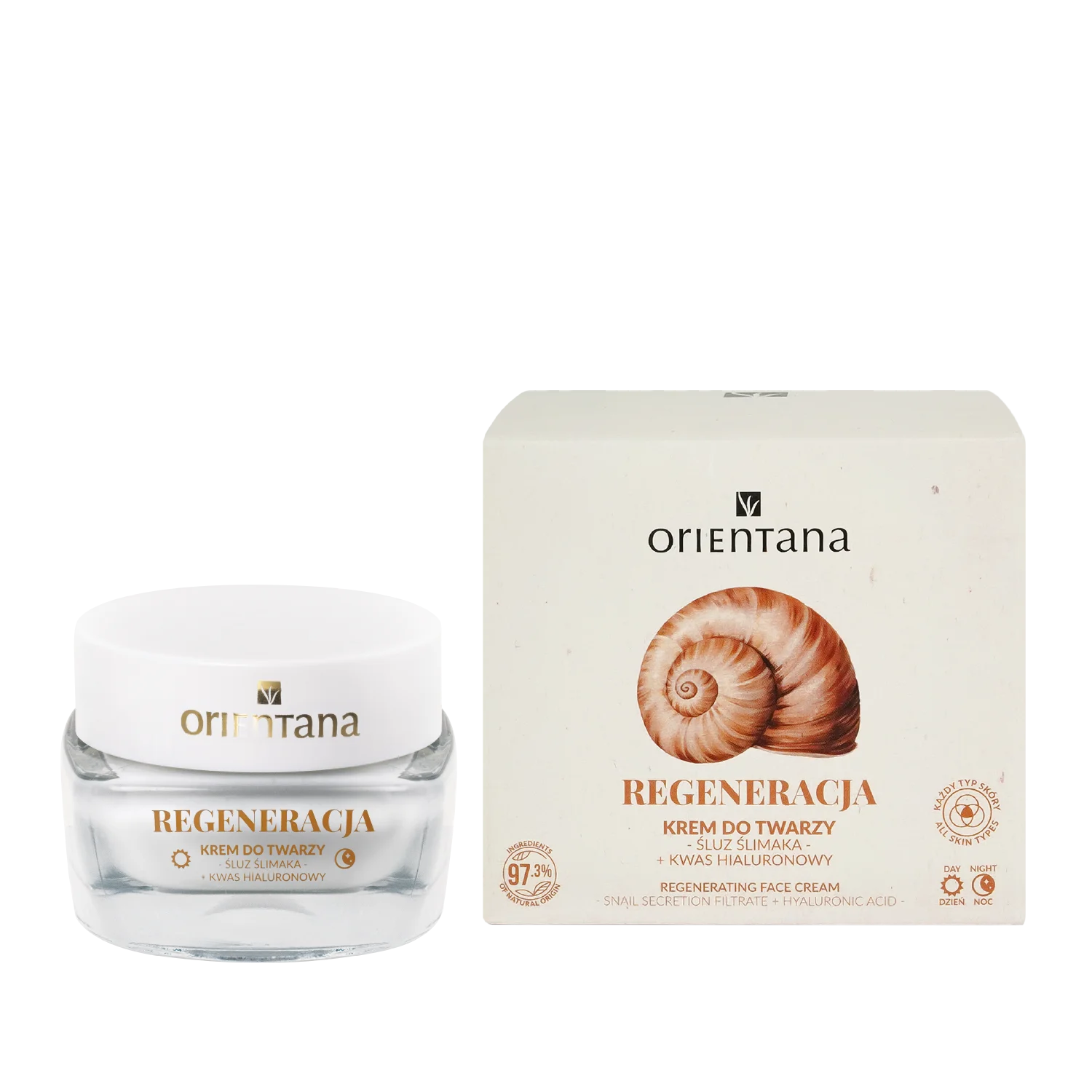
One of the most valuable ingredients in dry skin care is snail slime. This natural source of allantoin, collagen, elastin, glycolic acid, and vitamins intensely moisturizes, regenerates, and smooths the skin. Creams with snail slime are an excellent choice for those seeking comprehensive care that combines hydration with anti-aging benefits.
The delicate eye area requires special care. This moisturizing eye cream with snail slime reduces the appearance of fine lines, eliminates dark circles and puffiness, while deeply moisturizing this sensitive area.
Gluconolactone - a gentle AHA for dry skin
Unlike traditional AHAs, gluconolactone is gentle and won't irritate even the most sensitive skin. This moisturizing tonic-essence with gluconolactone gently exfoliates dead skin, improves the penetration of subsequent products, and intensely moisturizes, preparing the skin for subsequent care steps.
Ashwagandha and trehalose - the power of adaptogens
Plant adaptogens are a true treasure in dry skin care. This moisturizing serum with ashwagandha and trehalose combines the power of this Ayurvedic herb with the protective properties of trehalose, which creates an invisible barrier on the skin that protects against moisture loss.
Tremella and exosomes - biotechnology in the service of hydration
Tremella mushroom, also known as "plant-based hyaluronic acid," can retain up to 500 times its weight in water. Combined with exosomes, which improve communication between skin cells, Tremella Hydrating Serum with Exosomes provides deep and long-lasting hydration at the cellular level.
How to build a skincare routine for dry skin?
Step 1: Cleansing
Start by gently cleansing your face with products that don't damage the skin's natural protective barrier. Avoid bar soaps and opt for cleansing milks or oils.
Step 2: Toning
This moisturizing toner restores the skin's proper pH and prepares it to absorb active ingredients. Choose an alcohol-free formula enriched with humectants.
Step 3: Serum
This is the most important step for dry skin. Serums deliver high concentrations of active ingredients directly where they're needed most. Apply them to slightly damp skin to enhance their penetration.
Step 4: Cream
Cream seals in moisture and creates a protective layer on the skin's surface. Choose lighter formulas with SPF in the morning, and reach for richer, nourishing textures in the evening.
Step 5: Specialized eye area care
Don't forget about eye cream - this delicate part of the face is particularly susceptible to dehydration.
Natural ingredients that dry skin should look for
In addition to the components already mentioned, pay attention to cosmetics containing:
- Hyaluronic acid - binds water in the epidermis
- Ceramides - rebuild the lipid barrier
- Squalane - a biomimetic lipid perfectly accepted by the skin
- Shea butter and argan oil - nourish and soften
- Niacinamide (vitamin B3) - supports the skin's protective barrier
- Centella asiatica extract - soothes and regenerates
Common mistakes in dry skin care
Even the best natural cosmetics for dry skin will not bring results if you make basic mistakes:
- Using too hot water - causes additional dehydration
- Skipping SPF cream - the sun accelerates moisture loss
- Using alcohol in cosmetics - it dries and irritates
- Excessive exfoliation - weakens the protective barrier
- Drinking too little water - hydration must start from the inside
Dietary support for dry skin
External care is only half the battle. Ensure adequate hydration and a diet rich in omega-3 fatty acids, vitamins A, C, E, and zinc. These nutrients support sebum production and strengthen the skin's protective barrier.
Natural or synthetic - what to choose?
Natural cosmetics for dry skin have an advantage over synthetics primarily due to their biocompatibility. Natural ingredients are better recognized by the skin, are more easily absorbed, and are less likely to cause allergic reactions. Modern formulas combine traditional plant knowledge with advanced extraction technologies, allowing for the preservation of maximum active properties.
Seasonal care for dry skin
Remember that your skin's needs change with the seasons. In winter, opt for richer, more occlusive textures that protect against frost and wind. In summer, choose lighter formulas with sun protection. In autumn and spring, focus on recovery from previous weather extremes.
Summary
Properly selected natural cosmetics for dry skin can completely transform the condition of your complexion. The key to success is consistency, a multi-step skincare routine, and choosing products rich in proven active ingredients like snail slime, gluconolactone, or tremella. Natural skincare isn't just a temporary boost of hydration, but a long-term investment in the health and beauty of your skin.
Keywords: natural cosmetics for dry skin, dry skin care, natural moisturizing ingredients, snail slime, moisturizing serum, cream for dry skin, skincare routine, natural facial care, how to recognize dry skin, home remedies for dry skin