Inspirations

EGF serum - how does it work and why is it worth including in your skincare routine?
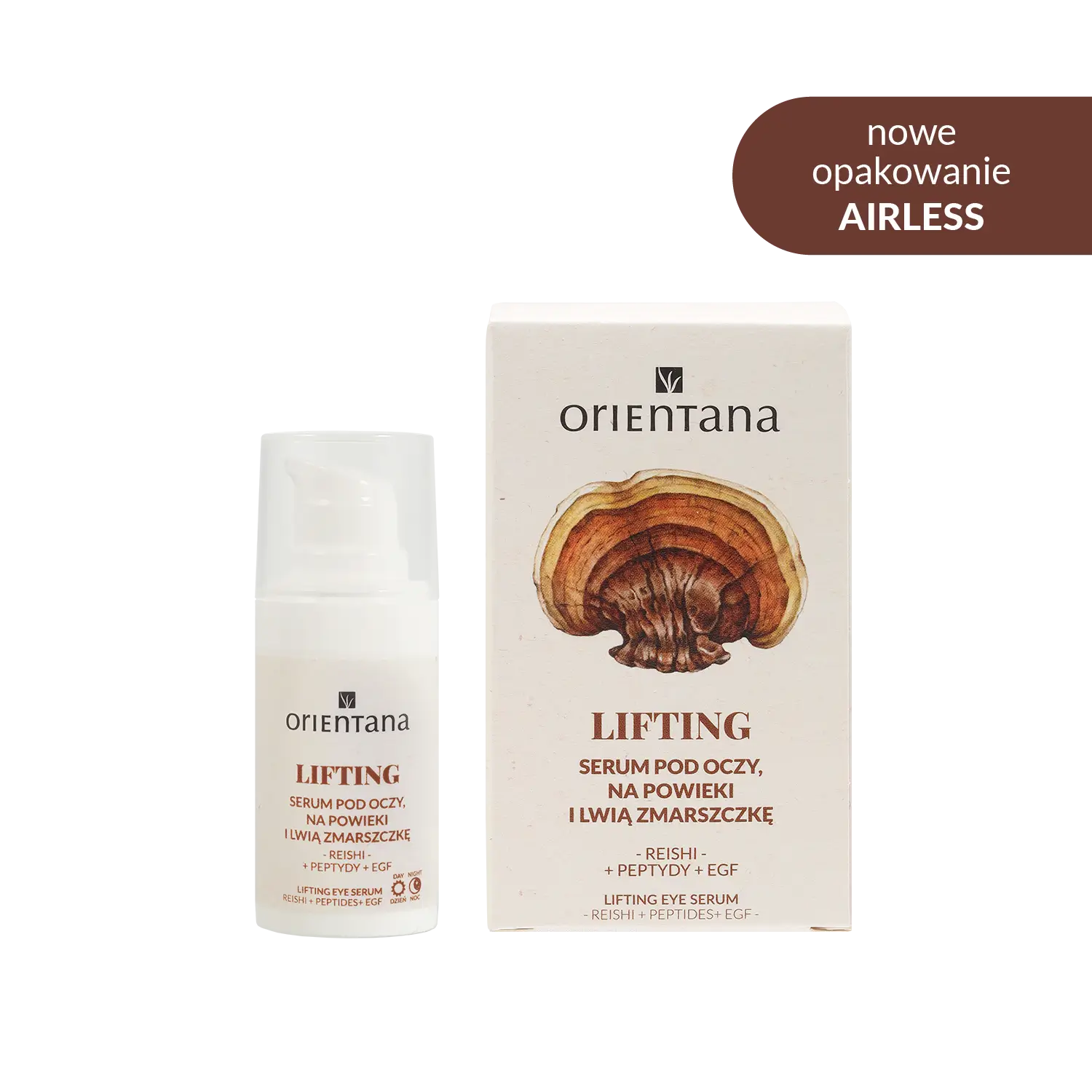
A new era of biomimetic care The world of skincare is increasingly moving away from classic "wrinkle" creams and toward biomimetic cosmetics that don't mask the signs of aging but actually support the skin's natural regenerative processes. Instead of merely smoothing the epidermis' surface, modern formulas teach the skin how to renew itself faster, produce collagen more effectively, and maintain its youthful density longer. One of the most groundbreaking ingredients of this new generation is epidermal growth factor (EGF). In cosmetics, they are primarily found in highly concentrated products called EGF serums . EGF eye and eyelid serums are currently attracting particular attention, as the eye area is where the aging process occurs most quickly and is most visible. Thin, delicate skin, a lack of sebaceous glands, and intense facial expressions mean that this is where we lose firmness, smoothness, and a fresh look the most quickly. What is EGF serum? EGF serum is a concentrated cosmetic containing Epidermal Growth Factor , a signaling protein that occurs naturally in the human body and is responsible for repair processes and cell renewal. Unlike traditional anti-wrinkle serums, which primarily act on the surface (moisturizing, smoothing, and softening the epidermis), EGF serum works at the cellular level . This means it doesn't "replace" the skin in its regeneration, but rather signals it to initiate more intensive renewal. In practice, this can be simplified as follows: EGF doesn't repair the skin for itself - EGF teaches the skin to regenerate faster and more efficiently . That is why EGF serum is often compared to a gentle, home-based form of biostimulation known from office treatments. How does EGF serum work at the cellular level? EGF growth factors bind to special receptors found on the surface of skin cells. Once combined, they trigger a cascade of biological signals that leads to: activation of fibroblasts responsible for the production of collagen and elastin, acceleration of cell division, faster regeneration of the epidermis, improving communication between skin cells. The result of these processes is a gradual thickening of the skin, improvement of its elasticity and reduction of the visibility of fine lines and wrinkles. Regular use of EGF serum may lead to: smoothing the skin structure, a delicate lifting effect, improving tension and flexibility, faster regeneration after stress, lack of sleep and exposure to external factors, more rested and fresh-looking skin. It is this mechanism that makes EGF serum considered one of the most advanced ingredients in modern anti-aging care. Why does the eye area respond best to EGF serum? The skin around the eyes is the thinnest and most delicate on the entire face. Its thickness is even several times thinner than that of the cheeks, and it is almost completely devoid of the sebaceous glands that help maintain natural protection and elasticity in other areas. This makes: loses moisture faster, becomes flaccid faster, fine lines and wrinkles appear earlier, reacts more easily to stress, lack of sleep and fatigue. That's why the eye area is a place where EGF serum can deliver particularly rapid and visible results . Growth factors stimulate cell renewal, leaving skin firmer, smoother, and visibly plumper. For many people, the first changes in the appearance of the skin under the eyes are noticeable sooner than in other areas of the face – the eyes appear more rested, and fine lines become smoother. Therefore, we should take care of our eyes and not forget about using cosmetics. Discover our eye cosmetics . Adaptogens + EGF - a new standard in eye care Modern cosmetology increasingly combines biotechnology with natural raw materials. A prime example is the combination of biomimetic EGF peptides with plant and fungal adaptogens. Adaptogens are ingredients that help the skin better cope with environmental and internal stress. They don't act as a one-time treatment, but rather strengthen the skin's immunity and stabilize its function. In the context of the eye area, adaptogens: reduce oxidative stress, reduce the skin's susceptibility to irritation, support regenerative processes, improve the comfort and elasticity of tissues. The combination of adaptogen with EGF creates a two-way system: EGF stimulates renewal, and the adaptogen protects the skin against factors that accelerate its aging. Reishi Eye and Eyelid Serum + EGF Peptides Orientana An example of this approach is the Reishi Eye and Eyelid Serum + EGF Peptides Orientana - a product combining an Asian adaptogen with new generation biotechnological peptides. Reishi mushroom has been used for centuries in Eastern medicine as a raw material supporting longevity and immunity. In cosmetics, it is valued primarily for: antioxidant properties, soothing and strengthening effect on the skin barrier, ability to reduce signs of fatigue. Discover cosmetics with the Reishi adaptogen. In turn, biomimetic EGF peptides send a signal to skin cells for more intensive regeneration and reconstruction. The result of this combination is a serum that: smoothes fine lines and wrinkles around the eyes, improves the firmness and tension of the eyelids, makes the look more fresh and rested, can also be used on the movable eyelid, has a light, quickly absorbing consistency, suitable for use under makeup. It is this synergy of adaptogen and EGF that makes the serum not only corrective, but also preventive - it slows down the rate of skin aging in the sensitive eye area. When is it worth including EGF serum in your care routine? EGF serum isn't just for mature skin. Its greatest advantage is that it works both correctively and preventively, so it can be used at various stages of the skin's life. It is worth reaching for EGF serum when: the first fine lines appear under the eyes, the skin loses its elasticity and looks "thin", makeup starts to settle in the creases, the look gives the impression of being tired despite sleep, the eyelids gradually lose their tension, the skin reacts badly to strong ingredients such as retinol or acids, we want to enhance our care without resorting to in-office treatments. The optimal time to start using EGF serum is around the age of 25-30, when the skin's natural regenerative activity begins to gradually decline. However, mature skin can also respond well to EGF, especially around the eyes. How to use EGF serum step by step? To fully utilize the potential of EGF serum, it is worth following a few simple rules: Gentle cleansing Remove makeup and impurities with a mild cleanser. Toning or essence Restores skin comfort and prepares it to receive active ingredients. EGF serum application Apply a small amount of product to your fingertips. Typing Gently pat the serum into the skin under your eyes and on your eyelids. Be careful not to stretch the skin. Optional cream If the skin is dry, apply a thin layer of cream to complete the care. Tip: EGF serum works best on slightly damp skin, then the peptides penetrate the epidermis more easily. How long does it take to see the effects of using EGF serum? The action of EGF serum is gradual because it is based on natural biological processes. Most frequently observed pattern: after a few days - the skin looks smoother and firmer, after 1-2 weeks - fine lines become less visible, after 3-4 weeks - skin density and elasticity improve, after a longer period of time - the effect of firmer, "thicker" skin persists. Regularity is key - EGF serum becomes more and more effective with each passing week of use. Combining EGF serum with other active ingredients EGF is a delicate ingredient, but very compatible with many care substances. Works well with: hyaluronic acid, ceramides, niacinamide, adaptogens (Reishi, Tremella, Ashwagandha), antioxidants. Find out what antioxidants are. It is not recommended to apply EGF serum simultaneously with: high concentrations of AHA/BHA acids, retinol, pure vitamin C with low pH. Best practice: EGF serum in the morning or evening, and exfoliating ingredients at a different time of day. Frequently asked questions about EGF serum Is EGF serum the same as regular anti-wrinkle serum? No. Classic anti-wrinkle serums primarily moisturize and smooth. EGF serums work at the cellular level, stimulating the skin to regenerate itself. Is EGF a hormone? No. EGF is a signaling protein (peptide) that acts locally in the skin and does not affect hormonal balance. Is EGF serum safe? Yes, if it comes from a reliable source and is used according to the manufacturer's recommendations. Can EGF serum be used daily? Yes. Most often in the morning and/or evening. Is EGF serum suitable for sensitive skin? Typically, yes, because EGF has a mild effect. However, it's worth performing an allergy test. Can EGF serum be used on eyelids? Yes, if the product is intended for this purpose - like Orientana's Reishi serum + EGF peptides. Does EGF serum work on drooping eyelids? It can improve skin tone and optically lift the eyelids by thickening the tissues. Can EGF serum be used in summer? Yes. It does not make your skin sensitive to the sun. Can EGF serum be combined with makeup? Yes. The light consistency works well with concealer and foundation. Does EGF serum replace eye cream? Not always. Serum is a concentrate, while cream has a protective and occlusive function. Does EGF serum work on dark circles under the eyes? Indirectly, by improving skin condition and microcirculation, it may reduce the visibility of dark circles. From what age should you use EGF serum? Most often from around 25-30 years of age. Can EGF serum be used during pregnancy? EGF is a biomimetic peptide, but it is always worth consulting the composition of a specific product with a doctor. Does EGF serum only work on wrinkles? No. It also improves the density, elasticity and overall condition of the skin. Do the effects persist after discontinuation? With regular use, the effects are more stable than with cosmetics that only act on the surface. What are the effects of regular use of EGF serum? With systematic use of EGF serum you may notice: smoother skin structure, better tension and elasticity, less visibility of fine wrinkles, a more rested look, improving skin quality in the long term. EGF has a cumulative effect, over time the skin functions more efficiently, and the effects are not only temporary. Can EGF serum replace office treatments? EGF serum is not an equivalent to injections or lasers, but it can be a home alternative to gentle biostimulation . For many people this is the solution: less invasive, no recovery period, without the risk of irritation typical of treatments. Regular care with EGF serum may delay the need to resort to more invasive methods. Why is Orientana Reishi + EGF peptides serum unique? Many EGF serums available on the market rely solely on one mechanism: stimulating regeneration. However, skin, especially around the eyes, needs not only a boost to renewal but also protection from factors that disrupt this regeneration. Orientana Reishi Eye and Eyelid Serum + EGF Peptides was designed in accordance with the Asian care philosophy: first soothe and strengthen the skin and only then activate the repair processes. What makes this product stand out: a combination of the adaptogen Reishi with biomimetic EGF peptides, the formula is also suitable for the moving eyelid, light consistency that does not burden the skin and works well under makeup, both corrective and preventive action, comfort of use even on sensitive skin. This is not a serum that provides a short-term “tightening” effect, but a product that systematically improves the quality of the skin around the eyes. How to support the effects of EGF serum in your daily routine? To fully utilize the potential of EGF serum, it is worth remembering a few rules: gentle cleansing without aggressive detergents, regular skin moisturizing, avoiding an excess of strong ingredients in one routine, sun protection during the day, adequate amount of sleep and body regeneration. EGF serum works best in minimalist skincare, focused on quality rather than quantity of products. Expert Summary - EGF Serum as Intelligent Anti-Aging Care EGF serum is an example of modern, intelligent care that does not involve fighting the skin, but supporting its natural regenerative capabilities. Instead of masking wrinkles, EGF serum helps the skin function more youthfully : it increases its density, elasticity and resistance to factors that accelerate aging. Orientana Reishi Eye and Eyelid Serum + EGF Peptides combines biotechnology and the power of adaptogens, offering a solution for people who want to care for their skin consciously, gently and long-term. If you want comprehensive care for the eye area, combine the serum with a well-chosen eye cream - together they will create a routine that actually improves the condition of the skin and slows down its aging.
Learn more
How are ingredients for phytocosmetics created? Biotechnology, fermentation, and phyto-equivalents in modern skincare
Did you know that "collagen" in cosmetics doesn't have to come from fish skin or scales, and hyaluronic acid has long not been sourced from animals? Modern phytocosmetics less and less rely on a simple scheme: "herbal extract = natural care." Today, plants and fungi are the starting point for something much more precise: biotechnologically designed next-generation ingredients. This is why we talk about a new era of skincare: nature is still visible on the label, but efficacy is backed by processes such as fermentation, biosynthesis, and enzymatic biocatalysis. Thanks to these, ingredients with a stable structure, predictable action, and excellent tolerance can be created, ones that genuinely address skin needs in anti-aging, barrier care, and "skin longevity" routines. At Orientana, this direction is particularly evident in the approach to phyto-equivalents of ingredients known from dermatology: phytocollagen, phyto-ceramides, phyto-mucin, phyto-endorphins, and phyto-retinol. These are not "herbal creams" in the old sense. These are phytocosmetics based on modern technologies. If you want to learn more about the broad context of phyto-ingredients, read here. Table of Contents How do modern phytocosmetics differ from "herbal care"? What is biotechnology in phytocosmetics? 3 key methods: fermentation, biosynthesis, and enzymatic biocatalysis What biotechnology offers: efficacy, safety, repeatability, and sustainability The most common "biotech" ingredients in cosmetics and how they work How to identify biotechnological ingredients in INCI? Case study: phyto-equivalents in Orientana's approach Challenges of biotechnology: costs, stability, consumer education Summary: why "phytocosmetics 2.0" is the new standard How do modern phytocosmetics differ from "herbal care"? "Herbal cosmetics" often rely on extracts: plant → extraction → cosmetic. This approach can be effective but has limitations: the content of active substances can vary (season, region, cultivation), some compounds are unstable (oxidation, light sensitivity), sometimes high concentrations are needed to see effects. Next-generation phytocosmetics go a step further: plants (or microalgae/fungi) are a source of inspiration and a "biological matrix," and biotechnology helps to obtain ingredients that are: more stable, better standardized, easier to formulate repeatably. This is the "second stage" of natural care: nature + technology. Check out our phytocosmetics. What is biotechnology in phytocosmetics? In cosmetics, biotechnology means using biological processes (often involving microorganisms or enzymes) to obtain or produce active ingredients in a pure, controlled, and repeatable way. The key difference: instead of "extracting" everything from a plant, you can: produce a specific compound (or its phyto-equivalent), modify it to be more bioavailable, obtain ingredients with a specific fraction or molecular weight. In practice, this means cosmetics that are more predictable in action, while also aligning with the idea of modern naturalness. 3 methods most commonly creating "biotech" in cosmetics 1) Fermentation Fermentation is a "biological factory" for ingredients. Microorganisms convert raw material into compounds with higher bioavailability or produce an active substance as a metabolic product. In cosmetics, fermentation often means: better tolerance and mildness, better availability of ingredients for the skin, high purity and stability. 2) Biosynthesis Biosynthesis allows for the production of ingredients that are difficult to obtain by classical methods or that plants produce in insufficient quantities. This area is particularly important for anti-aging cosmetics, where precision and repeatability are crucial. 3) Enzymatic biocatalysis Enzymes are like "molecular scissors and glue": they can gently modify ingredients without aggressive solvents and high temperatures. This allows for the creation of fractions with better skincare properties, e.g., more stable or more easily penetrating. What does biotechnology offer in phytocosmetics? Most often, there are four real benefits: 1) Repeatability and standardizationThe ingredient is "the same" in every batch - a huge plus for efficacy. 2) StabilityMany ingredients gain longer activity and greater resistance to light/oxidation. 3) MildnessBio-compatible ingredients, often better tolerated by sensitive skin. 4) Sustainability and ethicsLess dependence on seasonality, possibility of reducing pressure on rare raw materials, often vegan solutions. Most common "biotech" ingredients and how they work Biotechnological hyaluronic acid Today, it is the standard in modern hydration. It acts like a "water magnet," supporting skin comfort and elasticity. Biotechnological peptides Peptides are short signals for the skin: they can support firmness, smoothness, and regenerative processes. Plant "mucin" / phyto-mucin A vegan alternative to the "smoothing and soothing effect," often associated with the hydrolipidic barrier and skin comfort. Plant ceramides / phyto-ceramides A strongly "barrier-focused" approach: strengthening the protective layer, reducing TEWL, improving elasticity. Phyto-retinol / retinoid-like plant solutions An approach for those who want anti-aging effects but prefer gentler solutions than classic retinoids. Learn how phytoretinol works. How to recognize biotechnology in INCI? You won't always see the word "biotechnology" on the front of the package. In INCI, look for clues: Ferment / Ferment Filtrate / Lysate (e.g., Lactobacillus Ferment, Leuconostoc/Radish Root Ferment Filtrate) Hydrolyzed (often with proteins/peptides) Peptide / Polypeptide ingredients described as fractional complexes or bio-compatible lipids Important: the name itself does not determine quality. What matters is the formula, concentration, synergies, and application studies. Case study: how Orientana uses "phytocosmetics 2.0" In Orientana's approach, biotechnology is not an add-on for marketing, but a way to create phyto-equivalents of ingredients that modern anti-aging skincare expects: phytocollagen (microalgae inspiration) - for firmness and elasticity, phyto-ceramides (e.g., from yuzu) - for barrier and comfort, phyto-mucin (plant-based smoothing alternative) - for hydration and soothing, phyto-endorphins - inspiration from neurocosmetics and skin renewal, phyto-retinol - a retinoid-like approach in a milder form. This is the moment when phytocosmetics cease to be "herbal" and become modern, scientific skincare based on plants and biotechnology. Check out how phytoestrogens work on mature skin. Challenges of biotechnology in cosmetics Biotechnology also has limitations: requires costly processes and quality control, sometimes harder to scale, needs consumer education (because "natural" doesn't always mean "made in the kitchen"). However, in practice, it is precisely these challenges that make brands that can do it well build a quality advantage. Summary: phytocosmetics 2.0 is the new standard Modern phytocosmetics are no longer just plant extracts. They are biotechnologically developed ingredients that combine natural origin with precision of action, stability, and high repeatability. If you want to understand how phyto-ingredients support the skin in practice (barrier, hydration, anti-aging) - visit the page: Phytocosmetics. Frequently Asked Questions: Biotechnology and Phytocosmetic Ingredients What are phytocosmetics 2.0? These are cosmetics based on plants and fungi, but created using modern technologies (e.g., fermentation) that increase the stability and predictability of ingredient action. How does biotechnology differ from a regular plant extract? An extract "pulls" ingredients from a plant, while biotechnology can create or transform specific compounds to make them more stable and bioavailable. Are biotechnological ingredients natural? Usually yes, they are derived from natural raw materials through biological processes, and their structure is often identical or very similar to substances found in nature. Does biotechnology imply GMOs in cosmetics? Not necessarily. Biotechnology also includes fermentation and enzymatic processes; even when "engineered" microorganisms are used, the final ingredient is purified and is not "living GMO." What does fermentation offer in cosmetics? It often improves skin tolerance and ingredient bioavailability, and also allows for high purity and repeatability. How to recognize ferments in INCI? Look for words: Ferment, Ferment Filtrate, Lysate (e.g., Lactobacillus Ferment, Leuconostoc/Radish Root Ferment Filtrate). Are ferments good for sensitive skin? Mostly yes, because many fermented formulas are designed with comfort and barrier support in mind, but the entire formulation always matters. What is biosynthesis of active ingredients? It is the production of complex molecules by microorganisms under controlled conditions, instead of obtaining them from large quantities of plant raw material. What is enzymatic biocatalysis in cosmetics? It is the use of enzymes for "gentle" reactions that modify ingredients without aggressive chemistry - usually under mild conditions. Is hyaluronic acid biotechnological? In most modern cosmetics, yes; it is often produced through fermentation processes, making it pure and ethical. Is "plant collagen" real collagen? Often these are bioactive proteins/polysaccharides or peptides mimicking a collagen effect; what matters is how it works in the formula, not just the marketing name. What is phyto-ceramide and what is its purpose in skincare? It is a plant lipid complex similar to skin ceramides - it supports the hydrolipidic barrier and helps reduce dryness. What is phyto-mucin? It is a plant alternative to the "snail slime effect" - usually works to smooth, soothe, and support hydration. Does phyto-retinol work like retinol? These are retinoid-like solutions - they can support smoothing and anti-aging, often with better tolerance, but the mechanism and strength of action depend on the ingredient. Is biotechnology compliant with clean beauty? Mostly yes, because many biotech processes reduce raw material consumption and allow ingredients to be produced in a more controlled and sustainable way. Are biotechnological cosmetics vegan? Very often, because biotechnology enables the creation of alternatives to animal-derived ingredients (e.g., some "collagen" or "mucin" effects). What are the limitations of biotechnology in cosmetics? Mainly costs, difficulty of scaling, and the need for consumer education, but from a quality perspective, it is often a step forward. Are phytocosmetics with biotechnology "better" than classically natural ones? Not always "better," but usually more predictable and stable - these are different approaches that can complement each other.
Learn more
How to Use Acids for a Weakened Skin Barrier? A Safe, Step-by-Step Guide
Does your skin sting after applying cosmetics, feel tight and dry, yet still experience imperfections or uneven texture? These are classic symptoms of a weakened hydrolipidic barrier. In such situations, many people completely give up acids, fearing further irritation. Check what the hydrolipidic barrier is and how to care for it daily. However, properly selected and applied acids can support skin regeneration, improve its texture, and help normalize renewal processes, provided they are used wisely. In this article, we explain: whether acids can be used on a damaged skin barrier, which types of acids are the safest, how often and in what order to apply them, how to combine them with regenerating care. How does a weakened hydrolipidic barrier affect acid tolerance? When the hydrolipidic barrier is weakened, the skin becomes more permeable, and active substances, including acids, can penetrate faster and deeper than usual. As a result, even mild formulas can cause burning, stinging, redness, or a sensation of heat. Therefore, with a compromised barrier, the key is not so much to completely discontinue acids, but to reduce their concentration, frequency, and adequately support with regenerating care. When the barrier is weakened, the skin becomes more permeable, and active substances, including acids, penetrate faster and deeper. This can cause: burning and stinging, redness, excessive flaking, a sensation of heat. Therefore, with a compromised barrier, it is crucial to reduce the intensity of acid action, rather than completely eliminating them in every situation. If you want to understand exactly how the hydrolipidic barrier works and how to support it, see our complete guide. Remember gentle cleansing Harsh detergents and strong cleansing agents (e.g., with SLS or alcohol) destroy the skin's protective barrier. Therefore, opt for products based on mild cleansing agents. Can acids be used on a damaged skin barrier? Yes, but under specific conditions. Acids in low concentrations can: gently regulate the keratinization process, support epidermal renewal, improve hydration (especially PHA and lactic acids), help maintain proper skin pH. However, strong chemical peels or high concentrations of AHA or BHA acids should not be used. Which acids are safest for a weakened barrier? PHA - polyhydroxy acids (e.g., gluconolactone, lactobionic acid) This is the best choice for sensitive skin. large molecules → slower penetration, moisturizing and antioxidant effects, support barrier reconstruction. Cosmetics with gluconolactone. Lactic acid (AHA) In low concentration: improves hydration, supports ceramide synthesis, gently smoothes. Mandelic acid larger molecule than glycolic, acts more gently, good for combination and acne-prone skin with a tendency to irritation. Which acids to avoid with a weakened barrier? high concentrations of glycolic acid, strong TCA peels, frequent treatments with 2% salicylic acid or more, intense mixtures of several acids in one product. How often to use acids with a weakened barrier? The principle of minimalism: Once every two weeks for a strictly acidic product, once a week for a cosmetic with acid as a non-base ingredient. preferably in the evening, always with regenerating care after application. If burning persists for more than a few minutes, discontinue the treatment. Skincare routine with acids Gentle cleansing. Hydrating toner or essence. Product with acids. Regenerating serum. Barrier-restoring cream. How to combine acids with barrier regeneration? After acids, the skin especially needs: ceramides, squalane, phytosterols, allantoin, panthenol, beta-glucan, adaptogens. Such a combination reduces the risk of irritation and supports the reconstruction of the lipid layer. If hypersensitivity and dryness are your main problems, check out the collection of natural facial serums and natural facial creams - choose formulas focused on regeneration and hydration. With a weakened barrier, is it better to rebuild it first, and then use acids? In many cases - yes.For 2-4 weeks, it is worth focusing exclusively on: gentle cleansing, intensive hydration, lipids and soothing ingredients. After this time, mild acids can be gradually introduced. Common mistakes when using acids too frequent use, combining with retinoids and low pH vitamin C, lack of SPF cream, lack of regenerating care. The role of adaptogens in acid treatments Plant and mushroom adaptogens: reduce skin reactivity, support defense mechanisms, help reduce inflammation. Thanks to this, the skin better tolerates even active ingredients with exfoliating potential. How to recognize that the skin is reacting poorly to acids? prolonged burning, flaking in patches, redness lasting many hours, a sensation of heat. This is a sign to take a break and focus on regeneration. Can acids be used on acne-prone skin with a damaged barrier? Yes, but only mild forms and sparingly.The priority is barrier reconstruction – only then more intensive anti-acne actions. Questions Can acids be used on sensitive skin?Yes, preferably PHA or a low percentage of lactic acid. How often should acids be used with a weakened barrier?1-2 times a week. Can acids worsen the barrier condition?Yes, if they are poorly chosen or used too often. Should cream always be applied after acids?Yes – preferably regenerating and lipid-rich. Can acids be combined with retinol?Not with a weakened barrier. Do acids help with hydration?Some (PHA, lactic) do. Can acids be used in summer?Yes, but with high SPF protection. Using acids on a weakened skin barrier is possible, but requires caution, appropriate ingredient selection, and supportive regenerating care. The most important rule is: first a healthy barrier, then intensive exfoliation.
Learn more
What is a hair growth lotion? A comprehensive trichologist's guide.
As a trichologist, I frequently encounter patients struggling with excessive hair loss, weakened hair, or lack of visible hair growth. Regardless of the cause—whether it's stress, hormonal imbalances, deficiencies, or improper care—one solution recurs most frequently in treatment: a hair growth lotion . This isn't a passing trend. It's one of the most effective and safest ways to truly support your scalp and hair follicles. What is a scalp lotion? The lotion is a light, concentrated preparation applied directly to the scalp - where hair growth begins. Its task is to: stimulation of hair follicles, improvement of microcirculation, nourishing the bulbs, scalp regulation, stopping hair loss and stimulating new hair growth. Unlike masks or conditioners that work mainly on the length of the hair, a hair conditioner works at the source of the problem . hair loss - causes and stages How does hair growth lotion work? The mechanism of action of the lotion is multi-level and covers both the scalp and the hair follicle itself. 1. Stimulation of microcirculation Massage during application and ingredients such as caffeine and arginine: increase blood flow, improve oxygenation of hair bulbs, accelerate cellular metabolism. Studies show that caffeine can extend the anagen phase and limit the effects of DHT (Fischer et al., 2007). 2. Nourishment of hair follicles Lotions deliver directly to the skin: vitamins (e.g. biotin), amino acids (arginine), minerals, antioxidants. This is why the bulbs have the “material” to produce strong hair. 3. Inhibition of hair loss and miniaturization Modern lotions also work at the hormonal and cellular levels: limit the impact of DHT, activate hair follicle stem cells, extend the hair growth phase (anagen). 4. Scalp regulation Lotion: normalizes sebum secretion, reduces inflammation, supports the scalp microbiome, improves the hydrolipid barrier. 5. Moisturizing and soothing Ingredients such as: panthenol, allantoin, sodium lactate, aloe soothe irritations and improve skin comfort. Active ingredients that really work As a trichologist, I always emphasize: the composition determines the effectiveness . Growth-stimulating ingredients: Caffeine - stimulates hair follicles and blocks DHT Quinine - a strong growth stimulant Arginine - improves blood circulation in the skin Rosemary - a natural growth activator Study: Rosemary oil performed similarly to minoxidil (Panahi et al., 2015) Ingredients that strengthen hair bulbs: Biotin Fenugreek Field horsetail Amla Adaptogens and Ayurvedic ingredients: Bhringraj - "king of hair" Neem - has anti-inflammatory properties Gotu kola - improves regeneration Tulsi, Brahmi - support skin balance Moisturizing and regenerating ingredients: Panthenol Aloe Sodium lactate Probiotics / postbiotics Herbs for hair loss - a natural ritual for a healthy scalp and strong hair Ayurvedic Lotion - A Tradition That Works Ayurvedic-inspired lotions are becoming more and more popular. Their advantage: they work comprehensively, are gentle on the skin, they often do not contain alcohol, support the microbiome. Research: Bhringraj has an effect similar to minoxidil (Roy et al., 2008) Trichological lotion vs Ayurvedic - what to choose? From my experience: Trichological lotion (e.g. Orientana Tricho Lychee) Best for: oily scalp, intense hair loss, thinnings. Action: strong stimulation, sebum regulation, activation of hair follicles. Tests: +18% hair density +46% growth dynamics Ayurvedic amla lotion Best for: weakened hair, seasonal hair loss, regeneration. Action: nutrition, reinforcement, natural stimulation. How to choose a scalp lotion? This is a key element of effectiveness. Oily skin → neem, rosemary, nettle Dry skin → aloe, panthenol, fenugreek Sensitive skin → alcohol-free formulas Dandruff → neem, tea tree, black cumin How to use the lotion to make it work? This is the most common problem in the office. Rules: use at least 3-4 times a week (preferably daily) apply to the scalp, not the hair perform massages for 2-3 minutes do not rinse Frequency: light lotions → daily intensive → every other day Treatment time: minimum: 12 weeks optimal: 4–6 months How long does it take to see the effects? Realistically: 2-4 weeks → less hair loss 6-8 weeks → baby hair 12 weeks → greater density 6 months → real hair restoration Effects of using the lotion Regular use gives: acceleration of hair growth stopping hair loss greater density better blood supply to the skin dandruff reduction improvement in volume The most common mistakes As a trichologist, I see them every day: lack of systematicity too short treatment application to hair instead of skin no massage use on dirty skin poorly selected lotion Does the lotion work for dandruff and oily hair? Yes - and that's very good. Lotions: regulate sebum have anti-inflammatory properties support the microbiome limit the development of yeast Is lotion for you? If: hair falls out, they grow slowly, are thin and weakened, the scalp is problematic, lotion is the basis of trichological care . Trichologist recommendation You will achieve the best results by combining: lotion, gentle shampoo, a diet rich in protein and microelements, stress reduction. Summary Hair growth lotion is not a "trial" cosmetic - it is a therapeutic tool. Works: at the source of the problem, at the level of the skin and follicles, in a multidirectional way. When used regularly it can: stop hair loss, stimulate growth, really thicken your hair. Trichologist's advice at the end Don't look for a "miracle in a week." The lotion works if you give it time and be systematic. This is one of the few methods that can truly change the condition of your hair - from the roots. FAQ 1) What is a hair growth lotion? A scalp treatment is a cosmetic applied directly to the scalp. It's designed to stimulate hair follicles, improve microcirculation, reduce hair loss, and support new hair regrowth. It works at the root, making it more effective than products applied solely to the hair shaft. 2) Does the lotion really accelerate hair growth? It can accelerate hair growth if the problem stems from weakened follicles, poor scalp blood flow, inflammation, or scalp imbalance. The key factors are regularity, proper application technique, selected ingredients, and a treatment duration of at least 8-12 weeks. 3) How long does it take to see the effects of the lotion? Typically, hair loss decreases after 2–4 weeks, baby hairs appear after 6–8 weeks, and a more noticeable improvement in density is visible after 12 weeks. More complete results (thicker regrowth and stabilization) are seen after 4–6 months of regular use. 4) How often should I use hair growth lotion? Typically, 3–4 times a week or daily, depending on the formula. Gentle lotions (often alcohol-free) tolerate frequent applications well. Consistency is key in hair loss treatment: infrequent use usually doesn't produce visible results. 5) Does the lotion need to be washed off? Usually not—most scalp lotions are "leave-on," meaning they remain on the scalp to allow the ingredients to work. The exceptions are oil-based lotions or those with rinse-off instructions. It's best to follow the manufacturer's recommendations and observe your scalp. 6) How to apply the lotion correctly? Apply the lotion evenly to the scalp (not the hair) in partings. Then, massage for 2-3 minutes using your fingertips. This technique improves microcirculation and increases the absorption of active ingredients around the hair follicles. 7) Does scalp massage increase the effectiveness of the lotion? Yes, because massage improves blood circulation in the skin and facilitates the penetration of ingredients into the follicles. It also has a relaxing effect and reduces tension in the scalp, which can indirectly support the hair growth cycle for some people, especially during periods of stress. 8) Does the lotion weigh down the hair? A well-chosen conditioner shouldn't weigh your hair down because you apply it to the scalp, not the lengths. If your hair is flat, it's usually due to too much product, applying it to the hair shaft, or a formula with heavier ingredients that's not suited to your skin type. 9) Does lotion help with hair loss? It can be significantly helpful, especially with telogen effluvium, seasonal effluvium, stress-related effluvium, or weakened scalp. In androgenetic alopecia, the lotion can be supportive, but usually requires combination therapy. Diagnosing the cause of the hair loss is crucial. 10) Does the lotion work for androgenic alopecia? It can support therapy by improving microcirculation, reducing inflammation, and supporting hair follicles, but it's often not enough on its own, as AGA has a hormonal and genetic basis. In practice, lotions are combined with treatments or procedures recommended by a specialist. 11) What ingredients in the lotion are the most effective? Most commonly: caffeine, arginine, stimulating extracts (e.g., quinine), plant complexes that support hair follicles, as well as soothing ingredients (panthenol, allantoin) and moisturizing ingredients (sodium lactate). Effectiveness depends on the quality of the formula and its compatibility with the scalp. 12) Does caffeine in lotion work? Caffeine may support hair growth by improving microcirculation and beneficially affecting hair follicles, and some studies have linked it to extending the growth phase. In practice, it works best when used systematically, combined with massage and appropriate scalp care. 13) Does arginine help with hair growth? Arginine supports microcirculation and nourishment of hair follicles by promoting better blood flow to the skin. This allows hair follicles to receive more oxygen and nutrients. It makes the greatest difference when used as part of a comprehensive formula, rather than as the sole ingredient. 14) Does biotin in lotion make sense? Yes, as an ingredient supporting the health of the skin and follicles, but it doesn't replace supplementation in cases of significant deficiencies. Biotin in cosmetics works locally, supporting the skin's barrier function and metabolism. The best results are achieved when the lotion combines several mechanisms of action. 15) Which is better: water or oil based rub? Water-based shampoos are lighter, easier to use daily, and typically better for oily skin. Oil-based shampoos can alleviate dryness and irritation, but they weigh hair down more easily and can be more difficult to apply. The choice depends on your scalp type and goals. 16) Does the lotion help with oily scalp? Yes, if it contains ingredients that regulate sebum and support the microbiome and hydrolipid barrier. Oily skin is often associated with irritation, inflammation, or inadequate cleansing. A regulating lotion can reduce sebum production and improve skin comfort between washes. 17) Does the lotion work against dandruff? It can help if it supports the microbiome, soothes inflammation, and doesn't irritate the skin. Proper washing (sometimes with an anti-dandruff shampoo) and avoiding harsh products are also important for dandruff. A scalp conditioner can be a complement to, but not always a replacement for, underlying therapy. 18) Can the lotion irritate the scalp? Yes—especially if it contains alcohol, menthol, or a lot of essential oils, or if it's used too often and in excess. Irritation manifests itself as burning, itching, and redness. In such cases, it's worth reducing the frequency of use, checking the ingredients, and choosing a soothing formula. 19) Is natural lotion effective? It can be very effective if it contains carefully selected extracts and works multifaceted: stimulating, regulating, soothing, and supporting the skin's barrier. "Natural" doesn't always mean gentle—what matters is the quality of the formula, its concentration, and its suitability for the scalp's needs. 20) What is the difference between trichological lotion and regular one? Trichological treatments usually have a more focused formula: follicle stimulation, sebum regulation, microbiome support, and often confirmation of instrumental or application tests. Regular lotions can be simpler (e.g., herbal-only), good for a start, but not always sufficient. 21) How to choose a lotion for oily skin? Look for lotions with a light base and regulating ingredients (e.g., microbiome-supporting ingredients, plant extracts, sometimes caffeine, quinine). Avoid heavy oils on the scalp. Balance is the priority: regulating sebum without drying or irritating the skin. 22) How to choose a lotion for dry and sensitive skin? Choose formulas without alcohol or strong fragrances, with panthenol, allantoin, humectants (e.g., sodium lactate), and soothing ingredients. Stimulation is important, but it shouldn't come at the expense of the skin's barrier, as irritation can exacerbate hair loss. 23) Does the lotion work after pregnancy? Postpartum hair loss is often telogen effluvium and resolves over time, but a hair conditioner can support faster follicle "return" to the growth phase, improve scalp condition, and reduce breakage. For best results, combine it with a healthy diet, regeneration, and gentle care. 24) Does lotion help with seasonal hair loss? Yes, because seasonal hair loss is often caused by follicles shifting to the telogen phase and weakened scalp. This treatment can stimulate microcirculation and support anagen, while also improving skin balance. The key is to use the treatment for at least 8–12 weeks. 25) Can I use two lotions at once? Yes, but use wisely. You can alternate between using it (e.g., regulating and strengthening) or on different days of the week. However, avoid applying multiple stimulants at once, as this increases the risk of irritation. Pay attention to your skin: comfort and itch-free skin are priorities. 26) Can the lotion be used every day? Often, yes—especially if the formula is gentle and alcohol-free. For sensitive skin, it's best to start with 3–4 applications per week and increase the frequency if irritation doesn't occur. The most important thing is that the lotion doesn't cause itching or burning. 27) Does the lotion work if I don't exfoliate my scalp? It can work, but exfoliation often enhances its effectiveness by removing dead skin and residual cosmetics. This allows active ingredients to reach the skin more easily. Exfoliation once a week is usually sufficient—it's important to be gentle and well-balanced. 28) What scalp exfoliation should I use for lotions? Choose a gentle exfoliator: enzymatic or fine-grained, without aggressive rubbing. Enzymatic exfoliators are better for sensitive skin. The goal is to improve follicle cleanliness and comfort, not to "strip" the skin. After exfoliation, a rub often provides better sensations and results. 29) Can lotion increase hair loss in the beginning? Sometimes it does—especially if the lotion accelerates the "replacement" of telogen hairs or if the skin is irritated and reacts with inflammation. If hair loss increases significantly and is accompanied by burning, itching, or flaking, discontinue use and switch to a gentler formula. 30) Does lotion help with baby hair? Yes, this is one of the most commonly observed effects after 6–8 weeks of regular use. Baby hair means that some of the hair follicles have returned to the growth phase. For baby hair to become full-fledged hair, treatment needs to be continued for a few more months. 31) Is lotion good for thin hair? Yes, because a hair conditioner doesn't affect the hair shaft, only the scalp and follicles, so it shouldn't weigh down fine hair. It's important that it's lightweight and absorbs quickly. Hair conditioners can improve lift at the roots and visually thicken hair by encouraging new hair growth. 32) Will the lotion help if I have iron or zinc deficiency? It can support the scalp, but if hair loss is caused by deficiencies, supplementation (after testing) is crucial. A hair lotion will not replace the underlying cause. The best approach is to simultaneously care for the scalp and work on the foundation: diet, exercise, and supplementation. 33) Does the lotion make sense for stress and nervous breakdowns? Yes, because stress often exacerbates inflammation and disrupts the hair cycle. A scalp treatment can improve microcirculation, soothe the skin, and support hair follicles, but it's best to work on two fronts: sleep, regeneration, stress reduction, and diet. Scalp massage while using a scalp treatment also has a relaxing effect. 34) Can a lotion help with an itchy scalp? It depends on the cause. If the itching is due to dryness or irritation, a scalp conditioner with panthenol, allantoin, and microbiome-supporting ingredients may help. If it's fungal dandruff, treatment with an anti-dandruff shampoo may be necessary. Itching after using a scalp conditioner indicates an intolerance. 35) Is the lotion safe for sensitive scalp? Yes, if you choose a formula without alcohol, without intense essential oils, and with soothing ingredients. Sensitive scalp requires barrier support, not "strong stimulation." Always do a patch test and observe your reaction for the first 2-3 applications. 36) How can you tell if the lotion is working? Most common: fewer hairs on the brush, fewer hairs during washing, improved skin comfort, longer-lasting freshness, lift at the roots, and the appearance of baby hairs around the forehead and in thinning areas. The most reliable assessment is after 12 weeks. 37) Can the lotion be used on wet scalp? It's fine if your skin is towel-dried and not dripping wet. It's best to apply it to clean skin after washing, as this allows the ingredients to more easily access it. If you're applying the conditioner between washes, remember that excess sebum and styling agents can limit its effectiveness. 38) Is lotion better in the morning or in the evening? The time of day is less important than consistency. It's easier to massage the lotion in in the evening and let it work without styling. In the morning, a lightweight formula that dries quickly will work best. If you're on an intensive treatment, you can alternate the lotion depending on your skin's needs. 39) Can I use the lotion in summer and winter? Yes—it's even worth it, because seasonal hair loss and changes in the scalp's barrier are exacerbated by changes in temperature and humidity. In winter, you're more likely to need soothing and hydration, while in summer, you need sebum regulation. Choosing a formula that's right for the season can increase the effectiveness and comfort of your treatment. 40) When to go to a trichologist instead of testing lotions? When hair loss is sudden and extensive, with visible hair loss, itching, scalp pain, scabbing, or alopecia areata, or when the problem persists for more than three months despite treatment, diagnostics (interview, trichoscopy, tests) are necessary, as the treatment alone may not be sufficient. Discover natural hair cosmetics
Learn more
Ayurvedic-Inspired Facial Care: How to Match Ingredients to Your Skin's Needs
For thousands of years, Ayurveda has been based on the premise that health and beauty are the result of balance. Contemporary facial care increasingly embraces this philosophy, combining it with modern cosmetology and knowledge about the skin barrier, the microbiome, and the mechanisms of aging. The result is an approach that prioritizes not blindly following trends, but consciously selecting ingredients to meet the skin's true needs . Read Skin Microbiome - Everything You Need to Know Ayurvedic-inspired skincare isn't about a bathroom revolution. It's more of a gradual shift in mindset: less aggression, more support for the skin's natural processes, and the selection of plant-based ingredients with multifaceted benefits. Discover Ayurvedic Cosmetics. Why does the Ayurvedic approach to facial care work? Ayurvedic inspirations in cosmetics focus on three pillars: regular cleansing without disturbing the hydrolipid barrier, nourishing the skin with bioactive plant extracts, protection against factors that accelerate aging. In practice, this means cosmetics that not only improve the appearance of the skin, but actually support its biological functions : moisturizing, regeneration, collagen synthesis, antioxidant protection and microbiome balance. What does an Ayurvedic facial care routine look like? Step 1 Gentle cleansing The goal is not to “degrease” the skin, but to remove impurities without damaging its natural protection. What works: mild gels and emulsions, soothing and moisturizing ingredients, no aggressive detergents. Orientan example: Soothing facial wash gel - with gluconolactone and date extract, which cleanses while supporting hydration. Step 2 Toning and Rebalancing A tonic or lotion in an Ayurvedic routine is intended to: restore comfort, moisturize, prepare the skin for active ingredients. Orientan example: Revitalizing toning lotion (toner-essence) – combines the functions of a toner and a light essence. Step 3 Serum or booster tailored to the skin's needs This is a key stage of Ayurvedic care – the selection of concentrated plant ingredients. Orientan examples: Ashwagandha Ampoule Serum Step 4 Cream and Skin Barrier Protection The cream completes the care, limits water loss and supports regeneration. Orientan example: Ayurvedic creams: Turmeric and Sandalwood Balance Ashwagandha Nutrition How to choose Ayurvedic ingredients for your skin's needs? Dry and dehydrated skin ashwagandha aloe vegetable oils Effects: intense hydration, smoothing, improved elasticity. Sensitive and reactive skin turmeric centella asiatica (CICA) sandalwood allantoin Effects: soothing, redness reduction, barrier strengthening. Sandalwood and Turmeric Cream Turmeric - What Does It Help With? The Health and Cosmetic Properties of Ayurvedic Gold Oily and problematic skin neem green tea clays Effects: sebum regulation, anti-inflammatory effect. Skin with signs of aging monk's pepper rose vegetable oils Effects: wrinkle smoothing, improved firmness, antioxidant protection. Examples of Ayurvedic ingredients and skin needs The need for skin Plant ingredients Main action Moisturization Ashwagandha, Aloe, Sesame Oil water binding, smoothing Soothing Turmeric, CICA, Sandalwood soothing irritations Purification Neem, Green Tea, Clay sebum regulation Anti-aging vegetable oils, monk pepper, rose regeneration, firmness How to combine Ayurveda with modern cosmetology? The best results come from a synergy of tradition and science . Modern formulas utilize standardized plant extracts that maintain bioactivity and stability while meeting safety standards. Orientana creates cosmetics in Poland, combining Ayurvedic inspirations with application research and modern formulation technologies. Basic principles of Ayurveda in skin and hair care - how to apply them every day Ayurveda in Orientana cosmetics - a conscious choice plant extracts from Asia no animal testing formulas tailored to the real needs of the skin a combination of care and pleasure of use synergy of ingredients FAQ Is Ayurvedic care suitable for all skin types? Yes, the key is to choose ingredients that suit your skin's needs. Can you combine Ayurvedic and dermatological cosmetics? Yes, Ayurvedic extracts work well with modern ingredients. Is Ayurvedic care good for sensitive skin? Yes, it is based on soothing and calming ingredients. Does Ayurveda help with acne? May support sebum regulation and inflammation reduction. Do Ayurvedic cosmetics have anti-wrinkle properties? Yes, many ingredients have antioxidant and regenerative properties. How long do you need to use Ayurvedic care to see results? The first effects of comfort usually appear after a few days, with improvement in condition after a few weeks. Is Ayurvedic care difficult? No, modern formulas are light and absorb well. Is Ayurveda suitable for anti-aging care? Yes, especially thanks to adaptogens. Do you need to know your dosha? No – just observe your skin's needs. Can Ayurvedic cosmetics be used daily? Yes. Is Ayurvedic care suitable for sensitive skin? Yes, it is based on ingredients with soothing and calming properties. Can Ayurvedic cosmetics help with acne? Yes, many plant extracts have anti-inflammatory properties and regulate sebum. Does Ayurvedic care have anti-wrinkle properties? Yes, thanks to adaptogens and antioxidants it supports skin regeneration. Do you need to know your dosha to use Ayurveda in skincare? No, you just need to observe the reactions and needs of your skin. Are Ayurvedic ingredients safe for everyday use? Yes, if they are used in cosmetics in accordance with standards. Does Ayurveda support skin hydration? Yes, many ingredients intensively bind water in the skin. Is Ayurvedic care appropriate after the age of 30? Yes, it helps delay the signs of aging. Can you combine Ayurvedic cosmetics with dermatological serum? Yes, they work well with modern active ingredients. Will Ayurveda work for vascular skin? Yes, soothing ingredients help reduce redness. Are Ayurvedic cosmetics heavy? No, modern formulas are light and quickly absorbed. Does Ayurveda help rebuild the skin barrier? Yes, it supports natural regeneration processes. Is Ayurvedic care good for oily skin? Yes, it helps regulate sebum production. Can Ayurveda be used in summer? Yes, you just need to choose lighter formulas. Do Ayurvedic ingredients have antioxidant properties? Yes, they neutralize free radicals. Does Ayurveda support skin tone? Yes, it helps to even out and brighten the complexion. Is Ayurvedic care suitable under makeup? Yes, it improves skin comfort. Is Ayurveda good for dehydrated skin? Yes, it strongly supports hydration. Can Ayurvedic cosmetics be used in the morning and evening? Yes, no limits. Does Ayurveda help with irritation? Yes, it has a soothing effect. Does Ayurvedic care require many products? No, a few well-selected cosmetics are enough. Does Ayurveda work on discoloration? May support brightening and even skin tone. Are Ayurvedic cosmetics natural? Yes, they are based mainly on plant extracts. Is Ayurveda suitable for mature skin? Yes, it supports firmness and elasticity. Does Ayurveda help with dry skin in winter? Yes, it protects the hydrolipid barrier. Is Ayurveda suitable for combination skin? Yes, it allows you to balance different needs. Are the effects of Ayurvedic care permanent? Yes, with regular use. Can Ayurveda replace classic care? Yes, it can be its natural foundation. Is Ayurvedic care in line with the clean beauty trend? Yes, it fits into the idea of simple and conscious compositions. Does Orientana create cosmetics inspired by Ayurveda? Yes, the brand has been basing its formulas on Ayurvedic plant recipes for years.
Learn more
Ayurvedic oils for facial, body and scalp massage - how to use them every day
Ayurvedic massage oils are one of the simplest ways to incorporate Ayurveda-inspired care into your daily routine. They don't require specialized knowledge or long ceremonies – consistency, mindfulness, and matching the oil to your skin's needs and well-being are key. In Ayurveda, massage is treated as an element of daily health hygiene, and oil as a carrier of plant ingredients and support for the skin's natural barrier. Thanks to this, care ceases to be just a cosmetic treatment and becomes a moment of pause and regeneration. If you are interested in why massage with oils works and what mechanisms are behind it, also check out: The effectiveness of Ayurvedic massage oils - how do they work? How to use Ayurvedic oils - face / body / scalp Face massage Apply 2-3 drops of oil to slightly damp skin on the face and neck. Spread it with your hands, then make gentle movements from the center of the face outwards and upwards. Mini-instructions: forehead - movements from the center to the temples cheeks - upwards and outwards jawline - from the chin towards the ears Time: 2-3 minutes. Body massage It is best to apply the oil after bathing, when the skin is slightly damp. arms and legs - long, sweeping movements abdomen - circular clockwise movements back - movements from bottom to top Time: 5 minutes. Scalp massage Apply a small amount of oil to your fingertips and make circular movements over the entire surface of your scalp. Time: 3-5 minutes. Checklist - when to use oil ✔ when skin is dry or tight✔ when fatigued✔ before bed✔ after bathing✔ during periods of increased stress When is massage particularly helpful? when skin is dehydrated with a feeling of tightness with dull complexion with dry hair ends with facial muscle tension Regularity is more important than intensity. How often should Ayurvedic massage oils be used? Face: daily Body: 2-3 times a week Scalp: 1-2 times a week In winter, frequency can be increased. Rituals step by step - morning / evening / weekend Morning ritual (2–3 min) Face cleansing Toner or essence Oil Short massage Evening ritual (5 min) Makeup removal Serum Oil Face and neck massage Weekend ritual (10-15 min) Scalp oiling Face massage Body oil Oil comparison: which one for what? Skin need Oil dryness sesame sensitivity almond soothing coconut problematic skin neem fatigue oils with adaptogens Ayurvedic oils and seasons Winter - thicker and more nourishing oilsSpring - light, regulatingSummer - coconut, almondAutumn - soothing and regenerating Can oil be combined with serum and cream? Yes. Order: cleansing → toner → serum → oil → (optionally cream and then oil) Common massage mistakes and how to avoid them too much pressure excess oil irregularity haste Example massage sequences for different skin types Dry skin slow movements, nourishing oils Sensitive skin light stroking, soothing oils Oily skin shorter movements, light oils Cosmetic oils - natural care with Orientana Summary Ayurvedic massage oils are a simple way to create a daily skincare ritual that supports your face, body, and scalp. Regular massage improves skin comfort, helps maintain its elasticity, and introduces an element of conscious self-care. Check out our Ayurvedic cosmetics. FAQ How to use Ayurvedic massage oils? Apply a small amount to the skin and perform a gentle massage. Can Ayurvedic oils be used daily? Yes, especially on the face. How much oil to use for face massage? 2–3 drops. Should oil be applied to wet or dry skin? Preferably on slightly damp skin. How long should a face massage last? 2–3 minutes. Are oils suitable for sensitive skin? Yes, with proper selection. Can oil be used on the scalp? Yes. How often should the scalp be oiled? 1–2 times a week. Do Ayurvedic oils clog pores? No, if well-chosen. Can oil be combined with serum? Yes. When is the best time to massage? Morning or evening. Does face massage improve skin appearance? Yes. Do Ayurvedic oils help with dry skin? Yes. Can body massage be done after bathing? Yes, it's the best time. Does regularity matter? Yes, it's key. Mineral oil - why Orientana does not use it in natural cosmetics? Sesame oil - properties and application in modern skin and hair care
Learn more
Facial soap - is it really a good choice?
Facial soap is still often treated as a universal cosmetic for skin cleansing. For many people, it is synonymous with cleanliness, simplicity, and effectiveness. In practice, however, facial skin has completely different needs than the skin on hands or the body. It is thinner, more delicate, and much more prone to imbalance. As the founder of the Orientana brand, I have observed for years that one of the most common causes of skin problems - such as dryness, hypersensitivity, or recurring imperfections - is improper cleansing. Very often, its source is the daily use of classic soap. Therefore, it is worth asking the question: does facial soap really benefit the skin, or rather harm it? What is the pH of facial soap, and what is the pH of skin? Classic soaps are created through the saponification of fats using sodium hydroxide. The result is a product with an alkaline pH, typically around 9–10. Meanwhile, healthy facial skin functions best in a slightly acidic environment, with a pH of around 4.7-5.5. This acidic pH supports: proper functioning of skin enzymes, integrity of the hydrolipid barrier, microbiome balance. Each use of alkaline soap temporarily raises the skin's pH, weakening its natural protective mechanisms. Check out the Gentle Facial Cleansing Gel without SLS and Soap: Contains natural surfactants (e.g., glucosides) that do not disrupt the skin barrier. What happens to the skin with regular facial cleansing with soap? With prolonged use of facial soap, the following may appear: tightness and dryness, flaking skin, stinging and hypersensitivity, increased sebum production, worsening of acne, greater tendency to irritation. Deprived of natural lipids, the skin begins to defend itself by overproducing sebum or developing inflammation. What happens to the hydrolipid barrier when you use facial soap? The hydrolipid barrier is a thin layer of lipids, ceramides, cholesterol, and water that protects the skin from excessive moisture loss and the penetration of irritating factors. Its proper functioning largely depends on maintaining an acidic pH. Facial soap, due to its alkaline pH, causes: loosening of the structure of intercellular lipids, increased epidermal permeability, easier penetration of bacteria and impurities, weakening of natural regenerative mechanisms. With regular use, the skin loses its ability to self-regulate. It becomes simultaneously dry and prone to oiliness, which many people mistakenly interpret as "the need for even stronger cleansing." Check out the Facial Cleansing Foam: Facial soap and skin microbiome Billions of microorganisms inhabit the skin's surface, forming the microbiome. They help maintain proper pH and inhibit the growth of pathogenic bacteria. Alkaline soap: reduces the number of "good" bacteria, promotes the multiplication of acne-related microorganisms, can exacerbate inflammation. Therefore, modern facial cleansers increasingly contain prebiotics, such as inulin, which support microbiome balance. Is there a good facial soap? So-called natural facial soaps are available on the market, but even these retain an alkaline character. Although they may be milder than classic drugstore soaps, they are not an optimal solution for daily facial cleansing. Modern skincare relies on products that effectively cleanse while not disrupting the skin's physiology. Try the facial cleansing gel with particles Why does skin start to get oily faster after washing with soap? This is a classic defensive mechanism of the skin. Soap removes protective lipids. The skin perceives this as a threat. Sebaceous glands start producing more sebum. Result: the skin is simultaneously dehydrated and oily. Many people at this point reach for even stronger cleansing products, which only exacerbates the problem. Skin hydration versus moisturization - learn the difference and consciously care for your complexion If you use makeup or creams with filters, the following is necessary: Does facial soap accelerate skin aging? Yes - indirectly. A weakened barrier: retains water less effectively, loses elasticity faster, becomes more susceptible to free radical damage. Prolonged dryness promotes the formation of fine lines and loss of firmness. The skin's hydrolipid barrier - how it works and how to rebuild it? What to wash your face with instead of soap? The best alternative are cosmetics based on gentle cleansing agents and nourishing ingredients. All products can be found in the Face Cleansing categoryhttps://orientana.pl/collections/oczyszczanie-twarzy Orientana Gentle Facial Cleansing Gel The formula, based on gentle plant-based surfactants, effectively removes impurities and sebum without disrupting the skin barrier. Why is this a good alternative to facial soap? does not contain SLS or soap, supports proper skin pH, contains moisturizing and soothing ingredients. What is Sodium Laureth Sulfate (SLS)? Key ingredients and their effects: Betaine - moisturizes and soothesGluconolactone (PHA) - gently exfoliates and has antioxidant propertiesDate extract - protects against oxidative stressEclipta prostrata - soothes inflammationGreen tea water - has anti-inflammatory propertiesInulin - supports the microbiomeFructose - NMF component Orientana Facial Cleansing Foam The foam is especially suitable for dry, sensitive, and mature skin. It has a light texture and does not cause a feeling of tightness. Orientana Makeup Remover Oil (OCM) The OCM method is based on the principle of "like dissolves like." Oils effectively remove makeup and sebum while nourishing the skin. Gel with cellulose particles For those who prefer a more thorough cleansing sensation, but without aggressive exfoliation. How do natural cleansing cosmetics work? Natural gels and foams use gentle plant-derived surfactants that: effectively remove impurities, do not damage the hydrolipid barrier, help maintain proper pH. Additionally, they contain moisturizing and soothing ingredients, making cleansing the first step in skincare. Differences between soap and modern cleansing cosmetics Facial soap alkaline pH no moisturizing ingredients primarily "degreasing" action Gel / foam / oil pH similar to skin contains humectants, emollients, and soothing agents cleanses and nourishes simultaneously How to choose a cosmetic for your skin type? Dry skin: foam or oilOily skin: gentle gelSensitive skin: SLS-free gel or foamAcne-prone skin: gel with PHAMature skin: foam + oil Can you sometimes wash your face with soap? Once in a while - yes. Daily - no. Regular use of soap gradually weakens the skin barrier. What does a proper soap-free facial cleansing routine look like? Morning: gentle gel or foam toning Evening: makeup remover oil gel or foam as the second step This routine allows for thorough skin cleansing without disrupting its balance. Common ingredients in soaps that can be harmful Sodium Hydroxide Sodium Palmate / Cocoate Sodium Lauryl Sulfate Alcohol Denat. EDTA Summary Facial soap is not the best choice for the skin. Modern skincare focuses on gentle gels, foams, and oils that cleanse without disturbing the skin's natural balance. See the full range of Orientana cleansing products: FAQ Is facial soap good? No, because it has too high a pH. Is natural soap better? It's milder, but still alkaline. What is the best way to wash your face? With a gentle gel, foam, or oil. Does soap cause acne? It can exacerbate blemishes. What pH should a facial cosmetic have? Around 4.5–5.5. Can children and teenagers wash their faces with soap? Young skin also has a hydrolipid barrier. Soap can disrupt it and contribute to teenage acne. It's better to teach gentle cleansing from the beginning. Bar soap vs. liquid soap - is there a difference? Minimal. Both products typically rely on the same chemical principles and have an alkaline pH. Can you use facial soap in emergency situations? Once in a while - yes. However, upon returning home, it is worth using a cosmetic that restores the skin's balance. How quickly does skin regenerate after discontinuing soap? The first positive changes can be noticed after 7–14 days: less feeling of tightness better hydration calmer skin Full barrier regeneration usually takes several weeks. Facial Care - A Complete Guide to an Effective Routine [2026] Functional Mushrooms in Skincare - How Reishi Changes Your Daily Skincare Routine
Learn more
Combination skin and hydration without clogging. How does Tremella work in practice?
Combination skin is one of the most demanding skin types. On one hand, there's shine in the T-zone, and on the other, a feeling of tightness, roughness, and dry patches on the cheeks. Many people try to cope with this by reaching for stronger and stronger mattifying cosmetics. Paradoxically, this very often leads to a worsening of the skin's condition. Why? Because the root of the problem isn't "too much sebum," but rather a lack of water in the epidermis. Therefore, the key to improving the condition of combination skin is not aggressive degreasing, but hydration that doesn't burden or clog pores. And this is where formulas based on Tremella particularly excel – an ingredient that acts like a light hydrating layer and supports the skin's barrier. See cosmetics with Tremella: Why is combination skin so often dehydrated? Skin produces sebum to limit water loss. When the hydrolipid barrier is weakened, water quickly escapes from the epidermis, and the sebaceous glands receive a signal: "produce more sebum." As a result: the skin becomes shiny, pores become more visible, at the same time, a feeling of tightness and dryness appears. This is a classic skin defense mechanism that can easily be mistaken for "oily skin." Symptoms of dehydrated combination skin If you notice several of the following points, your skin probably needs hydration above all: shine in the T-zone, but tightness after washing, dry patches despite using cream, makeup emphasizes skin texture, after a few hours of skincare, the skin feels "thirsty" again, pores are more visible after aggressive gels and toners. Why does classic mattifying often worsen the situation? Strong degreasing products: remove protective lipids, weaken the skin barrier, accelerate water loss. The skin starts producing even more sebum to save itself. It's a vicious cycle. A much better solution is to provide water with a "place" where it can stay, meaning using light humectants. How was the Tremella Orientana series created? Behind the scenes of formulating hydrating products What role does Tremella play in combination skin care? Tremella in cosmetics primarily acts as a light humectant, an ingredient that binds water and keeps it in the epidermis. It creates a delicate, breathable film on the skin's surface, which: reduces transepidermal water loss, improves skin comfort, doesn't feel heavy or greasy. This makes it ideal for daily care of combination skin. Hydration vs. clogging - what's the difference? Many people equate hydration with greasy creams. Meanwhile: hydration = delivering and binding water, moisturizing = creating a protective layer with lipids. Combination skin most often needs hydration first, and only then a very light "sealing" with cream. Why is Tremella called the plant equivalent of hyaluronic acid? How to incorporate Tremella into your daily routine? Morning – for under makeup Gentle cleansing Tremella serum as a hydrating layer Light cream thinly (or only on cheeks) Effect: skin is hydrated, calm, and less shiny throughout the day. Evening – regenerating version Cleansing Serum Cream thinly If skin is very tight, you can add a second thin layer of cream only to dry areas. After acids or retinoids Very gentle cleansing Serum Barrier cream-mask For a few days, it's worth limiting other active ingredients. Serum, cream, or mask - what to choose for combination skin? Product form When best How to use Serum when you want light hydration as the first layer Cream when you feel tightness thinly or locally Mask for severe dehydration 1–2 times a week When does hydration increase sebum shine? Most often when: the cream is too heavy, you apply too thick a layer, you skip the light hydration step and immediately apply cream. Solution: less product and lighter textures. Tremella and other ingredients for combination skin Tremella works well with: niacinamide (sebum regulation), azelaic acid (imperfections), ceramides (barrier), aloe (soothing). How long to wait for results? First feeling of comfort - often immediately.Improved skin balance - usually after 2–4 weeks of regular use. Common mistakes in combination skin care washing until "squeaky clean", skipping hydration, too heavy creams, too many active ingredients at once. Who is Tremella particularly suitable for? people with combination and dehydrated skin, people who shine but feel tightness, people over 30–40 years old, people using acids or retinoids. FAQ Is Tremella suitable for combination skin?Yes, because it hydrates without being heavy. Does Tremella clog pores?Usually not. Is Tremella good under makeup?Yes. Should I choose a Tremella serum or cream?Most often serum as the first layer. Can Tremella replace hyaluronic acid?In many routines, yes. Does combination skin always mean excess sebum?No, very often it means dehydration combined with compensatory sebum production. Can skin be oily and dehydrated at the same time?Yes, this is one of the most common scenarios for combination skin. Can hydration reduce skin shine?Yes, if it improves the hydration level of the epidermis. Is Tremella suitable for blemish-prone skin?Yes, because it moisturizes without clogging pores. Does Tremella have soothing effects?Yes, it supports skin comfort and reduces feelings of irritation. Is Tremella good after acids and retinoids?Yes, it helps restore skin comfort. Can Tremella be used daily?Yes, morning and evening. Can Tremella be used in summer?Yes, it has a light texture and does not burden the skin. Is Tremella suitable in winter?Yes, especially for dry skin. Is Tremella suitable for sensitive skin?Yes, it is well tolerated. Can Tremella be used under SPF?Yes. Does Tremella have anti-aging properties?Indirectly yes, through hydration and antioxidant protection. Does Tremella help with dry patches?Yes. Can Tremella be combined with niacinamide?Yes. Can Tremella be combined with azelaic acid?Yes. Can Tremella be combined with ceramides?Yes. Can Tremella be used for acne?Yes, as part of hydration. Does Tremella clog pores?Usually not. Does Tremella improve skin elasticity?Yes, by maintaining proper hydration levels. Can Tremella replace hyaluronic acid in a routine?In many cases, yes. Is Tremella suitable under makeup?Yes, it improves skin smoothness. Does Tremella work immediately?The first feeling of comfort appears quickly. Is Tremella good for skin over 40?Yes. Is Tremella suitable for thin skin?Yes. Can Tremella reduce the feeling of skin tightness?Yes. Is Tremella suitable for men?Yes. Summary Combination skin primarily needs water and calm, not aggressive mattifying. Tremella helps restore balance, providing hydration without clogging or a heavy feeling. Check out the Tremella series
Learn more
How the Tremella Orientana Series Came to Be? A Behind-the-Scenes Look at the Creation of Moisturizing Formulas
Combination skin care products are a new addition to Orientan's lineup. Where did the idea for them come from? Why did Tremella become the base ingredient? If you're curious about the development of this line, I invite you to take a behind-the-scenes look. “Give us cosmetics for combination skin!” A few years ago, I met up with some friends for coffee. As usual, the conversation quickly turned to cosmetics. I always treat such meetings as an invaluable source of feedback. My friends are brutally honest, and I know I can rely on their opinions. This time, almost all of them had one problem in common: combination skin, which began to behave more and more unpredictably with age. “I can’t find anything that’s truly moisturizing but doesn’t clog pores.” “Dry here, oily there, and in the evening taut again like parchment.” "My forehead is shiny, and I have dry patches around my nose. Nothing works on it for more than two hours." At one point it was said directly: “Why don’t you do something to properly moisturize and soothe combination skin?” And so I stayed with this question in my head. Searching for the ingredient that will make a difference At Orientana, we had a cream for combination skin, but we lacked a complete, cohesive line. I'd long felt we could create something even better. I knew one thing: if we were to develop a new line, it had to be based on an ingredient more effective than traditional hyaluronic acid. So I started with research and reached back to my notes from courses in Asia. The Taiwanese Note That Changed Everything While looking through old notebooks, I came across a note from Taiwan, where I was making sheet masks. I also took a course in natural medicine there. During one of our lessons, we drank a delicate, slightly sweet infusion from an almost transparent mushroom resembling a snow cloud. The teacher called it the beauty mushroom . It was said to be like rain on dry land. It was Tremella fuciformis . Tremella - a magical moisturizing ingredient Tremella is an edible mushroom that can retain enormous amounts of water. When soaked, it increases in volume several times, taking on a gelatinous, elastic consistency. I immediately thought: This could be the perfect hero ingredient for combination skin cosmetics, one that: intensively hydrates, does not clog pores, does not leave a greasy film, works on both dry and oily areas. I'm testing science, not just tradition While I greatly value traditional Asian medicine, at Orientana we always go a step further. Every ingredient must have scientifically proven efficacy. Studies on Tremella fuciformis have shown that its polysaccharides: have a very high water-binding capacity, create a stable moisturizing film on the skin, protect fibroblasts against oxidative stress, support the skin barrier, show anti-aging and regenerative potential. What's more, Tremella contains ergosterol, an antioxidant compound that can convert to vitamin D₂ upon exposure to UVB, supporting skin function. For me it was clear: this was a bull's eye . How were cosmetic formulas for combination skin created? Tremella was the base, but I knew we also needed the following ingredients: regulating sebum, reducing the visibility of pores, soothing imperfections. This is how the recipes were created: Sebum regulating cream Tremella, niacinamide, Pore Out™, squalane, jojoba oil, argan oil, butterfly pea Hydrating Serum Elixir Tremella, exosomes, lactic acid, aloe Mask that soothes imperfections Tremella, tamanu oil, azelaic acid, glutathione, squalane Nourishing eye cream Tremella, ceramides, avocado oil Tests, fixes and… half a year of fine-tuning I invited my colleagues to test it – the same ones who reported the problem. Almost the entire office tested it too. We were ruthless. We improved the formulas for over half a year. The result? Products that moisturize without clogging. Calm without weighing down. Exactly what we set out to create. Tremella - not only in cosmetics, but also in the world of wellness In the West, Tremella has gained immense popularity as an ingredient in "beauty from within" supplements. American researchers and manufacturers now consider it one of the top superfoods of the 21st century, alongside reishi and lion's mane. This only confirmed my belief that I had chosen the right direction. Questions Why was the Tremella Orientana series created? To create intensely moisturizing cosmetics that do not clog pores for combination skin. Why is Tremella the base ingredient of the series? Because it effectively binds water and is very well tolerated by the skin. Is the Tremella series suitable for sensitive skin? Yes, it has been developed with good tolerability in mind. Are Tremella cosmetics suitable for everyday use? Yes, morning and evening. Does the Tremella series regulate sebum? Yes, thanks to the combination of Tremella with niacinamide and seboregulating ingredients. Can Tremella replace hyaluronic acid? In many cases, yes. Is the Tremella series suitable after the age of 40? Yes, especially for combination skin with a tendency to dehydration. In conclusion This is how the Hydro Tremella Orientana series was born – from conversations, the needs of real women, Asian inspiration, and solid scientific research. I hope it will work for you too. Read also: How does tremella work on combination and oily skin. Why Tremella is called the plant equivalent of hyaluronic acid Anna Wasilewska creator and owner of the Orientana brand Some of the research I used: The potential cutaneous benefits of Tremella fuciformis, Archives of Dermatological Research 2023, Tremella fuciformis polysaccharide suppresses hydrogen peroxide-triggered injury of human skin fibroblasts via upregulation of SIRT1, Molecular Medicine Reports, 2017 Tremella fuciformis polysaccharides alleviates induced atopic dermatitis in mice by regulating immune response and gut microbiota, Frontiers in Pharmacology, 2022 Tremella fuciformis Inhibits Melanogenesis in B16F10 Cells and Promotes Wound Healing in Human Keratinocytes and Fibroblasts, In Vivo, 2022 Study on the structure characterization and moisturizing effect of Tremella fuciformis polysaccharide, Food, science and human wellness, 2021
Learn more