
Vitamin E is one of the most important antioxidants in our bodies, and has fascinated both scientists and health-conscious individuals for years. Often called the "vitamin of youth," it plays a key role in protecting cells from oxidative stress and premature aging. In this article, you'll learn why vitamin E is so important, where to find it, and how to effectively utilize its properties.
What is vitamin E and why is it so important?
Vitamin E is a group of eight chemical compounds: four tocopherols (alpha, beta, gamma, and delta) and four tocotrienols. The most biologically active form is alpha-tocopherol, which most effectively supports our health.
As a fat-soluble vitamin, vitamin E accumulates in fatty tissue and cell membranes, where it serves as the main defender against free radicals – molecules that can damage our cells and accelerate the aging process.
Key functions of vitamin E in the body:
Antioxidant Protection Vitamin E neutralizes free radicals, protecting cells from oxidative damage. This is especially important for skin cells, the nervous system, and blood vessels.
Supporting the immune system Regular consumption of vitamin E strengthens the body's natural defense mechanisms, which is especially crucial for older people.
Heart and vascular health Vitamin E may support the elasticity of blood vessels and help maintain healthy cholesterol levels.
Skin Protection - Acts as a natural sunscreen, protecting the skin from the harmful effects of UV radiation and environmental pollutants.
Tissue regeneration - Supports wound healing and regeneration of damaged tissues.
Cream with vitamin E

Symptoms of vitamin E deficiency - what to look out for?
Vitamin E deficiency is relatively rare in developed countries, but it can occur in people with fat malabsorption, liver disease, or those on restrictive diets. Symptoms that may suggest a deficiency include:
- Muscle weakness and problems with motor coordination
- Vision problems, especially in the dark
- Weakening of the immune system
- Dryness and roughness of the skin
- Tingling sensation in the limbs
- Fertility problems
If you notice several of these symptoms, it is worth consulting a doctor and having your vitamin E blood levels tested.
The best dietary sources of vitamin E
The good news is that vitamin E is found in many delicious and easily accessible foods. Here are the best natural sources of this valuable vitamin:
Nuts and seeds are a true treasure trove of vitamin E. Almonds are the absolute leader; just a handful (about 28 grams) provides 100% of your daily requirement. Other rich sources include hazelnuts, sunflower seeds, pumpkin seeds, and walnuts.
Vegetable oils are another excellent option. Wheat germ oil contains the most vitamin E, but sunflower oil, grapeseed oil, and almond oil are also excellent sources. Remember, they're best consumed cold, as a salad dressing.
Green vegetables also provide vitamin E, although in smaller amounts. Spinach, kale, broccoli, and asparagus are all vegetables worth including regularly in your diet.
Avocado is a unique fruit rich in healthy fats and vitamin E. Half an avocado provides about 10% of your daily requirement.
Wheat germ contains not only vitamin E but also a number of other valuable nutrients. It's a perfect addition to smoothies or oatmeal.
Tonic essence with vitamin E

How much vitamin E do you need per day?
The recommended daily intake of vitamin E varies by age and gender:
- Adults (19-64 years): 15 mg (approximately 22 IU) daily
- Pregnant women: 15 mg daily
- Breastfeeding women: 19 mg daily
- Children: 6-11 mg daily, depending on age
Most people eating a balanced diet have no problem achieving these targets. However, those on low-fat diets or with digestive issues may require supplementation.
Vitamin E in cosmetics - the secret of beautiful skin
Vitamin E's antioxidant properties make it an extremely popular cosmetic ingredient. You'll find it in anti-wrinkle creams, regenerating serums, body lotions, and hair oils.
How does vitamin E affect the skin?
Moisturizing and regeneration - Vitamin E supports the skin's natural protective functions, reduces water loss and helps regenerate the damaged epidermal barrier.
Anti-aging effect - By neutralizing free radicals, vitamin E slows down the skin aging process, reduces fine wrinkles and improves elasticity.
Soothes irritations - It has anti-inflammatory properties, making it ideal for sensitive and irritation-prone skin.
Sun protection - Although it does not replace a UV filter, vitamin E strengthens the skin's natural defenses against solar radiation.
You can also apply pure vitamin E oil directly to the skin, especially on dry areas, scars, or fine lines. It's best to apply it in the evening so the active ingredients can work overnight.
Vitamin E supplementation - when is it recommended?
While it is best to meet your vitamin E needs through diet, supplementation may be beneficial in certain situations:
- People with diseases that impair fat absorption (celiac disease, Crohn's disease, cystic fibrosis)
- People who follow very restrictive diets
- Seniors whose nutrient absorption is impaired
- People exposed to high oxidative stress (smokers, people living in polluted areas)
Which form of vitamin E should I choose?
Various forms of vitamin E supplements are available on the market. The natural form (d-alpha-tocopherol) is better absorbed than the synthetic form (dl-alpha-tocopherol). It's also worth considering preparations containing a mixture of different forms of tocopherols, which better reflects natural sources of vitamin E.
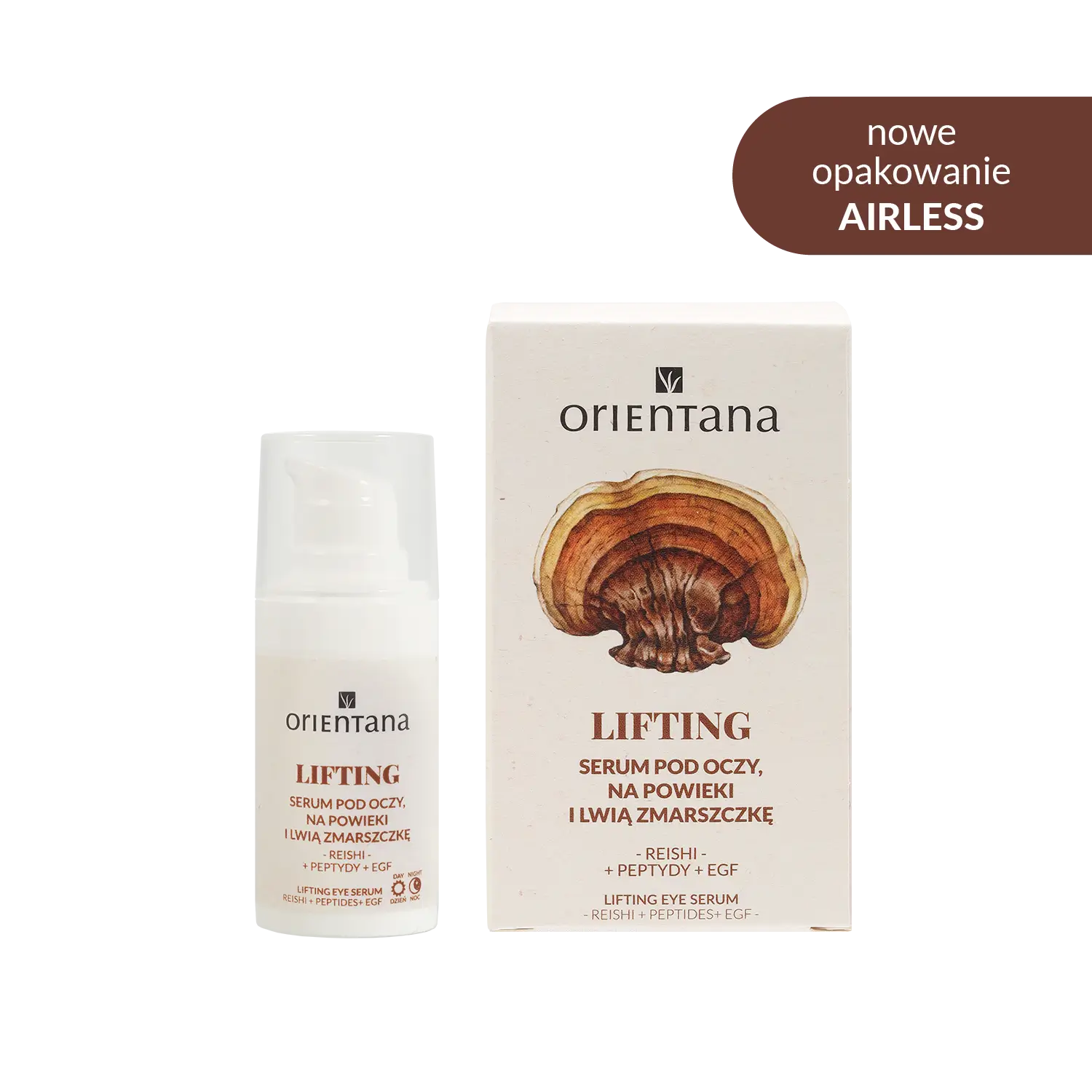
Eye cream with vitamin E

Security and interactions - what is worth knowing?
Vitamin E is generally safe, but like any supplement, it should be used with caution. The upper safe intake limit is 1,000 mg (1,500 IU) per day for adults.
Important warnings:
- High doses of vitamin E may increase the risk of bleeding, especially in people taking anticoagulants
- May affect the action of some cholesterol-lowering medications
- High-dose supplementation is not recommended for people with vitamin K deficiency.
- Excess vitamin E may interfere with the absorption of other fat-soluble vitamins.
It is always a good idea to consult your doctor or dietitian before starting supplementation, especially if you are taking other medications or supplements.
Vitamin E and other nutrients - synergy of action
Vitamin E doesn't work in isolation—its properties are enhanced by other antioxidants. It's especially important to work with:
Vitamin C regenerates oxidized vitamin E, restoring its antioxidant activity. Together, they form a powerful cellular protection system.
Selenium - this trace element supports the action of vitamin E in protecting cell membranes.
Vitamin A - both vitamins work together to protect eyesight and skin health.
Therefore, you will achieve the best results by eating a balanced diet rich in a variety of fruits, vegetables, nuts and healthy fats, instead of focusing on just one ingredient.
Practical tips - how to increase your vitamin E intake?
Here are some simple ways to get more vitamin E in a natural and delicious way:
Start your day with nuts - add a handful of almonds or hazelnuts to your morning oatmeal or yogurt.
Reach for avocados – use them in sandwiches, salads, or smoothies. They're not only packed with vitamin E but also healthy fats.
Use cold-pressed oils - add sunflower or wheat germ oil to salads as a source of vitamin E.
Snack on seeds - sunflower or pumpkin seeds are an ideal snack rich in vitamin E.
Eat green vegetables - spinach, kale and broccoli will provide not only vitamin E, but also fiber and other valuable ingredients.
Add wheat germ - sprinkle it on salad, soup or add it to a smoothie for an extra dose of vitamin E.
Summary - Vitamin E as the foundation of health
Vitamin E is much more than just a nutrient—it's a powerful antioxidant that protects our bodies from damage at the cellular level. From supporting the immune system, to protecting the heart and blood vessels, to maintaining youthful skin, its role cannot be overstated.
The key to reaping the full benefits of vitamin E is a balanced diet rich in nuts, seeds, healthy oils, and green vegetables. For most people, this will be sufficient, although supplementation may be beneficial in some cases.
Remember that health is the sum of many factors - vitamin E is important, but you will achieve the best results by maintaining a holistic, healthy lifestyle that includes a proper diet, physical activity and adequate rest.
You can read about vitamin E in cosmetics: What is tocopherol?