Tamanu oil has been one of the most valued natural ingredients in cosmetology for several years. Called the "green gold of Polynesia," it has gained recognition among dermatologists and phytotherapists for its exceptional anti-inflammatory, regenerative, and antibacterial properties.
As a cosmetologist, I often recommend it to people with sensitive, acne-prone and vascular skin problems - where classic preparations can be too aggressive.
Combined with modern ingredients such as Tremella fuciformis and azelaic acid, it creates effective care formulas with proven moisturizing and repairing properties.
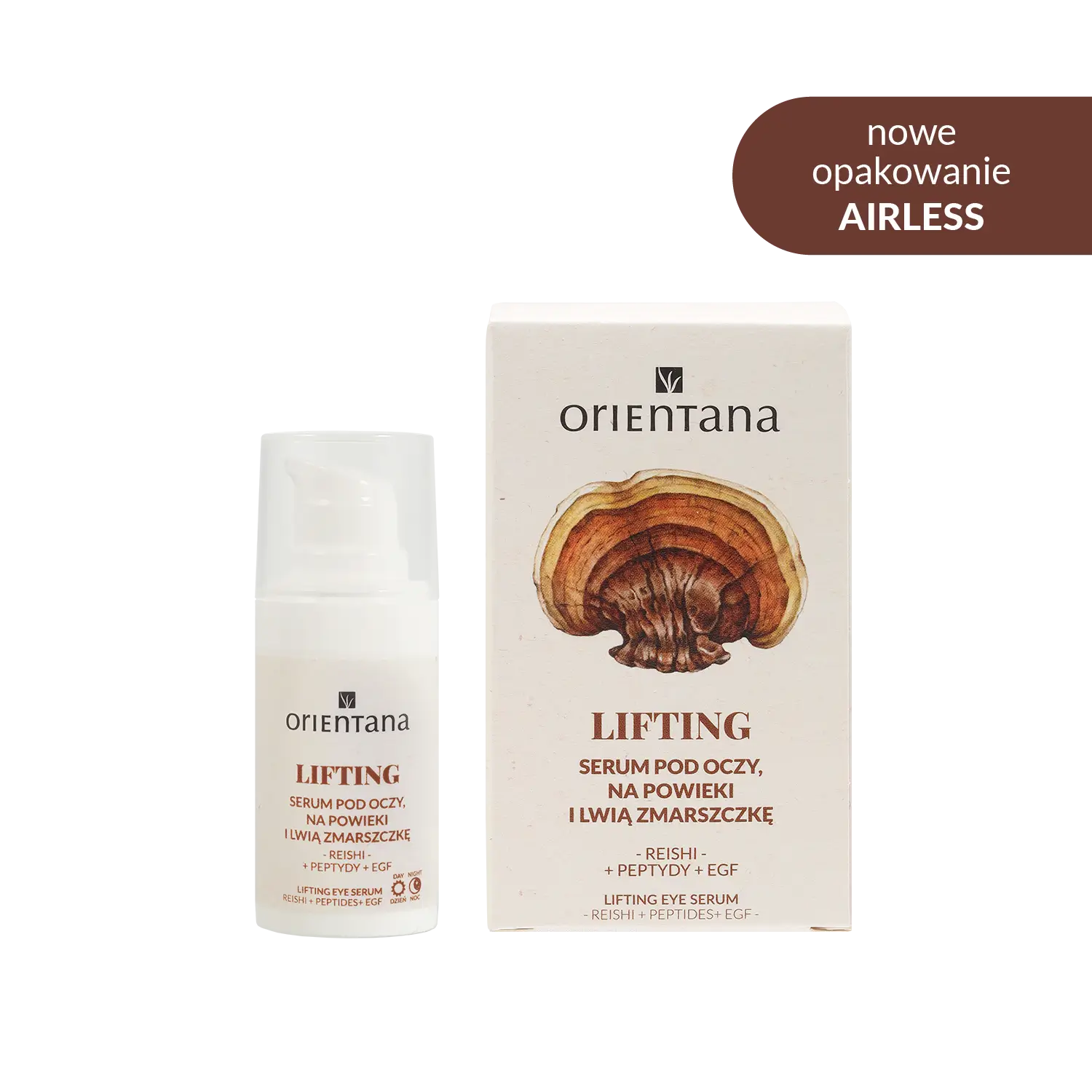
This is how the Orientana Mask with Tremella works, combining biotechnology with the power of laboratory ingredients.

What is tamanu oil?
Tamanu oil (Calophyllum inophyllum Seed Oil) is obtained from the seeds of a tree native to Southeast Asia and Oceania. Its intense, herbal-nutty aroma and dark green color result from its high content of fatty acids, flavonoids, and coumarins.
This is an oil with a unique biochemical composition - it contains:
• calofillolic acid and inofillolide, which have a strong anti-inflammatory effect,
• phytosterols supporting epidermal regeneration,
• oleic and linoleic acids, which restore lipid balance,
• natural antioxidants that protect against oxidative stress.
In cosmetology, tamanu oil is considered a bioactive elixir of skin renewal - especially that which requires soothing and reconstruction.
Tamanu oil – properties and effects on the skin
Tamanu oil works on multiple levels. It's an ingredient that not only moisturizes but also accelerates cell regeneration and protects against inflammation .
Main properties:
• Regenerating - accelerates wound healing, reduces scars and discoloration.
• Anti-inflammatory - soothes inflammation of acne-prone skin, eczema, irritation after hair removal or sunburn.
• Antibacterial and antifungal - supports the microbiological balance of the skin, as confirmed by in vitro studies.
• Antioxidant - neutralizes free radicals and slows down the aging process.
• Strengthens blood vessels - improves microcirculation, making the skin more oxygenated and radiant.
Compared to many other vegetable oils, tamanu does not clog pores and is also great for combination skin.
How to use tamanu oil?
• Spot-applied – for imperfections, blemishes and minor wounds.
• As a serum – 2–3 drops at night, massaged into the skin after toning.
• When combined with a mask or cream, it strengthens the skin's lipid barrier and enhances the regenerative effect.
Due to its thick consistency, it is best to combine it with light moisturizing ingredients – e.g. aloe vera or plant-based hyaluronic acid.
Orientana Mask with Tremella, Tamanu Oil and Azelaic Acid
Orientana has created a mask that combines the biocompatibility of plant ingredients with modern biotechnology. This combination of active ingredients works synergistically to restore skin's smoothness, hydration, and, above all, reduce imperfections. It is a popular choice among those with combination and oily skin.
Key ingredients:
• Tamanu oil – regenerates and soothes irritations.
• Tremella fuciformis – acts like natural hyaluronic acid, binds water in the epidermis, giving the "plump skin" effect.
• Azelaic acid - limits the formation of imperfections, soothes existing ones, brightens discolorations after inflammation.
Additionally, we have squalane, mango butter, and hyaluronic acid.
This mask is more than just a classic moisturizing and soothing product - it's a biotechnological regenerating cocktail that improves skin elasticity and protects it from oxidative stress.
Used 2-3 times a week, it produces a brightening and smoothing effect that lasts even after several days. It's best to apply it overnight.
Tamanu oil in the care of various skin types
Oily and acne-prone skin - normalizes sebum secretion, has antibacterial properties and soothes inflammation.
Dry and sensitive skin - rebuilds the hydrolipid barrier and reduces the feeling of tightness.
Mature skin - protects against collagen glycation and supports natural cell renewal.
Capillary skin - strengthens the walls of capillaries, reducing redness and the visibility of "spider veins".
Tamanu oil and modern plant cosmetology
Modern cosmetology increasingly combines bioactive plant extracts with biotechnological substances. Tamanu oil fits this trend perfectly: it is stable, bioavailable, and has a broad spectrum of effects confirmed by dermatological tests. Combined with azelaic acid, it is an example of care based on the synergy of nature and science - something that distinguishes the Orientana philosophy.
Frequently asked questions about tamanu oil
Can tamanu oil be used during the day?
Yes, but in small amounts—preferably combined with a light cream. At night, it can be applied alone as a regenerating serum.
Does tamanu oil clog pores?
No. It has a low comedogenic index, making it also suitable for combination and acne-prone skin.
Does tamanu oil have anti-wrinkle properties?
Yes - it contains antioxidants that protect collagen fibers from degradation and slow down the aging process.
Can tamanu oil be combined with acids or retinol?
Yes, but it's best to use them on different days - tamanu oil has a soothing effect and helps regenerate the skin after exfoliating treatments.
Tamanu oil is a raw material with an extremely broad spectrum of action - it heals, regenerates, soothes, firms and protects the skin against oxidative stress.
Combined with Tremella and hyaluronic acid, as in the Orientana mask, it creates a care ritual that restores balance to all skin types.
This is an example of modern phytocosmetology, where the tradition of tropical plants meets biotechnology - and the result is a healthy, calm and radiant complexion.