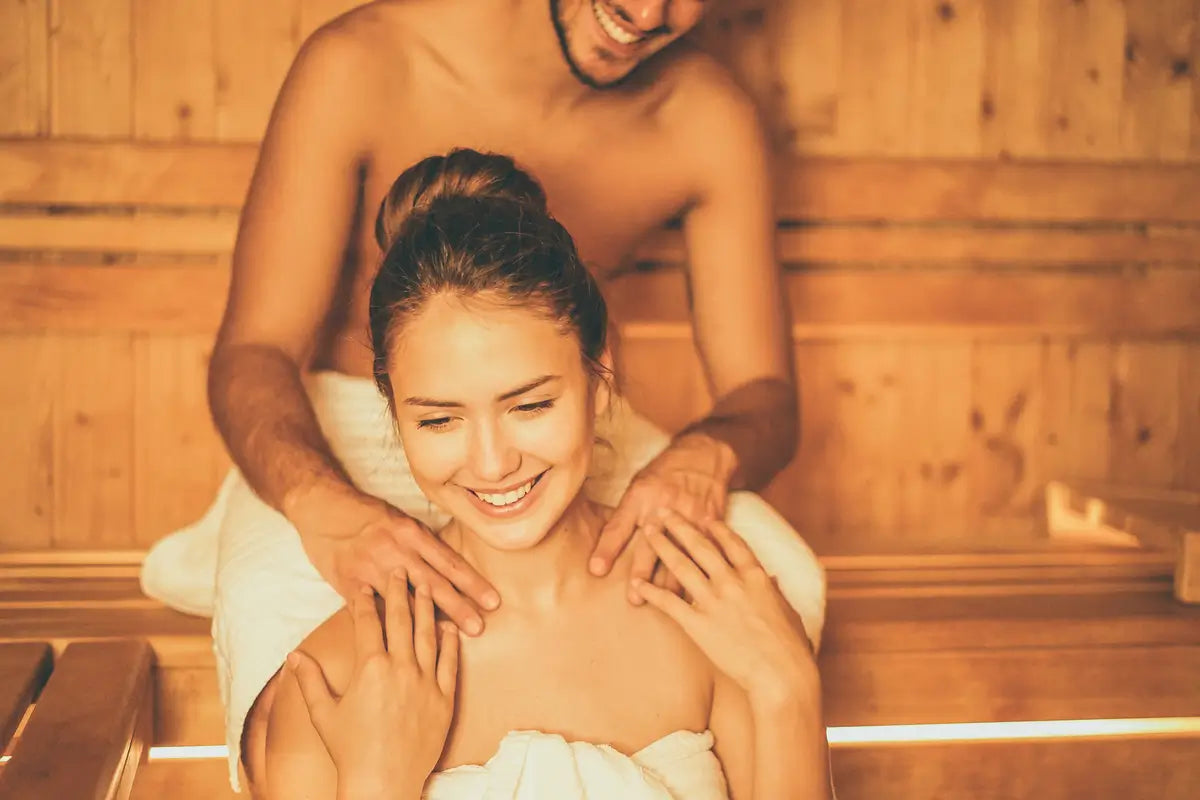
Sauna. I remember my first experience in a Finnish banya in Switzerland, after skiing. It was a frosty afternoon, and I, immersed in a cloud of hot steam and the scent of pine benches, felt my body undergo a transformation . My heart beat faster, my breathing deepened, and my skin…? My skin seemed to come alive again. And that's when I realized that a sauna wasn't just relaxation. It was a ritual. It was care in its purest, most primal form.
Sauna – more than just relaxation
In Scandinavian, Japanese, Korean, and Indian cultures , the sauna has been a part of everyday life for centuries. It's not just about comfort or warming up the body on cold days, but also about cleansing: physical, emotional, and energetic. Ayurveda recognizes a form of "swedana"—thermal cleansing of the body .
Regular sauna sessions improve circulation, reduce stress, and improve sleep quality. But the greatest beneficiary of this steamy ritual is… your skin.

How does a sauna affect the skin?
Pore cleansing
The high temperature opens the glands, the skin sweats profusely, and toxins and impurities are excreted along with the sweat. This is a natural detox.
Exfoliation of the epidermis
The process of sweating and moisturizing the upper layers of the skin softens dead cells, making them easier to remove. After a sauna, skin becomes visibly brighter and smoother.
Better oxygenation and microcirculation
Heat dilates blood vessels, allowing more oxygen and nutrients to reach skin cells, supporting their regeneration.
Greater absorption of cosmetics
That's key! After a sauna, your skin is more receptive to the effects of active ingredients. You just need to choose the right skincare routine.
Sauna and beauty care – the best combinations
If you take your skincare routine seriously, a sauna session can become an integral part of it. Why apply the most expensive serum to skin with clogged pores and limited microcirculation? A sauna prepares the skin just like a good exfoliation.
What cosmetics should I use after the sauna?
Body oils after the sauna
Body oils applied after a sauna penetrate deeply into the heated and revived skin, providing intense hydration and nourishment. Natural plant oils create a delicate occlusive layer on the skin's surface, preventing moisture loss and protecting against dryness. After application, the skin remains supple, smooth, and radiant, and regular use of oils helps regenerate the hydrolipid barrier , which can be weakened by the high temperatures and dehydration of the body during a sauna session.
Body butters after the sauna
Body butters, thanks to their rich, creamy consistency, are the perfect solution for skin in need of intensive regeneration after a sauna session. These thick products deliver a generous dose of lipids and vitamins to the skin , replenishing the natural protective barrier damaged by sweating. It's best to apply butters to slightly damp skin immediately after a shower, when body heat facilitates their distribution and absorption. They're an excellent choice for those with dry skin or during the winter months, when skin especially needs enhanced protection.

Post-sauna body lotions
Post-sauna body lotions combine the properties of a moisturizing emulsion with nourishing ingredients, offering balanced care for skin exposed to high temperatures. Their formula, lighter than butter but richer than milk, absorbs quickly without leaving a greasy residue, making them a convenient solution for those who value comfort. Regular use of post-sauna lotions supports the natural cell renewal process , improves skin elasticity, and protects it from the negative effects of dehydration, leaving a pleasant feeling of freshness and invigoration.
Moisturizing body and hair mists after the sauna
Moisturizing body and hair mists are a lightweight, multi-functional solution, ideal for application immediately after a sauna session. Thanks to their ultra-light, water-based aerosol formula, the mists immediately deliver moisture to the skin and hair without weighing it down, which is especially appreciated after a hot sauna session. Humectants such as hyaluronic acid, glycerin, and aloe vera bind water molecules in the epidermis and hair structure, preventing dehydration caused by intense sweating. Mists are often enriched with plant extracts and minerals, which soothe the skin, reduce feelings of tightness, and restore freshness. In hair, they smooth cuticles and add natural shine. Their greatest advantage is that they can be applied immediately without the need to spread with your hands , allowing for an instant refreshment of the entire body and hair. Furthermore, the mists can be applied to clothing or used multiple times throughout the day to maintain the moisturizing effect. This is an excellent choice for those who prefer minimalist, quick care that does not leave a sticky film and at the same time effectively protects against drying out after a sauna session.
How to care for your facial skin after a sauna session
Facial skin requires special attention after a sauna session – although it's perfectly cleansed and ready to absorb active ingredients, it can also be sensitive and dehydrated. The key to proper care is gentleness and intense hydration.
Cooling and toning
Immediately after exiting the sauna , rinse your face with lukewarm water , then with cool water to close pores and soothe your skin. Apply a toner or hydrolate – this is the first step to restoring your skin's proper pH and preparing it for further care.
Intensive hydration
While your skin is still slightly damp, apply a moisturizing serum with hyaluronic acid or a serum with niacinamide . Warm skin and enlarged pores will allow the active ingredients to penetrate deeper. Then, apply a cream adapted to your skin type – choose richer formulas for dry skin, and lighter, mattifying textures for oily skin.
Additional regeneration
Take advantage of the opportunity and apply a moisturizing mask – After a sauna, your skin will absorb it particularly effectively. You can also gently massage in a few drops of facial oil , which will create a protective barrier against moisture loss.

What to avoid
Don't use products containing retinol, exfoliating acids, or strong scrubs immediately after a sauna—your skin is sensitive and may react with irritation. Wait at least a day before applying these types of cosmetics.
Remember to also hydrate your body from the inside out – drink a glass of water or herbal tea to replenish fluids lost through sweating. Healthy, moisturized skin is the result of both external care and proper hydration of the entire body.
How does hair behave in the sauna and what cosmetics to use?
Saunas are a real challenge for hair – although the heat can bring some benefits, high temperatures and humidity affect its structure in a way that requires thoughtful care.
How does a sauna affect your hair?
During a sauna session, hair is exposed to temperatures reaching up to 90-100°C in a Finnish sauna or to the intense humidity of a steam sauna. The high temperature opens the hair cuticles , which, on the one hand, facilitates the penetration of nutrients, but on the other, causes the hair to lose moisture and become more susceptible to damage.
Hair can become frizzy , lose elasticity , and the ends—especially those already weakened—become brittle. Excessive sweating of the scalp can also disrupt its natural lipid balance, which can exacerbate the problem in people with oily hair and worsen dehydration in those with dry scalp.
Protecting your hair during the sauna
The key to maintaining healthy hair is proper protection before entering the sauna. It's a good idea to apply hair oil to your hair before your session— the heat of the sauna will help the nutrients penetrate deeper into the hair structure, while also creating a protective barrier against excessive moisture loss.
It's best to tie your hair up or put it in a loose bun to minimize its exposure to direct heat. Many people also use a shower cap or wrap their hair in a towel to further protect it from overheating.
Hair cosmetics for use after the sauna
Nourishing masks and conditioners
After a sauna, hair needs intense hydration and nourishment. Choose products rich in proteins, natural oils, and humectants . Masks with shea butter, avocado, or hyaluronic acid will restore hair's elasticity and shine.
Hair serums and oils
After washing, apply a light serum or a few drops of oil to damp hair. This protects against further moisture loss and smooths damaged cuticles. Choose products with good oils.
Leave-in conditioners and mists
Leave-in hair products are the perfect solution – they provide long-lasting hydration, facilitate combing, and protect against external factors. Trichological smoothing serum works on the entire length of the hair, effectively moisturizing and strengthening hair after a sauna session.
Scalp cosmetics
Don't forget about your scalp - Toners with plant extracts will refresh it and help restore its natural balance. For those with dry scalp, a trichological lotion containing a pro/pre and postbiotic complex is recommended.
What to avoid
- Do not use a hot hairdryer or straightener immediately after the sauna – the hair is already weakened by the high temperature.
- Also avoid aggressive shampoos with SLS, which can additionally dry out the sensitive scalp after the sauna.
Comb your hair gently, preferably with a wide-toothed comb, starting from the ends.
Remember that regular sauna visits require adjustments to your hair care routine – your hair needs more moisture and nourishment than usual. Investing in high-quality regenerative cosmetics will quickly pay off in the form of healthy, shiny hair that won't suffer from your sauna addiction.
Care rituals with a sauna in the background
Scandinavian model
A hot sauna, a cool river, and then rubbing in juniper or pine oils.
Ayurvedic detox
Sauna is part of Panchakarma. It is followed by the use of ashwagandha and brahmi oils, body massage, and the practice of calm breathing.
Frequently asked questions about sauna and skin (FAQ)
Does a sauna dry out the skin?
Yes, but only if you don't replenish moisture. The key is to apply moisturizers promptly.
How often should you go to the sauna?
For the skin, 1-2 times a week is optimal.
Does a sauna help with acne?
It helps cleanse pores, but caution is advised if you have acne vulgaris. It's worth consulting a dermatologist.
What cosmetics should you avoid after the sauna?
Avoid those with alcohol and strong acids right after the session – the skin is more sensitive.
Does sauna have anti-aging properties?
Yes, as long as you use good aftercare. Improving circulation and regeneration is the foundation of anti-aging.
A sauna isn't just about warming relaxation. It's a beauty tool that can intensify the effects of your cosmetics, improve your skin's condition, and bring you to a state of inner balance. For me, it's one of those rituals worth making a regular part of your week. I encourage you to try sauna relaxation at least once. Maybe it will stick with you for a long time, especially during autumn and winter.
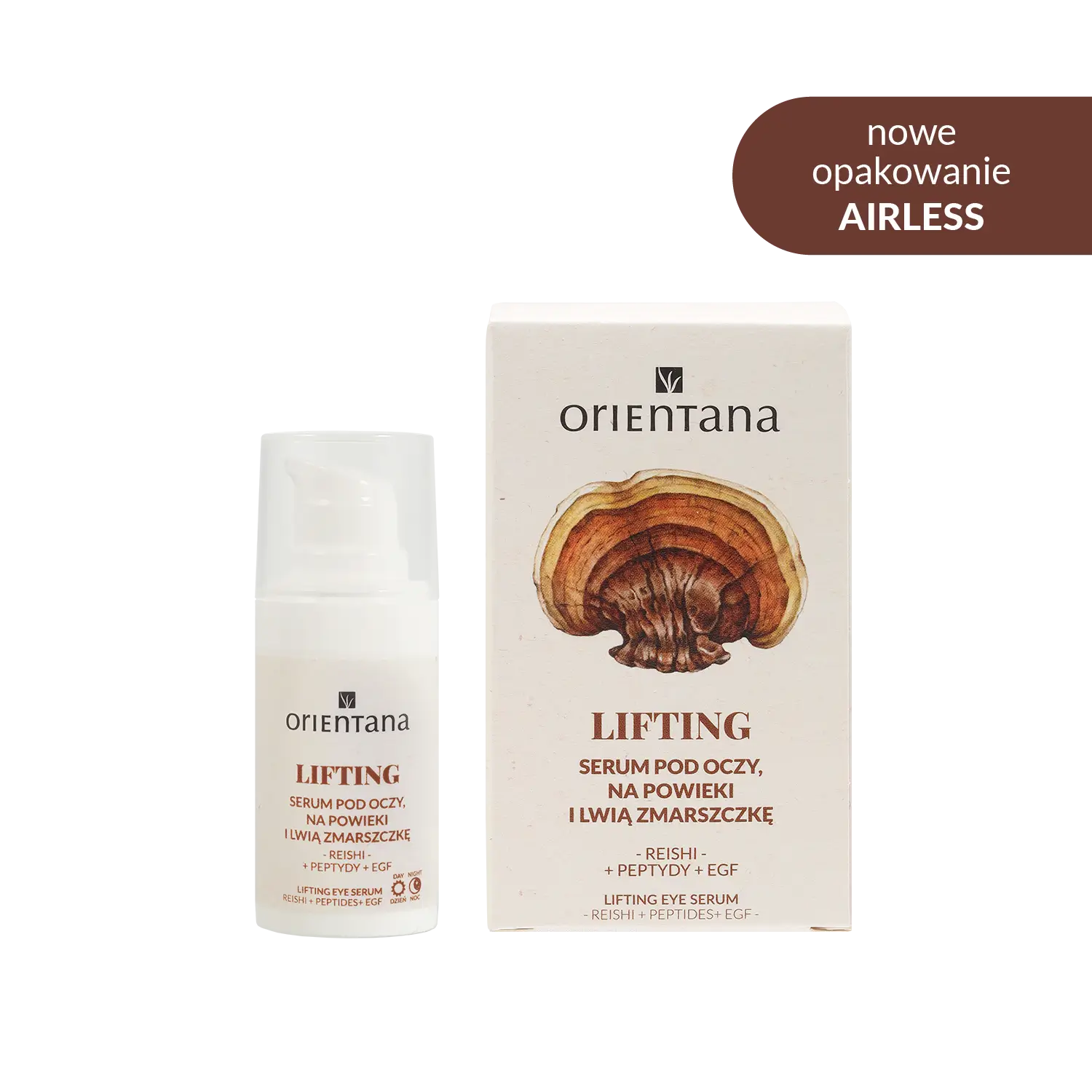
Check out Orientana natural cosmetics that best support post-sauna care.