Visible pores are one of the most common concerns reported to dermatologists, especially among people with combination and oily skin. Although the media likes to promise "magic" pore-tightening creams, dermatologists emphasize one thing: pores cannot physically close because they lack muscles. However, we can significantly reduce their appearance by using skincare that supports sebum regulation, smooths the epidermis, improves skin elasticity, and protects it from factors that deteriorate pore structure.
In this article, you'll find real, scientifically proven methods that Cleveland Clinic dermatologists find effective. You'll also learn which creams and ingredients to choose, and how natural, lightweight skincare like our Sebum-Balanced Cream for Combination Skin works to support skin balance without the false promise of "closing pores."

Why are pores visible? Cleveland Clinic dermatologists explain.
Pore size varies depending on genetics, but their visibility depends on a number of factors we can control. According to dermatologists at the Cleveland Clinic, the most significant factors are:
Excess sebum
When the sebaceous glands are working harder, sebum expands the openings of pores , making them appear larger. This is why people with oily skin are more likely to complain of enlarged pores.
Accumulated dead skin
Dead skin cells can accumulate at the openings of pores, visually enlarging them. This is a natural process, but it can be regulated with proper care.
Loss of skin elasticity
As we age, our skin loses collagen and elasticity – which means pores can appear more stretched.
UV photodamage
Dermatologists emphasize that sun exposure is one of the main reasons pores become increasingly visible . Radiation damages the skin's supporting proteins, which exacerbates the problem.
Pollution, sweat, makeup, improper cleansing
All of this can make pores more noticeable.
The bottom line: dermatologists confirm that you can't "close" pores , but you can make them appear visibly smaller . And that's the real goal of skincare.
What does a pore tightening cream do and what doesn't it do?
Dermatologists at the Cleveland Clinic specify: "pore-tightening" cream does not affect the physical size of pores. It works by:
- regulating excess sebum,
- smoothing the skin surface ,
- moisturizing, which reduces reactive oiliness ,
- reducing blackheads ,
- barrier support ,
- preventing pores from clogging .
It's a gradual process. Results are visible after regular use. There are no dramatic differences, and such promises shouldn't be made.
Dermatologist-recommended ingredients for visible pores
Based on Cleveland Clinic recommendations, the following work best:
Niacinamide
A key sebum-regulating ingredient, it reduces excess sebum production and soothes redness. Dermatologists often recommend it to people with combination skin types.
Exfoliating acids
As recommended by the Cleveland Clinic:
- AHA and PHA smooth the skin's surface and remove dead cells that optically enlarge pores.
- Regular, gentle exfoliation is one of the most effective ways to reduce the appearance of pores.
Retinoids
They strongly support epidermal renewal and skin structure, making pores look better over time.

Sebum-normalizing ingredients (plant-based or dermatological)
Dermatologists emphasize that limiting excessive sebum is the most important way to reduce the visibility of pores .
Sunscreens
UV damages collagen → pores look worse. SPF is a must.
How to Choose a Pore-Tightening Cream? 6 Features of a Good Product
According to dermatologists:
- It cannot clog pores.
- It must regulate sebum, not dry out.
- It should have a light, non-burdening consistency.
- It may contain soothing ingredients, as irritations intensify seborrhea.
- It should balance the hydrolipid barrier.
- It must work with SPF filters to protect the skin from dilating pores.
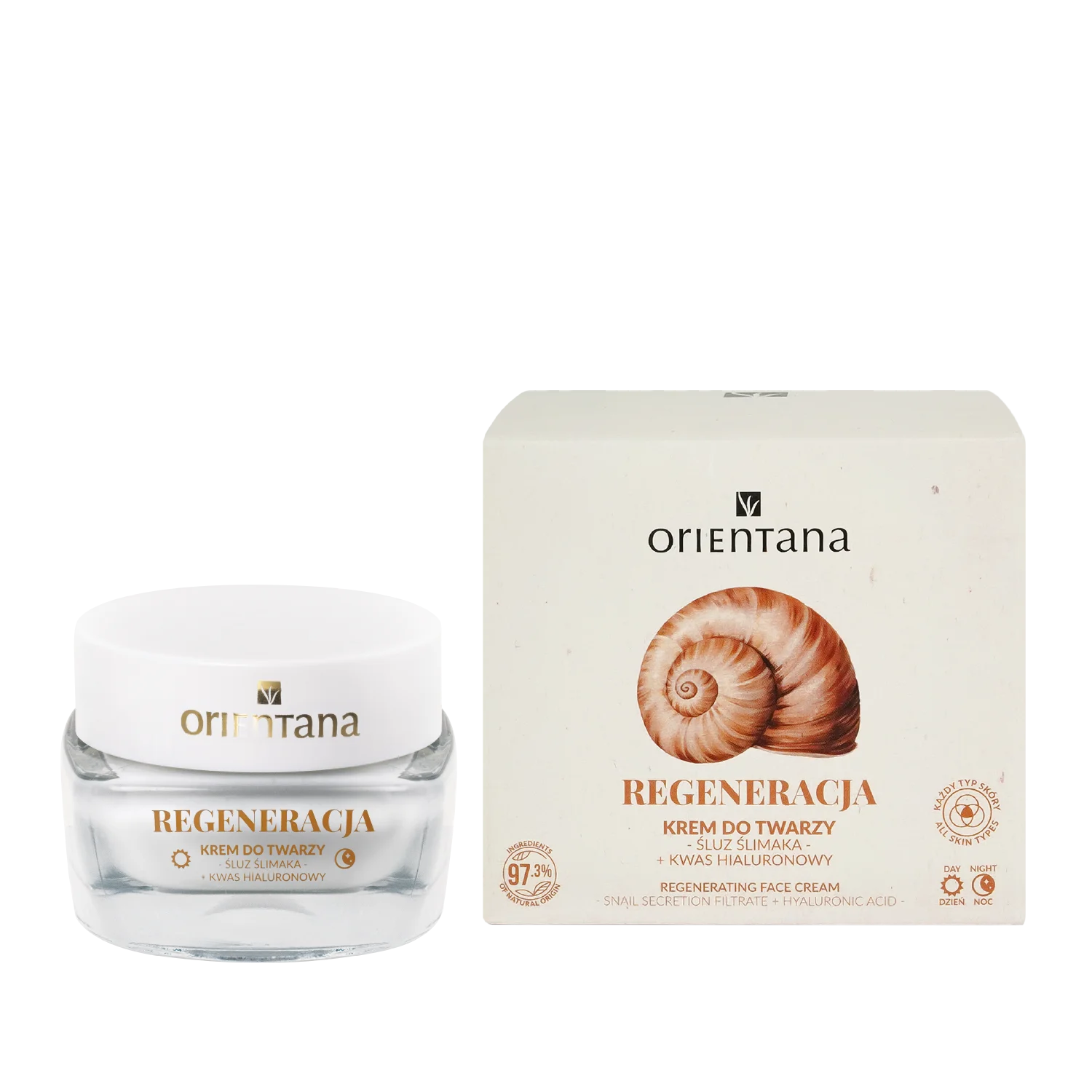
Natural, light care that supports the visibility of pores - Orientana Sebum Regulating Cream for Combination Skin

This cream does not promise "instant pore tightening" or "closing pores", and that's a good thing, because dermatologists emphasize that such claims are unrealistic.
What does he actually do?
- Regulates the amount of sebum thanks to its light formula and carefully selected plant ingredients.
- It does not burden the skin - which is crucial for combination and oily skin.
- Supports barrier balance , which minimizes the risk of excessive oiliness.
- With regular use, the skin looks smoother and more matte , which reduces the visual visibility of pores.
Cleveland Clinic Dermatologists' Tips: How to Reduce the Appearance of Pores at Home
Cleveland Clinic emphasizes that care is a process . The most effective steps are:
Cleansing twice a day
Not aggressive, not drying.
Goal: removing sebum, sweat, makeup and impurities that optically enlarge pores.
Gentle exfoliation 2–3 times a week
Enzymatic peels, PHA, AHA.
Dermatologists warn against excessive exfoliation because it paradoxically enlarges pores .
Using sebum-regulating creams
Such as Orientana.
Regulating sebum = less pore unclogging.
Daily SPF protection
One of the most important pillars.
UV damages collagen, which makes pores appear larger.
Proper hydration
Dry skin → overproduction of sebum → larger pores.
This is a dermatological fact.
Avoiding heavy oils and comedogenic ingredients
Do not squeeze pores and blackheads
Cleveland Clinic warns: Squeezing permanently enlarges pores .
"Less Visible Pores" Skincare Routine
IN THE MORNING
- Gentle washing.
- Balancing tonic.
- Light cream regulating sebum – Orientana Cream for Combination Skin .
- SPF 30–50.
IN THE EVENING
- Two-stage cleansing.
- Gentle exfoliation (several times a week).
- Sebum regulating cream.
- Optional niacinamide serum.
The Most Common Mistakes That Enlarge Pores (According to Dermatologists)
- Excessive, aggressive cleansing.
- Use of drying products.
- Avoiding SPF.
- Overloading the skin with heavy oils.
- Squeezing blackheads.
- Exfoliating too infrequently or exfoliating too often.
- Lack of regularity.
When should you visit a dermatologist?
According to the Cleveland Clinic:
- when pores are enlarged due to acne,
- when inflammation, lumps, closed comedones appear,
- when stronger treatments are needed (retinoids),
- when we consider professional treatments: laser, chemical peeling, radiofrequency.
Questions and Answers
Does pore tightening cream really tighten pores?
Not physically. Dermatologists explain that the cream can reduce their appearance by regulating sebum and smoothing the epidermis.
Is it possible to “close” pores?
No. Pores don't have muscles. However, you can make them appear much smaller.
What works best for visible pores?
Oil regulation, exfoliation, SPF and retinoids — as recommended by the Cleveland Clinic.
Does Orientana cream help with visible pores?
It doesn't "close" them. Instead, it regulates sebum production , which, according to dermatologists, reduces their visual visibility.
Do pores enlarge with age?
Yes – loss of elasticity and photodamage are common causes.
Does SPF reduce the appearance of pores?
Yes, indirectly. It protects collagen and prevents stretching.
Does cold water close pores?
No. It's a myth.
Is exfoliation necessary?
Yes, but gently. Too much exfoliation has the opposite effect.
Does makeup aggravate pores?
Heavy, comedogenic – yes. Light – no.
Does diet have an impact?
Indirectly. Sugar and dairy can increase acne, which enlarges pores.
Do natural creams work on pores?
If they regulate sebum and are non-comedogenic - yes.
How long should you use the cream?
First effects: approx. 2–4 weeks.
Is it possible to get rid of pores completely?
No. It's a normal part of the skin.
Is retinol effective for pores?
Yes, one of the most researched ingredients.
Does excess sebum enlarge pores?
Yes, that's the main mechanism.
Can I use pore cream in winter?
Yes – especially light regulating creams.
Is Orientana Sebum Regulating Cream suitable under makeup?
Yes, because it is light and absorbs quickly.
Does the alcohol in the ingredients enlarge pores?
It can irritate and dry out the skin, leading to increased sebum production.
Does facial massage affect pores?
It does not constrict, but improves microcirculation and the appearance of the skin.
Does drinking water affect pores?
It affects the overall condition of the skin, but not directly on the pores.
Pores are a natural part of the skin, but their appearance can be effectively minimized by utilizing dermatologist expertise. The key is regulating sebum production, gentle exfoliation, UV protection, and lightweight creams that support skin balance.
If you are looking for a product that adheres to these principles and does not promise miracles, but real action:
👉 Orientana Sebum Regulating Cream for Combination Skin
https://orientana.pl/products/krem-do-cery-miesznej-regulujacy-sebum
Bibliography: Cleveland Clinic, June 2022