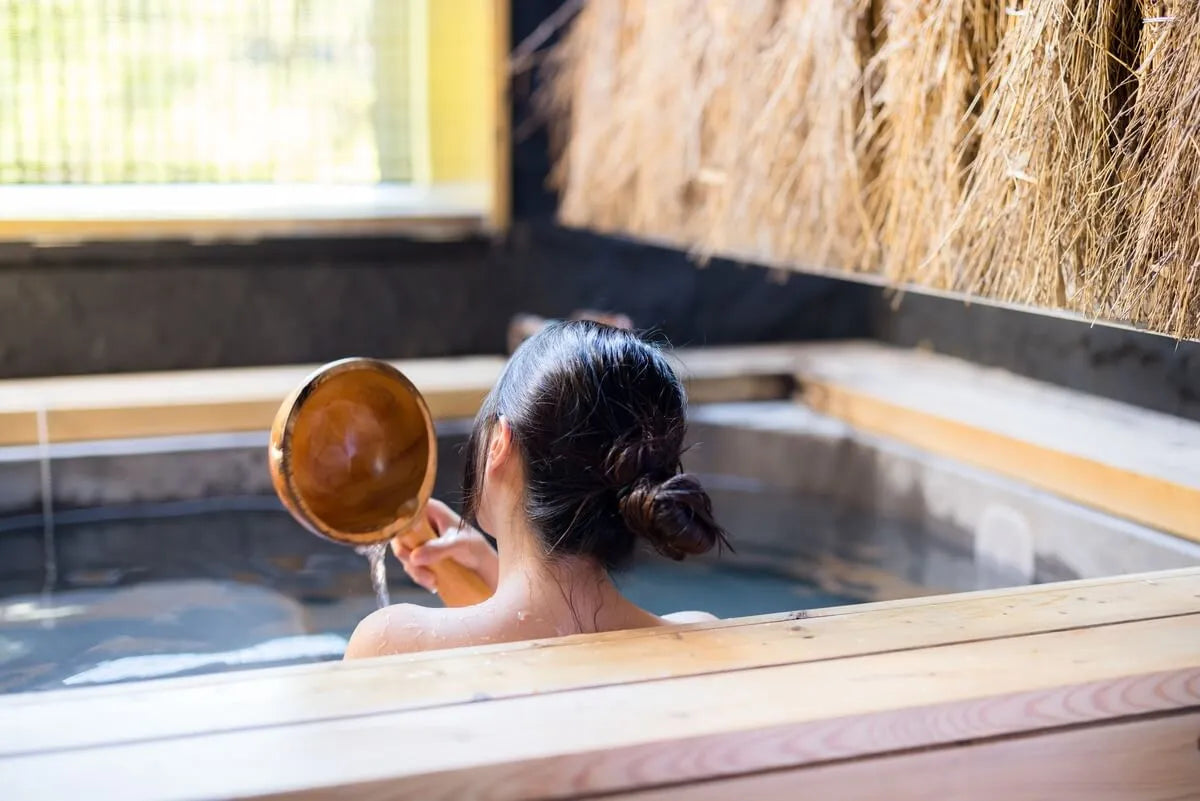
Onsen is much more than just a hot bath. It's a ritual. A state of mind. A moment when the body ceases to be a task to be performed and becomes a home to be cared for. Whenever I think back to Japan, the onsen comes to mind as one of the most transformative elements of its culture of self-care.
I am writing this text as the owner of Orientana, but also as a woman who has been searching for years in various cultures for the answer to the question: how to care for your skin wisely, calmly and in harmony with nature?
What is onsen and why can't Japan imagine life without it?
Onsen is a traditional Japanese bath in natural hot springs , rich in minerals. Japan, located in an active volcanic area, has thousands of them. For the Japanese, onsen are not a tourist attraction; they are part of everyday life, culture, and health.
Onsen water may contain sulfur, magnesium, calcium, sodium, or iron. Each mineral composition has a slightly different effect on the skin and body, but there is one common denominator: regeneration .
It's not just about relaxing your muscles. Onsen is a profound work on your nervous system, skin barrier, and emotions.
Onsen and skin care - what really happens to your skin?
From a cosmetics perspective, onsen is fascinating. Hot water:
- dilates blood vessels,
- improves microcirculation,
- facilitates the removal of toxins,
- increases skin permeability.
But, and this is very important , an onsen always begins with a thorough cleansing of the body before entering the water. No washing, no cosmetics, no rushing.
This approach is extremely close to me in the Orientana philosophy: first cleansing and respect for the skin, then care, and only at the end active action .
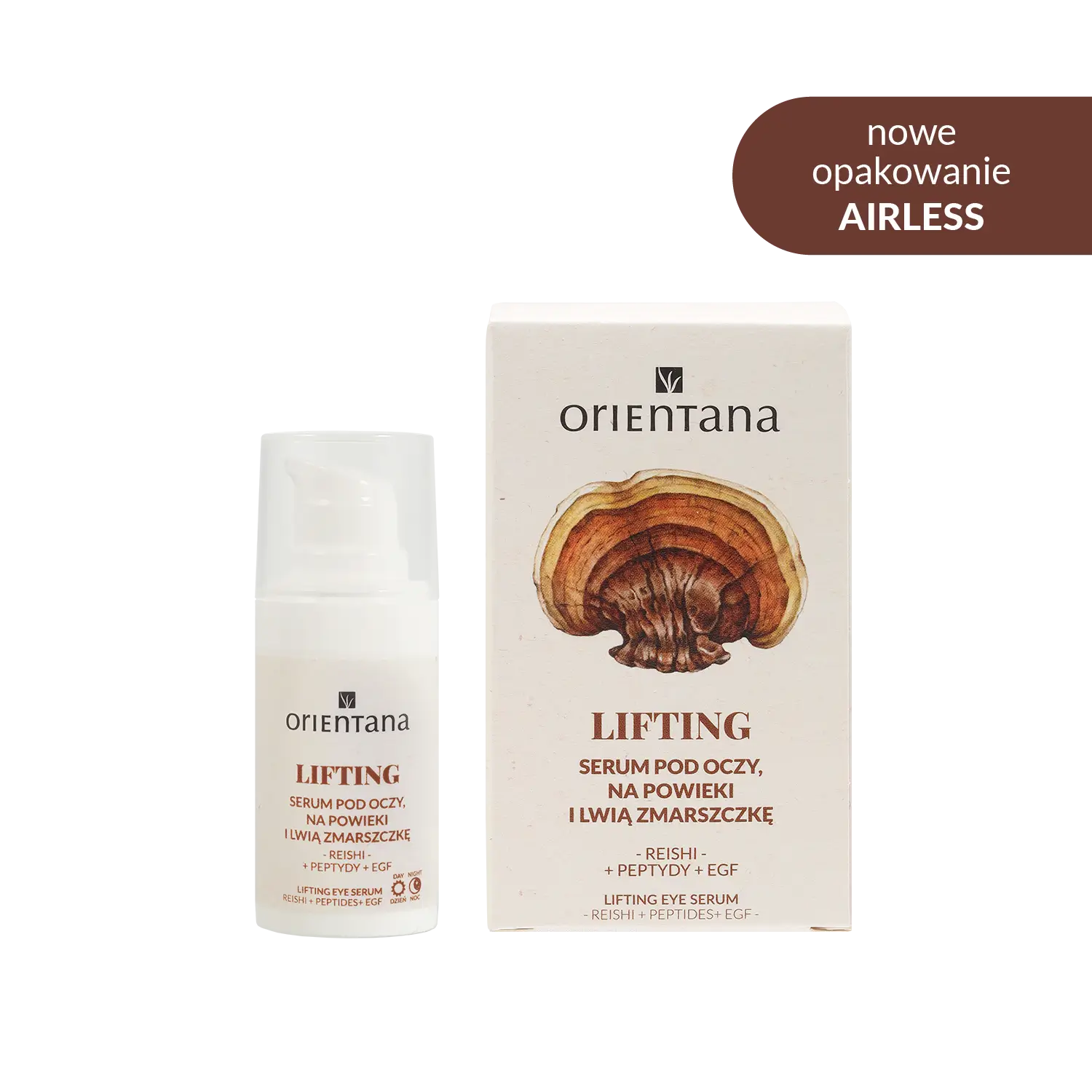
After an onsen or hot bath, use

Why does onsen teach humility towards the skin?
In an onsen, nothing is forced. There's no rubbing, no brushing, no scrubbing, no aggression. There's immersion and surrendering control to the water.
This is a huge lesson for modern skincare, which is often overloaded:
- too much acid,
- too much retinol,
- too much "repairing" of the skin.
Onsen shows that the skin has its own regenerative intelligence if we create the right conditions for it.
Onsen and the hydrolipid barrier - natural skin protection
One reason the Japanese are so conscious of their skin barrier is their bathing culture. After an onsen, the skin is warmed but not tight. Minerals gently deposit on the epidermis, strengthening its protective function.
This is exactly the same direction that Orientana has been heading in for years:
- ceramides,
- natural humectants,
- adaptogens,
- ingredients that support the microbiome.
We don't fight our skin. We work with it.

Is onsen for everyone?
This is one of the most frequently asked questions, and rightly so.
Onsen:
- not recommended for acute skin inflammation ,
- requires caution in case of vascular skin and hypertension,
- it shouldn't be too long (several to several minutes).
The Japanese learn about onsens from childhood. They know when to leave, when to cool down, and when to rest. It's another lesson in mindfulness, something we sorely lack today.
Home onsen - is it possible to recreate this ritual at home?
Let's be honest, we can't bring the Japanese onsen to Poland. But we can bring its philosophy .
An onsen-inspired home ritual is:
- a warm, not hot bath or shower,
- gentle cleansing without squeaky foam,
- cosmetics that do not irritate, but support,
- silence. No phone. No stimuli.
This is the moment when care stops being a checklist and becomes a ritual.
Why is onsen so close to the philosophy of Orientana?
Because onsen is exactly what we have been trying to do as a brand for years:
combines Eastern tradition with modern skin science. It doesn't promise miracles, doesn't attack the skin, and doesn't rush processes that take time.
Onsen teaches patience. Your skin needs it too.
Onsen as an inspiration for conscious care
In a world where everything is supposed to work "instantly," the onsen is a quiet rebellion. A reminder that regeneration is a process. That skin doesn't need pressure, but balance.
And it is from this exact place that Orientana is born.
- Not trendy.
- Not in a hurry.
- Only with mindfulness.
Onsen and skincare questions
What is an onsen?
Onsen is a traditional Japanese bath in natural hot springs rich in minerals.
Does onsen improve skin condition?
Yes, it can support microcirculation, regeneration and the hydrolipid barrier if used in moderation.
Does onsen dry out the skin?
No, provided the bath is not too long and is not accompanied by aggressive washing.
Can you make an onsen at home?
Not in the mineral sense, but you can recreate the ritual and philosophy of mindful care.
Why is onsen an inspiration in natural cosmetics?
Because it shows that the skin regenerates best in conditions of peace, balance and support, not aggression.
What exactly is an onsen?
Onsen is a traditional Japanese bath in natural hot springs fed by geothermal waters rich in minerals.
Why is onsen so important in Japan?
Because it's not a luxury. It's a daily ritual for caring for your health, skin, and mental balance. The Japanese treat onsen as a preventative measure—much like sleep or diet.
Is onsen just a bath?
No. It's a whole philosophy: cleansing, immersion, calm, and regeneration.
Does onsen improve skin circulation?
Yes. Warm water dilates blood vessels, improving tissue oxygenation.
Does onsen support skin regeneration?
Yes, but not aggressively. Regeneration occurs by creating ideal conditions for the skin, not by forcing it.
Can an onsen dry out your skin?
No, if it is short-lived and not accompanied by intensive washing or strong detergents.
This is why in onsen culture , cosmetics are not used in the bath itself - the skin is supposed to rest.
Why is this so important?
Because cleansing in Japan is not intended to "strip" the epidermis, but to remove impurities without damaging the hydrolipid barrier.
This is exactly the same principle we use in Orientan:
first gentle cleansing , then care.
Orientana Gentle Facial Wash Gel is perfect for an onsen-inspired home ritual – no tight feeling, no squeaky foam, but with real skin support.
Does onsen help the hydrolipid barrier?
Yes - and this is one of the key reasons for its popularity.
The minerals in the water settle on the skin like a delicate protective film. After an onsen, the skin isn't "bare"—it's protected.
That's why we don't need ten steps in our onsen-inspired post-bath care routine. All we need is a product that moisturizes, soothes, and strengthens the skin barrier.
Can people with sensitive skin use an onsen?
Yes, but briefly and carefully.
Is onsen good for vascular skin?
In moderation. The key is not to overheat the skin and to properly cool down after bathing.
Does onsen help stressed skin?
Definitely yes – mainly due to its impact on the nervous system, not just the skin itself.
This is another point where care meets emotions.
Why does onsen inspire me as a creator of a cosmetics brand?
Because onsen teaches something that is invaluable in cosmetics today: patience .
Not everything has to work immediately.
Not everything needs to be corrected.
Not every skin reaction is a problem.
It is precisely from this philosophy that Orientana was born - from the need to create cosmetics that support the skin, rather than control it .