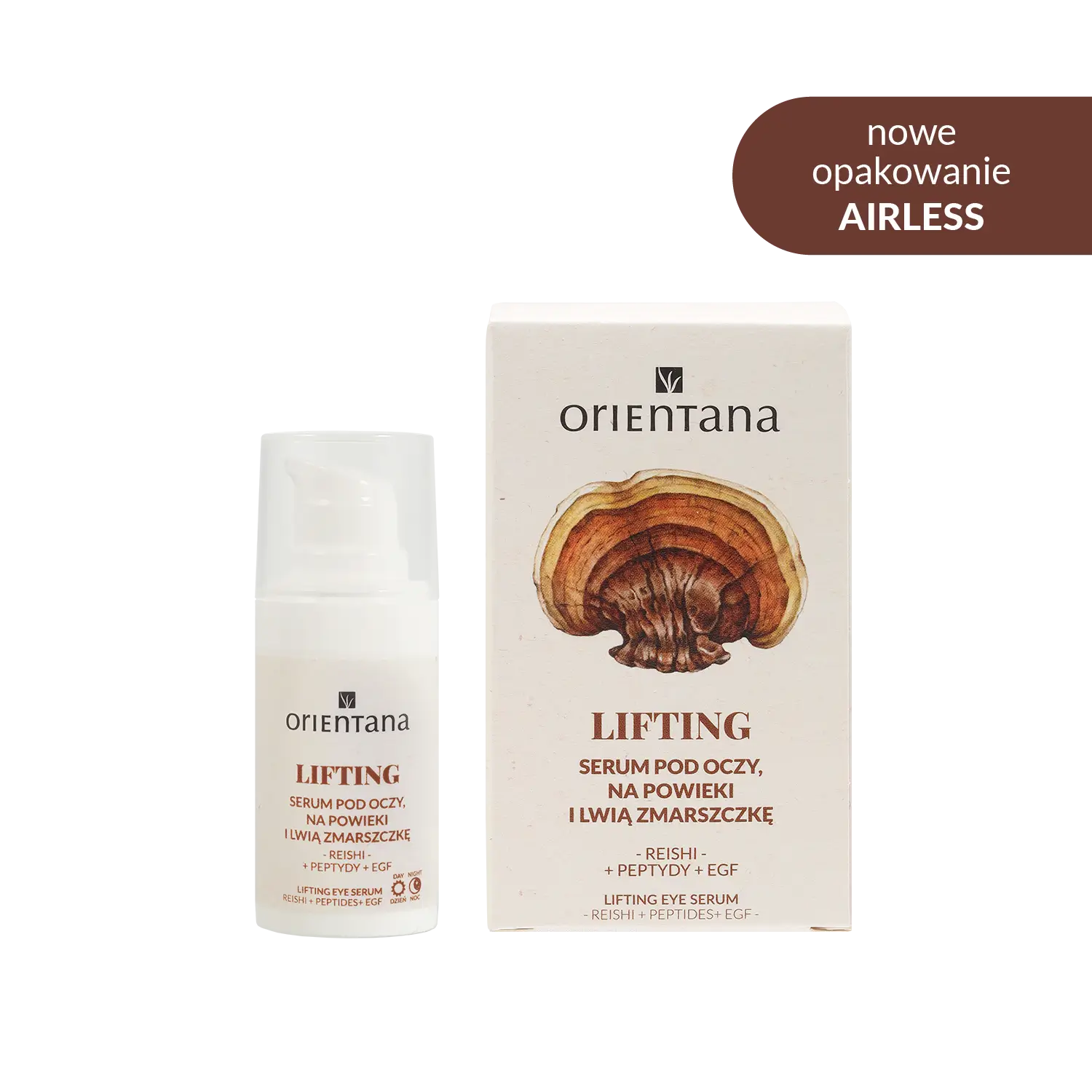
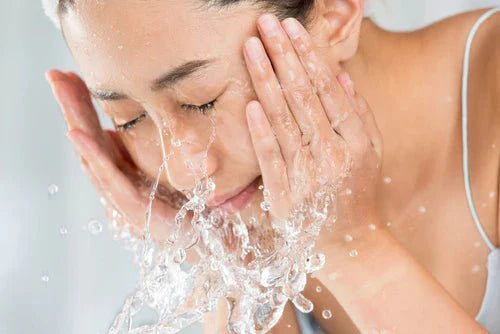
In this post, I'll advise you on how to effectively moisturize your skin for spring with Orientana cosmetics. We have many moisturizing cosmetics that are tailored to your skin type – because hydration is a must-have for skin!
Spring is a time when everything awakens – nature blossoms, days become longer, and we gain more energy for action. It's also an excellent time to take care of our skin's renewal after winter. As a cosmetologist, I often observe how the autumn-winter period affects the condition of my clients' complexions – the skin is dry, dull, matte, and lacking radiance.
Cold air, wind, frost, and dry air in heated rooms weaken the skin's protective barrier, and its hydration level significantly drops. That's why spring is the ideal time to focus on intensive hydration, which is crucial for restoring skin's freshness, healthy glow, and radiant appearance.
Proper hydration is the foundation of any effective skincare – regardless of age or skin type. In my salon, I always emphasize that hydration makes the skin more elastic, smoothed, and resistant to irritation. Today, I'll tell you how to prepare your complexion for spring step by step and why it's worth opting for hydration-based care.
Skin lacking hydration, meaning dehydrated skin, can occur with every skin type – dry, oily, combination, and normal. It's a condition, not a skin type, and is often confused with dry skin. Usually, it's after winter, in spring, that we reach for hydration to "repair" the skin changes that occurred in winter.

How does skin lacking hydration behave?
Skin deprived of proper hydration quickly shows signs – it becomes tight, rough, dull, and even flaky. A lack of water in the epidermis leads to significant dehydration wrinkles, especially around the eyes and mouth. This is often accompanied by irritation, redness, and a feeling of discomfort.
Interestingly, even oily skin can be dehydrated – it produces excess sebum to compensate for the lack of moisture. Proper hydration becomes key, restoring the skin's elasticity, radiance, and healthy appearance, as well as improving the absorption of cosmetics and increasing their effectiveness.
Feeling of tightness and pulling
One of the first and most characteristic symptoms of dehydrated skin is a feeling of tightness, especially after washing the face or bathing. The skin can feel too "tight," as if it's a size too small. Often, people with dehydrated skin describe experiencing discomfort just a few minutes after washing, even if they use gentle products.
Roughness, dullness, and loss of radiance
Dehydrated skin is often dull, lacking the natural radiance that is a sign of healthy and good skin condition. It can be rough, coarse to the touch, and even slightly flaky in some areas – especially on the cheeks, around the nose, or on the forehead. Even if there's a slight shine during the day, it's more an effect of excess sebum than a healthy glow.
Visible fine lines and dehydration wrinkles
Even young people can notice so-called "dehydration wrinkles," which are very fine lines typically appearing where the skin is thin – around the eyes, mouth, or on the forehead. These lines are the result of temporary "shrinking" of the epidermis, which doesn't have enough water. They usually disappear quickly after proper hydration.
Redness, irritation, sensitivity
Dehydrated skin is much more prone to irritation. It can easily react with redness, burning, or itching to temperature changes, weather conditions, and even normally tolerated cosmetics. The skin's protective barrier is weakened, which facilitates the penetration of irritating factors from the outside.
Oily but dehydrated — confusing symptoms
Interestingly, dehydration very often affects oily and combination skin! In this case, the complexion simultaneously shines (because the skin tries to compensate for the lack of water by producing more sebum) and yet feels unpleasantly tight and dry to the touch. Many people mistakenly reach for mattifying and drying cosmetics, which only exacerbates the problem of dehydration.
Poor cosmetic absorption, lack of comfort
Another sign of dehydration is the feeling that skincare "doesn't work." Even after applying cream, the skin quickly becomes dry and tight again, as if everything is immediately absorbed. Cosmetics often don't leave a feeling of comfort, and the complexion seems constantly "thirsty."
Flaking and rough patches
Dehydrated skin can flake, even if it's not typically dry skin. This most often affects the areas around the nose, chin, forehead, and sometimes the cheeks. This flaking results from a disturbed keratinization process of the epidermis, which is not adequately moisturized.
Why does skin need hydration after winter?

Winter is an exceptionally demanding time for our skin. Cold outdoor air, frost, and strong winds cause microdamage to the protective layer of the epidermis. Meanwhile, heated rooms and dry indoor air cause water to evaporate from the skin's surface even faster.
As a result, the skin becomes dehydrated, prone to irritation, and often stings and itches. Many of my patients notice a loss of elasticity, the appearance of fine lines, or roughness after winter – these are typical symptoms of dehydration, affecting not only dry skin but also oily and combination skin.
Even people who usually don't have problems with dry skin may notice its deteriorated condition at the turn of seasons. This is a natural reaction to changes in temperature, air humidity, and transitioning from an enclosed environment to fresh air. For this reason, spring is a time when it's worth rebuilding your skincare routine, focusing on products that provide effective hydration.
Summer also needs hydration – and more than you think
Although summer is associated with healthy, radiant skin, the skin actually loses water intensely during this period. High temperatures, sun exposure, bathing in salty or chlorinated water, and air conditioning – all these factors contribute to epidermal dehydration. Additionally, under the influence of UV radiation, the hydrolipidic barrier is weakened, which further accelerates moisture loss from deeper skin layers. As a result, the complexion can feel tight, rough, and even red, even if it visually appears shiny. Therefore, in summer, regardless of skin type, it is worth reaching for light but effectively moisturizing formulas that replenish water deficiencies and strengthen the skin's protective barrier.
How does dehydration differ from dry skin?
It's important to remember that dehydration is not the same as dry skin type. Even oily skin can be dehydrated! Dehydration is a temporary condition related to a lack of water in the epidermis, while dry skin is a type that lacks not only water but primarily lipids (fats that build the natural protective barrier).
What promotes skin dehydration?
The causes of dehydration can be both external factors and skincare mistakes. The most common include: air conditioning, heating, UV radiation, insufficient water intake, using harsh cleansing or exfoliating products, as well as long, hot baths and showers.
How to care for dehydrated skin?
The most important thing is to use light but highly moisturizing cosmetics that bind water in the epidermis (e.g., hyaluronic acid, trehalose, and our discovery - tremella mushroom). Avoid aggressive detergents, alcohol, and intense exfoliation. It is also worth drinking an adequate amount of water and protecting the skin from unfavorable weather conditions.
The role of hydration in skin care
Hydration is a key element of healthy skincare – regardless of skin type and age. A well-hydrated epidermis is a protective shield that defends us against external factors, allergens, and pollutants. The right level of hydration makes the skin firmer, smoother, more radiant, and resistant to irritation.
As a cosmetologist, I often encounter the myth that only dry skin requires hydration. Nothing could be further from the truth! Oily or combination skin can also be dehydrated, and often needs strong hydration to regain balance. A lack of hydration leads to compensatory secretion of more sebum, causing the complexion to shine and imperfections to appear more easily. Good hydration regulates these processes and helps maintain a healthy appearance.
What's more, an adequate amount of water in the epidermis supports natural regenerative processes, soothes redness, and reduces discomfort. That's why it's so important not to skip this step in your daily routine, and especially in spring, to focus on intensive hydrating care.
Active ingredients providing effective hydration
Modern cosmetology offers a wide range of active substances that can effectively bind and retain water in the epidermis. One of the most important ingredients is hyaluronic acid – a natural polysaccharide present in our skin, which can bind even a thousand times more water than it weighs. Thanks to this, it guarantees deep, long-lasting hydration and skin smoothing.
Equally valuable are substances such as trehalose, beta-glucan, and allantoin. They act like "water magnets," binding moisture from the environment and transporting it to deeper layers of the skin. Meanwhile, aloe and panthenol not only moisturize but also soothe irritation and accelerate epidermal regeneration, which is especially important after winter.
It is also worth looking for ceramides in cosmetics, which rebuild the skin's lipid barrier, preventing water loss, as well as light plant oils, such as grape seed oil or jojoba. This combination of humectants (moisturizing substances) and emollients (lubricating substances) creates a balanced skincare, ideal for spring.

tremella - hydration guaranteed!
In the world of cosmetology, there's a constant search for ingredients that provide intense, deep hydration and improve skin condition naturally. One such remarkable discovery in recent years is the Tremella fuciformis mushroom, also known as the "beauty mushroom" or "white fungus." Although it's a relatively new discovery for modern science, in Asia, especially in traditional Chinese medicine, tremella has been valued for hundreds of years.
Tremella has held an important place in Asian phytotherapy for centuries. In China, it is called the "elixir of youth" and has been used both in cuisine and in beauty care. In ancient recipes, it was recommended for women who wanted to maintain smooth, clear, and radiant skin. There are records that empresses and aristocrats regularly used tremella extracts, believing they delayed the signs of aging and provided long-lasting skin hydration.
Modern cosmetology has confirmed that Tremella fuciformis extract has unique water-binding properties in the epidermis. The polysaccharide molecules present in this mushroom show an even stronger ability to retain water than hyaluronic acid, which was previously considered the gold standard in skin hydration. Additionally, tremella polysaccharides create a delicate, protective film on the skin's surface that protects it from moisture loss, while not weighing it down or causing a sticky feeling.
Scientific studies also indicate that tremella has anti-inflammatory effects, supports skin regeneration, and can soothe irritation, making it an ideal ingredient not only for dry skin but also for sensitive, dehydrated skin or skin with a disturbed hydrolipidic barrier.
Cosmetics with tremella are rapidly gaining popularity both in Asia and on the global market. This ingredient not only intensely hydrates but also improves skin elasticity, smooths fine lines, and restores natural radiance. Thanks to its gentle, natural origin, tremella can be used by people prone to allergies, as well as for support after cosmetic treatments or during periods of increased skin dryness.
This highly and long-lastingly moisturizing ingredient was introduced to our offer in April.
Hydration and different skin types – a cosmetologist's perspective
As a cosmetologist, I often emphasize that proper hydration is the absolute foundation of healthy, beautiful skin – regardless of its type. I often encounter the belief that only dry skin needs intensive hydration, and oily or combination skin should primarily be mattified and "degreased." Nothing could be further from the truth! Every skin type needs hydration, albeit in a slightly different way and using different formulas or ingredients. Below, I will present moisturizing cosmetics divided by skin types.
Normal skin
This is an ideal that is rarely seen in adulthood. Normal skin is smooth, soft, has a correct level of hydration, does not shine, and does not dry out. Nevertheless, even normal skin requires regular delivery of moisturizing ingredients to maintain this balance. For this skin type, light moisturizing creams and gentle serums work well – so as not to overload the skin, but to constantly support it.
Try: https://www.orientana.pl/produkt/wyjatkowy-krem-nawilzajacy-hello-daktyl/ and https://www.orientana.pl/produkt/serum-wygladzajace-hello-daktyl/ .
Dry skin
This is the skin type that most quickly "cries out" for hydration. Dry skin is often tight, rough, and may flake. It lacks both water and lipids (fats), which is why it quickly dehydrates, loses elasticity, and also ages faster and is prone to irritation. For dry skin, I recommend cosmetics rich in humectants (i.e., water-binding ingredients, e.g., hyaluronic acid, glycerin) and emollients (e.g., natural oils, plant butters), which additionally seal the protective barrier and prevent water loss.
Try: https://www.orientana.pl/produkt/serum-nawilzajace-tremella-egzosomy/ and https://www.orientana.pl/produkt/krem-do-twarzy-sluz-slimaka-odmlodzenie/

Oily skin
This skin type most often shines, especially in the T-zone, has visible pores, and a tendency to imperfections. Contrary to popular belief, oily skin is very often... dehydrated! Too aggressive skincare, mattifying, and cleansing can worsen the problem – the skin starts producing even more sebum, trying to protect itself from water loss. Therefore, oily skin requires light but effective hydration – gel creams, light emulsions, or serums with hyaluronic acid, aloe, or tremella will be ideal here. It's worth avoiding heavy, comedogenic ingredients that could clog pores.
It is estimated that approx. 30–40% of women have oily skin – with overproduction of sebum, enlarged pores, and a tendency to imperfections.
Oily skin does not exclude dehydration. On the contrary – very often, women with oily skin overuse strong cleansing cosmetics, which leads to epidermal dehydration (i.e., lack of water, despite excess sebum).
According to some industry sources (e.g., reports from cosmetology consultations), as many as 50–60% of people with oily skin may have dehydrated skin, meaning "unmoisturized."
Try products for this skin type: https://www.orientana.pl/produkt/serum-nawilzajace-tremella-egzosomy/ and https://www.orientana.pl/produkt/booster-energetyzujacy-reishi-na-dzien/
Combination skin
This is a combination of oily skin (usually in the T-zone) and dry or normal skin (on the cheeks, temples). It requires care adapted to different skin needs. Light moisturizing creams with sebum-regulating properties and supporting the protective barrier work best here. It is also worth including targeted serums or masks – different ones for the T-zone, others for dry cheeks. It is important not to omit moisturizing any part of the face!
Try: https://www.orientana.pl/produkt/serum-nawilzajace-tremella-egzosomy/ and https://www.orientana.pl/produkt/krem-do-cery-mieszanej-regulujacy-sebum/
Additional skin variants and hydration
Sensitive skin
Can occur with any basic type and requires special care for hydration and protection. Sensitive skin is prone to irritation, redness, burning, allergic reactions. In care, gentle moisturizing ingredients (e.g., panthenol, allantoin, trehalose), cosmetics with a simple, hypoallergenic composition, and absence of irritating substances are key.
Try: https://www.orientana.pl/produkt/serum-nawilzajace-ashwa-trehaloza/ or https://www.orientana.pl/produkt/serum-z-ceramidami-reishi/
Capillary skin
Thin, delicate, with visible capillaries, often reacting to temperature changes and stress. Adequate hydration is equally important here – it helps strengthen the skin barrier and reduce reactivity. Light moisturizing creams with soothing ingredients and capillary-sealing properties (e.g., vitamin C, rutin) will work well.
Try: https://www.orientana.pl/produkt/serum-ashwa-witamina-c-kwas-traneksamowy/ or https://www.orientana.pl/produkt/serum-z-witamina-c-30-ml/
Acne-prone skin
Usually oily or combination, with a tendency to inflammatory changes and imperfections. Unfortunately, many people with this skin type avoid moisturizing, which leads to a worsening of its condition! Hydration soothes inflammation, improves healing, and appropriate ingredients (e.g., niacinamide, azelaic acid, trehalose, hyaluronic acid) not only do not clog pores but even support skin health.
Try: https://www.orientana.pl/produkt/serum-nawilzajace-tremella-egzosomy/ and https://www.orientana.pl/produkt/krem-do-cery-mieszanej-regulujacy-sebum/
Mature skin
This is a skin type that, with age, loses elasticity, becomes thinner, wrinkles appear, and there is a loss of firmness and radiance. For mature skin, intense hydration and support with regenerating ingredients (e.g., ceramides, peptides, hyaluronic acid) are crucial. Proper care makes the skin smoother, more radiant, and resistant to the effects of time.
Try: https://www.orientana.pl/produkt/serum-nawilzajace-ashwa-trehaloza/ and https://www.orientana.pl/produkt/dzienno-nocna-pielegnacja-odmladzajaca/
What does hydration do for the skin?
Proper hydration is the absolute foundation of healthy, radiant, and youthful-looking skin – regardless of its type. Hydration means maintaining the right water level in the epidermis and strengthening the skin's natural protective barrier.
Improves elasticity and firmness
Hydrated skin is soft, supple, and more resistant to wrinkle formation. Well-hydrated cells regenerate better, which makes the complexion retain a youthful appearance and natural radiance for longer.
Protects against dryness and irritation
When the skin has an adequate amount of water, it becomes less prone to redness, itching, flaking, and discomfort. Hydration strengthens the hydrolipidic mantle, which protects against the harmful effects of external factors: wind, sun, and pollution.
Supports regeneration and healing
Skin renewal processes run more efficiently when it is properly hydrated. An adequate amount of water in the epidermis enables faster regeneration after irritation, inflammation, or cosmetic procedures.
Improves skin appearance and tone
Hydrated skin is illuminated, looks healthy and rested. The effect of dullness and greyness disappears, and the complexion gains freshness. Fine lines and wrinkles become less visible, and the skin surface is smoothed.
Prevents excessive sebum production
Interestingly, well-hydrated skin better regulates sebum secretion. When it lacks water, it can defend itself by producing more oil, which leads to shiny skin and the formation of imperfections. Therefore, proper hydration is also important for oily and combination skin.
Spring is a special time when our skin, like all of nature, needs renewal, freshness, and support. After demanding winter months, the complexion is often dehydrated, weakened, and lacks radiance.
As a cosmetologist, I emphasize that proper skin hydration is not a luxury, but an absolute necessity – regardless of skin type. Dry, oily, combination, sensitive, or mature skin all need constant water supply and support for their natural protective barrier. Hydrated skin is healthier skin, more resistant to irritation, radiant, and elastic.
Let's remember that skincare is not just about products – it's also about healthy habits: proper body hydration, avoiding harmful external factors, and a conscious approach to your skin's needs.
Spring is an excellent time for regeneration, revitalization, and new skincare beginnings. Take care of your skin's hydration, and it will repay you with a healthy appearance, freshness, and natural radiance for the entire upcoming season.
Żaneta Pasierkiewicz - Orientana cosmetologist