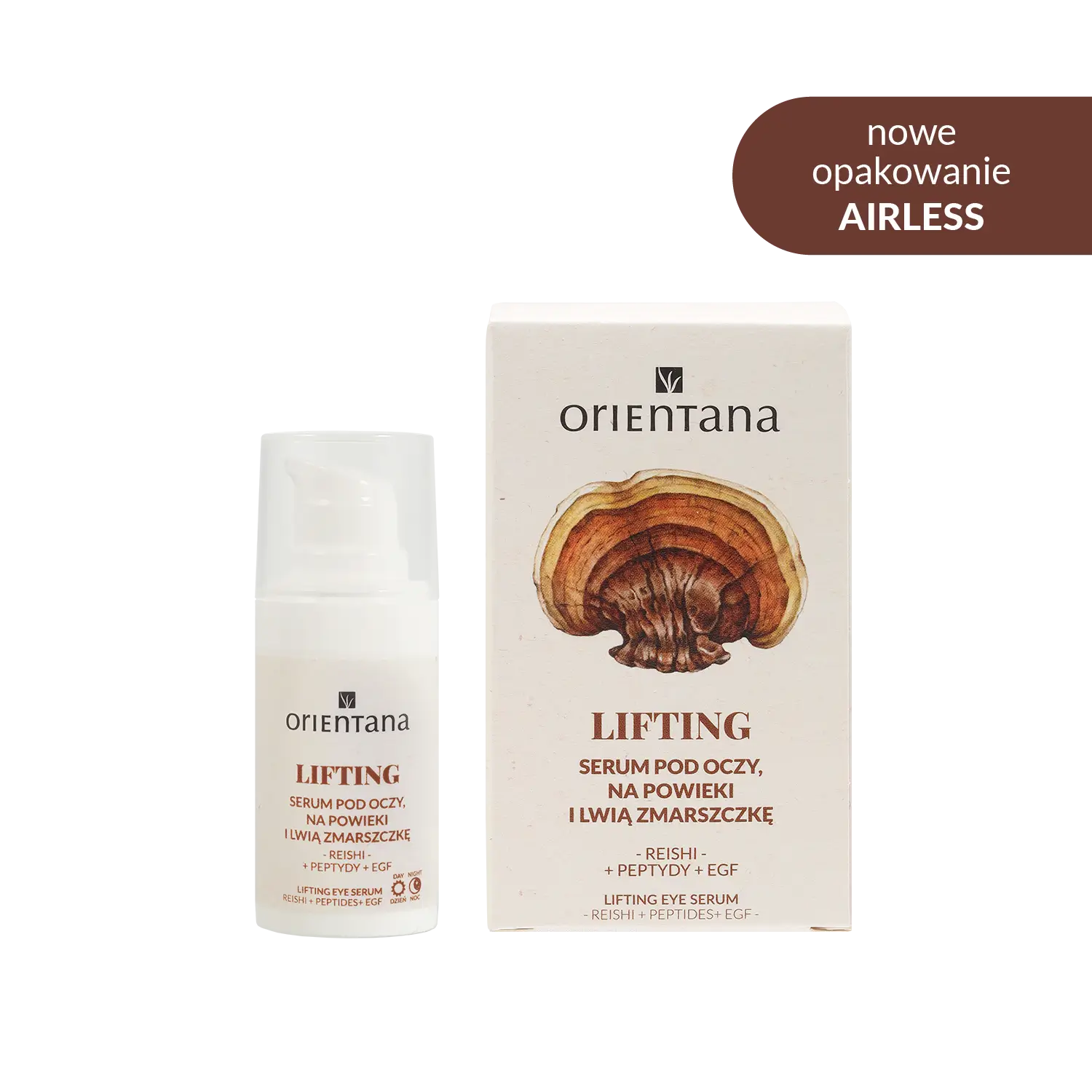

Preservatives in cosmetics are one of the most controversial topics in the beauty world. On the one hand, we hear that they are harmful and should be avoided, while on the other, experts emphasize their necessity for product safety. Where does the truth lie? In this comprehensive guide, we will debunk the most popular myths and present facts supported by scientific evidence.

What are preservatives and why are they essential?
Preservatives are substances added to cosmetics to prevent the growth of microorganisms such as bacteria, fungi, and molds. Without them, most cosmetic products would become unsafe within a few days of opening.
Why cosmetics need preservatives:
- Protection against bacterial and fungal contamination
- Extension of product shelf life
- Ensuring safe use
- Maintaining the effectiveness of active ingredients
The most popular myths about preservatives
Myth 1: All preservatives are harmful
Truth: Preservatives approved for use in cosmetics undergo rigorous safety testing. Many of them are used in low concentrations that pose no health risk. The key is the quality and concentration of the specific preservative, not its mere presence.
Myth 2: Natural cosmetics do not contain preservatives
Truth: Most natural cosmetics also contain preservatives – often these are natural alternatives such as grapefruit extract, sorbic acid, or benzoic acid. Without preservatives, even natural products would quickly spoil.
Myth 3: Parabens cause cancer
Truth: There is no conclusive scientific evidence linking parabens in cosmetics to cancer. A 2004 study that sparked controversy had serious methodological limitations. Regulatory agencies, including the FDA and the European Commission, consider parabens safe within permissible concentrations.
Myth 4: Preservative-free products are healthier
Truth: Preservative-free products can be unsafe due to the risk of bacterial contamination. Cases of eye or skin infections caused by contaminated cosmetics are documented in medical literature. It is better to choose a product with a safe preservative than to risk infection.

Table 1: Most popular preservatives in cosmetics
|
Preservative name |
Origin |
Safety |
Most often found in |
|
Parabens (methyl-, ethyl-) |
Synthetic |
Safe at concentration <0.4% |
Creams, shampoos, gels |
|
Phenoxyethanol |
Synthetic/rarely natural |
Safe at concentration <1% |
Skincare products |
|
Benzoic acid |
Natural/synthetic |
Safe at concentration <0.5% |
Acidic products |
|
Sorbic acid |
Natural/synthetic |
Safe at concentration <0.6% |
Emulsions, creams |
|
Sodium benzoate |
Synthetic |
Safe at concentration <0.5% |
Cosmetic liquids |
|
Grapefruit extract |
Natural |
Requires higher concentrations |
Natural cosmetics |
Controversial preservatives - which ones to avoid?
Although most preservatives are safe, there are substances that may cause allergic reactions or are subject to scientific controversy. Here is a list of preservatives to limit or avoid:
Table 2: Controversial preservatives
|
Preservative |
Reason for controversy |
Risk level |
Recommendation |
|
Formaldehyde and formaldehyde-releasing agents |
Potentially carcinogenic, allergen |
High |
Avoid |
|
MIT (methylisothiazolinone) |
Strong contact allergen |
Medium-high |
Limit |
|
Triclosan |
Hormonal disruption, resistant bacteria |
Medium |
Avoid |
|
Butylated hydroxytoluene (BHT) |
Possible hormonal disruption |
Low-medium |
Limit |
|
Long-chain parabens |
Potentially estrogenic |
Low |
Prefer short chains |
If you're interested in potentially problematic ingredients and regulations, also check out Parabens in cosmetics - facts and myths.

Safe alternatives to preservatives
The cosmetics industry is developing innovative methods for preserving products that minimize the risk of allergic reactions and are friendly to sensitive skin.
Table 3: Safe preservative alternatives
|
Method/Ingredient |
How it works |
Advantages |
Disadvantages |
|
Multicomponent system |
Combination of several mild preservatives |
Low concentrations of individual ingredients |
Requires precise formulation |
|
Organic acids (lactic, citric) |
Lowering product pH |
Natural, mild |
Not for all product types |
|
Liquid nettle extract |
Antimicrobial action |
Natural, additional skincare properties |
Low efficacy |
|
Airless technology |
Air-tight packaging |
No contact with contaminants |
Low efficacy |
|
Peptide preservatives |
Natural antimicrobial peptides |
Effective and safe |
New technology, higher prices |
How to read labels and choose safe products?
Practical tips:
• Look for the INCI list: All ingredients must be listed in descending order by concentration
• Check the concentration: Preservatives should be at the end of the ingredient list
• Test products: Always perform an allergy test on a small patch of skin before full application
• Choose consciously: Don't demonize all preservatives – choose those with a proven safety profile
If you want to learn more about how to read cosmetic ingredients, check out: INCI – how to read cosmetic ingredients
Frequently Asked Questions
1. Are preservative-free products completely safe?
Not always. Preservative-free products have a very short shelf life and can quickly become contaminated with bacteria or fungi, posing a real health risk, especially for products used on the skin or eyes.
2. Are parabens carcinogenic?
There is no scientific evidence confirming the carcinogenicity of parabens at concentrations used in cosmetics. Studies conducted by the WHO, FDA, and European Commission consider parabens safe at appropriate concentrations (below 0.4% for a single paraben).
3. Which preservatives are best for sensitive skin?
For sensitive skin, mild preservatives such as benzoic acid, sorbic acid, phenoxyethanol (in low concentrations), or multicomponent systems are recommended. It is advisable to avoid MIT and formaldehyde.
4. Can preservatives cause allergies?
Yes, some preservatives can cause allergic reactions in sensitive individuals. The most common allergens are methylisothiazolinone (MIT), formaldehyde, and some parabens. Before using a new product, it is recommended to perform an allergy test.
5. How long can cosmetics be stored after opening?
This depends on the product type and preservation system. The PAO (Period After Opening) symbol on the packaging indicates the number of months the product is safe to use after opening – usually 6 to 24 months.
6. Are natural cosmetics better than synthetic ones in terms of preservatives?
Not necessarily. Natural cosmetics also require preservatives – often natural alternatives are used, which, however, may be less effective or require higher concentrations. The quality and safety of a specific preservative, not its origin, are more important.
7. What is phenoxyethanol and is it safe?
Phenoxyethanol is a popular preservative used as an alternative to parabens. It is considered safe at concentrations up to 1%. It rarely causes allergic reactions and is approved by most regulatory organizations worldwide.
8. Can I use cosmetics after their expiry date?
It is not recommended to use cosmetics after their expiry date or PAO period, as the effectiveness of preservatives may decrease, leading to the risk of microbial contamination of the product.
9. What are the signs that a cosmetic has spoiled?
Signs of spoilage include changes in color, odor, consistency, the appearance of sediment, separation of emulsion phases, or visible mold. Such a product should be discarded immediately.
10. Can children use cosmetics with preservatives?
Yes, but cosmetics for children should contain mild, well-tested preservatives in minimal concentrations. Products intended for infants and young children are additionally tested for dermatological and pediatric safety.
Summary
Preservatives in cosmetics are an essential element ensuring the safety and durability of products. Although some substances may raise controversy, most approved preservatives are safe at appropriate concentrations. The key is to consciously choose products based on scientific evidence, not on myths and fears.
Remember that a complete lack of preservatives can be more dangerous than their presence. Instead of avoiding all preservatives, it's worth learning to read labels, recognize safe ingredients, and choose products tailored to your individual skin needs.
If you want to deepen your understanding and consciously develop your skincare routine, check out our natural cosmetics section, where we combine cosmetological knowledge with natural formulations.
Sources and further reading:
• European Commission – CosIng Database
• FDA – Cosmetics Safety and Regulations
• SCCS (Scientific Committee on Consumer Safety) opinions
• Journal of the American Academy of Dermatology – dermatological studies