Ice swimming, or short-term immersion in very cold water, has been incredibly popular for several years. For some, it's a way to boost immunity and improve well-being, while for others, it's a lifestyle element and a connection to nature. However, the question of how ice swimming affects the skin, face, body, and hair is increasingly being asked.
Does cold water actually improve the appearance of your skin? Can swimming firm your skin or help with cellulite? Or, on the contrary, does it dry out your skin and worsen its condition? The answer isn't clear-cut, as your skin's reaction to cold depends on your skin type, the condition of your protective barrier, and the type of swimming you do.
What is winter swimming and how does it affect the body?
Winter swimming involves briefly exposing the body to very low water temperatures, usually ranging from 0 to several degrees Celsius. This is a powerful stimulus for the body, triggering an adaptive stress response.
The first reaction is a sudden constriction of blood vessels in the skin, known as vasoconstriction. This mechanism aims to limit heat loss and protect internal organs. After exiting the water, the vessels dilate again (vasodilation), resulting in an intense inflow of blood to the skin.
It is this sequence of vascular changes that is most important for the appearance and functioning of the skin.
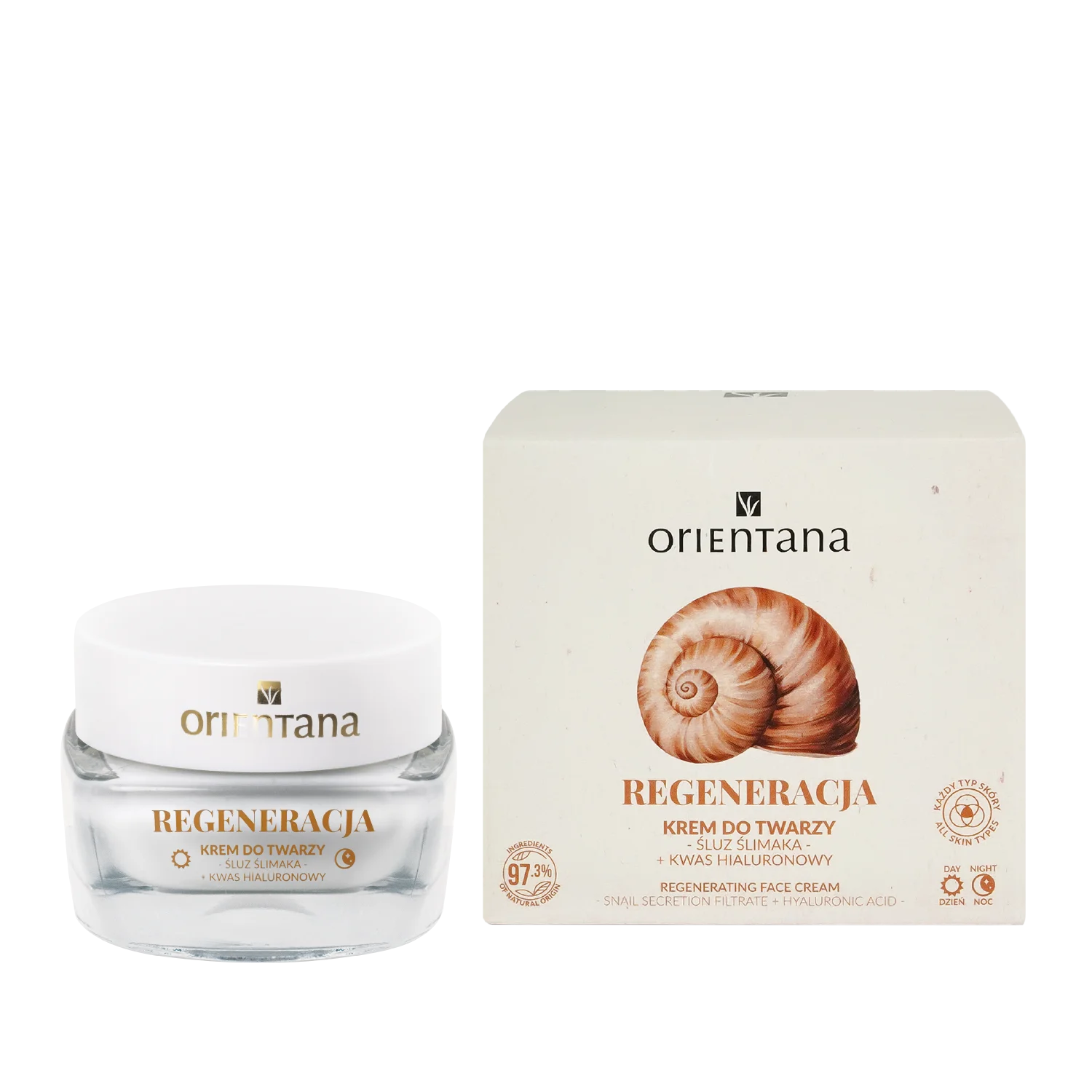
While swimming, protect your facial skin with a rich cream.

Winter swimming and the skin - what happens to the skin when exposed to cold?
Microcirculation and oxygenation of the skin
The alternating constriction and dilation of blood vessels acts as a kind of training for the skin's vascular system. After swimming, the skin tends to be better supplied with blood, more rosy, and appears more "alive."
Better blood supply may promote:
- improving the transport of oxygen and nutrients,
- more efficient removal of metabolic products,
- temporary improvement in skin tone.
It should be emphasized, however, that these are short-term effects and do not mean permanent reconstruction of the skin structure.
Hydrolipid barrier and winter swimming
From a dermatological and cosmetological perspective, the impact of winter swimming on the skin's hydrolipid barrier is crucial. Cold water, wind, and low air temperatures can lead to:
- increased transepidermal water loss (TEWL),
- washing out protective lipids,
- feeling of tightness, dryness and burning of the skin.
Therefore, swimming without proper protective and regenerative care may weaken the protective function of the epidermis , especially in people with dry or sensitive skin.
Does winter swimming firm the skin?
A frequently repeated belief is that swimming firms the skin. In practice, the observed skin firmness results primarily from:
- constriction of blood vessels,
- temporary tension of muscle fibers,
- reducing swelling.
Winter swimming does not directly stimulate collagen or elastin synthesis , so it cannot be considered a method for permanent skin firming. The effect is rather temporary and visual.
After swimming, choose care with plenty of oils and butters.

Winter swimming and facial skin - possible benefits and real risks
Winter swimming and facial skin - possible benefits and real risks
When it comes to facial skin, a clear distinction should be made between two situations: immersion swimming and non-immersion swimming. In the latter, much more common scenario, the impact of immersion swimming on the skin is limited and indirect .
If the face is not immersed in cold water, any observed effects—such as reduced swelling or a temporary improvement in skin tone—are primarily due to general vascular changes in the body, not to the direct effects of cold on the facial skin. Therefore, the risk of damaging the hydrolipid barrier or increasing skin reactivity is significantly lower than in the case of deliberate exposure to very low temperatures.
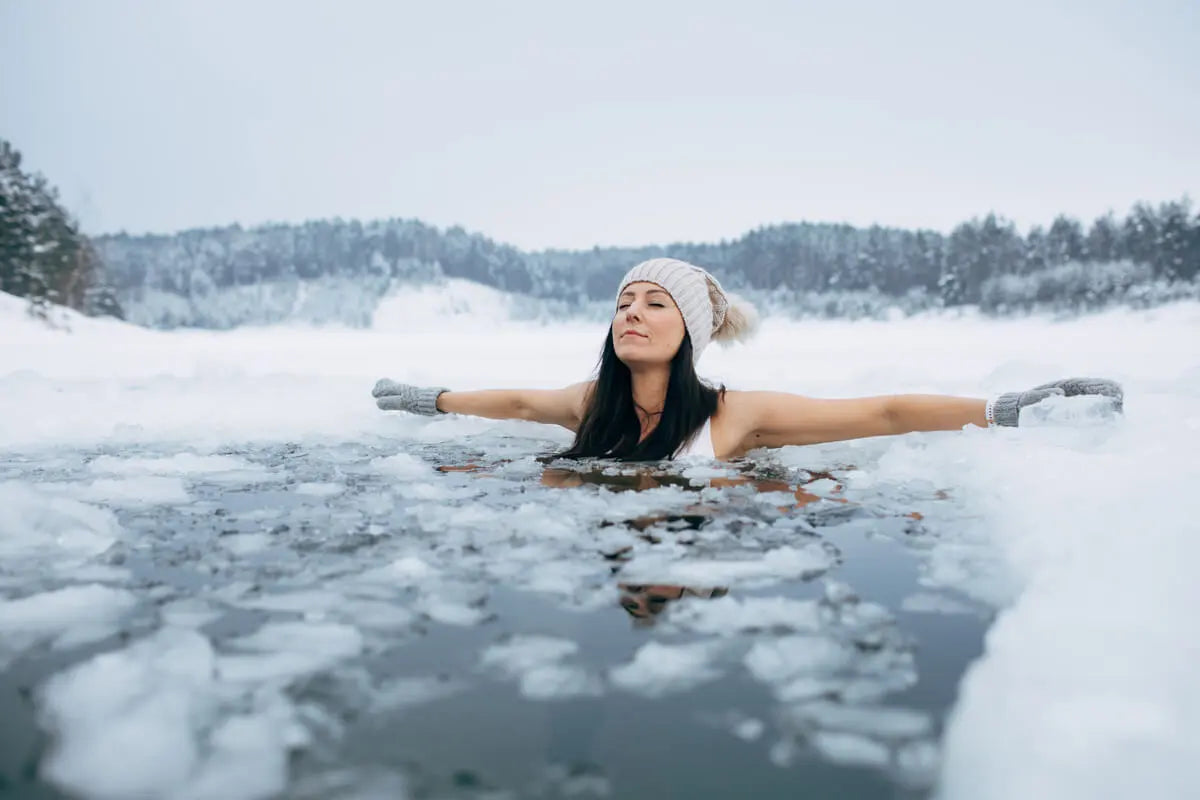
In actual winter swimming, as most commonly observed in Poland, the face and hair often don't come into direct contact with the cold water . Most swimmers submerge their bodies to chest or collarbone level, leaving their heads above the water's surface. Additionally, hair is usually protected by a hat.
This means that the effect of winter swimming on facial skin and hair is not always due to direct exposure of these areas to cold , but is indirect, related to the body's systemic reaction, circulatory changes and activation of the nervous and hormonal systems.
Facial skin is thinner and more reactive than body skin, so contact with cold requires special care.
Does winter swimming improve the appearance of the skin?
Some people may notice the following after winter swimming:
- reducing morning facial puffiness,
- temporary narrowing of pores,
- improving skin tone and freshness.
These effects are mainly due to a vascular reaction and are not long-term.
Winter bathing and sensitive and vascular skin
For people with sensitive skin, sensitive skin, or rosacea, swimming may do more harm than good. Sudden temperature changes can:
- intensify redness,
- lead to broken capillaries,
- increase skin hyperreactivity.
In such cases, winter swimming is not recommended from the point of view of skin health.
Does winter swimming work like facial cryotherapy?
Although winter swimming is sometimes compared to cryotherapy, they are two completely different phenomena. Cosmetic or dermatological cryotherapy is:
- short,
- controlled,
- adapted to the needs of the skin.
Winter swimming is the exposure of the whole body to cold in natural conditions, without precise control of the intensity of the stimulus.
Winter swimming and body skin - cellulite, firmness, dryness
Does winter swimming help with cellulite?
Winter swimming may indirectly affect the appearance of skin affected by cellulite by:
- improvement of microcirculation,
- reducing lymph stasis,
- subjective skin smoothing.
However, there is no evidence that winter swimming directly reduces cellulite or body fat . It can only be used as a support for a healthy lifestyle.
Winter swimming and dry and itchy skin
After winter swimming, many people experience:
- strong feeling of tightness,
- itching,
- peeling skin.
These are symptoms of a weakened hydrolipid barrier, which is why skin regeneration after a cold bath is crucial to maintaining its good condition.
Winter swimming and hair and scalp
The situation is similar for hair and scalp. In the practice of winter swimming, the scalp is rarely immersed in icy water , and the hair usually remains dry and protected. Therefore, winter swimming does not directly affect the hair structure or hair follicles.
The potential impact of winter swimming on the scalp's condition is indirect and may result from improved circulation or regulation of the body's stress response. However, this is not sufficient to actually stimulate hair growth or inhibit hair loss.
Does winter swimming affect hair growth?
Winter swimming doesn't directly stimulate hair follicles to grow. However, it may improve blood circulation in the scalp.
However, it is not a method of treating hair loss or an alternative to trichological therapies.
Winter swimming and hair loss
For people prone to telogen effluvium, intense swimming can be an additional stress factor for the body. In such situations, caution is advised and scalp reactions should be monitored.
Does cold water improve the appearance of hair?
Cold water can seal hair cuticles, temporarily increasing shine and smoothness. However, it does not regenerate the hair structure and, if not properly cared for, can lead to dryness.
Winter swimming and the skin aging process
Cold affects the body through the mechanism of hormesis, a short-term stress that can activate adaptive processes. Theoretically, this could support cellular resistance to oxidative stress, but winter swimming is not an anti-aging treatment and does not replace conscious skin care.
How to swim in the winter without damaging your skin?
To prevent winter swimming from worsening the condition of your skin:
- the skin should be healthy, without active inflammation,
- after swimming in the winter, you should quickly warm up your body,
- care that rebuilds the hydrolipid barrier is crucial,
- It is worth observing the skin's reactions and adjusting the frequency of swimming.
Who shouldn't winter swim from a skin perspective?
Winter swimming is not recommended for people with:
- atopic dermatitis,
- psoriasis in the exacerbation phase,
- rosacea,
- severely vascular skin,
- chronic skin inflammation.
Summary - is winter swimming good for skin and hair?
In summary, swimming primarily affects the skin of the body that comes into direct contact with cold water. The impact on facial skin and hair depends on the method of swimming and in many cases remains minimal or indirect if these areas are not immersed.
Therefore, when assessing the effects of winter swimming on the skin and hair, the practical course of exposure to cold should always be taken into account, and not only theoretical assumptions.
While winter swimming may provide short-term benefits, such as improved microcirculation and subjective skin firmness, it can also lead to dryness, a weakened protective barrier, and an exacerbation of vascular problems.
Therefore, winter swimming is not a universal way to improve the appearance of skin . Its effect on skin and hair depends on individual predispositions, skin condition, and proper care after exposure to cold.