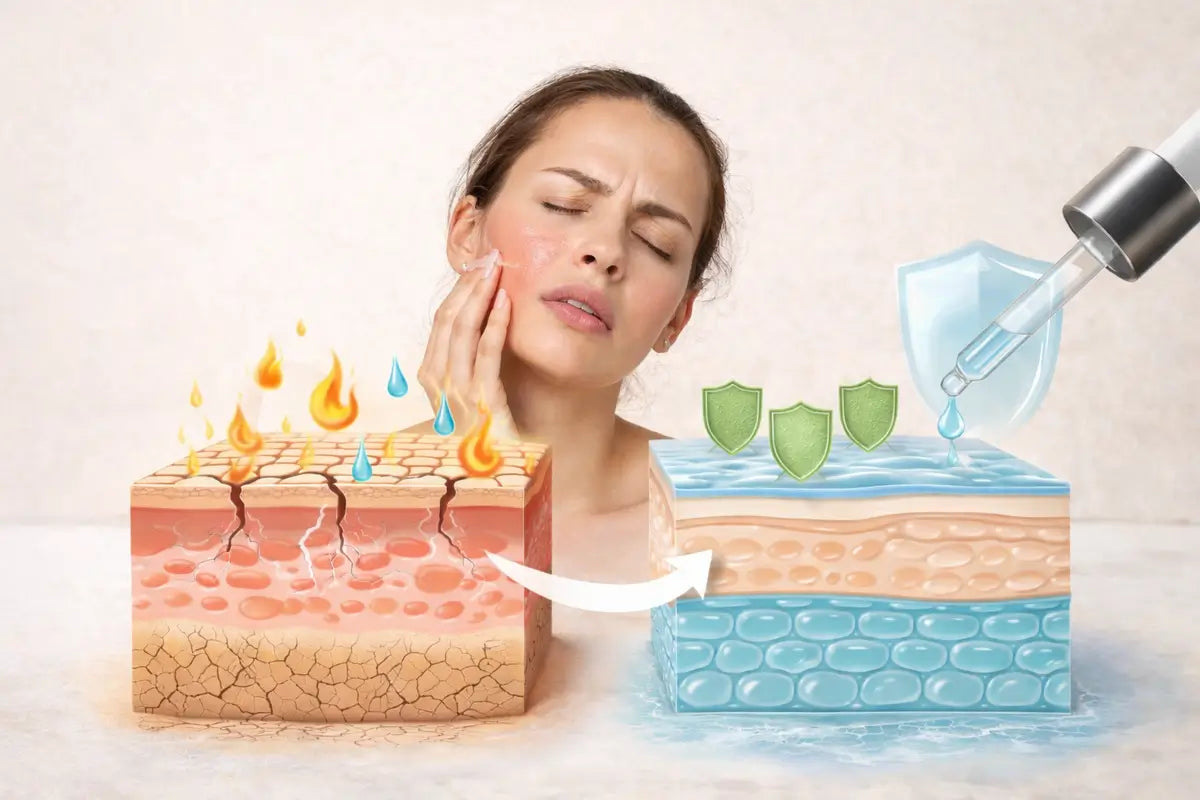
Does your skin sting, itch, and feel tight right after washing? This is one of the most common signs that the hydrolipid barrier has been compromised. Skin stinging is not just an aesthetic discomfort. It's a serious message from our body that its natural protective system has stopped functioning properly.
In this article, you will learn why skin stinging occurs, how to rebuild a disrupted hydrolipid barrier, and what natural ingredients - including those from Orientana cosmetics - can provide real relief based on scientific research.
The main task of the hydrolipid barrier is to protect against transepidermal water loss and to block harmful external factors. Research published in the Journal of Investigative Dermatology (2012) showed that damage to the hydrolipid barrier leads to an increase in TEWL by as much as 50-70%, which directly translates into a sensation of stinging and dry skin.
Skin stinging - main causes of barrier disruption
Aggressive detergents and surfactants
The use of soaps based on SLS (Sodium Lauryl Sulfate) or SLES (Sodium Laureth Sulfate) causes the dissolution of intercellular lipids. According to research from Contact Dermatitis (2008), just two weeks of using products with SLS increases the risk of contact dermatitis by 35%. So review your face washes and use those with SLS/SLES for body washing. For your face, buy gentle gels and foams with good ingredients.
Excessive exfoliation
Daily use of mechanical or chemical peels (AHA, BHA acids) weakens the stratum corneum. Skin stinging after using a peel is often the first warning sign of barrier damage. Do not use strong peels at all in winter.
Environmental factors
Low air humidity (below 30%), frost, strong winds, and UV radiation degrade ceramides and cholesterol - key barrier components. Data from the British Journal of Dermatology (2015) show that in winter, TEWL increases by an average of 25%. Protect your face with a lipid-rich cream.
Stress and hormonal imbalances
Chronic stress raises cortisol levels, which weakens skin regeneration. Research from Archives of Dermatological Research (2011) indicates a link between chronic stress and a 40% increase in skin sensitivity.
How to effectively rebuild the hydrolipid barrier?
Step 1: Gentle cleansing
Replace aggressive soaps with delicate and natural oils, gels, and foams. Orientana offers a natural Face Cleansing Foam, Soothing Face Cleansing Gel, and for makeup removal - Natural Cleansing Oil for the first step of cleansing.

Step 2: Intense hydration
Choose products with humectants (hyaluronic acid, glycerin, panthenol) and occlusives (shea butter, squalane). After washing your face, it is worth reaching for Hydrating Toner Essence. The composition includes rice proteins, gluconolactone, allantoin, hyaluronic acid, and date extract.

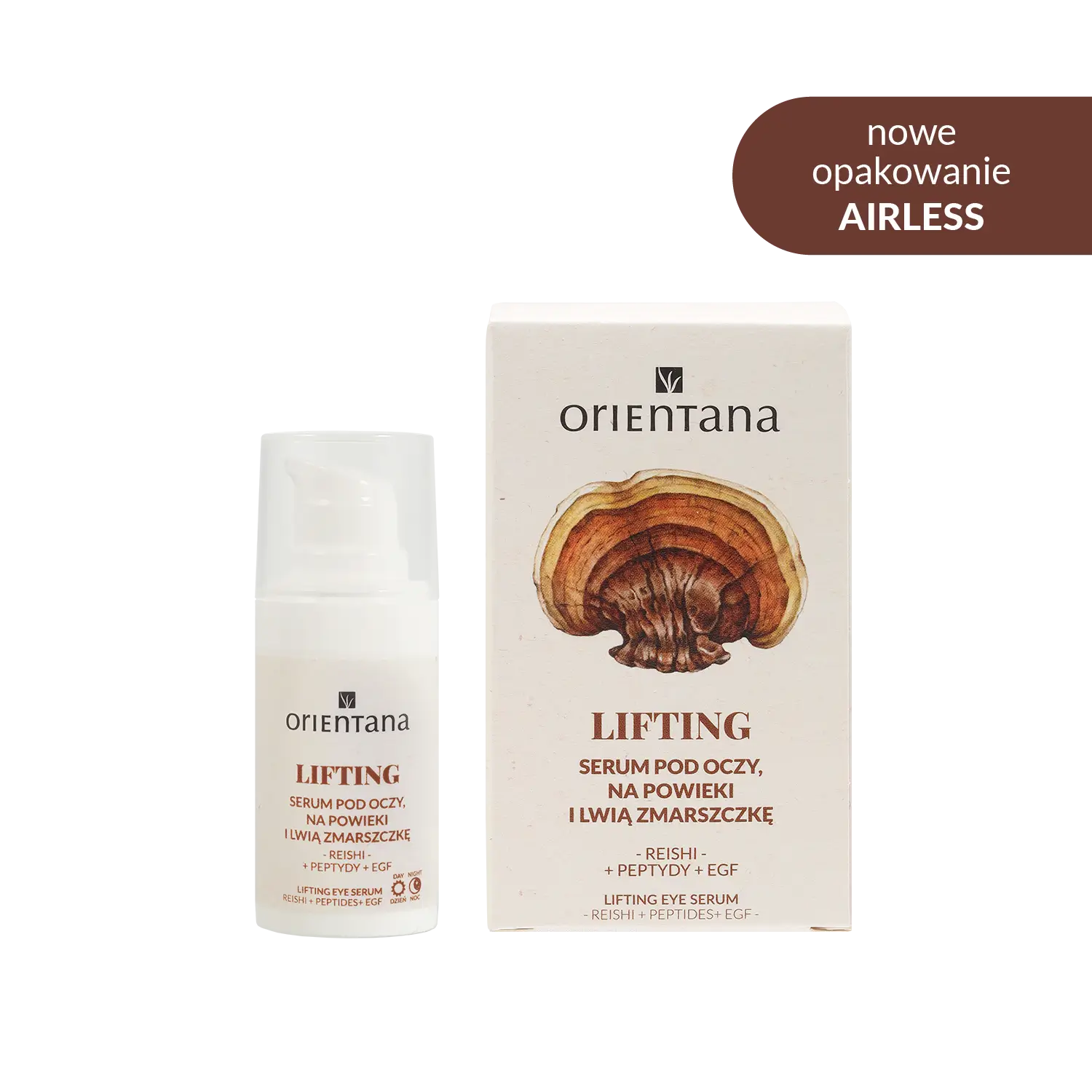
We can also achieve skin hydration through Orientana Hydrating Serum, which combines low molecular weight hyaluronic acid with trehalose, or HydroTremella Elixir Serum with exosomes and snow mushroom.

Step 3: Lipid replenishment
Ceramides, cholesterol, and fatty acids in a 1:1:1 ratio are crucial. Orientana Cream Mask with Yuzu Ceramides contains shea butter (a natural source of unsaturated fatty acids), plant ceramides, mango butter, and hemp oil. Shea butter provides oleic and stearic acids, which, according to the International Journal of Cosmetic Science (2016), reduce TEWL by 22% after 4 weeks of use.
For daily care, the Sandalwood and Turmeric Balance Cream and Ashwagandha Nourishing Cream will be suitable.
Step 4: Protection against external factors
Use SPF 30-50 daily, even in winter. UVA radiation penetrates deeply and destroys fibroblasts responsible for lipid production. Also ensure adequate indoor humidity (45-55%) - use humidifiers.
Natural ingredients supporting the barrier - scientific confirmations
|
Ingredient |
Action |
Scientific source |
|
Ceramides |
Lipid layer reconstruction, TEWL reduction by 31% |
Skin Pharmacology and Physiology (2014) |
|
Niacinamide (B3) |
Increases ceramide synthesis, reduces stinging by 41% |
British Journal of Dermatology (2000) |
|
Centella asiatica |
Stimulates collagen and fibroblast production, soothes inflammation |
Planta Medica (2013) |
|
Shea butter |
Reduces TEWL by 22%, strengthens lipid barrier |
Int. Journal of Cosmetic Science (2016) |
|
Panthenol (Provitamin B5) |
Hydration, acceleration of regeneration by 19% |
Journal of Dermatological Treatment (2007) |
Check out products with these and other ingredients that support the hydrolipid barrier.
Additional tips for skin stinging
• Avoid long, hot baths - water temperature should not exceed 37°C
• Do not dry skin completely - gently pat dry with a towel
• Apply moisturizing cream within 3 minutes after washing, while skin is still slightly damp
• Drink at least 2 liters of water daily - internal hydration is key
• Supplement your diet with omega-3 (fish, walnuts) and vitamin E (avocado, seeds)
• At night, use intensive regenerating creams - this is when the skin regenerates most effectively
Frequently asked questions about skin stinging
How long does it take to rebuild the hydrolipid barrier?
In the case of slight damage, you will notice the first effects after 7-10 days of systematic care. Full rebuilding of the hydrolipid barrier usually takes 4-6 weeks. In the case of chronic inflammation (e.g., atopic dermatitis), the process can take up to 3 months.
Does skin stinging always mean a damaged barrier?
Not always. Stinging can also indicate an allergic reaction, rosacea, seborrheic dermatitis, or infection. If symptoms persist for more than 2 weeks despite proper care, consult a dermatologist.
Which ingredients can further irritate sensitive skin?
Avoid denatured alcohol, artificial colorants, silicones (dimethicone, cyclomethicone), formaldehyde, and intense synthetic fragrances. Choose natural and sensitive skin cosmetics.
Are natural cosmetics better for a damaged barrier?
Natural cosmetics, such as Orientana, contain fewer synthetic additives that can irritate. However, the composition is key – even natural ingredients (e.g., essential oils) can be strong allergens. Look for products with minimalist compositions and clinically tested.
Can I use a peel when my skin is stinging?
No. In the acute stinging phase, completely refrain from peels, both mechanical and chemical. Only after symptoms subside (after about 4 weeks) can you introduce a very gentle enzymatic peel once every 10-14 days.
What tests should be done for recurrent skin stinging?
Consider allergy tests (patch test), vitamin D levels, thyroid tests (TSH, fT3, fT4), and a complete blood count with differential. Vitamin deficiencies, hormonal imbalances, or anemia can significantly weaken the skin's protective functions.
Summary
Skin stinging is a warning that should not be ignored. A damaged hydrolipid barrier requires a comprehensive approach: gentle cleansing, intense hydration, and lipid replenishment. Orientana natural cosmetics, rich in scientifically confirmed active ingredients, can be effective support in restoring skin balance.
Remember that regeneration is a process that requires patience – the first effects will appear after about a week, but full rebuilding requires 4-6 weeks of systematic care. If symptoms worsen or persist despite using appropriate products, consult a dermatologist.
Sources
- "Research Techniques Made Simple: Transepidermal Water Loss Measurement as a Research Tool" (2018)
- "Epidermal Barrier Dysfunction in Atopic Dermatitis" (2009)
- "Grether-Beck S, et al. Urea uptake enhances barrier function and antimicrobial defense in humans by regulating epidermal gene expression" (2012) Journal of Investigative Dermatology, Volume 132, Issue 6, Pages 1561-1572