Inspirations

Turmeric properties in skin care - how does it work and in which cosmetics can you find it?
Turmeric has been considered " India's gold " for centuries. Known primarily as a spice that gives dishes an intense, golden color, it has also been used for thousands of years in Ayurveda — traditional Indian medicine . It was there that its extraordinary anti-inflammatory, antioxidant, and cleansing properties were discovered. Today, turmeric has also gained immense popularity in cosmetology, where its brightening, regulating, and anti-aging effects are valued. More and more people are looking for natural ways to achieve beautiful and healthy skin, and turmeric is one of the most effective plant ingredients in cosmetics . Therefore, in this post, we'll take a closer look at its properties, how it affects the skin, and which Orientana cosmetics contain its beneficial extracts. Turmeric - what is this ingredient and why is it so popular? Turmeric (Curcuma longa) is a plant from the ginger family, whose rhizome has been used for centuries not only in cooking but also in medicine and skincare. Its characteristic yellow-orange color is due to the presence of curcuminoids – compounds with powerful anti-inflammatory and antioxidant properties. In Ayurveda, turmeric was used to purify the blood, aid digestion, and as a natural remedy for skin inflammation. In India, the haldi ritual, applying turmeric paste to the bride's skin before the wedding, is still popular—symbolizing purity, health, and beauty. Modern research has confirmed that turmeric works not only internally but also externally – on the skin. In natural cosmetics, such as Orientana formulas, turmeric is used in standardized extracts, ensuring its effectiveness and safety. Turmeric health and cosmetic properties Turmeric isn't just a spice—it's a natural active ingredient that plays an important role in skincare. Its effects are based primarily on the presence of curcumin and other curcuminoids, which have a wide range of properties, from anti-inflammatory to antioxidant to brightening. This makes it suitable for a variety of skin types, from oily and problematic to dry and mature. Anti-inflammatory properties Turmeric has strong anti-inflammatory properties. It soothes irritations, reduces redness, and supports the healing of skin inflammation. For this reason, it is recommended for people with acne, eczema, and sensitive skin that is easily irritated. Antioxidant properties Active compounds found in turmeric neutralize free radicals, which are responsible for the skin aging process. Regular use of turmeric-based cosmetics helps protect the skin from photoaging, improves its firmness, and delays the formation of wrinkles. Brightening and anti-discoloration properties Turmeric helps combat discoloration and uneven skin tone. It brightens pigmentation spots and gives the skin a healthy glow and radiant appearance. For this reason, it is often recommended as an ingredient in cosmetics for discoloration and dull, tired skin. Sebum and acne regulating properties Turmeric extract regulates sebaceous glands and has antibacterial properties. This reduces the formation of blackheads and blemishes, supporting the care of oily and combination skin. Combined with other ingredients, such as essential oils, it detoxifies and supports the skin's natural balance. Turmeric in skin care - how does it work? Turmeric is an ingredient with multifaceted effects – it simultaneously protects, regenerates, and gives skin a healthy appearance. Thanks to its curcumin content, it not only reduces inflammation but also improves skin tone and elasticity. Reconstruction of the hydrolipid barrier Turmeric supports the skin's natural protective barrier, reducing its susceptibility to irritation, dryness, and the negative effects of external factors. Regular use of cosmetics containing this ingredient helps maintain proper hydration and skin comfort. Regulating the skin microbiome Studies show that turmeric extract has antibacterial and antifungal properties. It supports the balance of the skin's microbiome, limiting the growth of microorganisms responsible for acne and irritation. Brightening and adding shine One of turmeric's most valued benefits is its ability to even out skin tone. Regular use brightens the skin, adds radiance, and minimizes the appearance of discoloration. Support for problematic skin Turmeric regulates sebum production, reducing shine and blackheads. Its anti-inflammatory properties also help soothe blemishes and reduce the redness associated with acne-prone skin. Anti-aging and protection against free radicals Turmeric's powerful antioxidant properties make it an ally in anti-aging prevention. It reduces the impact of free radicals, protects against photoaging, and promotes skin firmness. Orientana turmeric cosmetics – natural support for the skin Turmeric is an ingredient that works best when combined with other natural extracts and plant oils. For years, Orientana has been utilizing its properties in its formulas, creating cosmetics that combine Ayurvedic tradition with modern cosmetology. As a result, turmeric-infused products not only nourish but also truly support skin regeneration and balance. Sandalwood and Turmeric Balance Cream A natural cream designed for combination and oily skin. Turmeric combined with sandalwood has a regulating effect, reduces excess sebum production, and helps combat imperfections. The cream restores skin balance while maintaining proper hydration. Balance Oil Sandalwood and Turmeric A light oil that can be used for facial and body massage. The combination of turmeric and sandalwood supports skin detoxification, has anti-inflammatory properties, and helps reduce acne breakouts. Regular use of the oil improves skin condition and gives it a healthy appearance. Turmeric HydroCure An advanced formula with intensely moisturizing and regenerating properties. Thanks to bioactive curcuminoids, it supports the rebuilding of the hydrolipid barrier, brightens discolorations, and gives the skin a radiant appearance. Perfect for those who want to combine anti-aging treatment with natural skin nourishment. Anti-Cellulite Oil with Turmeric A body care product that utilizes the anti-cellulite properties of turmeric. It improves microcirculation, supports skin detoxification, and helps firm the skin. Regular use combined with massage visibly improves skin elasticity and reduces unevenness. Why is it worth using turmeric in natural cosmetics? Turmeric is an ingredient distinguished by its versatile properties and safe use. Unlike synthetic active ingredients, which often have a narrow spectrum of action and can irritate the skin, turmeric has a comprehensive effect – it simultaneously soothes inflammation, brightens discolorations, supports regeneration, and protects against free radicals. Natural effectiveness without irritation Cosmetics containing turmeric are well-tolerated even by people with sensitive skin. Plant extracts naturally regulate skin function without disrupting its hydrolipid barrier. This makes turmeric an ingredient suitable for daily skincare. Ayurvedic roots In Ayurveda, turmeric has been considered a cleansing and rejuvenating herb for centuries. Its use in modern natural cosmetics combines tradition with contemporary skin science. Orientana, as a brand inspired by Asia, consciously incorporates turmeric into its formulas to offer effective yet safe formulas. Comprehensive action on the skin brightens and evens out skin tone, supports the fight against acne, has anti-aging properties, protects against environmental factors. The added value of Orientana cosmetics Orientana turmeric cosmetics are free from SLS, parabens, and artificial dyes. They are based on natural oils and plant extracts that work in tandem with turmeric. Home remedies for a turmeric mask – is it worth it? Turmeric has long been used in skincare, including in the form of homemade face masks. A popular recipe involves combining turmeric powder with yogurt, milk, or honey. This paste, applied to the face, has cleansing, brightening, and anti-inflammatory properties. However, while the effects may be noticeable, homemade face masks also have their limitations. Benefits of a homemade turmeric mask has a soothing effect on irritations, can help brighten the complexion, it is cheap and easy to prepare, is based on natural ingredients. Disadvantages of DIY masks risk of yellowing of the skin , lack of standardization of the extract – it is more difficult to assess the concentration of active substances, short-term effect and lower effectiveness than in ready-made cosmetics, possibility of irritation for sensitive skin. Ready-made cosmetics with turmeric – a safer alternative Unlike DIY masks, Orientana turmeric cosmetics contain standardized extracts with documented benefits. This allows: turmeric is used in them in appropriate concentrations, does not stain the skin, works in synergy with other active ingredients (e.g. sandalwood, bioferments, natural oils), it is safe even with regular use. Therefore, if you want effective and predictable results, it is better to use a cream, oil or Orientana HydroKuracja with turmeric rather than homemade masks. FAQ – frequently asked questions about turmeric in cosmetics 1. Does turmeric turn the skin yellow? In powder form, it can stain the skin when used in DIY masks. Professional cosmetics, such as Orientana products, use turmeric extracts in appropriate concentrations that don't leave yellow marks. 2. Can turmeric be used daily in skincare? Yes. Cosmetics with turmeric extract are safe for daily use. Moreover, regular care provides the best results: brightening, sebum regulation, and improved skin elasticity. 3. Does turmeric help with acne? Yes. Thanks to its anti-inflammatory and antibacterial properties, turmeric reduces inflammation, limits bacterial growth, and supports the healing of blemishes. Therefore, it is valued in the care of acne-prone and combination skin. 4. Does turmeric work on discoloration? Yes. Turmeric has brightening properties and helps even out skin tone. Regular use of cosmetics containing turmeric reduces the appearance of pigmentation spots and gives skin a radiant glow. 5. Are turmeric cosmetics good for sensitive skin? Yes. Turmeric has soothing and anti-inflammatory properties. In natural cosmetics, such as Orientana, it is also safe for sensitive skin when used as directed. 6. Does turmeric in cosmetics have anti-aging properties? Yes. Turmeric is a powerful antioxidant, neutralizing free radicals and protecting the skin from photoaging. It promotes firmness and elasticity, and delays the aging process. 7. Does turmeric regulate sebum secretion? Yes. Turmeric extract limits the overactivity of the sebaceous glands, thus reducing shine and supporting the care of oily skin. 8. Is turmeric suitable for combination skin care? Yes. Turmeric balances the skin—it regulates where sebum production needs to be reduced and soothes where dryness or irritation occurs. That's why it's a great addition to balancing creams and oils. 9. What are the effects of turmeric in body care? In body care products, turmeric improves microcirculation, supports skin detoxification, and firms the skin. This is why it's also used in anti-cellulite oils. 10. Can turmeric irritate the skin? As a spice applied directly to the skin – yes, especially for sensitive skin. In Orientana cosmetics, turmeric is standardized and safe, and additionally combined with other soothing ingredients. 11. Does turmeric help with eczema and atopic dermatitis? Turmeric has anti-inflammatory properties and can soothe irritations, but in the case of serious dermatoses, you should always consult a dermatologist. 12. Does turmeric lighten dark circles under the eyes? This is not its main effect, but thanks to its brightening and anti-inflammatory properties, it can improve the skin tone under the eyes and reduce puffiness. 13. Does turmeric only work on the surface? No. In cosmetics, it penetrates the upper layers of the epidermis, where it regulates inflammatory processes and supports the hydrolipid barrier. Its effects are not limited to visual effects but also support skin regeneration processes. 14. Can turmeric cosmetics be combined with retinol or acids? Yes, but it's best to use them at different stages of your skincare routine—for example, turmeric in the morning (antioxidant and protective properties) and retinol or acids in the evening. This minimizes the risk of irritation. 15. Does turmeric work the same way in cosmetics as in the kitchen? Not entirely. Turmeric in cosmetics is a standardized extract with a specific concentration of curcuminoids, which guarantees safety and predictable results. In cooking, the powdered spice is used, which does not have such powerful skincare properties. Turmeric is an ingredient that has been used in skincare and natural medicine for centuries. Its anti-inflammatory, antioxidant, and brightening properties make it one of nature's most valuable gifts for the skin. It supports the fight against acne, helps reduce discoloration, protects against oxidative stress, and slows the aging process. When choosing cosmetics with turmeric, it's worth choosing formulas based on standardized extracts, which guarantee effectiveness and safety. Orientana offers such solutions, combining Ayurvedic tradition with modern cosmetology knowledge. If you want to read about the health benefits of turmeric and learn the recipe for golden milk - check here.
Learn more
What does animal testing of cosmetics look like? Who tests and who doesn't?
I want you to know that since its inception, Orientana has never tested cosmetics or their ingredients on animals. We have always opposed this, but animal testing of cosmetics exists and is thriving in some places around the world. Why is the topic of cosmetics testing on animals important to me? Consumer awareness is growing – more and more people are paying attention not only to the ingredients of cosmetics but also to how they are manufactured. According to the NielsenIQ 2024 report, 56% of consumers worldwide say they pay attention to cruelty-free status when choosing a cosmetic. In Poland, searches for the phrase "cosmetics not tested on animals" have increased by 74% over the last five years (Google Trends). Ethics in the beauty industry is not a passing fad – it is a trend that is changing the market worldwide. What is animal testing of cosmetics? Animal testing of cosmetics is the process of examining the safety of products or their ingredients by using them on live animals. The goal is to assess toxicity, sensitization, and irritation potential, among other things. The most commonly used species Rabbits – in eye irritation tests (so-called Draize test). Mice and rats – in toxicity and lethal dose (LD50) tests. Guinea pigs – in allergy tests. According to Cruelty Free International , approximately 115 million animals are used in laboratory tests worldwide each year (not just in cosmetics). What does animal testing of cosmetics look like step by step? 1. Sample preparation A newly developed cosmetic composition or ingredient is sent to the laboratory, where it is tested on animals. 2. Conducting tests Draize test – application of a substance to the eye of a rabbit and observation of irritation. LD50 test – administration of a substance in increasing doses to determine the lethal dose for 50% of the tested animals. Skin tests – application of a substance to shaved skin areas to assess irritation and sensitization. 3. Observation and analysis Animals are monitored for hours or days. Tests can cause pain, burns, blindness, or death. The law and animal testing of cosmetics European Union Since 2013, the EU has had a total ban on testing cosmetics and their ingredients on animals and a ban on selling products tested outside the EU. Exception: if the ingredient is used in other industries (e.g., pharmaceuticals) and requires toxicological testing, then it may have been tested, but not for cosmetic purposes. This means that large pharmaceutical and cosmetics companies can test their own products without any problem. World China – mandatory testing for imported cosmetics until 2021; currently, the requirement is partially abolished (except for hair dyes and children's products, among others). USA – No nationwide ban ; some states (California, Nevada, Illinois, Maine, Maryland, Virginia, Louisiana) have introduced restrictions. Australia – ban from 2020 Brazil – A ban on animal testing for cosmetics was introduced at the federal level in 2023. Who tests cosmetics on animals? Testing brands (or those associated with testing companies) L'Oréal (sold in China, although part of the line is cruelty-free) Estée Lauder Companies (e.g. Clinique, MAC) Procter & Gamble (e.g. Pantene, Olay) Please note that the slogan "Not tested on animals" alone does not guarantee cruelty-free – what matters is the actual brand policy. Why do brands still test on animals? Legal Requirements – Sales in Countries with Mandatory Testing Although the European Union has had a complete ban on testing cosmetics and their ingredients on animals since 2013, as well as a ban on selling products tested outside the EU, the situation worldwide is much more complicated. In some countries – particularly mainland China – until recently, imported cosmetics were required to be tested on animals before they were released for sale. Although partial exemptions for so-called "general cosmetics" (e.g., shampoos, creams) were introduced in 2021, specialty products such as hair dyes, permanent waves, and baby products may still be subject to mandatory testing. This means that global brands selling in such markets must undergo local safety procedures – which in practice often means animal testing. Global politics – large corporations adapt to the most restrictive markets that require testing Cosmetic companies operating in multiple markets often adopt a standardized safety strategy based on the requirements of countries with the most stringent regulations. As a result, animal testing is used even when alternatives exist to avoid the need to modify formulas or conduct additional testing for individual markets. This policy is criticized by animal welfare organizations because it means maintaining archaic testing methods in the name of global sales consistency and minimizing legal risk. Lack of investment in alternative methods Alternative methods of testing the safety of cosmetics – such as in vitro tests, 3D models of human skin, cell cultures or computer modeling (in silico) – are in many cases cheaper, faster and more accurate than animal testing. However, implementing these technologies requires upfront investment , specialized equipment, and trained personnel. Not all companies—especially those that have relied on traditional methods for years—are ready for such a step. This means that, despite scientific progress, outdated procedures are still used simply because they are "proven" and incorporated into existing production patterns. Innovation One reason some brands still choose to test on animals is the desire to introduce new, synthetic ingredients with innovative properties that have not yet been adequately tested for safety. Countries like South Korea , a global leader in cosmetic trends, are seeing a particularly high number of new chemical compounds and semi-synthetic active ingredients . Their introduction often requires additional toxicological and safety testing—some jurisdictions still rely on animal testing. The paradox is that precisely those markets considered the most innovative in terms of cosmetics—such as Korean K-Beauty—are more likely to encounter regulatory barriers related to new substances. This means that, despite enormous advances in alternative methods (e.g., in vitro testing, 3D skin models, bioinformatics ), some companies still rely on traditional research models to bring products to market faster. Why is it worth choosing cruelty-free cosmetics? Ethics – protecting the life and health of animals Animal testing is associated with the suffering, stress, and often death of thousands of animals each year. By choosing cruelty-free cosmetics, consumers actively contribute to reducing the need for such testing . Purchasing decisions have a real impact – the greater the demand for untested products, the more companies abandon controversial practices. Ecology – alternative methods often have a smaller environmental footprint Modern research methods, such as skin models in laboratories and computer simulations, use fewer natural resources, water and energy than traditional laboratory animal breeding. Additionally, eliminating biological waste from animal testing reduces the environmental burden. In an era of growing environmental awareness, this aspect is becoming increasingly important. Effectiveness – modern tests are more accurate in predicting human reactions Many scientists emphasize that animal tests are not always reliable for humans – biological differences mean that research results can be misleading. In turn, in vitro tests or 3D models of human skin better reflect actual human reactions, which increases consumer safety. According to a report by the European Centre for the Validation of Alternative Methods (ECVAM) , some alternative tests are up to 30–40% more accurate in predicting allergic reactions than traditional animal tests. Dynamic development of the cruelty-free market According to the Grand View Research 2024 report: The global cruelty-free cosmetics market is expected to reach $6.1 billion in 2023. By 2030, it is projected to grow to USD 10.5 billion , representing a compound annual growth rate of 5.9% CAGR . This trend shows that consumer choices are actually shaping the market and encouraging more companies to change their testing policies. Orientana - 14 years without animal testing The Orientana brand since its inception: Does not test cosmetics on animals . Does not use ingredients tested on animals . It does not use ingredients of animal origin obtained in a way that causes the death of animals . Thanks to this, every Orientana product complies with the cruelty-free principle. Q&A - frequently asked questions Are cosmetics completely free from animal testing in the EU? Yes, but ingredients can be tested in other industries and then used in cosmetics. Why don't manufacturers write Not tested on animals on the packaging? Because it is prohibited by law in the European Union, where it is assumed that every cosmetic introduced to the market is not tested on animals. Does selling in China mean testing? Until recently, yes, but since 2021, testing has been no longer required for some products. However, some distributors still require animal testing. Choosing cruelty-free cosmetics has a real impact on the market – the more consumers support ethical brands, the sooner animal testing will become a thing of the past. Want to find out if natural cosmetics are actually free from animal testing, how to distinguish truth from marketing, and what to look for when choosing a brand? Read our article: Tested on Animals? We Test Natural Cosmetics. Learn the Facts, Myths, and the Law.
Learn more
How to care for the skin around the eyes – effective care with natural Orientana cosmetics
The skin around the eyes is up to five times thinner than the rest of the face, measuring only 0.3-0.5 mm thick. This is why the first signs of aging—fine wrinkles, crow's feet, and loss of firmness—appear around the age of 25. Furthermore, there are fewer sebaceous glands in this area, which weakens the hydrolipid barrier and causes the skin to lose moisture more quickly. Dermatological studies show that as many as 78% of women over 30 notice dark circles or puffiness under their eyes, and 62% notice wrinkles in this area earlier than in other areas of the face. The condition of this delicate area is affected not only by the aging process but also by stress, lack of sleep, UV radiation, diet, and exposure to pollution. To maintain a fresh and youthful appearance for longer, care tailored to the specific needs of the skin around the eyes is essential. Lightweight formulas rich in active ingredients with moisturizing, antioxidant, and anti-puffiness properties are ideal. A good example are Orientana's natural eye care products, which combine the effectiveness of plant extracts with gentleness suitable for this sensitive area. Why does the skin around the eyes require special care? The skin around the eyes is unique in its structure and function. It's an area where even the smallest imperfections become more visible than elsewhere on the face. Thinner and more delicate structure The thickness of the skin is on average 0.3–0.5 mm , while on the cheeks it can reach up to 2 mm. This thin layer of epidermis and dermis makes the blood vessels beneath the skin easily visible, which contributes to the formation of dark circles under the eyes. Fewer sebaceous glands There are significantly fewer sebaceous glands around the eyes than in other parts of the face. This means weaker natural lipid protection, which leads to faster water loss from the epidermis ( TEWL – Transepidermal Water Loss ). Constant work of facial muscles We blink up to 10,000–15,000 times a day. The orbicularis oculi muscle is in constant motion, which, combined with the delicate skin, contributes to the formation of fine facial wrinkles. Susceptibility to external factors UV radiation, free radicals, air pollution and oxidative stress affect this zone particularly quickly. The skin around the eyes ages on average 40% faster than the rest of the face. Therefore, care for this area should be gentle yet effective – rich in moisturizing, antioxidant, and microcirculation-improving ingredients. Orientana eye cosmetics offer precisely this effect, based on plant extracts that support the skin's natural regeneration without weighing it down. The most common skin problems around the eyes While each of us ages at an individual pace, there are a few common issues that most often appear in this sensitive area. Their severity depends on genetics, lifestyle, and skincare routine. Facial wrinkles and crow's feet The first fine lines may become visible around the age of 25 . They are caused by the daily work of facial muscles (smiling, squinting, blinking) and the loss of collagen and elastin. UV radiation accelerates their appearance by up to 30% . How to prevent: use nourishing and highly moisturizing products, e.g. with tremella and ceramides, such as Hydro Tremella Nourishing Eye Cream. Dark circles under the eyes It is estimated that every second woman over the age of 30 notices dark circles in this area. They may be the result of genetic pigmentation, slowed microcirculation, sleep deprivation or chronic stress. A diet low in iron and dehydration also increase their visibility. How to reduce: use preparations that stimulate circulation and brighten, e.g. Orientana eye cream with snail slime , which has an anti-swelling effect. Swelling and bags under the eyes They most often appear in the morning – they are related to the accumulation of lymph and water retention. Allergies, excess salt in the diet and sleeping in the wrong position exacerbate the problem. Studies show that 64% of people over 35 experience swelling regularly. How to reduce: cold compresses, lymphatic massage with an ice cube which reduces swelling and adds energy to the look. Dryness and irritation Caused by low lipid content in this part of the skin and insufficient hydration. It may be the result of using makeup removers that are too strong or from contact with allergens. How to prevent: choose gentle cleansing products and creams with moisturizing properties and those that rebuild the hydrolipid barrier. All of these problems can be alleviated by implementing a proper skincare routine and choosing products specifically designed for this area – ideally those based on natural ingredients and free from irritating additives. Orientana eye cosmetics address each of these concerns, offering research-proven effectiveness while remaining gentle on sensitive skin. How to care for the skin around your eyes – daily routine Effective eye care requires a combination of gentleness and consistency. It's important to choose cosmetics tailored to this area and apply them in the correct order. Cleaning Why it's important: Removing makeup and impurities is the first step to maintaining healthy skin. Any remaining makeup, dirt, or sebum can irritate and accelerate aging. How to do it properly: Use gentle eye makeup removal oils, without strong detergents, e.g. Orientana Makeup Remover Oil . Avoid rubbing – instead, apply a soaked cotton pad for a few seconds to dissolve the makeup. Wash off the oil with a gentle Orientana facial cleansing gel with date extract and gluconolactone - it is also gentle on the eye area, without damaging the hydrolipid barrier. Moisturizing and nourishing Why it's important: The skin in this area loses water faster than the rest of the face, so it requires cosmetics rich in humectants (e.g. hyaluronic acid, glycerin) and nutrients (e.g. vegetable oils, vitamins). How to use: Apply a small amount of the preparation with your ring finger, gently tapping into the skin. Use morning and evening. Recommended Orientana products: Reishi Peptides Eye and Eyelid Serum – reduces swelling, soothes and refreshes the look. Eye cream – nourishes, moisturizes, brightens and has anti-wrinkle properties. Apply the Serum under your eyes and on your eyelids Why it's important: Eye serums are concentrated cosmetics with a higher concentration of active ingredients than creams or gels. This allows them to work faster and more intensively on specific skin concerns, such as wrinkles, loss of firmness, dark circles, or puffiness. Advantages of use: A lighter consistency that absorbs easily and does not burden thin skin. Can also be applied to the movable eyelid (if the manufacturer allows it). Targeted action – e.g. lifting, brightening or deep hydration. How to use: Apply 1–2 drops of serum under the eyes and on the eyelids, tapping gently with your fingertip. Use under cream to lock the active ingredients into the skin. Recommended product Orientana Sun protection Why it's important: UV radiation is one of the main factors causing photoaging. In this area, it can accelerate the loss of elasticity by up to 40% . How to use: Apply SPF cream every day, even on cloudy days. Choose lightweight formulas that do not migrate into the eye. Stimulation of microcirculation Why it's important: Improving blood and lymph flow helps reduce dark circles and puffiness. How to use: Perform a short massage around the eyes (e.g. with a jade roller or your fingertips). Use products with caffeine or plant extracts that improve circulation. Recommended product Orientana Night regeneration Why it's important: Skin's repair processes are most intense at night. This is the best time for higher concentrations of active ingredients to work. How to use: Choose richer eye cream formulas that support the rebuilding of collagen and elastin. Recommended product Orientana Orientana natural eye cosmetics Orientana offers cosmetics designed specifically for the delicate skin around the eyes – rich in active ingredients with proven effectiveness, free from unnecessary synthetic fillers and animal testing. Below is a summary: Eye cream with ceramides Action: Intensively regenerates the hydrolipid barrier, smoothes fine wrinkles and protects against moisture loss. Key ingredients: Ceramides – rebuild the structure of the epidermis and strengthen its tightness. Trehalose – a strong antioxidant and humectant that protects cells against oxidative stress. Avocado oil - nourishes and regenerates the skin under the eyes Shea butter – nourishes and softens the skin. For whom: For people with dry, sensitive and mature skin around the eyes, requiring reconstruction and smoothing. Moisturizing eye cream with snail slime Action: Deeply moisturizes, accelerates regeneration and helps reduce dark circles and fine lines. Key ingredients: Snail slime – rich in collagen, elastin, hyaluronic acid and allantoin, has a strong regenerating effect. Caffeine - reduces puffiness under the eyes Hyaluronic acid - binds water in the epidermis and ensures firmness. Stoechiol Complex - brightens and strengthens delicate skin For whom: Perfect for tired skin, with signs of aging, requiring intensive regeneration. Reishi Eye and Eyelid Serum Action: Lifts, smoothes and reduces the visibility of dark circles, improves skin firmness on the eyelids. Key ingredients: Reishi (lingzhi mushroom) – an adaptogen with antioxidant and anti-wrinkle properties. Oligopeptide-1 - reduces fine lines and improves skin elasticity. Centella asiatica - strengthens blood vessels, soothes, and has anti-edema properties. It has a targeted anti-aging and lifting effect. Caffeine - reduces puffiness under the eyes For whom: For people looking for an intensive, multi-directional anti-aging and lifting effect. Hello Daktyl Comfort Nourishing Cream (face and eye area) Action: Nourishes, moisturizes and protects against loss of elasticity, suitable for use on both the face and the eye area. Key ingredients: Date extract – a strong antioxidant and source of vitamins, improves skin firmness. Mango butter – protects and softens the epidermis. Panthenol (provitamin B5) – intensively moisturizes, soothes irritations and supports skin healing. For whom: For dry and normal skin that needs comprehensive nourishment during the day and night. Tip: For best results, combine the Reishi serum with one of the eye creams – apply the serum first and the cream second to enhance the lifting, moisturizing and regenerating effect. Home remedies to support eye area care While professional cosmetics are the foundation of effective skincare, proper habits and simple home remedies can enhance their effectiveness. Techniques that improve microcirculation, reduce puffiness, and support regeneration work best for the skin around the eyes. Cool compresses Why they work: Low temperature constricts blood and lymphatic vessels, which reduces swelling and dark circles. How to use: Place refrigerated teaspoons, cotton pads with chamomile infusion or gel compresses on your eyelids for a few minutes. How to combine with Orientana cosmetics: After removing the compress, apply Eye Cream with Ceramides to maintain the smoothing and moisturizing effect. Lymphatic massage of the eye area Why it works: Stimulates blood and lymph circulation, which aids detoxification and reduces swelling. How to use: Use your fingertips or a jade roller. Massage gently, starting from the inner corner of the eye towards the temple. How to combine with Orientana cosmetics: Perform a massage using the Reishi Eye and Eyelid Serum , which will additionally firm and nourish the skin. Herbal infusion compresses Why they work: Herbs like chamomile, eyebright, and green tea have soothing, anti-inflammatory, and antioxidant properties. How to use: Brew some tea or herbs, let the infusion cool, then soak cotton pads in it and place them on your eyelids for 10 minutes. How to combine with Orientana cosmetics: After removing the compresses, use the Moisturizing Eye Cream with Snail Slime to support regeneration and hydration. Healthy diet and hydration Why it works: Vitamin deficiency (especially A, C, E) and dehydration intensify dark circles and wrinkles. How to use: Drink at least 1.5–2 liters of water daily. Include foods rich in antioxidants, omega-3 fatty acids and protein in your diet. How to combine with Orientana cosmetics: Complete your care with the Hello Daktyl Comfort Nourishing Cream , which will provide the skin with antioxidants and nourishing oils. Proper sleep hygiene Why it works: Lack of sleep and sleeping in an incorrect position intensify dark circles and puffiness. How to use: Sleep 7–8 hours, preferably on your back, with your head slightly raised. Avoid screens right before bed to reduce tension in the muscles around your eyes. How to combine with Orientana cosmetics: In the evening, apply a richer eye cream, e.g. Cream with ceramides , to support night-time skin regeneration. By combining home methods with the systematic use of Orientana eye cosmetics, you can notice an improvement in the condition of your skin after just a few weeks – it will be better moisturized, smoother, and brighter. The most common mistakes in eye care Even the best cosmetics won't deliver the desired results if we make mistakes in our daily care routine. When it comes to the skin around the eyes, poor habits can accelerate the aging process, exacerbate dark circles and puffiness. Using face creams instead of eye creams Why it's a mistake: Face creams often have too heavy a consistency or too high a concentration of ingredients that can irritate the thin skin of the eyelids. Solution: Use cosmetics designed specifically for this area, such as Eye Cream with Ceramides or Moisturizing Eye Cream with Snail Slime . Rubbing too hard when removing makeup Why it's a mistake: Excessive friction stretches the skin, damaging its structure and accelerating wrinkle formation. Solution: Use gentle cleansing products, e.g. Orientana gentle facial cleansing oil, and remove makeup using the "apply, wait, wipe" method. Skipping sunscreen Why it's a mistake: UV radiation is one of the main factors of photoaging and wrinkle deepening. Solution: After applying eye cream, use an SPF designed for the face or sensitive eye area. Applying too much cosmetics Why it's a mistake: Too much cream or serum can weigh down thin skin and even cause swelling. Solution: A rice-sized amount per eye is enough, gently patted in with your ring finger. Lack of systematic care Why this is a mistake: The skin around the eyes reacts to regularity – occasional use of cosmetics does not bring long-term results. Solution: Use your chosen product every morning and evening. You can combine the Reishi eye serum and eyelid cream with the serum to increase the effectiveness of the treatment. It's worth remembering: The skin around the eyes "remembers" both good and bad habits. Gentle touch, sun protection, and appropriate cosmetics, such as those from Orientan, are an investment in a younger look for years to come. Caring for the skin around the eyes requires special attention – this is where signs of fatigue, stress, and aging are most visible. Its thin structure, fewer sebaceous glands, and constant activity of facial muscles mean that without proper support, it loses firmness and radiance up to 40% faster than the rest of the face. The key to maintaining a youthful look is systematic, gentle and multi-stage care : Gentle cleansing without rubbing. Daily moisturizing and regeneration with cosmetics created specifically for this zone. Sun protection and microcirculation support. Regular use of serum or cream, preferably in combination with home methods. Orientana natural cosmetics, such as Eye Cream with Ceramides , Moisturizing Eye Cream with Snail Slime , Reishi Eye and Eyelid Serum or the Comfortable Nourishing Hello Dakty Cream combine the effectiveness of plant ingredients with the safety of use even on sensitive skin. Create a look that delights every day. Check out the full range of Orientana eye cosmetics and choose the formula tailored to your needs.
Learn more
After-sun oil - regeneration and hydration for sun-exposed skin | Cosmetologist's tips
Sun, wind, and salty or chlorinated water – this combination can take its toll on even the most resilient skin. After a day spent by the Baltic Sea, among the lakes of Podlasie, or during a Greek vacation, skin often feels dry, tight, and more sensitive.As a cosmetologist, I know that proper after-sun care is key to maintaining healthy-looking skin and prolonging a beautiful tan. One of my favorite solutions is Orientana Jasmine Oil – a natural formula that nourishes, regenerates, and envelops you in a subtle, relaxing aroma. Read this post. What is after-sun oil and why is it worth using? After-sun oil is a cosmetic whose purpose is: to replenish moisture lost in the sun, to regenerate the skin's hydrolipidic barrier, to soothe irritations, to set and enhance the tan. Unlike lotions or milks, oil is rich in natural lipids and antioxidants that quickly penetrate the skin, providing deep nourishment. How does the sun affect the skin? During sunbathing: Skin loses water, becoming dry and tight. Free radicals accelerate the aging process (photoaging). The hydrolipidic barrier is weakened, which promotes irritation and flaking. That's why it's so important to use a product in the evening – after showering – that will rebuild the skin's natural protection. Orientana Jasmine Oil – natural after-sun care This oil is 100% plant-based and is inspired by the Ayurvedic abhyanga massage tradition. In its formula, you will find: Jasmine flower oil – soothes, regenerates, and its aroma has a relaxing effect, reducing oxidative stress on the skin. Sunflower oil – rich in vitamin E, acts as an antioxidant, softens the skin. Sesame oil – regenerates and soothes inflammation. Olive oil – nourishes, protects, and strengthens the lipid barrier. Almond and apricot oils – provide smoothness and elasticity. Jojoba and wheat germ oils – retain moisture in the skin. Grape seed oil – improves firmness and complexion. Vitamin E – neutralizes free radicals, prevents photoaging. Why is it perfect for after-sun care? It is light, quickly absorbed, and leaves no greasy residue, yet intensely moisturizes and regenerates. Regular use makes your tan last longer and look healthier. How to use after-sun oil? After bathing, gently pat your skin dry with a towel. Apply the oil to still slightly damp skin – this will lock in more moisture. Massage it in circular motions, starting from your feet towards your heart – this will improve circulation and aid absorption. Use in the evening – your skin will have all night to regenerate. Common After-Sun Care Mistakes Skipping evening care. Using cosmetics with drying alcohol. Using too little product – for full effect, it should be applied generously. Q&A – most common questions about after-sun oil Can after-sun oil replace lotion? Yes, especially if it's a rich plant-based formula like Orientana Jasmine Oil. Does the oil prolong a tan? Yes – well-moisturized skin flakes less, and the color lasts longer. Can I use after-sun oil on my face? It's best to use it on the body; for the face, it's better to choose a lighter product specifically for facial skin. You can find it here. Is jasmine oil suitable for sensitive skin? Yes, thanks to the soothing properties of jasmine and the absence of aggressive ingredients. Can I use jasmine oil during pregnancy? Yes, there are no contraindications. You can use this after-sun oil during pregnancy and breastfeeding. After-sun oil is a must-have in your summer cosmetic bag. Orientana Jasmine Oil stands out with its natural composition, intensive regenerating action, and beautiful aroma. Thanks to it, sun-exposed skin is soft, smooth, and healthy – without irritation or dryness.
Learn more
Creams for mature skin - how to choose the best one? Check out 5 Orientana creams.
As someone with mature skin, I've selected five face creams for you today. It's common knowledge that mature skin requires special attention and carefully selected care. As we age, natural aging processes occur in the skin: collagen and elastin production declines, the hydrolipid barrier weakens, and the epidermis' ability to retain water decreases. This can lead to loss of firmness, wrinkles, dryness, and changes in skin tone. A properly selected cream for mature skin not only nourishes and moisturizes, but also supports regenerative processes, stimulates cell renewal, and protects the skin from external factors. Orientana offers a wide range of creams designed to meet the needs of mature skin, based on natural active ingredients inspired by Asian skincare traditions. What are the characteristics of mature skin? To choose the right cream, it's important to understand the characteristics and needs of mature skin. Mature skin can appear after the age of 35, and its signs become more pronounced over time. Typical symptoms include: Reduced elasticity The skin becomes less elastic due to the decrease in collagen and elastin. Wrinkles and furrows - both fine facial lines and deeper wrinkles. Discoloration and uneven skin tone - the result of UV rays, hormonal changes and aging processes. Loss of skin density - the face may look tired and less firm. Dryness and sensitivity - a weakened protective barrier causes faster moisture loss. Slower regeneration - a slower cell renewal process requires stronger active ingredients. Mature skin needs regenerating, firming, moisturizing, and antioxidant cosmetics . Ideal creams combine ingredients that support skin renewal and protect against further damage. 5 Orientana creams perfect for mature skin Ashwagandha Face Cream - Regeneration and Protection Rich in ashwagandha extract, a powerful adaptogen with antioxidant properties, it protects the skin from oxidative stress, soothes irritation, and supports regenerative processes. Ideal for those with mature, sensitive skin or skin prone to stress and fatigue. Effects: improved firmness, soothing, protection against free radicals. Sandalwood and turmeric face cream - balance and even skin tone A combination of soothing sandalwood and turmeric , known for its brightening and antioxidant properties, this cream evens out skin tone, reduces redness, and improves overall skin condition. Buttery, easily absorbed consistency with a beautiful scent. Effects: healthy color, reduction of discoloration, protection against photoaging. Reishi Day Cream - Firming and Brightening Contains reishi mushroom , valued in Far Eastern medicine as the "elixir of youth." Rich in antioxidants, it supports skin firmness and elasticity, giving it a radiant appearance. Its light consistency is perfect for under makeup. Effects: smoothing, firming, natural glow. Reishi Night Cream - Intensive Regeneration While You Sleep It intensely nourishes and regenerates the skin, supporting the repair processes that occur overnight. It increases skin density and improves its firmness, leaving the skin looking rested upon waking. Effects: smooth, firm, nourished skin after night. Cream with snail slime - renewal and hydration Natural snail slime intensively regenerates, improves skin hydration and elasticity. It helps reduce fine lines and smoothes the skin's texture. Effects: improved hydration, smoothing, rejuvenation of the skin. Frequently asked questions about creams for mature skin 1. When should you start using cream for mature skin? Most often after the age of 45, when the first wrinkles and signs of loss of firmness appear. 2. Should day and night creams be different? Yes — the day cream focuses on protection and hydration, and the night cream on intensive regeneration. 3. What ingredients are most important in a cream for mature skin? Antioxidants (e.g. reishi, turmeric), regenerating ingredients (snail slime), adaptogens (ashwagandha) and moisturizers. 4. Can I combine Orientana creams with other cosmetics? Yes, it is worth using them with a serum or essence to enhance the effects of the active ingredients. 5. How quickly can you see the effects? The first results, such as improved hydration and smoothness, are visible after a few days. Anti-aging effects require regular use for at least 4-6 weeks.
Learn more
How to Wash Oil Out of Hair? Effective Methods for Cleansing the Scalp and Strands
As a trichologist, I often emphasize that oiling your hair is only half the battle – the proper way to wash the oil from your scalp and strands is equally important. Oiling is a popular hair care method, especially among those concerned about natural shine, elasticity, and resistance to damage. However, if the oil isn't removed thoroughly, it can cause more harm than good. Why is proper washing of oil from hair so important? Remains of an oily film on the hair and scalp can lead to: load on the strands and loss of volume, accelerated oiliness of the scalp , clogging of hair follicles , which in the long run may even increase hair loss, weakening the effect of subsequent care treatments, because hair covered with oil absorbs nutrients less well. Therefore, knowing effective methods for removing oil—without excessive drying or irritation—is crucial to maintaining healthy hair. In this article, I'll show you how to gently yet effectively remove oil from your hair , based on trichological knowledge and professional practice. How does oil work on hair and scalp? Hair oiling is a treatment that coats the hair shaft with a protective lipid film , preventing excessive water loss (TEWL – transepidermal water loss). Depending on the type of oil, we can achieve different results: Light oils (e.g. jojoba, grape seed) smooth the hair surface and add shine without weighing down the strands. Medium and heavy oils (e.g. coconut, castor) penetrate deeply into the hair structure, filling in gaps and increasing its resistance to mechanical damage. At the scalp level, oils: provide fatty acids and fat-soluble vitamins, may have anti-inflammatory properties (e.g. neem oil, black cumin oil), support the regeneration of the hydrolipid barrier. However, from a trichologist's perspective, it's important to remember that oil is a hydrophobic substance —it doesn't dissolve in water. This means that simply rinsing your hair in the shower won't be enough to remove it completely. Unwashed oil can "seal" the surface of the hair and skin, blocking the absorption of nutrients and making your hair feel heavy. Therefore, in the next part of the article I will describe which washing methods and products are best for washing off oil – so as to retain its caring benefits but avoid the negative effects of excess oil. The most common mistakes when washing off oil In my trichology practice, I see that many people oil their hair correctly but lose the benefits by improperly washing out the oil . This results in weighing down their hair, irritating the scalp, or even worsening its condition. These are the most common mistakes I see in my patients. Washing with just water or too mild a detergent Oil is hydrophobic – it doesn't mix with water. Rinsing your hair with water alone, even very warm water, won't completely remove it. A shampoo that's too gentle (e.g., a "low poo" type) may also struggle to remove heavy oils like castor or coconut oil, especially if they've been left in your hair for many hours. Using too strong a shampoo Strong detergents (SLS, SLES in high concentrations) will wash away the oil, but they may: excessively degrease and dry out the scalp, open the hair cuticles, which increases the risk of frizz and breakage, irritate the scalp, especially if you have sensitive or dry skin. This is the most common reason why hair may look worse, not better, after oiling. No emulsification step Emulsification is a crucial step for gentle yet effective oil removal. It involves applying a conditioner or mask to your hair before shampooing , which binds the oil with water and makes it easier to rinse out. Skipping this step means using more shampoo, which can increase the risk of dryness. Uneven washing of the scalp Patients often focus on the length of their hair, forgetting about the scalp. However, this is where oil accumulates, mixed with sebum, dirt, and cosmetic residue. An uncleaned scalp can cause itching, dandruff, and weakened hair follicles. Wash only once In case of heavy oils or long periods of time on the hair, it may be necessary to wash it twice : first – removes most of the oil and dirt, secondly – it removes the residues and restores freshness to the scalp. Trichologist's advice: For best results, follow oiling with an emulsifying conditioner, followed by a gentle but effective shampoo . This will remove excess oil while preserving its nourishing benefits. Methods for effectively washing oil from hair Properly washing oil from hair is key to ensuring maximum results from oiling. As a trichologist, I recommend methods that remove excess oil without damaging the scalp's hydrolipid barrier. Here are some proven methods. OMO method (conditioner – wash – conditioner) This is one of the most effective and safest techniques, especially for dry, damaged or chemically treated hair. How to do it step by step: O – Conditioner – Apply an emollient conditioner (silicone-free) to dry or slightly damp, oiled hair. Distribute evenly from roots to ends. Choose: Wait 5–10 minutes – the conditioner emulsifies the oil, breaking down the fat molecules. M – Wash – Rinse the conditioner with warm water and then wash your hair with a gentle shampoo (without strong, high-concentration sulfates). Choose: O – Conditioner – Apply conditioner again, this time concentrated on the lengths and ends of your hair. This effectively removes oil without drying it out. Emulsifying oil with a conditioner or mask This method can also be used on its own if the hair does not require additional strong cleansing. Why does it work? Conditioners contain emollients and mild surfactants that bind fat with water, making it easier to rinse off. How to do it: Apply a generous amount of conditioner or mask (preferably silicone-free, with vegetable oils and humectants) to dry, oiled hair. Massage the product into the length of the hair and scalp. Wait 5–15 minutes, then rinse with warm water. If necessary, wash your hair with a mild or medium strength shampoo. Washing with shampoo – gentle or stronger Gentle shampoo (e.g. with glucosides, betaine) – for thin, dry hair and for frequent oiling. Medium strength shampoo (e.g. with cocamidopropyl betaine + mild anionic surfactants) – for oils that are more difficult to wash off. Strong shampoo (with SLS/SLES) – only occasionally, e.g. after using castor oil, which is extremely thick and sticky. Check out the shampoos: Ayurvedic hair shampoo JASMINE and ALMOND Ayurvedic GINGER and LEMONGRASS hair shampoo Ayurvedic NEEM and GREEN TEA Hair Shampoo Two-step hair washing Recommended for heavy oils or when leaving the oil on the hair for a long time (e.g. overnight). Stages: First wash – a gentle shampoo removes most of the oil. Second wash – the same or a milder shampoo removes residue and leaves the skin clean, but not dry. Trichologist's advice: For best results, combine emulsifying with conditioner and gently washing with shampoo. This will maintain the protective oil film where it's needed (along the length of the hair) while simultaneously cleansing the scalp of excess oil and impurities. How to choose the right oil removal method for your hair type? As a trichologist, I know that there's no one-size-fits-all method. How you wash oil from your hair depends on its porosity, condition, type of oil, and scalp condition . Below are some recommendations to help you choose the best cleansing method to leave your hair feeling light, shiny, and nourished after oiling. Thin and oily hair Goal: Thoroughly remove oil without weighing down the strands. Method: emulsification with a light conditioner + medium strength shampoo (e.g. with cocamidopropyl betaine and glucosides). Avoid: heavy emollient masks when emulsifying – they may cause hair to become flat. Trichologist tip: reduce the time you leave the oil on to 30–60 minutes to make it easier to wash off. Dry, brittle and highly porous hair Goal: to preserve some of the lipids from the oil to rebuild the hair structure. Method: full OMO (conditioner – wash – conditioner) or emulsification with a conditioner/mask with a large amount of emollients. Avoid: strong detergents (SLS/SLES) which can wash out too much oil and further dry out the hair. Trichologist's tip: you can keep the oil in longer (even 2-3 hours), but always emulsify before shampooing. Hair after coloring or chemical treatments Purpose: protection of hair color and structure. Method: gentle shampoo (sulfate-free) + emulsification with low pH conditioner to close the hair cuticles. Avoid: too hot water – it accelerates the washing out of pigment. Trichologist's tip: choose mild oils (e.g. almond, marula, jojoba) that are easy to wash off. Curly and wavy hair Goal: to maintain the elasticity of the curl and avoid frizz. Method: OMO or co-wash with oil emulsification. Avoid: excessive rubbing of hair when rinsing – it may break the curl. Trichologist's tip: after washing off the oil, apply a moisturizing conditioner with humectants (e.g. glycerin, aloe vera) and secure the curl with silicone-vegetable oil. Trichologist's advice: The choice of washing method should be paired with the type of oil. Heavier oils (castor, coconut) require more thorough cleansing or a two-step wash, while lighter oils (jojoba, grapeseed) come off more easily after emulsifying alone. The role of the scalp in the oil washing process When it comes to hair care, many people focus primarily on the hair shaft itself, forgetting that the scalp environment is crucial for hair health and growth . As a trichologist, I emphasize that if we want to effectively and safely remove oil from hair , we must first cleanse the scalp. Why does the scalp require special attention? The scalp, like facial skin, secretes sebum and collects impurities – dust, sweat, and cosmetic residue. Adding oil to this mix creates a lipid-impurity mixture on its surface, which: may block the openings of hair follicles, limits the supply of oxygen and nutrients to the bulbs, promotes the growth of microorganisms (e.g. Malassezia), which may intensify dandruff and irritation. How to properly cleanse the scalp after oiling? Massage while washing – gentle, circular movements with your fingertips stimulate microcirculation and help separate oil from the skin. Emulsifying the conditioner also on the scalp – it allows for the initial dissolution of oil mixed with sebum. A shampoo adapted to the needs of the scalp – e.g., gentle for a sensitive scalp or medium strength for a tendency to oiliness. Rinse thoroughly – rinsing too quickly is one of the most common mistakes that causes some of the oil to remain on the scalp. The importance of hydrolipid balance The goal of cleansing after oiling isn't to completely degrease the scalp, but to restore its natural balance —removing excess oil while maintaining its protective layer. Overly aggressive cleansing can dry out the scalp, which paradoxically increases sebum production and causes hair to become oily more quickly. Trichologist's advice: If you struggle with irritation or oily scalp after oiling, consider using a toning or soothing lotion after shampooing. This will soothe your scalp, restore comfort, and maintain the oiling results without any negative side effects. The most common questions patients ask about washing oil from hair During trichology consultations, I regularly hear the same questions about oiling and cleansing hair after treatment. I answer them to dispel myths and help you choose the right method. Can you leave the oil on your hair overnight? Yes, but only if: choose a light oil that will not weigh down your hair (e.g. jojoba, grape seed, marula), you are not prone to scalp irritation, protect the pillow, because the oil may penetrate the bedding. With heavy oils (e.g. castor oil), it is better to shorten the exposure time to 1–3 hours to make it easier to wash off. How often can you oil your hair? Dry, damaged hair: up to 2–3 times a week. Normal hair: once a week. Fine and oily hair: every 10–14 days. The frequency should be adjusted to the condition of the hair and the type of oil used. Can you wash oil out of your hair with just conditioner? Yes, if you're using light oils and your hair isn't weighed down. For thicker oils or long-lasting hold times, it's better to emulsify with conditioner and a gentle shampoo . Does warm water help wash off the oil? Yes, but in moderation. Warm water loosens sebum and facilitates oil removal, but too hot water can dry out the scalp and hair. It's best to finish washing with lukewarm water to seal the hair cuticles. Why does my hair feel flat after oiling even though I wash the oil off? The most common causes are: using too much oil, insufficient washing (e.g. too short massage during washing), using a conditioner or mask with a large amount of silicones when emulsifying, which can additionally weigh down the hair. Trichologist's advice: When planning your oiling treatment, remember that its effects depend not only on the oil you choose, but also on proper washing . This step determines whether your hair will be light, shiny, and bouncy after drying, or heavy and lacking volume. Products recommended by a trichologist for removing oil Choosing the right hair oil remover is crucial to removing excess oil without damaging the scalp's hydrolipid barrier . A good product should effectively cleanse while also moisturizing and smoothing the hair. Orientana Regenerating Conditioner-Mask with FiberHance™, Tsubaki and Pracaxi This conditioner-mask is an excellent choice for emulsifying oil —the first step in washing it off. Thanks to its rich formula, it not only dissolves oil but also intensively regenerates hair after oiling. Why I recommend oil washing: Emollients and vegetable oils (tsubaki, pracaxi) effectively bind to the oil on the hair, making it easier to remove. FiberHance™ BM Solution rebuilds the hair structure from the inside, which is especially valuable after regenerative oiling treatments. Provides smoothness, shine and softness to strands after the first use. Additional advantages: Facilitates combing and prevents frizz. Protects against high temperatures (styling, drying). Visible regeneration effect after just 60 seconds. Trichologist's tip : You can use this mask as the first step in the OMO method – apply it to oiled hair, wait 5-10 minutes, rinse and wash your hair with a mild shampoo. Shampoos for the second stage of washing After rinsing off the conditioner or mask, it is worth using a mild shampoo from Orientana, e.g.: Neem shampoo – strengthens hair follicles, regulates oiliness. Ginger shampoo – stimulates microcirculation, adds energy to hair. Trycho Lychee Shampoo – soothes irritations, supports scalp regeneration. Thanks to this, after oiling the hair is thoroughly cleansed, light, but not too dry . Trichologist's advice: The Orientana regenerating conditioner-mask + Orientana gentle shampoo combination is a perfect duo that effectively removes oil, preserving its nourishing properties and supporting the health of hair and scalp. Properly washing out oil from your hair is just as important as the oiling itself. This step determines whether your strands will be light, bouncy, and shiny after the treatment, or, on the contrary, weighed down, limp, and lacking volume. The key is choosing the right method (OMO, emulsifying with conditioner, two-step washing) and selected products that will effectively remove excess oil while nourishing the hair and scalp. In everyday trichological practice, I recommend combining: Orientana regenerating conditioner-mask with FiberHance™, Tsubaki and Pracaxi – to emulsify oil and nourish hair already in the first stage of washing. Orientana mild shampoo – for washing the scalp and strands without drying them out. This combination allows you to retain all the benefits of oiling, while at the same time ensuring cleanliness and lightness of the hairstyle . Finally, a trichologist's advice: Treat oiling and proper removal as a care ritual – repeated regularly, using the right products. After just a few weeks, you'll notice your hair becoming softer, smoother, and more resistant to damage. Start your hair care routine today – choose the Orientana conditioner and shampoo suited to your hair type and discover how easy it can be to oil and wash off the oil in a professional, trichological way. Check out the oils I recommend for oiling Check out Orientana's range of hair products
Learn more
Korean Skincare Steps – The Secret to Flawless Asian Skin
Korean skincare is one of the most extensive and effective skincare rituals in the world. Asian women learn the proper steps from a young age, applying natural cosmetics in the right order and with extraordinary care. The result? Smooth, firm, perfectly moisturized, and radiant skin—free from discoloration and imperfections. In this article, you'll discover all the steps of Korean skincare —from cleansing, essence, and serum to sheet masks and sunscreen. You'll learn why the order in which you apply your cosmetics is so important, the benefits of each step, and how to incorporate this ritual into your daily routine. Why is Korean skincare so effective? A Korean skincare ritual involves 10 to 18 steps, performed both morning and evening. It's crucial not only which cosmetics you use , but also the order in which you apply them . Each step enhances the effects of the next, allowing the active ingredients to better penetrate the skin. In Asia, beautiful skin is a symbol of health and harmony, which is why women invest time in daily skincare. European women are increasingly adopting these habits, delighted with the results – an even complexion, lack of imperfections, and a youthful glow. What are the stages of Korean skincare? Stage 1 – Oil Cleansing The first step is to remove makeup with an oil or oil balm. Oils dissolve sebum and makeup, removing them more effectively than water. Combine this step with a facial massage along the muscles to stimulate microcirculation and give the skin a healthy complexion. Check: Step 2 – Cleansing with gel or foam This is called two-step cleansing . After the oil, a water-based cleanser—a gel or foam—is used to remove residual oil, sweat, and impurities. Don't be fooled by the amount of foam—effectiveness depends not on the bubbles, but on the ingredients. Check: Stage 3 – Exfoliation of dead skin Mechanical or enzymatic exfoliation removes dead skin cells and unclogs pores. This leaves skin smoother, more radiant, and allows subsequent cosmetics to be absorbed more effectively. Use once or twice a week is sufficient. Try it out: Step 4 – Skin toning Toner restores the skin's normal, slightly acidic pH, soothes, and moisturizes. Choose natural, alcohol-free toners rich in humectants. Apply them by patting them in with your hands, without using a cotton pad. Reach for: Step 5 – Facial Essence Essence is the heart of Korean skincare. It has a light, watery consistency and a high concentration of active ingredients. It intensely moisturizes and regenerates, preparing the skin for the next steps. Use: Step 6 – Serum or ampoule Serums have a higher concentration of ingredients than essences. Choose one based on your skin's needs – moisturizing, anti-wrinkle, brightening, or regenerating. Check: Step 7 – Sheet mask These sheet masks are saturated with concentrated serum. Use them 1–2 times a week for intense hydration and nourishment. Step 8 – Eye cream The skin around the eyes is the thinnest, so it requires special care. Gently pat the cream in to avoid stretching the skin. Try: Step 9 – Moisturizing cream or overnight mask The cream locks in moisture, protects against water loss, and strengthens the skin's protective barrier. You can replace it with an overnight mask once or twice a week. Try: Step 10 – Sun protection The final step in your morning skincare routine is a cream with SPF . It protects the skin from photoaging and discoloration, as well as skin cancer. How to choose Korean skincare cosmetics? Choose natural active ingredients : plant extracts, ferments, vitamins. Avoid drying alcohol and strong detergents. Choose cosmetics according to your skin type and needs . Remember about regularity – it's the key to results. Frequently Asked Questions - People Also Ask - Korean Skincare Steps 1. General Questions About Korean Skincare 1. What is Korean skincare and where does it come from? Korean skincare is a multi-step skincare ritual originating in South Korea. It involves 10–18 steps, using natural Korean cosmetics in a specific order. The goal is to achieve smooth, moisturized, and radiant skin. 2. How many steps does a Korean skincare ritual have? The traditional Korean skincare ritual involves 10 steps, although some versions may have more – up to 18. Each step serves a different purpose: from cleansing to sun protection. 3. Why is the order of cosmetic application important in Korean skincare? In Korean skincare, cosmetics are applied from the lightest to the thickest to allow active ingredients to penetrate deep into the skin. Changing the order can limit the effectiveness of the entire ritual. 4. Does Korean skincare work on all skin types? Yes. Korean skincare routines can be adapted to suit dry, oily, combination, sensitive, or acne-prone skin by selecting appropriate cosmetic formulas. 5. What are the most important rules of Korean facial care? The basis is regularity, thorough cleansing (two steps), layered moisturizing, using SPF filters and avoiding irritating ingredients such as drying alcohol. 2. Step-by-step questions 6. How to start Korean skincare? The first step is an oil cleanser to dissolve makeup and sebum. Then, a water-based gel or foam is used to remove any remaining oil and impurities. 7. What is two-step facial cleansing? This is a distinctive Korean skincare method in which the skin is cleansed first with oil and then with a water-based cleanser. This leaves the complexion perfectly clean and prepared for subsequent steps. 8. How to properly use makeup removal oil in Korean skincare? Apply the oil to dry skin, massaging it along the facial muscles. Then rinse with lukewarm water and use a foam or gel. 9. What is the difference between essence and serum in the Korean ritual? The essence has a lighter consistency, intensely moisturizes and prepares the skin, while the serum is more concentrated and targets a specific problem, such as discoloration or wrinkles. 10. How often should you use peeling in Korean skincare? Peeling is performed 1-2 times a week to remove dead skin cells and increase the absorption of active ingredients. 11. Why is toner so important in Korean skincare? Toner restores the skin's proper pH after cleansing, moisturizes, and prepares it for subsequent steps. This is an essential step in the Korean ritual. 12. How often should you use sheet masks? Sheet masks are used 1–2 times a week or more often, depending on the skin's needs. They provide intense hydration and nourishment. 3. Questions about ingredients and effects 13. What ingredients are popular in Korean cosmetics? Korean cosmetics often contain ferments, plant extracts (e.g. green tea, ginseng, aloe), hyaluronic acid, ceramides, and niacinamide. 14. Why do Asian women care so much about sun protection? SPF protection prevents photoaging, discoloration, and skin cancer. In Korea, it's a daily habit, regardless of the weather. 15. What natural extracts can be found in Korean essences and serums? Popular extracts include ginseng, green tea, centella asiatica (CICA), bamboo, rice and lotus flower extracts. 16. Do Korean cosmetics contain mineral or chemical filters? You'll find both mineral filters (zinc oxide, titanium dioxide) and chemical filters (including Uvinul A Plus, Tinosorb). They're often combined for greater protection. 17. What ingredients in Korean cosmetics have anti-wrinkle properties? Retinol, peptides, ceramides, and antioxidants such as vitamin C are some of the key anti-aging ingredients. 4. Practical tips and effects 18. How long does it take to do a full Korean skincare routine? The full 10-step ritual takes an average of 15–25 minutes, depending on the number of additional masks or facial massages. 19. Is it possible to shorten Korean skincare to a few steps? Yes, you can do so-called "skinimalism" – limiting it to the key steps: cleansing, toner, serum, moisturizer, and SPF. 20. How to choose Korean cosmetics for dry, oily and combination skin? Dry skin needs cosmetics with hyaluronic acid and vegetable oils, oily skin needs light, oil-free formulas, and combination skin needs products that regulate sebum and moisturize at the same time. 21. How long does it take to see the effects of Korean skincare? The first results, such as improved hydration and smoothing, are visible after a few days. It takes 4–8 weeks of regular care to even out skin tone and reduce wrinkles. 22. Can Korean skincare help with discoloration? Yes, especially thanks to cosmetics with vitamin C, niacinamide and AHA acids, which brighten the skin and even out its tone. 23. How to combine Korean skincare with European cosmetics? They can be combined, maintaining the principle of application from the lightest to the thickest formulas. It's important not to mix strong acids with retinol in the same step. Summary The Korean skincare routine is a carefully planned ritual, with each step crucial. Incorporating it into your daily routine can transform the appearance of your skin—it will become smooth, radiant, and vibrant. Choose high-quality cosmetics, preferably natural, and apply them in the correct order. Your skin will thank you for it.
Learn more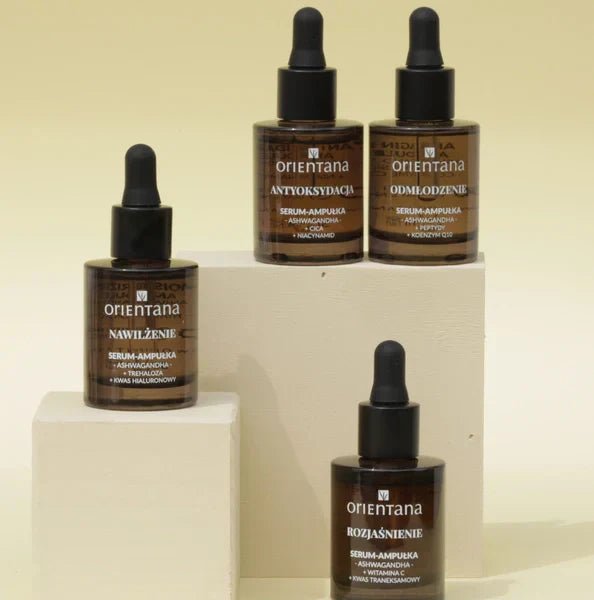
Anti-wrinkle serum – how to choose the best one and effectively rejuvenate your skin?
Have you ever wondered why it's worth using an anti-wrinkle serum ? Wrinkles are a natural part of the skin aging process, but modern skincare can significantly slow their formation and reduce already visible lines . One of the most effective cosmetics in the fight against the signs of aging is an anti-wrinkle serum – a concentrated product rich in active ingredients that works deeper than a regular cream. Unlike creams, serums have a lighter consistency and contain a higher concentration of active ingredients , such as vitamin C, hyaluronic acid, and plant adaptogens. These ingredients intensively support skin regeneration processes, improve firmness, and reduce wrinkles. In this post, you'll learn how anti-wrinkle serums work, which ingredients are truly effective, and I'll present some suggestions from the Orientana brand. We offer several types. serums based on the power of plants, as well as with active ingredients straight from the laboratory. How does anti-wrinkle serum work on the skin? The anti-wrinkle serum works on several levels: It stimulates the production of collagen and elastin , thanks to which the skin regains its firmness and wrinkles are smoothed. Protects against oxidative stress – antioxidants neutralize free radicals that accelerate the aging process. Improves hydration and the hydrolipid barrier – humectant ingredients, such as hyaluronic acid and phytomucin from the Tremella fungus, retain water in the skin. Strengthens and regenerates – adaptogens, such as ashwagandha and reishi, support the skin’s natural defense mechanisms. The effects of using a good anti-wrinkle serum can be seen after just a few weeks – the skin becomes smoother, firmer and more radiant. Key ingredients in anti-wrinkle serum The effectiveness of a serum depends primarily on the quality and synergy of its active ingredients. In anti-aging formulas, it's worth looking for: Retinoids and plant-based retinol equivalents – e.g. bakuchiol, Pistacia lentiscus resin extract (NovoRetin™) – have a strong rejuvenating and smoothing effect. Vitamin C in a stable form (3-O-Ethyl Ascorbic Acid) – brightens discolorations, stimulates collagen synthesis and has an antioxidant effect. Hyaluronic acid and Tremella fuciformis – intense hydration, improved skin elasticity. Niacinamide – improves elasticity, reduces unevenness and fine lines. Adaptogens – ashwagandha, reishi, schizandra – strengthen the skin and improve its resistance to environmental stress. Natural oils and butters – mango, shea, jojoba – nourishment and protection against moisture loss. Orientana Natural Anti-Wrinkle Serum – the Power of Plants and Adaptogens For years, the Orientana brand has specialized in creating natural cosmetics inspired by Asian recipes. These anti-wrinkle serums combine plant power, adaptogens , and modern formulas. These plant-based formulas are enriched with laboratory-proven ingredients in safe concentrations , ensuring they are effective but non-irritating. The offer includes the following anti-wrinkle serums : Ashwagandha + CICA + Niacinamide Antioxidant Serum A good starter in the fight against wrinkles. Start using it after the age of 25. It regenerates, soothes, and smooths wrinkles, and is also ideal for sensitive skin. Serum Ampoule Ashwagandha + peptides + coenzyme Q10 xx Reishi Serum + Retinol – a strong antioxidant, supports skin density and firmness. Tremella Serum with Exosomes – moisturizes, improves elasticity and reduces fine lines. Ashwagandha Serum with Vitamin C and Tranexamic Acid Thanks to natural ingredients and high concentrations of active substances, Orientana serums support both the reduction of signs of aging and anti-aging prevention. How to choose an anti-wrinkle serum for your skin type and age Dry and mature skin – choose a serum rich in peptides, retinol, hyaluronic acid, and adaptogens Combination and oily skin – choose light formulas with niacinamide, exosomes and tremella. Sensitive skin – avoid intense retinoids, choose gentler, plant-based formulas such as Ashwagandha + CICA serum, or ethylated vitamin C serum. Prevention – after the age of 25, it is worth using an anti-wrinkle serum to delay the formation of wrinkles. How to use anti-wrinkle serum to make it work effectively Cleansing – apply the serum to clean, dry skin of the face and neck. Order – apply the serum before the cream so that the active ingredients can penetrate deeper. Frequency – usually 1–2 times a day, depending on the manufacturer’s recommendations. UV protection – when using vitamin C, retinol or its substitutes, be sure to use SPF. Myths about anti-wrinkle serums “The serum only works on deep wrinkles” – in fact, it also works preventively and on fine lines. “I don’t need a serum before I’m 40.” – anti-aging prevention should start much earlier. “Natural serums are less effective” – carefully selected plant ingredients, such as those in the Orientana serum, are as effective as synthetic formulas. Anti-wrinkle serums are not only cosmetics that reduce existing wrinkles, but also an effective tool in preventing skin aging. By choosing natural formulas rich in adaptogens and vitamin C, like those found in Orientana serums, you're investing in healthy, younger-looking skin for years to come. Check out the full range of Orientana Natural Serums and find the perfect formula for your skin.
Learn more
Vegan cosmetics - everything you need to know before choosing the best ones for you
Vegan cosmetics have become one of the most important trends in the beauty industry. Consumers are increasingly asking: are vegan cosmetics better for the skin?, how to check if a product is truly vegan?, are vegan cosmetics cruelty-free?. In this article, I answer these and many other questions to help you consciously choose cosmetics that align with your ethical and ecological values. Questions and Answers about Vegan Cosmetics What are vegan cosmetics? Vegan cosmetics are products that do not contain any animal-derived ingredients. You won't find lanolin, beeswax, keratin, collagen, royal jelly, or carmine in their composition. They can contain both natural and synthetic ingredients – the important thing is that they are not of animal origin and are safe for health. Are vegan cosmetics the same as natural cosmetics? No. Natural cosmetics can contain animal-derived ingredients (e.g., honey, beeswax), while vegan cosmetics can contain synthetic, but plant-based counterparts. These concepts partially overlap but are not identical. Are vegan cosmetics cruelty-free? Not always. Cruelty-free means that the product has not been tested on animals, and none of its ingredients come from suppliers who test on animals. A cosmetic can be vegan (without animal ingredients) but tested on animals – especially if it is sold in a market where testing is required (e.g., in China). How to check if vegan cosmetics are truly vegan? INCI ingredient analysis – avoid ingredients such as lanolin, collagen, keratin, carmine, elastin, honey, or propolis. Certificates – e.g., Vegan Society, PETA Approved, Leaping Bunny. Contact the manufacturer – ask about the origin of specific ingredients (e.g., glycerin or squalane). Why choose vegan cosmetics? Ethics – no animal suffering. Ecology – smaller carbon footprint and less natural resource consumption than with animal-derived ingredients. Skin benefits – often gentler formulas, rich in antioxidants and vitamins. What are popular ingredients in vegan cosmetics? Plant extracts (aloe, green tea, reishi) Plant oils (coconut, jojoba, sesame) Plant butters (shea, cocoa, mango) Vitamin C Which animal-derived ingredients are most common and what can replace them? Animal-derived ingredient Vegan alternative Lanolin Plant oils, shea butter Beeswax Candelilla wax, carnauba wax Collagen Plant-based collagen, hyaluronic acid Keratin Plant proteins (soy, rice) Carmine Plant pigments (e.g., beetroot juice) Shark liver squalene Olive or sugarcane squalane Are vegan cosmetics more expensive? Not necessarily. The price depends on the brand, ingredient quality, and certification costs. Many companies offer affordable vegan products without compromising on quality. Are vegan cosmetics better for sensitive skin? Often, yes – the absence of animal-derived ingredients reduces the risk of allergic reactions, and the risk of allergies is low if the formulas are based on gentle plant extracts. What vegan cosmetics does Orientana offer? For face – Reishi series, Kali Musli, Hello Date, Hello Papaya, Ayurvedic series. For hair – Ayurvedic shampoos, oils, rubs, hennas, Trycho Lychee For body – butters, specialized oils, body oils. Are vegan cosmetics less durable? Not always. Appropriate plant-based or synthetic preservatives ensure the same durability as in conventional products. Is it worth investing in vegan cosmetics without a certificate? Yes, as long as the brand truthfully informs about the composition, and you check it in the INCI. A certificate is a guarantee, but its absence does not automatically mean that the product is not vegan. Summary – why vegan cosmetics are the future of skincare? Vegan cosmetics combine ethics, care for the planet, and effective skin care. By choosing them, you support responsible production and gain cosmetics full of nourishing ingredients.If you want to start your adventure with vegan skincare, begin with products that match your skin and hair type. Check out Orientana's vegan cosmetics offer and see for yourself that ethical care can be just as effective as traditional care.
Learn more