Entries

What natural cosmetics are best for combination skin? Step-by-step skincare routine
Combination skin is one of the most common skin types, and also one of the most demanding to care for. On the one hand, we tend to overproduce sebum in the T-zone (forehead, nose, chin), while on the other, we experience tightness, dryness, or hypersensitivity on the cheeks. This leaves many people struggling to answer the question: which natural cosmetics are best for combination skin and how to build an effective skincare routine? Well-chosen natural cosmetics for combination skin should work in two ways: regulating sebum production where there's excess, and moisturizing and strengthening the hydrolipid barrier where the skin tends to dry out. The key isn't aggressive "mattifying," but restoring the skin's balance . In this article we show you step by step: how to recognize the needs of combination skin, what natural cosmetics work best for combination skin, what active ingredients are particularly beneficial, how to build a morning and evening skincare routine. What are the characteristics of combination skin? Combination skin combines characteristics of two skin types: oily and dry or normal. The most common symptoms include: oily skin in the T-zone, enlarged pores on the nose and forehead, tendency to blackheads, feeling of tightness in the cheeks, periodic hypersensitivity. It's this "duality" that makes caring for combination skin problematic. Using cosmetics designed exclusively for oily skin often leads to dryness and irritation, while heavy formulas for dry skin can clog pores and intensify shine. Therefore, natural cosmetics for combination skin should have balancing formulas , not extremely drying or strongly moisturizing ones. Check out all our cosmetics for combination skin . Why is it worth choosing natural cosmetics for combination skin? Natural cosmetics are increasingly being chosen by people with combination skin, and for good reason. Their advantages include: presence of ingredients of plant and biotechnological origin, lower risk of irritation, better support of the skin's natural mechanisms. For combination skin, it's especially important that cosmetics support the hydrolipid barrier , rather than weaken it. Rapid degreasing of the skin has the opposite effect—the sebaceous glands begin to produce even more sebum. Well-selected natural cosmetics for combination skin help: normalize sebum secretion, moisturize without weighing it down, soothe inflammation, improve skin structure. What natural cosmetics for combination skin are the basis of care? Effective skincare doesn't involve using a multitude of random products. Much better results come from a simple yet consistent regimen based on a few key steps: Cleaning Toning Serum Cream Each of these steps has a different purpose and each should be tailored to the needs of combination skin. Natural cleansing of combination skin Cleansing is the foundation of skincare. If we use overly aggressive products at this stage, even the best serums or creams won't be able to compensate for the damage. For combination skin, the best solutions are mild cleansing gels and emulsions that: effectively remove impurities and excess sebum, do not disturb the natural pH of the skin, do not cause a feeling of tightness. In natural cosmetics for combination skin, it is worth looking for, among others: aloe, plant extracts with a soothing effect, delicate cleansing substances of plant origin. Regular but gentle cleansing gradually makes the skin function more stably - the oiliness of the T-zone is reduced and the cheeks become more comfortable. Toning - the key to skin balance Toner or lotion is an often-skipped step in skincare, but it's incredibly important for combination skin. Its purpose is to: restoring the physiological pH of the skin, initial hydration, preparing the skin for the next care steps. Natural cosmetics for combination skin in the form of tonics and essences often contain ingredients that work: moisturizing, soothing, slightly regulating. Thanks to this, the skin is neither dry nor burdened after washing, which significantly reduces the risk of overproduction of sebum. Check out our tonics . Serum for combination skin – which one to choose? Serums are the step in skincare that allows you to personalize your routine to your skin's specific needs. For combination skin, a well-chosen serum can simultaneously: moisturize dry parts of the face, regulate sebum secretion in the T-zone, strengthen the hydrolipid barrier, improve skin structure. Therefore, when choosing a serum for combination skin , it is worth considering not so much the skin type written on the packaging, but the actual needs of the skin at a given moment. Light, water-gel or emulsion formulas work best, as they absorb quickly and do not leave a greasy film. See all our serums . What active ingredients are in the serum for combination skin? Natural cosmetics for combination skin increasingly use ingredients of plant and biotechnological origin that have a multifaceted effect. Tremella - intense hydration without weighing it down Tremella (snow mushroom) is an ingredient valued for its ability to bind large amounts of water in the epidermis. In this serum for combination skin: improves the hydration level, smoothes the skin, does not clog pores. This is a perfect choice for people who experience dry cheeks and shine in the T-zone at the same time. Ashwagandha - support for skin balance Ashwagandha is an adaptogen, a plant that helps the skin cope better with environmental stress. In combination skin care: supports the skin's natural defense mechanisms, helps reduce inflammatory reactions, helps maintain skin stability. As a result, the skin becomes more resistant to factors that can exacerbate both oiliness and dryness. Read how this adaptogen supports skin regeneration and immunity . Niacinamide - normalization and strengthening of the barrier Niacinamide (vitamin B3) is one of the most researched ingredients in cosmetology. In natural cosmetics for combination skin: regulates the functioning of the sebaceous glands, reduces the visibility of pores, supports the hydrolipid barrier, evens out skin tone. This is an ingredient that perfectly meets the needs of complex skin. Tamanu oil - regeneration and relief without burden Tamanu oil (obtained from the seeds of the Calophyllum inophyllum tree) is one of the most valued vegetable oils in the care of problematic, sensitive and imperfection-prone skin. Why is tamanu oil good for morning facial care? has a soothing and anti-inflammatory effect, supports the regeneration of the epidermis, helps reduce redness, strengthens the skin's hydrolipid barrier. Even though it's an oil, it's neither heavy nor occlusive. In properly balanced formulas, it creates a light protective film that protects the skin from moisture loss without leaving it feeling greasy. Tamanu oil is especially recommended for: sensitive skin, acne-prone and imperfection-prone skin, weakened and irritated skin. In morning care, tamanu oil supports skin comfort and helps it better cope with contact with external factors such as temperature changes or pollution. Aloe - soothing and moisturizing Aloe has soothing, moisturizing, and regenerating properties. It is especially recommended for combination skin prone to irritation or periodic redness. Cream for combination skin - which one is the best? For combination skin, the cream should be neither too heavy nor too light. The following formulas work best: with a light, quickly absorbing consistency, containing humectants (water-binding ingredients), with the addition of light emollients. A good cream for combination skin should: ensure skin comfort throughout the day, do not cause shine in the T-zone, protect the hydrolipid barrier. Natural cosmetics for combination skin often use light-textured vegetable oils and butters in low concentrations, which allows for a nourishing effect without weighing down the skin. The best ingredients in natural cosmetics for combination skin It is worth paying attention to whether the compositions include: tremella, niacinamide, ashwagandha, aloe, green tea, gluconolactone. It is ingredients like these that support skin balance rather than disturb it. Combination skin care step by step - morning Morning care is designed to prepare the skin for the whole day, protect it from external factors and maintain the balance between hydration and sebum control. Step 1: Gentle cleansing In the morning, there's no need to use harsh cleansers. A gentle cleansing gel or emulsion is sufficient. removes excess sebum secreted at night, refreshes the skin, does not disturb the hydrolipid barrier. Regular use of gentle formulas means that the skin gradually stops reacting to the feeling of dryness by overproducing sebum. Step 2: Toning After cleansing, it's a good idea to use a toner or lotion with moisturizing and balancing properties. This step: restores the proper pH of the skin, reduces the feeling of tightness, prepares the skin to receive the serum. This is especially important in the care of combination skin, as it helps reduce both dry cheeks and shiny T-zone. Step 3: Serum Light, moisturizing and normalizing serums are best in the morning. They help skin: is more elastic, becomes less oily, looks fresh and healthy. In morning care, it is worth choosing a serum containing tremella, niacinamide, aloe or plant adaptogens. Step 4: Cream At the end of your morning routine, apply a cream with a light consistency that: closes the hydration, protects the hydrolipid barrier, does not burden the skin. A well-chosen cream for combination skin keeps the skin balanced for many hours. Combination skin care step by step – evening Evening care focuses on thoroughly cleansing the skin and supporting regenerative processes. Step 1: Makeup removal and cleansing If you use makeup or sunscreen products, it is worth performing a two-step cleansing: first a make-up remover, then a gentle cleansing gel. This approach effectively removes impurities without damaging the skin's natural protective layer. Step 2: Toning A tonic or lotion restores skin comfort after cleansing and prepares it for the next steps of care. Step 3: Serum selected for current needs In the evening, you can reach for a more concentrated serum, such as a regenerating or smoothing one. Depending on your skin's needs, these may include formulas with adaptogens, moisturizing, or soothing ingredients. Step 4: Cream The evening cream may have a slightly richer consistency than the morning one, but it should still be light and non-comedogenic. What to avoid if you have combination skin? A common mistake when caring for combination skin is using overly aggressive cosmetics. It's best to avoid: strongly drying gels and foams, alcohol high in the composition, heavy, comedogenic oils, excessive and frequent exfoliation, changing cosmetics frequently. Such actions disturb the skin's balance and can exacerbate both oiliness and dryness. How quickly can you see the results of combination skin care? The first signs of improvement, such as increased skin comfort or reduced shine, may appear after just 1–2 weeks of regular use of appropriately selected cosmetics. However, it's worth waiting about 4–6 weeks for the skin to fully stabilize. Are natural cosmetics good for combination skin? Yes, provided they're chosen correctly. Natural cosmetics for combination skin are based on ingredients that support the skin's natural functions, rather than suppressing them. This allows the skin to gradually regain its ability to self-regulate. Regular use of natural formulas can lead to: less oily T-zone, better hydration of the cheeks, reducing the number of imperfections, improving the overall condition of the skin. The key is consistency and simplicity of routine. The most common mistakes in the care of combination skin Many people, despite their best intentions, unknowingly worsen their skin condition. Common mistakes include: using cosmetics intended exclusively for oily skin, skipping the toning stage, excessive exfoliation, frequent product changes, lack of patience and expecting immediate results. Avoiding these mistakes significantly increases the effectiveness of care. Check out the most common mistakes when cleansing the skin. FAQ - natural cosmetics for combination skin What natural cosmetics for combination skin should I choose first? It's best to start with the basics: a gentle facial cleanser, toner, a light moisturizing serum, and a cream. Only once your skin has stabilized can you gradually introduce other products. Does combination skin need hydration? Yes. Moisturizing is crucial, as dehydrated skin produces more sebum. Natural cosmetics for combination skin should contain water-binding ingredients such as tremella, aloe, or gluconolactone. Are oils good for combination skin? Some light vegetable oils may be well tolerated, but should be used in small amounts. Oils that are too heavy can clog pores. How often should you change your cosmetics for combination skin? No more than every few weeks. Skin needs time to respond to new formulas. How long does it take to see the effects of using natural cosmetics? Most often, the first effects appear after 1–2 weeks, with more complete improvement after approximately 4–6 weeks of regular use. Summary Combination skin requires care that combines hydration, normalization, and protection of the hydrolipid barrier. Carefully selected natural cosmetics for combination skin help restore skin's balance without aggressively drying or weighing it down. If you are looking for formulas based on plant and biotechnological ingredients, it is worth reaching for natural facial cosmetics that meet the real needs of combination skin. Read about the effectiveness of natural cosmetics.
Learn more
Why is it worth using Orientana toner?
What is a face toner and what is it for? A face toner is a cosmetic product used after cleansing the skin, the main purpose of which is to restore proper pH, hydrate, and prepare the skin to absorb active ingredients from serums or creams.Unlike micellar water, which removes makeup and impurities, toner acts as a bridge between cleansing and proper skincare. What are the benefits of using Orientana toner? 1. Hydration and skin soothing Orientana toners are based on natural plant extracts that help maintain optimal hydration, reduce feelings of tightness, and soothe irritations. 2. Strengthening the hydrolipidic barrier The hydrolipidic barrier is the skin's natural protective shield. Orientana toners contain ingredients that support its regeneration, protecting against water loss and irritation. 3. Preparing the skin for subsequent skincare steps Using toner improves the absorption of active ingredients from serums and creams, making the entire skincare routine more effective. How does Orientana Essence Toner differ from Soothing Japanese Rose and Pandan Toner by Orientana? Orientana Essence Toner – toner and essence in one Formula: date extract, gently exfoliating and moisturizing gluconolactone, rice proteins. Action: deep hydration, soothing, hydrolipidic barrier reconstruction. For whom: all skin types, including sensitive and dry. Additional benefit: multifunctionality – can act as both a toner and an essence, saving time in skincare. Soothing Japanese Rose and Pandan Toner – delicate freshness Formula: Japanese rose extract with antioxidant and moisturizing properties, pandan with soothing effects. Action: reduction of irritation, refreshment, support for couperose skin. For whom: sensitive, couperose, tired skin, in need of soothing. How to use Orientana toner? Step 1 Thoroughly cleanse your skin with a gel or foam, and if you use SPF cream or makeup, first use a cleansing oil in the initial cleansing step. Step 2 Apply toner to your hands and gently pat it into your skin. Do not use cotton pads; there is no need, and you are more zero-waste this way. Step 3 Wait a moment, then apply serum or cream. How often should toner be used? Daily - morning and evening. Why is using toner particularly important in Poland? Climatic conditions in Poland – dry air in winter (heating), air conditioning in summer, fluctuating temperatures, and air pollution – weaken the skin's protective barrier. Regular use of toner, especially a natural one, helps to prevent dryness, soothe the effects of smog, and prepare the skin for regeneration. Frequently Asked Questions about Orientana Toners 1. Can Orientana Essence Toner replace an essence?Yes. Its formula combines the functions of a toner and an essence, allowing for a shorter skincare routine. 2. Is Japanese Rose and Pandan toner good for couperose skin?Yes. Japanese rose extract and pandan have soothing properties and support the protection of delicate capillaries. 3. Can Orientana toner be used daily?Yes. Both products are safe for use morning and evening. 4. Are Orientana toners suitable for sensitive skin?Yes. Both formulas were developed with sensitive and delicate skin in mind. 5. Do I need to use cream after Orientana toner?Yes. Toner prepares the skin to absorb active ingredients from the cream, but it does not replace a moisturizing cream itself. You now know that toner is an essential element of healthy and effective skincare. Orientana Essence Toner provides intensive hydration and multifunctional action, while Soothing Japanese Rose and Pandan Toner provides soothing and freshness to sensitive skin. Regular use of toner is a simple step that brings long-term benefits – from better hydration to a radiant complexion. Both of these toners can be used during pregnancy and breastfeeding.
Learn more
Hydrogen purification - what is it and what are its effects?
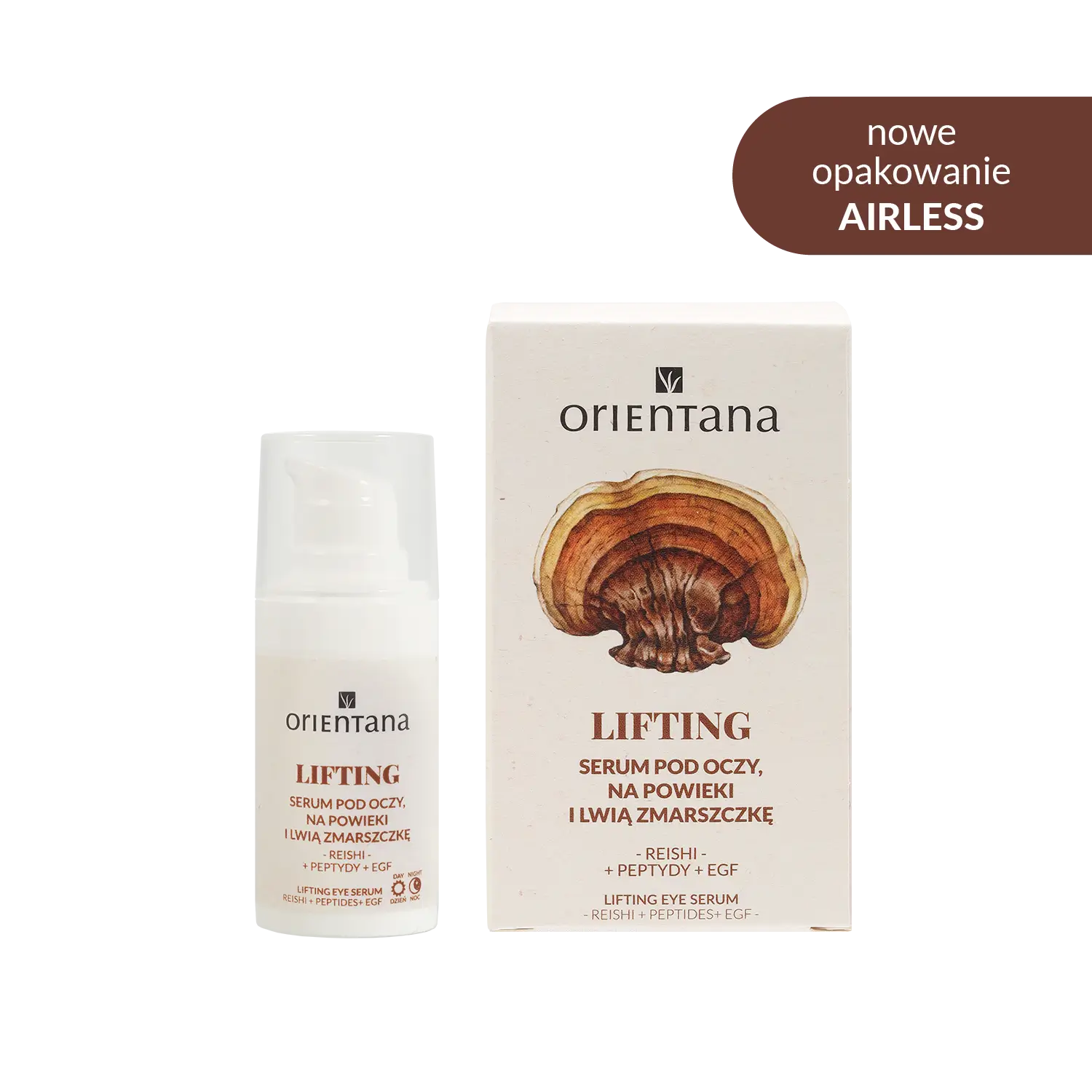
Are you wondering what hydrogen cleansing is? It's one of the most popular treatments in recent years, combining deep skin cleansing with anti-aging benefits. Using active hydrogen, the treatment not only removes impurities and sebum but also neutralizes free radicals—the main culprits behind skin aging. Hydrogen purification – what is this treatment? Hydrogen cleansing (hydrogen hydropeeling) is a non-invasive and painless cosmetic treatment that combines skin care with anti-aging technology. It involves injecting microscopic hydrogen particles into the skin, which neutralize free oxygen radicals and support cellular regeneration. How does active hydrogen work on the skin? Hydrogen is the smallest and strongest antioxidant: Neutralizes free radicals – reduces oxidative stress, slowing down skin aging. Improves cellular metabolism – supports regeneration and repair processes. Soothes inflammation – helpful for acne and irritations. Strengthens the skin's protective barrier and protects against smog and environmental stress. Stages of hydrogen purification The procedure usually involves several steps: Make-up removal and initial cleansing of the skin. Hydrogen peeling – application of a stream of water saturated with hydrogen. Infusion of active substances (e.g. acids, vitamins, antioxidants). Optional: ultrasonic waves or microcurrents that enhance the penetration of ingredients. Effects after the procedure deep pore cleansing, reducing the number of blackheads, improved firmness and hydration, evens out skin tone, lightening discolorations, reduction of inflammation, the effect of fresh, radiant skin after just 1 visit. Who is hydrogen hydropeeling intended for? The treatment is recommended: people with oily and acne-prone skin, with enlarged pores and impurities, mature skin with signs of aging, people exposed to oxidative stress (smog, stress, UV radiation). Contraindications to the procedure Although hydrogen cleansing is safe and gentle, there are contraindications: active infections and skin inflammations, cancer and autoimmune diseases, pregnancy and breastfeeding, fresh scars and wounds, skin diseases (e.g. psoriasis in the active phase). How often should hydrogen purification be performed? One-time use – to refresh the skin, e.g. before an important event. In a series – 4–6 treatments every 2–3 weeks for a therapeutic effect. For maintenance purposes – once a month as a maintenance treatment. How to care for your skin after hydrogen cleansing? To fully utilize the treatment's potential, home care is crucial. Skin absorbs active ingredients better after hydrogen purification, so it's worth choosing natural formulas rich in antioxidants and soothing ingredients. Orientana cosmetics supporting the effects of hydrogen purification Gentle cleansing – Facial cleansing gel After treatment, it's important to maintain skin balance and avoid harsh detergents. This gel is SLS-free, and thanks to date extract and gluconolactone: gently washes, moisturizes and soothes, supports the skin microbiome. Toning and Renewal – Tonic Essence Tonic-essence with date extract and soothing rice, restores the proper pH and prepares the skin for further care steps. Antioxidant Protection – Ashwagandha Serum + CICA + Niacinamide After a hydrogen cleanse, skin needs support against free radicals. This serum combines an adaptogen (ashwagandha) with CICA and niacinamide, resulting in: soothing irritations, evens out the color, reduction of imperfections. Moisturizing and protective barrier – Hydro Tremella cream A deeply moisturizing, sebum-regulating, soothing, and smoothing cream. Perfect for combination, oily, and sensitive skin. Eye care – Reishi Eye and Eyelid Serum After the treatment, it's also worth taking care of the delicate skin around the eyes. Reishi extract has anti-aging properties, reduces dark circles, and improves skin elasticity. AQ – Frequently Asked Questions Does hydrogen purification hurt? No – the treatment is completely painless and relaxing. How long does the hydrogen purification treatment take? Approximately 45–60 minutes. Can hydrogen purification be performed in summer? Yes, this is a year-round treatment – safe even during the high sun exposure season. After how many treatments are the effects visible? The first results are noticeable immediately, and full improvement is achieved after a series of treatments. Do you need to avoid the sun after the treatment? There are no such restrictions as after classic chemical peels, but it is always worth using a cream with SPF.
Learn more
Harmful ingredients in hair cosmetics - a list worth knowing
Every day, I'm asked which hair products are worth choosing and which ingredients should be avoided. For years, I've been guided by the principle: care should be effective yet gentle —without harsh detergents, synthetic additives, or substances that weigh down hair instead of nourishing it. That's why I dedicate so much attention to education and creating natural recipes at Orientana. In this post, I've compiled a list of harmful ingredients in hair care products , most commonly found in drugstore shampoos and conditioners. This list isn't meant to scare you, but to make you aware that making informed choices really does make a difference—for both the health of your hair and scalp. Why is it worth checking the ingredients of hair cosmetics? For years, I've been a proponent of natural, stress-free hair care . I believe that healthy hair isn't the result of marketing promises, but rather the regular use of chemical-free cosmetics. Unfortunately, many popular products still contain ingredients that: they provide a short-term effect (e.g. silicone smoothness), but over time they weaken the hair, may irritate the scalp and intensify dandruff or itching, they disturb the natural balance - instead of regenerating, they cause dryness or greasiness, are not indifferent to the environment - yes, I pay attention to that too! For me personally, this last point is just as important as hair health. Conscious consumer choices are not only about caring for yourself, but also for the planet. Therefore, checking labels isn't a whim—it's an investment in long-term beauty and responsible care. Harmful ingredients in cosmetics – a list to avoid I know from experience that reading labels can be overwhelming. That's why I've prepared a specific list of ingredients to avoid in hair care products. These are the ingredients most often responsible for dryness, irritation, loss of shine, and weakened hair. Parabens Where are they found? - preservatives used in many shampoos and conditioners. Why do I avoid them? They can disrupt hormonal balance and cause allergic reactions. For me, that's reason enough to replace them with safe, naturally derived preservatives that don't harm the skin or the environment. Silicones (e.g. Dimethicone, Cyclopentasiloxane) Where are they found? - in conditioners, masks and hair serums. Why do I avoid them? They create a false impression of smoothness and shine by forming a coating around the hair. In the long run, this coating blocks the penetration of nutrients and makes the hair heavy and dull. I prefer natural oils and extracts that actually nourish the hair from the inside out. SLS and SLES (Sodium Lauryl Sulfate, Sodium Laureth Sulfate) Where are they found? - in shampoos as foaming detergents. Why do I avoid them? These are strong cleansers that remove not only dirt but also natural sebum and the skin's protective layer. The result? Irritation, dryness, and excessive oiliness. I choose gentle, plant-based cleansers that effectively cleanse without damaging the scalp's barrier. PEGs (Polyethylene glycols) Where are they found? - in conditioners, masks and styling agents. Why I avoid them? They're used as emulsifiers and softeners, but they can irritate and increase the penetration of other chemicals into the skin. I prefer natural emulsifiers that work with the skin's physiology. Phthalates Where are they found? - most often in perfumed hair products. Why do I avoid them? They are suspected of having toxic effects on the endocrine and reproductive systems. Instead, I choose safe fragrances based on natural essential oils. Formaldehyde and its donors (DMDM Hydantoin, Imidazolidinyl Urea) Where are they found? - in some conditioners and styling products. Why do I avoid them? They can be irritating, allergenic, and are considered potentially carcinogenic. For me, there's no room for such compromises in skincare. As you can see, most of these ingredients only provide superficial results —instead of regenerating, they have a short-term effect and, over time, can worsen the condition of your hair. Therefore, my philosophy is simple: the less aggression and artificial stress, the better for your hair and scalp . How do harmful ingredients affect hair and scalp? When I consciously choose cosmetics, I always consider their real long-term impact on hair . I know that many drugstore products offer quick results: instant smoothing, intense shine, or instant volume. But these effects are short-lived and come with long-term problems. Weakness and brittleness of hair Harsh detergents (SLS, SLES) strip away the natural lipid layer that protects hair from moisture loss. The result? Hair becomes brittle, fragile, and dull. I know firsthand that even the best conditioner won't do the trick if we destroy this basic protective barrier every day. Dry scalp SLS, SLES, PEGs, and parabens can irritate the scalp. This often leads to itching, dandruff, and even inflammation. Instead of balance, we experience discomfort and the need to "rescue" the skin with additional products. Hair becomes greasy faster It's a paradox – the stronger the shampoo containing SLS, the faster the hair becomes oily. Why? Because the scalp, deprived of natural lipids, begins to produce excess sebum to protect itself. The result is a vicious cycle: daily washing, lack of volume, and hair that feels flat after just a few hours. The illusion of smoothness and shine Silicones create a tight seal on the hair, providing immediate smoothness. However, over time, the hair becomes increasingly "empty" inside, as no nutrients can penetrate the silicone barrier. It's a bit like makeup without care: a pretty effect for a moment, but no long-term support. Loss of volume and "heavy hair" Artificial polymers and silicones cling to hair, making it heavy and lacking its natural flow. Instead of lightness and healthy movement, we end up with hair that's difficult to style and looks dull more quickly. Potential health risks Some preservatives raise concerns not only about beauty but also about health. They can penetrate the body and disrupt its natural balance. For me, this is a line I don't want to cross in my skincare routine. MY OPINION: That's why I choose products without aggression —with natural plant-based detergents, extracts, and oils that actually nourish and support hair from the inside , instead of just masking the problem. This keeps hair light, vibrant, and beautiful for longer. Natural alternatives to controversial substances I always say that care doesn't have to mean compromise. You can create hair products that are gentle, effective, and safe by consciously harnessing the power of nature. That's why at Orientana, I select every ingredient to work in harmony with your hair and scalp. Instead of SLS and SLES - mild plant-based cleaning agents Cocamidopropyl Betaine (from coconut oil) - effectively cleanses but does not destroy the hydrolipid barrier. Decyl Glucoside (from glucose and fatty alcohols) - ideal for sensitive and irritated skin. Thanks to them, the hair is clean and the scalp remains balanced. Instead of silicones - vegetable oils and butters Jojoba oil - regulates sebum secretion, moisturizes without the "heavy" effect. Mango butter - smoothes, adds softness and elasticity. Coconut oil - penetrates the hair structure, strengthening it from the inside. The smoothness and shine effect is natural and the hair really becomes healthier. Instead of PEGs - natural emulsifiers Lecithin - supports hair regeneration and has antistatic properties. Polyglyceryl-6 Laurate - biodegradable emulsifier safe for skin and the environment. Thanks to them, conditioners and masks have a velvety consistency, without the risk of irritation. Instead of parabens - natural preservatives Benzoic acid and sorbic acid - effectively protect the product and at the same time are well tolerated by the skin. Plant ferments - increasingly act as preservatives and additionally support the scalp microbiome. Instead of formaldehyde – plant extracts with protective properties Amla extract – strengthens hair follicles and stimulates hair growth. Gotu kola extract (Asiatic pennywort) – soothes irritations and supports microcirculation of the scalp. Pectins – strongly moisturizes and improves hair structure. Modern natural ingredients in hair care In my approach to creating cosmetics, I prioritize ingredients that are not only safe but, above all, have proven moisturizing, regenerative, and protective properties . In recent years, biotechnology and phytoengineering have provided us with incredibly inspiring solutions. These solutions address the need for conscious hair care, free from unnecessary burdens and aggression. Probiotics These are living microorganisms that support the scalp's microbiome. They strengthen the skin's protective barrier, reducing irritation and dandruff. Probiotics restore balance, which directly impacts the health of hair follicles and the condition of hair. Prebiotics These nutrients support probiotics—a kind of "fuel" for good bacteria. Used in hair care products, they support the scalp's natural immunity and prevent the growth of harmful microorganisms. This allows hair to grow in a healthier environment. Postbiotics Modern ingredients derived from probiotic fermentation. They are more stable than probiotics alone, while retaining their beneficial properties: they strengthen the microbiome, soothe irritation, and support scalp regeneration. Gluconolactone It belongs to the PHA (polyhydroxy acid) group. It gently exfoliates dead cells while deeply moisturizing. In hair and scalp care, it acts as a gentle enzymatic exfoliant , supporting renewal and adding radiance. Ideal for sensitive skin. Panthenol (provitamin B5) It's a classic in modern hair care, yet still irreplaceable. It moisturizes, soothes, and smooths hair, making it soft, flexible, and more resistant to damage. It also has a soothing effect on the scalp, which anyone struggling with irritation will appreciate. Vegequat® Vegequat® is a modern, plant-based conditioning ingredient that combines coconut fatty acids and hydrolyzed wheat proteins . This composition acts as a natural protective shield, shielding hair from the harmful effects of both mechanical factors (e.g., hot air from hairdryers and straighteners) and chemical factors (coloring, permanent waves). In hair cleansing products, it improves the quality of the lather , making it thicker and more stable, which increases the comfort of application. Additionally, Vegequat® gives hair softness, elasticity, and makes combing easier without weighing it down. FiberHance™ BM Solution An innovative ingredient that strengthens the internal structure of hair. It penetrates the hair's core and creates additional bonds in the keratin structure, making hair stronger and less prone to breakage. It's an alternative to silicones that truly works from the inside out. Baicapil™ A complex of natural extracts (including Baikal skullcap, soybean sprouts, and wheat) that stimulates hair growth and inhibits hair loss. This modern solution, based on phytotherapy and scientific research, is a true natural response to the problem of thinning hair. Quinine Long known in traditional hair care, it's now making a comeback as an ingredient with proven effectiveness. It stimulates microcirculation in the scalp, strengthens hair follicles, and accelerates hair growth. Perfect for those who dream of thicker hair. Acticire® MB A natural complex of three plant waxes (mimosa, jojoba, and sunflower). It creates a light, protective layer on the hair, preventing moisture loss and leaving it soft and shiny. This ingredient acts as a "plant-based alternative to silicones," but without the heaviness. It's ingredients like these that demonstrate that modern hair care can be natural, effective, and environmentally friendly . Instead of aggression and burden, they offer intelligent support —restoring, protecting, and strengthening hair from the inside. How to choose safe hair cosmetics? - a practical checklist I know that drugstore shelves can be overwhelming, and labels full of complicated chemical names don't make choosing easy. That's why I've prepared a simple checklist that will help you determine, step by step, whether a hair product is truly safe and valuable. Check the list of ingredients (INCI) Avoid: SLS, SLES, parabens, silicones, PEGs, formaldehyde donors . Look for: mild plant detergents (Decyl Glucoside, Coco-Glucoside), natural oils and butters, plant extracts, probiotics, prebiotics, gluconolactone, panthenol . My rule: the shorter and more understandable the ingredient list, the better for your skin and hair. Look for modern natural ingredients Safe and effective care means not only the absence of “bad” ingredients, but also the presence of modern active substances: Baicapil™ – for hair growth and hair loss reduction, FiberHance™ – to rebuild the internal structure of the hair, Vegequat® – for softness and easy combing, Acticire® MB – for protection and shine, Gluconolactone and D-panthenol – for hydration and regeneration. Check out the brand philosophy Are cosmetics not tested on animals ? Does the brand focus on natural recipes and an ethical approach ? Do the ingredients have documented research? These are the questions I always ask myself when working on a new formula. Choose cosmetics tailored to your hair needs Dry and damaged hair – choose oils, butters, Acticire®, panthenol . Oily hair – use mild detergents, probiotics, and plant extracts . Hair loss – look for Baicapil™, quinine, ginseng . Lack of volume – choose restorative ingredients like FiberHance™ . Thanks to this checklist, you will avoid marketing traps and choose cosmetics that really care for your hair without aggression, without burden and in harmony with nature . Conscious hair care isn't a passing fad, but a lifestyle. For years, I've been choosing cosmetics that don't burden my hair and scalp with chemical aggression , instead utilizing the power of nature and modern plant-based ingredients. The list of harmful substances in hair care products may seem long—parabens, silicones, SLS and SLES, PEGs, phthalates, formaldehyde donors, and artificial fragrances—but a little mindfulness is all it takes to avoid them. Instead, we have a wealth of modern natural ingredients , such as probiotics, gluconolactone, D-panthenol, Baicapil™, FiberHance™, and Vegequat®, which truly support hair from the inside out. Remember that healthy, vibrant hair is the result of a conscious choice – without compromise and without unnecessary burdens. Astringent: Harmful Ingredients in Hair Care Products You Should Avoid Parabens – controversial hormonal preservatives SLS and SLES – aggressive detergents that dry out the scalp Silicones – they only give an illusion of smoothness PEGs – may irritate and facilitate the penetration of chemicals Phthalates – suspected of having a toxic effect on health Formaldehyde and its donors – irritants, potentially carcinogenic Synthetic fragrances and dyes – unnecessary additives that burden the skin The principle I follow at Orientana: less aggression, more nature. This allows for hair to be light, shiny, and truly healthy. FAQ – Harmful Ingredients in Hair Cosmetics 1. What are the most harmful ingredients in hair cosmetics? The most frequently mentioned include SLS and SLES , parabens, silicones, PEGs, phthalates, formaldehyde donors, and synthetic fragrances and dyes. These can dry out hair, irritate the scalp, and weaken hair follicles. 2. Do silicones really harm hair? Silicones themselves aren't toxic, but they create a false impression of smoothness and shine by creating a tight seal on the hair. In the long run, they block the access of nutrients, leaving the hair feeling "empty." Instead, it's worth using natural oils and butters (e.g., jojoba, mango, coconut). 3. Why is it worth avoiding SLS and SLES in shampoos? These are strong detergents that effectively remove dirt, but also strip away the scalp's natural lipid layer. This can lead to irritation, dryness, and even excessive oiliness. Gentle plant-based cleansers , such as Decyl Glucoside or Coco-Glucoside, are a better choice. 4. Are parabens carcinogenic? The research is divided – parabens are approved for use in cosmetics as safe ingredients, but there are concerns about their impact on hormonal balance. For me, this is reason enough to avoid them and choose safe natural preservatives like benzoic acid or sorbic acid. 5. How to recognize harmful ingredients in cosmetics? It's best to check INCI labels. Avoid terms like: Sodium Lauryl Sulfate, Parabens, Dimethicone, PEG- , DMDM Hydantoin, Parfum (synthetic) . It's a good idea to stick to the rule: shorter and simpler ingredients = safer cosmetics . What natural ingredients are worth choosing instead of harmful ones? Instead of silicones → vegetable oils, mango butter, Acticire® MB Instead of SLS/SLES → gentle detergents made of coconut and glucose Instead of synthetic quats → Vegequat® For hair strengthening → Baicapil™, FiberHance™, quinine For hydration → D-panthenol, gluconolactone, probiotics and prebiotics If you want to use conscious natural care, like me, start using Orientana cosmetics.
Learn more
Avocado oil – properties, uses and Orientana cosmetics
Avocado oil is one of the most valued natural plant oils in dietetics and cosmetics. Obtained from the pulp of ripe avocados, it boasts an exceptionally rich nutritional composition and versatile benefits. It's no wonder it has become a key ingredient in many natural cosmetics, including Orientana products, which draw on the benefits of Ayurveda and Asian skincare traditions. The composition of avocado oil – a wealth of vitamins and fatty acids Avocado oil is called “green gold” due to its high nutrient content: Vitamins A, E, D and K – support skin health, protect against free radicals, support regeneration and elasticity. Fatty acids – primarily monounsaturated oleic acid (omega-9, approx. 70%), as well as omega-6 and omega-3 acids in smaller amounts. Antioxidants and phytosterols – lutein and phytosterols have anti-inflammatory properties, support eye health and slow down the skin aging process. Health benefits of avocado oil Regular consumption and use of avocado oil has a positive effect on the body: supports the cardiovascular system by lowering the level of "bad" LDL cholesterol, has anti-inflammatory properties and strengthens immunity, regulates lipid metabolism and helps maintain normal cholesterol levels, supports the digestive system by protecting the gastric mucosa. Avocado oil in skin care Avocado oil is a true beauty elixir for the skin. Moisturizing and regenerating – intensely moisturizes and nourishes, strengthens the hydrolipid barrier, preventing dryness. Soothes irritations – supports the fight against acne, eczema and skin inflammation. Anti-aging – neutralizes free radicals, thus slowing down the aging process, reducing the visibility of wrinkles and improving skin elasticity. 👉 Example: in the Nourishing Eye Cream with Ceramides, Hydro Tremella Avocado oil supports the regeneration of the delicate skin around the eyes and protects it from drying out. Other Orientana creams with avocado oil: Avocado oil in hair care Strengthens hair follicles , supporting natural hair growth. Protects against drying out and mechanical damage. Gives hair elasticity, shine and softness . Supports the fight against dandruff thanks to its anti-inflammatory properties. How to use avocado oil? In the diet – great for salads, smoothies, and sauces. Refined avocado oil has a high smoke point, making it also suitable for frying. In skin care – as a facial serum, an addition to creams or an ingredient in lotions. In hair care – you can use it as an oil for oiling or add a few drops to your favorite mask. Choosing the right oil – unrefined, cold-pressed, is the richest in active ingredients and the best in care. 👉 If you're looking for ready-made cosmetics containing avocado oil, reach for Orientana products – including shampoo, hair balms, and face and eye creams. You'll find them all in the avocado cosmetics category. Avocado oil is a natural ingredient worth incorporating into your daily skincare routine and diet. It nourishes, regenerates, and protects—both internally and externally. Orientana avocado cosmetics combine its extraordinary properties with Ayurvedic skincare philosophy, guaranteeing effectiveness confirmed by tradition and modern research. Avocado Oil Frequently Asked Questions (FAQ) Does avocado oil clog pores? No, avocado oil is a low-comedogenic oil, so it rarely clogs pores. Quite the opposite – thanks to its vitamins and fatty acids, it helps regulate sebaceous glands and supports the treatment of acne-prone skin. In Orientana cosmetics, such as the Hydro Tremella eye cream, avocado oil supports regeneration without weighing down the skin. Can you use avocado oil on your face every day? Yes, avocado oil can be used daily – alone or as an ingredient in creams and serums. Regular use improves skin elasticity, protects against free radicals, and supports natural regeneration. Orientana avocado products are formulated to be safe even for sensitive skin. How does avocado oil work for hair? Avocado oil intensely moisturizes and nourishes hair , preventing brittleness and dryness. It strengthens hair follicles and enhances natural shine. Is avocado oil suitable for dry skin? Yes, avocado oil is ideal for dry and dehydrated skin . It contains vitamin E and oleic acid, which intensely nourish and retain moisture. That's why it's often found in Orientana creams and lotions designed for skin in need of hydration. Does avocado oil help with wrinkles? Yes. Thanks to its antioxidant content and vitamins A, D, and E, avocado oil has anti-aging properties, reduces free radicals, and supports collagen production. Regular use smooths fine lines and slows the skin's aging process. In Orientana cosmetics, avocado oil often works in conjunction with other anti-aging ingredients, such as snail slime and adaptogens. Can avocado oil be used around the eyes? Yes, avocado oil is safe for the delicate skin around the eyes. It moisturizes, strengthens, and protects against loss of elasticity. That's why it's included in the Orientana eye care line , which improves firmness and minimizes signs of fatigue. How to use avocado oil in hair care? Avocado oil can be used for hair oiling , added to masks, or applied as a serum to hair ends. Regular use leaves hair elastic, smooth, and shiny. In Orientana's ready-to-use formulas, it's combined with plant extracts to further enhance its nourishing effects. Is avocado oil better refined or unrefined? For cosmetic purposes, unrefined, cold-pressed oil is recommended because it retains more vitamins, antioxidants, and fatty acids. This is the oil you'll find in Orientana natural cosmetics.
Learn more