Entries

Asian Skincare - The Complete Guide: Rituals, Steps, Ingredients, and Effects
Why has the whole world fallen in love with Asian skincare? Just a dozen or so years ago, skincare was simple: cleanser, cream, and... that's it. Today, more and more women feel that this isn't enough. Their skin is tired, dehydrated, and sensitive—despite using increasingly expensive cosmetics. And this is where Asian skincare comes in. Not as another trend. But as a system, philosophy and ritual that changes the approach to skin. In Asia, it's not about quick results. It's about consistency, gentleness and long-term results . This is why Korean or Japanese women do not "repair" their skin. They take care of it so that there are as few problems as possible . Effect? ✔ smooth skin ✔ even color ✔ natural glow ✔ fewer wrinkles despite age And most importantly - it works. In this article I will show you: what Asian skincare really is how it works how to implement it step by step which ingredients make sense (and which are just marketing) how to match it to your skin What is Asian skincare? Asian skincare is a multi-stage, conscious skincare system based on three foundations: ✔ regularity ✔ delicacies ✔ layering action Asian skincare is an approach to skincare that involves applying several light layers of cosmetics that work together to moisturize, regenerate, and protect the skin, rather than weighing it down with one heavy product. Why does Asian skincare work? Because it is not based on "one miracle cream". Instead: each product has a specific function the skin gets exactly what it needs the action is gradual and stable It's a bit like a diet: 👉 It's not about one meal 👉 only about the entire system Asia vs Europe - the key difference Europe: we react when a problem occurs we act hard and fast we often irritate the skin Asia: we prevent we act gently we build healthy skin step by step This is a completely different approach. Asian Skincare Philosophy - More Than Just Cosmetics Asian care is not just about products. It's a ritual . This is the moment: stopping focus on yourself conscious touch In Asia, leather is not a “repair project.” It is part of the balance of the entire organism. Holistic approach In Asian care: stress affects the skin diet affects the skin sleep affects the skin Therefore, care is: ✔ cosmetics ✔ lifestyle ✔ rituals The importance of touch and massage Very often overlooked in Europe. And in Asia: massage improves microcirculation supports lymphatic drainage increases the effectiveness of cosmetics This is a real biological effect , not just relaxation. Check out our facial massage oils Korean skincare - what is the phenomenon? It was Korea that promoted Asian skincare to the world. And the famous: 👉 10 steps of care 10 Steps of Korean Skincare (with explanation) 1. Oil make-up removal Dissolves: makeup SPF sebum 👉 key step 2. Cleansing with gel/foam Removes: residual pollutants sweat 👉 double cleansing = standard 3. Tonic Restores: pH skin balance 👉 in Asia, tonic = care, not just "washing" 4. Essence Light product: moisturizes prepares the skin 👉 a very important step (often omitted in Europe) 5. Serum / ampoule It works specifically: anti-wrinkle brightening regenerating 6. Mask (optional) Most often: in a sheet highly moisturizing 7. Eye cream 8. Face cream 9. SPF (morning) The most important element of anti-aging. Do you have to do all the steps? NO. 👉 This is the biggest myth. In practice: 3-5 steps is enough regularity is more important than quantity Japanese skincare - minimalism and perfection If Korea is layering, Japan is minimalism and quality . Features of Japanese skincare ✔ fewer products ✔ greater focus on quality ✔ maximum hydration Key approach Japanese women believe that: 👉 well-hydrated skin = young skin This is why: tonics are rich light but effective creams no aggressive ingredients Ayurvedic care - nature and balance This is a foundation that is particularly important for the Orientana brand. Ayurveda is: 👉 the oldest care system in the world What makes Ayurvedic care unique? ✔ plants instead of synthetics ✔ individual approach ✔ balance (doshas) The most important ingredients ashwagandha neem turmeric aloe amla Why is this coming back today? Because modern leather: is overloaded stressed reactive Ayurveda works differently: 👉 calms down, does not attack Key Ingredients in Asian Skincare Adaptogens E.g.: ashwagandha reishi Action: reduction of oxidative stress regeneration support improving skin immunity Adaptogens - what are they and why do they play a key role in protecting the skin from oxidative stress? Ferments increase the bioavailability of ingredients support the microbiome Humectants (e.g. tremella) bind water in the skin they act like natural hyaluronic acid Why is Tremella called the plant equivalent of hyaluronic acid? Plants from Asian medicine anti-inflammatory effect antioxidant regenerating How does Asian skin care work? The effects are not "immediate as after the procedure." But there are: 👉 stable and long-lasting 1. Strengthening the hydrolipid barrier less irritation less dryness greater resistance Ashwagandha and the skin's hydrolipid barrier - how does an adaptogen support skin regeneration and immunity? 2. Hydration (key!) Asian skincare works in layers: 👉 each layer = more water in the skin 3. Anti-aging through prevention We don't "erase wrinkles." 👉 we prevent their formation 4. Glow effect It's not a flash. This: 👉 healthy, light-reflecting skin How to start Asian skincare? Most importantly: don't start with 10 steps. Minimalist version (perfect for starters) In the morning: gentle cleansing tonic cream SPF Evening: makeup removal gel serum cream Extended version You add: essence masks additional serum The most common mistake 👉 doing everything at once Effect: irritation chaos no effects The most common mistakes too many products lack of patience copy without matching ignoring SPF What cosmetics should you choose for Asian skincare? This is where most people make a mistake. Buys: too many products random products fashionable but mismatched And Asian care only works when it is: 👉 consistent and adapted to the skin What should you pay attention to when choosing? 1. Composition (INCI), not marketing Search: humectants (glycerin, tremella, aloe) antioxidants (plants, adaptogens) soothing ingredients Avoid: aggressive detergents alcohol high in the composition overloaded formulas INCI - What is it and how to read cosmetic ingredients? A practical guide for cosmetologists. 2. Consistency matters Asian skincare is based on layers, so: ✔ light formulas = better results ✔ heavy creams = only at the end 3. Less is more You don't need: 10 serum 5 creams You need: 👉 well-chosen system Naturalness vs effectiveness - do you have to choose? This is an important question. Because many people think: 👉 natural = weak 👉 synthetic = effective This is not true. Modern care ✔ combines nature with science ✔ uses plants with proven effectiveness E.g.: adaptogens ferments plant extracts We expand on this topic in the natural cosmetics category, where we show how to build a routine based on ingredients of natural origin. Asian care and naturalness Is Asian skincare natural? 👉 Partially. Korea vs Ayurveda Korea: often biotechnology synthetic + natural ingredients Ayurveda: mainly plants traditional recipes Future trend 👉 connection: nature biotechnology minimalism And this is exactly the direction that is growing the most today. Korean Facial Care - Facts and Myths Who is Asian skincare for? Short answer: 👉 for everyone But the key is fit. Dry skin layering works perfectly more hydration = less tightness Sensitive skin gentleness = a huge advantage less irritation Mature skin anti-aging prevention improved flexibility Problematic skin ATTENTION: 👉 You have to be smart here do not overload the skin don't use everything at once Asian ritual in practice - a ready-made scheme IN THE MORNING Gentle cleansing Tonic/essence Serum (optional) Cream SPF EVENING Makeup removal with oil Gel/foam Tonic Essence Serum Cream 1-2 times a week mask enzymatic peeling FAQ - Asian skincare Does Asian skincare really work? Yes, because it is based on regularity and layered moisturizing, which strengthens the skin barrier and improves its condition in the long term. How many steps does Asian skincare have? It can have 3 to 10 steps, but for most people, 4-6 well-chosen products are enough. Do you have to follow all 10 steps? No, that's a myth. The most important thing is to match your routine to your skin's needs. Is Asian skincare good for acne-prone skin? Yes, but it must be simplified and based on light, non-comedogenic formulas. Does layering clog the skin? No, if you use light formulas and don't overdo it with the amount of products. Can you combine Asian care with European care? Yes, the most important thing is the ingredients and their effects, not the origin of the cosmetic. How quickly can you see the effects? The first effects appear after a few weeks, and the full results appear after 2–3 months of regular care. Is Asian skincare expensive? It doesn't have to be – the fit of the products is more important than their number or price. Is tonic necessary? Yes, because it prepares the skin and increases the effectiveness of subsequent steps. Is essence necessary? It is not mandatory, but it significantly improves hydration and care effects. Is SPF necessary? Yes, this is the most important step in preventing skin aging. Can you overdo it with care? Yes, too many products can upset your skin's balance. Does Asian skincare work on wrinkles? Yes, mainly through prevention and improving hydration. Is it good for sensitive skin? Yes, because it is based on gentleness and barrier reconstruction. Is it necessary to use sheet masks? No, this is an optional care item. Is makeup removal oil necessary? It is very effective, but it can be replaced with another gentle product. Can I use only natural cosmetics? Yes, if they are well formulated and effective. Does Asian skincare brighten skin? Yes, it improves skin tone and reduces discoloration through regular care. Does it work on enlarged pores? Yes, indirectly – by improving hydration and regulating sebum. Do you need to use the serum every day? Not always – it depends on the needs of the skin. Summary - Why does Asian skincare change your skin? Asian skincare is not a trend. This: 👉 system 👉 ritual 👉 conscious approach It's not about: number of products trendy ingredients It's about: ✔ regularity ✔ gentleness ✔ understanding skin If you want to start Asian skincare, don't start with everything at once. Start with: purification hydration skin reconstruction And choose cosmetics that: ✔ support the natural balance of the skin ✔ combines effectiveness with gentleness ✔ based on proven plant ingredients This is the approach that has inspired beauty rituals in Asia for years.
Learn more
Cellulite in slim women – where does it come from and why doesn't it disappear despite diet?
For years, cellulite was almost exclusively associated with excess body fat. Many people operate on a simple principle: more fat = more cellulite. However, the reality is much more complex. More and more women – including those who are very slim, physically active, and mindful of their diet – are noticing characteristic skin irregularities on their thighs, buttocks, or abdomen. What's more, it often turns out that despite weight reduction, cellulite... doesn't disappear. This leads to frustration and a sense of injustice: "I'm doing everything right, but there's no effect." This article explains why this happens. From the perspective of skin biology, connective tissue physiology, and microcirculation, we will show that cellulite is not just a matter of fat, but a complex process involving skin structure, hormones, and the body's water balance. Does cellulite mean excess body fat? No. And this is the most important thing to understand from the start. Cellulite is not solely a problem of the quantity of adipose tissue, but of its organization within the skin and the quality of the surrounding connective tissue. Adipose tissue in women is arranged in a specific way – in vertical chambers separated by collagen septa. When these septa weaken or there is increased internal pressure (e.g., due to water retention), fat cells begin to "push" upwards, creating visible irregularities. Therefore, even a small amount of adipose tissue can cause cellulite if: the skin structure is weakened, circulation is impaired, water retention occurs. Why do slim women have cellulite? Skin and connective tissue structure One of the key factors is the anatomical structure of the skin. In women, collagen septa are arranged perpendicularly to the skin's surface, which promotes the "pushing" of adipose tissue upwards. Additionally, if collagen fibers are weakened – for example, by aging processes, oxidative stress, or nutrient deficiencies – the skin loses its ability to maintain an even structure. The result? Even with a low level of body fat, characteristic "dimples" appear. Genetics Genetic predispositions play a huge role. Some women naturally have: thinner skin, weaker connective tissue, a greater tendency to retain water. In such cases, cellulite can appear regardless of lifestyle. Hormones Hormones, especially estrogen, affect: blood vessel permeability, fat storage, water retention. This is why cellulite often intensifies cyclically. If you want to understand this mechanism in more detail, see the article: Cellulite. Causes, home remedies, and natural cosmetics that really work Microcirculation and lymphatic system One of the most often overlooked aspects is microcirculation. When blood and lymph flow is disturbed: cells are not adequately nourished, waste products are not effectively removed, fluid stagnation occurs. It is this stagnation that makes cellulite more visible – even in slim individuals. Why doesn't diet remove cellulite? This is one of the biggest myths. Diet can reduce the amount of body fat, but it doesn't solve key problems: it doesn't improve the structure of collagen fibers, it doesn't restore proper microcirculation, it doesn't eliminate retained water. Moreover, very restrictive diets can worsen the situation. Nutrient deficiencies weaken the skin, and weight loss can make cellulite more visible. Most common mistakes slim women make in fighting cellulite Many women focus solely on calorie reduction and physical activity. However, cellulite requires a more comprehensive approach. The most common mistakes include: ignoring the role of massage and circulation stimulation, lack of regularity in skincare, too restrictive a diet, neglecting hydration, using cosmetics without mechanical support. What really works for cellulite in slim women? A multi-directional approach is key. The best results come from a combination of: circulation stimulation, work with the lymphatic system, skin support with cosmetics, regularity. Anti-cellulite massage - a key element of therapy Massage is one of the most effective tools in the fight against cellulite, especially in slim individuals. It works by: stimulating lymph flow, reducing swelling, improving microcirculation, mechanically "breaking down" stagnation. If you want to learn more, check out: how anti-cellulite massage works Anti-cellulite oil - why it enhances the massage effect Incorporating oil into the massage significantly increases its effectiveness. Oil not only facilitates movements but also provides the skin with active ingredients that support microcirculation and firming. In your routine, you can use:Regular use of oil combined with massage helps to: reduce the visibility of cellulite, improve skin firmness, limit water retention. What does an effective anti-cellulite routine look like? For slim women, regularity and consistency are crucial. The best results come from: massage 3-5 times a week, daily hydration of the body, moderate physical activity, skincare that supports circulation. It is the repeatability of actions, rather than one-off intensive treatments, that yields real results. Can cellulite in slim women be completely eliminated? This question comes up very often. The truth is, cellulite is a natural part of a woman's body structure. It cannot always be completely eliminated. However, you can significantly improve the appearance of the skin by: improving circulation, reducing swelling, strengthening the skin's structure. The effects are visible if the actions are regular and well-chosen. Read also Why does cellulite worsen before menstruation? FAQ Can slim people have cellulite?Yes, cellulite is not solely associated with excess body fat. It can occur in slim individuals due to skin structure, genetics, hormones, and microcirculation disorders. Why do I have cellulite despite dieting?Diet reduces fat, but it doesn't significantly affect skin structure, microcirculation, or water retention, which are key to cellulite formation. Does weight loss remove cellulite?Not always. Weight loss can reduce its visibility, but it often doesn't eliminate the problem, and sometimes even makes it more apparent. Is cellulite genetic?Yes, genetic predispositions play a significant role – they influence skin structure, fat distribution, and the tendency for water retention. Does massage help with cellulite in slim women?Yes, massage is one of the most effective methods because it improves circulation, reduces swelling, and supports lymphatic drainage. Is cellulite related to hormones?Yes, especially estrogen affects water retention and adipose tissue structure, which can exacerbate cellulite. Does drinking water help with cellulite?Yes, proper hydration supports the lymphatic system and helps limit water retention. Do exercises remove cellulite?Exercises support fat reduction and improve circulation, but they alone are not sufficient – a multi-directional approach is necessary. Does anti-cellulite oil work?Yes, especially when combined with massage – it supports microcirculation, firms the skin, and enhances the effects of skincare. Can cellulite be completely removed?Not always, but its visibility can be significantly reduced through regular care and improved circulation.
Learn more
Foam or gel facial cleanser - which to choose and for whom? Differences, effects, and impact on the skin.
Facial cleansing is the foundation of skincare. It determines whether subsequent cosmetics will work effectively, whether the hydrolipid barrier remains intact, and whether the skin will respond calmly or begin to "defend itself" with overproduction of sebum, burning, or dryness. One of the most common questions that arise when choosing a cleanser is: foam or gel – which is better? Does the formula matter? Is foam more gentle? Does gel cleanse more deeply? The answer isn't a one-size-fits-all. It all depends on the ingredients, skin type, and the goal you're trying to achieve. What is facial cleansing foam? Facial cleansing foam is a cosmetic product that already has a foamy consistency in the packaging. Its light, fluffy texture makes application quick and pleasant, and the product spreads easily on the skin. Contrary to popular belief, it is not the "foam" itself that determines the cleansing power, but the type of surfactants (cleansing substances) used . The analyzed foam formula includes, among others: Caprylyl/Capryl Glucoside – a gentle, non-ionic glucoside Coco-Betaine – a soothing amphoteric surfactant Disodium Cocoyl Glutamate and Sodium Cocoyl Glutamate – amino acid cleansers This is a very modern, gentle cleansing system. It contains no SLS, SLES, or aggressive anionic detergents. Additionally, the composition includes: Panthenol – soothing and regenerative properties Biosaccharide Gum-1 – a soothing and moisturizing ingredient humectants: glycerin, propanediol This means that the foam is not a “bare detergent”, but a cleansing and care cosmetic. Why does my skin feel tight after cleansing my face? What is facial cleanser? The gel comes in a semi-liquid, thickened form (in this formula, thickened with xanthan gum, among other things). It often gives the impression of a more thorough, "deeper" cleanse, although this also depends on the composition. The analyzed gel contains: Sodium Cocoamphoacetate – one of the mildest amphoteric surfactants Caprylyl/Capryl Glucoside Coco-Betaine Cocoyl Glutamate The washing system is therefore equally gentle, and even more "dermatological". What makes the gel special? Presence of active ingredients: Gluconolactone (PHA) - gentle exfoliation, antioxidant effect Betaine - an osmoprotector that protects cells Inulin - a prebiotic that supports the microbiome extracts: date (Phoenix Dactylifera), Eclipta Prostrata, green tea leaf water The gel not only cleanses, but also actively supports the skin. Foam or gel - the most important differences Consistency and feel The foam is lightweight and ready to use immediately. The gel requires lathering in your hands, but it allows for greater control over the amount of product dispensed. The power of cleansing In these particular formulas, the cleansing power is comparable because both products rely on mild amino acid and amphoteric surfactants. It's a myth that gel always cleanses more effectively. Care Here the gel has an advantage due to the presence of: PHA prebiotics antioxidant ingredients The foam has a more comfortable and soothing effect. Does facial cleansing foam dry out the skin? It is not the form itself that dries, but the composition. The presence of humectants, panthenol, and mild detergents in the foam analyzed reduces the risk of dryness. However, it contains a fragrance composition with potential allergens (including limonene and hexyl cinnamal), which may be significant for very sensitive skin. Is facial wash gel better for sensitive skin? In this particular formula, the gel has a slightly higher safety potential because: contains prebiotic (Inulin), contains PHA with a mild effect, does not contain fragrance allergens listed in the INCI (as in the foam). For reactive skin with a compromised hydrolipid barrier, gel may be a safer choice. Sensitive skin Foam or gel and skin type Dry skin Avoiding harsh detergents and supporting the barrier are key. Both products are gentle, but the gel can further improve hydration thanks to PHA and betaine. Oily skin A stronger cleanse doesn't necessarily mean better results. Overly aggressive cleansing leads to sebum rebound. Both formulas are safe – the choice depends on your sensory preferences. Sensitive skin Here, the advantage is the gel with prebiotic and PHA. Mature skin Mature skin needs antioxidant support and gentle exfoliation – a gel will be more functional. Check your skin type Is the form of a product more important than the composition? NO. This is the most important conclusion. It is not the “foam” or “gel” that determines the effect, but: type of surfactants, presence of soothing ingredients, the presence of ingredients that support the microbiome, pH range (which with such surfactants is usually within the physiological range of 5–6). Modern formulas based on amino acid detergents are designed so as not to disturb the skin's balance. Can cleansing accelerate skin aging? Yes – if it is too aggressive. Disturbance of the hydrolipid barrier leads to: increase in TEWL (transepidermal water loss), microinflammation, activation of MMP enzymes responsible for collagen degradation. Therefore, choosing a gentle cleansing product is not a matter of comfort, but of anti-aging prevention. Can foam and gel work the same? Yes – if they have a similar surfactant system. In this case, both products are gentle. The difference lies in their degree of "caring" properties. Foam = everyday comfort. Gel = cleansing + microbiome support + gentle exfoliation. How to choose the perfect facial cleanser? Check your surfactants – avoid strong SLS/SLES. Look for amino acid or amphoteric cleansing systems. Pay attention to the presence of soothing ingredients. Assess skin reaction after 7–10 days. Don't rely solely on form. FAQ – Foam or gel facial cleanser? Is foam better than gel? There's no single answer. Foam is sensorially lighter, while gel may offer more active ingredients. Does the gel cleanse more effectively? Not always. It depends on the surfactants, not the consistency. Does the foam clog pores? No, if it contains light, watery ingredients and is well balanced. Can the gel be used on sensitive skin? Yes, especially if it contains mild surfactants and prebiotics. Can I use the foam in the morning and the gel in the evening? Yes – this is a good solution for combination skin. Does cleansing affect the microbiome? Yes. Too aggressive detergents can disrupt it. Summary The choice between facial cleansing foam and gel should not be based on fashion or trends, but on the analysis of the composition and needs of the skin. If you are looking for: light, daily cleansing → foam will be perfect. more advanced skin support, microbiome and gentle exfoliation → gel will be a better choice. However, the most important thing is that the product: does not disturb the hydrolipid barrier, worked in the physiological pH range, contained mild surfactants. It is the quality of the formula, not the form of packaging, that determines the health of the skin. We encourage you to visit the natural cosmetics section, where we comprehensively discuss the philosophy of modern care based on plant ingredients.
Learn more
Why does skin burn in winter? Causes, mechanisms, and effective care.
Burning skin in winter is no accident, but rather the result of specific physiological changes occurring in the skin under the influence of low temperatures, wind, and dry air. During this period, hydrolipid balance is disturbed, transepidermal water loss (TEWL) increases, and nerve receptors become overactive. The effect is: burning of the facial skin, feeling of tension, pinching after cosmetics, overreactivity to external factors. Importantly, in winter, even skin that was not sensitive before may start to react like sensitive skin. Find out how to care for sensitive skin The most common symptoms of burning skin in winter burning sensation on the face after being outside in the cold skin stinging after washing your face redness of the cheeks and nose feeling of tightness in the skin flaking and dryness burning after applying the cream These are symptoms indicating a disturbed skin barrier. Read also: Why does your skin sting after using cosmetics? The main causes of burning skin in winter 1. Damage to the hydrolipid barrier The hydrolipid barrier is composed of intercellular lipids: ceramides, cholesterol, and free fatty acids. They form a structure known as the "lipid matrix." Winter: lipid production decreases, the barrier becomes less tight, the skin loses its ability to retain water. Effect: the skin becomes more susceptible to irritation and burning. More about the hydrolipid barrier. 2. Increase in TEWL (transepidermal water loss) TEWL is a key parameter of skin health. Winter: dry air increases the water evaporation gradient, the skin loses moisture faster than in summer, the epidermis becomes dehydrated. Effect: skin tension baking hyperreactivity 3. TRPV1 receptor hyperreactivity (neurocosmetology) TRPV1 receptors are responsible for the sensation of: temperature, pain, chemical stimuli. Winter: are more strongly activated by cold and wind, they react even to mild cosmetics. Effect: burning sensation without visible changes, skin hypersensitivity. 4. Inflammatory skin microcondition Winter conditions favor chronic, low-grade inflammation. Symptoms: reddening, hyperreactivity, baking. 5. Environmental factors frost and wind dry air in heated rooms smog sudden temperature changes transition from cold to heat = shock to the skin The most common scenarios for burning skin in winter Why does skin burn in the cold? Low temperature causes vasoconstriction and damage to the skin's protective barrier, which increases its reactivity. Why does my skin burn when I enter a warm room? A sudden change in temperature dilates blood vessels and increases inflammation. Why does my skin burn after washing my face in winter? using aggressive detergents hard water no barrier reconstruction Why does the cream sting in winter? Because the skin is damaged and reacts even to ingredients that were previously well tolerated. Why does my skin burn despite good care? Because in winter, the skin's needs change – standard care may not be sufficient. Sensitive skin in winter vs. summer – the key difference In summer: increased sebum production better skin protection Winter: less lipids more TEWL greater reactivity ! that's why care must change seasonally How to care for your skin in winter so it doesn't burn 1. Cleansing – minimalism and gentleness The most common mistake: cleansing too hard. ! choose: delicate SLS-free gels mild foams !! Orientana: gentle facial cleansing gel with gluconolactone foam with panthenol Effect: no breach of the barrier less baking 2. Toning – restoring balance tonic-essence with gluconolactone Action: restores pH increases hydration soothes irritations 3. Serum – protection and regeneration 👉 recommendations: serum with plant mucin (soothing) booster regeneration serum with plant mucin Effect: protective film reducing skin stress less reactivity booster regeneration 4. Cream – barrier reconstruction Key ingredients: ceramides emollients panthenol Effect: TEWL reduction greater comfort 5. SPF in winter UV radiation: increases inflammation weakens the barrier Also check out Why does my skin feel tight after cleansing my face? How to quickly soothe burning skin in winter put aside the active ingredients use only gentle cleansing introduce panthenol and niacinamide avoid hot water use a restorative cream The most common mistakes in winter washing your face too often use of mechanical peels no protective cream ignoring toning using summer care in winter FAQ - Why does my skin burn in winter? Why does my skin burn in the cold? Because low temperatures and wind damage the hydrolipid barrier, which increases the skin's sensitivity. Why does my face sting after applying cream in winter? Because the skin barrier is weakened and reacts even to mild ingredients. Can oily skin burn in winter? Yes. Excess sebum does not protect against dehydration. Do you need to change your skincare routine in winter? Yes. The skin needs more regenerative cosmetics. Is hot water harmful? Yes. It increases TEWL and irritation. Do oils help in winter? Yes. They support the skin's lipid barrier. Is peeling recommended in winter? Only very delicate and rare. Is SPF necessary in winter? Yes. UV radiation works all year round. Does stress cause burning skin? Yes. It increases inflammation and reactivity. Can you use retinol in winter? Yes, but carefully and with good skin regeneration. Summary - What Really Works Burning skin in winter is a signal that: 👉 the hydrolipid barrier is damaged 👉 the skin is dehydrated 👉 the skin's nervous system is overactive Best strategy: gentle cleansing reconstruction of the barrier minimalism soothing ingredients Also check out our natural cosmetics section , where we combine a scientific approach to skin with the power of botany.
Learn more
Does micellar water need to be rinsed off? The impact of micelles on the hydrolipid barrier and the OCM alternative.
For years, micellar water has been considered the easiest way to remove makeup. Quick, convenient, and "no rinsing required." But is it really as gentle on the skin as the marketing promises? And should micellar water be rinsed off if the packaging says "no rinsing required"? More and more cosmetologists are paying attention not only to the effectiveness of cleansing, but also, and above all, to the method's impact on the hydrolipid barrier, the microbiome, and transepidermal water loss (TEWL ). In this context, the OCM (Oil Cleansing Method), or cleansing with oils, is becoming an alternative. hydrolipid barrier microbiome and skin This article is not an instruction on two-step face washing (you can read about it in a separate guide), but a biological analysis: what happens to the skin after using micelles and when it is worth considering the lipid method. What is micellar water and how does it work? Micellar water is an aqueous solution containing surfactants , or surface-active substances. In water, they form structures called micelles. Micella has: hydrophilic (water-loving) part, lipophilic part (attracting fat). Thanks to this, it "catches" sebum, makeup residue and impurities, allowing them to be removed with a cotton pad. Why does micelle work so quickly? Because surfactant: breaks the bonds between lipids, reduces surface tension, emulsifies fat. It is effective, but biologically it is not neutral. Does micellar water need to be washed off? Short answer: yes, in most cases it is worth washing it off. Although many products claim to be rinse-free, surfactants left on the skin can: disrupt the lipid layer, increase TEWL, cause a feeling of tightness, promote micro-irritation. The skin is not a "dirty surface to be degreased", but a living structure with its own hydrolipid film. Does micellar water destroy the hydrolipid barrier? The hydrolipid barrier consists of ceramides, cholesterol, and free fatty acids. Its role is to: reducing water loss, protection against microorganisms, maintaining microbiome balance. Repeated use of surfactants – even mild ones – can lead to: leakage of the barrier, increase in TEWL, greater skin reactivity. In people with sensitive or burning skin, this effect may be more noticeable. What is OCM (Oil Cleansing Method)? OCM is a purification method based on the principle:"like dissolves like" . Sebum is a lipid substance. Instead of emulsifying it with surfactant, you can dissolve it with oil. A well-composed oil product: dissolves makeup and SPF, does not violate the barrier, supports the lipid layer, does not rapidly increase TEWL. Does OCM clog pores? This is one of the most common questions. OCM itself doesn't clog. Problems arise when: the oil used has a high comedogenic potential, proper emulsification does not occur, the massage lasts too short, the product is not removed thoroughly. In practice, a properly selected oil formula can have a regulating effect, especially in combination and oily skin. Is OCM good for oily skin? Yes, provided the composition is properly selected. Paradoxically, aggressive degreasing with surfactants can lead to reactive sebum secretion. The skin "defends itself" against dryness. OCM: cleanses without a danger signal, does not provoke overproduction of sebum, may improve lipid balance. Micellar water and OCM - biological differences Micellar fluid: works through surfactant, shortens the time of contact with lipids, may wash away barrier elements. OCM: works by lipid dissolving, requires massage, supports the hydrolipid film. This is not just a marketing difference, but a mechanical one. Effects on TEWL and the microbiome Increased TEWL means greater water loss through the epidermis.Long-term barrier disruptions can activate: inflammatory processes, MMP enzymes (metalloproteinases), accelerated skin aging. Chronic micro-irritation can increase the reactivity of receptors such as TRPV1, which are responsible for the burning sensation. OCM - as a lipid method - usually interferes less with these mechanisms. When does micellar water make sense? Let's not demonize. Micellar water is perfect for: on the go, as a quick refreshment, in situations without access to water. However, it is worth treating it as a transitional stage and not the only method of daily cleansing. Why are more and more people giving up micelles? The 2026-2027 skincare trend focuses on: reconstruction of the barrier, minimalism, microbiome-friendly care, surfactant reduction. The skin is increasingly reacting with hypersensitivity - not because of "pollution", but because of excessive interference. How to perform OCM correctly? Apply an appropriate amount of the product to dry skin. Massage for 60-90 seconds. Wet your hands and emulsify. Rinse with lukewarm water. If necessary, apply a second step of gentle cleansing. If you want to know the full step-by-step procedure, read our guide to two-step facial cleansing. The most common errors in OCM massage too short, no emulsification, use of heavy, pure oils without emulsifiers, Performing too often on sensitive skin. Is OCM more gentle than micellar water? In many cases, yes - because it does not rely on surfactants left on the skin. However, the quality of the formula and method of use are crucial. Summary Micellar water is a convenient solution, but not always the most physiological.Surfactants left on the skin may disrupt the hydrolipid barrier and increase TEWL, especially when used daily. OCM is not a social media trend, but a method based on lipid biology. For reactive, sensitive or dry skin, it may be a gentler alternative. If you experience tightness or burning after using micelles, it is worth considering changing your method, not just your moisturizing cream. If you are interested in conscious care based on natural ingredients, you will find practical tips and inspiration tailored to various skin needs in our natural cosmetics section.
Learn more
Clean beauty vs natural cosmetics – what are the differences and what to choose?
The cosmetics industry has changed its language in recent years. The classic division between "drugstore" and "natural" is increasingly replaced by a new slogan: clean beauty . For many consumers, it sounds fresh, safe, and modern. But is clean beauty the same as natural cosmetics? Is it just marketing? Or perhaps a real change in approach to ingredients? This article organizes the concepts – definitionally, regulatory and practically. What is clean beauty? Clean beauty is a cosmetics concept based on the idea of "clean composition", i.e. products free from selected - considered controversial - substances. In practice, this term: there is no single, legally defined form, is not regulated by law, does not have a uniform certificate, is interpreted differently by different brands. Depending on the company, “clean” may mean the absence of: parabens, silicones, SLS, mineral oils, synthetic dyes, certain preservatives, substances of animal origin. The problem is that there's no single, universal list of "forbidden" ingredients. Each brand can create its own definition of "pure." Where did the concept of clean beauty come from? The term became popular in the United States, where the cosmetics market was developing in parallel with a strong consumer movement focused on ingredient transparency. Unlike in the European Union, American regulations have been less restrictive for years, reinforcing the need for grassroots oversight of brands. As a result, a trend has emerged that combines: transparency marketing, minimalism of compositions, abandoning selected raw materials, building the image of a "safer alternative". Clean beauty is therefore more of a philosophy and communication direction than a formal regulatory category. What are natural cosmetics? Natural cosmetics are products whose formula is largely based on raw materials of natural origin – plant, mineral or biotechnological – and meets certain raw material standards. Unlike clean beauty, natural cosmetics: operate within the framework of EU regulations (including Regulation 1223/2009), are often subject to certification standards (e.g. COSMOS), have specific guidelines regarding the origin and processing of raw materials. It's worth emphasizing, however, that not every cosmetic labeled "natural" must be certified. The INCI analysis and the brand's raw material policy are crucial. If you want to understand exactly how natural care is defined, what the differences are between natural and nature-inspired cosmetics, and how to read INCI ingredients, check out our guide to natural cosmetics . This article is comparative in nature and does not replace a complete compendium of knowledge. Clean beauty vs natural cosmetics - the basic difference Simply put: Clean beauty focuses on what is not in the cosmetic. Natural cosmetics focus on what the cosmetic is made of. This is a fundamental philosophical difference. Clean beauty often uses the message "free from" - no this, no that, no controversial ingredients. Natural care, on the other hand, focuses on: origin of raw materials, their quality, method of acquisition, synergy of plant ingredients, compliance with skin physiology. Legal regulations - is clean beauty controlled? No - clean beauty is not a separate regulatory category. In the European Union, all cosmetics, regardless of whether they are described as clean, natural or conventional, are subject to the same legislation: Regulation (EC) No 1223/2009. This means that: each cosmetic must have a Safety Report (CPSR), each ingredient must be approved for use, lists of prohibited and restricted substances apply, Toxicological assessments are required. Legally, "clean" has no additional status. It's a marketing message. Natural facial cosmetics ⬇️ Are natural cosmetics regulated differently? Legally speaking, no. In terms of raw material standards - often yes. The adopted standards define: minimum percentage of natural ingredients, restrictions on chemical processing, ban on certain petrochemical raw materials, biodegradability requirements. This is not EU law, but a voluntary standard. Does clean beauty mean no chemicals? NO. Every cosmetic is a mixture of chemical compounds - plant extracts are also a mixture of chemical substances. The slogan "chemical-free" is a marketing simplification. Clean beauty doesn't mean the absence of chemicals, but rather the selective exclusion of selected groups of raw materials. Greenwashing a clean beauty Clean beauty is sometimes overused. Greenwashing involves suggesting environmental friendliness or safety without any real basis in raw materials. In the case of clean beauty, it might look like this: “paraben-free” communication, even though parabens are permitted in safe concentrations in the EU, scaring with ingredients without toxicological context, creating your own "blacklists" without reference to scientific data. This doesn't mean the entire trend is dishonest. It just means it requires informed analysis. Are natural cosmetics always safer? Not every natural cosmetic is automatically safer. Safety depends on: concentrations, chemical form, method of application, applied research, toxicological assessment. Natural essential oils may contain fragrance allergens. Plant extracts may cause allergic reactions. Natural alcohol can be irritating at high concentrations. Naturalness does not automatically mean gentleness. In the next part I will expand on: differences in approach to petrochemical raw materials, the role of biotechnology, ferments and modern plant ingredients, adaptogens and phytocosmetics, "What to choose?" section, FAQ Raw materials, petrochemicals and biotechnology – where is the real difference? The “clean beauty vs natural cosmetics” debate often revolves around one question: are petrochemical raw materials bad? This is where the philosophical differences become most apparent. Petrochemical raw materials - demon or neutral ingredient? Clean beauty communication often includes messages such as: "no mineral oils", "no paraffin", "no silicones". However, it is worth getting the facts straight. Petrochemical raw materials: are highly purified, are subject to strict cleanliness standards, have a stable chemical composition, are predictable in terms of safety. Example: Cosmetic paraffin used in the EU is purified to pharmaceutical grade. So why do some brands exclude them? There are three reasons: Ecological – derived from crude oil. Image-related – consumers perceive them as “artificial”. Philosophical – lack of compliance with the concept of natural care. Read: Why Orientana doesn't use paraffin in its cosmetics . and Mineral oil - why doesn't Orientana use it in natural cosmetics? How do natural cosmetics approach this? Natural cosmetics in their philosophy: avoid petrochemical raw materials, are based on vegetable oils, they use butters, waxes, plant emollients, use silicone alternatives (e.g. plant esters). This is a design difference, not just a marketing one. And where is biotechnology in all this? This is a very important point that is often overlooked in the simplistic “natural vs clean” narrative. Modern skincare is no longer a simple return to raw plant extracts. Modern formulas utilize: plant ferments, biopolymers, biomimetic peptides, plant-based retinol alternatives, polysaccharides obtained in controlled processes. Biotechnology allows: increase the bioavailability of ingredients, improve formula stability, reduce the need for intensive preservatives, reduce the environmental footprint through controlled production. And here comes a very important reflection: Clean beauty often focuses on elimination, while modern natural care focuses on innovation. Biotechnology cosmetics ⬇️ Ferments and biomimetic ingredients In recent years, the importance of: fermented extracts, plant polysaccharides, ingredients that mimic the natural mechanisms of the skin, plant adaptogens supporting cellular immunity. This is a direction that goes beyond the simple category of "clean". We are already talking about: supporting the hydrolipid barrier, reduction of TEWL (transepidermal water loss), protection against oxidative stress, modulating the microbiome. This approach creates real functional value , not just declarative “cleanliness”. Learn more about the hydrolipid barrier. Is clean beauty the future of the industry? The answer is not binary. Clean beauty has played a huge role in: increasing transparency, sensitizing consumers to INCI, elimination of some controversial raw materials, promoting minimalism of composition. At the same time, the market is maturing. More and more people understand that: not all "chemistry" is bad, natural does not always mean gentle, the absence of parabens does not guarantee a better formula, “Free from” marketing can be a simplification. The future belongs to a hybrid approach: natural resources, supported by biotechnology, confirmed by application tests, compliant with EU regulations, transparent communication. What to choose - clean beauty or natural cosmetics? If you mainly care about: avoiding certain ingredients, minimalism, aesthetics of communication of "purity", clean beauty may be enough for you. However, if the following are important to you: origin of raw materials, philosophy of plant care, conscious composition of extracts, compliance with European standards, real biological action, then you are closer to the natural cosmetics category. For a complete compendium of natural beauty products – including an overview of raw materials, INCI and standards – check out our Natural Cosmetics Guide (HUB). Frequently asked questions Is clean beauty the same as natural cosmetics? No. Clean beauty focuses on eliminating selected ingredients considered controversial. Natural cosmetics focus on the origin of raw materials and their contribution to the formula. Is clean beauty regulated by law? There is no separate legal regulation for clean beauty. All cosmetics in the EU are subject to Regulation (EC) No. 1223/2009. Do natural cosmetics have to be certified? Not always. A certificate (e.g., COSMOS) is a voluntary standard, but the lack of a certificate does not automatically mean that a cosmetic is not natural. Can natural cosmetics contain preservatives? Yes. Every water-based cosmetic requires a preservative system. Natural formulas use approved preservatives that meet industry standards. Does clean beauty mean no chemicals? No. All ingredients—including plant-based ones—are chemical compounds. Clean beauty means selectively excluding certain groups of raw materials. Are natural cosmetics always safer? Safety depends on the formula, concentration, and testing. Natural essential oils can also cause allergic reactions. Summary Clean beauty is an important stage in the development of consumer awareness. Natural cosmetics is a broader philosophy based on the origin of raw materials and their biological function. The most forward-looking approach combines: nature, biotechnology, tests, transparency, environmental responsibility. The choice should not be based solely on the marketing slogan, but on an analysis of the composition and philosophy of the brand.
Learn more
Psoriasis symptoms – how to recognize the disease and distinguish it from other skin lesions?
Psoriasis is a chronic, inflammatory, autoimmune skin disease that can develop at any age. Although it's most often associated with characteristic, scaly patches on the elbows and knees, its clinical presentation can be much more varied. People who notice disturbing skin lesions often wonder if they might be dealing with this condition. In this article we will discuss: What is psoriasis? Psoriasis – initial symptoms What do the symptoms of psoriasis look like? Where do psoriasis symptoms most often appear? Clinical varieties of psoriasis – symptoms depending on the type Psoriasis and itching – does it always occur? Psoriasis or something else? Differentiation Why do psoriasis symptoms appear? Skin care for psoriasis Can psoriasis be cured? What is psoriasis? Psoriasis is a chronic, immune-mediated inflammatory skin disease. It can lead to: excessive proliferation (multiplication) of keratinocytes, shortening the epidermis renewal cycle, cell differentiation disorders, activation of the immune system and chronic inflammation. In a healthy person, the epidermal renewal cycle lasts approximately 28 days. In psoriasis, this process is shortened to 3-5 days. The skin is unable to shed dead cells properly, leading to the formation of characteristic, silvery scales. Psoriasis - initial symptoms How does psoriasis start? The initial symptoms of psoriasis can be subtle and confused with dry skin, eczema, or an allergic reaction. Most often, the first changes appear as: small, red lumps, clearly demarcated erythematous foci, dry, flaky patches, itchy areas of skin. In the initial stage, the changes may be small and appear locally – especially on: elbows, knees, hairy scalp, lower back. What do the symptoms of psoriasis look like? Typical clinical picture The most characteristic symptoms of psoriasis are: Erythema (redness of the skin)The lesions are intensely red or pink in color. Clear demarcation from healthy skinThe lesions are sharply defined, which distinguishes them from many other dermatoses. Silvery, dry scalesIt is caused by excessive proliferation of keratinocytes. Skin thickening (psoriatic plaques)In a more advanced stage, the lesions are raised and palpable. The stearin candle sign, Auspitz sign, and Koebner sign In dermatological diagnostics, characteristic phenomena are distinguished: The stearin candle symptom – after scratching off the scales, a smooth, shiny surface appears. Auspitz's sign – after further removal of the scale, small pinpoint bleeding is visible. Koebner phenomenon – new psoriatic lesions appear in places of mechanical skin trauma. Does psoriasis itch? This is one of the most common questions in the context of the phrase "psoriasis symptoms". Yes, psoriasis can be itchy, although itching isn't always the dominant symptom. Some patients experience: moderate itching, burning sensation, skin tension, soreness (especially when lesions burst). Itching may be more severe during periods of exacerbation and when accompanied by dry skin. Where do psoriasis symptoms most often appear? Most common locations of lesions: elbows, knees, hairy scalp, sacral area, nails, hands and feet. It is worth emphasizing that psoriasis may also include: face, intimate areas, skin folds, the whole body (in severe forms). Scalp psoriasis - symptoms One of the more common forms is scalp psoriasis. Symptoms include: severe flaking resembling dandruff, thick, adherent scales, erythema under the scales, itching, feeling of skin tension. Unlike regular dandruff, the lesions are clearly demarcated and often extend beyond the hairline. Nail psoriasis - symptoms Changes may also affect the nail plate. Typical symptoms include: pitting (tiny depressions), discoloration, thickening of the plate, separation of the nail from the nail bed (onycholysis), fragility and breakability. Nail changes may be the first symptom of the disease or accompany the cutaneous form. Clinical varieties of psoriasis - symptoms depending on the type Psoriasis is not a homogeneous disease. There are several distinct forms that differ in clinical presentation and course. Plaque psoriasis (most common) This is the most common form, accounting for approximately 80–90% of cases. Symptoms of plaque psoriasis: clearly demarcated red plates, thick, silvery scales, symmetrical distribution of lesions, tendency to a chronic course with periods of remission and exacerbation. Lesions most often appear on the elbows, knees, scalp and lumbar region. Guttate psoriasis It occurs more often in children and young adults, often after a streptococcal infection (e.g. strep throat). Symptoms: small, scattered lumps resembling drops, intense red lesions, thin scale, sudden onset. It may resolve spontaneously, but in some patients it progresses to a plaque form. Inverse (flexural) psoriasis Applies to skin fold areas: armpits, groin, under the breasts, in intimate areas. Symptoms: smooth, red foci, lack of typical, thick scales, tendency to maceration and irritation. Due to the lack of visible exfoliation, it is sometimes confused with fungal infection or eczema. Pustular psoriasis A rarer but potentially dangerous form. Symptoms: pimples filled with pus (non-infectious), severe erythema, pain and burning, possible fever and malaise. In severe cases, urgent medical intervention is required. Erythrodermic psoriasis The most severe form of the disease. Symptoms: involvement of almost the entire skin surface, intense redness, exfoliation with flakes, thermoregulation disorders, weakness and dehydration. This is a potentially life-threatening condition and requires hospitalization. Psoriasis systemic symptoms Although psoriasis is mainly associated with the skin, it is a systemic disease. May coexist with: metabolic syndrome, insulin resistance, obesity, hypertension, cardiovascular diseases, depression. Chronic inflammation affects the entire body. Psoriatic arthritis - symptoms Approximately 20-30% of patients develop psoriatic arthritis (PsA). Symptoms: joint pain and stiffness (especially in the morning), swelling of the fingers ("sausage fingers"), restriction of mobility, pain in the heel area (enthesopathies). Often, skin lesions appear before joint symptoms, but not always. Psoriasis and itching - does it always occur? Itching is not a mandatory symptom, but according to studies it affects up to 60–80% of patients. Characteristics of itching: intensifies in the evening, may be associated with dry skin, may lead to scratching and secondary damage to the epidermis, worsens the quality of sleep. Factors triggering flare-ups Most common exacerbating factors: severe stress, infections (especially streptococcal), skin injuries (Koebner phenomenon), certain medications (e.g. beta-blockers, lithium), excessive alcohol consumption, smoking cigarettes, sudden discontinuation of corticosteroids. Psoriasis or something else? Differentiation Psoriatic lesions are sometimes confused with other dermatoses. Psoriasis and atopic dermatitis (AD) AZS: more severe itching, changes in the bends of the elbows and knees, no clear demarcation, often accompanied by allergies. Psoriasis: thicker scales, clear boundaries of change, more frequent involvement of extensor surfaces. Psoriasis and fungal infection Tinea: changes with central brightening, positive result of mycological examination, often one-sided. Psoriasis: symmetrical changes, no infectious agent. Psoriasis and seborrheic dermatitis ŁZS: oily, yellowish scales, location: face, nose area, eyebrows. Psoriasis: dry, silvery scales, thicker foci. Is psoriasis contagious? NO.Psoriasis is not contagious. It cannot be spread through contact, touch, or sharing objects. Why do psoriasis symptoms appear? Immune mechanism Psoriasis is not just a "skin disease." It is a chronic, immune-mediated inflammatory disease. A key role in its pathogenesis is played by: T lymphocytes, pro-inflammatory cytokines (including TNF-α, IL-17, IL-23), excessive activation of epidermal cells (keratinocytes). What happens in the skin? The immune system becomes overstimulated. There is an increased secretion of inflammatory cytokines. Keratinocytes begin to multiply too quickly. The epidermis renewal cycle is shortened (from 28 days to several days). Characteristic, thickened, scaly lesions appear. Chronic inflammation persists even when skin symptoms are less visible. Is psoriasis a genetic disease? Yes, there is a genetic component. If one parent is ill, the child's risk of developing the disease increases. However, this doesn't mean the disease will always manifest itself; environmental factors are also necessary. Psoriasis symptoms in children Psoriasis in children may look slightly different than in adults. Most common features: minor changes, more common droplet form, facial involvement, frequent exacerbation after a throat infection. The lesions can be confused with allergies or atopic dermatitis, so the diagnosis should be made by a dermatologist. Psoriasis symptoms in pregnant women The course of psoriasis during pregnancy is individual: in some women the symptoms subside, in others they may become more severe, After childbirth, relapses often occur. The pustular form of pregnancy requires special attention - it is a rare but serious variety that requires specialized treatment. Does diet affect psoriasis symptoms? Although diet is not a direct cause of the disease, it may influence the severity of inflammation. Factors contributing to exacerbations: excess alcohol, highly processed diet, excess simple sugars, obesity. A growing body of research indicates the importance of weight loss and an anti-inflammatory diet in reducing the severity of symptoms. Skin care for psoriasis - why is it so important? Appropriate care does not replace dermatological treatment, but it has a huge supportive role. In psoriasis, the following occurs: disturbances of the hydrolipid barrier, increased transepidermal water loss (TEWL), excessive dryness of the skin. Therefore, care should focus on: intensive moisturizing, rebuilding the protective barrier, relieving inflammation, avoiding irritating ingredients. Cosmetics that rebuild the hydrolipid barrier. What ingredients should be avoided if symptoms are severe? strong detergents (SLS), high alcohol concentrations, intense fragrance compositions, aggressive mechanical peels. Choose gentle cleansing products. Check out our facial cleansers. What ingredients support skin with psoriasis? In care that supports the hydrolipid barrier, the following may be beneficial: ceramides, plant emollients, ingredients with a soothing effect (e.g. beta-glucan, aloe), adaptogens with anti-inflammatory potential (e.g. plant extracts with antioxidant properties). Gentle, conscious care aims to reduce dryness and reduce the feeling of skin tightness. If you are interested in adaptogens, read - Adaptogens - what are they and why do they play a key role in protecting the skin from oxidative stress? Can psoriasis be cured? This is one of the most common questions regarding the phrase "psoriasis symptoms." Currently, psoriasis is a chronic and incurable disease. However, you can: effectively control symptoms, extend periods of remission, improve the patient's quality of life. Modern biological therapies allow many patients to achieve almost complete regression of lesions. Frequently asked questions Does psoriasis always cause scaly lesions? Not always. In the inverted form, the scales may be minimal or absent. Can psoriasis appear suddenly? Yes – especially the droplet form after infection. Does stress cause psoriasis? Stress is not a direct cause, but it can trigger or exacerbate symptoms. Is psoriasis an autoimmune disease? Yes – it is related to overactivation of the immune system. Can psoriasis only affect the nails? Yes, although it is rarely exclusive to this location. Does psoriasis shorten life? The disease itself, but severe forms and coexisting metabolic diseases may increase the risk of cardiovascular complications. Summary The phrase "psoriasis symptoms" encompasses a wide spectrum of lesions, from small, scaly patches to widespread inflammation encompassing the entire body. The disease is chronic, recurrent, and systemic. Early recognition of symptoms, proper diagnosis and a comprehensive approach including dermatological treatment and appropriate care can significantly improve the quality of life of patients.
Learn more
Dry Skin. How to Help with Natural Cosmetics?
Dry skin is a common dermatological problem that affects people of all ages. It is characterized by insufficient hydration of the stratum corneum, leading to roughness, flaking, tightness, and a tendency to irritation. According to epidemiological studies, dry skin is particularly severe during winter and in regions with low humidity. Natural cosmetics are becoming an increasingly popular skincare solution due to their gentle nature and lack of synthetic irritants. Dry skin and its causes Dry skin can develop as a result of both exogenous and endogenous factors. Exogenous factors include environmental conditions such as low humidity, exposure to wind, frost, and UV radiation. Another cause is improper care: frequent use of strong detergents and hot baths, which strip away the protective lipids of the epidermis. Dry skin also affects us due to a poor diet. A diet low in unsaturated fats and vitamins – especially vitamins A, E, and D. The role of natural cosmetics in dry skin care Natural cosmetics are characterized by the presence of plant and mineral-derived ingredients that support the skin's natural regenerative mechanisms. These ingredients are divided into humectants – water-binding substances such as plant glycerin, aloe vera, and hyaluronic acid. Research shows that glycerin improves stratum corneum hydration after just one application, as demonstrated in a study by Wissing and Müller (2002). Emollients are plant oils that form an occlusive layer on the skin's surface, preventing water loss. A study by Loden (2003) showed that emollients effectively restore the epidermal lipid barrier. Dry skin will thank you for oiling your body . Create a home spa and allow yourself a moment of relaxation. Treat yourself to a massage with jasmine oil , which will not only moisturize your skin but also provide aromatherapy. Proven effects of natural cosmetics Dry skin is a problem that can be effectively alleviated by using natural cosmetics containing humectants, emollients, and antioxidants. Numerous scientific studies confirm the effectiveness of ingredients such as glycerin, hyaluronic acid, and vegetable oils in restoring the skin's hydrolipid balance. The effects of natural ingredients and cosmetics on dry skin prove their remarkable impact. How are the effects of moisturizing cosmetics tested? Measuring skin hydration (corneometry) Skin hydration levels after cosmetic application are measured using devices such as a corneometer. Tests on aloe vera extracts have shown that application of aloe vera gel increases moisture levels in the stratum corneum by 15–20% after two weeks of use (Surjushe et al., 2008). Dermatological tests Tests on volunteers with sensitive skin are conducted to assess the tolerance of active ingredients. A study of the effects of argan oil found that regular use reduced skin roughness by 43% after four weeks of application (Bouguenina et al., 2015). Antioxidant tests (DPPH) Assessment of the free radical-neutralizing capacity of natural cosmetics. A study conducted on green tea extracts demonstrated high effectiveness in protecting epidermal lipids from peroxidation (Sharma et al., 2010). Causes of itchy skin Dry skin is one of the most common causes of itching, especially during winter or in dry climates. It is characterized by flaking, redness, and a feeling of tightness, which can be exacerbated by improper skin care or environmental factors. Research confirms that low humidity increases transepidermal water loss (TEWL) by up to 50%, leading to a deterioration of the skin's hydrolipid barrier. Allergies are another common cause of dry skin and can result from contact with cosmetics, detergents, fabrics, or the consumption of certain foods. These symptoms often coexist with rashes or hives, indicating an immune system reaction to allergens. According to epidemiological studies, approximately 20% of the population experiences an allergic reaction, manifesting as itchy skin, at least once in their life. Bites from insects such as mosquitoes, fleas, lice, and bedbugs can also cause itchy skin. Substances contained in insect saliva trigger an inflammatory response at the bite site, which is confirmed by immunological studies showing elevated histamine levels in skin lesions. Many skin conditions are also associated with chronic itching. Atopic dermatitis (AD), a chronic inflammatory skin condition, is associated with dryness, itching, and inflammation. Psoriasis, on the other hand, manifests as itchy, scaly patches resulting from abnormal keratinocyte proliferation. Seborrheic dermatitis often affects the scalp and face, causing itching and flaking of the skin in these areas. Fungal infections, such as athlete's foot or jock itch, and parasitic infections, including scabies, are other causes of itching, as confirmed by numerous dermatological studies. Some internal diseases can manifest as itchy skin as one of their initial symptoms. Liver diseases such as cirrhosis, renal failure, diabetes, and hypothyroidism alter body function, which can lead to skin discomfort. For example, in patients with chronic renal failure, itching occurs in up to 40% of cases, which is associated with disturbances in calcium and phosphate metabolism. Stress and psychological disorders can also exacerbate itching, a condition known as psychogenic itch. Conditions such as anxiety, neurosis, or depression can influence the perception of itch, leading to worsening symptoms. Neurophysiological studies indicate that activation of the hypothalamic-pituitary-adrenal (HPA) axis can significantly influence the occurrence of these symptoms. Some medications, particularly opioids and antibiotics, can cause itching as a side effect. This mechanism is often related to the release of histamine or other changes in the nervous system. In pregnant women, hormonal changes, such as increased estrogen levels, can lead to itching, particularly in the abdomen and thighs. Studies show that approximately 20% of women in the third trimester experience itching as a symptom of these physiological changes. Dry skin and itching can have various causes, and their proper diagnosis and treatment requires taking into account many factors, such as the environment, the patient's health, and the pharmacological therapies used. Home remedies for itchy skin Effective hydration for dry skin can be achieved by using body butters and oils. These should contain as many naturally derived ingredients as possible, such as shea butter, cocoa butter, and kokum butter, known for their moisture-retaining properties. When using body oils, pay attention to their ingredients and avoid those containing paraffin or mineral oil. These are petroleum derivatives. Soothing baths are also an important part of skincare. Oatmeal, baking soda, or moisturizing oils can be added to support the regeneration of the skin's protective barrier and soothe irritation. In cases of sudden discomfort, cold compresses applied to itchy areas are effective, reducing inflammatory reactions and providing relief. It is also important to avoid cosmetics containing alcohol, which can further irritate the skin and exacerbate dryness. Wearing loose clothing made of natural fabrics, such as cotton, minimizes the risk of mechanical irritation and supports the epidermal regeneration process. In the context of skin care, diet also plays an extremely important role, as it should be rich in omega-3 fatty acids, vitamins A, C, E and zinc to support cell renewal and ensure proper nourishment of the skin from within. the best oils sesame oil Sesame oil has a number of beneficial properties for the skin, as confirmed by scientific data on its composition and effects. It contains approximately 40-60% unsaturated fatty acids, including 35-50% oleic acid, 35-45% linoleic acid, and 7-12% palmitic acid. Its high vitamin E content, 50-60 mg per 100 g, makes it an effective antioxidant that helps protect skin from oxidative stress. Applying sesame oil to the skin reduces transepidermal water loss (TEWL) by up to 22% in the first 24 hours, and regular use over four weeks increases skin hydration by approximately 30%. The lignans contained in the oil, such as sesamol and sesamolin, have strong antioxidant properties, with sesamol being estimated to be 10-20 times more effective than vitamin E in neutralizing free radicals. The stability of sesame oil depends on storage conditions - in cold stores it maintains its properties for about 3-4 months, while at room temperature the shelf life is 1 to 2 months, after which the active ingredients degrade. In traditional Ayurvedic practices, a warm sesame oil massage, lasting 15 to 45 minutes daily and continued for 2-4 weeks, improves skin hydration, firms it, and reduces toxin levels in the body. Sesame oil is therefore a valuable skincare ingredient whose effectiveness has been documented in both scientific research and traditional medicine. Apricot kernel oil Apricot kernel oil is valued for its moisturizing and regenerating properties, which result from its rich chemical composition. It contains 50-60% oleic acid and approximately 25-30% linoleic acid, making it an excellent supporter of the skin's hydrolipid barrier, protecting it from excessive water loss. Thanks to the presence of vitamin E at a concentration of approximately 45 mg per 100 g of oil, it acts as a strong antioxidant that helps neutralize free radicals responsible for the skin aging process. It's also a source of vitamin A, which supports epidermal cell regeneration and improves skin elasticity. Apricot kernel oil is a light, easily absorbed emollient, making it suitable for both dry and sensitive skin without the risk of clogging pores. Studies show that regular use of apricot kernel oil can increase skin hydration by up to 25% within a few weeks of use. Grape seed oil Grape seed oil is known for its light and fast-absorbing nature, making it an ideal choice for oily and combination skin. Its composition is based primarily on linoleic acid, which constitutes approximately 65-75% of the oil's content. This polyunsaturated fatty acid plays a key role in rebuilding the skin's lipid barrier and regulating sebum production. Additionally, grape seed oil contains proanthocyanidins, polyphenolic compounds with extremely powerful antioxidant properties that are 20 times more powerful than vitamin E and 50 times more powerful than vitamin C in neutralizing free radicals. These properties make the oil effective in counteracting the aging process, protecting the skin from damage caused by UV radiation and environmental pollutants. Additionally, its vitamin E content is approximately 29 mg per 100 g, which enhances its regenerative and protective effects. Studies have shown that using grapeseed oil can increase skin hydration by 20-30% after several weeks of regular application. Jasmine oil Jasmine oil, extracted from jasmine flowers, is a product with exceptional skincare and aromatherapy properties. Its benefits for the skin stem from its phytosterols, which support epidermal regeneration, and antioxidants, which protect the skin from oxidative stress and environmental factors. Jasmine oil also has a soothing effect, making it particularly helpful for sensitive, irritated, and inflammation-prone skin. Studies have shown that regular use of jasmine oil improves skin elasticity and stimulates the cell regeneration process, making it effective in the care of mature skin. Moreover, its aromatherapeutic properties, due to the presence of linalool and esters, reduce stress and improve well-being. Jasmine oil, although less commonly used on its own, is an excellent addition to carrier oils such as jojoba or almond oil, enhancing its nourishing and regenerative properties.
Learn more
Centella asiatica in cosmetics - how does it affect the skin and hair and when is it worth using?
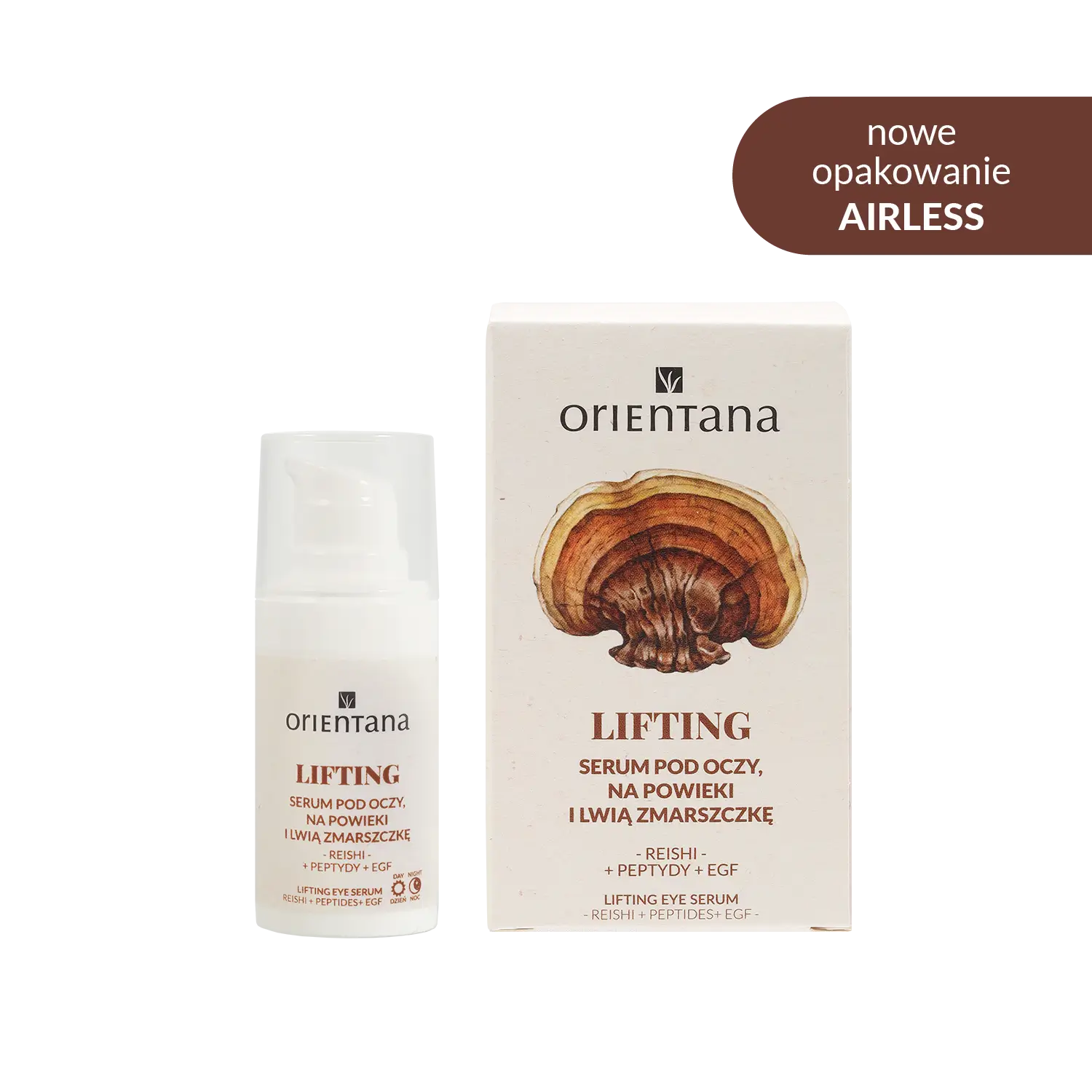
Centella asiatica, also known as Gotu Kola or CICA, has been used in Ayurveda for centuries as a plant supporting the body's regeneration. Today, we know that its potential in skin and hair care is not a myth – it stems from the presence of triterpenes (asiaticoside, madecassoside), which influence skin repair processes and microcirculation. At Orientana, we use Centella asiatica in three specific areas: in the care of mature skin (Bamboo and Ginseng cream), in gentle care of the eye area (Reishi serum and EGF peptides), in the treatment of scalp and hair (Ayurvedic GOTU KOLA therapy). This isn't a K-beauty trend. It's a conscious use of plant biochemistry. If you are interested in K-beauty, read Korean Facial Care - Facts and Myths What is Centella Asiatica and how does it work in cosmetics? Asiatic pennywort is a plant rich in: asiaticoside madecassoside asiatic acid madecassic acid flavonoids In cosmetology it works by: Stimulation of fibroblasts - cells responsible for collagen production. Inhibition of microinflammation - reduction of inflammatory mediators. Improved microcirculation - crucial around the eyes and scalp. Support for the hydrolipid barrier - reduction of TEWL. In short: regenerates, soothes and strengthens. When does the skin need CICA? Your skin may need centella asiatica if: is reactive or irritated, has reduced elasticity, you see the first wrinkles, the eye area looks tired, the scalp is weakened, hair falls out more than usual. CICA works where regeneration and improvement of microcirculation are key. Skin regenerating cosmetics Centella asiatica and mature skin - collagen support One of the best-documented effects of Centella asiatica is its influence on the synthesis of type I and III collagen. Triterpenes activate fibroblasts and increase the production of skin support fibers. This translates to: improvement of firmness, smoothing out fine wrinkles, better skin elasticity. Recommendation: Anti-wrinkle cream for men Bamboo and Ginseng 50 ml The formula combines the action of CICA with: ginseng (energetic stimulation of cells), bamboo (silica - support of the skin structure). This is a cream for skin that needs strengthening and regeneration, without a heavy, greasy formula. Centella asiatica around the eyes - why does it work? The skin under the eyes is: thinner, less vascularized, more susceptible to oxidative stress. CICA improves microcirculation and has anti-inflammatory properties, therefore reducing the visibility of signs of fatigue. Recommendation: Eye and eyelid serum with Reishi and EGF peptides 15 ml Here, pennywort cooperates with: Reishi - a strong adaptogenic antioxidant, EGF peptides - support for repair processes. Effect: smoothing, reduction of fine lines, improved flexibility. Centella asiatica and hair - effect on the hair bulb Studies on dermal papilla cells indicate that standardized Centella asiatica extract can increase the growth potential of DP cells and improve microcirculation by influencing VEGF. What does this mean in practice? Better oxygenation of the hair follicle and a stronger bulb. Recommendation: Ayurvedic hair therapy GOTU KOLA 105 ml This is a product focused on: strengthening the bulbs, hair loss reduction, improving the condition of the scalp. Pennywort works here on many levels - regenerative and microcirculatory. Why do we combine CICA with adaptogens at Orientana? Because regeneration alone is not enough. The skin and scalp are exposed to: oxidative stress, pollution, hormonal changes, UV. Therefore, in our formulas: CICA + Reishi → antioxidant + regeneration CICA + Ginseng → cellular energy CICA + Ayurvedic plant extracts → scalp support This is a holistic approach. You can learn more about oxidative stress from this post . Does centella asiatica work against wrinkles? Yes, by stimulating fibroblasts and collagen synthesis. It doesn't work like retinol (it doesn't exfoliate), but it does support repair processes. Can CICA be used daily? Yes. It is well tolerated in facial and scalp cosmetics and can be used morning and evening. Does centella asiatica work against hair loss? In vitro studies suggest its effects on DP cells and microcirculation. In practice, it works best as part of a strengthening therapy. Is CICA suitable for sensitive skin? Yes, it's one of the most well-tolerated regenerative ingredients. However, a patch test is recommended. How to incorporate CICA cosmetics into your skincare routine? Facial Routine - Man 30+ Cleaning. Bamboo and Ginseng Cream. Reishi Eye Serum. Hair strengthening routine Ayurvedic GOTU KOLA therapy - scalp massage. Washing the oil off the head. Why choose Orientana cosmetics with centella asiatica? plant formulas, combining Ayurvedic traditions with biotechnology, ingredients with proven effectiveness, no random trends. We don't copy K-Beauty. We create Polish, modern skincare based on Asian botany. Summary Centella asiatica in cosmetics is not a fad. It's a regenerative ingredient with documented benefits: supports collagen, improves flexibility, reduces microinflammation, strengthens hair bulbs. If your skin needs rebuilding or your hair needs strengthening, reach for proven formulas from CICA: Ayurvedic hair therapy GOTU KOLA 105 ml Reishi Eye Serum with EGF Peptides 15 ml Anti-wrinkle cream for men Bamboo and Ginseng 50 ml This is care based on knowledge - not on a trend. If you want to better understand what conscious care is, check out the natural cosmetics section, where we discuss the basics of working with your skin step by step.
Learn more