Inspirations
How to care for your hair in the summer? Orientana Trichologist's Guide
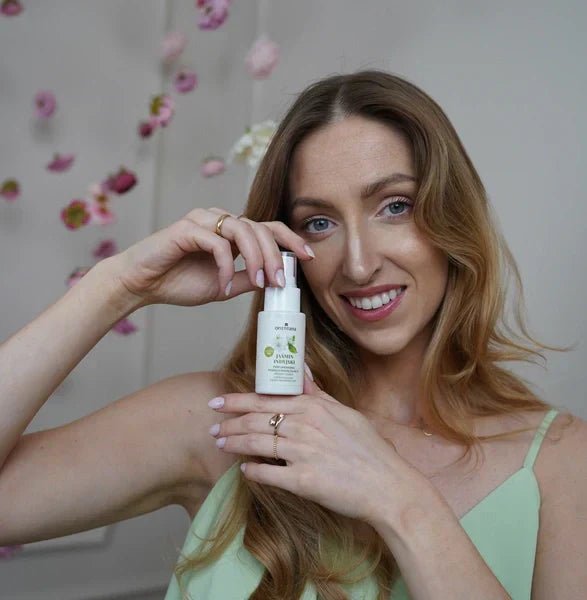
Summer is a time for sun, relaxation, and travel, but it also poses significant challenges for the health of our hair. UV radiation, sea salt, pool chlorine, and frequent washing can cause dryness, brittleness, and excessive hair loss. How to care for your hair in summer to keep it healthy and shiny? Here's a comprehensive guide prepared by Orientan expert and clinical trichologist Magdalena Kania. How to protect your hair from the sun? Exposure to UV radiation damages the keratin structure, leading to loss of moisture and color fading. What can you do? Use natural oils (on the beach) or light moisturizing mists. It's worth knowing that the effectiveness of UV filters used in hair products has not been confirmed , so the most effective protection remains plant oils , which create a protective barrier on the hair against external factors. Wearing a hat or scarf is the simplest and most effective method of physical protection. And it's what I recommend most often. Avoid prolonged exposure to the sun during peak hours. Worth a try: Indian Jasmine Hair Mist – a light, refreshing protective layer, intensely moisturizes the hair, protecting it from drying out. Ayurvedic therapy - will save your hair on the beach, protect against salt water, moisturize your hair. What cosmetics moisturize and nourish hair in summer? Hair loses water more quickly in the summer, requiring intensive hydration and regeneration . UV radiation damages the hair's lipid layer , making it more porous, dull, and rough to the touch. High temperatures , air conditioning, and swimming in salty or chlorinated water only exacerbate this problem. What regenerative ingredients should you look for? Panthenol (provitamin B5) – one of the most effective humectants. It effectively binds water within the hair, soothes the scalp, and improves hair elasticity. Aloe – a natural ingredient with powerful moisturizing, soothing, and regenerative properties. It works well in both hair and scalp cosmetics. Hydrolyzed rice, wheat or silk proteins – fill in gaps in the hair structure, smooth and strengthen, giving hair shine and elasticity. Natural vegetable oils (e.g. coconut, sesame, amla, macadamia) – protect hair against moisture loss, nourish, facilitate combing and protect ends against splitting. Adaptogenic extracts such as amla, bhringraj, centella asiatica – support the scalp in conditions of oxidative stress, counteract the weakening of hair bulbs and brittleness. How to use cosmetics in summer? Introduce a regenerating mask into your skincare routine 1-2 times a week . Apply a light serum or oil to your hair after washing or before going out in the sun. Spray your hair with a moisturizing mist throughout the day, especially after sunbathing or swimming. Don't forget about scalp care – a nourished and moisturized base is the key to healthy hair. Recommended Orientana products: Trycho Lychee Hair Mask Conditioner – contains a blend of vegetable oils and proteins that intensively regenerate and elasticize hair without weighing it down. Trycho Lychee Hair Serum – strengthens hair structure. PLEASE NOTE: This is not a serum for hair ends. It was created with the primary goal of strengthening hair from within, preventing breakage and brittleness. Trycho Lychee Hair Lotion – ideal for scalp exposed to dehydration and irritation in the summer. Remember: in summer, less is more – choose natural, light formulas without silicones and unnecessary synthetics , which can exacerbate dryness and weigh down hair in high temperatures. Does more hair fall out in summer? Increased hair loss in summer and fall is a natural phenomenon, confirmed by research. Here's what the scientific data says: According to the American Academy of Dermatology , it is normal to lose 50–100 hairs a day. During the seasonal hair loss period, many people experience an increase in hair loss of up to 150–200 hairs. What does the research say? Kunz et al. (2009) – A retrospective analysis of 823 healthy women showed that the proportion of hairs in the telogen (resting) phase reached a maximum in the summer, which translates into increased shedding; a second, less pronounced wave occurs in spring. Telogen levels were lowest in winter. Google Trends analysis (2004–2016) by a group from Johns Hopkins and Washington University confirmed: searches for "hair loss" increased significantly in summer and autumn in all analyzed regions (USA, India, UK, Australia, etc.), indicating the seasonal nature of the problem According to other research sources, increased air temperature in summer causes hair to become more brittle and fragile (increase in stiffness by about 3%, decrease in strength by 10%), which may contribute to increased hair loss Biological mechanism – what is happening? During the summer, many hair follicles synchronize and go into the telogen phase, or resting phase, which is responsible for hair loss after about 2-3 months. This phenomenon is sometimes interpreted as an adaptation – in the colder months we naturally need thicker hair for thermal protection, and in the summer this "excess" is removed. The influence of summer factors UV radiation – has an oxidative effect on hair bulbs, weakens the hair structure; may lead to increased hair loss High temperature and climate – irritate the scalp, increase hair brittleness Dehydration, mineral deficiencies, stress, chlorine or sea salt – all these factors can increase hair loss in the summer. Practical tips – how to strengthen your hair in summer? During the summer, hair is exposed to many harmful factors: UV radiation, salt water, chlorine, high temperatures, and more frequent washing. To maintain its good condition and reduce seasonal hair loss, it's worth making a few key changes to your daily routine. Find out how to care for your hair in the summer – effectively, naturally, and without overloading it. Take care of your scalp and hair follicles Summer hair care should start with the basics: the scalp . UV radiation, high temperatures, and frequent washing can weaken hair follicles and impair microcirculation. What is worth doing? Use strengthening lotions with adaptogens : amla, centella asiatica, caffeine, ginseng – these ingredients support circulation, oxygenation of hair follicles and reduce hair loss. Choose trichological products without alcohol, with the addition of arginine , quinine or Baicapil™ . Remember about diet and hydration – hair care from the inside In the summer, it's easy to become dehydrated and deficient, which directly impacts hair condition. This is one of the most common causes of seasonal hair loss. What to include in your diet? Products rich in B vitamins , zinc , iron , biotin , silicon and complete protein . Regularly drinking water (at least 2 liters a day) is the basis for hydrating the scalp and hair follicles. Protect your hair from mechanical and thermal factors Heat and friction increase damage to the hair shaft and, in color-treated or fine hair, can lead to brittleness and breakage. Rules for summer hair protection: Avoid tight updos and hair bands with metal elements. Limit straightening and blow-drying with hot air. After swimming in the sea or pool, gently pat your hair dry with a microfiber towel . Reach for light, natural hair cosmetics In summer, hair needs regeneration, but it shouldn't be weighed down with heavy silicones or oils. Opt for natural, lightweight formulas that moisturize without making it greasy. Ingredients worth paying attention to: Panthenol – moisturizes and soothes. Rice proteins – strengthen and rebuild the hair structure. Oils e.g. tsubaki, pracaxi – light, protecting against dryness. Use regular regenerative rituals Summer is not the time for excess products, but it is worth introducing a few care rituals that will effectively rebuild your hair. What to use? Regenerating mask 1-2 times a week – preferably on damp hair, for at least 10 minutes. Daily moisturizing mist – especially after sun, swimming or swimming in the sea. Hair serum – protects against breakage and dryness. Observe and respond to signals Seasonal hair loss is normal, but if it lasts longer than a few weeks, it may indicate hormonal problems, deficiencies, or oxidative stress. When to go to a specialist? If you are losing more than 150-200 hairs per day for 2-3 weeks. If you notice thinning, receding hairline or itchy scalp. It is then worth visiting a dermatologist or trichologist and performing basic tests (e.g. blood count, ferritin, vitamin D3 and B12 levels). When to worry? Increased hair loss in summer is, in most cases, a natural and temporary reaction. Research indicates that: up to 25–30% of hair may enter the telogen phase , which results in increased hair loss In Poland and the European region, peaks are usually observed in August–September (sometimes October). The key is preventative care, hydration, diet, and gentle cleansing of the scalp. If hair loss suddenly becomes severe, it's best to consult a specialist. Oiling hair in summer – how to do it? Oiling is one of the most versatile and effective skincare rituals – even in summer. While many people fear greasiness and heaviness, a properly chosen method can produce visible results without the risk of a "wet hen" effect . Is it worth oiling your hair in the summer? Absolutely, yes – as long as you adjust the method and frequency to your hair's current needs. In the summer, hair is drier, porous, and prone to breakage – especially at the ends. Regular oiling: protects the ends against splitting and UV radiation , strengthens hair fibers , increases flexibility and resistance to mechanical damage , prevents moisture loss , especially after swimming in salty or chlorinated water. Which oil should I choose? In summer, it is worth choosing light, quickly absorbing oils that do not weigh down the hair and do not leave a greasy layer: Grape seed oil – rich in antioxidants and fatty acids, light, ideal for thin and delicate hair. Amla oil – an Ayurvedic classic, strengthens hair follicles and has antioxidant properties. Bhringraj – has a regenerating effect and prevents hair loss. Coconut oil (fractionated) – light and stable at high temperatures. How to properly oil your hair in summer? Apply the oil before washing – preferably on slightly damp hair (you can spray it with hydrolate or water). Use a small amount – 3–6 drops on the scalp and rub the remaining oil into the ends. Don't keep the oil in for too long – 15–30 minutes is enough in hot weather. After applying, tie your hair into a loose braid or bun. Rinse with a mild SLS-free shampoo – you can use the OMO method (conditioner-wash-conditioner). How often should you oil your hair in summer? For dry and damaged hair: 2 times a week . For normal and fine hair: once a week . For oily hair: only on the ends, every few days . Worth a try: Amla Oil Thickness – contains natural oils and can also be used for oiling the ends. Growth oil (therapy) Oiling isn't just about hair care—it's a ritual that allows you to care for your hair in harmony with nature and the philosophy of Ayurveda. Just a few minutes is enough to restore shine, softness, and elasticity—without weighing it down. How often should you wash and style your hair in hot weather? High temperatures, increased sweating, spending more time outdoors, and wearing hats – all of this causes hair to lose its freshness more quickly in the summer. Washing it daily may be necessary, but it's important to do it consciously and with care for your scalp. How often should you wash your hair in summer? There is no one universal answer – the frequency should be adjusted to the type of scalp and lifestyle: Daily – if you tend to have an oily scalp, sweat a lot, or wear tight hats. Every 2–3 days – if your scalp is normal and you do not spend long periods in direct sunlight. Remember that washing your hair every day will not harm your hair as long as you use a gentle shampoo without SLS and alcohol and keep your scalp moisturized. Which shampoo should I choose? In summer, choose light, soothing formulas with natural extracts that cleanse without drying. Choose gentle, natural cleansing ingredients: Sodium Cocoamphoacetate – a mild amphoteric cleansing agent, often used in cosmetics for sensitive skin. Disodium Cocoyl Glutamate – a gentle anionic surfactant based on glutamate, biodegradable and skin-friendly. Sodium Cocoyl Glutamate – similar to the above, an anionic surfactant of plant origin. Coco-Betaine – an amphoteric surfactant that additionally has a conditioning effect and supports foam formation. Caprylyl/Capryl Glucoside – a very mild non-ionic surfactant, often used in micellar formulas and facial cleansers. Reetha nuts - natural saponins from organic nuts Cleansing ingredients should be supported by active ingredients. I recommend Orientana shampoos. Styling your hair in summer – how to avoid harm? High temperatures and UV radiation make hair more susceptible to damage. Here's how to minimize the damage: Avoid using straighteners and curling irons daily. In the summer, it's best to opt for natural waves and heat-free updos. Dry your hair with a cool air flow or let it dry naturally. Tie your hair into a loose braid or bun – it's not only comfortable, but also protects against the sun and friction. What to avoid when styling? Heavy silicones and alcohol-based products that can dry out and weigh down hair. Varnishes and foams with irritating preservatives. Hard brushes and excessive backcombing. Styling and washing your hair in the summer doesn't have to be a chore – the key is gentleness, choosing products wisely, and avoiding overheating your hair. Opt for natural care – your hair will thank you for it. Dyed hair in summer – how to care for the color? During the summer, colored hair is particularly vulnerable to UV radiation, high temperatures, and chlorinated and salty water. These factors can lead to color fading, dryness, and weakened hair structure. Proper care can significantly prolong the color's vibrancy and improve the condition of your hair. Why does the color wash out? Hair coloring is a chemical process that weakens its structure. Hair becomes more porous, allowing it to lose pigment, water, and nutrients more easily. In the summer, pigment washes out more quickly due to: the effects of UV radiation, color oxidation by chlorine and salt, more frequent washing and contact with water, using inappropriate care cosmetics. How to care for your color in summer? Use cosmetics for colored hair – rich in antioxidants, humectants and emollients, e.g. the Trycho Lychee series. Avoid shampoos with strong detergents (SLS, SLES) – they can over-cleanse and accelerate color fading. Wash your hair with cool or lukewarm water – hot temperatures open the cuticles and promote pigment loss. Apply masks and conditioners with proteins and vegetable oils – they help rebuild the hair structure. Use natural oils before sunbathing or swimming in the sea – they create a protective barrier. Protect your ends with oil – it prevents splitting and loss of color. Remember that even the best-matched color won't last long without proper care. Summer is a time of intense regeneration and protection—especially for color-treated hair. Bathing in the sea and pool – how to protect your hair? Seawater and chlorinated pool water can negatively impact hair structure. Sea salt has a strong hygroscopic effect, drawing moisture from hair and leaving it dry, stiff, and dull. Chlorine, on the other hand, opens hair cuticles, increasing porosity, fading color, and causing dullness and brittleness. How to effectively protect your hair from the harmful effects of bathing? Wet your hair with clean water before entering the sea or swimming pool – this will make it saturated with water and absorb less salt or chlorine. Apply protective oil to the lengths and ends of your hair – it creates a lipid barrier that limits the penetration of harmful substances. Tie your hair in a loose braid or updo – this limits contact with water and reduces friction. Wear a bathing cap (especially in the pool) if possible. After bathing, rinse your hair with clean water as quickly as possible – don't let salt or chlorine dry on your hair. Orientana oils as natural protection Orientana natural body and hair oils are a perfect way to protect your hair from the effects of seawater and chlorinated water: Simply apply a few drops of oil to damp hair and spread evenly along the lengths – just before entering the water. Orientana oils are free of silicones and synthetic preservatives, so they are also safe for the scalp. After-bath care After bathing, rinse your hair thoroughly with clean water. Wash your hair with a mild shampoo. Apply a regenerating mask or light conditioner. Finally, secure the ends with serum or reapply a small amount of oil. Regularly following this routine will help you keep your hair healthy, soft and shiny even after a busy holiday. Protective summer hairstyles – what is worth wearing? A proper summer hairstyle isn't just a matter of aesthetics and comfort, but also an effective way to protect hair from mechanical damage, UV radiation, and moisture loss. A well-chosen updo reduces friction, limits contact with sweat and water, and protects delicate ends. Why is it worth tying your hair up in the summer? You reduce the surface area exposed to UV rays. You protect your ends from drying out, splitting and breaking. You reduce the oiliness of your hair caused by contact with sweat. You protect your hair from tangling in the wind. The best protective hairstyles for summer A loose classic or Dutch braid is perfect for everyday wear, reduces friction and exposes less hair to the sun. A high messy bun is perfect for the beach and during physical activity, it relieves the neck and doesn't damage the hair. Low chignon – elegant and comfortable, it can also be worn with a hat. A ponytail with a covered elastic band (e.g. wrapped with a strand of hair) is a simple way to look neat without exposing the ends. Two braids – a perfect style for trips or prolonged exposure to the sun. What to avoid? Updos with tight elastic bands – they cause tension in the scalp and can weaken the hair follicles. Styling with metal clips heating up in the sun. Tapir and strong combing – damage the hair cuticle and hinder regeneration. Natural support for protective hairstyles Before tying your hair up, protect it with hair serum. With protective hairstyles, you can enjoy summer without worrying about your hair's condition. It's a simple, stylish, and natural way to maintain its health—even on the sunniest days. Summer hair care requires special attention – UV radiation, salt, chlorine, and heat can negatively impact hair structure. However, with conscious care – from sun protection, through moisturizing and oiling, to choosing the right hairstyle – you can effectively protect your hair from drying out, brittleness, and color loss. The Orientana range includes natural, vegan cosmetics based on Ayurvedic recipes, as well as those with ingredients straight from a trichological laboratory - supporting hair health at every stage of care. Discover the hair care category and find products perfect for summer! Have any questions? Contact an expert or leave a comment below – we'll help you choose the best solutions for your hair!
Learn more
How to care for dyed hair – 7 rules that will save your color and shine
Dyed hair means not only a new color and a fresh look – it also means new care needs. Coloring, especially chemical coloring, weakens the hair structure, exposing it to dryness, loss of shine, and brittleness. If you want to enjoy a beautiful color for as long as possible, it's worth taking care of your hair consciously and comprehensively. In this post, we will tell you how to effectively care for dyed strands with the help of natural, trichological cosmetics from the Lychee series by Orientana. You only need four cosmetics! Dyed hair requires gentle cleansing Shampoo really matters. After coloring, hair often becomes more sensitive, loses its natural resistance, and can be prone to dryness. This is why choosing the right shampoo becomes crucial in daily care. Ordinary, strong cleansing products can act too aggressively on delicate strands and wash out the pigment from the hair. Therefore, it is worth reaching for a shampoo that not only effectively cleanses but also acts gently on the scalp and the hair itself. Lychee moisturizing trichological shampoo from Orientana is based on natural ingredients such as ectoine, enzymes, and prebiotics. Thanks to them, it not only cleanses the hair of excess sebum and impurities but also soothes the scalp and protects the freshly applied color. Its moisturizing action helps maintain an optimal moisture level in the hair structure, which is especially important for strands exposed to chemical treatments. Washing hair does not have to be done daily. For dyed strands, this can be done every 2-3 days to avoid excessive dryness. Additionally, it is worth avoiding vigorous rubbing with a towel – instead, it is better to gently squeeze out water with a soft microfiber towel. Deep hydration and regeneration – Your care base After coloring, hair quickly loses its elasticity and resilience. With the loss of natural lipids, its structure becomes porous, and thus more susceptible to breakage and frizz. This is why the use of regenerating conditioners and masks is an essential part of hair care. Lychee trichological conditioner-mask from Orientana is a cosmetic that, thanks to the presence of the advanced FiberHance™ bm solution complex, effectively rebuilds the internal structure of the hair. Additionally, tsubaki oil gives the strands softness and shine, while pracaxi oil has a nourishing and smoothing effect. Regular use of this mask, not only as a weekly treatment but also as a conditioner after each wash, significantly improves hair condition. Hair becomes soft and shiny after just 60 seconds of application. Hair becomes elastic, smoother, and more resistant to breakage. Thanks to intense hydration, the strands regain a healthy appearance, detangle more easily, and style beautifully. Strengthening and stimulating growth – because healthy follicles = strong hair Coloring affects not only the hair shaft but also the scalp and follicles. A well-nourished scalp is the foundation for healthy and strong hair. For this purpose, it is worth incorporating a hair tonic into your care routine, which stimulates microcirculation and supports the growth of new, strong strands. Lychee trichological hair tonic from Orientana is a cosmetic that works comprehensively – thanks to its content of arginine, quinine, Baicapil™ complex, and sodium lactate, it supports blood circulation in the scalp, which in turn stimulates hair follicles to work. Hair follicles become better nourished, and thus healthier and more active. The result? Less hair loss and faster growth. It is best to apply the tonic in the evening – after washing or to a dry scalp – and perform a few minutes of finger massage. This will not only improve the absorption of active ingredients but also relax and stimulate the skin for regeneration. Protection against external factors – sun, wind, and styling Colored hair is particularly vulnerable to UV radiation, wind, urban pollution, and daily mechanical damage. To maintain color intensity and healthy hair appearance, adequate protection is essential. The Lychee smoothing serum from Orientana is a product that creates an invisible, light protective layer on the hair surface. Gluconolactone and lactic acid smooth the hair structure, facilitate detangling, and reduce the risk of breakage. Importantly, the serum can be used on damp hair after washing, as well as on dry hair – as the final step in styling. The Procondition 22 complex with smoothing and antistatic properties is considered a gentler, more natural alternative to classic silicones and synthetic conditioning agents. Regular use of protective cosmetics helps not only preserve color but also limit the impact of harmful external factors, keeping hair healthy and shiny for longer. Limit high temperatures – heat = color loss Hair dryer, straightener, curling iron – all these devices emit high temperatures that can be deadly for dyed hair. High temperature opens the hair cuticles, causing the pigment to wash out faster, and the hair itself becomes dry and dull. Therefore, it is worth limiting hot styling to a minimum. Instead of hot air, choose cool or lukewarm air, which will also dry your hair well without damaging its structure. If you use a straightener or curling iron, remember thermal protection – Lychee serum will be perfect for this role. It's also worth trying alternatives: rollers, braids overnight, or styling with a headband will allow you to achieve beautiful waves without heat. Your hair will certainly appreciate it – it will be more elastic, less brittle, and retain its color longer. Care for your color – pigment protection every day Hair color doesn't just fade from the sun. Daily habits also affect it: too hot water during washing, chlorine from the pool, air pollution, or using overly strong shampoos. All of this leads to a gradual loss of color intensity. To prevent this, it's worth washing your hair in lukewarm water and – if possible – using boiled or filtered water for the final rinse. Products from the Lychee series are free of SLS and SLES, non-aggressive, so they do not wash out color while effectively caring for it. In summer, it's good to have a hat or scarf with you – they not only protect your head from overheating but also act as a barrier against UV rays, which are an enemy of lasting color. Unfortunately, there are no hair cosmetics with a proven sun-protective filter. So, it's best to cover your hair on very sunny days. Regular trimming and professional support Dyed hair, especially at the ends, tends to be dry and split. Even the best cared-for strands will not avoid the need for regular trimming. By trimming the ends every 6–8 weeks, you not only maintain the aesthetic of your hairstyle but also prevent further damage to the hair structure. Don't be afraid to visit a hair salon – professional regenerating treatments, such as keratin reconstructions, nourishing ampoules, or steam saunas, can significantly improve the condition of your hair without affecting the color. Combining conscious home care with occasional support from a hairdresser is a recipe for lasting color and healthy, shiny strands. Dyed hair - natural care is the best investment Daily care for dyed hair requires attention and conscious choices. Instead of experimenting with random products, it is worth trusting proven solutions – such as the Trycho Lychee series from Orientana. Thanks to natural ingredients, effective formulas, and gentle action, these cosmetics not only help maintain color durability but, above all, rebuild the hair structure and support a healthy scalp. Well-chosen care is not a luxury – it is daily care that pays off with healthy, beautiful, and shiny hair. If you love your color, let it stay with you as long as possible – with the help of Orientana.
Learn more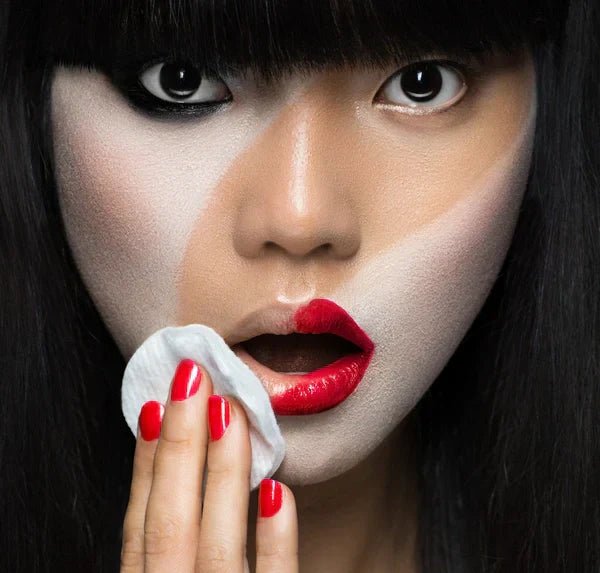
Effective makeup removal: how to care for your skin with Orientana
Makeup removal isn't just an evening ritual, but the foundation of healthy, radiant skin. Improper cleansing can lead to dryness, clogged pores, and premature aging. In this article, we'll show you how to effectively remove makeup using natural products inspired by Ayurveda and Asian skincare rituals. Why is effective makeup removal the basis of skincare? Cleansing as a condition for healthy skin Throughout the day, skin is exposed to environmental pollutants (smog, dust, heavy metals), sebum, sweat, and makeup. Leaving these substances on the surface of the epidermis promotes bacterial growth and the development of imperfections . As a study published in the International Journal of Cosmetic Science (2018) found, improper cleansing can lead to increased oxidative stress and accelerated aging. Clogging pores and imperfections Makeup residue, especially waterproof products, can block the sebaceous glands . This can result in blackheads , lumps , pimples , and even inflammation. This is especially important for oily and combination skin, which tends to overproduce sebum. Weakening of the hydrolipid barrier Lack of thorough yet gentle makeup removal disrupts the skin's natural protective barrier . The skin becomes more susceptible to irritation , dryness , and the aggressive effects of external factors such as wind and temperature changes. Clinical studies confirm this, showing that carefully selected cleansers can improve the epidermal barrier function and reduce transepidermal water loss (TEWL). Effectiveness of further care Even the best-chosen serum or cream won't be fully effective if applied to contaminated skin . Clean skin absorbs active ingredients better . According to research published in the Journal of Investigative Dermatology (2015), applying cosmetics to uncontaminated skin increases their effectiveness by up to 30%. Different makeup removal methods – which one to choose for healthy skin? Makeup removal isn't just about removing makeup—it's the first and crucial step in facial skincare. If done incorrectly, cosmetic residue, sebum, and environmental pollutants will hinder skin regeneration and the absorption of active ingredients . Learn about the most popular makeup removal methods and why two-step cleansing—especially with oil—is the most effective. Two-step facial cleansing – the best makeup removal method What does it involve? This method, inspired by Asian beauty rituals, consists of two stages: Step 1: cleansing with oil (e.g. natural makeup removal oil) that dissolves oily impurities, makeup and SPF. Step 2: Cleansing with a water-based product (e.g. gel or foam) that removes oil residue and dissolved impurities. Advantages: Thoroughly but gently removes makeup (including waterproof makeup) Does not damage the skin's hydrolipid barrier Suitable for all skin types, including sensitive and dry skin No rubbing of the skin required Supports microbiome balance Defects: It requires the use of two products – but the results definitely make up for it. For whom? For anyone who wants to take care of their skin thoroughly, but without irritation – especially recommended for dry, sensitive, mature skin and skin prone to impurities. Micellar water – a quick solution, but not for everyone What does it involve? Micellar waters contain micelles—molecules that bind oil and water. After wetting a cotton pad with the solution and wiping the skin, the micelles dissolve makeup and impurities. Advantages: A quick and convenient way No water required – perfect for traveling A good emergency solution Defects: Requires rubbing of the skin, which may lead to irritation Leaves a layer of surfactants - always wash it off with water Does not cope well with heavier makeup and UV filters With prolonged use, it may dry out or disrupt the epidermal barrier. For whom? For those looking for a quick solution or needing a product for touch-ups during the day – but not as a daily makeup removal method. Makeup remover milk – a gentle classic What does it involve? Makeup removers are emulsions that dissolve makeup and impurities. They are applied with your hands or a cotton pad, then rinsed off with water or a tissue. Advantages: Gentle for skin, especially dry and mature skin Leaves a light protective film Defects: May be too heavy for oily and combination skin I often don't remove waterproof makeup May clog pores if not rinsed thoroughly For whom? For people with dry, atopic, very sensitive skin – but it is worth supporting them with a gentle gel in the second stage. Gloves and makeup removal wipes What does it involve? These are reusable accessories made of microfibers that allow you to remove makeup using only water – without cosmetics. Advantages: Ecological and economical Quick to use No need to use additional cosmetics Defects: They do not thoroughly remove UV filters and waterproof makeup. They require frequent washing and may accumulate bacteria. Mechanical friction can irritate the skin For whom? For minimalists, when traveling, for quick touch-ups – but they should not replace full-fledged makeup removal. Makeup removal wipes – the least recommended method What does it involve? These are disposable wipes soaked in detergents and preservatives. Advantages: Extreme comfort Good for emergency situations (e.g. plane flight) Defects: Strongly irritating to the skin - may contain alcohol, synthetic fragrances and preservatives They leave behind remnants of makeup and impurities They are not environmentally friendly For whom? For emergency use only. Not recommended for daily use. Why choose two-step facial cleansing? Two-step facial cleansing – preferably using a natural makeup removal oil and a mild gel – is the most effective and safe method of makeup removal. Not only does it thoroughly cleanse the skin of makeup and SPF , but it also supports the hydrolipid barrier and prevents imperfections . This daily skincare ritual truly improves the appearance and condition of the skin. Natural oils and makeup removers Orientana offers natural makeup removers that combine traditional plant ingredients with modern biotechnology. Their formulas are inspired by Ayurveda and Asian facial cleansing rituals. Recommended products: Golden Orange Makeup Remover Oil – dissolves makeup, soothes and protects against dryness. Facial cleansing foam - cleanses the skin of residual oil and sebum, moisturizes the skin Tonic – restores the proper pH and prepares the skin for the next stages of care. Step-by-step steps for effective makeup removal Makeup removal oil This first step helps dissolve makeup (even waterproof), sunscreen, and impurities. Massage the oil onto dry skin, then rinse with water or blot with a damp cotton pad. Why is it worth it? Does not disturb the hydrolipid barrier, Contains natural oils and extracts from Ayurvedic plants, Strengthens the skin and has a soothing effect. Cleansing foam or gel (water stage) This is the second, crucial step in cleansing, which removes residual oil, sweat, and water-soluble impurities. Choose products with natural ingredients, free of SLS/SLES, that cleanse without drying the skin. What should you look for in the composition? Mild plant-based cleansing agents (e.g. Coco-Glucoside, Decyl Glucoside), Plant extracts (e.g. aloe, rose, ashwagandha, cucumber), Moisturizing humectants (e.g. glycerin, betaine, trehalose), Soothing additives (e.g. panthenol, allantoin). Why is it worth it? Removes remnants of makeup and oil, Refreshes and prepares the skin for the next stages of care, Does not disturb the hydrolipid barrier, Helps cleanse pores without causing any tightening effect. Tonic Finally, it's worth restoring the skin's optimal pH. Orientan Rose Tonic not only tones, but also soothes, moisturizes, and supports the regeneration of the skin's microbiome. Why is it worth it? Restores the skin's pH balance, Contains rose water, hyaluronic acid and natural prebiotics, It soothes and prepares the skin for further care steps. What to avoid when removing makeup? Makeup removal isn't just the first step in your evening skincare routine, but the foundation for healthy skin. However, if done incorrectly, it can do more harm than good. Here's what you should absolutely avoid to avoid worsening your skin's condition: Strong detergents (SLS, SLES and their derivatives) Sodium Lauryl Sulfate (SLS) and Sodium Laureth Sulfate (SLES) are cheap and effective surfactants that produce high levels of foam. Unfortunately, their intense cleansing action leads to: removal of the skin's natural lipid barrier, dryness, irritation and even micro-damage to the epidermis, intensification of problems with sensitive and vascular skin. Also avoid: Ammonium Lauryl Sulfate, TEA-Lauryl Sulfate, PEGs in large quantities. Instead, choose: mild cleansers such as Coco-Glucoside, Decyl Glucoside, Sodium Cocoyl Glutamate. Rubbing the skin with a cotton pad or towel Mechanical friction, especially when using dry or rough cotton pads, leads to: microdamage to the stratum corneum of the epidermis, irritation and redness, stretching the skin – especially around the delicate eye area. Instead of rubbing: gently apply the cotton pad soaked in the product to your eyelid and wait until the makeup dissolves, use oils that easily emulsify dirt without the need for scrubbing, Dry your face with a cotton or microfiber towel, applying it point by point, without rubbing. Skipping toner or toning essence Tonic is not just an “optional” step – it has an important function: restores the proper pH of the skin after cleansing, calms the skin after contact with water, moisturizes and prepares the skin to receive serum and cream. Effects of skipping tonic: feeling of tightness and dryness, microbiome disorders, weakening the effect of subsequent cosmetics. Washing your face with hot water Water temperature too high: dilates and weakens blood vessels, promotes the formation of redness and permanent spider veins, dehydrates the skin and intensifies dryness. Instead: use lukewarm or cool water – especially for vascular and sensitive skin. Using makeup removal wipes Although convenient for travel, they are not suitable for everyday use: they often contain alcohol, preservatives and fragrances, they only smear dirt and makeup on the skin's surface, may cause irritation and allergic reactions. Alternative: You can remove waterproof makeup more effectively and without irritation by using oil and a mild gel/foam. Makeup removal with only one product (no oil or water step) A common mistake is to use only micellar water or only gel, which results in: inaccurate removal of makeup, SPF and impurities, accumulation of cosmetic residues in pores, increased risk of blackheads, inflammation and dryness. The best approach? Two-phase cleansing: first oil (or balm), then a gentle water-based product – foam or gel. Recommended Orientana cosmetics: Golden Orange Makeup Remover Oil Facial cleansing gel Facial cleansing foam Soothing Tonic Have questions about natural makeup removal? Drop us a line or leave a comment below!
Learn more
Natural cosmetics in summer - how to care for skin and hair in harmony with nature
Summer is a time when our skin and hair are particularly exposed to the sun, wind, salt water, and high temperatures. While warm days encourage outdoor activities and improve mood, they can also lead to skin dehydration, irritation, and even accelerated skin aging. That's why it's worth paying special attention to daily care during the summer. Reach for natural cosmetics in summer as they are gentle, effective, and pleasant even for the skin. Natural cosmetics are distinguished by their simple, clean composition based on plant extracts, oils, and hydrolates. They do not contain additives such as parabens or aggressive sulfates like SL, which can be irritating, especially with frequent exposure to UV radiation. Moreover, in summer, the skin tends to be more reactive – this is precisely why it is worth opting for care that supports its natural functions and does not disrupt the hydrolipid balance. In this article, you will find a comprehensive guide on how to use natural cosmetics in summer, what to look for when choosing them, and how to prepare simple, homemade recipes ideal for the summer months. You will also learn which ingredients will work best for face, body, and hair care when temperatures rise. Why choose natural cosmetics in summer? Summer is a special time for our skin – on the one hand, sun rays improve well-being and support vitamin D synthesis, but on the other hand, they can lead to dryness, discoloration, and excessive sensitivity. That's why during the vacation period, it's worth opting for gentle cosmetics for summer that do not burden the skin and at the same time effectively care for it. More and more people are reaching for natural ingredients in cosmetics that support skin health and do not contain unnecessary additives. In summer, we eagerly enjoy the charms of nature: mountain hikes, swimming in the sea, trips to the lake, or moments spent by the hotel pool are an integral part of summer relaxation. However, despite the joy these activities bring, skin and hair are then exposed to serious damage. Natural cosmetics in summer play a key role here – they not only nourish but also truly protect against the effects of exposure to sun, wind, salt, and chlorine. How and where the sun affects us Mountains – sun, wind, and intense UV radiation In higher mountain regions, UV radiation is much stronger than in lowlands. Even if you use sunscreen, strong wind and sweat can weaken its effect. Additionally, facial skin and lips often become dry and chapped. Natural cosmetics in summer, such as cosmetics with vitamin C, provide an essential protective barrier under sunscreens. It is worth choosing products that not only protect against the sun but also support their action. Sea – salt, sun, and skin dehydration Seawater is a natural exfoliant, but with prolonged contact, it can lead to intense skin dehydration and brittle hair. Salt weakens the natural hydrolipid barrier and can contribute to itching, flaking of the epidermis, and fading hair color. Natural hair cosmetics in summer, such as hair oils and natural regenerating masks, help rebuild hair structure and retain moisture. For the skin, it is worth ensuring regular hydration with body butters. Pool – chlorine and the skin's protective barrier Swimming in the pool, although pleasant, carries the risk of skin and hair contact with chlorine – a substance that strongly dries and irritates. The skin can become rough, tight, and hair dull and coarse to the touch. Natural cosmetics in summer, such as gentle SLS-free shampoos and conditioners with plant proteins, help restore balance. Hair oils applied before swimming are also effective – they create a protective layer, minimizing the effect of chemicals. Sun penetrating SPF – a hidden threat Although sunscreens are an absolute must for summer care, it's worth remembering that no protection is complete. Sweat, contact with water, and lack of reapplication mean that UV radiation can still damage the skin. Therefore, UV filter should be supplemented during our sun exposure. After a whole day in the sun, it's worth reaching for regenerating cosmetics with a light consistency such as serum ampoules or body oils. Plant-derived ingredients – gentleness and effectiveness Natural cosmetics in summer are based on plant extracts, oils, and hydrolates that perfectly moisturize, nourish, and regenerate the skin. Ingredients such as aloe are soothing and moisturizing. Thanks to them, natural ingredients in cosmetics effectively support the skin's natural defense mechanisms without disturbing its balance. Importantly, these are biocompatible substances – more easily absorbed by the skin and better tolerated than synthetic counterparts. Avoiding highly active ingredients when exposed to the sun High temperatures and UV rays can react with chemical cosmetic ingredients, such as acids or retinol, sometimes leading to irritation, photosensitivity, and even skin allergies. By choosing gentle cosmetics for summer based on natural ingredients, we reduce the risk of such reactions. The lack of aggressive ingredients is a big advantage, especially in hot climates, when the skin reacts more quickly to all external stimuli. Better tolerance for sensitive and dry skin Summer can severely strain the skin's hydrolipid barrier – especially with frequent sunbathing, swimming in salt water, or using air conditioning. In such conditions, the skin becomes sensitive, dry, and red. Natural cosmetics in summer are an ideal solution for people with delicate and irritation-prone skin. Their light formula soothes, regenerates, and restores comfort without a "mask" effect or greasiness. An example is the Moisturizing Serum Ampoule. Natural cosmetics in summer - face care In summer, facial skin requires special attention. Frequent exposure to the sun, sweat, dust, and higher temperatures can lead to overload, dehydration, and loss of radiance. Therefore, it is worth opting for natural cosmetics that will provide effective yet gentle support. Natural formulas can cleanse, moisturize, and protect the skin without disrupting its natural balance. Cleansing without irritation – natural and SLS-free The first step in summer facial care is thorough but gentle cleansing. It's worth reaching for natural SLS-free face washes or natural foams that do not damage the skin's protective barrier. Instead of strong detergents, such products are based on plant-based cleansing agents, such as coconut glucosides or soapwort extracts. Thanks to this, they cleanse the skin of sweat, sebum, and impurities without causing dryness or a feeling of tightness – which is especially important on hot days. It's worth trying the Demake-up Foam with Japanese Kantola. Intensive hydration – trehalose, tremella, hyaluronic acid In summer, the skin easily loses moisture, so hydration is a key element of care. Modern, plant-based humectants are increasingly appearing in natural cosmetics – such as trehalose (a plant sugar that protects cells from dehydration) or Tremella mushroom extract, which acts as a natural alternative to hyaluronic acid. Thanks to them, natural summer creams not only moisturize the skin but also create a delicate protective film on its surface, protecting against water loss. This is an ideal solution for combination and dry skin during hot weather. Try the Hydro Tremella series. Natural sun protection – mineral filters The last but crucial element of the summer routine is sun protection. It is worth choosing a natural UV filter based on zinc oxide or titanium dioxide – these are mineral ingredients that act like a mirror, reflecting UV rays from the skin's surface. Unlike chemical filters, they do not penetrate deep into the epidermis, making them safe even for sensitive and allergic skin. Natural creams with SPF 30 or 50 are a must-have every day – not just on the beach, but also in the city. But what under sunscreen if cream is a bit too much? Choose one of the four serum ampoules. Used under SPF, they will prevent the SPF cream from pilling. Natural body care in summer Summer is the time of year when the skin of the entire body needs special attention. UV radiation, swimming in salt water, and air conditioning can result in dryness, loss of elasticity, and hypersensitivity. By using natural cosmetics in summer, we can effectively take care of its condition without burdening it with chemical additives. Natural body care is not just a pleasure – it's an investment in skin health. Sugar and salt scrubs – home SPA with plant oils Regular exfoliation of dead skin cells is an absolute must for summer care. You can easily prepare a homemade scrub by combining sugar or salt with a natural plant oil – e.g., coconut, almond, or olive oil. Such self-made products not only remove dead cells but also nourish and moisturize the skin. Using them twice a week makes the skin smooth, radiant, and better able to absorb active ingredients from lotions or oils. Body butters – rich care from Orientana After exfoliation, it's time for intensive hydration and nourishment. In summer, body butters containing shea butter, coconut oil, or apricot kernel oil work perfectly. A great example are products from the Orientana brand – natural body lotions, which contain only natural ingredients, without parabens or artificial preservatives. Their rich yet well-absorbing formulas are ideal for summer, especially after sunbathing, when the skin needs soothing and regeneration. After-sun oil – regeneration and relaxation with jasmine After an intense day in the sun, a natural oil that restores skin balance and hydration is essential. An excellent choice will be Orientana Jasmine Oil, which contains, among others, sesame, rice, and sunflower oil. Such a composition has a regenerating effect, soothes irritation after sunbathing, and leaves the skin soft and subtly fragrant. Natural oils are also a great alternative to traditional lotions – especially in the evening, after bathing. Orientana Jasmine Oil smells beautiful and is worth using as an aromatherapy calming for the skin after a hot day. Daily moisturizing is key to healthy skin in summer High temperatures, wind, and air conditioning lead to rapid water loss from the skin. Therefore, daily moisturizing is a necessity, regardless of skin type. By using natural cosmetics in summer, such as Orientana butters and oils, you provide your skin with everything it needs: hydration, regeneration, and protection. Regular application after a shower or bath makes the body supple, smooth, and resistant to dryness. Natural cosmetics in summer - hair care In summer, hair is exposed to many harmful factors – UV rays, sea and chlorinated water, high temperatures, and wind can cause dryness, brittleness, and loss of shine. To maintain a healthy-looking hairstyle, it is worth opting for natural hair cosmetics in summer, which care without unnecessary chemicals, strengthen the hair structure, and provide adequate protection. Protection against sun and sea salt – hair oiling Hair oiling is one of the most effective ways to protect it in summer. Natural plant oils create a protective layer on the hair that protects it from drying out, the effects of sea salt, or chlorine from the pool. Orientana offers a wide range of hair oils, which are based on Ayurvedic recipes and ingredients such as amla, neem, bhringraj, or jasmine oil. Regular oiling (e.g., 1–2 times a week) strengthens hair from the roots, prevents frizz, and makes it more resistant to damage. It's worth rubbing oil into your hair before going to the beach. Natural SLS-free shampoos and conditioners – Trycho Liczi series In daily summer care, it is worth avoiding aggressive detergents such as SLS, which can further dry out the scalp and hair. Natural SLS-free shampoos and conditioners gently cleanse without disturbing the scalp's hydrolipid barrier. An excellent choice is the Trycho Liczi series, which includes shampoo, conditioner, and mask – products created for sensitive scalp and weakened hair. Lychee extract, adaptogens, and natural proteins strengthen hair follicles, accelerate regeneration, and prevent hair loss. Homemade masks – the power of nature from the kitchen In summer, it is also worth reaching for simple, homemade masks based on natural ingredients. A mixture of castor oil, natural yogurt, and honey perfectly moisturizes and nourishes hair, restoring its softness and shine. Such treatments should be used once a week – especially after intense sun exposure or swimming in the sea. Homemade masks not only regenerate but also strengthen hair follicles and stimulate hair growth, which is important for seasonal hair loss. Regular, natural care is the key to beautiful and healthy hair throughout the summer. By choosing natural hair cosmetics in summer, you not only protect them from the harmful effects of external factors but also support their natural beauty without compromise. Of course! Below you will find an expanded section "DIY Natural Cosmetics for Summer", divided into paragraphs and using SEO phrases: homemade natural cosmetics, DIY natural cosmetics summer. Natural cosmetics in summer - DIY You don't have to spend a fortune to take care of your skin and hair in summer in a natural way. Many effective skin care ingredients can be found in your own kitchen. DIY natural cosmetics for summer are not only a way to save money, but also a guarantee of freshness and full control over the composition. Preparing cosmetics yourself is also a great form of relaxation and contact with nature – in line with the slow beauty idea. Refreshing mist with cucumber and aloe On hot days, nothing is as soothing as a light mist that moisturizes and refreshes the skin. To prepare it, simply combine: 3 tablespoons of freshly grated cucumber juice, 2 tablespoons of aloe vera gel, 100 ml of boiled or distilled water. Pour the mixture into a spray bottle and store it in the refrigerator. Such a homemade mist works great for the face and body, and its light scent has a calming effect. This is one of the simplest and most effective homemade natural cosmetics for summer. After-sun balm with yogurt and honey After sun exposure, the skin needs intensive hydration and regeneration. A simple balm made from natural ingredients will be a good solution: 2 tablespoons of natural yogurt, 1 teaspoon of honey, a few drops of coconut oil or olive oil. Apply the mixture to the body after sunbathing and leave for 10–15 minutes, then rinse with lukewarm water. Honey has antibacterial and anti-inflammatory properties, yogurt cools and regenerates, and oil moisturizes. This is a perfect example of how you can create DIY natural cosmetics for summer from simple ingredients. Oatmeal and aloe hair mask In summer, hair quickly loses moisture and elasticity. A nourishing mask from the kitchen shelves is an excellent rescue: 2 tablespoons of ground oatmeal (soaked in warm water), 2 tablespoons of aloe vera gel, 1 tablespoon of castor oil. Apply to damp hair, wrap in a towel, and leave for 30 minutes. This mask moisturizes, smooths, and strengthens hair – without the use of any synthetic additives. This is a great example of how homemade natural cosmetics can be effective and safe, even for sensitive scalp. By using natural cosmetics in summer, you gain confidence that your care is free from unnecessary chemicals, and at the same time effective and environmentally friendly. This is a simple step towards a more conscious, healthy skin care routine. In summer, choose light cosmetics without aggressive ingredients. Remember that in summer, SPF cream alone is not enough. We also need to properly care for our skin and hair because despite protection, they are exposed to many negative factors.
Learn more