
Tired, dull skin is a problem affecting a growing number of people, regardless of age or skin type. The skin loses its freshness, appears dull and lifeless, and makeup stops working as it did before. Often, it's not wrinkles or acne, but something more subtle: lack of light.
In this article I explain:
- what gray skin really is,
- what biological processes are responsible for the loss of shine,
- why tired facial skin becomes sallow,
- how to improve skin tone without aggressive methods,
- and how to build a recovery plan based on modern phytobiotechnology.
We write more about how to compose care in accordance with the needs of the skin in the natural cosmetics section.
What is tired, gray skin?
Dull skin is a condition in which the skin loses its natural color and ability to reflect light. It manifests itself as a dull, dull complexion, uneven texture, and a feeling of fatigue. It most often results from dehydration, oxidative stress, impaired hydrolipid barrier, and slowed cellular regeneration.
Tired facial skin does not necessarily mean it is unhealthy, but it is a signal that its physiology is not functioning optimally.
Why does skin lose its radiance? Biological mechanism
Glowing skin isn't a marketing concept. It's a result of physics and biology.
Healthy skin:
- has an even epidermis structure,
- is well hydrated,
- has an efficient lipid barrier,
- has proper microcirculation.
When these elements are disturbed, light is not reflected evenly - instead of freshness, we see gray skin.
Common causes: why does gray skin appear?
1. Oxidative stress
Free radicals damage cell membrane lipids and structural proteins. The skin loses elasticity and regenerative capacity. The result? A dull complexion.
Read Oxidative stress - what is it, how does it affect the skin and our body?
2. Dehydration
Gray skin is often dehydrated—even if it's oily. When the stratum corneum lacks water, the surface becomes rough and dull.
Check out moisturizing and hydrating cosmetics
3. Disturbed hydrolipid barrier
When the lipid layer is weakened, increased water loss (TEWL) occurs. The skin loses its radiance.
Find out how and with what cosmetics to rebuild the hydrolipid barrier.
4. Slowed cell renewal
Dead cells lie on the surface, scattering light.
5. Hypoxia and microcirculation
Chronic stress, lack of sleep, low physical activity - all this affects skin color.
Does gray skin mean aging?
Not always.
Gray skin may occur:
- in people 25+ with oily skin,
- in stressed people,
- after a period of intense work,
- Winter,
- after an illness.
However, a chronic lack of radiance may be one of the first signs of functional skin aging.
Can oily skin be gray?
Yes, and very often.
It's a paradox: the skin produces sebum, but is also dehydrated. Excess sebum doesn't necessarily mean adequate hydration. Therefore, for oily skin, it's worth using lightweight moisturizing formulas, such as the Tremella line for oily and combination skin.
Tremella acts as a plant-based equivalent of hyaluronic acid - it binds water without weighing it down or clogging it.
A series of cosmetics for oily and combination skin ⏬

Is the lack of radiance in the skin caused by improper care?
Very often yes.
Most common mistakes:
- too aggressive cleansing,
- alcohol in tonics,
- lack of antioxidants,
- skipping moisturizing for oily skin,
- no sun protection.
Gray skin is often the result of too much activity, not a lack of it.
A gel that gently but effectively cleanses the face ⏬

Recovery plan - how to restore the glow to tired, gray skin?
STEP 1 - Resetting the hydrolipid barrier
First, stop causing harm.
Gentle cleansing without disturbing lipids.
Avoiding strong detergents.
Limiting excessive exfoliation.
Check out the Biotechnology Series.
STEP 2 - Intensive hydration
This is a key step in dealing with gray skin.
Trenella series for oily and combination skin
- binds water,
- improves flexibility,
- smoothes the skin surface,
- increases the ability to reflect light.
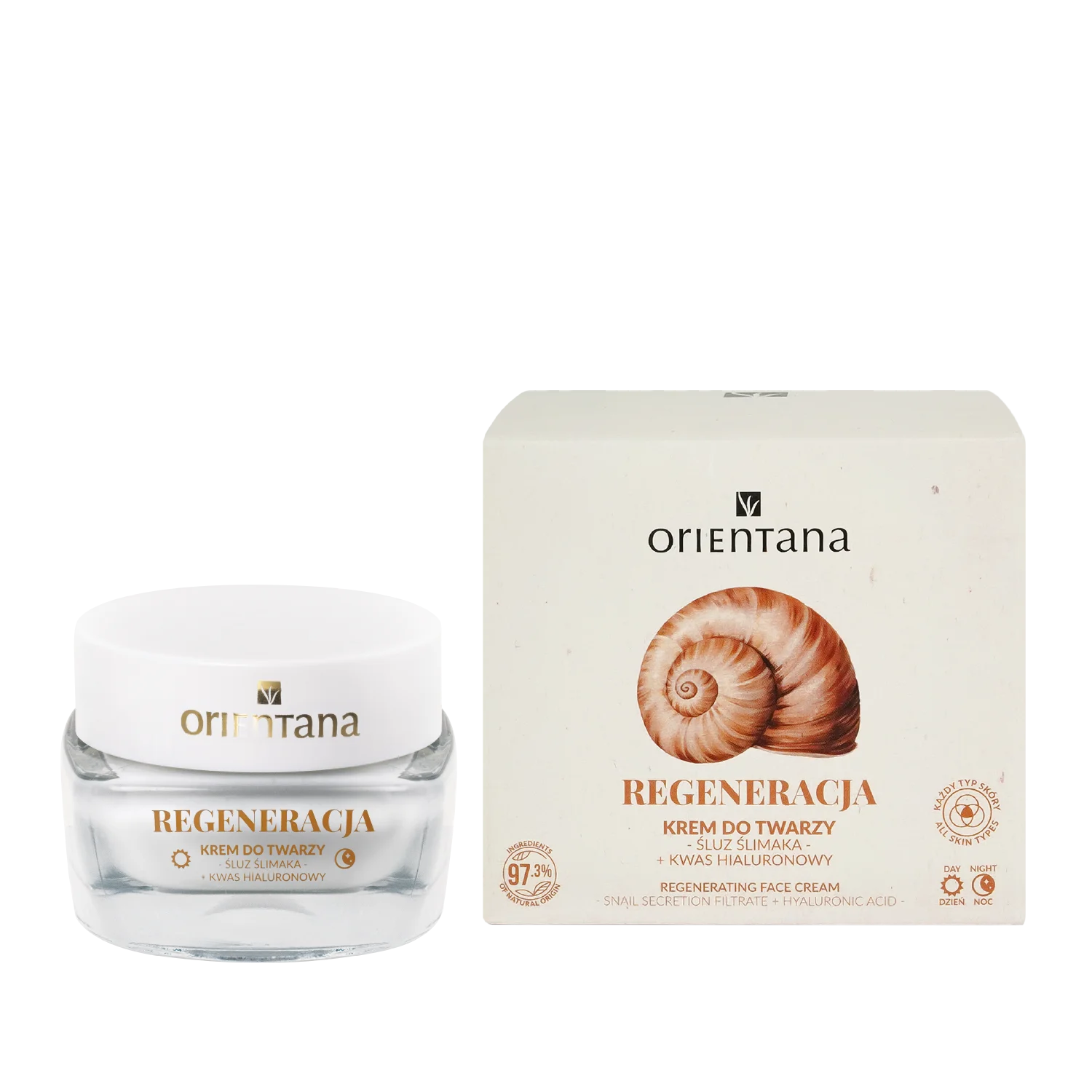
Snail Slime Series for all skin types requiring hydration and regeneration

Effect: less visible tired facial skin.
STEP 3 - Antioxidant Color Therapy
Serum Ampoule with vitamin C supports the evenness of skin tone.:
- has antioxidant properties,
- supports the reduction of color unevenness,
- improves the overall appearance of the skin.
For sallow skin, antioxidants are an absolute must.
If you want to learn more about antioxidants, read Antioxidants - What Are They and How Do They Work for Your Skin? The Complete Guide
STEP 4 - Structural regeneration
Cream with snail slime supports repair processes and smoothes the epidermis.
Smooth structure = better light reflection = less visible gray skin.
STEP 5 - Long-term slow aging strategy
Glow is the effect of:
- systematicity,
- barrier support,
- reduction of oxidative stress,
- adequate amount of sleep,
- UV protection.
Does diet affect gray skin?
Yes.
Deficiency:
- antioxidants,
- vitamin C,
- B vitamins,
- iron,
may affect the earthy color.

Can gray skin be brightened in a week?
Partly.
Improving hydration gives quick results.
Full barrier restoration and regeneration require 3–6 weeks.
How to distinguish gray skin from discoloration?
Gray skin:
- is evenly earthy,
- there are no obvious spots,
- improves after moisturizing.
Discoloration:
- have clear boundaries,
- are point,
- they do not disappear after applying moisturizing cream.
Does makeup solve the problem of gray skin?
It masks him.
But without improving structure and hydration, the effect will be short-lived.
Long-term care regimen for gray skin
IN THE MORNING:
- gentle cleansing,
- hydration (Tremella),
- antioxidant,
- SPF.
IN THE EVENING:
- cleaning,
- regeneration (snail slime),
- barrier support.
Frequently asked questions
Is gray skin a symptom of dehydration?
Very often, yes. Dehydrated skin loses its ability to reflect light and appears dull.
Does stress cause a dull complexion?
Yes. Cortisol affects microcirculation and regenerative processes.
How to improve skin tone naturally?
Through hydration, antioxidants and strengthening the hydrolipid barrier.
Does oily skin need moisturizing?
Yes. Lack of hydration worsens the problem of dull skin.
How long does it take for the color to improve?
First results in 2–3 weeks, full improvement in 6 weeks.
Summary
Tired, gray skin is not an aesthetic defect – it is a signal.
I signaled that:
- the skin needs water,
- needs antioxidant support,
- needs regeneration, not aggression.
Modern care is not about “rubbing away” the problem.
It involves restoring the physiology of the skin.
Shine is the result of a healthy structure.