Natural hair coloring is experiencing a true renaissance. More and more people are seeking alternatives to chemical dyes and are turning to henna – a plant-based dye known for thousands of years. However, the cosmetics market is flooded with products labeled "henna" that have little in common with natural henna.
Therefore, an important question arises: how to recognize good henna for hair?
High-quality henna should be 100% plant-based, free from synthetic dyes and chemical additives. Only such henna ensures safe coloring while strengthening the hair. In this article, we explain how to recognize good henna for hair and what to look for before purchasing it.
What exactly is henna for hair?
Henna is a natural dye obtained from the leaves of the Lawsonia inermis plant. This plant grows primarily in warm climates, such as India, Iran, Pakistan, and the Middle East.
Lawsonia leaves are harvested, dried, and then ground into a fine powder. This powder is the henna used to color hair.
The most important active ingredient is lawsone , a natural plant pigment. It is responsible for the characteristic red or copper color of henna. Lawsone binds to the hair's keratin, allowing the dye to settle on the hair's surface and giving it a long-lasting shade.
Unlike chemical dyes, henna:
- does not lighten hair,
- does not damage the hair structure,
- does not require the use of oxidants.
That is why natural henna is often chosen by people who want to combine hair coloring with care.
Check out Orientana hennas

How to recognize good henna for hair - 7 most important features
There are many products labeled henna on the market. However, only some are true herbal henna. Here are the key features that help you recognize a high-quality product.
1. Short and natural composition
The first thing you should check is the composition of the product.
Good henna should contain, above all:
- Lawsonia inermis – powdered henna leaves.
In the case of coloring mixtures, other plants may also appear, such as:
- indigo (Indigofera tinctoria),
- amla,
- bhringraj,
- cassia.
These are natural herbs that have been used for centuries in traditional hair care in India.
The composition of good henna should not include:
- synthetic dyes,
- ammonia,
- hydrogen peroxide,
- PPD (para-phenylenediamine),
- metal salts.
The simpler the composition, the greater the chance that we are dealing with real herbal henna.

2. Henna should be in powder form
The most natural henna comes in the form of a fine powder .
It is made from ground Lawsonia leaves. This powder is mixed with water to form a paste, which is then applied to the hair.
Products sold as:
- henna cream,
- henna in a tube,
- ready-made henna paste
They often contain preservatives, stabilizers, or synthetic pigments. This doesn't always indicate poor quality, but it often means the product isn't 100% natural henna.
3. Characteristic plant scent
Natural henna has a very characteristic smell.
This is the aroma of:
- herbal,
- slightly earthy,
- resembling dried plants.
If henna smells strongly of perfume or chemicals, it may indicate the presence of fragrance additives or synthetic ingredients.
4. Henna powder color
High-quality henna usually has a greenish or olive-colored powder.
It can range in shade from light green to darker olive. This is the natural color of dried Lawsonia leaves.
If the powder is:
- very dark,
- brown,
- black
This may mean old henna or a mixture with other ingredients.

5. Country of origin of henna
The origin of the raw material is also of great importance.
The best henna for hair comes from regions where the plant grows in natural climatic conditions. These regions include:
- India
- Iran
- Pakistan
- Yemen
It is there that climatic conditions favor a high content of the natural dye lawsone in the plant's leaves.
6. Product freshness
The freshness of the henna is of great importance for the coloring effect.
Over time, the content of natural dye in the powder decreases, so very old henna may:
- dye your hair less easily,
- give a less intense color.
The best products are made from leaves harvested seasonally, which are quickly dried, ground and packaged.
7. Coloring effects and user opinions
Good henna gives a very characteristic coloring effect.
Hair after henna:
- have multidimensional color,
- are shinier,
- they seem thicker and stronger,
- they often gain more volume.
Natural henna does not create one flat color – the effect is more natural and depends on the initial hair color.
How to Choose Henna Color for Your Hair? A Complete Step-by-Step Guide
How to distinguish natural henna from so-called "black henna"
Many products sold as henna are not actually pure herbal henna. Most often, they are mixtures containing synthetic dyes that can cause allergic reactions and skin irritation.
Particular caution should be exercised when using products labeled " black henna ." Natural henna, from the Lawsonia inermis plant, produces shades ranging from copper to warm brown. It cannot dye hair black without the addition of other plants or pigments.
Black henna often contains a substance called PPD (paraphenylenediamine) . This synthetic dye is used in chemical hair dyes. In high concentrations, it can cause severe allergic reactions, so its use in tattoo or skin coloring products is restricted in many countries.
If you see terms like these on the henna packaging:
- black henna
- instant henna
- henna cream without mixing
It's worth carefully checking the product's ingredients. Real herbal henna is most often found in powder form and requires you to prepare a paste with water yourself.
Henna from India or elsewhere - does it matter?
The quality of henna depends not only on how the leaves are processed but also on where the plant is grown. The highest quality henna comes from regions with very warm and dry climates, where the Lawsonia inermis plant produces a large amount of the natural pigment lawsone.
The most valued hennas come from:
India , particularly from the regions of Rajasthan and Gujarat, where the plant grows in ideal climatic conditions. Indian henna is known for its high pigment content and intense color.
Iran - Iranian henna is also of very good quality and gives warm, deep shades.
Yemen - Yemeni henna is rarer on the market, but is famous for its very fine grind and high-quality pigment.
It's worth remembering that the method of harvesting, drying, and grinding the leaves is also crucial. Freshly harvested and quickly processed leaves produce henna with better coloring properties.
Why freshness of henna is so important
Henna is a plant product, so it may lose some of its coloring properties over time. The most important compound responsible for the color is lawsone , a natural pigment that gradually oxidizes.
Fresh henna:
- gives a more intense color
- releases pigment faster
- provides a more predictable coloring effect
Older henna can:
- dye your hair less
- give a less intense shade
- require longer time on the hair.
That's why good brands make sure that the henna is packaged as soon as possible after harvesting and goes on sale as quickly as possible.
What is the process of producing good henna like?
The process of producing high-quality henna is relatively simple, but requires appropriate conditions and quality control.
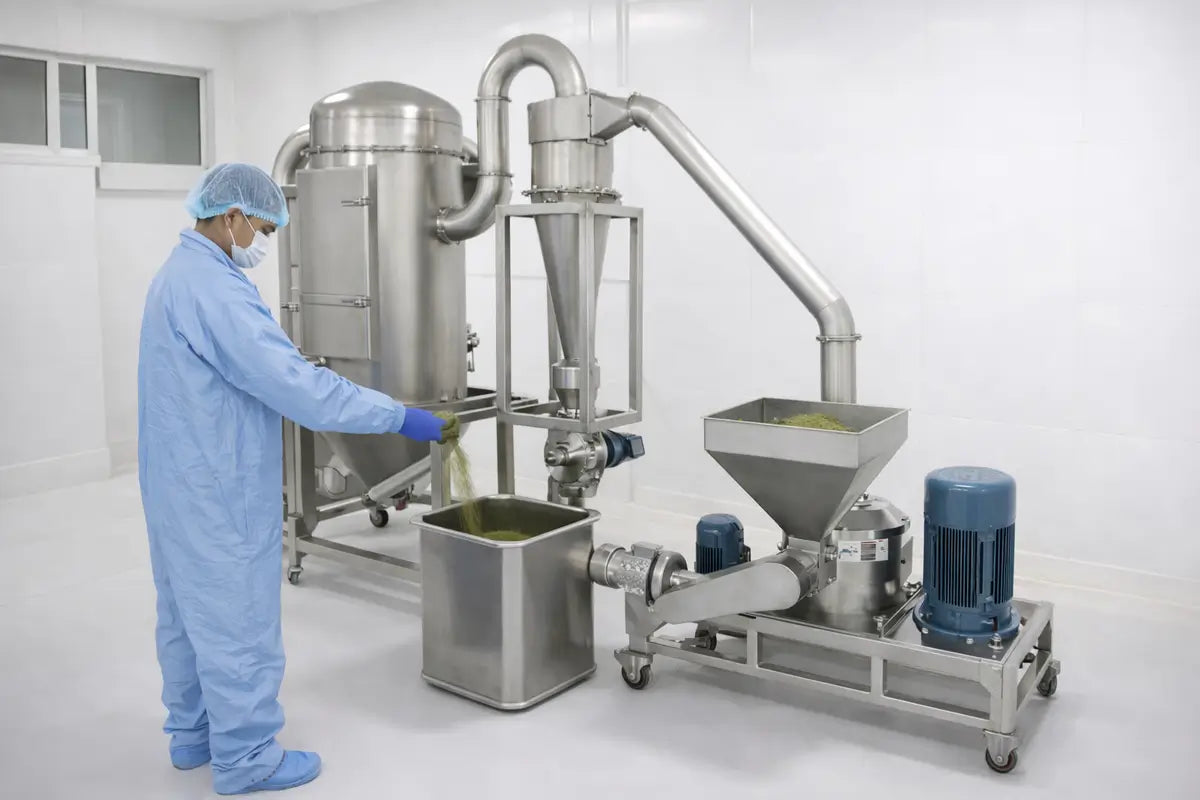
First, the leaves of the Lawsonia inermis plant are hand-harvested from mature bushes. They are then dried naturally in the shade to retain as much pigment as possible.
Once dried, the leaves are ground very finely to form a uniform powder. High-quality henna should have a very fine consistency, allowing it to easily form a smooth paste and evenly coat the hair.
Finally, the powder is packaged in airtight packaging to protect against moisture and light, which could reduce the quality of the product.
Read about the production of our henna in the article Where Does Henna for Hair Come From? The History of the Plant That Has Colored Hair for Thousands of Years
How to store henna so that it does not lose its properties
To ensure henna retains its coloring properties, it is important to store it in appropriate conditions.
Best:
- in a sealed package
- in a dry place
- away from sunlight
- at room temperature.
After opening the package, it's best to use the henna within a few months. This will ensure it retains its highest quality and color intensity.
What to avoid when choosing henna
Not all products labeled henna are safe or natural. It's especially important to watch out for:
- so-called black henna with the addition of PPD,
- products without exact composition,
- mixtures containing synthetic pigments,
- henna with the addition of metal salts.
Such products may cause skin irritation or unpredictable coloring results.
Why natural henna is good for your hair
Henna not only colors the hair, but also has a nourishing effect.
Regular henna application can:
- strengthen hair,
- increase their volume,
- improve shine,
- smooth the hair surface,
- reduce brittleness.
This is because henna creates a thin protective layer on the hair, which strengthens its structure.
Check out Why Dye Your Hair with Henna? 7 Reasons Henna Is Better Than Hair Dye
How to check the quality of henna before dyeing
The best way to check the effects of henna is to do a test on a strand of hair .
Enough:
- prepare a small amount of henna paste and water
- wait a few hours for the pigment to release
- apply henna to a small strand of hair
- check the effect after rinsing
This allows you to assess both the intensity of the color and the hair's reaction to the product.
Is more expensive henna always better?
Price is not always the only determinant of quality.
The most important are, above all:
- natural composition,
- origin of the plant,
- product freshness,
- method of production.
Well-prepared henna should be a pure product, without unnecessary additives and made from high-quality plant raw materials.
Summary
Good hair henna is an all-natural product made from the leaves of the Lawsonia inermis plant. To recognize high-quality henna, it's worth paying attention to a few key features.
The most important of them are:
- simple, plant-based composition
- fine powder form
- greenish color
- herbal scent
- appropriate origin of the raw material
- product freshness
Natural henna not only allows you to change the color of your hair, but also improve its condition and give it a healthy shine.
FAQ
How to check if henna is natural?
The best way to check the product's ingredients is to check the ingredients. Natural henna should contain only powdered leaves of the Lawsonia inermis plant or a blend of coloring plants.
Is all hair henna natural?
No. Many products labeled henna contain synthetic dyes or chemical additives.
What does real henna look like?
Natural henna has the form of a fine greenish powder with a characteristic herbal scent.
Does henna damage hair?
Natural henna doesn't damage hair. On the contrary, it can strengthen it and improve its condition.
How long does the henna color last?
The henna color usually lasts from several weeks to several months, depending on the hair type and how often you wash it.
Can henna cover gray hair?
Yes. Natural henna can cover gray hair, but the color result depends on whether it is a two-step dyeing process.