Citric acid is one of those ingredients that appears in almost every cosmetic—from facial cleansers and toners to scrubs and masks. Although it's primarily associated with cooking and lemons, it actually plays a key role in modern cosmetology.
This ingredient not only influences the effectiveness of a cosmetic but also its safety, durability, and skin compatibility. In this article, we explain in detail:
- what is citric acid,
- how it affects the skin,
- why is it so often used in cosmetics,
- is it safe,
- and how to use its potential in care.
What is citric acid?
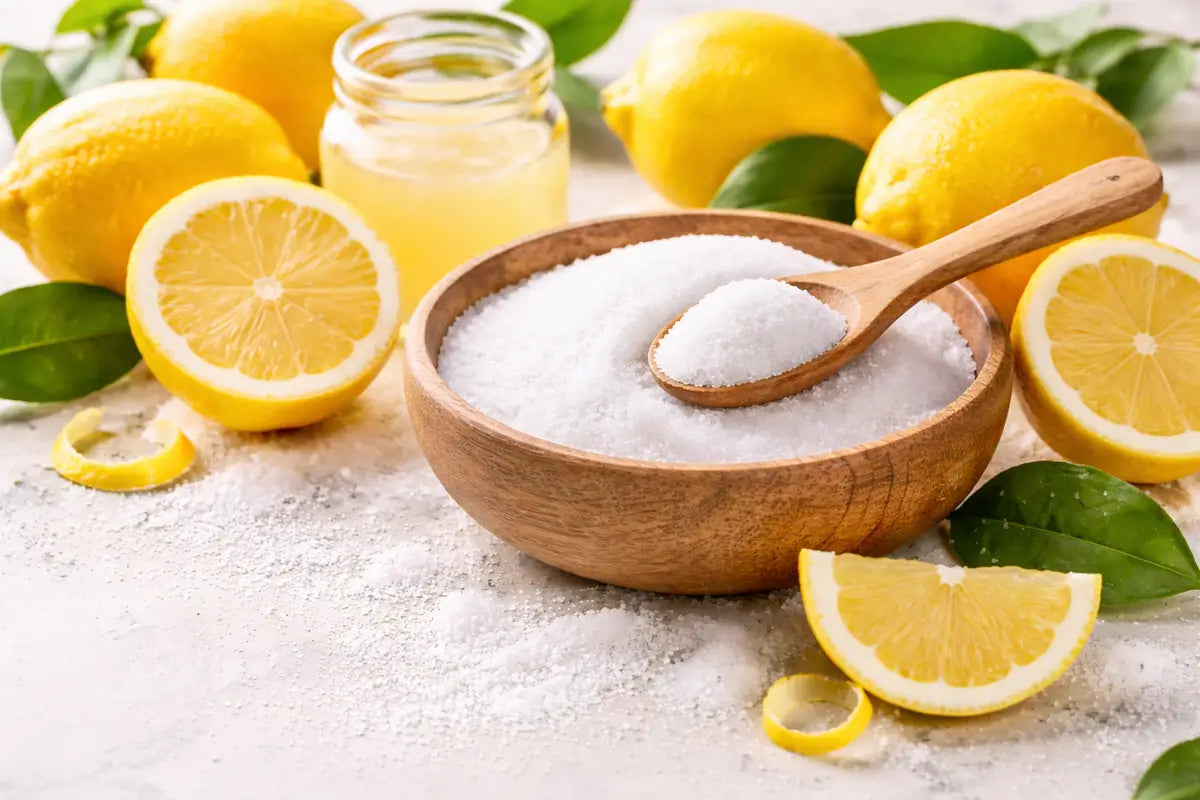
Citric acid (INCI: Citric Acid) is an organic chemical compound belonging to the group of AHAs (alpha hydroxy acids) . It occurs naturally in citrus fruits such as lemons, limes, and oranges, but in cosmetics it is most often obtained through the fermentation of sugars.
Key features:
- soluble in water,
- works in an acidic environment,
- has chelating properties (binds metals),
- regulates pH,
- may have an exfoliating effect.
How does citric acid work on the skin?
Citric acid has a multifaceted effect, which depends on its concentration and the cosmetic formula.
1. Gentle exfoliation
In higher concentrations it acts as a mild AHA acid:
- loosens the connections between epidermal cells,
- removes dead cells,
- smoothes the skin,
- improves its texture.
Effect: the skin becomes more radiant and uniform.
2. Regulating the pH of the skin and cosmetics
This is the most important function of citric acid in cosmetics .
Every cosmetic must have the right pH to:
- do not irritate the skin,
- support the hydrolipid barrier,
- enable the action of active ingredients (e.g. niacinamide, enzymes, preservatives).
Citric acid:
- lowers the pH of the formula,
- stabilizes the product,
- increases its effectiveness.
Without it, many cosmetics simply would not work properly.
3. Brightening and color-balancing effect
Regular use can:
- lighten discolorations,
- reduce acne marks,
- improve skin tone.
It is not as strong as, for example, glycolic acid, but it is much gentler.
4. Antioxidant properties (indirect)
Citric acid:
- supports the action of antioxidants,
- stabilizes vitamin C in formulations,
- limits the action of free radicals.
5. Chelation of metals
This is a very important, yet often overlooked, function.
Citric acid:
- binds metal ions (e.g. iron, copper),
- prevents oxidation of the cosmetic,
- increases the durability of the formula.
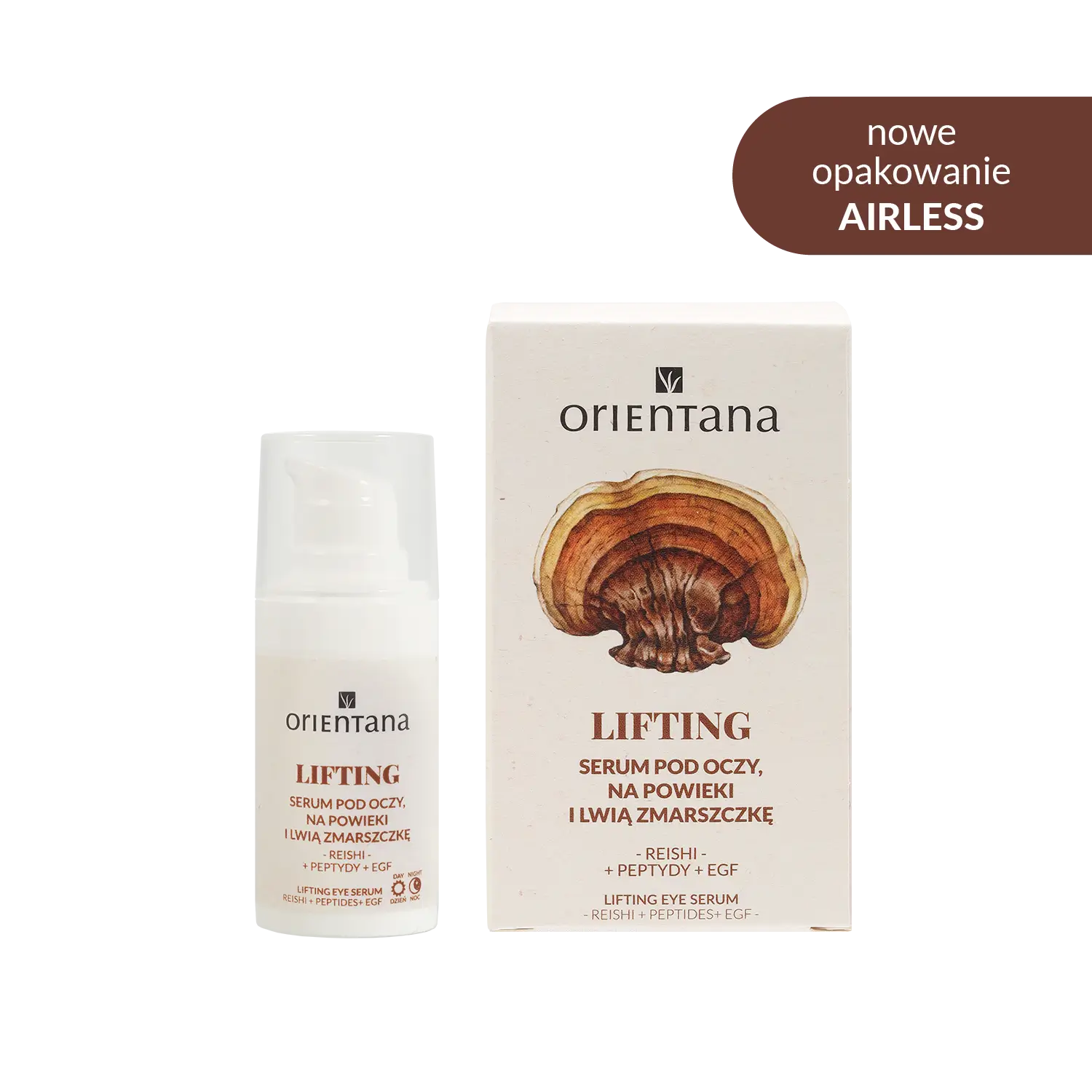
The snail slime cream contains citric acid

Why is citric acid so often used in cosmetics?
Citric acid is one of the most universal cosmetic ingredients.
Reasons for its popularity:
1. Multifunctionality
It performs several functions simultaneously:
- pH regulator,
- active ingredient,
- stabilizer,
- chelator.
2. Security
- well tolerated by the skin,
- approved for use in cosmetics worldwide,
- can be used even in products for sensitive skin (in low concentrations).
3. Natural origin
- fits into the trend of clean beauty and natural cosmetics,
- often used in Ayurvedic and herbal formulas.
4. Low price and high effectiveness
- economical component,
- very technologically effective.
Booster Energy contains citric acid

What cosmetics contain citric acid?
Citric acid is found in a huge number of products:
Facial care:
- facial cleansing gels,
- tonics,
- essences,
- creams,
- chemical peels.
Body care:
- balms,
- peelings,
- shower gels.
Hair care:
- shampoos,
- conditioners,
- lotions.
In hair products, it helps close hair cuticles and adds shine.
Citric acid in natural and Ayurvedic cosmetics
In natural care, citric acid often plays the role of:
- pH regulator instead of synthetic buffers,
- an ingredient supporting plant extracts,
- an element that improves the bioavailability of active ingredients.
When combined with adaptogens (e.g. ashwagandha, reishi) it can:
- stabilize the formula,
- support antioxidant activity,
- improve absorption.
Ayurvedic shampoo with citric acid

Is citric acid safe?
Yes, provided it is used appropriately.
Safe use:
- in low concentrations (pH adjustment) - completely safe,
- in higher (peelings) - requires appropriate use and SPF protection.
Possible side effects:
- slight stinging,
- irritation at high concentrations,
- increased sensitivity to the sun.
👉 That's why it's always worth using a cream with SPF when using acid treatments.
Citric acid and other AHA acids - what is the difference?
- is gentler than glycolic acid ,
- works more superficially,
- less likely to cause irritation,
- more often used as an auxiliary ingredient than the main active ingredient.
Is it worth looking for citric acid in the ingredients?
Yes, but it is worth understanding its role.
If you see it at the end of the INCI composition:
👉 acts as a pH regulator
If above:
👉 can perform an active function (exfoliation)
Summary
Citric acid is one of the most underrated, yet crucial, ingredients in cosmetics.
- regulates pH and stabilizes formulas,
- supports the action of active ingredients,
- can gently exfoliate and brighten the skin,
- improves the durability of the cosmetic,
- is safe and universal.
It is these “invisible” ingredients that determine whether a cosmetic really works.
FAQ - citric acid
1. Is citric acid an AHA acid?
Yes, it belongs to the group of AHA acids, but it works more gently than, for example, glycolic acid.
2. Does citric acid exfoliate the skin?
Yes, but mainly in higher concentrations.
3. Is citric acid safe?
Yes, it is safe and widely used in cosmetics.
4. Can it be used daily?
Yes, if it acts as a pH regulator.
5. Does it cause irritation?
Rarely, mainly at high concentrations.
6. Does it lighten discolorations?
It can gently even out skin tone.
7. Is it suitable for sensitive skin?
Yes, in low concentrations.
8. Is it natural?
It can be obtained naturally (e.g. fermentation of sugars).
9. Is it in hair cosmetics?
Yes, it smoothes the hair and closes the cuticles.
10. Is it necessary to use SPF?
Yes, especially at higher concentrations.